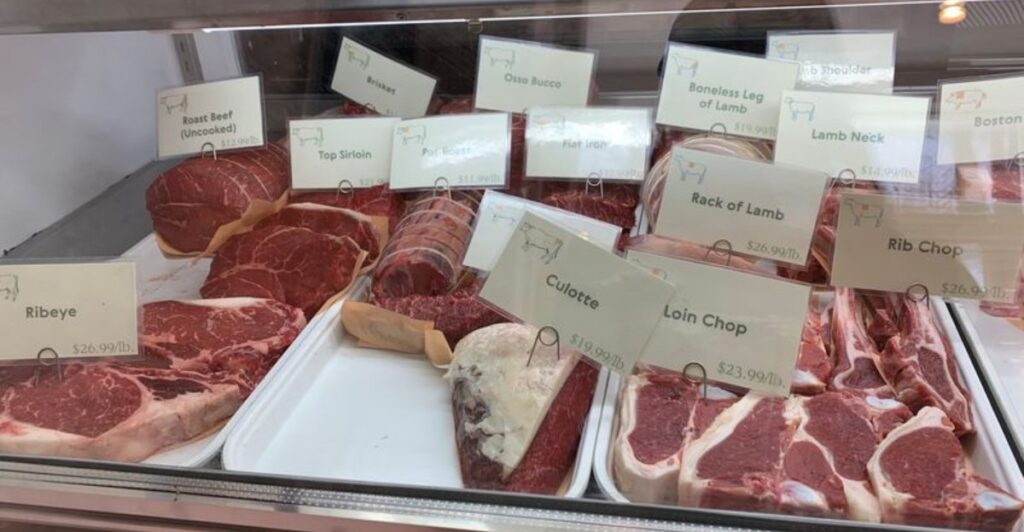
A rack of lamb ribs is not the kind of thing most shoppers expect to find between supermarket packages of ground beef and boneless chicken breasts. At Darke Pines in Jersey City, however, an unusual request can lead to an actual conversation, a custom cut, and possibly a few cooking suggestions before the meat is wrapped.
The compact shop at 332 2nd Street practices whole-animal butchery, giving curious cooks access to pieces that rarely reach conventional grocery cases. Owners Erica and Will Messmer have built the business around carefully sourced beef, lamb, pork, and poultry, but raw meat is only part of the appeal.
The counter also turns out house-made sandwiches, while shelves hold bread, condiments, snacks, and other useful additions for dinner.
Darke Pines feels less like a place to race through with a shopping cart and more like the neighborhood butcher shops people miss—a small, knowledgeable operation where asking a question can completely change what ends up on the stove.
A Neighborhood Butcher Shop in the Heart of Jersey City
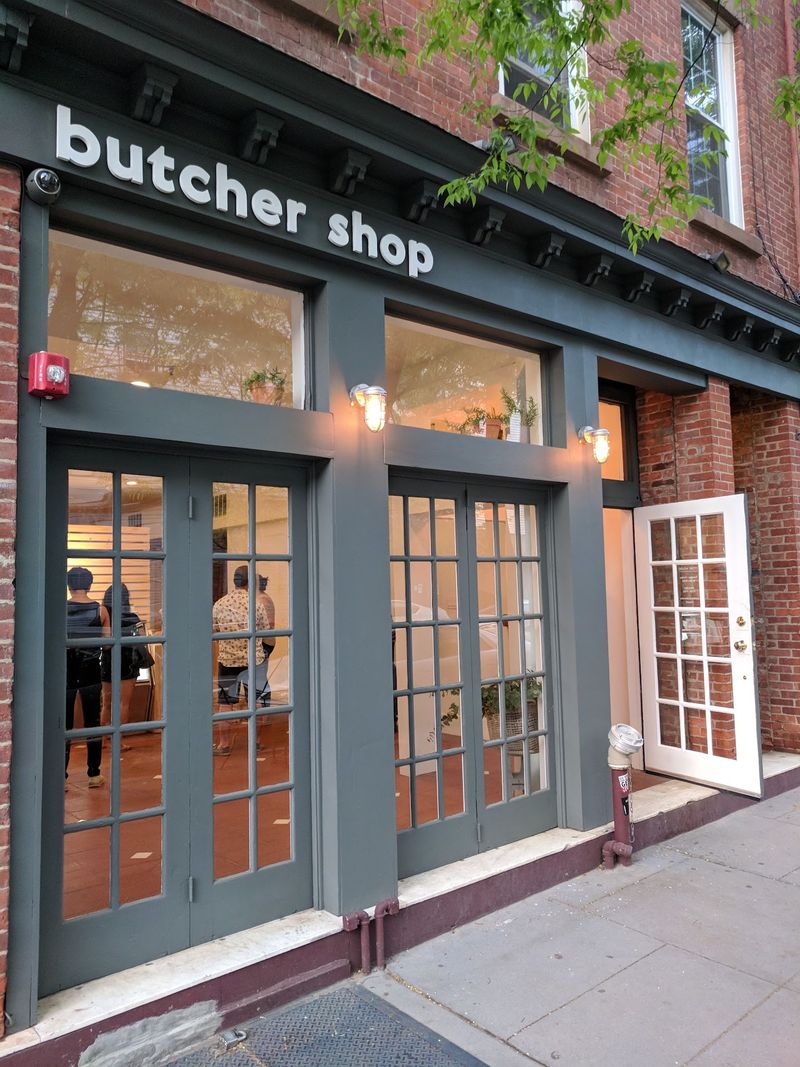
Walk past the glass towers and busy PATH crowds, and a compact butcher counter can feel like a welcome return to old-school Jersey City shopping. Instead of facing endless supermarket rows, home cooks get a focused selection and a person who knows what is in the case.
A neighborhood shop also makes meal planning more practical. Stop in before dinner, explain how many people you are feeding, and share your budget.
Bring a rough idea, such as tacos, Sunday sauce, or a quick steak supper, rather than demanding one exact cut.
Small spaces reward curious shoppers because the counter may change with supply. Check what looks best, ask what arrived recently, and stay flexible if another option offers better value.
A butcher can also portion meat for two, wrap pieces separately, or suggest freezer-friendly amounts.
For serious cooks, that personal rhythm matters more than a huge display. You leave with a sensible plan, less waste, and a cut suited to your pan.
Keep an insulated bag handy during warm months, especially if errands remain before heading home to cook dinner.
Whole-Animal Butchery Opens Up a World of Unusual Cuts
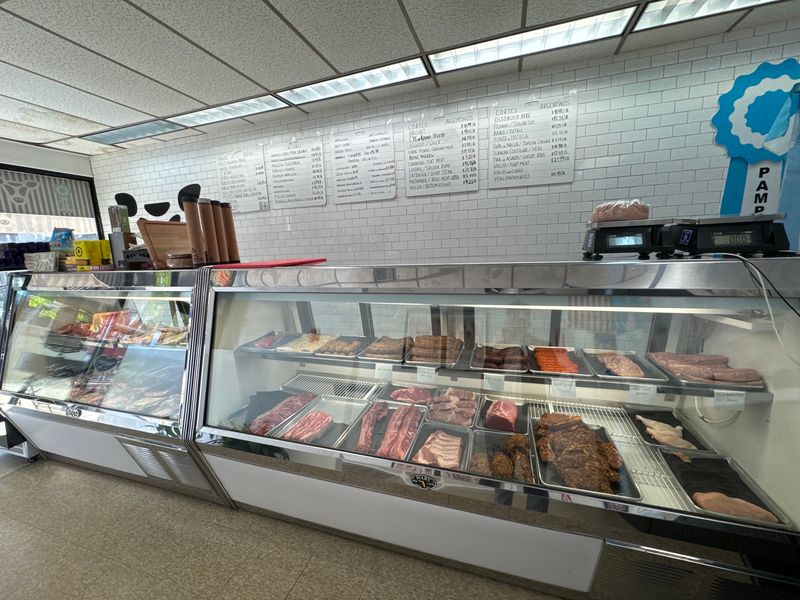
The most exciting piece of meat may be the one you cannot name yet. Whole-animal butchery encourages shoppers to look beyond tenderloin, ribeye, and boneless chicken breasts, revealing flavorful cuts that rarely claim space in a standard grocery case.
Options might include cheeks, shanks, neck, hanger steak, or bones for stock, depending on what is available. Each behaves differently in the kitchen.
Firm, hardworking muscles usually benefit from slow cooking, while some thinner cuts need only a hot pan and a short rest.
Tell the butcher what equipment you own before choosing. A Dutch oven points toward braises, a grill suits quick-cooking pieces, and a pressure cooker can tame tougher cuts on a weeknight.
Ask about grain direction too, since slicing across it can make cooked meat easier to chew.
Trying unfamiliar pieces also helps more of the animal become useful rather than overlooked. Begin with one manageable experiment, follow a trusted recipe, and write down timing changes for next time.
Even if the cut looks odd, treat temperature and resting time carefully. Curiosity at the counter can lead to cheaper meals, deeper flavor, and new kitchen confidence.
Helpful Butchers Make Every Cut Less Intimidating
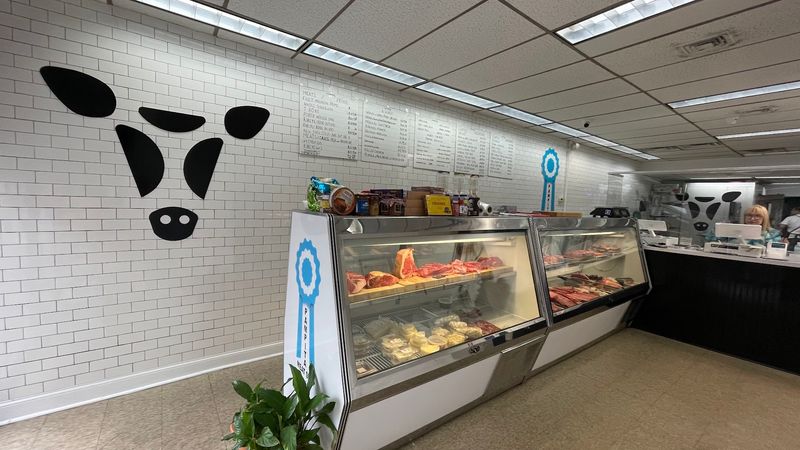
Forgot the difference between a shoulder roast and a leg roast? No panic is needed at a good butcher counter.
Helpful staff can translate meat-case language into clear cooking steps, saving you from guessing once the oven is already hot.
Start by describing the result you want: crisp edges, tender slices, shreddable meat, or a fast dinner. Mention your skill level without embarrassment.
Clear details let the butcher recommend a suitable cut, thickness, cooking method, and amount per person instead of offering broad advice.
Use the conversation to solve practical problems before checkout. Ask whether fat should be trimmed, bones should remain, or twine is needed.
Confirm whether the meat benefits from marinating, salting ahead, resting after cooking, or reaching a particular internal temperature.
A photo of your pan or recipe can be surprisingly useful when names differ. Keep notes on the package so instructions do not vanish during the trip home.
Most importantly, ask one question at a time and repeat key guidance back. That quick exchange builds skills you can reuse, whether you are roasting for a holiday crowd or searing two pork chops on Tuesday night.
Confidence grows faster when expert advice is attached to something you will actually cook.
Locally Raised Meat Brings Better Flavor to the Counter
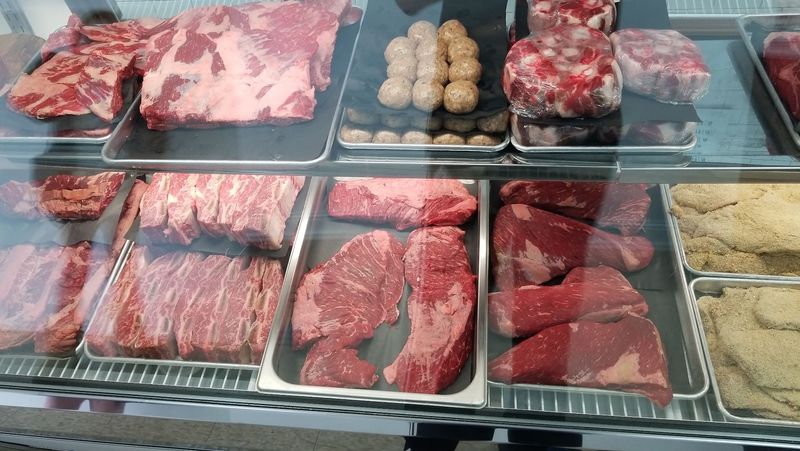
Great flavor begins long before meat reaches a skillet. When a shop works with nearby farms, shoppers may gain a clearer path from the farm to the counter, along with useful details about how an animal was raised and handled.
Local does not automatically guarantee better quality, so thoughtful questions still matter. Ask where the meat came from, whether supply changes by season, and what qualities make the current cut stand out.
A careful butcher should be able to explain flavor, fat, texture, and recommended preparation in plain terms.
Pay attention to appearance rather than chasing labels alone. Beef marbling, firm fat, clean wrapping, and proper refrigeration offer helpful clues.
With pork or poultry, ask about freshness and storage. Once home, refrigerate purchases promptly and follow safe cooking temperatures from a reliable food-safety source.
Respecting good meat also means keeping the recipe focused. Season simply on a first try so you can understand its natural character, then adjust later meals with sauces or spice blends.
Save bones for stock and rendered fat when appropriate. Buying a smaller amount of carefully chosen meat can be more satisfying than purchasing extra portions that sit forgotten in the freezer, while supporting a closer regional food network.
House-Made Sandwiches Are Worth the Trip on Their Own

Sometimes lunch steals the spotlight from dinner. A butcher-shop sandwich can show what the counter does best, pairing carefully sliced meat with sturdy bread, sharp condiments, crunchy vegetables, and enough juice to require a stack of napkins.
House-made offerings are also an easy introduction for first-time visitors. Ordering lunch lets you taste the shop’s approach before choosing a raw cut for home.
Look for balanced construction: meat should remain the star, but acidity, salt, texture, and bread keep every bite lively.
Check the daily selection because specials may reflect what the kitchen has prepared or what suits the season. If a sandwich sounds especially good, ask whether a related cut is available to cook at home.
The staff may suggest roasting instructions, slicing tips, or a condiment that creates a similar result.
Plan around the practical details too. Popular choices may sell out, and a packed sandwich rarely improves after hours in a warm car.
Eat nearby when possible, or request sauces on the side for travel. Split one with a friend if you also want room to sample another item.
In Jersey City, a quick butcher-counter lunch can become both a satisfying stop and useful recipe research.
Pantry Staples and Fresh Extras Complete the Shopping List
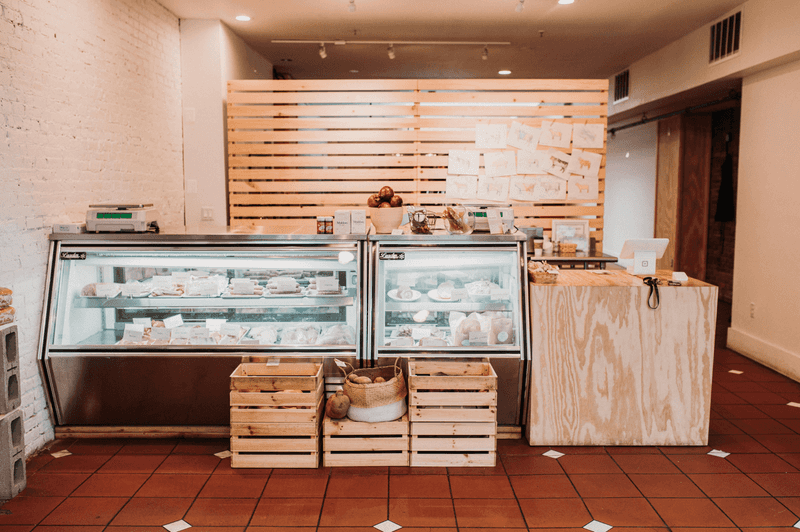
A steak is useful, but dinner still needs supporting players. Well-chosen shelves can save a second grocery stop by placing sauces, spices, bread, eggs, pasta, pickles, and seasonal extras within reach of the butcher counter.
Shop with the full plate in mind. Mustard can sharpen rich pork, pickled vegetables cut through a fatty sandwich, and sturdy pasta turns sausage into a complete meal.
Fresh herbs, stock, or good salt may seem minor, yet each can make simple cooking taste more finished.
Read labels and compare sizes before tossing jars into your basket. Small-batch goods can cost more, so choose items that fit several meals rather than one complicated recipe.
A versatile spice blend might season chicken tonight, roasted potatoes tomorrow, and beans later in the week.
Fresh extras require a little planning. Check use-by guidance, keep chilled products cold, and avoid buying delicate produce without a clear purpose.
Then ask whether the shop has a favorite pairing for your meat selection. Staff suggestions can reveal an easy sauce or side you had not considered.
Leaving with a connected group of ingredients, rather than random treats, keeps the bill sensible and turns the evening meal into a smooth, enjoyable project.
Share this story