A fork breaking through molten chocolate, the Empire State Building glowing across the Hudson, and a ferry sliding past the windows made an ordinary evening feel suspiciously cinematic. For decades, that was dinner at Chart House in Weehawken.
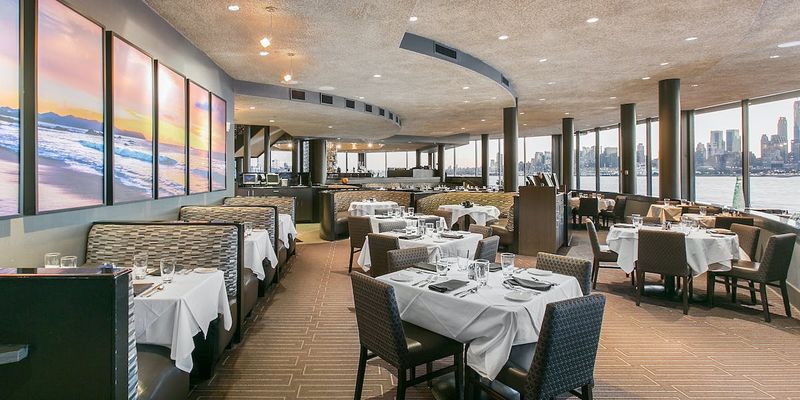
The waterfront restaurant occupied a prime spot at Lincoln Harbor, directly across from Manhattan, where floor-to-ceiling windows transformed the skyline into part of the décor.
It became a trusted destination for anniversaries, birthdays, business dinners, and dates that called for something more memorable than the neighborhood standby.
Steaks and seafood supplied plenty of substance, but Chart House understood that special-occasion dining was about the full sequence: drinks beside the river, slow-roasted prime rib at the table, and warm chocolate cake arriving for the finale.
Its permanent closure in May 2026 ended a nearly four-decade run, leaving New Jersey diners with vivid memories of a restaurant where the view never became routine.
Chart House Brought Riverfront Elegance to Weehawken
Long before the Hudson County waterfront filled with luxury towers and polished dining rooms, Chart House had claimed one of the most enviable addresses in the state. The restaurant stood at 1700 Harbor Boulevard in Lincoln Harbor, a Weehawken development positioned almost directly opposite Midtown Manhattan.
Its location offered the glamour of a New York night out without requiring diners to cross the river, hunt for a Manhattan parking garage, or squeeze dinner between tunnel traffic and a theater curtain. Inside, Chart House leaned upscale without becoming stiff.
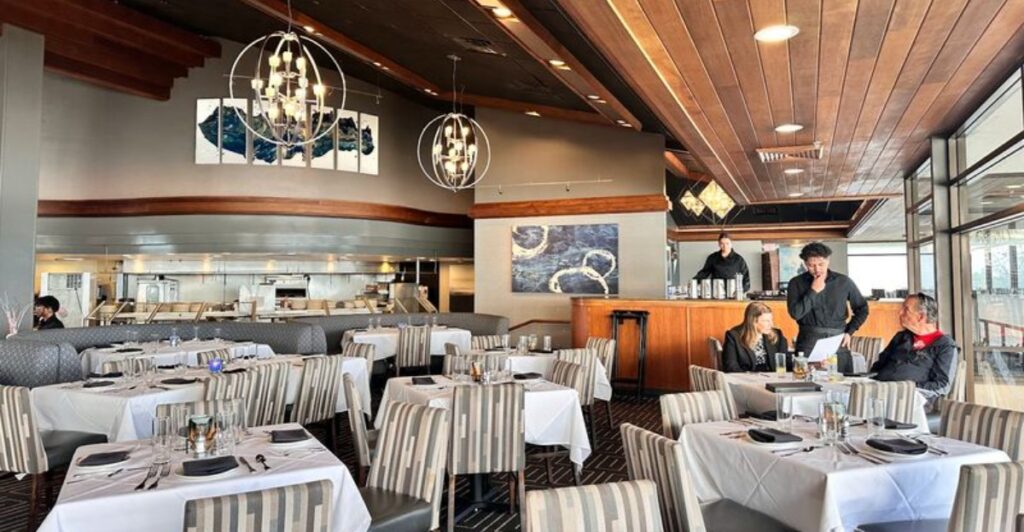
Low lighting, crisp table settings, and a spacious dining room established a celebratory mood, while the waterfront setting kept the experience from feeling like a conventional steakhouse wrapped in dark wood.
Floor-to-ceiling glass opened the room to the river, creating a sense that the building had been designed around the view rather than simply fortunate enough to inherit it.
The restaurant was particularly popular with couples and families marking milestones. On a busy evening, one table might hold flowers for an anniversary while the next gathered around a birthday dessert.
Private events, corporate dinners, and holiday meals also became part of its identity. Yet diners did not need a major life event to fit in.
A cocktail at the bar or an early dinner near the windows could provide the same polished escape on an otherwise normal weeknight. That versatility helped Chart House remain a recognizable name on the waterfront for nearly 40 years.
Weehawken changed dramatically around it, but the restaurant continued serving the same useful role: a dependable place to dress up a little, order something indulgent, and let the setting do much of the occasion-making.
Panoramic Manhattan Views Stole the Show
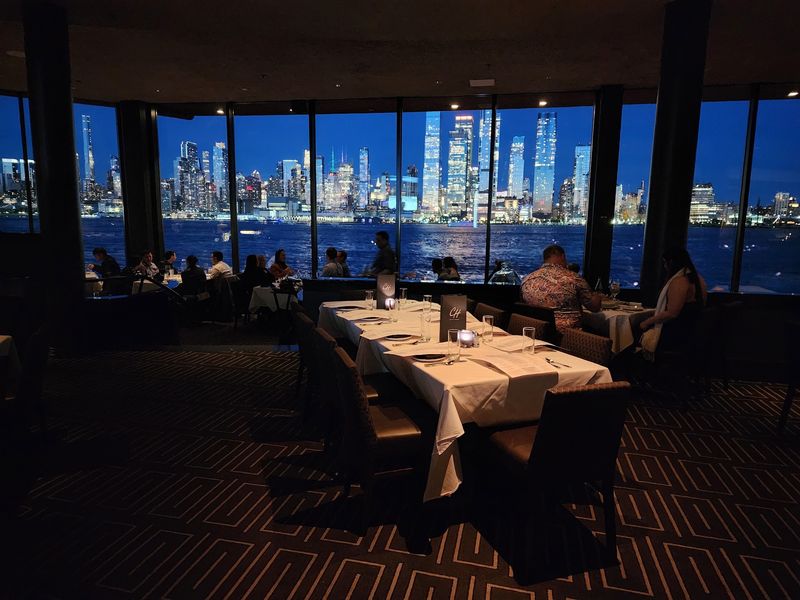
Just before sunset was the golden hour in more ways than one. Daylight softened over the Hudson, the glass towers across the river began reflecting shades of orange and pink, and Manhattan gradually switched on for the night.
From the Chart House dining room, guests could follow the skyline south from the Empire State Building toward Lower Manhattan while boats and ferries moved through the foreground. Few restaurants could compete with that unfolding show.
The broad windows made the view available throughout much of the dining room, although tables closest to the glass naturally carried extra appeal. Guests celebrating something important often requested them when making reservations, particularly on weekend evenings.
Warmer weather added another possibility with outdoor dining that traded the glass barrier for river air and the low hum of waterfront activity. Winter had its own advantages.
Sitting indoors with a steak, a glass of red wine, and the illuminated skyline beyond the windows felt especially rewarding when the wind was whipping along the Hudson outside. The restaurant’s position on the New Jersey side also offered a perspective that Manhattan restaurants could not reproduce: Manhattan itself was the view.
It stretched across the horizon instead of disappearing above the table, and the water provided enough distance for the whole scene to register. That visual drama made phones appear before appetizers, but the atmosphere was not entirely about photographs.
Once dinner settled into its rhythm, the boats, changing light, and reflections on the river created a surprisingly calm backdrop. It was easy to understand why Chart House became attached to proposals, promotions, rehearsal dinners, and family traditions.
The skyline made each visit feel grand, while the steady movement of the Hudson prevented the room from ever seeming frozen in place.
Slow-Roasted Prime Rib Anchored the Menu
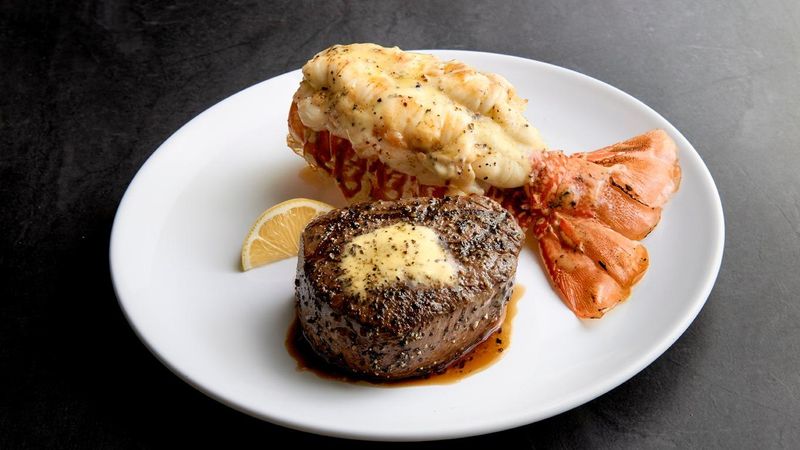
Some people opened the menu only as a formality because they already knew what they were ordering. Chart House built much of its steakhouse reputation around herb-crusted, slow-roasted prime rib, served rosy inside with garlic mashed potatoes, creamed horseradish, and au jus.
It was a classic presentation that did not need dramatic reinvention. The appeal came from tenderness, savory seasoning, and the way the rich beef soaked up that glossy jus.
Different portion sizes allowed diners to choose between satisfying and downright celebratory, although popular cuts could become limited later in the evening. Prime rib may have been the signature, but it did not stand alone.
Filet mignon offered a leaner, buttery option, while the 14-ounce New York strip brought a firmer texture and deeper beef flavor. Steak accompaniments pushed dinner firmly into splurge territory.
Chimichurri butter added brightness, blue cheese butter supplied a salty punch, and additions such as a crab cake or lobster tail turned a straightforward steak into full surf and turf. The sides stayed loyal to steakhouse tradition.
Creamed spinach, steamed asparagus, sizzling mushrooms, baked potatoes, and garlicky mashed potatoes were designed for sharing, though surrendering the last spoonful of mushrooms could test even the happiest couple. This was not casual burger-and-fries pricing, and nobody walked into Chart House expecting it to be.
Part of the bill covered the Lincoln Harbor setting, attentive service, and sense of ceremony surrounding the meal. Still, the prime rib gave the restaurant more than a lovely room with expensive views.
It was the kind of dependable house specialty that regulars could anticipate before arriving, down to the horseradish on the side and the potatoes waiting beneath the first slice.
Fresh Seafood Made Every Dinner Feel Like a Celebration
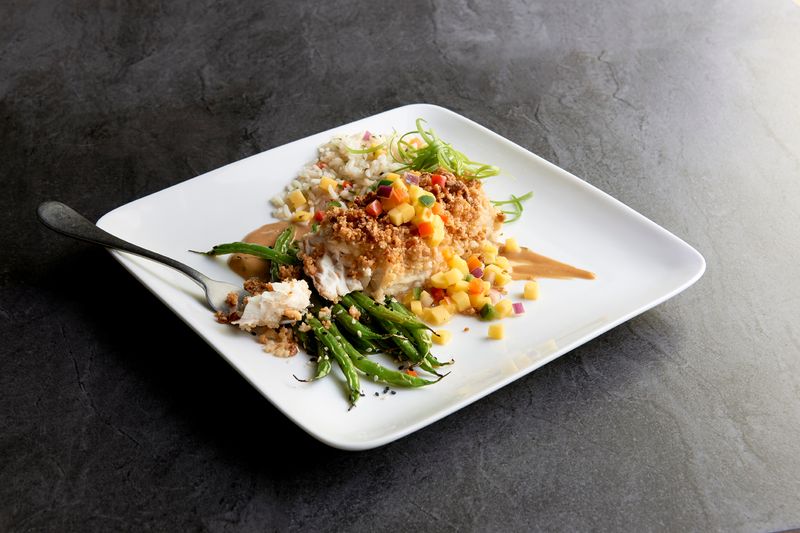
For a steakhouse sitting directly on the Hudson, seafood was never going to play a minor supporting role. The menu regularly moved through salmon, mahi, halibut, swordfish, shrimp, lobster, crab, and oysters, giving pescatarians nearly as much freedom as the prime-rib crowd.
Fresh fish could be prepared simply grilled, baked, sautéed, or blackened, then finished with citrus-shallot butter. Diners who wanted more color could add preparations built around tropical fruit, avocado, shrimp, or richer Rockefeller-style flavors.
Mac Nut Mahi became one of the brand’s best-known dishes. The firm fish arrived with warm peanut sauce, mango relish, a soy glaze, mango sticky rice, and Asian green beans, producing a sweet-savory combination far removed from plain broiled fish.
Other choices leaned into familiar luxury. Lobster tails, king crab, crab cakes, and seafood pasta looked perfectly at home beside the river, especially when paired with white wine and a table near the windows.
The starters encouraged guests to begin the celebration early. Shrimp cocktail kept things traditional, while Kim Chee Calamari added crisp vegetables and chile-driven flavor.
Coconut Crunchy Shrimp came with citrus-chile, coconut cream, and soy dipping sauces, making it particularly difficult for the person who ordered it to enforce the phrase “just one.”
The Shrimp, Avocado, and Mango Stack offered a cooler, brighter beginning, and New England clam chowder supplied comforting familiarity in colder weather. Chart House succeeded because the menu accommodated different ideas of indulgence.
One diner could order rare filet mignon, another could choose blackened salmon, and the table could still share crab cakes and creamed spinach without the meal feeling disjointed. Seafood was not included merely to broaden the selection.
It helped define the restaurant’s riverfront personality and gave celebratory dinners the abundance people expected from the setting.
Hot Chocolate Lava Cake Delivered a Decadent Finale
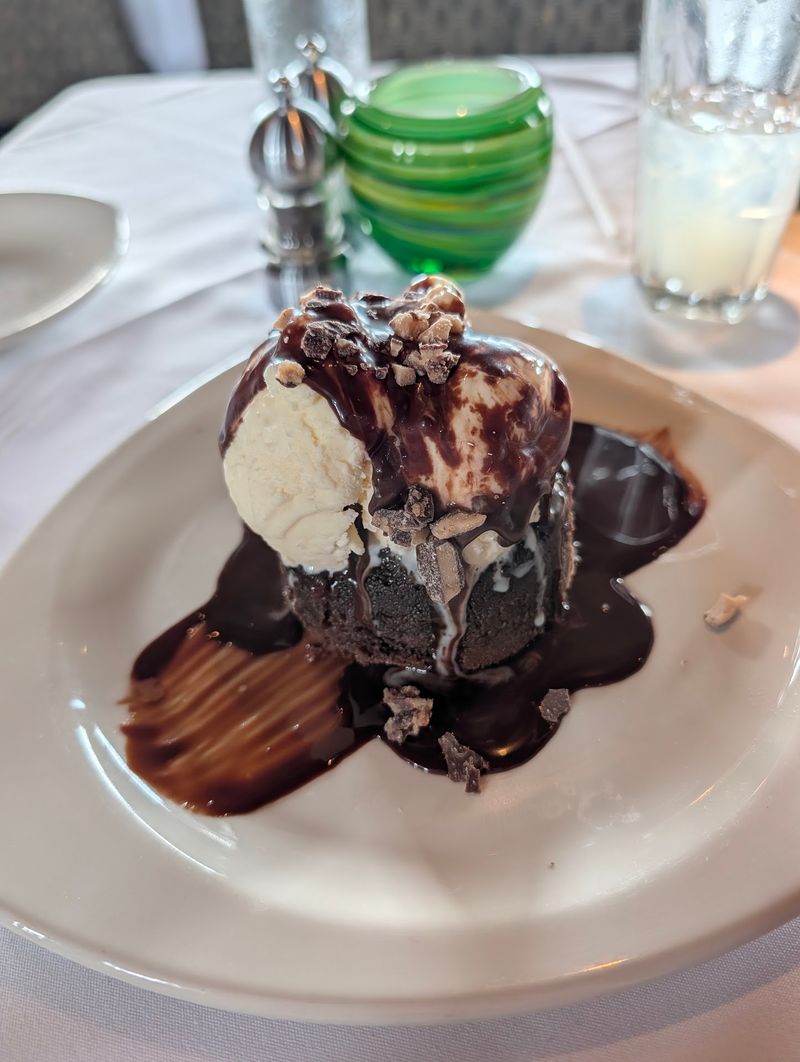
The server’s warning that the Hot Chocolate Lava Cake required extra preparation was not a suggestion to skip it. It was a signal to place the order early and save a little room.
The signature dessert arrived warm, with a soft chocolate center ready to spill onto the plate at the first cut. Chocolate sauce, vanilla ice cream, and pieces of Heath Bar added cold, creamy, and crunchy contrasts, while chocolate liqueur deepened the richness.
It was excessive in precisely the way a special-occasion dessert should be. Sharing was theoretically possible, but the molten center had a habit of dissolving careful plans about equal portions.
The cake also fit the restaurant’s style particularly well. Chart House did not rely on fussy plates that looked better than they tasted.
Its strongest dishes were recognizable favorites given enough polish and generosity to feel worthy of the room. A warm chocolate cake beside the glittering Manhattan skyline accomplished that effortlessly.
Birthdays sometimes brought extra attention to the table, but even without candles, the dessert felt like an event. Guests who had reached their chocolate limit had alternatives.
New York-style cheesecake, key lime pie, crème brûlée, house-made ice cream, and the towering Original Mud Pie all appeared among the sweet options over the years. The crème brûlée sampler invited a few tastes rather than one heavy finish, while key lime pie cut through a rich steak or seafood dinner with welcome tartness.
Still, the lava cake held a special place in the restaurant’s mythology. It was photographed, shared, negotiated over, and remembered long after the plates were cleared.
Ending with it stretched dinner by another half-hour, which was hardly a hardship when the city lights were flickering across the river. At Chart House, dessert was not an afterthought tacked onto the check.
It was the last carefully timed scene.
The Closing of Chart House Marked the End of an Era
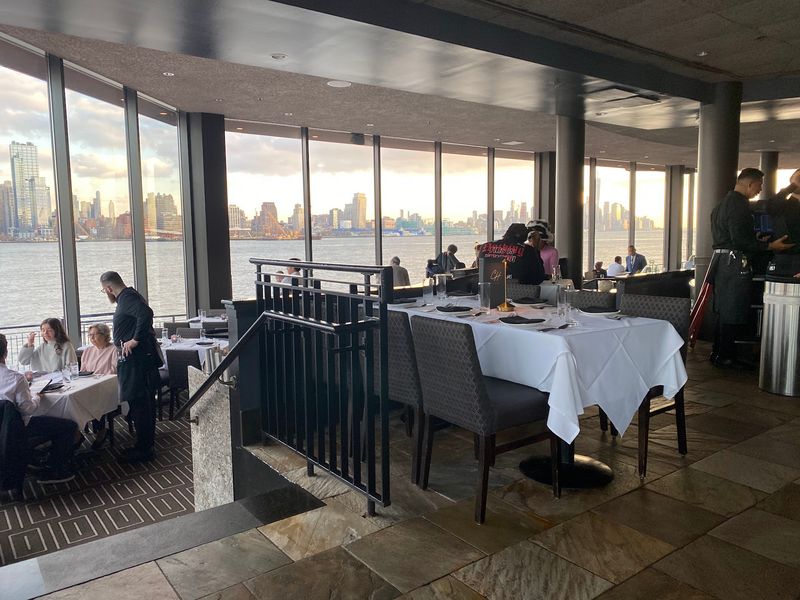
On May 14, 2026, the Weehawken Chart House permanently closed, ending a run that had lasted nearly four decades. News traveled quickly among Hudson County diners, many of whom associated the restaurant with annual celebrations, holiday meals, proposals, and family photographs taken against the skyline.
The reaction was about more than losing another place to eat. New Jersey has no shortage of steakhouses or waterfront dining rooms, but few establishments become woven into so many personal timelines.
Chart House had reached that point. Its longevity also gave it a distinctive place in the development of Lincoln Harbor.
The surrounding waterfront evolved into a dense, modern district, yet the restaurant remained an instantly recognizable landmark beside the Hudson. Generations of diners came to know the route, the entrance, the broad windows, and the moment Manhattan appeared across the dining room.
The closure does not mean the prominent site will remain empty. Plans call for the building to undergo extensive renovations before reopening in 2027 as Mastro’s Steakhouse.
Both restaurant brands are part of Landry’s, and the incoming concept is known for USDA Prime steaks, seafood, sushi, live entertainment, and its signature warm butter cake. The address will therefore continue as an upscale dining destination, and that extraordinary view is unlikely to lose its starring role.
What cannot be recreated is the particular collection of memories attached to Chart House. For nearly 40 years, it offered New Jersey diners a reliable formula: polished service, prime rib, seafood, molten chocolate, and Manhattan shining just beyond the glass.
Restaurants often disappear with little ceremony, but this one left behind decades of birthday candles, anniversary toasts, and family stories. The lights went out at Chart House, yet its place in Weehawken’s waterfront history remains remarkably clear.
Share this story