Ohio has a way of turning an ordinary road trip into something that feels a little magical, especially when old train stations appear around the next corner. Across the state, these buildings tell stories about busy platforms, family goodbyes, hopeful arrivals, and the days when rail travel shaped towns big and small, and even if you have never stepped onto a passenger car, it is easy to feel pulled into that history when you stand under a depot roof or look at worn brick walls that have watched generations come and go.
Some stations are grand and formal, some are small and cozy, and others now serve as museums or community landmarks, but all of them give Ohio travelers a chance to slow down, look closer, and imagine what life felt like when the train whistle was part of daily life. If you enjoy local history, scenic drives, charming small towns, or places that make you want to linger a little longer before heading home, these train stations are worth a spot on your list because each one offers a different window into Ohio’s past while still feeling welcoming in the present.
1. Dennison Railroad Depot Museum – Dennison
Few places in Ohio make railroad history feel as personal as this one. The Dennison Railroad Depot Museum stands as a strong reminder of the years when trains carried soldiers, families, workers, and dreamers through the state, and the building still has the kind of presence that makes you pause before you even step inside.
During World War II, Dennison earned the nickname Dreamsville, USA because volunteers served food to millions of service members passing through. That story gives the depot a warm spirit that sets it apart from many other rail sites, since it was not only a stop on the line but also a place of comfort during hard times.
Inside, visitors can explore exhibits filled with railroad artifacts, uniforms, photos, and local history. The museum does a nice job of helping younger visitors understand big events through everyday objects, which makes the past feel less distant and much easier to picture.
The building itself is worth a long look. Its size, shape, and sturdy details show how important rail travel once was to eastern Ohio, and the restored rooms help you imagine station agents at work, travelers waiting with bags, and the steady sound of trains outside.
If you go, give yourself more time than you think you need. Reading the displays slowly, talking with staff, and walking the grounds will make the visit richer, especially if you like learning how one town can play a big part in a national story.
Dennison is also a good stop for families because the setting is easy to explore without feeling rushed. Pair the museum with a relaxed walk through town, and you will leave with a stronger sense of how railroads helped connect Ohio to the rest of the country.
2. Lake Shore & Michigan Southern Passenger Depot – Conneaut
Near Ohio’s northeastern edge, an old depot in Conneaut captures the feeling of travel from another age. The Lake Shore and Michigan Southern Passenger Depot has a graceful look that feels almost storybook, and its design shows how even practical train stations were once built with real style and care.
The station reflects the years when Conneaut mattered as a transportation point close to Lake Erie. Travelers moving between larger cities would have known places like this well, and that makes the depot more than a pretty building.
It was part of a network that helped shape movement, trade, and daily life across northern Ohio.
One of the best things about this stop is its architecture. The rooflines, trim, and old-fashioned details give it a distinct personality, so even visitors who are not major train fans can enjoy simply studying the structure and taking photos from different angles.
Because Conneaut sits in a lake region, a visit here can easily turn into a fuller day trip. You can connect the depot with other local sights, then think about how rail lines and Great Lakes shipping once worked side by side to keep this part of Ohio active and connected.
Bring your curiosity and a camera if you visit. Historic sites like this reward close attention, especially when you notice small details in the woodwork or imagine passengers waiting with hats, trunks, and paper tickets in hand.
There is also something peaceful about seeing a passenger depot survive into modern times. In a fast world, this station encourages slower looking, deeper noticing, and a better understanding of how Ohio communities grew around routes that once carried both people and possibility.
3. Marion Union Station – Marion
Some train stations feel local, but Marion Union Station feels larger than life. Built in a city long known for railroad action, this station speaks to a time when Marion was one of Ohio’s busiest rail centers, and that bigger setting gives the building an energy that still comes through today.
Union stations were important because they brought different rail lines together in one place. That meant more movement, more people, and more chances for a town to grow, so Marion Union Station was not just a transportation hub.
It was part of the reason the city became such a key railroad spot.
The station’s architecture helps tell that story. Strong brick walls, roomy spaces, and classic details suggest confidence and purpose, which fits a place that once handled heavy travel and constant activity.
You can almost picture conductors calling out stops while passengers hurried toward the platform.
Rail fans are especially drawn to Marion because trains still matter there. Visiting the station can open the door to learning more about the city’s wider rail history, making it a smart stop for people who enjoy places where the past and present still seem to nod at each other.
Try to look beyond the building as a single landmark. Think about the workers who kept schedules moving, the families meeting loved ones, and the businesses that depended on trains arriving on time.
That wider view makes the station feel more alive and more connected to everyday Ohio history.
Marion Union Station is a good reminder that old transportation buildings are not just leftovers from another era. They are clues.
They show how communities organized themselves, where opportunity flowed, and why so many Ohio towns still carry the railroad’s shape in their streets, stories, and local pride.
4. Peninsula Depot – Peninsula
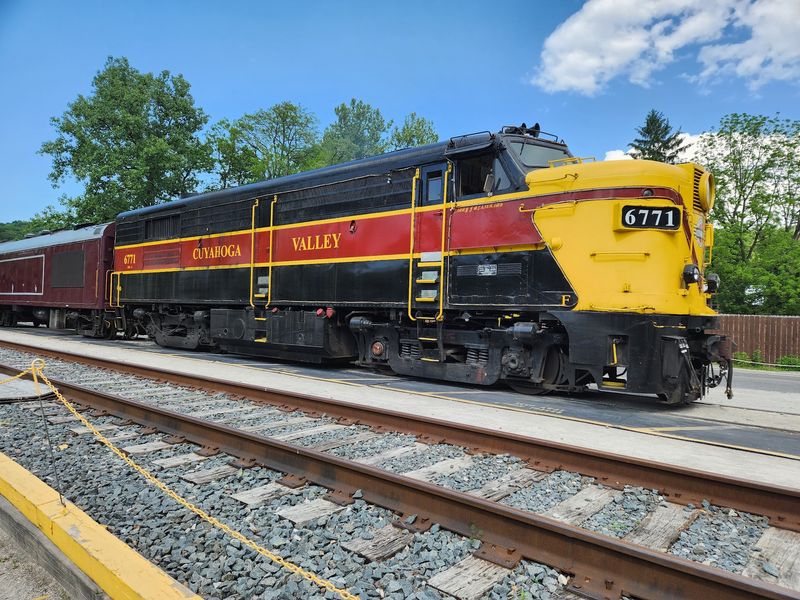
Tucked into one of Ohio’s prettiest small-town settings, Peninsula Depot feels like the kind of place that asks you to slow your steps. The station fits naturally with the charm of Peninsula, and its connection to rail travel feels even stronger because the surrounding landscape is so scenic and inviting.
This depot sits in an area many travelers already love for outdoor beauty and village character. That makes the station special in a different way from larger city depots.
Instead of grand scale, it offers a close, friendly sense of place where history, nature, and local life all seem to meet.
Visitors often enjoy how easy it is to imagine the station in active use. The building’s modest size and simple design make the railroad past feel real rather than distant, as if a passenger might still arrive with a small suitcase and plans for a weekend away.
Because Peninsula is part of a well-known recreation area, this stop works wonderfully with a fuller day outside. You can walk, explore nearby shops, or take in the river valley atmosphere, then return to the depot with a better sense of why rail routes through beautiful country mattered so much.
For families, the depot offers a good chance to connect history with something kids can picture. It is easier to explain train travel when the station feels approachable, not huge or overwhelming, and that can lead to fun conversations about how people moved around Ohio before highways took over.
What stays with many visitors is the mood. Peninsula Depot is not only about facts and dates.
It offers a quiet kind of nostalgia that sneaks up on you, especially when you stand nearby and imagine whistles echoing through the valley while travelers watched the hills roll by from their windows.
5. Olmsted Falls Depot & Model Railroad Museum – Olmsted Falls
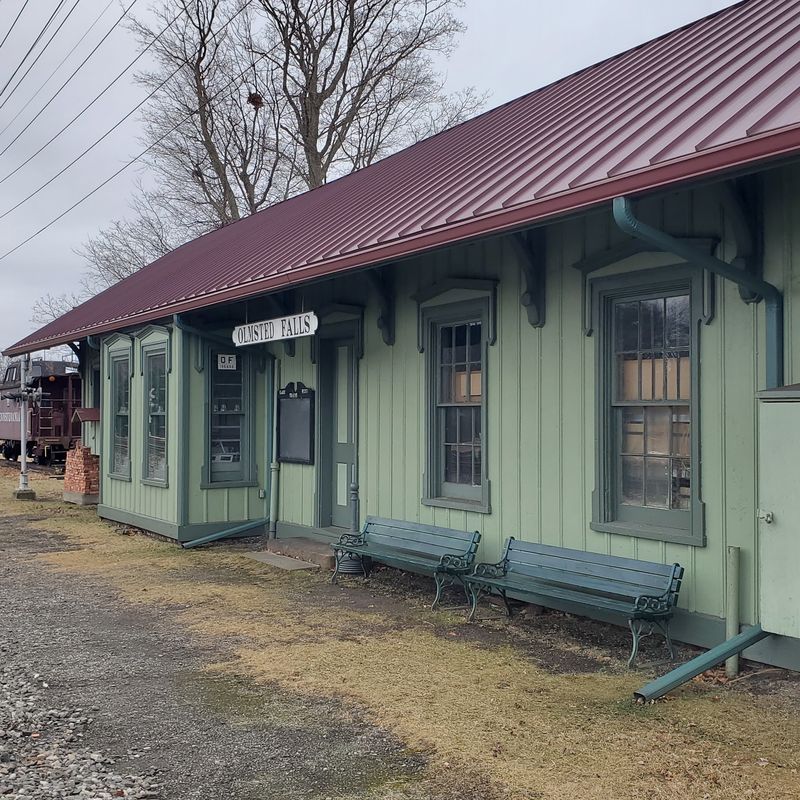
Not every historic station knows how to mix big history with plain fun, but this one does. The Olmsted Falls Depot and Model Railroad Museum gives visitors the pleasure of seeing an old depot while also adding the playful spark of model trains, which makes the stop appealing to both adults and kids.
The depot itself connects visitors to the years when railroads helped shape movement through northeastern Ohio. Its survival matters because small stations often disappear quietly over time, and once they are gone, a piece of local memory goes with them.
Seeing one preserved helps keep that memory easy to share.
Then there is the model railroad side of the visit, which can be a real highlight. Miniature layouts turn rail history into something visual and lively, showing tracks, towns, engines, and scenes that help visitors picture how railroad systems actually worked.
That hands-on feeling is useful, especially for younger guests who may not connect right away with old photos or text panels. A model display can do a lot of teaching without feeling like school, and that makes the museum experience more welcoming for families exploring together.
Olmsted Falls itself adds to the trip with small-town charm. Pairing the depot with a walk around town can make the day feel less like a formal museum stop and more like a relaxed outing where local character and history naturally blend together.
If you visit, pay attention to both scales at once. Look closely at the real depot and imagine actual passengers coming through, then enjoy the model railroad world and notice how it translates complex rail life into something compact and easy to understand.
That mix of realism and imagination gives this station its special character and makes it memorable long after the visit ends.
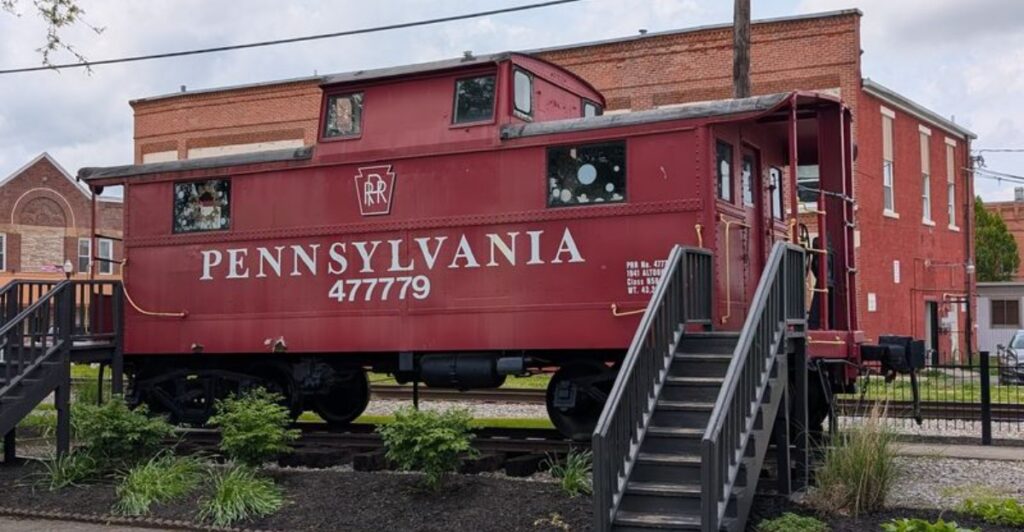
6. Ada Pennsylvania Station & Railroad Park – Ada
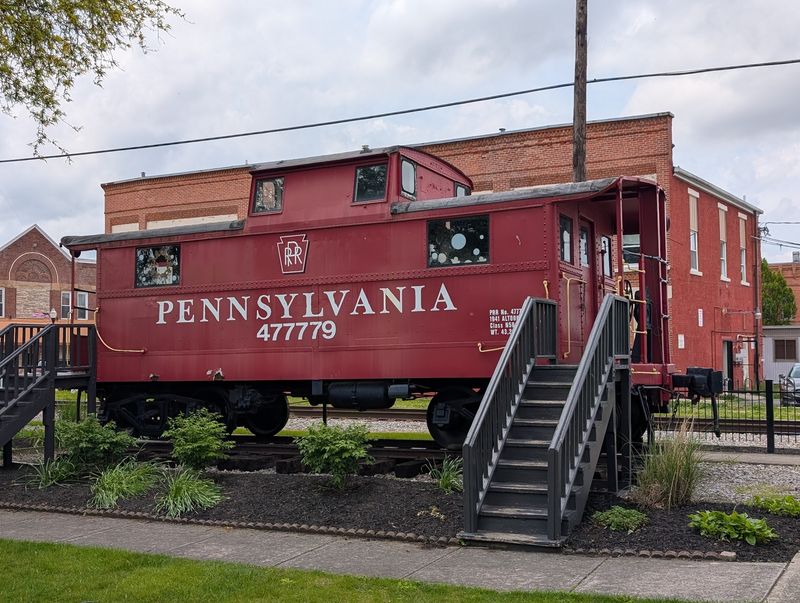
Sometimes the smallest places leave the clearest impression, and Ada proves that point well. Ada Pennsylvania Station and Railroad Park offers a compact but meaningful look at Ohio rail history, showing how even modest communities were tied into bigger railroad systems that reached far beyond town limits.
The Pennsylvania Railroad was one of the great names in American railroading, so any Ohio site linked to it carries an extra layer of interest. In Ada, that connection helps visitors understand that railroad history was not only made in major cities.
It also unfolded in everyday towns where trains shaped schedules, business, and local identity.
The railroad park setting gives the site a practical, open-air appeal. Instead of feeling distant or hard to approach, it invites visitors to walk around, look at details, and think about the equipment, tracks, and station life that once mattered deeply here.
This makes Ada a good stop for people who enjoy history without needing a huge museum experience. You can learn something valuable, enjoy the town atmosphere, and still keep the visit easygoing, which is perfect for a road trip with several destinations packed into the day.
If you are traveling with kids or first-time rail history fans, this site can be especially useful. It presents the subject in a way that feels manageable, helping visitors notice how one station could connect a small Ohio community to larger routes, bigger markets, and new opportunities.
Ada Pennsylvania Station and Railroad Park also carries a quiet lesson about preservation. Not every historic place has to be grand to matter.
Sometimes a simpler site teaches the point better, because it lets you see how railroads touched ordinary lives in ordinary towns, and that is often where the truest history lives.
7. Nelsonville Train Depot – Nelsonville
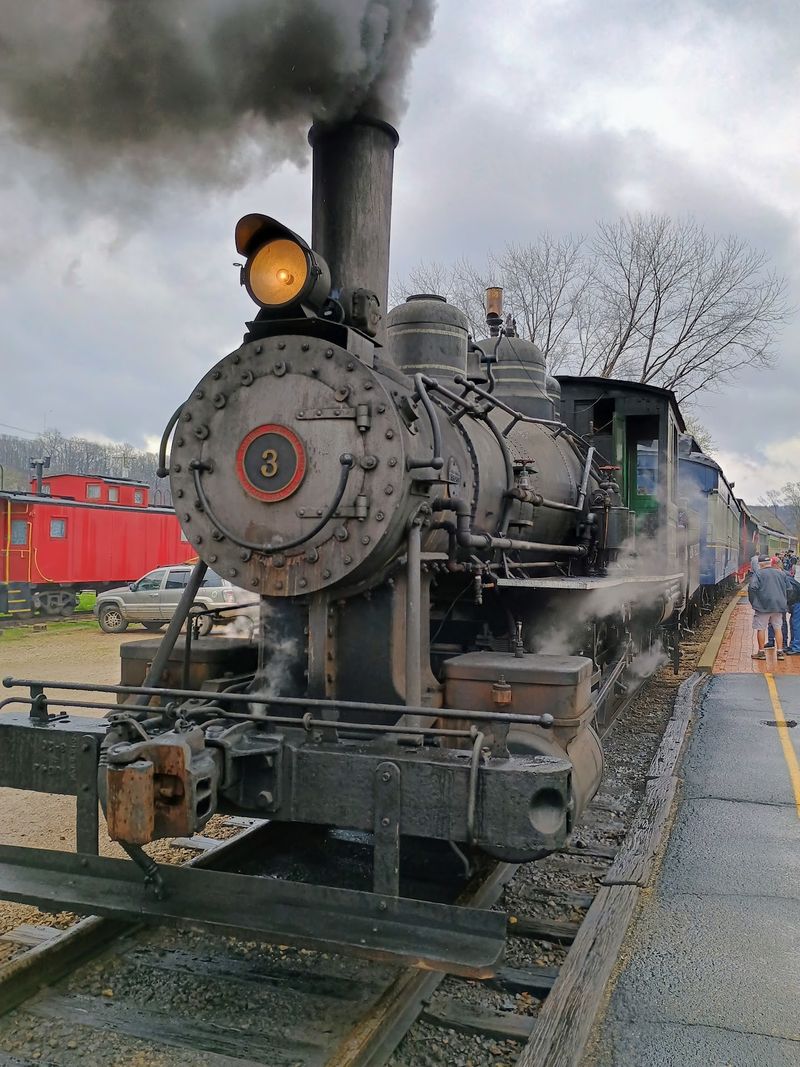
There is a rugged, lived-in feeling around Nelsonville that makes its depot especially memorable. The Nelsonville Train Depot fits naturally into a town known for deep history and Appalachian character, and that setting gives the station a slightly different tone from depots found in flatter, more formal places.
Railroads mattered in southeastern Ohio for reasons that went beyond passenger travel. They helped move people, goods, and resources through a region shaped by industry and hard work, so a depot here stands as a reminder of how transportation supported the daily rhythm of local life.
What makes Nelsonville appealing is the way the station feels tied to the town’s personality. It is not just an isolated landmark.
It feels connected to the hills, the streets, and the older story of the community, which can make a visit feel more grounded and authentic.
Travelers who like places with texture will likely enjoy this stop. Historic depots are interesting on their own, but they become even richer when the surrounding town still seems to carry traces of the same era.
Nelsonville offers that kind of connection in a way that feels honest rather than polished.
Take time to explore beyond the building if you can. Looking at nearby streets and older structures helps complete the picture, showing how the depot would have fit into everyday movement when trains were a regular and necessary part of life in southeastern Ohio.
The station may not be the flashiest stop on the list, and that is part of its charm. Nelsonville Train Depot speaks in a steadier voice.
It tells a story of work, place, and endurance, and it invites visitors to appreciate railroad history not as decoration but as something that truly helped build the community around it.
8. Gallipolis Railway Freight Station Museum – Gallipolis
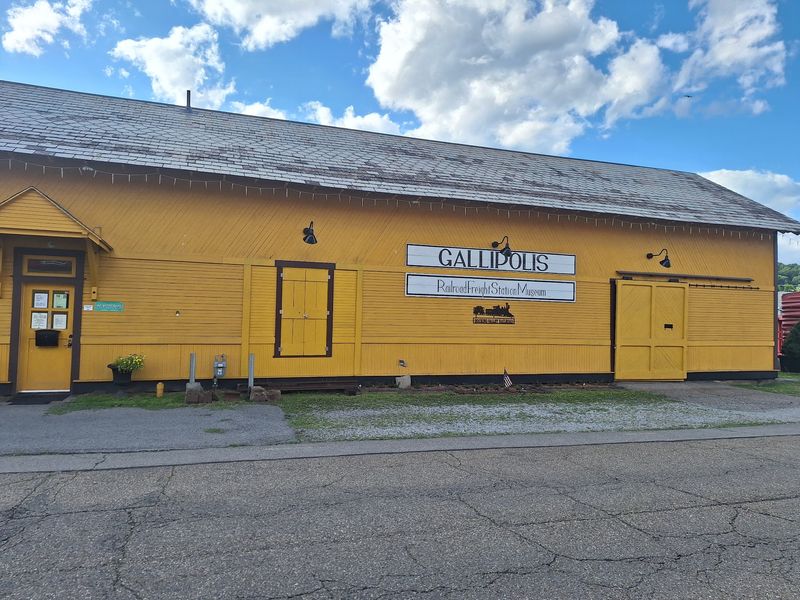
Passenger stations often get most of the attention, so a freight station museum feels like a refreshing change of pace. In Gallipolis, this historic site highlights a side of railroad history that was just as important, because moving goods kept towns supplied, supported businesses, and linked Ohio communities to wider markets.
The freight station angle gives visitors a chance to think beyond tickets and waiting rooms. Crates, shipments, schedules, and storage were all part of railroad life, and places like this helped turn local production into regional trade.
That practical role may sound simple, but it shaped how towns survived and grew.
Gallipolis adds another layer of interest because it has its own strong historical identity. Located along the Ohio River, the town reminds visitors that rail and river routes often worked together, creating transportation networks that helped people and products move more efficiently across the state and beyond.
Inside a freight museum, even ordinary objects can become fascinating once you know what they meant. Tools, records, and work spaces help tell the story of labor behind the scenes, and that can be eye-opening for visitors who usually think of railroads only in terms of locomotives and passengers.
This stop is a smart pick for travelers who enjoy local history with a workaday feel. Instead of focusing on glamour, it shows the systems and effort that kept communities running, which gives the visit a grounded and useful perspective.
By the time you leave, you may find yourself noticing freight stations in a new way. Gallipolis Railway Freight Station Museum proves that the less flashy corners of railroad history can still be deeply interesting, especially when they reveal how much Ohio depended on steady, organized movement behind the scenes.
9. Bradford Ohio Railroad Museum – Bradford
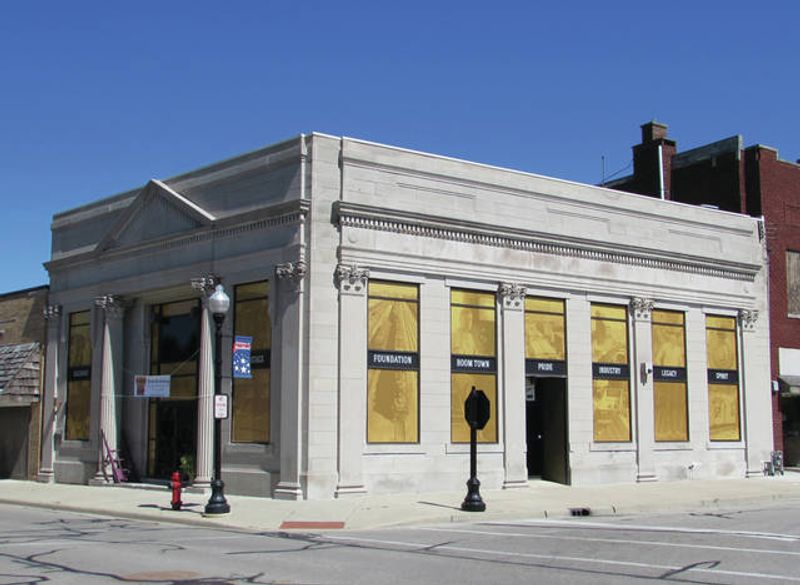
Bradford may be a small village, but its railroad museum carries a big sense of local pride. The Bradford Ohio Railroad Museum shows how deeply trains shaped communities that might look quiet today, and it reminds visitors that rail history is not only about famous stations in large cities.
What makes a place like Bradford stand out is the personal scale of the experience. Smaller museums often feel close to the people who built and preserved them, which can make your visit more engaging because the story comes through with heart instead of feeling distant or overly formal.
The museum helps explain how railroad lines influenced village life, from jobs and travel to shipping and community growth. For many Ohio towns, the tracks were not just nearby.
They were central to how the place functioned, and that truth becomes easier to understand in a setting like this.
Visitors who enjoy artifacts, local records, and old equipment will likely find plenty to appreciate. Even simple displays can be powerful when they are tied directly to the town around them, because you can step outside and imagine how those items once fit into everyday routines.
Bradford is a good example of why historic preservation matters at the local level. A smaller museum may not have the fame of a major attraction, but it can preserve stories that would otherwise fade, especially stories about workers, families, and community change over time.
If your road trips tend to favor hidden gems, this stop should feel rewarding. The Bradford Ohio Railroad Museum offers a grounded, sincere look at the railroad’s role in one Ohio community, and that honesty is part of what makes it memorable.
It feels less like checking off a sight and more like being welcomed into a town’s shared memory.
10. Nordson Depot – Amherst
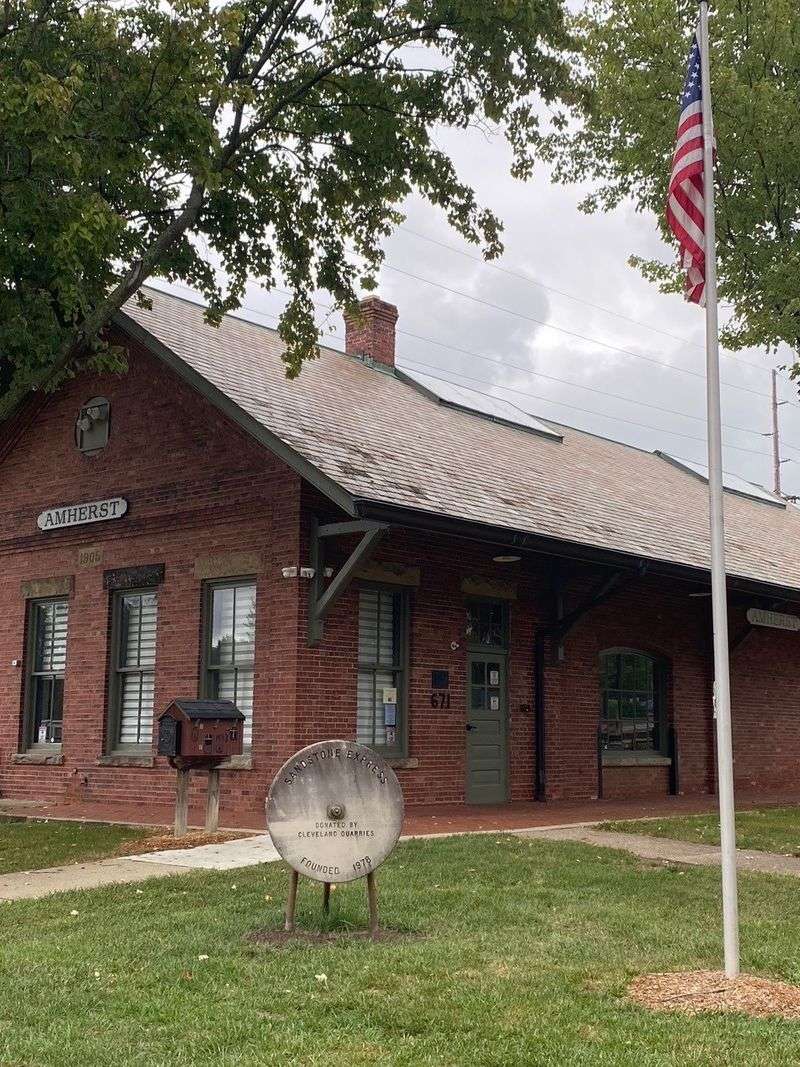
Amherst has long been known by many rail fans as a strong train-watching town, so finding a historic depot here feels especially fitting. Nordson Depot adds a sense of roots to that reputation, giving visitors a visible link between Amherst’s present-day rail interest and its deeper transportation past.
There is something satisfying about seeing a depot survive in a place where trains still capture people’s attention. It helps connect generations.
Older residents may remember more active station days, while younger visitors can begin to understand why railroad culture remains such an important part of the town’s identity.
The building itself offers the kind of solid, familiar character many people hope to find at a historic station. Its form speaks to usefulness, but it also carries the quiet dignity that old railroad architecture often has, especially when preserved with care.
Amherst makes this stop even more enjoyable because the local train connection does not end with the depot. For travelers who like to watch rail activity or learn about how lines continue to shape a place, the town provides a broader context that makes the station feel relevant rather than frozen in time.
A visit here works well for both serious rail enthusiasts and casual explorers. One group may focus on history and line significance, while the other may simply enjoy the look, mood, and local flavor.
That balance helps make Nordson Depot easy to appreciate without needing expert knowledge.
What lingers after a stop in Amherst is the sense that railroad history is still woven into everyday life. Nordson Depot is not only a preserved building.
It is part of an ongoing story in Ohio, one where old stations, active tracks, and community pride still meet in a very real and memorable way.