A goat peers down from an overhead walkway while you carry a bag of cider donuts. Chickens hustle toward a cup of feed as breakfast cooks inside a restored barn.
Somewhere else, a lion encounter can be followed by a hot slice of pizza. New Jersey has a surprising number of destinations where seeing animals is only half the fun—and arriving hungry is practically part of the plan.
Working farms pair barnyard visits with bakeries, ice cream counters, wineries, and kitchens supplied by their own fields. Zoos make it easy to turn a quick animal outing into an entire day with lunch included.
Some places are polished enough for a date, while others invite children to get dusty, feed a donkey, and finish the afternoon with cinnamon sugar on their shirts.
From Cape May farmland to the hills of Sussex County, these 10 spots prove that animal encounters and memorable food can comfortably share the same itinerary.
1. Beach Plum Farm – West Cape May
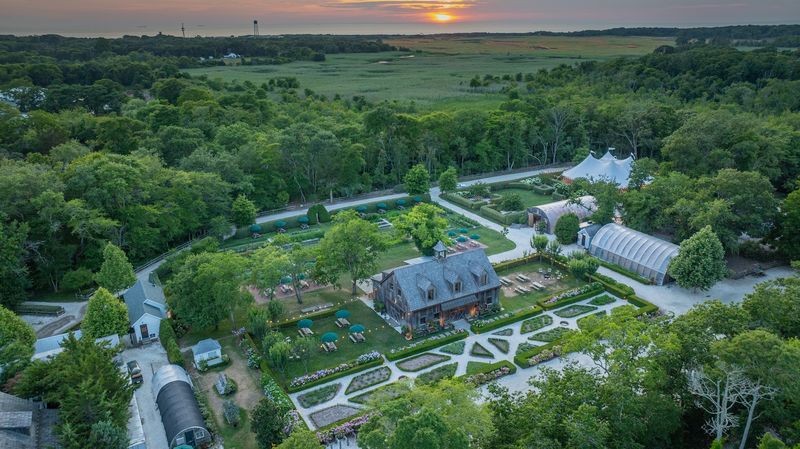
Roosters provide the soundtrack while breakfast lands on the table at Beach Plum Farm. Spread across a peaceful West Cape May setting, the property brings fields, farm animals, and seasonal cooking together without making the day feel rushed.
Visitors may spot chickens, pigs, or other livestock while walking the farm paths, depending on current access and activities. The kitchen and market highlight ingredients connected to the farm, so a simple meal can become a useful lesson about where food begins.
Arrive early if you want a quieter look around before popular dining periods. Closed shoes handle dirt paths better than sandals, and younger children should stay beside an adult near fences, equipment, and working areas.
Menus, animal viewing, tours, and special events can change with the season. Check the farm’s official calendar before driving down, especially during winter or busy Cape May weekends.
Save time afterward for West Cape May or the nearby shore, but do not overpack your schedule. A relaxed meal, an easy walk, and a few unhurried animal sightings are the real treats here.
Bring a reusable water bottle, sun protection, and room for market purchases you can enjoy later at home.
2. Saddlehill Winery & Farmhouse Kitchen – Voorhees
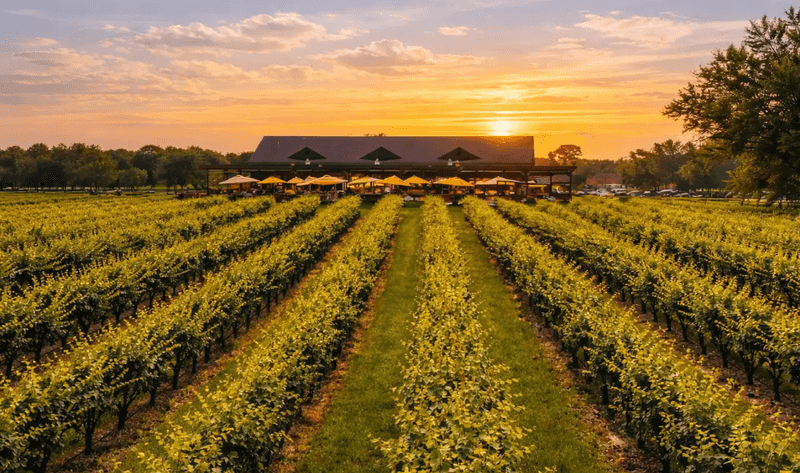
Vineyard views meet horse-country style at Saddlehill, giving South Jersey diners more than a standard meal out. The Voorhees property combines a winery, farmhouse cooking, open land, and an equestrian connection that shapes its character.
Animal experiences may depend on scheduled programming and which parts of the working property are open. Rather than assuming visitors can approach horses, review current offerings and follow every posted boundary around barns, pastures, and riding spaces.
Adults can explore available wines, while the kitchen makes the destination useful for groups focused on food. Families should study menus and reservation details beforehand because dining formats, age rules, event access, and operating hours may differ across the property.
A late afternoon reservation can provide attractive light over the vineyard, although weekends may feel livelier. Wear polished but practical footwear since outdoor ground can be uneven, soft, or damp after rain.
Saddlehill works best for visitors who enjoy scenery and a planned experience rather than a casual petting zoo stop. Confirm whether an animal-centered activity is offered on your date, then leave enough time to eat without hurrying.
Designate a driver when wine is part of the visit, and ask staff before photographing animals or entering any farm area.
3. Alstede Farms – Chester
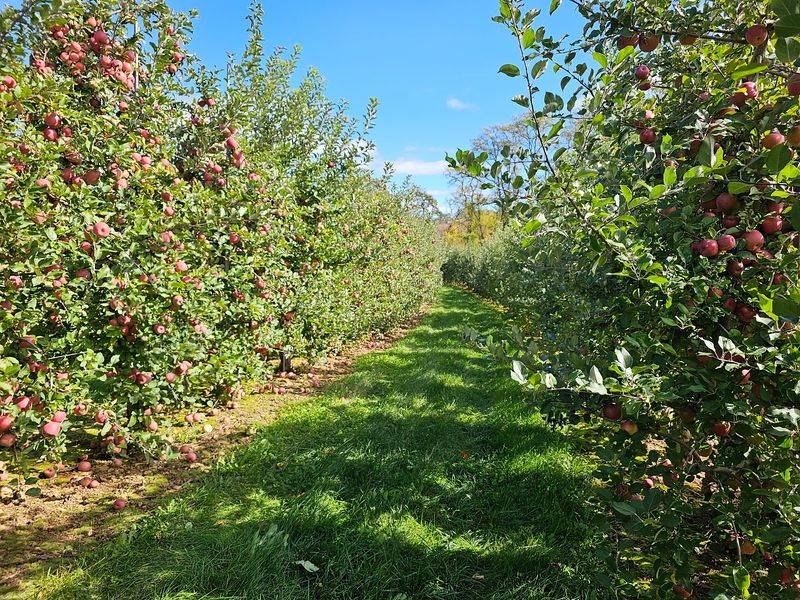
One minute you are choosing apples, and the next a goat is stealing everyone’s attention. Alstede Farms in Chester packs produce, farm activities, food, and animal viewing into a destination that can easily fill several hours.
Seasonal picking is a major draw, with available crops changing throughout the growing year. Food choices may include farm-market goods and prepared treats, while animal areas add an entertaining break between orchard walks and shopping.
Study the admission options online before leaving home because access, tickets, attractions, and picking rules can vary. Some activities may cost extra, and popular fall dates often require more planning than a quiet weekday visit.
Bring a wagon only if current policies allow it, plus sunscreen and shoes suited to dusty or muddy ground. Children may be excited near the animals, but calm voices and clean hands help keep the meeting pleasant for everyone.
Crop availability depends on weather, so check the farm’s daily updates instead of promising a certain fruit to young pickers. Eat before carrying heavy bags back to the car, or save a farm treat as a reward.
Chester’s rural roads can become crowded during peak harvest weekends; arriving near opening time usually makes parking, picking, and animal stops easier.
4. Johnson’s Corner Farm – Medford
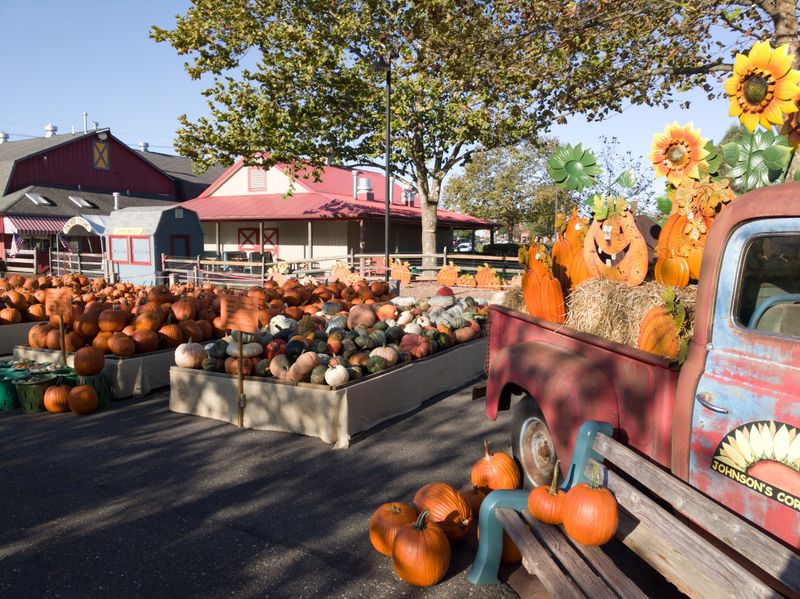
Fresh-baked aromas have a way of pulling visitors toward the market before the animals get their turn. At Johnson’s Corner Farm in Medford, that friendly tug between snack time and barnyard fun makes family planning surprisingly easy.
The farm’s offerings shift through planting, harvest, and holiday seasons, so each visit can look different. Depending on the schedule, guests may find produce picking, hayrides, play activities, animal viewing, market shopping, or prepared foods.
Start by checking which attractions require tickets and whether reservations are recommended. A child who mainly wants animals and an adult dreaming about baked goods can then agree on a route without crossing the property several times.
Handwashing matters after touching railings or visiting livestock areas, especially before sharing food. Pack wipes as backup, but use the farm’s washing stations when available because soap and running water offer more complete cleaning.
Morning visits often mean cooler temperatures and more energy for outdoor activities. On hot days, schedule breaks, carry water, and avoid leaving market purchases in a warm vehicle.
Before heading home, review storage advice for produce and baked items so the farm flavor lasts. Confirm hours directly with Johnson’s Corner Farm since weather, crop conditions, and private events can affect daily plans.
Keep a spare shirt nearby for enthusiastic little farmers.
5. Terhune Orchards – Princeton
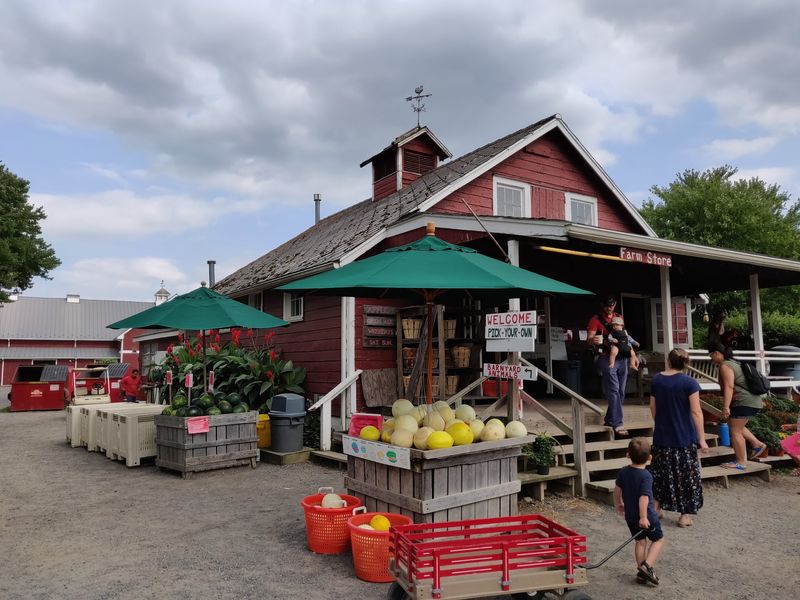
Apple trees may earn top billing, yet the barnyard residents know how to charm a crowd. Terhune Orchards near Princeton blends orchard traditions, a farm store, outdoor space, and animal viewing into an outing with broad appeal.
Families can connect a snack or produce purchase with a look at farm life, making the visit both tasty and educational. Available fruit, baked goods, beverages, festivals, and animal access depend on the date, weather, and posted farm schedule.
Peak autumn weekends draw visitors eager for classic harvest fun. If your group prefers fewer crowds, consider an earlier time or a nonfestival day, then verify which experiences will actually operate during that quieter period.
Explain to children that farm animals choose when to step close or stay back. Fingers should remain away from mouths and fences unless staff clearly permit feeding, and everyone should wash up before opening a cider or pastry.
Parking areas and orchard paths may be uneven, so choose sturdy footwear and a stroller built for rougher ground. Keep purchases manageable if you plan to walk for a while.
Terhune can pair nicely with a Princeton-area day, but allow breathing room between stops. Orchard visits are better when nobody has to abandon an animal sighting or unfinished treat to race toward the next reservation.
6. Abma’s Farm – Wyckoff
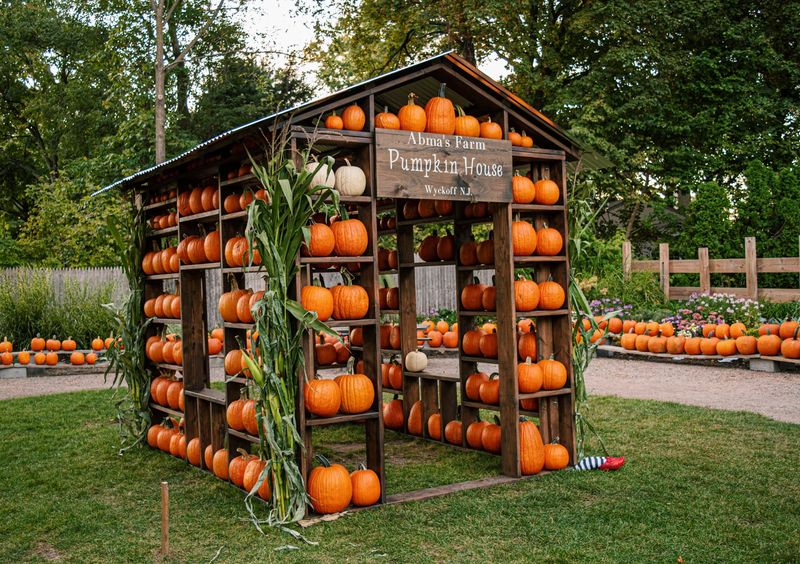
North Jersey suburbia gives way to clucks, bleats, and farm-market smells at Abma’s Farm in Wyckoff. Its mix of food shopping and barnyard interest makes it handy when your group wants a farm experience without building an entire weekend around it.
The market is a natural first or final stop for produce, prepared foods, baked items, or other available farm goods. Animal attractions and visitor rules may have separate hours, fees, or seasonal limits, so check details rather than expecting every area to match market operations.
Young guests often want to hurry straight toward the animals. Set expectations in the parking lot: walk near enclosures, listen to workers, feed only approved items, and never chase or tease a creature seeking space.
Because Abma’s can attract local families, timing matters. An early visit may simplify parking and leave more room for browsing, while weekday availability can differ from busy weekend programming.
Bring a cooler if you plan to buy chilled food before other errands. It protects your purchase and removes pressure to rush through the animal portion of the trip.
Review the official website or social pages for current notices, including weather closures and event tickets. A little preparation keeps this compact outing cheerful instead of turning it into a guessing game at the gate.
7. Johnson’s Locust Hall Farm – Jobstown
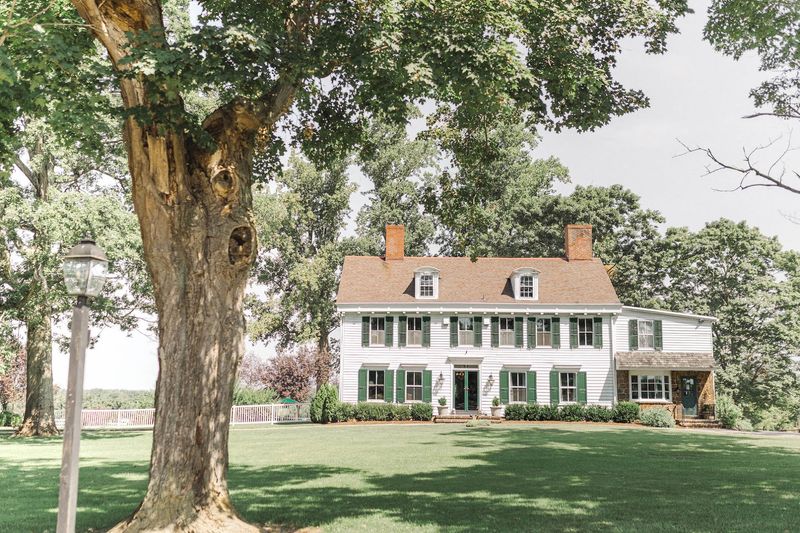
Wide fields and old farm buildings give Johnson’s Locust Hall Farm a storybook look, but the day stays pleasantly down to earth. Located in Jobstown, it links seasonal food, outdoor activities, and farm animals within a roomy Burlington County landscape.
Offerings can include crop picking, market finds, festivals, wagon-based activities, and animal encounters, depending on the season. Since working farms adjust to weather and harvest conditions, confirm the day’s lineup before telling children exactly what they will see.
Give your group enough time to travel between activity areas. Spacious properties reward a slower plan, especially when little legs, full produce bags, or long snack decisions enter the picture.
A hat and sunscreen help in open fields, while boots are smart after recent rain. Keep food meant for people away from animal enclosures, and use only feed sold or approved by the farm.
Seasonal events can have timed entry, separate tickets, or special parking instructions. Read the confirmation message fully and save it on your phone in case cellular service becomes unreliable.
Hungry visitors should inspect food hours as carefully as attraction hours because the two may not match. Arrive with a backup snack for children, then choose farm-made treats or local goods based on what is freshly available that day.
8. Ort Farms – Long Valley
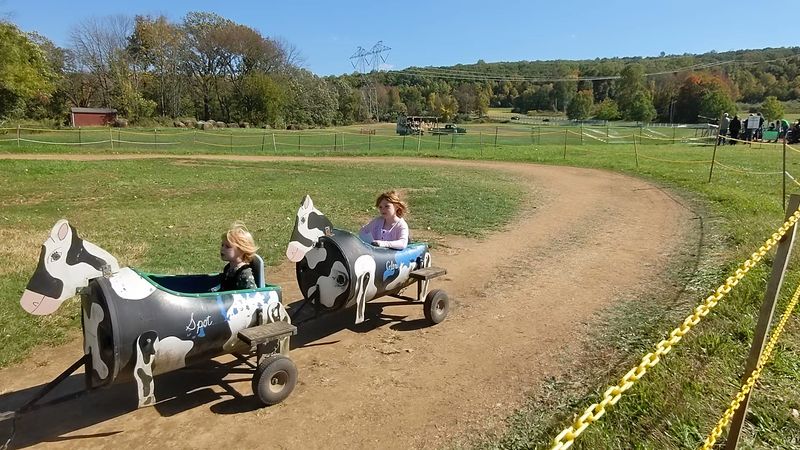
Rolling Long Valley scenery makes the drive feel like part of the outing before Ort Farms even comes into view. Once there, seasonal produce, market choices, family activities, and farm animals compete cheerfully for everyone’s attention.
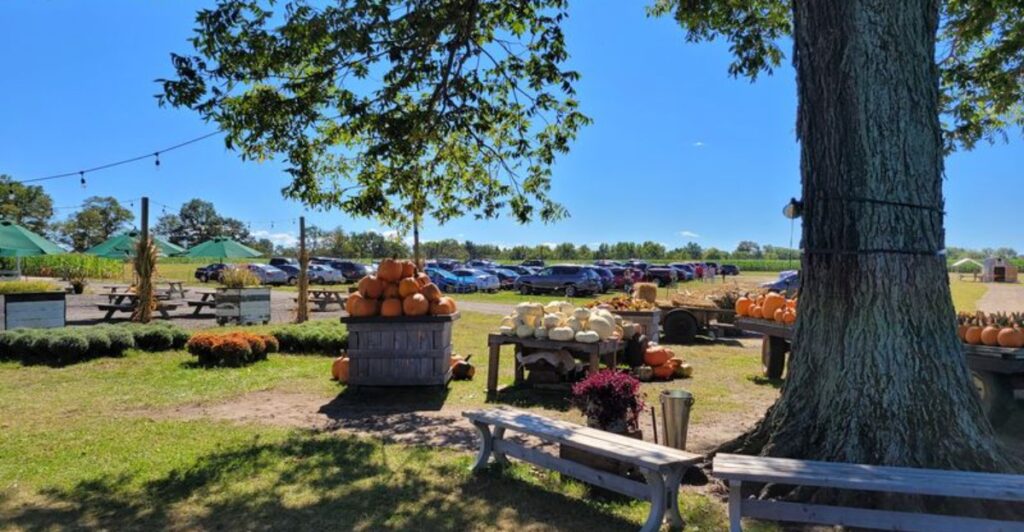
Fall may be the best-known season, but farm availability changes throughout the year. Pumpkins, flowers, vegetables, baked treats, rides, and animal experiences should be treated as date-specific possibilities, not guaranteed features.
Check ticket information and weather updates on the morning of your visit. Rain can change field conditions quickly, and some attractions may pause even while the market keeps different hours.
Dress in layers because the valley can feel cooler than a paved neighborhood. Shoes with solid traction help around fields, and a washable blanket can make an outdoor food break more comfortable when seating is busy.
Farm animals are not performers, so sightings may be active, sleepy, noisy, or brief. Let children observe those differences; noticing behavior is often more memorable than trying to force a perfect photograph.
To avoid a pumpkin hauling marathon, visit the animals and activities before making larger purchases. Ask workers where food can be eaten, follow signs around equipment, and keep pathways clear.
Finish at the market so refrigerated or delicate goods spend less time outdoors or inside the car.
9. Cape May County Park & Zoo – Cape May Court House
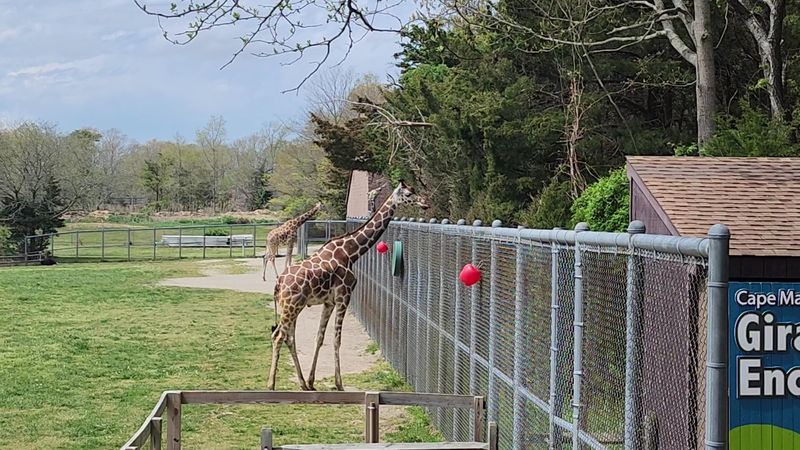
A zoo morning can build a serious appetite, and Cape May County Park & Zoo gives visitors room to handle both. Shaded park spaces, animal habitats, picnic possibilities, and available concessions create an easygoing break from busier shore attractions.
The animal collection and viewing access can change because of care needs, construction, weather, or seasonal routines. Check the official zoo information for current hours, admission guidance, parking notes, food options, and any rules about outside meals.
Choose a few must-see animals rather than racing past every habitat. Slower observation gives children time to notice movement, feeding behavior, camouflage, and the work keepers do to support wildlife.
Pack water and weather protection, even when the forecast looks friendly. Comfortable walking shoes are essential, and a simple picnic can help families manage dietary needs or avoid waiting until everyone becomes tired and cranky.
Never share human food with zoo animals or toss objects into habitats. Use marked trash and recycling bins since loose wrappers can harm wildlife and create extra work for staff.
Because zoo policies and donation information may change, verify details before arrival. Pairing animal time with lunch in the surrounding park lets the group reset, compare favorite sightings, and decide whether another loop sounds fun.
Plan extra summer travel time near Cape May.
10. Space Farms Zoo & Museum – Sussex
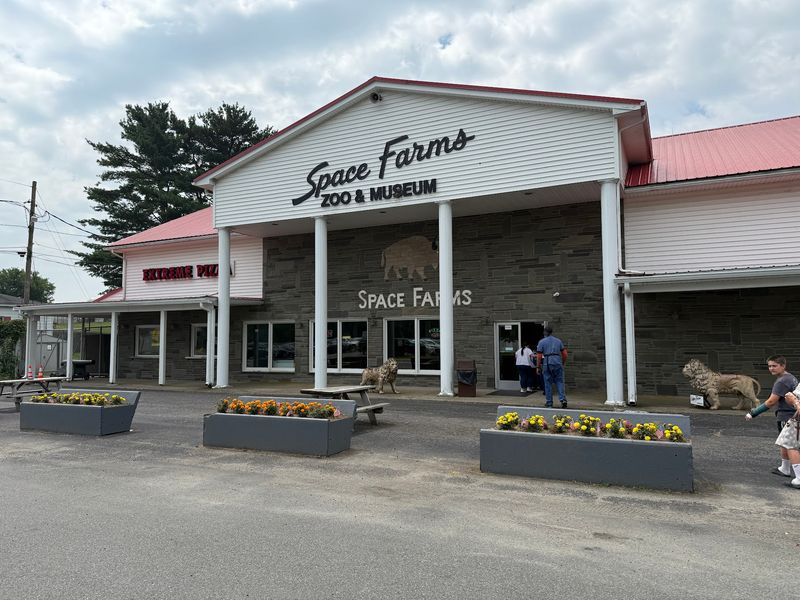
Where else can a zoo day share space with a museum full of rural history? Space Farms Zoo & Museum in Sussex offers an unusual pairing of animal viewing, old-fashioned collections, outdoor walking, and food breaks in the wooded northwest corner of New Jersey.
The property has a long-running, family-operated identity, but visitors should rely on current information for exhibits and animal residents. Hours, admissions, concessions, museum access, and seasonal operations can change, particularly outside the busiest months.
Expect to spend time on foot and dress for country terrain. Supportive shoes, water, sun protection, and a light layer will make the visit easier when conditions shift between open areas and shade.
Pause at habitats instead of treating the route like a checklist. Reading posted signs and watching quietly can reveal details about diets, movement, and natural behavior that hurried visitors miss.
Review food policies before packing a meal, and use designated eating areas when provided. Human snacks must stay separated from animals, even if an eager face seems to request a bite.
Families interested in both nature and history should allow enough time for the museum side. Confirm accessibility needs directly, photograph only where permitted, and check the forecast before making the rural drive to Sussex.
A planned lunch pause keeps curious minds and hungry stomachs equally happy.
Share this story