An old pine cabinet sits beside a stack of weathered shutters, while a brass chandelier dangles from the back of a pickup truck and waits for someone with vision—and enough trunk space.
New Jersey’s flea markets are especially rewarding when the shopping list includes objects too large, heavy, or wonderfully impractical to fit on an ordinary store shelf.
Across the state, sprawling outdoor markets and crowded indoor halls turn up vintage dressers, farmhouse tables, iron gates, old windows, industrial stools, garden ornaments, and boxes of mysterious hardware.
Inventory changes constantly, which is half the fun: the booth holding reproduction décor this weekend may contain salvaged porch columns the next.
Bring measurements, cash, work gloves, and a vehicle capable of carrying the prize home. Most importantly, arrive ready to dig.
These 11 markets offer some of New Jersey’s best opportunities to find furniture and architectural pieces with more history—and considerably more personality—than anything arriving in a flat-pack box.
1. Golden Nugget Antique Flea Market – Lambertville
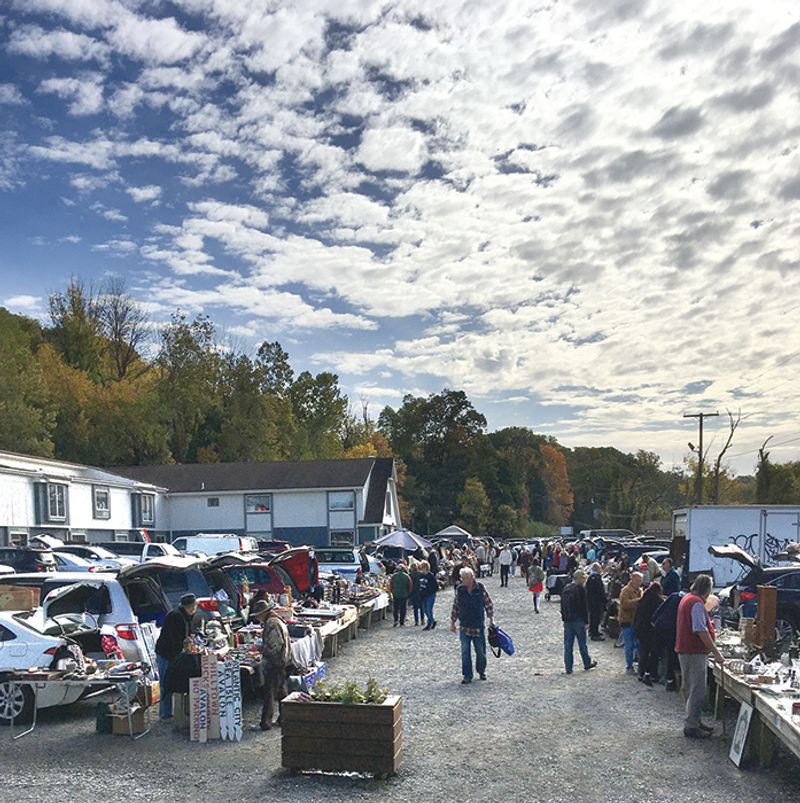
Serious treasure hunters are already walking the aisles here while much of Lambertville is still deciding what to have for breakfast. Founded in 1967, the Golden Nugget has built its reputation around antiques, art, collectibles, and household pieces with genuine age.
Furniture shoppers may encounter painted cupboards, midcentury tables, wooden benches, old mirrors, lighting, and small accent pieces outside, while permanent shops add another layer of carefully arranged inventory.
Architectural finds can range from hardware and signs to frames, fixtures, and decorative fragments rescued from older buildings.
Nothing is guaranteed on a particular morning, but the concentration of experienced dealers makes this one of the state’s strongest places to look. The market operates year-round on Wednesdays, Saturdays, and Sundays, with outdoor shopping beginning at 6 a.m. and indoor shops opening later in the morning.
Early arrival matters if you want first choice, especially when a vendor unloads something unusual. Admission and parking are free, and there are ATMs and food on the grounds.
Bring exact measurements for any room you are furnishing and inspect wood carefully for loose joints, repairs, and hidden damage. If a piece is too large to carry immediately, settle pickup arrangements with the dealer before handing over payment.
This is not the place to assume that beautiful oak cabinet will still be waiting after lunch.
2. New Egypt Flea Market Village & Auction – New Egypt
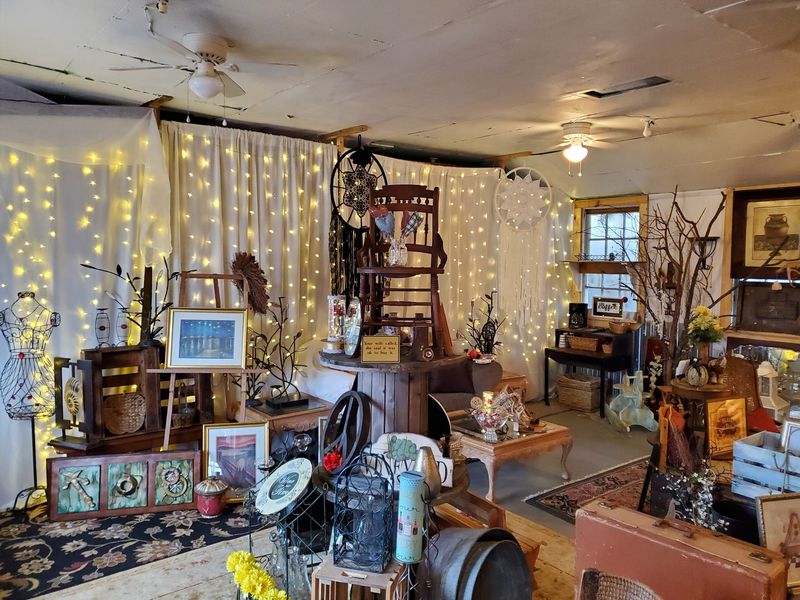
Part of the appeal is the setting itself: a collection of repurposed buildings, including structures dating back to the market’s beginnings in 1959, arranged along dirt paths like a wonderfully eccentric little settlement.
Those permanent spaces give dealers room to display items that would be awkward to haul to a one-day event, including cabinets, tables, chairs, mirrors, lamps, tools, and architectural odds and ends.
Outside sellers add another unpredictable layer, so a visit might reveal an old screen door, vintage drawer pulls, wooden crates, or a bench waiting for new upholstery. The market rewards slow browsing.
Pieces can be tucked behind one another, stacked below tables, or leaning against the side of a shop, and asking a dealer what else is available often uncovers inventory that has not yet reached the sales floor. New Egypt opens on Wednesdays and Sundays, generally from morning into early afternoon, with free admission and on-site parking.
Because parts of the grounds are unpaved, sturdy shoes are a better choice than anything precious. A tape measure, flashlight, and photos of the space you are furnishing will also save you from optimistic guesses.
Prices vary from inexpensive project pieces to more polished antiques, and friendly negotiation is part of the experience. Come with a target, but leave room in the vehicle for the completely unrelated object that inevitably becomes the day’s best find.
3. Englishtown Auction Sales – Englishtown
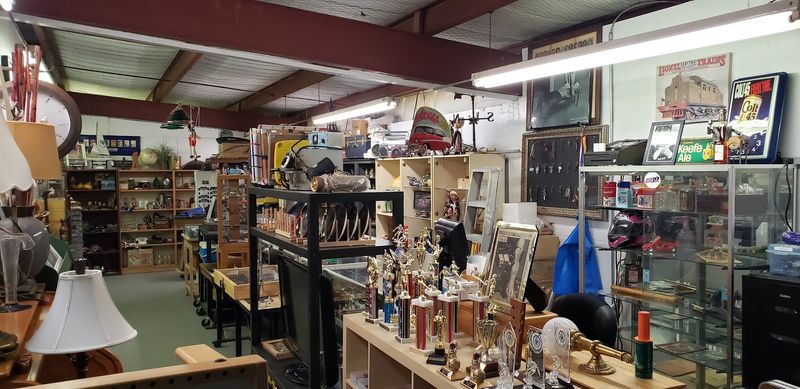
Forty acres can turn a simple search for a side table into a full morning of determined wandering. Englishtown Auction Sales has been operating since 1929, and its enormous footprint includes outdoor vendor rows plus five indoor buildings.
The merchandise covers nearly every flea-market category imaginable, but used furniture, tools, household goods, vintage décor, and renovation-worthy pieces regularly appear among the mix.
Look for sturdy wooden dressers, mismatched dining chairs, shelving, metal cabinets, workbenches, old signs, garden pieces, and boxes of hardware that might contain the exact hinge or knob missing from a restoration project.
This is a true hunt rather than a tightly curated antiques show, which means patience pays. One row may lean heavily toward new merchandise, while the next holds the contents of a garage, workshop, or old family home.
The market is open every Saturday and Sunday throughout the year, rain or shine, from 8 a.m. to 4 p.m. Arriving early improves the selection, but later visits may create more room for bargaining when sellers would rather not reload heavy pieces.
Parking is available on-site, though the size of the property makes comfortable shoes nonnegotiable. Photograph price tags and booth locations before continuing to browse; it is surprisingly easy to lose track of a vendor.
If furniture is the mission, bring blankets, tie-down straps, and a second set of hands. That cast-iron garden bench will feel considerably heavier by the time it reaches the parking lot.
4. Columbus Farmers Market & Flea Market – Columbus
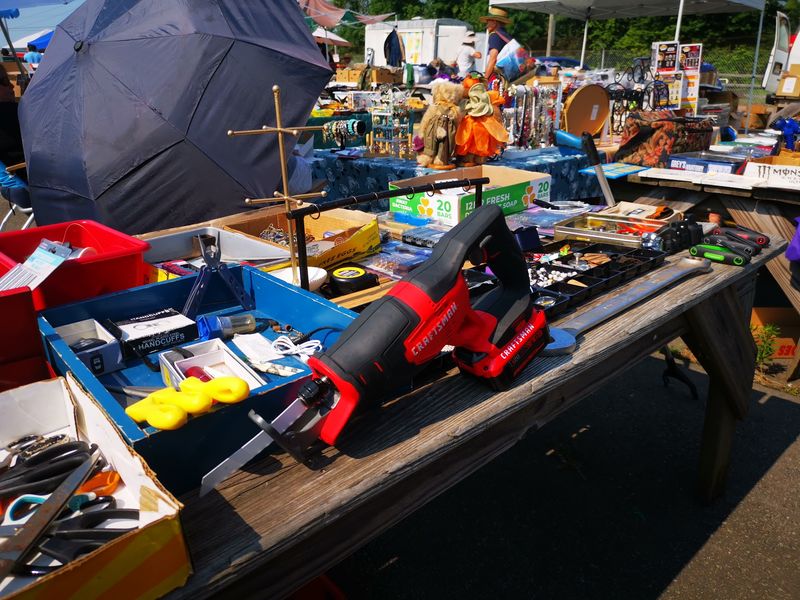
Thursday is the day many dedicated pickers circle on the calendar. Columbus combines one of the Delaware Valley’s largest outdoor flea markets with indoor shops, produce vendors, and a bustling Amish market, creating a sprawling destination where breakfast, grocery shopping, and furniture hunting can all happen in one trip.
Hundreds of outdoor sellers may bring everything from antique dressers and rocking chairs to mirrors, trunks, porch décor, tools, and salvaged building materials. Some pieces arrive ready to use; others clearly need sanding, tightening, rewiring, or a buyer who can see past several unfortunate coats of paint.
That range is exactly what makes Columbus useful. You can compare a polished vintage cabinet from an established dealer with a cheaper project piece pulled from an estate or barn.
The market also operates on Saturdays and Sundays, but vendor turnout and inventory vary with the day and weather. Outdoor hours generally run from 8 a.m. to 3 p.m., and the grounds sit conveniently along Route 206 near the New Jersey Turnpike and Interstate 295.
Parking is plentiful, though it helps to remember which entrance you used. Cash gives you flexibility with outdoor sellers, and a folding cart is useful for smaller purchases.
When considering upholstered furniture, check seams, cushions, and the underside before committing. For wooden pieces, open every drawer and test for wobbling.
The best Columbus finds often need a little work, but the price can leave enough room in the budget to do it properly.
5. Berlin Farmers Market – Berlin
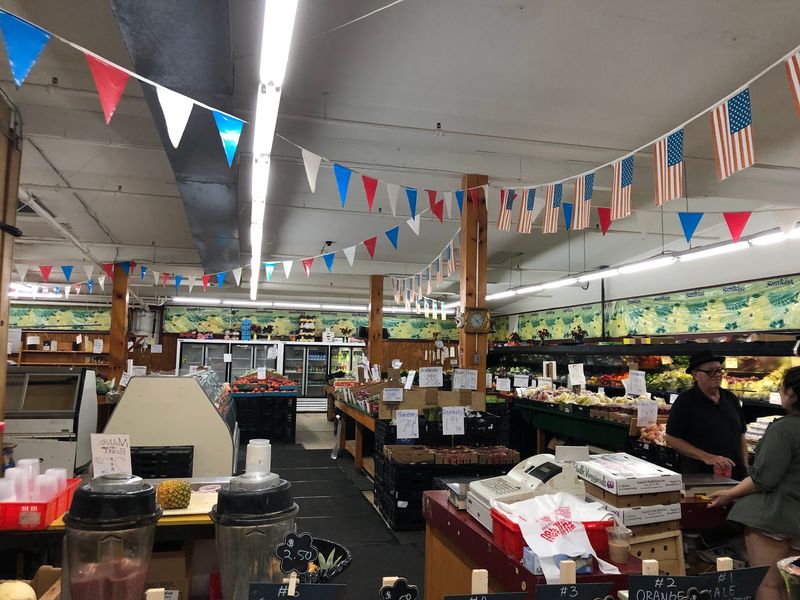
The furniture appears between everything else: crates of tools, garden equipment, toys, clothing racks, produce, and the occasional household cleanout spread across several tables. Berlin’s outdoor flea market can accommodate hundreds of vendors, so the selection changes dramatically from one weekend to another.
Shoppers willing to cover the full grounds may uncover end tables, bed frames, hutches, patio furniture, mirrors, vintage lighting, wooden ladders, old signs, and useful pieces of hardware. Some sellers deal regularly in secondhand furnishings, while others arrive with a one-time assortment from a basement, garage, or downsizing project.
Those casual setups can produce the strongest bargains because the goal is often to clear space rather than maximize the value of every chair.
The outdoor market runs Fridays, Saturdays, and Sundays from 8 a.m. to 4 p.m. throughout the year, while the adjoining indoor shopping center keeps longer hours and offers food, services, and dozens of permanent businesses.
Friday can be less overwhelming, but weekends generally bring the largest crowds and broadest vendor mix. Since furniture stock depends heavily on who sets up, fair weather usually improves the odds.
Walk the outer rows before buying the first acceptable item you see, then return to negotiate if it remains the best option. Measurements are essential, particularly for doorways and staircases back home.
Berlin is especially good for practical hunters who do not mind dust, chipped paint, or missing knobs when the underlying piece is solid and the price makes sense.
6. Collingwood Auction & Flea Market – Farmingdale
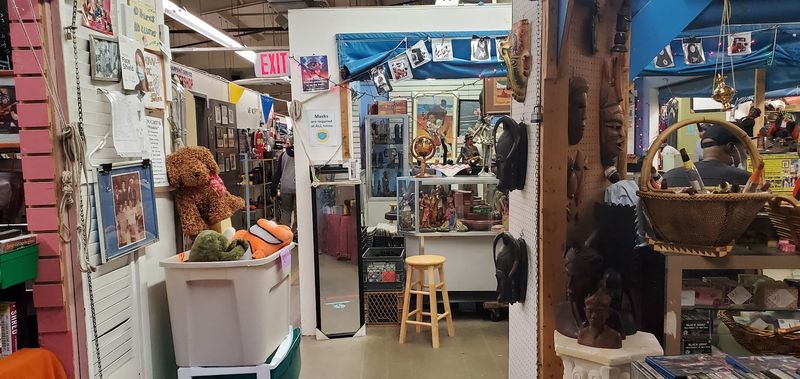
More than 500 outdoor merchant spaces and a 60,000-square-foot indoor building give Collingwood enough room for furniture to show up in nearly every form.
One seller might have a clean dining set lined up beside the van; another may offer battered workshop cabinets, weathered shelves, old trunks, or an assortment of chairs that have not matched in decades.
The market’s combination of regular dealers and rotating vendors makes it useful for both ready-to-use furnishings and restoration projects.
Antiques, country collectibles, housewares, surplus goods, and secondhand household pieces share the grounds, so architectural hunters should watch for vintage lighting, metal signs, garden elements, doors, frames, and hardware mixed among less exciting merchandise.
The market sits on 25 acres near the border of Howell and Wall townships and operates Friday through Sunday, generally from 8 a.m. to 5 p.m., year-round. Indoor booths provide dependable browsing when the weather turns, while the outdoor section usually offers the biggest chance of stumbling across bulky items at negotiable prices.
Food counters and restrooms make a long search easier, which is helpful because the scale encourages one more lap. Inspect furniture from every angle, especially if it has been sitting outside, and ask whether drawers, shelves, or keys are stored separately.
Sellers may hold a paid piece while you retrieve a vehicle, but confirm the arrangement first. Collingwood suits shoppers who enjoy sorting through a broad, unruly mix to find one object worth rearranging the whole room around.
7. Cowtown Farmers Market – Pilesgrove
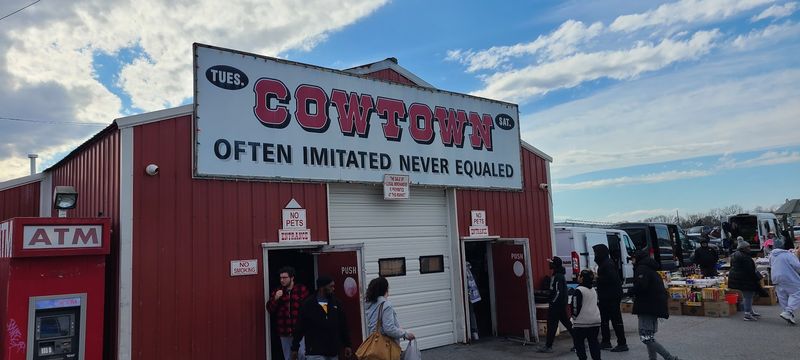
A market that began as a livestock auction in 1926 still carries a bit of practical South Jersey grit. Cowtown now fills heated indoor buildings and outdoor spaces with more than 400 vendors, and the merchandise runs from produce and clothing to tools, household goods, furniture, and old farm-oriented finds.
This is a particularly enjoyable place to hunt for rustic pieces: wooden benches, storage chests, sturdy tables, metal shelving, garden ornaments, crates, and utilitarian objects that can be repurposed indoors.
Architectural salvage is less predictable, but old hardware, signs, fixtures, and weathered building elements can surface when estate and cleanout sellers set up outside.
The trick is to look below the tables as often as you look on top of them. Heavy items frequently sit at ground level, half-hidden behind boxes of smaller goods.
Cowtown opens every Tuesday and Saturday from 8 a.m. to 4 p.m. throughout the year, rain or shine. Tuesday offers a rare weekday option and can feel more manageable than a busy Saturday, while the heated indoor areas make cold-weather browsing possible.
Parking is free, admission costs nothing, and pets are not permitted. Bring cash, dress for the outdoor conditions, and do not be shy about asking what a seller knows about a piece.
A scarred worktable may have spent decades in a local barn; it may also be an ordinary modern reproduction. Either can be useful, but the history should match the price.
8. Five Acres Flea Market – Belvidere
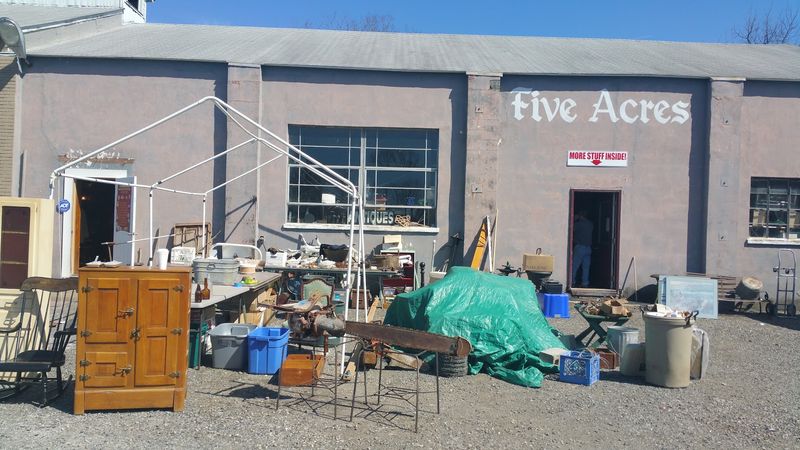
There is something refreshingly direct about a field market where sellers pull in, unload, and turn the space around their vehicles into temporary shops.
Five Acres in Belvidere delivers that old-fashioned setup on weekends, supplemented by an on-site antique shop that gives visitors another place to search when the outdoor assortment is thin.
The combination works well for furniture hunters. Open-air vendors can bring large pieces without worrying about squeezing them into a small booth, while the antique space may hold more established inventory, including wooden furnishings, decorative objects, and household pieces with some age.
Expect the selection to be unpredictable rather than carefully themed. A visit may produce vintage chairs, cabinets, tables, garden décor, old tools, crates, or renovation leftovers; another may lean more heavily toward general secondhand goods.
The market is most rewarding for shoppers who enjoy looking past surface wear and imagining what a sound piece could become after cleaning or refinishing. It operates on Saturdays and Sundays, with activity centered in the morning and early afternoon.
Since the outdoor component depends on weather and vendor turnout, choose a clear weekend and arrive early. Bring cash in small denominations, plus a tape measure and moving blankets if you are serious about buying furniture.
Belvidere’s more rural location can also translate into pieces from older houses, garages, and barns rather than the apartment-sized inventory common near larger cities. That does not guarantee a farmhouse table, of course, but it makes bringing an empty cargo area feel like sensible preparation.
9. Avenel Flea Market – Avenel
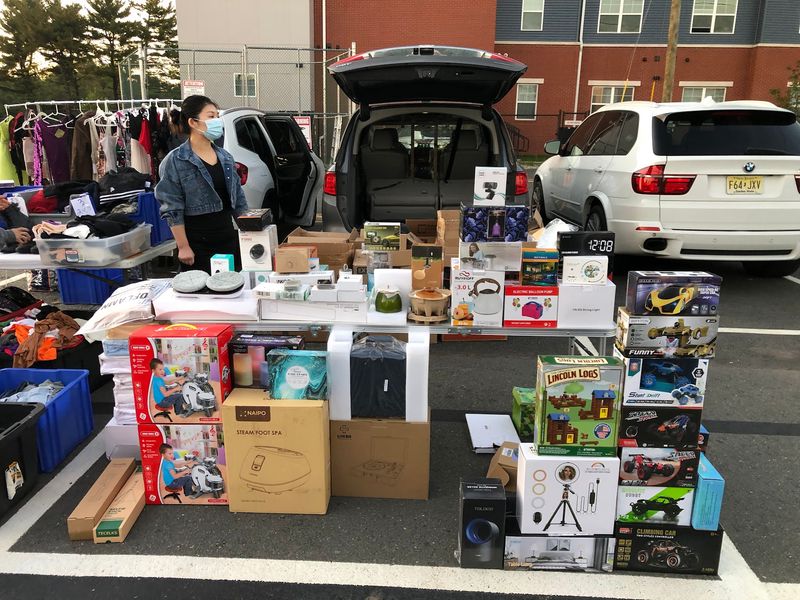
Before most nearby stores unlock their doors, bargaining is already underway along Rahway Avenue. Avenel’s early opening gives determined buyers a head start, and its mix of recurring dealers and casual sellers creates plenty of opportunities to find used furniture at approachable prices.
Tables, chairs, shelving units, mirrors, lamps, tools, and household décor mingle with clothing, electronics, collectibles, and new merchandise. The architectural category requires more patience, but boxes of vintage hardware, old signs, metalwork, frames, and salvageable fixtures can appear among the outdoor setups.
This is less of a polished antiques destination than a classic bargain market, which can be an advantage for anyone seeking an affordable piece to repaint, reupholster, or repurpose. Sellers are often more interested in moving bulky goods than telling a lengthy story about provenance.
The market operates on Thursdays, Saturdays, and Sundays, beginning around 6 a.m. and continuing into the afternoon. Free admission and parking make it easy to visit repeatedly, an important point when inventory changes with every group of vendors.
Early birds get the widest choice, while shoppers arriving later may have better leverage on anything sellers do not want to pack up. Take time to test drawers, examine the backs of cabinets, and check whether particleboard is hiding beneath a convincing wood-look finish.
Avenel is most useful when expectations remain flexible. Go looking for a narrow nightstand, and you may leave with an industrial stool, an old mirror, and a completely different plan for the room.
10. Manahawkin Flea Market – Manahawkin
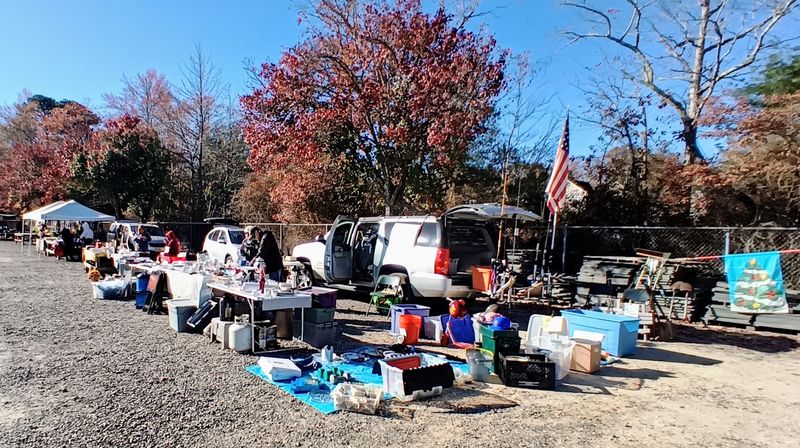
Coastal homes create their own secondhand ecosystem, and Manahawkin sits in an excellent position to catch the results. Located just inland from Long Beach Island, this four-acre market combines permanent indoor shops with seasonal outdoor sellers.
The inventory can include antiques, vintage décor, household goods, furniture, crafts, and beach-house pieces moving from one shore property to another. Wicker, small tables, painted cabinets, mirrors, patio furnishings, nautical decorations, and weathered accents all make sense here, but the assortment is never limited to a coastal look.
Older tools, wooden storage pieces, signs, and salvage-friendly odds and ends can turn up as sellers clear garages or update vacation homes. More than 80 merchants operate across the property, giving the market enough variety for a purposeful furniture trip without making it impossible to cover in an afternoon.
Outdoor vending is strongest during the warmer months and typically runs on Saturdays and Sundays, while the permanent shops provide additional year-round browsing. Admission and on-site parking are free.
Summer traffic heading toward Long Beach Island can slow the approach, so an early start is wise for both road conditions and selection. Inspect outdoor furniture carefully for moisture damage, rust, and weakened joints caused by salt air.
On the other hand, a naturally weathered finish can be exactly what a porch or garden needs. Manahawkin works best as a patient, casual hunt—and it is far easier to justify an unexpected cabinet when the vehicle was not already packed for the beach.
11. The New Jersey Big Flea Market – Edison
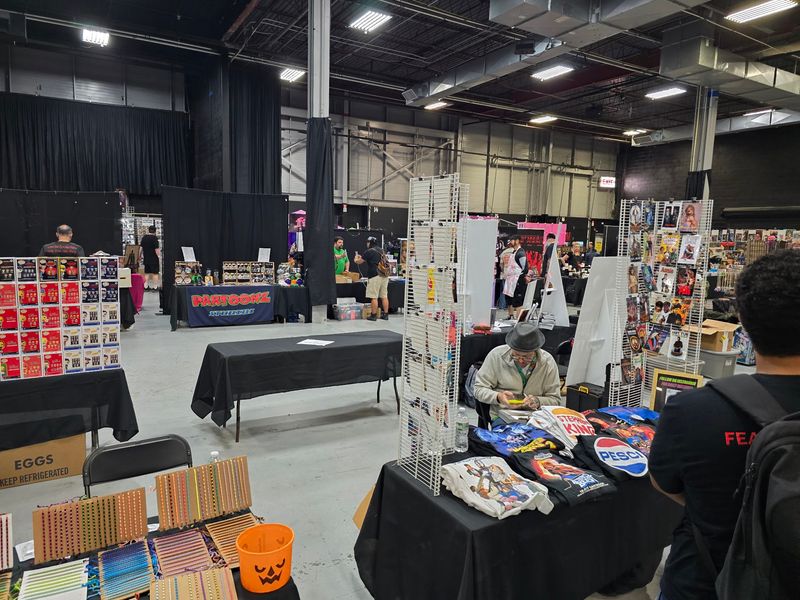
Rows of polished wooden dressers, hutches, tables, mirrors, rugs, and vintage décor make this annual Edison event feel closer to a giant antiques show than a conventional parking-lot flea market.
Dealers travel from around the country to fill the New Jersey Convention and Exposition Center, bringing inventory that tends to be more selected, researched, and display-ready than the average household cleanout.
That can mean higher prices, but it also gives shoppers access to distinctive period furniture, quality craftsmanship, and decorative architectural elements that may be difficult to find at weekly markets. Look beyond the obvious statement pieces for lighting, framed mirrors, signs, ironwork, hardware, and smaller salvaged details capable of giving a room character without requiring a moving truck.
The indoor setting allows careful browsing regardless of the weather, and pieces are generally easier to examine than objects crowded onto an outdoor tarp. Because this is a scheduled event rather than a weekly operation, confirm the dates and hours before making the trip.
Admission is charged, and serious buyers should arrive early on the first day for the strongest selection. The final hours can be better for negotiation, particularly on furniture that dealers would prefer not to transport again.
Photograph labels before stepping away and ask about delivery, since some vendors may be able to arrange shipping or local transport. For shoppers who want antique furniture with fewer mysteries—and more choices gathered under one roof—the Big Flea earns its place on the list.
Share this story