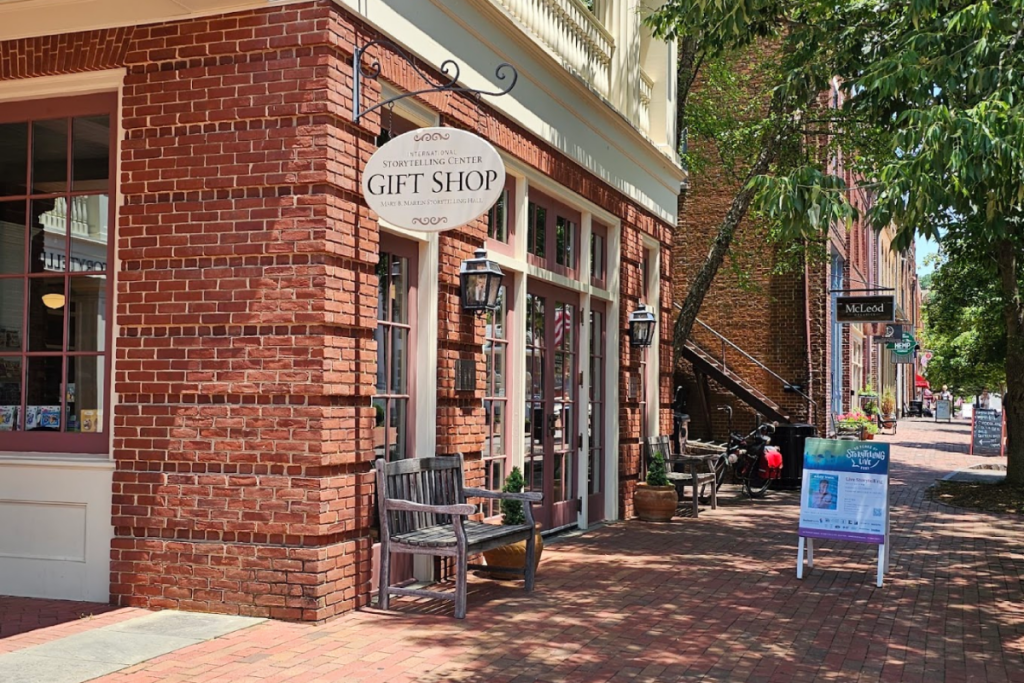
Tennessee has more to offer than just Nashville and Memphis. Scattered across the state, you’ll find small towns where creativity thrives in unexpected ways, from historic murals and handmade crafts to storytelling traditions and live performances.
These communities prove that art and character aren’t confined to big cities, and each one brings its own flavor to Tennessee’s cultural landscape.
1. Jonesborough
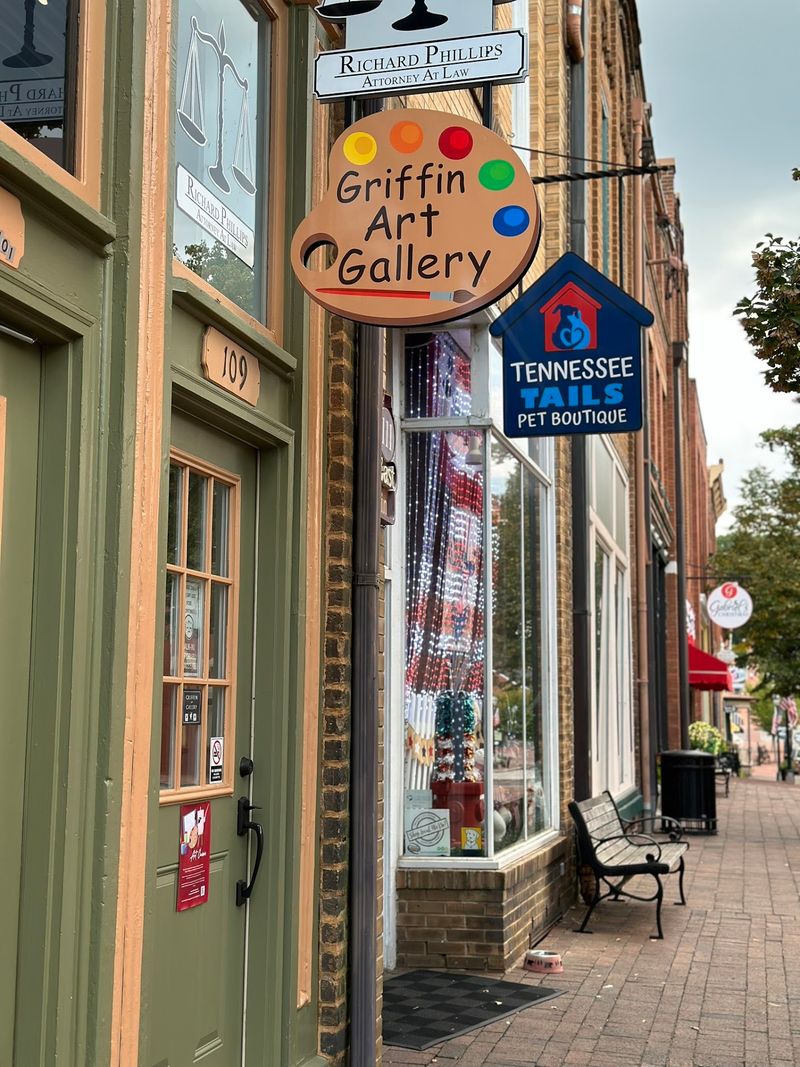
Walking through Tennessee’s oldest town feels like stepping into a living storybook. Jonesborough earned its reputation through the National Storytelling Festival, but the creative energy here goes way beyond spoken word.
Historic buildings house working artists, galleries showcase local talent, and you’ll find handmade pottery, jewelry, and folk art in shops that feel more like treasure hunts than retail stops.
The downtown district wraps around a central square where live music spills out from cafes and theaters host everything from classic plays to experimental performances. Art shows pop up regularly, transforming storefronts into temporary exhibition spaces.
The town’s commitment to preserving its past while nurturing contemporary creativity creates an atmosphere where history and modern artistry coexist comfortably.
Local makers take pride in keeping traditional crafts alive while adding their own twists. You might watch a blacksmith at work one moment and browse abstract paintings the next.
The variety keeps things interesting without feeling forced or touristy.
What makes Jonesborough special is how naturally art integrates into daily life here. It’s not about designated arts districts or manufactured culture, it’s woven into the fabric of the community.
Residents genuinely value creativity, and that attitude shows in how they support local artists and preserve spaces for cultural expression.
The storytelling tradition remains the town’s heartbeat, but visual arts, music, and theater give it depth and dimension. Whether you’re catching an impromptu performance on the square or discovering a new favorite artist in a tucked-away gallery, Jonesborough rewards curiosity.
This town proves that age and innovation can enhance each other when a community truly embraces both.
2. Leiper’s Fork
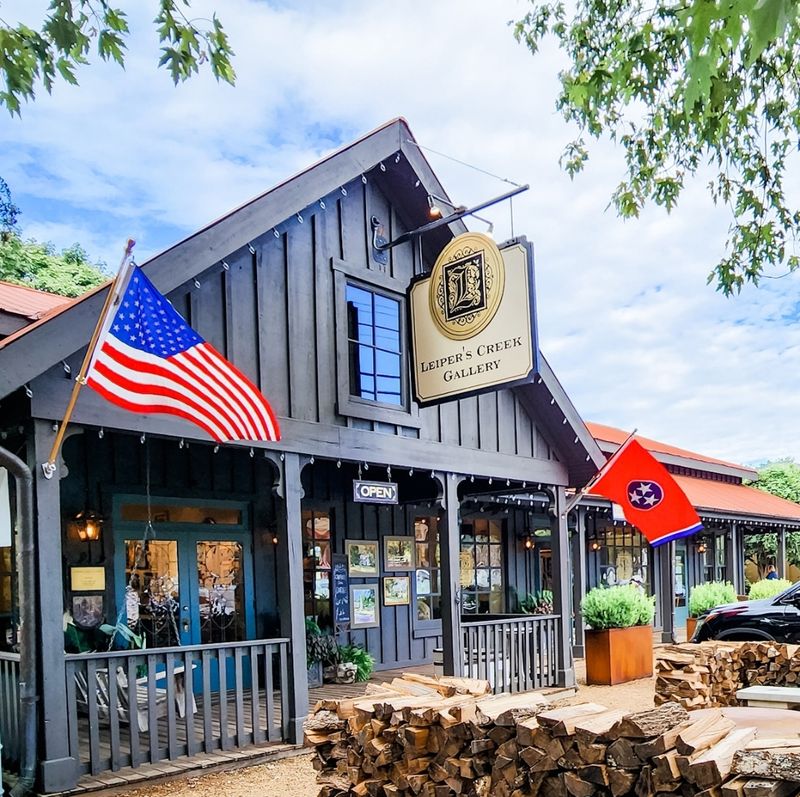
Tucked into rolling Williamson County hills, this village barely qualifies as a dot on the map, yet it punches way above its weight in creative output. Leiper’s Fork attracts artists, musicians, and free spirits who want small-town peace without sacrificing cultural stimulation.
Fine-art galleries sit alongside working studios where you can watch painters, sculptors, and craftspeople in action.
The bohemian vibe here isn’t manufactured for tourists. It grew organically as creative types discovered the area’s natural beauty and slower pace.
Antique shops overflow with finds that range from rustic farm tools to carefully curated vintage furniture, each piece telling its own story.
Live music happens constantly, sometimes in official venues and sometimes just on porches where musicians gather to jam. The informal nature of these performances gives them an authenticity you won’t find in more commercial settings.
You might stumble onto a bluegrass session or hear a singer-songwriter testing new material.
Gallery owners know their artists personally and can share insights about techniques, inspiration, and the stories behind individual pieces. Shopping here feels more like building relationships than making transactions.
The art ranges from traditional landscapes capturing Tennessee’s countryside to contemporary abstracts that challenge expectations.
Rural scenery surrounds the village, providing both inspiration for artists and a beautiful backdrop for visitors. Old barns, winding roads, and open fields create a sense of space that urban areas can’t replicate.
Yet despite the rural setting, the cultural offerings rival what you’d find in much larger towns.
Leiper’s Fork succeeds because it stays true to itself. There’s no pretension, no trying too hard. Artists work, musicians play, and the community supports them naturally. That genuine character makes every visit feel like discovering something real.
3. Bell Buckle
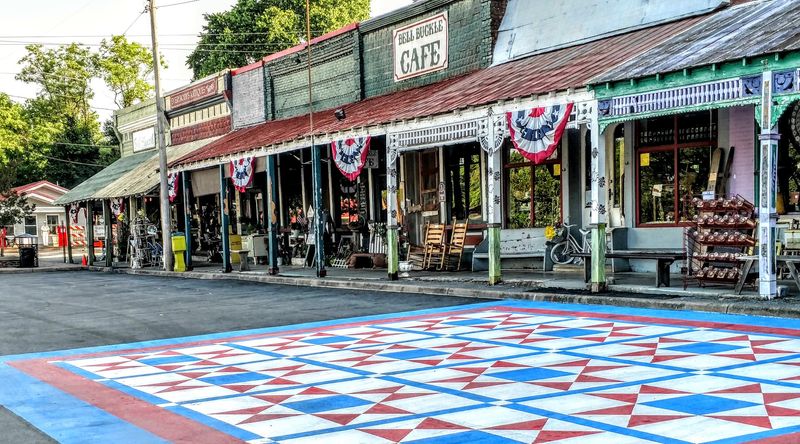
Victorian architecture sets the stage, but personality makes Bell Buckle memorable. This former railroad town embraced its quirky side decades ago and never looked back.
Colorful murals brighten building facades, turning ordinary walls into canvases that celebrate local history and pure whimsy in equal measure.
Boutiques here specialize in the unexpected. One shop might focus on handmade quilts while the next overflows with vintage toys and collectibles.
Local artists display work in multiple locations, and craft fairs draw makers from across the region. The variety means you never know what you’ll discover around the next corner.
Antique hunters consider Bell Buckle essential territory. Shops stock everything from Depression-era glassware to mid-century furniture, often at prices that haven’t caught up with bigger markets.
Serious collectors and casual browsers both find plenty to explore, and shopkeepers genuinely enjoy sharing knowledge about their inventory.
The town’s compact size works in its favor. You can walk the entire downtown in minutes, yet each storefront deserves attention.
Window displays change regularly, reflecting seasons, holidays, and the creative impulses of shop owners who view merchandising as its own art form.
Community events bring additional energy throughout the year. Art shows, music festivals, and seasonal celebrations fill the streets with visitors who appreciate Bell Buckle’s commitment to preserving small-town character while encouraging creative expression.
Locals participate enthusiastically, creating an inclusive atmosphere where newcomers quickly feel welcome.
What could have become just another fading railroad town instead transformed into a destination for anyone who values originality and craftsmanship. Bell Buckle’s success lies in its refusal to take itself too seriously while still taking art and community very seriously.
That balance creates an environment where creativity flourishes naturally.
4. Paris
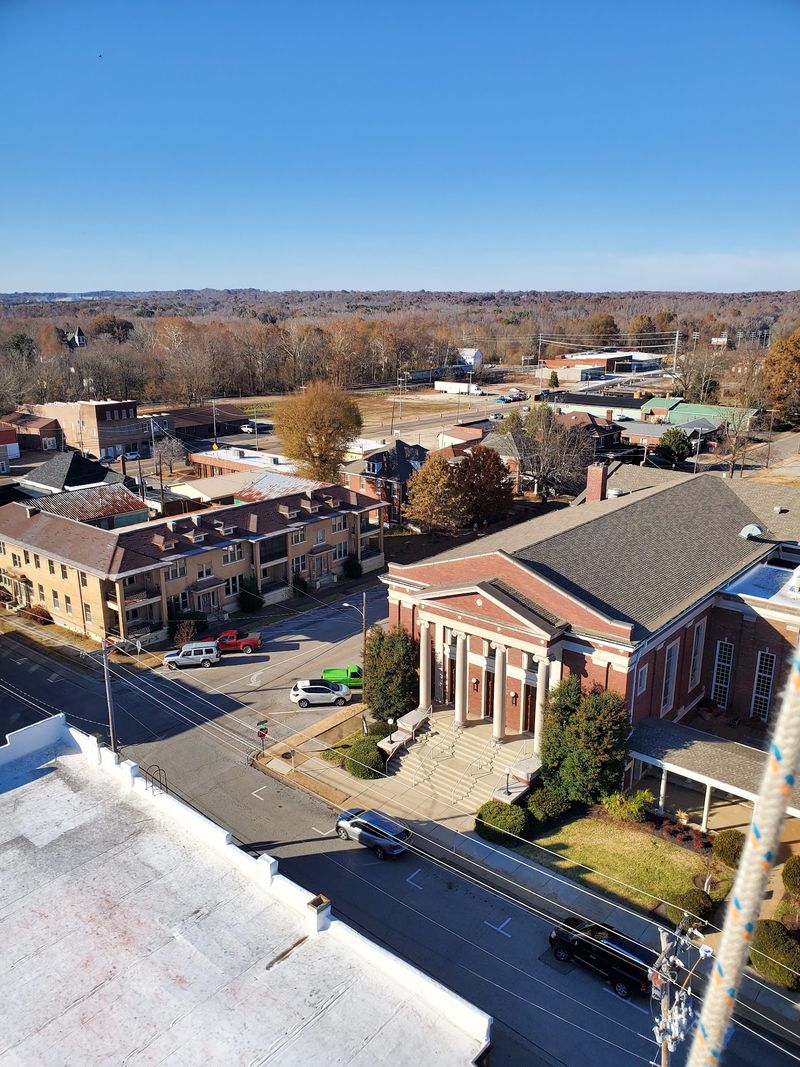
Most people associate Paris with France, but Tennessee’s version has been writing its own story through paint and public art. The Back Alley Paris project transformed neglected downtown spaces into an outdoor gallery where local artists illustrate the town’s past on walls that once went unnoticed.
These murals don’t just decorate, they educate, depicting scenes from Paris’s history in vivid detail.
Walking through these alleys feels like flipping through a visual history book. Each mural tells specific stories about the people, events, and everyday life that shaped this West Tennessee community.
The artists worked with historians to ensure accuracy while maintaining creative freedom in their interpretations.
Downtown businesses have embraced the murals, using them to draw foot traffic to areas that previously saw little activity. The project sparked renewed interest in the historic district and inspired additional beautification efforts.
Property owners take pride in the artwork adjacent to their buildings, and many have invested in improvements that complement the murals.
Local artists gained opportunities to showcase their talents on a large scale, building portfolios and reputations in the process. The project demonstrated that public art could be both meaningful and economically beneficial, changing conversations about how the town invests in cultural development.
Visitors now explore Paris with purpose, following informal mural routes and discovering shops and restaurants they might have otherwise missed. The artwork provides natural conversation starters, helping strangers connect over shared appreciation for the creativity on display.
Paris proves that you don’t need massive budgets or famous artists to create impactful public art. You need community buy-in, respect for local history, and artists willing to translate stories into images.
The Back Alley Paris project succeeded because it served the community first, with tourism benefits arriving as a happy byproduct rather than the primary goal.
5. Brownsville
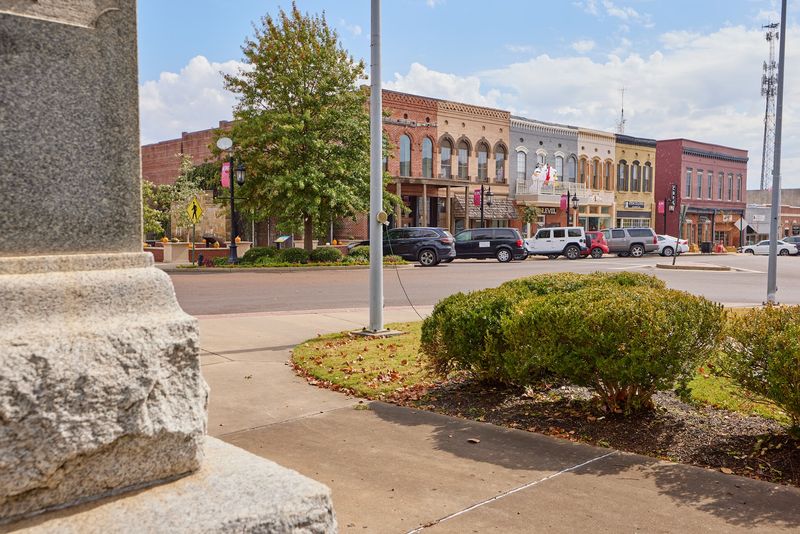
Music runs deep in Brownsville’s DNA, and the town wears that heritage proudly on its walls. Downtown murals celebrate Tina Turner, who grew up nearby, alongside blues legends like Sleepy John Estes who shaped West Tennessee’s musical identity.
These aren’t generic tributes, they’re carefully researched artistic statements that capture the spirit of the musicians and their era.
Visual art and music history overlap naturally here. The murals don’t just depict famous faces, they illustrate the cultural context that produced such remarkable talent.
You’ll see scenes of juke joints, cotton fields, and everyday moments that influenced the music these artists created.
Local blues history gets proper recognition through these public artworks. Brownsville’s role in developing and preserving blues traditions becomes clear as you explore the murals and read the accompanying historical information.
The town takes seriously its responsibility to honor this legacy.
West Tennessee culture, distinct from the state’s other regions, finds expression in both the subject matter and style of the artwork. The murals reflect the area’s unique blend of rural traditions, African American heritage, and musical innovation.
Artists captured textures and colors that feel authentically connected to the landscape and people.
Beyond the famous names, the murals acknowledge everyday musicians and music lovers who kept traditions alive through decades when blues fell out of commercial favor. This inclusive approach creates a more complete picture of the community’s musical ecosystem rather than focusing solely on stars who achieved national fame.
Brownsville’s commitment to celebrating its cultural heritage through public art has transformed the downtown into a destination for music fans and art enthusiasts alike. The murals serve educational purposes while beautifying spaces that needed attention.
They’ve sparked conversations about preservation, cultural identity, and how communities can honor their past while building their future. The project continues growing as new murals join existing ones.
6. Sewanee
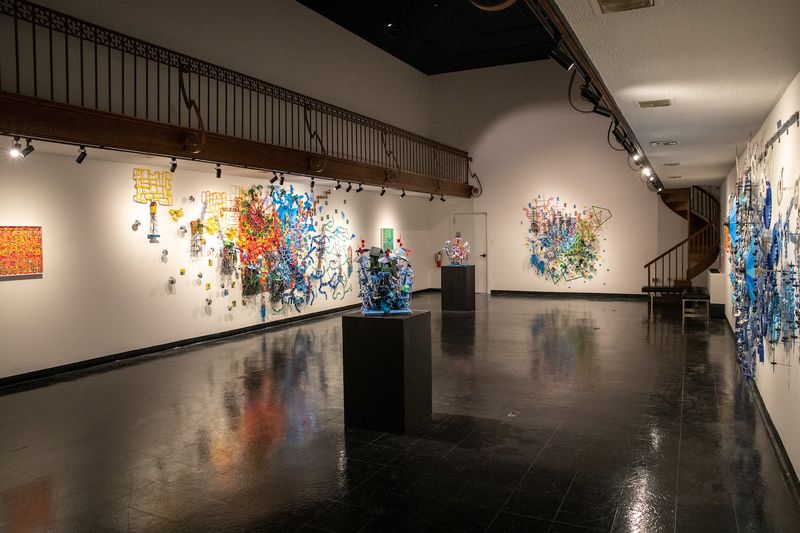
Perched atop the Cumberland Plateau, Sewanee defies expectations for a community its size. The University of the South anchors an arts scene that would impress in a much larger town.
Multiple galleries showcase everything from student work to visiting exhibitions by established artists. Theater spaces host ambitious productions that draw audiences from across the region.
The university’s commitment to liberal arts education means creativity gets prioritized and funded. Students and faculty collaborate on projects that benefit both the campus and surrounding community.
Performances happen year-round, with quality that reflects serious dedication to craft rather than amateur enthusiasm.
Gallery exhibitions change regularly, ensuring repeat visitors always find something new. Curators take risks on challenging contemporary work while also honoring traditional forms.
The variety exposes students and community members to artistic movements and techniques they might not encounter otherwise.
Sewanee’s small size actually enhances its arts scene in some ways. Artists and audiences interact more directly than in larger venues. Performers might grab coffee alongside audience members the morning after a show. Gallery visitors can often meet the artists whose work they’re viewing.
These personal connections deepen appreciation and understanding.
The natural setting inspires creativity across disciplines. Writers, painters, musicians, and dancers all draw from the plateau’s distinctive landscape and seasonal changes.
The environment becomes both subject matter and collaborator, influencing the work produced here in subtle but significant ways.
Community members without university affiliation still access most cultural offerings, creating an unusually integrated arts ecosystem. Local residents attend performances, visit galleries, and participate in workshops alongside students and faculty.
This mixing prevents the insularity that sometimes afflicts college-town cultural scenes.
Sewanee demonstrates how educational institutions can serve as cultural anchors for entire regions. The university’s presence elevates expectations and opportunities for everyone nearby, proving that geography doesn’t have to limit artistic ambition or achievement when commitment and resources align properly.
7. Greeneville
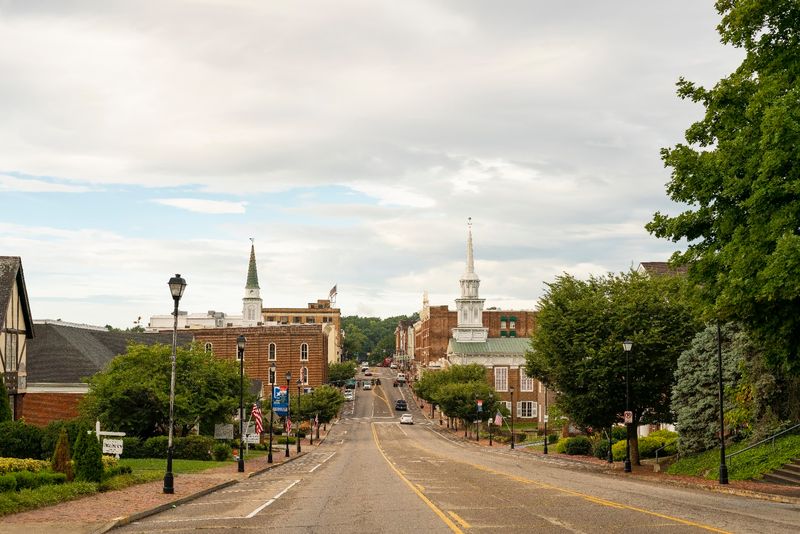
East Tennessee hides plenty of creative surprises, and Greeneville ranks among the most pleasant. The downtown mural trail leads visitors through a visual journey that celebrates local history, natural beauty, and pure artistic expression.
Each mural brings its own style and message, creating variety that keeps the trail interesting from start to finish.
Local makers have established a strong presence here. Studios welcome visitors who want to see artists at work, and galleries rotate exhibitions that feature regional talent.
The town supports its creative community through events, affordable studio spaces, and genuine appreciation for what artists contribute to quality of life.
Rotating art exhibitions ensure the scene stays fresh. What you see during one visit might be completely different six months later.
This constant evolution reflects an active, engaged arts community rather than static displays that gather dust. Curators take chances on emerging artists while also showcasing established names.
Greeneville’s creative identity developed more quietly than some Tennessee towns, which actually worked in its favor. Without massive tourist attention, the arts scene grew organically to serve local interests first.
That authenticity shows in how artists and audiences interact, in the types of work being created, and in community support for cultural programming.
The town’s size allows for experimentation and risk-taking that might not fly in places with more commercial pressure. Artists can try new techniques, explore challenging subjects, and develop their voices without constantly worrying about mass appeal.
This creative freedom produces more interesting, honest work.
Downtown revitalization efforts incorporated arts and culture from the beginning rather than treating them as afterthoughts. Murals, galleries, and performance spaces became integral parts of economic development strategy.
The approach paid off as the creative energy attracted other businesses and residents who valued cultural amenities.
Greeneville earns its underrated status honestly. It doesn’t shout about its arts scene or manufacture hype. Instead, it quietly builds something real and sustainable that serves its community while welcoming visitors who appreciate substance over flash.
8. Rugby
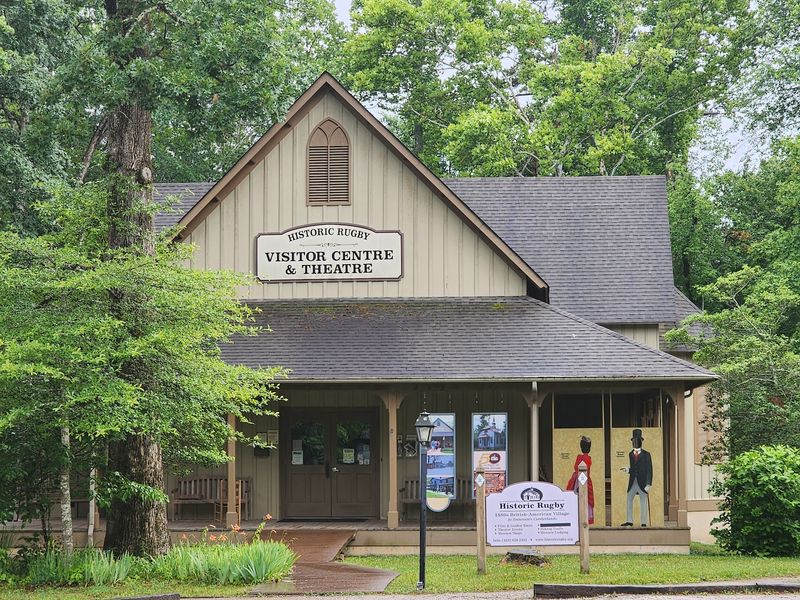
Rugby’s artistic character comes from a completely different angle than other Tennessee towns. This tiny Victorian village preserves an extraordinary social experiment from the 1880s when British reformer Thomas Hughes established a utopian community in the Cumberland Mountains.
The architecture alone qualifies as art, with carefully maintained buildings that transport visitors to another era and continent.
Literary history permeates Rugby’s identity. Hughes, author of “Tom Brown’s School Days,” envisioned a place where younger sons of English gentry could build meaningful lives without inherited wealth.
That intellectual foundation shaped the community’s values, and Rugby still maintains one of the best historic libraries in rural America, with thousands of Victorian-era volumes.
Traditional crafts continue here through demonstrations and workshops that teach skills like weaving, woodworking, and blacksmithing. Watching craftspeople work with period-appropriate tools and techniques feels like time travel.
The emphasis on handmade quality over mass production reflects values that guided Rugby’s founders.
Local artists draw inspiration from the village’s unique character. Painters capture the distinctive architecture and surrounding forests.
Writers reflect on the idealism and challenges that shaped Rugby’s history. The setting itself becomes both muse and medium, influencing creative work in ways that more conventional locations cannot.
The eccentric British-Appalachian fusion creates an atmosphere found nowhere else in Tennessee. You’ll hear English accents alongside mountain drawls, see Victorian tea services in rustic mountain settings, and encounter traditions that blend two cultures separated by an ocean but connected through this improbable community.
Rugby’s artistic approach emphasizes preservation, education, and respect for craftsmanship. Rather than chasing contemporary trends, the village honors its distinctive heritage while remaining genuinely welcoming to visitors.
The result feels more authentic than many living history sites because Rugby never completely stopped being what it was intended to be, just adapted and persevered through changing times.
9. Bristol
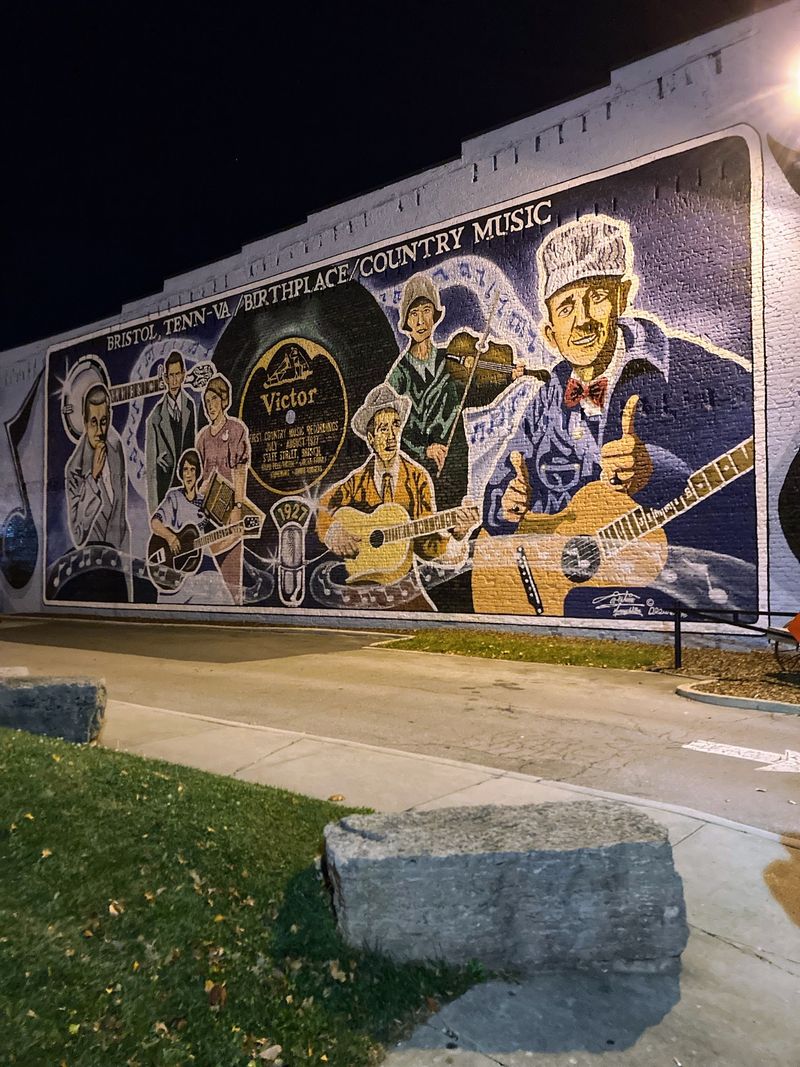
Split down the middle by the Tennessee-Virginia state line, Bristol built its identity on music, specifically its claim as the birthplace of country music. The 1927 Bristol Sessions recorded legends like the Carter Family and Jimmie Rodgers, cementing the town’s place in American cultural history.
That musical heritage still dominates, but Bristol’s creative side extends beyond recording studios and performance venues.
Public murals throughout downtown celebrate musical history while also showcasing contemporary artistic talent. The artwork ranges from realistic portraits of music legends to abstract interpretations of sound and rhythm.
These murals transformed previously drab walls into landmarks that draw photographers and art lovers alongside music pilgrims.
Galleries display work by regional artists who may or may not focus on musical themes. The variety ensures Bristol’s arts scene doesn’t become one-dimensional despite the town’s strong musical identity.
Painters, sculptors, and mixed-media artists all find exhibition opportunities and supportive audiences.
Live performances happen constantly, as you’d expect in a music town. What’s less expected is how venues also host poetry readings, art openings, and theatrical performances.
The infrastructure built to support music serves other creative disciplines too, creating a more diverse cultural calendar than the town’s reputation might suggest.
State Street, the main drag that literally straddles two states, has evolved into a colorful arts corridor. Businesses embrace the area’s creative energy through window displays, outdoor sculptures, and partnerships with local artists.
The street itself becomes a canvas where commerce and culture mix naturally.
Bristol’s challenge and opportunity lie in expanding beyond its musical identity without abandoning what makes it special. The town seems to be navigating that balance successfully, honoring its heritage while creating space for other creative expressions.
Music remains the foundation, but visual arts, theater, and other disciplines add layers that make Bristol’s cultural scene richer and more resilient than single-focus destinations.
10. Covington
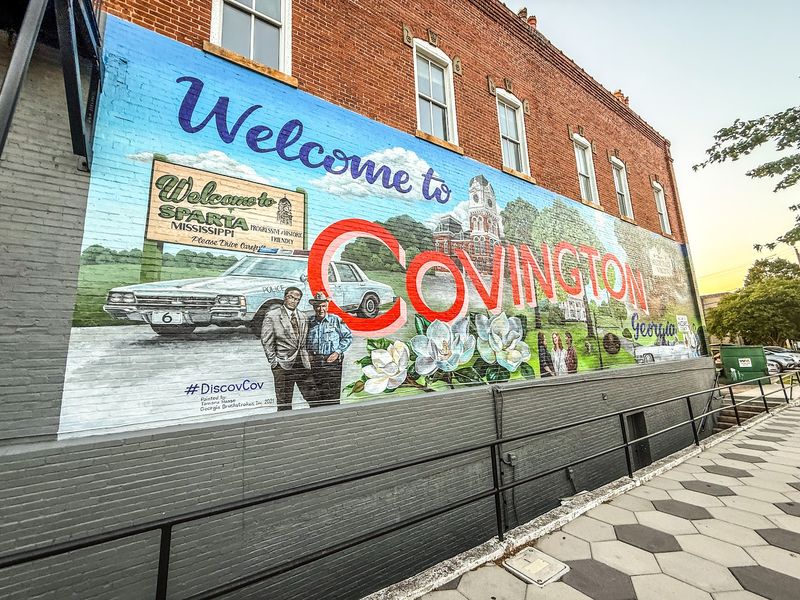
West Tennessee towns don’t always get recognition for creative initiatives, which makes Covington’s public art efforts particularly noteworthy. The massive mural painted on the old water tower in the Depot District announces from blocks away that something interesting is happening here.
That bold statement reflects the town’s commitment to using art as a catalyst for downtown revitalization.
The water tower project required vision and courage. Painting something that large and visible means accepting that everyone will have opinions, not all positive.
Covington moved forward anyway, demonstrating confidence in art’s ability to transform not just physical spaces but also community identity and pride.
Historic spaces throughout downtown have received artistic attention, turning neglected buildings and blank walls into assets rather than eyesores. The improvements attract visitors who might have previously driven straight through town.
Local businesses benefit from increased foot traffic, and property owners see tangible returns on investments in beautification.
Covington’s approach emphasizes local artists and community input rather than importing talent or imposing top-down decisions. This inclusive process ensures the artwork reflects the town’s actual character and history rather than generic themes that could apply anywhere.
Residents feel ownership of the results because they participated in creating them.
The Depot District, once overlooked, has emerged as a focal point for cultural activity. The water tower mural serves as an anchor that draws attention to surrounding galleries, shops, and restaurants.
What began as a single art project sparked broader interest in preserving and activating historic areas.
Smaller murals and public art installations have followed the water tower’s success, creating a growing collection that gives visitors reasons to explore beyond main thoroughfares. Each new piece adds to Covington’s evolving identity as a town that values creativity and invests in making public spaces more beautiful and engaging.
The momentum continues building as residents and leaders recognize how art contributes to economic development, community pride, and quality of life.