A Northwest Arkansas drive ends with a steep hill, and then every bar of cell service vanishes. What waits below is a valley of waterfalls, caves, a turquoise dam, and trails that earn a 4.8-star average from 1,770 reviews. Families, couples, and weekend adventurers can all find a reason to stay longer than planned.
The next sections cover the history, the trails, the places to sleep, and the practical details that make a first trip easier.
A Valley Hidden Past West Fork
Drive a short way down from the ridge near West Fork, and the road enters a world of its own. Devil’s Den State Park sits at 11333 AR-74, West Fork, AR 72774, in northwest Arkansas in the United States.
The park is open daily from 8 AM to 5 PM, and it holds a 4.8-star average across 1,770 reviews. That number alone says a lot about how well the place is loved.
Popular topics tell the story quickly. Trails lead the list with 348 mentions, camping follows with 159, and cabins, waterfalls, caves, creeks, and a dam all show up again and again.
One detail surprises first-timers right away. Once the road drops into the park, cell service disappears, so maps and plans are best settled before arriving.
The site works as a day trip, a weekend base, or a longer camping stay. Few places in the state pack so many outdoor options into one valley.
Built by the CCC, Explained at the Visitor Center
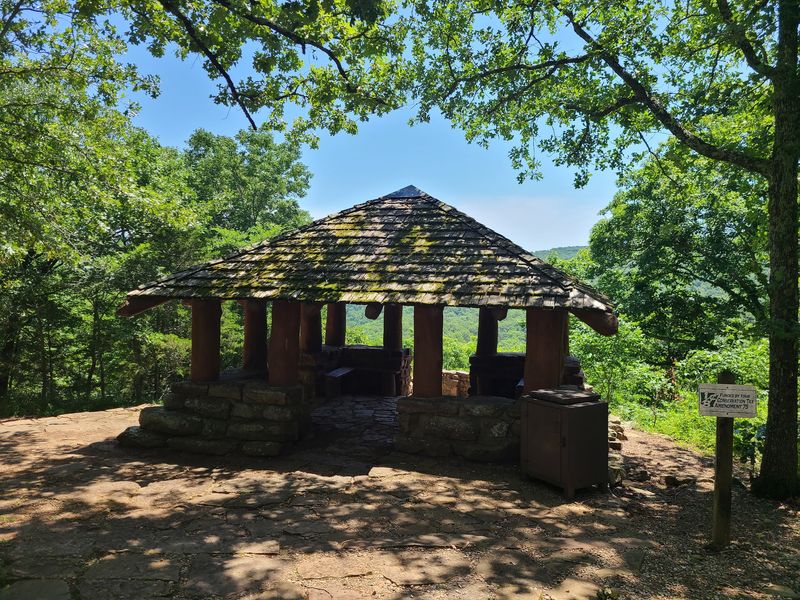
History lives right inside the park, and the visitor center is the easiest place to find it. Exhibits there cover the story of the Civilian Conservation Corps, the work crews tied to the park’s early days.
Staff members are on hand to answer questions, and maps are available at the counter. Gifts, drinks, and snacks are also part of the stop.
Because cell service is missing throughout the park, a paper map is more than a souvenir. It turns a vague wander into a plan.
Rangers have a reputation for useful suggestions, especially for families deciding which trail suits their group. A short chat can save an hour of guessing.
Starting here also gives the rest of the visit some context. The stonework, the shelters, and the trails feel different once the story behind them is clear.
It is a small stop with an outsized payoff, and it sets the tone for everything that follows.
Waterfalls Within an Easy Stroll
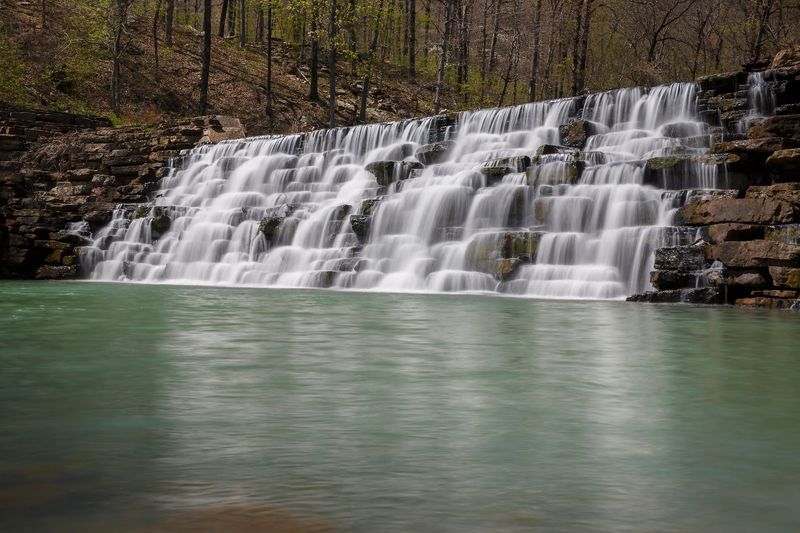
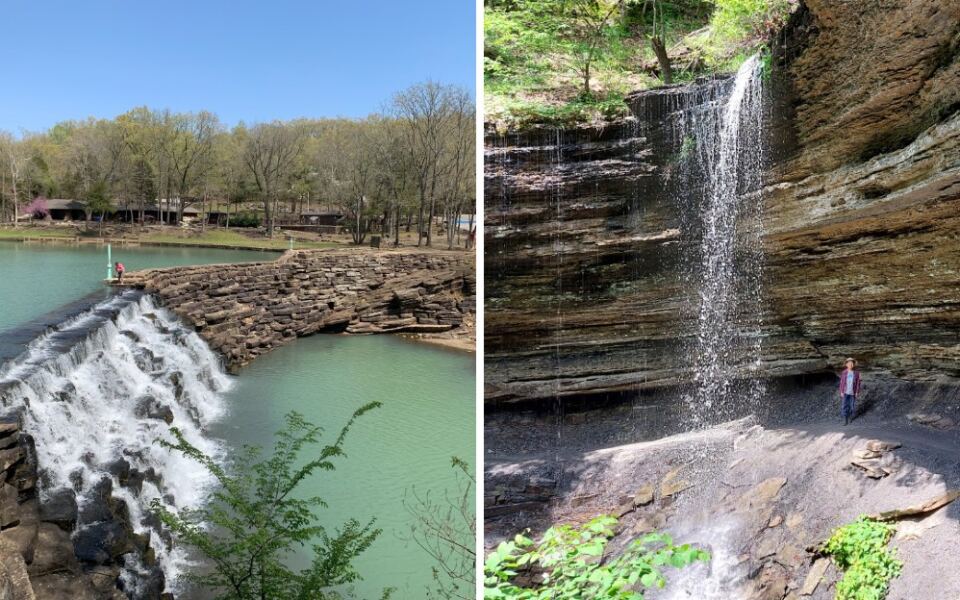
Water is the headline act here, with 82 mentions of waterfalls among the most common topics. Some of them require a hike, but one is a short, easy walk from a parking area.
Drive to the lake and the dam, and the waterfall is waiting a few steps away. That makes it a smart pick for anyone short on time or traveling with small children.
Along the Yellow Rock route, a peaceful little waterfall appears before the lookout. The Devil’s Den Trail also winds past a waterfall on its way through the caves.
Rocks near the water can be slippery, so good shoes are a wise call. Water levels change, and high water is no time to cross a creek.
Pause at each falls long enough to take it in, because the next stop is never far. In a park this packed, the scenery barely lets the camera rest.
The Dam and Its Turquoise Water
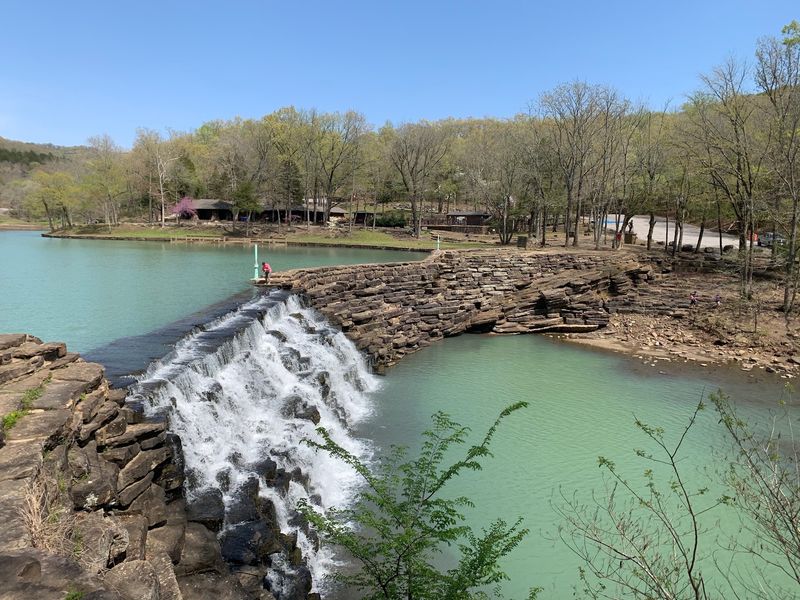
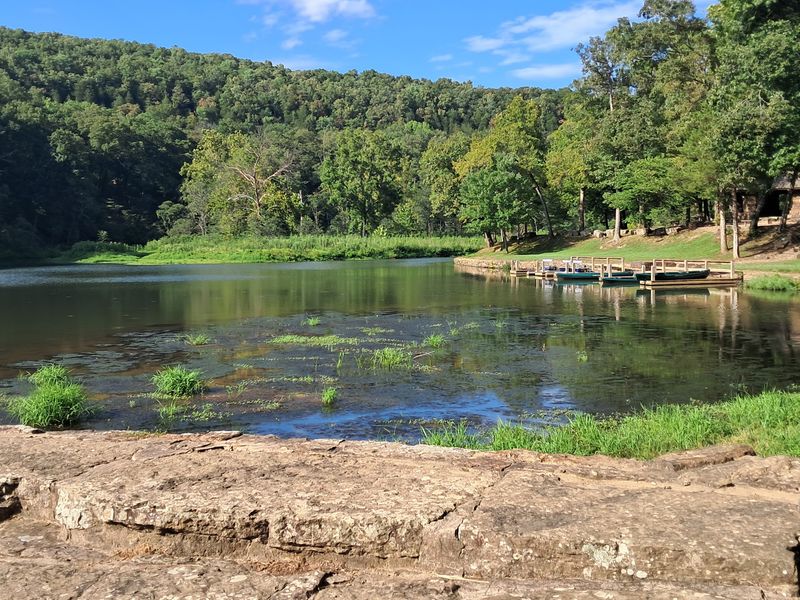
Clear water with a turquoise tint is what stands out at the dam. It ranks among the most photographed spots, and the topic appears 21 times in the park’s popular mentions.
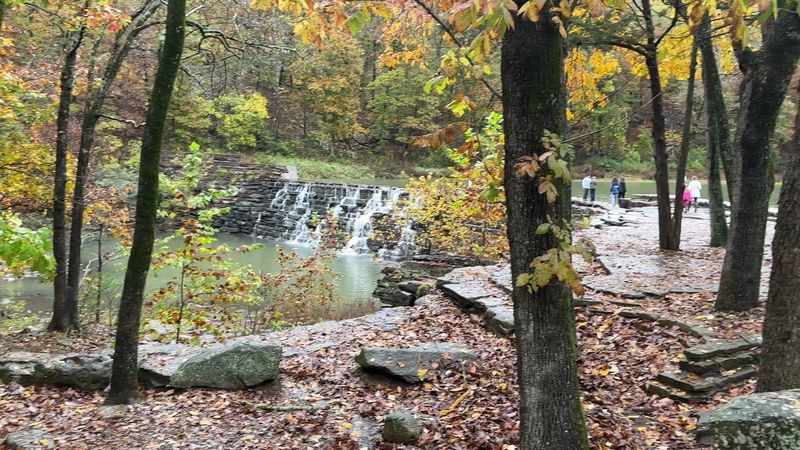
Getting there is simple, since a road leads to the lake and the dam. A short, easy walk from parking brings the waterfall into view.
Paddle boats also appear in the mentions, with 8 of them, which hints at time on the water for those who want it. Check at the park for current details before planning around them.
Picnic spots are scattered around, and a cafe is available nearby. Hours can vary, so asking at the park beats assuming.
For families, this stop pairs well with a fishing pole, since kids are encouraged to bring theirs. It is a low-effort stop with a high-reward view.
Yellow Rock Trail and Its Big Views
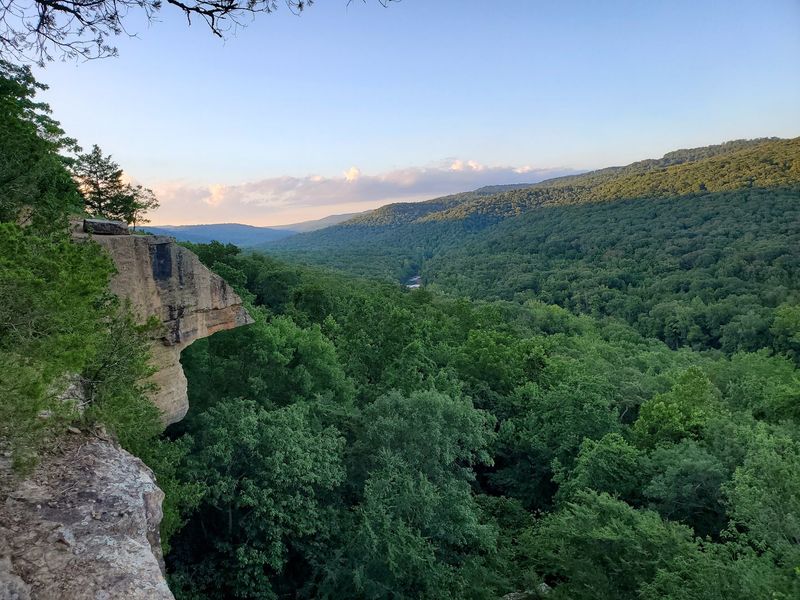
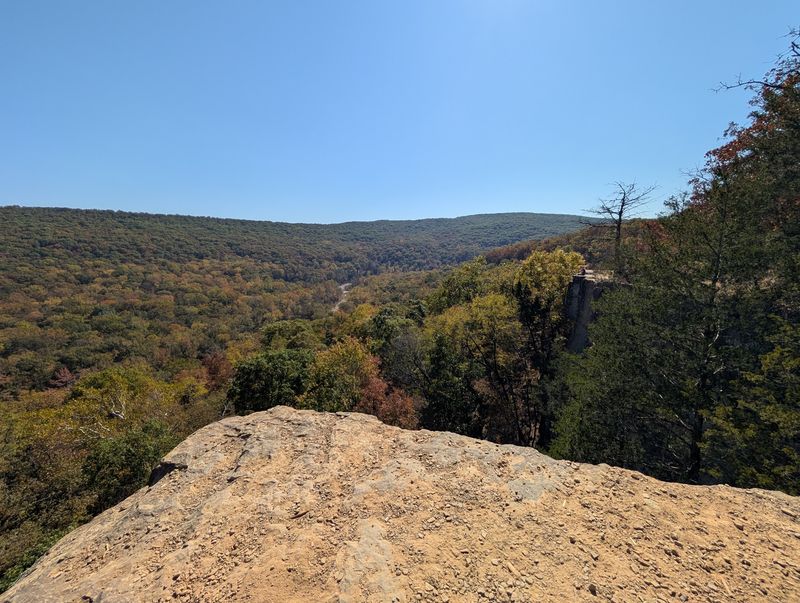
Yellow Rock Lookout rewards the climb with wide views from the top of the mountain. The loop is about 3 miles, and one family finished it in half a day.
Elevation changes, shade, and a good variety of mushrooms keep the route interesting. A toddler even enjoyed spotting different colors along the way.
A little waterfall appears on the trail before the summit. Some rocks run slippery, so sturdy footwear and a bit of caution help a lot.
The route is mostly manageable, yet it still feels like a real hike. Water, snacks, and a downloaded map suit the trip well.
Plan around daylight too, since the park closes its hours at 5 PM. A morning start leaves room to linger at the top.
Caves, Creeks, and the Devil’s Den Trail
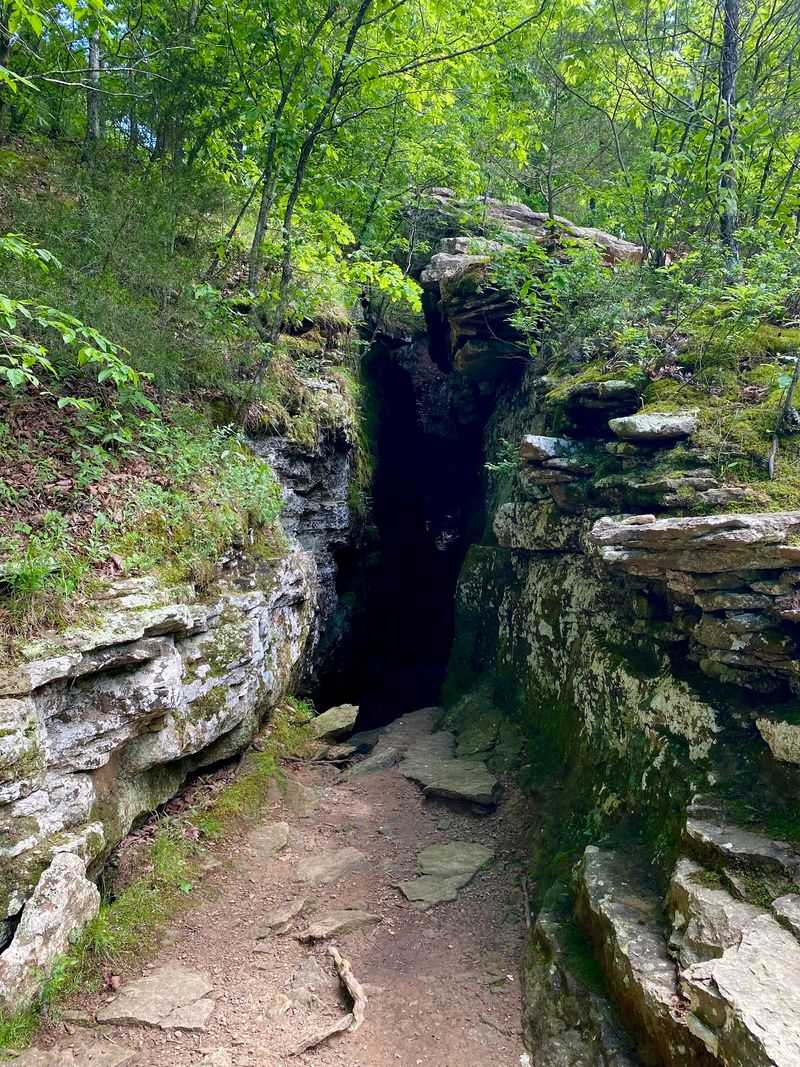
The namesake trail delivers the geology. It winds past a few caves and a waterfall, all within a short trek of about 1.5 miles.
Caves get 40 mentions, which makes them a clear draw. The creek adds another 34, and the trail keeps both close at hand.
Lee’s Creek Trail is another short option, also around 1.5 miles. It follows the creek back toward camp, and hikers should be ready to hop rocks or wade.
High water changes everything, and crossing it is not advised. A downed tree blocked one section at one point, so conditions can shift.
Trails are described as well maintained and clean, although some spots can become overgrown. Checking in with a ranger first helps match the route to the day.
Birthplace of Arkansas Mountain Biking
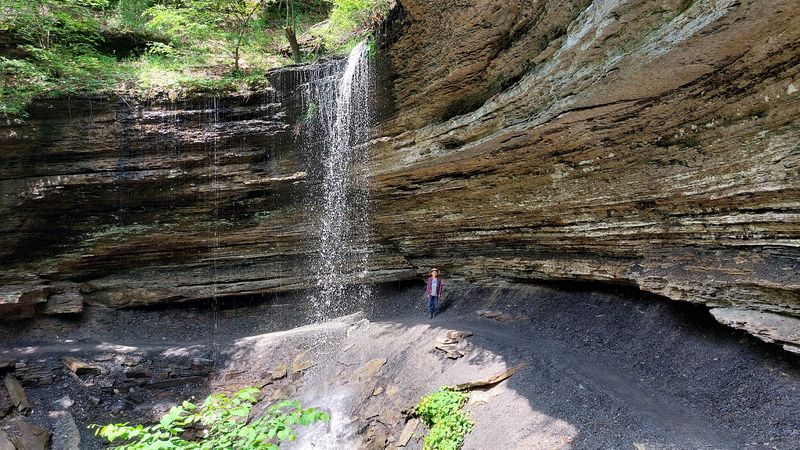
Bikes have a long history here, and the park carries the nickname birthplace of Arkansas mountain biking. Some riders praise the trails for passing in front of, through, and behind waterfalls.
Opinions differ, though. One rider found the routes mild for serious mountain biking, and fallen trees blocked a few deeper trails.
That mix suits an honest forecast. Riders chasing big technical thrills may want to adjust expectations.
For a scenic ride with a bit of variety, the park still draws plenty of bikers on its roads and trails. Camp roads are busy with cyclists.
Packing a helmet is only part of the plan. Checking trail conditions at the visitor center helps avoid surprises.
Cabins That Raise the Bar
Cabins collect 90 mentions, more than waterfalls or caves. The newly renovated ones draw the most praise.
One two-bedroom cabin has a full bed and a queen, one bath, a roomy living area, and a well-equipped kitchen. It is dog friendly too.
Details include solid-surface countertops, soft-close cabinets, mini split units in every room, a smart TV, and WiFi. The style is minimalist and rustic.
Camper cabins offer another route. One family stayed in a camper cabin and said their kids loved the privacy.
Booking early is wise, because the regular campground can fill up. Calling ahead helps sort out options.
Camp Sites for Every Style
Camping has 159 mentions, and the variety explains why. The park separates tent, primitive, backpacking, and horseback-riding areas.
Sites are spacious, and each has a picnic table, grill, and fire ring. Bath houses are clean, and faucets provide water for cooking.
Tent campers can use the primitive area in Camp A, with no power and communal water. Others like the sound of the stream behind some campsites at night.
The equestrian section is newer, and one camper wanted more shade and a water trough. It is quiet and roomy, though.
RV campers should note a tip: when approaching on I-49, use the West Fork exit 53 rather than Winslow. Drop the rig at the site, then check in, since the office area is tight.
Swimming Holes and Picnic Spots
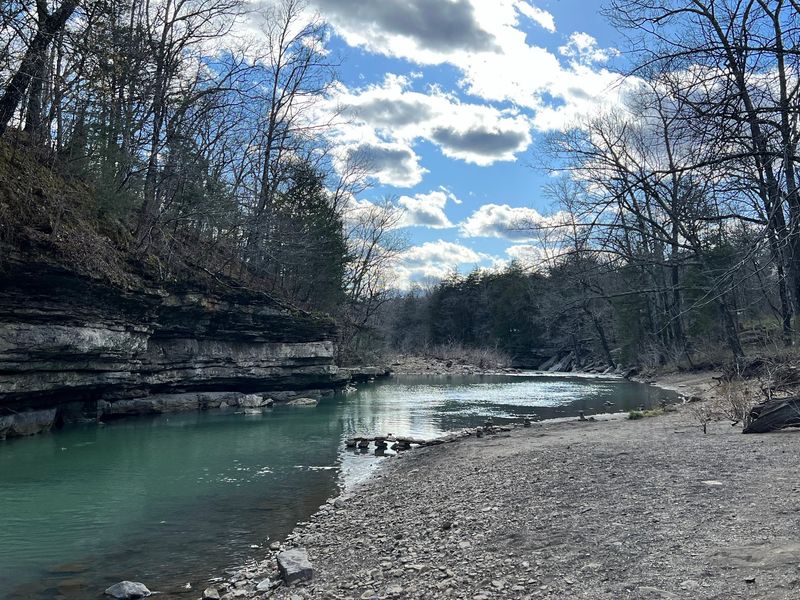
Cooling off is part of the plan on warm afternoons. A swimming hole behind site 53 has clear water that campers found by chance.
The park also lists a pool, though it is closed Monday and Tuesday, according to one camper’s experience. Confirming days with staff is smart.
Picnic areas dot the park, and many offer shade. Grills and tables make a simple lunch easy.
The cafe on site adds another option. Hours may differ from what is posted, so asking ahead helps.
One note from campers: a playground would be welcome. Families may want to bring their own games.
Who This Park Really Suits
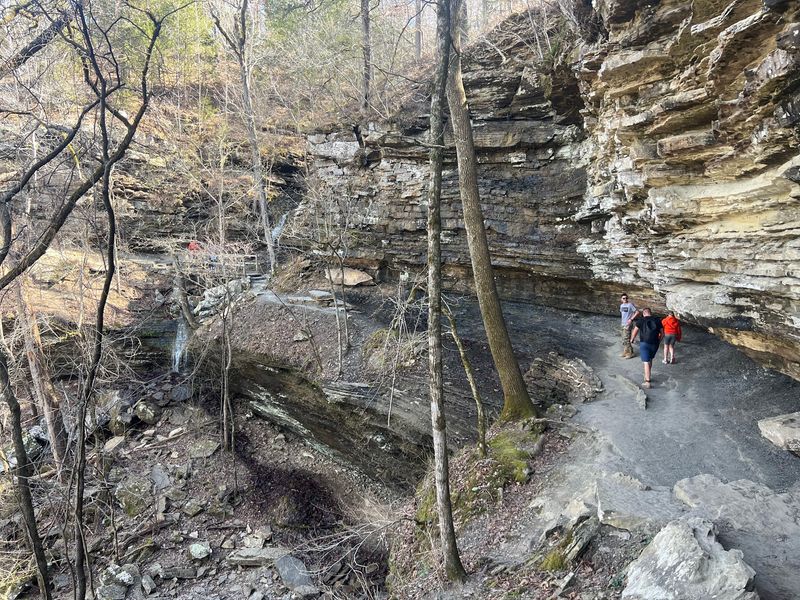
Families, couples, solo travelers, and friend groups all find a fit. The park is described as family oriented and very dog friendly.
Kids enjoy spotting mushrooms, squirrels, and butterflies. Still, trails have rough terrain and no rails, so supervision matters.
Some routes can be confusing, and first-time hikers should stay alert. Newer campers might start with the shorter, easier walks near the dam.
Quiet nights are a regular theme. The absence of cell service also gives a break from screens.
Adults seeking a getaway can pair hikes with a cabin stay. Groups can use the roomy campground.
Practical Notes Before Heading Out
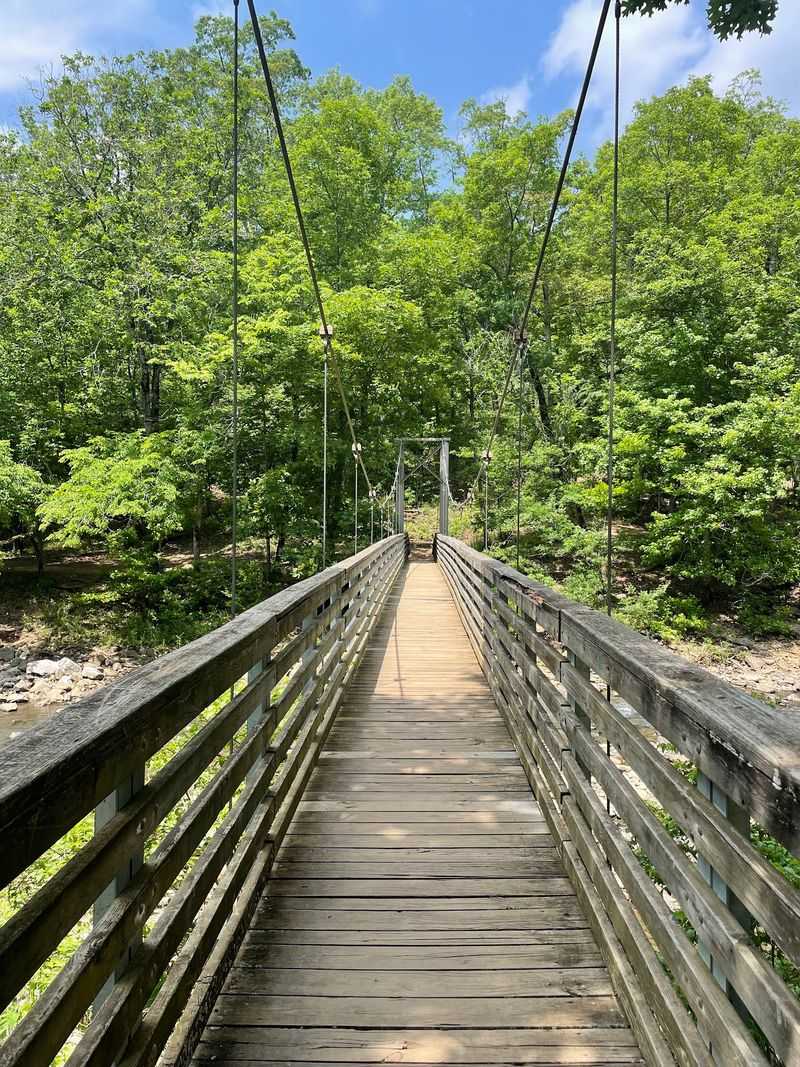
The park is open daily from 8 AM to 5 PM. Entry for day use is described as free or reasonably priced, though confirming current details is wise.
The address is 11333 AR-74, West Fork, AR 72774. The park’s website is arkansasstateparks.com/parks/devils-den-state-park.
There is no cell service, but free pay phones are available. WiFi is offered at some campsites, though it can be limited.
Shopping is about 30 minutes away, so groceries and gear should be packed in advance. Bring water and good shoes.
Staff members may give different answers on pool and cafe hours, so asking at the office is helpful.
Worth the Winding Drive
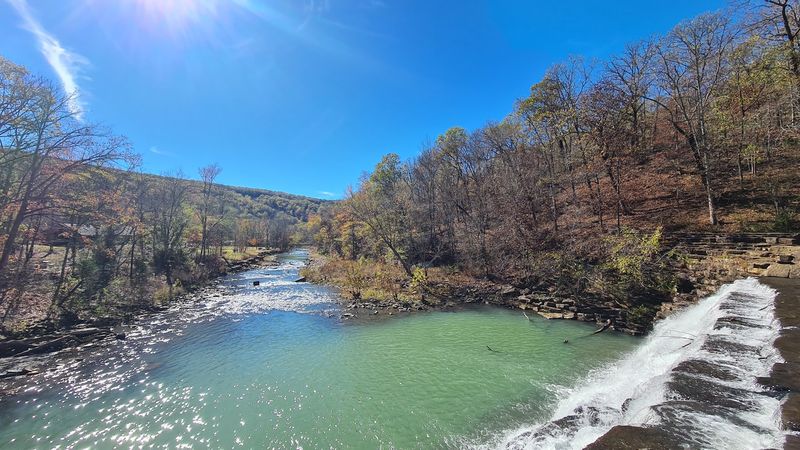
Devil’s Den earns its high marks with variety. Waterfalls, caves, a clear dam, and well-kept facilities share a single valley.
A few rough edges exist, such as fallen trees and overgrown stretches. Even so, most guests leave planning a return.
One regular has been over 30 times and calls it beautiful in every season. That kind of loyalty speaks well of the place.
Spend two hours or two nights, and the park delivers. It is a quiet corner of Arkansas that deserves more attention.
Share this story