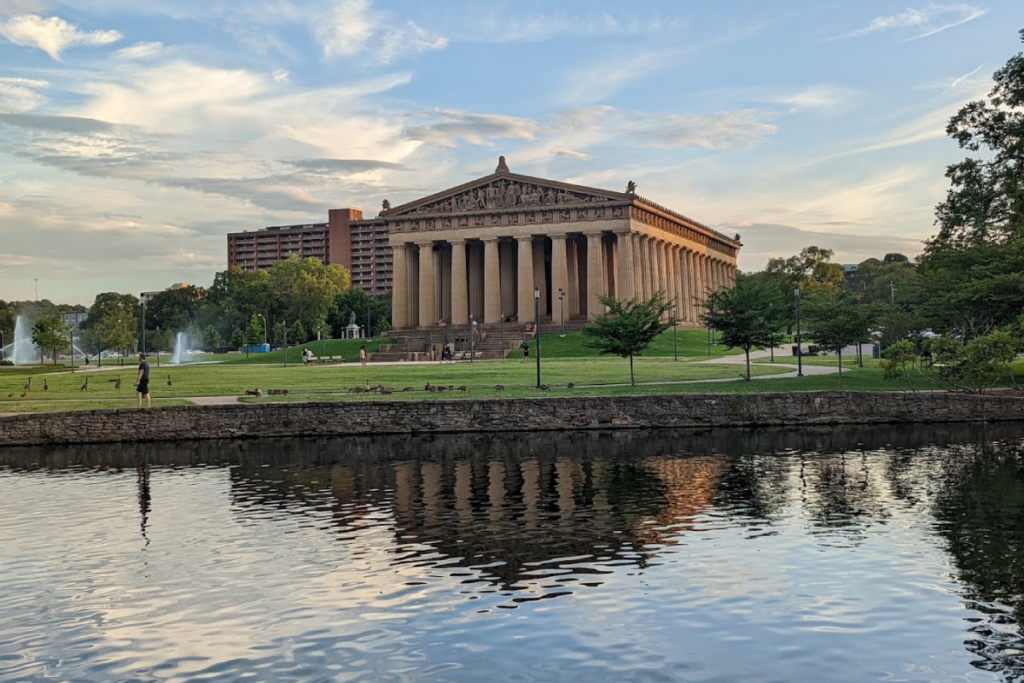
Nashville has become one of America’s hottest travel destinations, drawing millions of visitors every year to experience live music, southern hospitality, and incredible food. Music City delivers unforgettable experiences that keep people coming back for more.
However, even the most enthusiastic tourists tend to run into a few frustrations during their visit, from unexpected costs to overwhelming crowds that can dampen the excitement.
1. Downtown Parking Is Shockingly Expensive
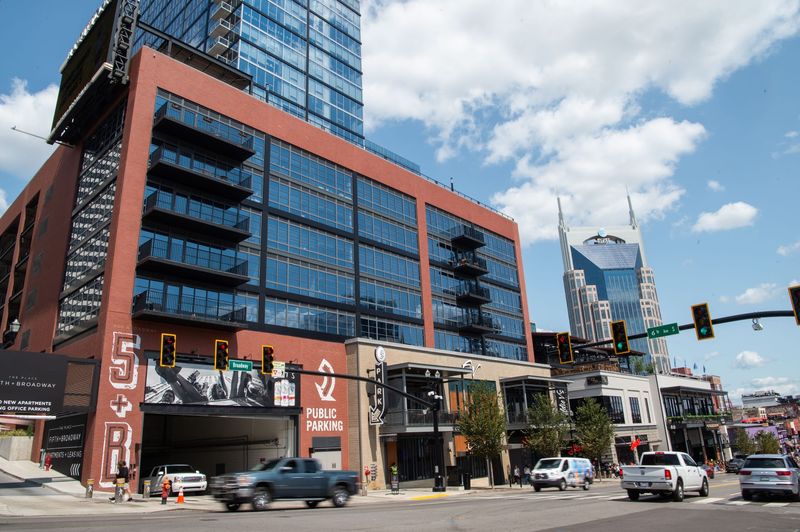
Parking in downtown Nashville can drain your wallet faster than a night of honky-tonking. Many visitors roll into town expecting typical city parking rates, only to discover that spots near Lower Broadway can cost anywhere from $30 to $60 or more during peak times.
Concert nights, NFL games, and special events send prices climbing even higher.
The sticker shock hits hardest when you realize these aren’t all-day rates. Some lots charge by the hour, meaning a full evening downtown can easily run you more than your dinner bill.
Street parking exists but remains notoriously difficult to find, especially after 5 p.m. when the party scene kicks into gear.
Garages fill up quickly on busy weekends, forcing latecomers to circle endlessly or settle for lots several blocks away. Walking those extra blocks in cowboy boots after a long night isn’t anyone’s idea of fun.
The further you park from Broadway, the cheaper it gets, but convenience comes at a premium in Music City.
Rideshare services have become the go-to solution for many tourists who’d rather skip the parking hassle altogether. Splitting an Uber or Lyft often costs less than parking and eliminates the worry of navigating unfamiliar streets after a few drinks.
Hotels outside downtown frequently offer free parking, making them attractive options for budget-conscious travelers.
Smart visitors plan ahead by researching parking options before arrival or booking hotels with included parking. Some restaurants and bars validate parking at nearby garages, so asking your server can save you a chunk of change.
A little advance planning transforms parking from a budget-buster into a manageable expense, leaving more money for what really matters in Nashville.
2. Broadway Can Feel Almost Too Crowded
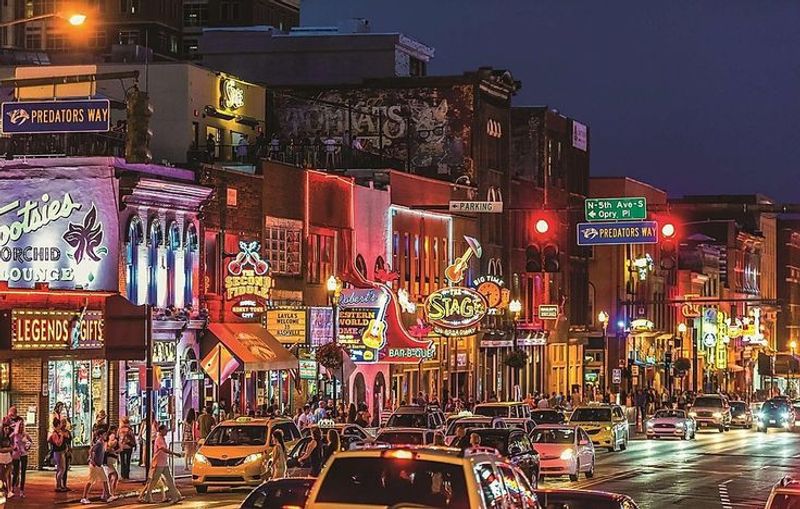
Lower Broadway pulses with energy that can quickly shift from exciting to suffocating. Wall-to-wall people pack the sidewalks most evenings, especially Friday and Saturday nights when it seems like half of Tennessee descends on the same four-block stretch.
Navigating through the crush of bodies becomes an exercise in patience and persistence.
Bachelorette parties, bachelor groups, families, and music fans all compete for the same narrow sidewalk space. Getting from one bar to another requires weaving, dodging, and occasionally waiting for gaps in the human traffic.
The constant jostling and bumping makes simple tasks like checking your phone or consulting a map nearly impossible.
Inside the honky-tonks, conditions aren’t much better during peak hours. Finding a table becomes a competitive sport, and even standing room fills up fast at popular venues.
Bars that look spacious in photos feel cramped when packed with hundreds of people all trying to see the band, order drinks, and snap Instagram photos.
The noise level compounds the crowding problem, with multiple live bands competing from adjacent bars. Conversations require shouting directly into someone’s ear, and the sensory overload can become exhausting after a few hours.
What starts as fun people-watching turns into a survival exercise for those who prefer a bit more breathing room.
Visiting during off-peak times makes a dramatic difference in the Broadway experience. Weekday afternoons and early evenings offer a much more relaxed atmosphere where you can actually hear the music and move freely.
Some tourists find that exploring Nashville’s other neighborhoods provides the authentic music scene they craved without the overwhelming crowds that define modern Broadway.
3. Hotel Prices Can Be Hard to Swallow
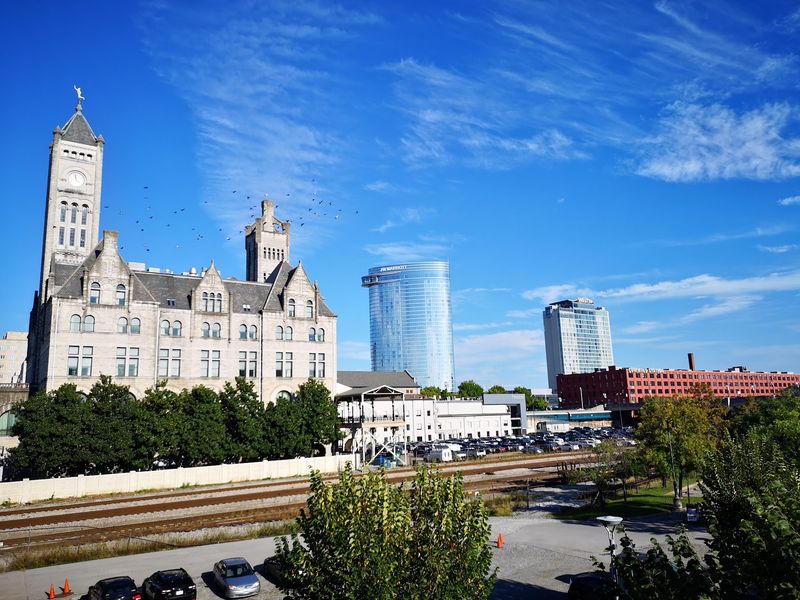
Booking a hotel room in downtown Nashville can feel like financing a small car. Rates that seem reasonable on a random Tuesday skyrocket to $300, $400, or even $500 per night when major events hit town.
CMA Fest, Titans home games, and popular concert weekends transform affordable accommodations into luxury-priced splurges that blow travel budgets wide open.
The location premium adds significant cost to staying within walking distance of Broadway. Hotels just a few blocks from the action charge substantially more than properties a short drive away, banking on the convenience factor.
Tourists often face the choice between paying top dollar for proximity or saving money by staying further out and dealing with transportation logistics.
Weekend rates consistently run higher than weekday prices, even without special events driving demand. A Thursday night room that costs $150 might jump to $350 for Saturday, simply because Nashville has become such a popular weekend destination.
Minimum night stays during busy periods force visitors to book more nights than they might want.
Hidden fees pile onto the base rate, with resort fees, parking charges, and occupancy taxes adding another 20 to 30 percent to the quoted price. What looked like a $200 room becomes $260 or more after all the extras get tacked on.
Reading the fine print before booking prevents unpleasant surprises at checkout.
Savvy travelers expand their search to neighborhoods like Midtown, East Nashville, or even Brentwood to find better values. Chain hotels near the airport or along major highways offer significantly lower rates with the trade-off of needing transportation downtown.
Booking several months in advance and staying flexible with dates can also unlock better prices before demand drives rates through the roof.
4. Traffic Is Worse Than Many Visitors Expect
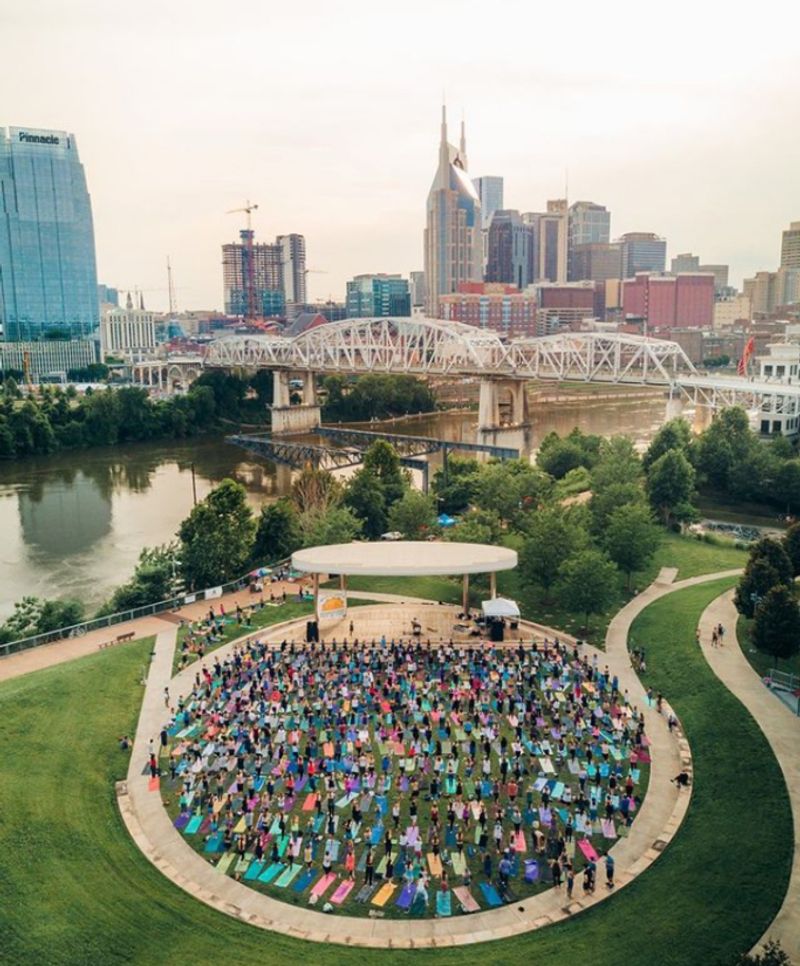
Nashville’s explosive growth has turned what was once a manageable city into a traffic headache that rivals much larger metros. Rush hour now stretches from 7 to 9 a.m. and 4 to 7 p.m., with major interstates grinding to a crawl.
Visitors planning to zip across town in 15 minutes often find themselves stuck for 45 minutes or longer.
The interstate system wasn’t designed to handle current population levels, creating bottlenecks that frustrate locals and tourists alike. I-65, I-40, and I-24 all converge downtown, and any accident or construction project sends ripple effects throughout the entire network.
What Google Maps estimates as a 20-minute drive can easily double during peak hours.
Surface streets offer little relief, with major thoroughfares like West End Avenue, Broadway, and Charlotte Pike becoming parking lots during busy times. Traffic lights seem poorly timed, and the constant stopping and starting tests everyone’s patience.
Tourists trying to visit multiple attractions in one day quickly discover that travel time eats up more of their schedule than anticipated.
Construction zones pop up everywhere as the city scrambles to upgrade infrastructure, adding lane closures and detours to the existing congestion. Weekend road work has become common, meaning even Saturday and Sunday don’t guarantee smooth sailing.
Special events downtown create additional chaos, with street closures and diverted traffic making navigation a puzzle.
Experienced Nashville visitors adjust their expectations and build extra time into every trip. Avoiding rush hour whenever possible saves enormous frustration, as does using navigation apps that provide real-time traffic updates.
Staying in one area for multiple activities reduces the need to cross town repeatedly, letting you enjoy Nashville’s attractions without spending half your vacation stuck in traffic.
5. Drinks on Broadway Come With Tourist Prices
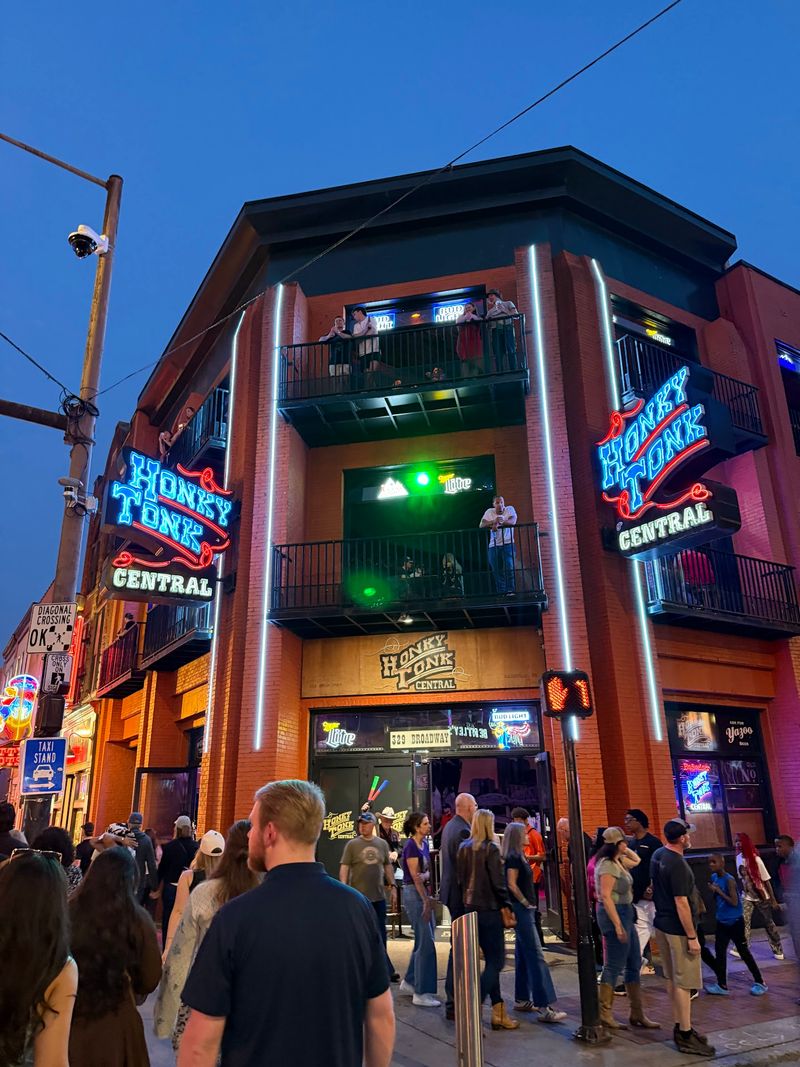
A cold beer on Broadway costs considerably more than you’d pay at your neighborhood bar back home. Domestic bottles that run $4 or $5 elsewhere jump to $7, $8, or even $10 in the honky-tonks lining Lower Broadway.
Craft beers and cocktails climb even higher, with mixed drinks regularly hitting $12 to $15 before you’ve added a tip.
The tourist pricing model operates in full force along Nashville’s most famous street. Bar owners know visitors are willing to pay premium prices for the experience of drinking where the music plays, and they price accordingly.
A full night of bar-hopping can easily run $100 or more per person just in drinks, shocking budget-conscious travelers.
Happy hour specials exist but remain harder to find than in other cities. Most Broadway bars don’t offer significant discounts, knowing the crowds will come regardless of pricing.
The few spots that do run specials tend to limit them to narrow time windows when foot traffic is slower.
Buying rounds for friends becomes an expensive proposition that can derail your budget fast. Tabs climb quickly when you’re not paying attention, and the combination of loud music, dim lighting, and festive atmosphere makes it easy to lose track of spending.
Credit card bills after a Nashville weekend often deliver an unpleasant surprise.
Venturing off Broadway reveals significantly better drink prices at neighborhood bars where locals actually hang out. East Nashville, Germantown, and The Gulch all offer excellent bars with live music and drinks priced for regular people rather than tourists.
Alternating between Broadway’s high-energy scene and more affordable neighborhood spots lets you experience the best of Nashville without emptying your wallet on overpriced beverages.
6. The Party Buses and Pedal Taverns Can Be a Lot
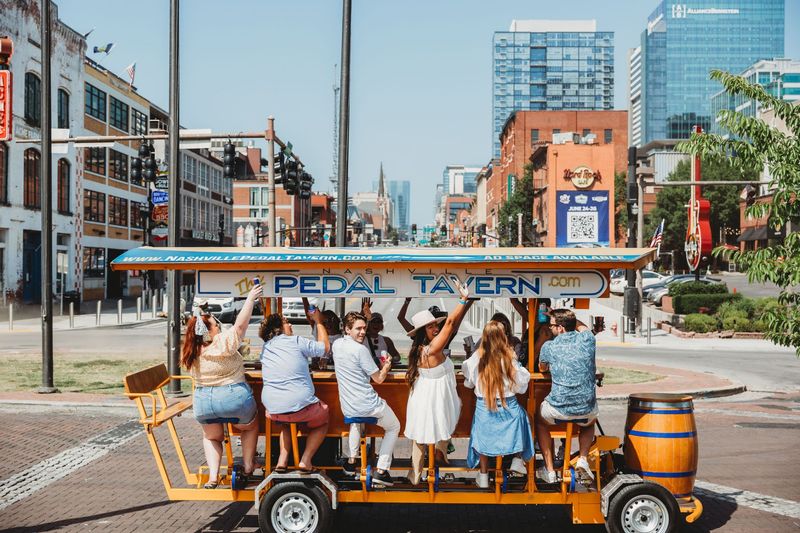
Few things divide opinion in Nashville quite like the party buses and pedal taverns that cruise downtown streets blasting music at top volume. These rolling celebrations have become fixtures of the Broadway scene, with groups of revelers singing, shouting, and waving at pedestrians from their mobile party platforms.
What seems fun to participants can feel obnoxious to everyone else trying to enjoy the city.
The noise factor tops the complaint list, as amplified music from these vehicles competes with live bands in the honky-tonks. Pedal taverns in particular crawl along at a pace that allows their music to dominate entire blocks for extended periods.
Tourists trying to have conversations on patios or sidewalks find themselves shouting over the latest country hit blaring from a passing party bus.
Traffic congestion worsens when slow-moving pedal taverns occupy full lanes, forcing cars to creep along behind them. Drivers stuck behind a group pedaling at 5 mph rarely find the situation amusing, especially when trying to navigate downtown’s already challenging streets.
The vehicles take up significant space and create bottlenecks at intersections.
Some visitors find the constant party atmosphere exhausting rather than entertaining. Not everyone comes to Nashville looking for a non-stop bachelor or bachelorette party scene, and the ubiquitous presence of these vehicles reinforces the tourist-trap vibe that bothers travelers seeking more authentic experiences.
The repetitive nature of seeing them roll past every few minutes grows old quickly.
Booking accommodations away from the main Broadway corridor helps minimize exposure to the party bus parade. Neighborhoods like Germantown, The Gulch, and 12 South offer proximity to great restaurants and bars without the constant mobile celebrations rolling past.
Weekday visits also reduce the frequency of these vehicles, as they’re most common during busy weekend nights.
7. Some Visitors Think Broadway Feels Too Tourist-Trappy
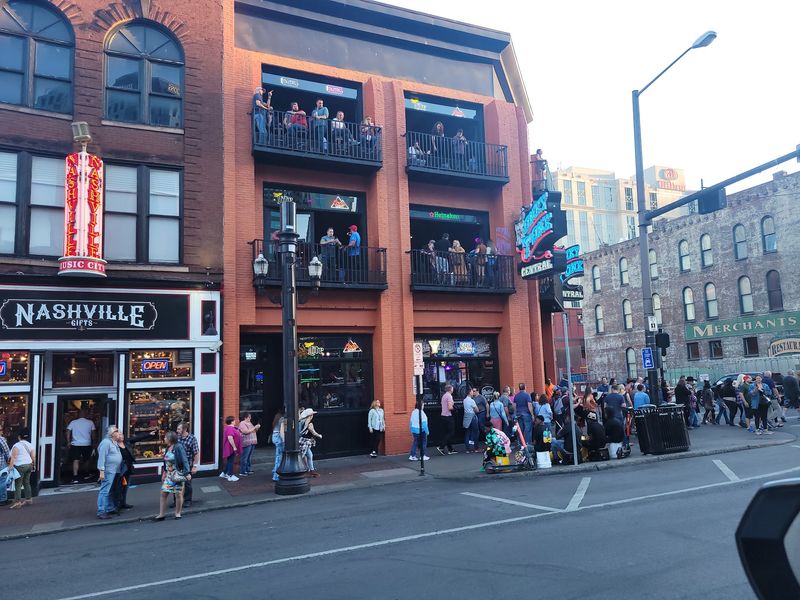
Lower Broadway’s transformation into a tourist destination has created a version of Nashville that feels manufactured to some visitors. Celebrity-owned bars with famous names on the marquee, endless souvenir shops selling the same merchandise, and attractions designed specifically for Instagram photos create an atmosphere that strikes some travelers as inauthentic.
The street that once represented genuine country music culture now sometimes feels like a theme park version of itself.
Corporate ownership of many Broadway establishments has replaced the independent spirit that defined the area for decades. National entertainment companies have bought up properties and turned them into branded experiences that prioritize volume and efficiency over character.
The result can feel more like a Las Vegas strip than the gritty music scene many tourists expect.
Souvenir shops occupy prime real estate, selling mass-produced merchandise that has little connection to authentic Nashville culture. T-shirts, shot glasses, and refrigerator magnets crowd storefronts where unique local businesses once operated.
Walking Broadway sometimes feels like navigating a mall dedicated entirely to generic tourist trinkets.
The constant push to sell something wears on visitors looking for genuine experiences. Hosts aggressively recruiting for rooftop bars, street vendors hawking tours, and performers with tip jars create a gauntlet of commercial transactions.
Simply walking down the street requires dodging sales pitches and ignoring promotional efforts.
Nashville’s real character lives in neighborhoods beyond Broadway, where local restaurants, independent music venues, and community gathering spots offer authentic experiences. The Gulch, East Nashville, Germantown, and 12 South showcase what makes the city special without the overwhelming tourist infrastructure.
Visitors who venture beyond the obvious attractions often discover a Nashville that matches their expectations for southern charm, genuine hospitality, and music that matters rather than just entertains crowds passing through.
8. Public Transportation Is Limited for a City This Popular
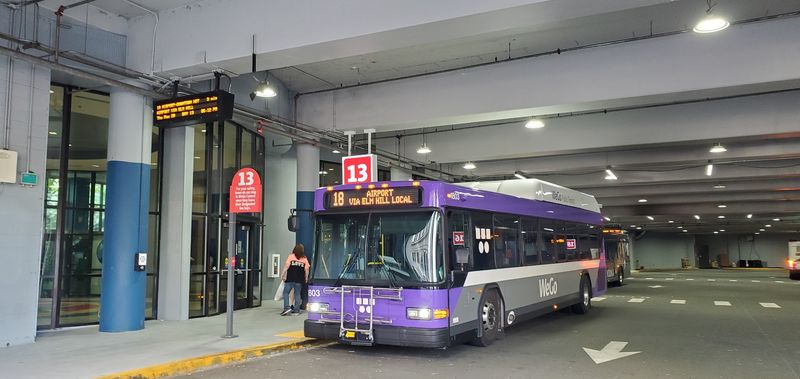
Nashville’s public transportation system hasn’t kept pace with the city’s rapid growth and tourist popularity. The bus network exists but offers limited routes and infrequent service compared to similarly sized cities, making it impractical for most visitors trying to explore beyond downtown.
Tourists without rental cars quickly discover that getting around requires creativity, patience, or spending significant money on rideshares.
The Music City Circuit provides free buses around downtown, which helps with short trips in the central core. However, reaching popular neighborhoods like East Nashville, 12 South, or The Gulch from downtown often requires connections or simply isn’t possible via public transit.
Routes that do exist can involve long waits and circuitous paths that triple the time a car would take.
Weekend and evening service becomes even more limited, precisely when tourists most want to move around the city. Buses stop running relatively early compared to other cities, stranding visitors who want to bar-hop across different neighborhoods or catch late-night shows.
The lack of subway or light rail options means surface transportation is the only choice.
Rideshare services have filled the gap left by inadequate public transit, but the costs add up quickly. Taking Uber or Lyft for every outing can easily run $50 to $100 per day, especially during surge pricing periods when demand spikes.
Visitors planning to explore multiple neighborhoods find themselves choosing between expensive transportation or limiting their itinerary.
Renting a car solves the transportation problem but introduces parking headaches and the risk of driving in an unfamiliar city.
Some tourists choose hotels along the limited bus routes or within walking distance of multiple attractions to minimize transportation needs. Others simply accept that experiencing Nashville fully requires either significant rideshare expenses or the hassle of driving and parking throughout their visit.
9. Popular Restaurants Can Come With Long Waits
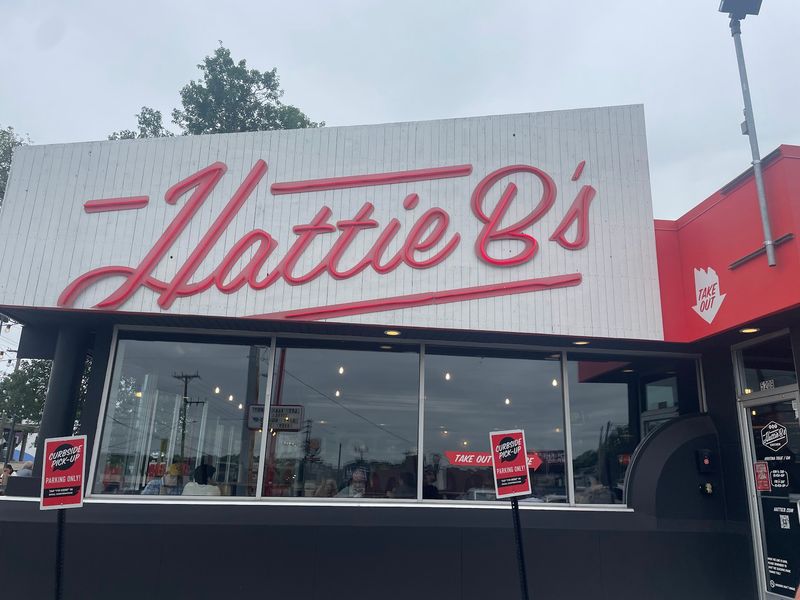
Experiencing Nashville’s famous food scene often requires more patience than appetite. Hot chicken joints like Hattie B’s and Prince’s regularly post wait times of 90 minutes or longer during peak hours, with lines stretching around the block.
Popular brunch spots, barbecue restaurants, and trendy eateries all generate similar crowds, turning a simple meal into a time-consuming adventure.
The combination of limited seating and overwhelming demand creates bottlenecks that frustrate hungry tourists. Many of Nashville’s most acclaimed restaurants occupy small spaces that were never designed to handle current visitor volumes.
Even places that take reservations often book up weeks in advance, leaving walk-in diners facing extended waits or getting turned away entirely.
Weekend mornings bring particularly brutal waits at breakfast and brunch destinations. Spots like Biscuit Love, Pancake Pantry, and The Southern Steak & Oyster can have two-hour waits by 10 a.m. on Saturdays.
Tourists with limited time in the city face difficult choices between waiting for hyped restaurants or settling for less crowded alternatives.
The hot chicken phenomenon has created especially long lines, with visitors treating it as a mandatory Nashville experience. Social media hype and television features drive tourists to the same handful of famous spots, even though dozens of excellent hot chicken restaurants exist with no wait.
The fear of missing out keeps people standing in line rather than exploring lesser-known options.
Arriving at off-peak times makes a dramatic difference in wait times and overall experience. Weekday lunches, early dinners around 5 p.m., and late breakfast times around 8 a.m. all offer opportunities to enjoy popular restaurants without the crowds.
Researching multiple options and staying flexible allows you to pivot when waits become unreasonable, ensuring you spend your Nashville vacation eating great food rather than standing on sidewalks watching other people eat.
10. The Same Cover Songs Can Start Feeling Repetitive
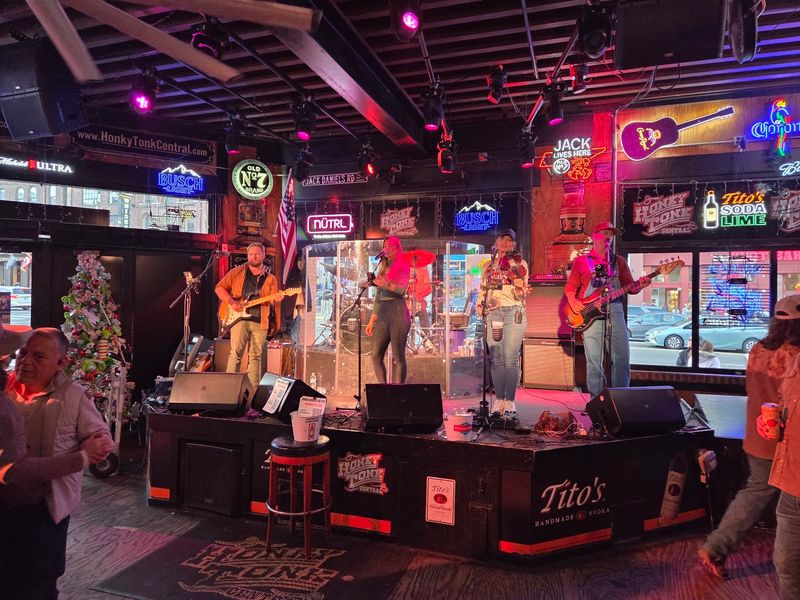
Nashville’s live music scene delivers constant entertainment, but the playlist can start feeling familiar after visiting a few bars. Certain country hits appear in heavy rotation across Lower Broadway, with multiple bands covering the same popular songs throughout the evening.
The cover band format that dominates Broadway focuses on crowd-pleasing hits that get tourists singing along and buying drinks. Original music takes a backseat to proven favorites that create the party atmosphere bar owners want.
Musicians cycle through the same setlists because these songs work, even if they create a repetitive experience for visitors bar-hopping down the strip.
Talented musicians perform these covers, often delivering impressive vocals and musicianship that showcase Nashville’s deep talent pool. The issue isn’t quality but sameness, as the commercial nature of Broadway encourages safe choices over artistic risks.
The problem compounds when you realize that many bands across different bars are playing the same songs at the same time. Walking down Broadway creates a surreal experience of hearing competing versions of identical tunes bleeding together from adjacent venues.
The musical overlap makes it difficult to distinguish one bar from another beyond their physical decor.
Nashville’s real musical diversity lives beyond Broadway in venues that showcase original artists and diverse genres. The Bluebird Cafe, The Basement, and The Station Inn all feature songwriters and musicians playing their own material.
East Nashville venues like The 5 Spot and The Basement East offer rock, indie, and alternative music alongside country. Visitors willing to explore beyond the obvious tourist zone discover the creative music scene that actually makes Nashville special rather than just entertaining.
11. Downtown Can Be Much Louder Than Expected
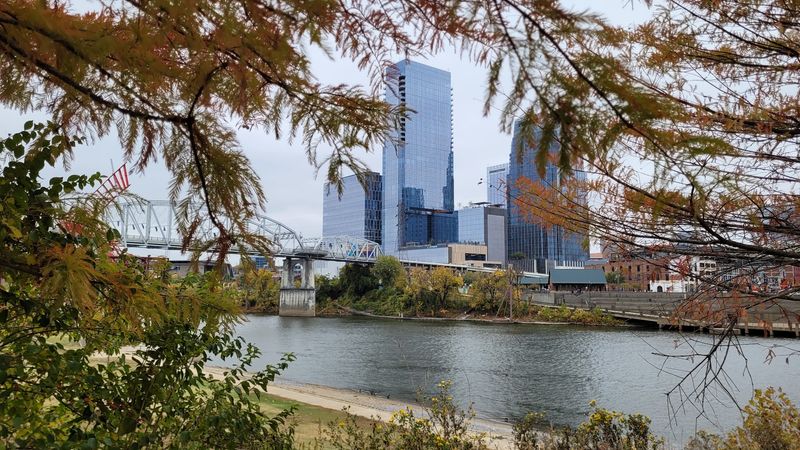
Sleeping in downtown Nashville presents challenges that many tourists don’t anticipate when booking their hotels. The constant barrage of live music, rooftop bar crowds, traffic noise, and late-night revelry creates a sound environment that penetrates even supposedly soundproof rooms.
What seems exciting during the day becomes exhausting when you’re trying to sleep at midnight and bass from three different bars is vibrating your windows.
Lower Broadway operates at full volume until 3 a.m. most nights, with bands playing continuously and crowds generating their own considerable noise. Hotels within several blocks of the action face constant sound intrusion, particularly rooms with windows facing the street.
Even upper floors aren’t immune, as rooftop bars project noise upward and sound bounces off surrounding buildings.
The party bus and pedal tavern parade adds another layer of noise pollution, with mobile sound systems cruising past hotels at all hours. Woo girls celebrating bachelorette parties, groups singing along to music, and general revelry from the street below all contribute to the din.
Light sleepers and families with children often find downtown accommodations incompatible with getting any rest.
Weekends bring intensified noise levels that extend later into the night and start earlier in the morning. The brief quiet period between 3 a.m. when bars close and 8 a.m. when the city wakes up provides the only reliable sleep window.
Visitors planning multiple late nights might not care, but those needing decent rest quickly regret choosing convenience over quiet.
Booking hotels in quieter neighborhoods like The Gulch, Germantown, or Midtown provides much better sleeping conditions while maintaining reasonable proximity to downtown attractions. Properties along West End Avenue or near Vanderbilt University offer peaceful nights with easy access to the action during the day.
Earplugs and white noise machines help, but nothing beats simply choosing accommodations away from the epicenter of Nashville’s non-stop party.
12. Everything Adds Up Faster Than Expected
Nashville markets itself as an affordable southern city, but visitors often discover their vacation costs rival trips to more expensive destinations. The combination of hotel rates, parking fees, inflated food and drink prices, rideshare expenses, and entertainment costs creates a budget-busting experience.
What seemed like a reasonably priced weekend getaway can easily run $1,500 to $2,000 or more for a couple.
Individual expenses don’t seem outrageous in isolation, but they compound quickly over a multi-day visit. A $40 parking fee here, $100 dinner there, $60 in rideshares, and $80 in bar tabs all add up before you’ve even paid for your hotel room.
Attractions, shopping, and incidental expenses pile on top of the basics, pushing total costs well beyond initial budgets.
The lack of free or low-cost activities in the main tourist areas contributes to overspending. Unlike cities with extensive public parks, free museums, or walkable neighborhoods perfect for exploring, Nashville’s top attractions generally require opening your wallet.
Even “free” live music comes with the expectation of buying drinks, and those drinks carry premium prices.
Credit cards make it dangerously easy to ignore mounting expenses until the trip ends and reality hits. The festive vacation atmosphere encourages spending without careful tracking, and the constant stream of new experiences makes it hard to say no. Many tourists return home shocked by how much their Nashville weekend actually cost.
Careful planning and realistic budgeting help control costs without sacrificing fun. Researching restaurant prices beforehand, setting daily spending limits, choosing accommodations with included parking, and mixing expensive activities with affordable alternatives all help.
Taking advantage of happy hours, exploring free neighborhoods like 12 South and East Nashville, and limiting Broadway bar-hopping to one or two nights keeps spending manageable. Nashville offers incredible experiences, but enjoying them without financial stress requires acknowledging that Music City has become an expensive destination that demands budget awareness.