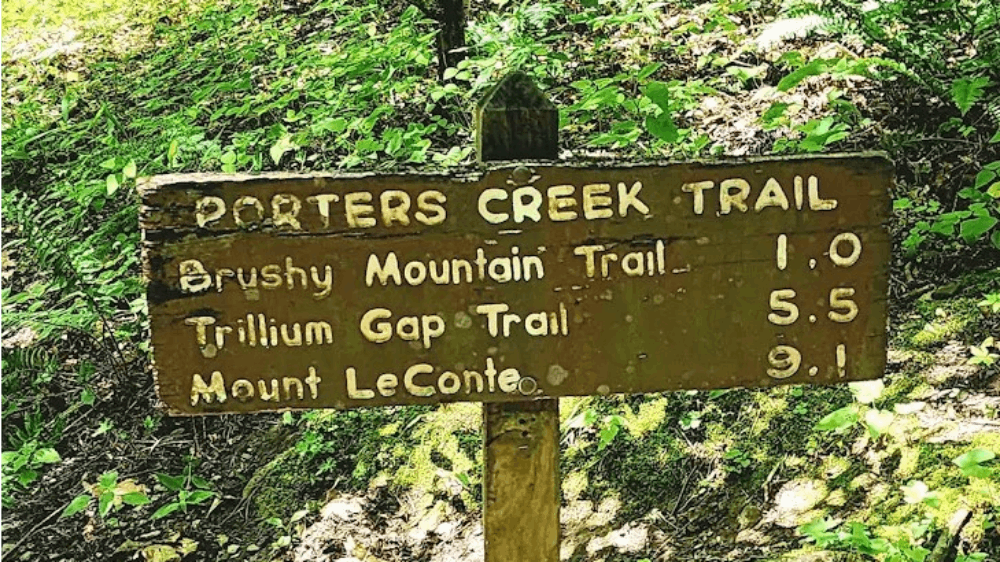
Porters Creek Trail in the Great Smoky Mountains transforms into a vibrant wildflower paradise every spring, drawing nature lovers from across the country. This hidden gem near Gatlinburg offers one of the most spectacular wildflower displays in Tennessee, with thousands of blooms carpeting the forest floor.
Whether you’re an experienced hiker or just looking for a peaceful walk through nature, this trail delivers an unforgettable experience that showcases the natural beauty of the Smokies at its finest.
The Tennessee Trail That Turns Into a Wildflower Wonderland
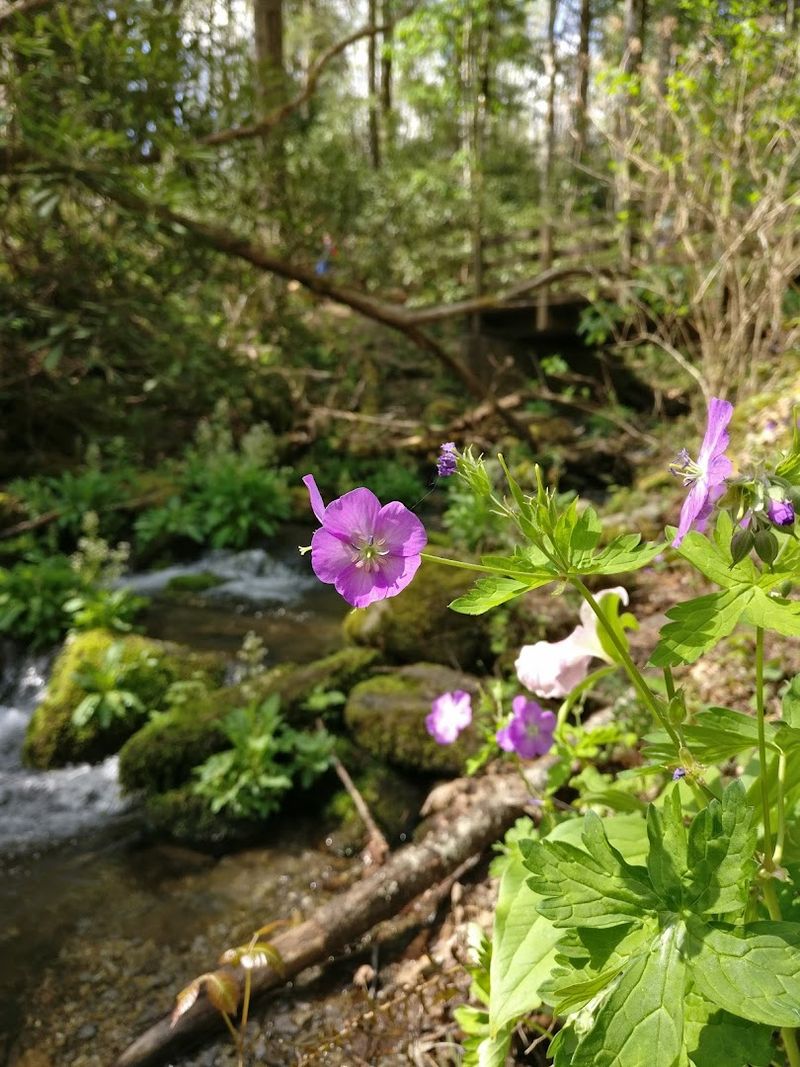
Every spring, Porters Creek Trail undergoes a magical transformation that leaves visitors absolutely speechless. The forest floor explodes with color as thousands of wildflowers burst into bloom, creating a natural carpet that stretches along the entire trail.
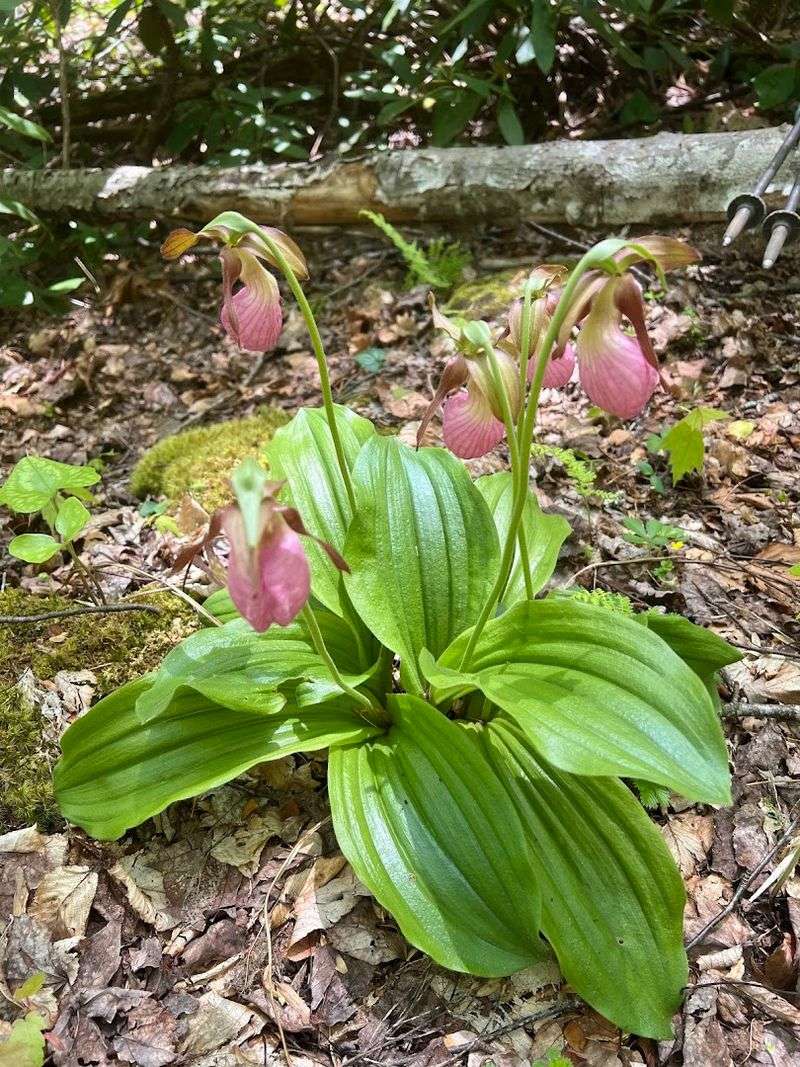
What makes this seasonal display truly special is the incredible variety of flowers you’ll encounter. Trilliums, violets, lady slippers, and countless other species create layers of purple, white, yellow, and pink throughout the woods. The diversity here rivals some of the most famous wildflower destinations in the entire country.
This isn’t just a hike—it’s a journey through one of nature’s most spectacular seasonal celebrations.
Where Porters Creek Trail Is Located and How to Get There
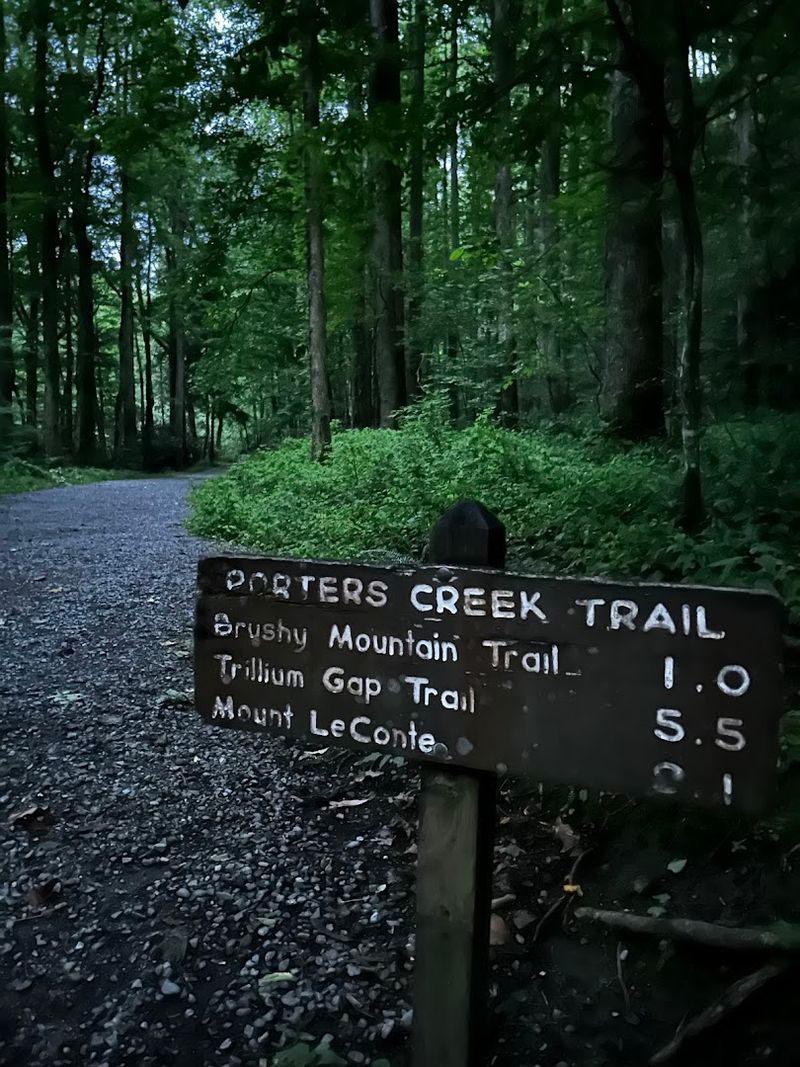
Finding Porters Creek Trail requires a bit of adventure, but that’s part of its charm. Located in the Greenbrier section of Great Smoky Mountains National Park, the trailhead sits at the end of Greenbrier Road near Gatlinburg. You’ll drive several miles on a narrow, partially gravel road that winds alongside mountain streams before reaching the parking area.
The drive itself offers stunning scenery and sets the tone for your hike. Be prepared for a single-lane road in some sections where you’ll need to yield to oncoming traffic. Don’t let this intimidate you—locals and visitors alike navigate it successfully every day, and the courtesy among drivers makes passing smooth and stress-free.
The parking lot at the trail’s end accommodates a decent number of vehicles, though arriving early during peak wildflower season ensures you’ll snag a spot without hassle.
Why This Trail Is Famous for Wildflowers
The area contains one of the last undisturbed old-growth forests in the region, meaning it was never logged. This preservation allowed native wildflower populations to thrive undisturbed for generations, creating an exceptionally rich and diverse botanical environment.
The trail’s elevation, moisture levels, and soil composition create perfect conditions for wildflower growth. Spring rains and snowmelt provide abundant water, while the forest canopy offers just the right amount of filtered sunlight. These conditions support dozens of wildflower species that bloom in succession throughout spring, ensuring colorful displays from March through May.
Botanists and wildflower enthusiasts consider this trail one of the premier wildflower destinations in the entire Southeast. The sheer density and variety of blooms surpass what you’ll find on most other trails.
What You’ll See Along the Trail
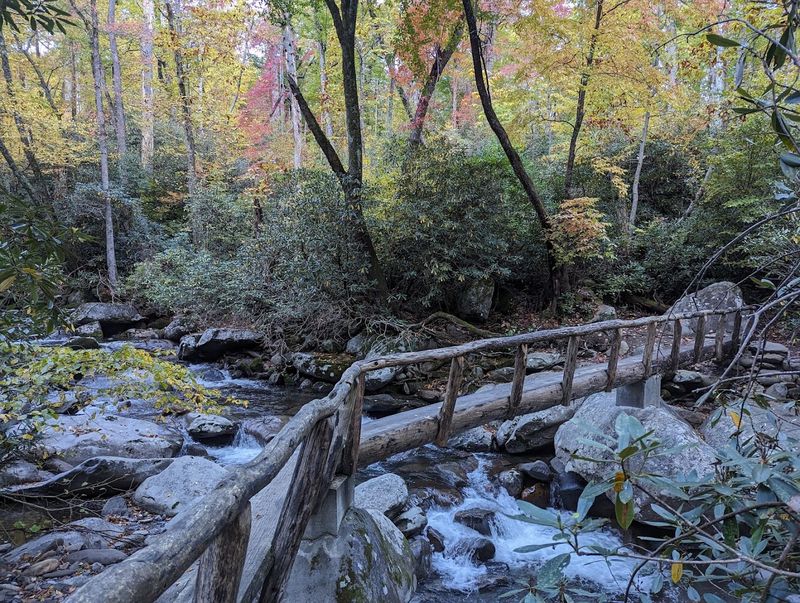
Walking the Porters Creek Trail feels like stepping back in time while enjoying nature’s best features. The trail follows beautiful Porters Creek for much of its length, with crystal-clear water rushing over rocks and boulders. Multiple log bridges cross the creek at various points, offering perfect photo opportunities and chances to admire the water up close.
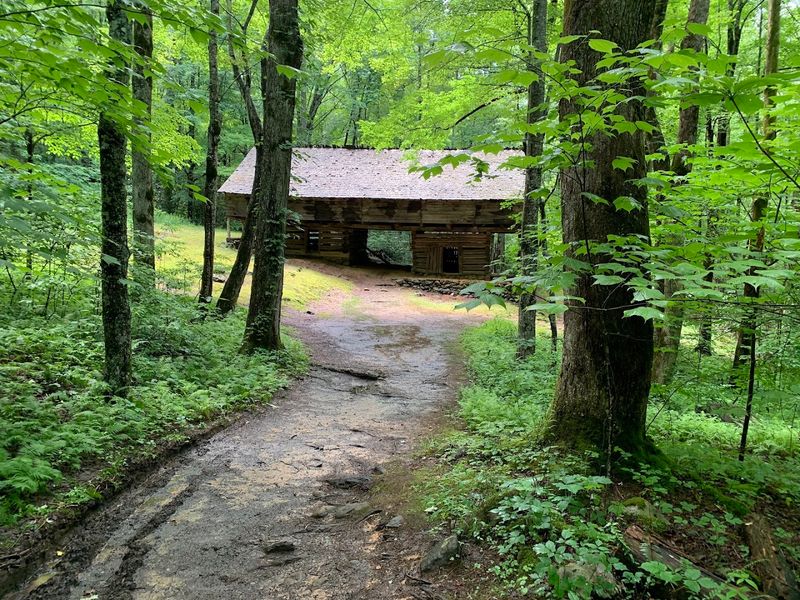
History buffs will appreciate the remnants of an old mountain community scattered along the first mile. You’ll encounter a historic cabin, barn, cemetery, and stone walls that tell stories of families who once called these mountains home.
Beyond the historical sites, the trail showcases stunning natural features, including Fern Branch Falls at the two-mile mark. Enormous deadfalls and massive tree trunks demonstrate the forest’s ancient character.
When to Visit for Peak Wildflower Season
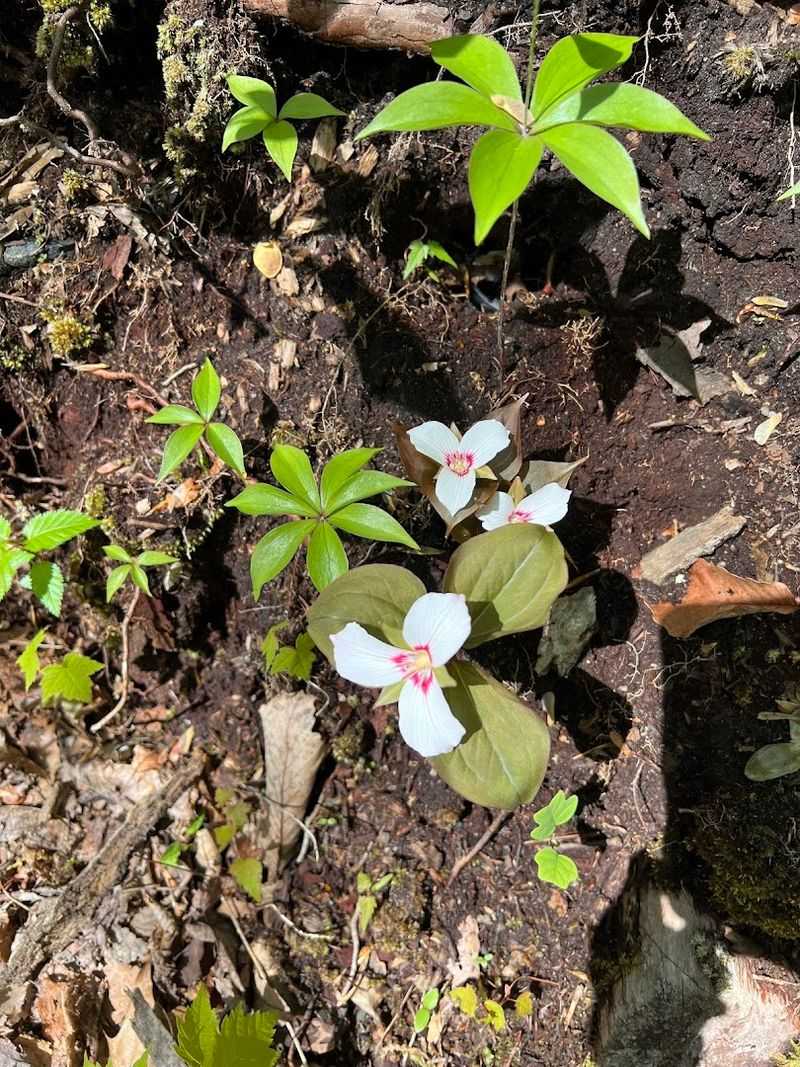
Timing your visit correctly makes all the difference. Peak bloom typically occurs from late March through early May, with the most spectacular displays usually happening in mid-April. Weather patterns affect the exact timing each year, so checking recent visitor reports or contacting park rangers helps ensure you catch the show.
Early spring visitors witness the first wave of blooms, including hepaticas and spring beauties that push through the last remnants of winter. As temperatures warm, successive waves of different species create ever-changing displays.
Even if you miss the absolute peak bloom, the trail remains beautiful throughout spring and offers different wildflower species into the early summer months.
Trail Difficulty, Length, and What to Expect
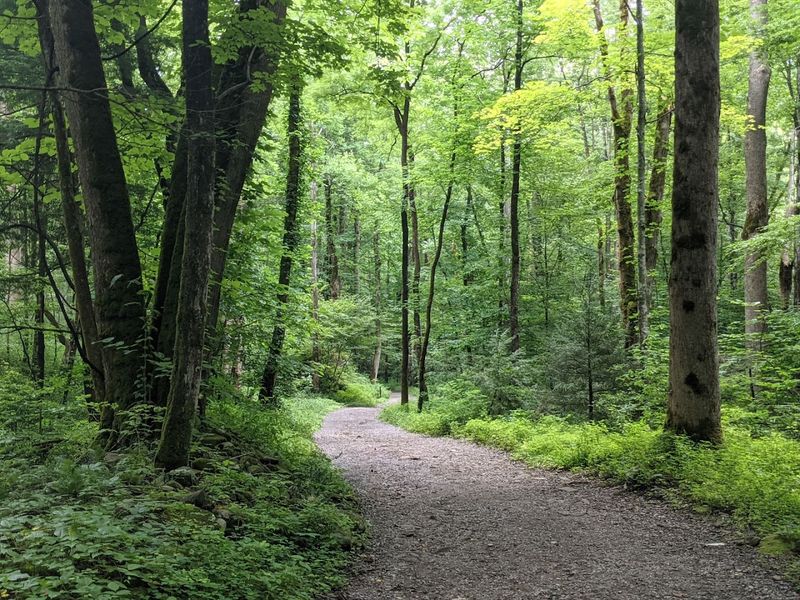
Porters Creek Trail spans approximately 3.7 miles one-way with an elevation gain of around 1,500 feet, earning it a moderate difficulty rating. The trail’s character changes significantly as you progress. The first mile follows a wide, well-maintained gravel path that’s accessible for most fitness levels and even suitable for families with young children.
Past the historic cabin area, the trail transitions to a narrower, more traditional mountain path with roots, rocks, and a steeper grade. This section challenges casual hikers but remains manageable with reasonable fitness. Most visitors hike to Fern Branch Falls at the two-mile mark, making it a comfortable four-mile round trip.
Plan on 3-4 hours for a leisurely round trip to the falls, including time for photos and wildflower appreciation. Sturdy hiking shoes with good traction help navigate rocky sections safely, especially when crossing log bridges.
Tips for Visiting (Parking, Crowds, What to Bring)
Arriving early proves essential during peak wildflower season, especially on weekends when parking fills quickly by mid-morning. The lot accommodates a reasonable number of vehicles, but this popular trail attracts crowds during prime bloom periods.
Pack plenty of water, snacks, and a camera with fully charged batteries—you’ll want to capture the incredible wildflower displays. Wearing layers makes sense since temperatures can vary significantly between the trailhead and higher elevations.
Cell service disappears once you leave the main road, so download trail maps beforehand or bring a physical map. Respect the wildflowers by staying on designated trails—trampling damages fragile plants and ruins the experience for future visitors.