Social media has a way of making every place look like a hidden gem. You scroll through photos of quaint Texas towns with historic storefronts, wide-open landscapes, and promises of authentic small-town charm. But sometimes the reality doesn’t quite match the filtered fantasy.
These eleven Texas towns might catch your eye online, but visiting them reveals a different story—whether it’s overwhelming crowds, faded glory, or just not much to see at all.
1. Marfa: The Art Town with a Housing Crisis
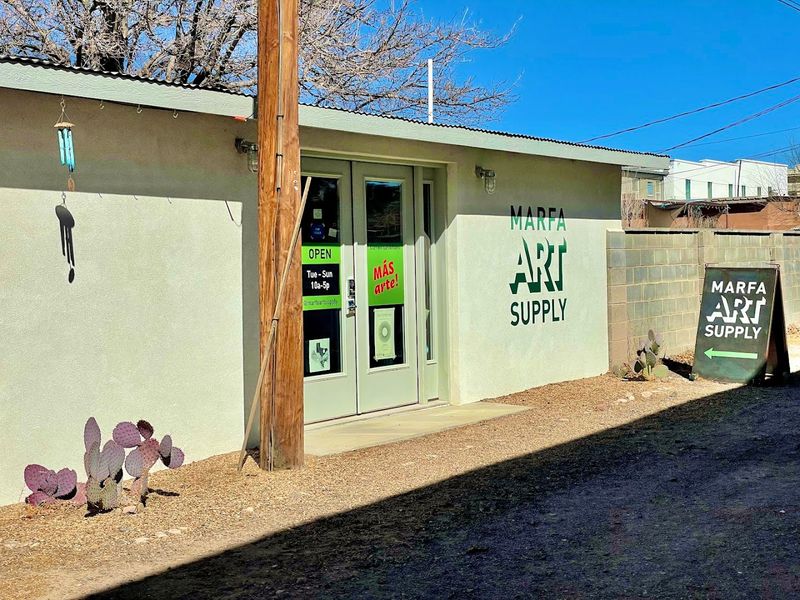
Out in the West Texas desert, Marfa built a reputation as an unlikely art mecca. The Instagram photos show minimalist installations, trendy coffee shops, and that famous Prada storefront sitting alone on the highway. What those carefully framed shots don’t show is the growing tension between longtime residents and the art world newcomers who’ve driven housing costs through the roof.
The town’s population hovers around 1,700, but the influx of galleries, boutique hotels, and wealthy part-time residents has transformed the local economy. Working-class families who’ve lived here for generations now struggle to afford rent in their own hometown. That charming adobe house you see online might represent someone’s displacement rather than quirky desert living.
Visiting Marfa means navigating this uncomfortable reality. The art scene is legitimate and impressive, with the Chinati Foundation offering world-class contemporary installations. But the town feels increasingly like a playground for the wealthy rather than a functioning community.
Many shops and restaurants keep limited hours or close unexpectedly, catering to weekend visitors rather than daily life.
The famous mystery lights draw tourists hoping for something supernatural, though most end up staring at distant car headlights. Downtown feels oddly empty despite the hype, with more closed storefronts than you’d expect from social media posts. The stark beauty of the surrounding desert is real, but the town itself often feels like a stage set—beautiful from certain angles, hollow when you look closer.
Summer temperatures regularly exceed 100 degrees, making outdoor exploration brutal for much of the year. The nearest major city sits three hours away, so if Marfa disappoints, you’re stuck. That artistic oasis vibe works better in photos than in the dusty, complicated reality of a gentrified desert town struggling with its own success.
2. Gruene: Quaint Facade, Tourist Reality
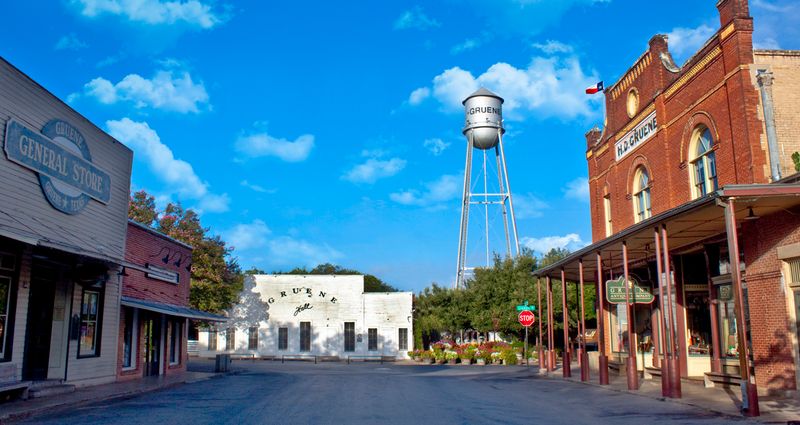
Pronounced “Green,” this tiny community near New Braunfels shows up constantly in Texas travel guides. The photos highlight a perfectly preserved 19th-century dance hall, charming storefronts, and the Guadalupe River flowing nearby. What you don’t see is that Gruene exists almost entirely as a tourist attraction now, with authenticity traded for gift shops and overpriced restaurants.
The famous Gruene Hall still hosts live music, and yes, it’s the oldest continually operating dance hall in Texas. But good luck enjoying it on a weekend when hundreds of tourists pack the space, many more interested in checking off a bucket list item than actually experiencing the music. The atmosphere feels manufactured rather than organic, like a theme park version of Texas history.
Every building in the historic district now houses a business aimed squarely at visitors. Antique shops sell mass-produced “vintage” items at inflated prices. Restaurants serve mediocre food with long waits because they know tourists will come regardless.
That rustic charm you see online is real enough, but it’s been so thoroughly commercialized that nothing feels genuine anymore.
Parking becomes a nightmare during peak season, with fees that seem outrageous for such a small area. The Guadalupe River access points fill up fast with tubing companies shuttling customers back and forth. What was once a sleepy historic community now functions as an outdoor shopping mall with a country music soundtrack.
Local residents rarely visit Gruene anymore because it’s been completely transformed into a tourist zone. The historic buildings are maintained beautifully, perfect for those Instagram shots, but the soul of the place disappeared long ago. You’ll get your photos and probably buy some overpriced soap or candles, but don’t expect to discover authentic small-town Texas.
That ship sailed decades ago when developers realized how much money tourists would spend on nostalgia.
3. Porterville: The Town That Vanished
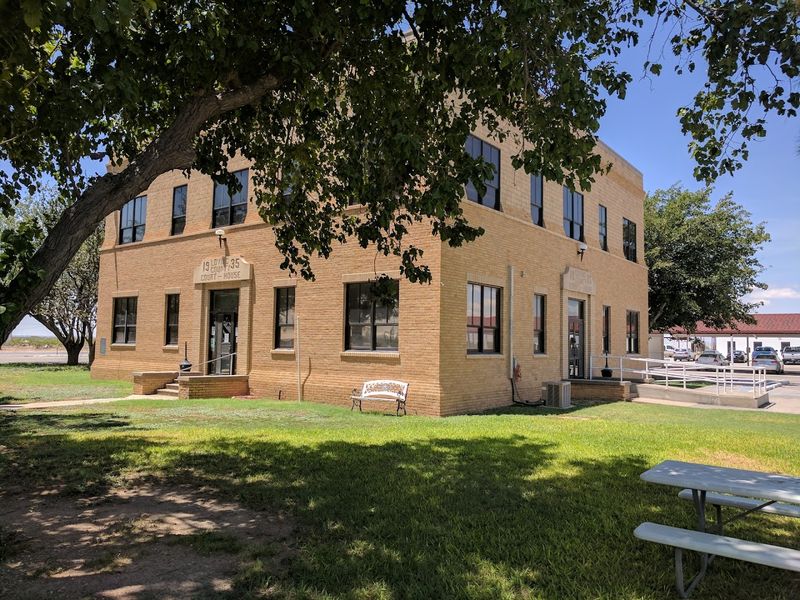
Some online lists include Porterville as a charming historic town worth visiting. Here’s the problem: Porterville barely exists anymore. What you’ll find is essentially a ghost town with a handful of occupied buildings and a whole lot of nothing.
The romantic notion of discovering a forgotten Texas settlement runs headfirst into the reality of rural decline and abandonment.
Located in Titus County in Northeast Texas, Porterville once served as a county seat in the 1800s. A few old structures remain, including a historic cemetery that’s actually the most interesting feature. But calling this a “town” stretches the definition beyond recognition.
No businesses operate here, no restaurants serve visitors, and the few residents who remain don’t appreciate tourists wandering around taking photos of their declining community.
The online photos that make Porterville look intriguing typically focus on one or two photogenic abandoned buildings. They don’t show the overgrown lots, the lack of any amenities, or the uncomfortable feeling of treating someone’s economic hardship as a photo opportunity. Rural poverty isn’t charming when you see it up close rather than through a filtered lens.
Getting to Porterville requires driving through genuinely lovely East Texas countryside, which might be the best part of the trip. The town itself offers nothing for visitors—no historical markers explaining its past, no maintained sites, no reason to stop beyond morbid curiosity. You’ll spend more time driving there than actually exploring, and you’ll leave feeling like you invaded a dying community’s privacy.
Some ghost towns maintain enough structure and history to justify a visit. Porterville isn’t one of them. The few remaining residents deal with real challenges like limited services and economic isolation.
Treating their home as a quirky destination feels tone-deaf at best. That online article promising hidden charm? It probably recycled information from decades ago or confused Porterville with somewhere else entirely.
Save yourself the drive.
4. Fredericksburg: German Heritage Meets Tourism Overload
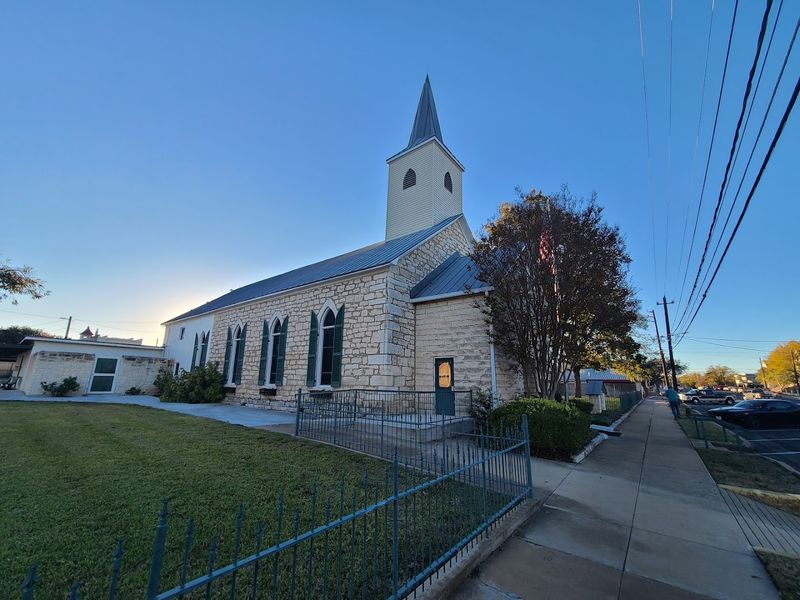
Fredericksburg genuinely offers beautiful German-influenced architecture and legitimate historical significance. The problem isn’t that the town lacks charm—it’s that tourism has overwhelmed everything else. Main Street looks gorgeous in photos, with its European-style buildings and flower-lined sidewalks.
In person, you’ll fight crowds, hunt desperately for parking, and pay premium prices for everything from lodging to lunch.
Weekend visits during peak season feel more like navigating a shopping mall than exploring a historic town. Tour buses unload groups at wineries surrounding Fredericksburg, creating traffic nightmares on rural roads never designed for this volume. The town’s population of around 11,000 swells dramatically with visitors, straining infrastructure and transforming the local character into something more commercial than cultural.
Yes, the German heritage is real, and some excellent museums preserve that history. But you’ll wade through countless gift shops selling mass-produced items with tenuous connections to German culture. Restaurants advertise authentic German food while serving Americanized versions at inflated prices.
The famous peach season brings even more crowds, turning a agricultural tradition into a marketing opportunity.
Local residents often avoid Main Street entirely, especially on weekends, because it’s become unmanageable. That sense of discovery you hope for when visiting a small town evaporates when you’re surrounded by hundreds of other tourists with the same idea. Bed and breakfasts book months in advance, and the remaining accommodations charge rates you’d expect in a major city.
Fredericksburg isn’t a bad destination, but it’s nothing like the quaint German village experience suggested by selective online photos. It’s a full-blown tourist town that happens to have German roots. Come on a weekday in the off-season and you might capture some of that advertised charm.
Show up on a Saturday in spring or fall, and you’ll mostly experience crowds, traffic, and the realization that you’re part of the problem overwhelming this once-peaceful community.
5. Shiner: Brewery Town with Limited Appeal
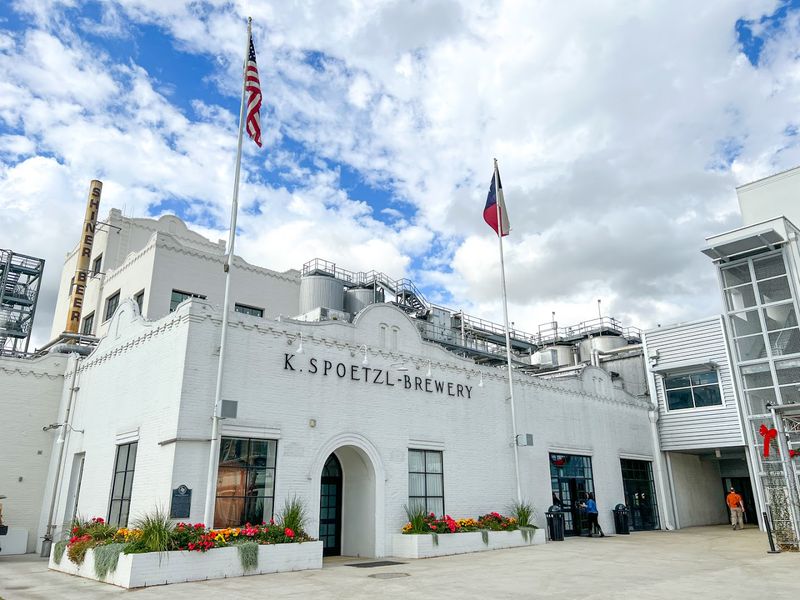
Shiner’s claim to fame is the Spoetzl Brewery, maker of Shiner Bock and other beers distributed across the country. Beer enthusiasts see photos of the historic brewery and imagine a charming town built around brewing culture. Reality check: once you’ve toured the brewery, there’s almost nothing else to do in Shiner.
The town itself offers minimal attractions beyond its famous product.
The brewery tour is actually pretty good, and the beer is solid. You’ll learn about the company’s Czech and German immigrant roots and sample some varieties you might not find elsewhere. But the tour takes maybe an hour, and then you’re standing in a town of roughly 2,000 people with very few restaurants, no real downtown shopping district, and limited accommodations if you planned to stay overnight.
Online articles about Texas brewery towns sometimes group Shiner with places that have more developed beer tourism infrastructure. That’s misleading. Unlike craft beer destinations with multiple breweries, restaurants, and attractions, Shiner remains primarily a working-class agricultural community that happens to have a famous brewery.
It’s not set up as a tourist destination, and that becomes obvious quickly.
Main Street looks tired rather than quaint, with several empty storefronts and businesses that keep irregular hours. The surrounding area is flat farmland that’s pretty in its own way but doesn’t offer much for visitors to explore. If you’re driving through and love Shiner beer, stopping for a brewery tour makes sense.
Planning a special trip to Shiner based on online hype will leave you disappointed.
The town doesn’t pretend to be something it’s not, which is actually refreshing. But that means the disconnect between online descriptions and reality hits harder. You expected a thriving brewery town with German heritage celebrations and beer-themed attractions.
You got a quiet rural community with one tourist draw and locals who probably wonder why people keep showing up expecting more. The brewery is worth seeing, but Shiner the town won’t fill more than an hour of your time.
6. Terlingua: Mining Town Turned Tourist Trap
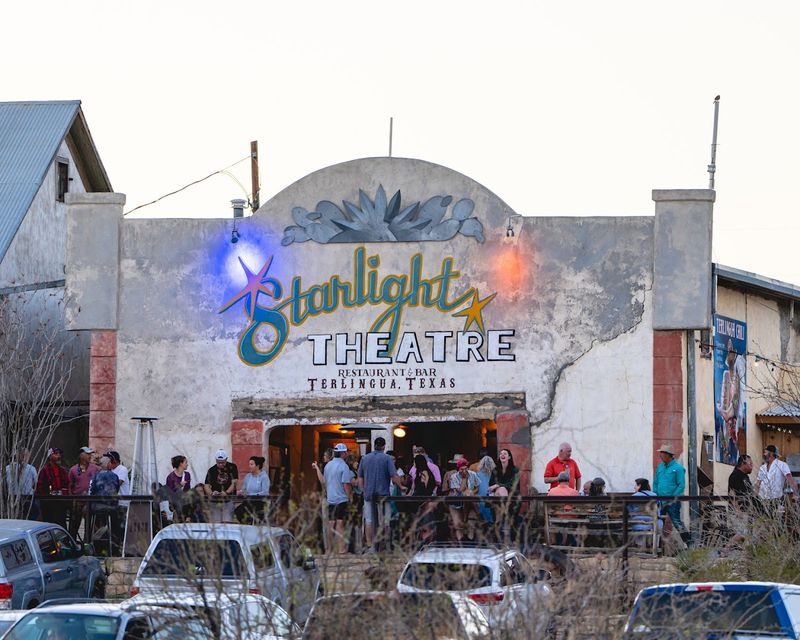
It sits on the edge of Big Bend like a place frozen between past and present, and online it looks almost perfectly preserved. Photos of crumbling adobe ruins, desert backdrops, and wide-open skies make it feel like a true ghost town waiting to be quietly explored. It’s easy to imagine wandering through empty buildings, soaking in the history, and experiencing that rare sense of isolation that’s getting harder to find.
In reality, Terlingua tells a slightly different story. While the remains of the old mercury mining town are still there—and still striking—the area has evolved into a well-known stop for travelers heading to Big Bend National Park. What was once a forgotten outpost now draws steady crowds, especially during peak seasons and popular events like chili cook-offs and festivals.
Instead of total solitude, visitors often find a mix of history and tourism. The ruins share space with small shops, art galleries, and restaurants that cater to the flow of visitors. Guided tours and curated experiences are easy to find, which can take away from the feeling of stumbling onto something untouched.
That said, Terlingua isn’t without its charm. The desert landscape is just as dramatic as the photos suggest, and the sunsets here can feel almost unreal. At night, the lack of light pollution still delivers incredible stargazing, offering a reminder of the remote beauty that first made this place special.
Terlingua works best when you adjust expectations. It’s less a hidden ghost town and more a unique blend of history and tourism, where the past is still visible—but no longer entirely quiet.
7. Wimberley: Artist Colony Overwhelmed by Growth
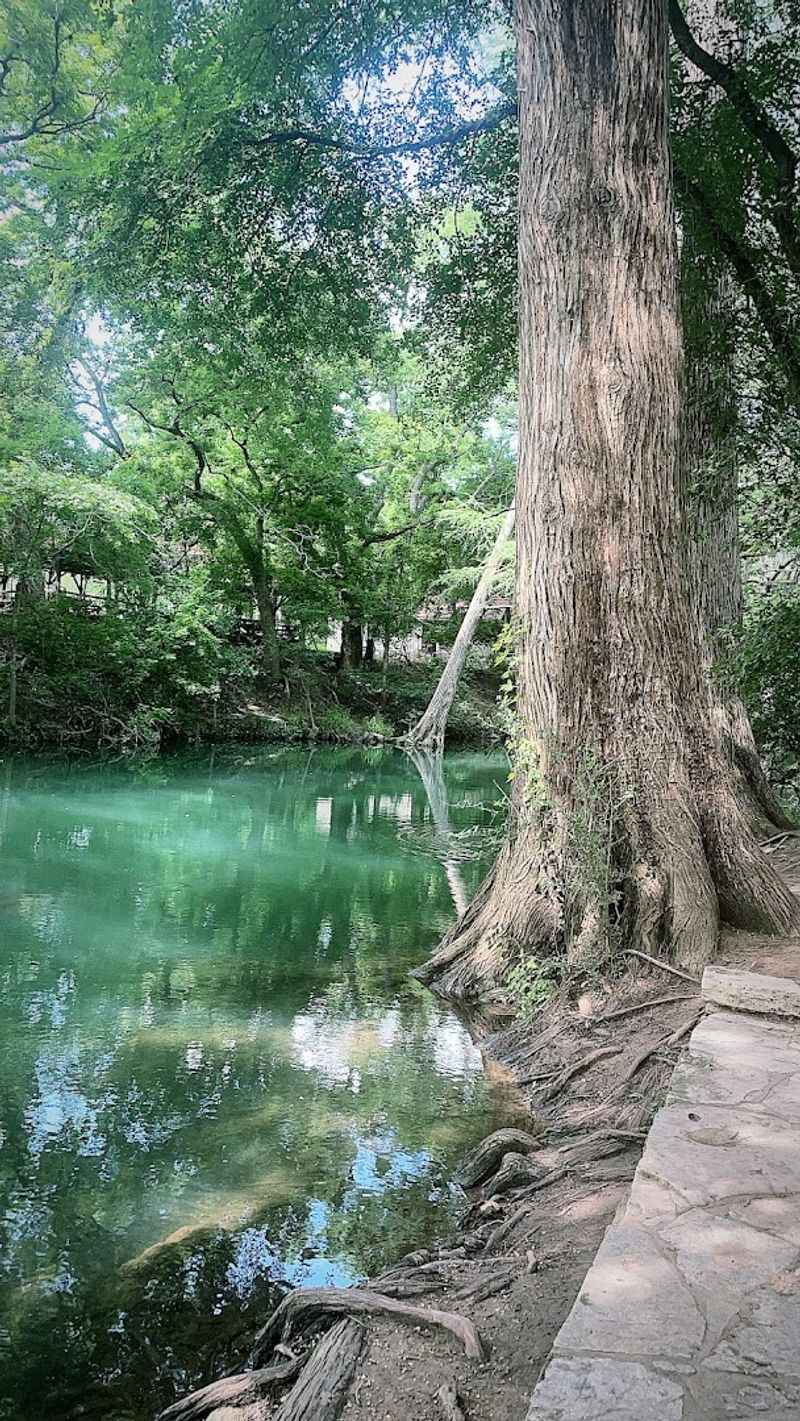
Once known as a quiet Hill Country retreat, this small town drew artists and creatives looking to escape the fast pace of nearby Austin. The town’s natural beauty—Cypress Creek, swimming holes, rolling hills—combined with galleries and studios to create something genuinely special. Then everyone else discovered it too, and rapid growth has strained Wimberley’s infrastructure and transformed its character in ways longtime residents barely recognize.
The monthly market days still draw huge crowds to browse art, crafts, and antiques. But parking has become so difficult that many people skip the experience entirely. Weekend traffic on Ranch Road 12 through town backs up for miles, turning a scenic drive into a frustrating crawl.
That laid-back artist community vibe gets lost when you’re stuck in traffic with hundreds of other people seeking the same escape.
Real estate prices have skyrocketed as Austin residents and retirees discovered Wimberley’s charms. The artist studios and galleries that gave the town its identity now compete with vacation rentals and high-end developments. Many of the original artists have been priced out, replaced by more commercial ventures targeting tourists rather than fostering genuine creative community.
The natural attractions remain beautiful—Blue Hole swimming area, Jacob’s Well spring—but they’re now so crowded that reservations are required and fill up almost immediately. That spontaneous Hill Country adventure you imagined becomes a carefully planned operation with booking windows and time limits. The magic of discovering a hidden swimming hole disappears when you’re surrounded by dozens of other people who found the same online article.
Wimberley isn’t ruined, but it’s definitely changed. The town struggles with the same growth pressures affecting much of the Hill Country, losing the qualities that made it special in the first place. Those charming photos of art galleries and creek views represent a version of Wimberley that’s increasingly hard to experience.
Come expecting crowds, limited parking, and prices that reflect its popularity rather than its small-town roots.
8. Alton: Forgotten County Seat
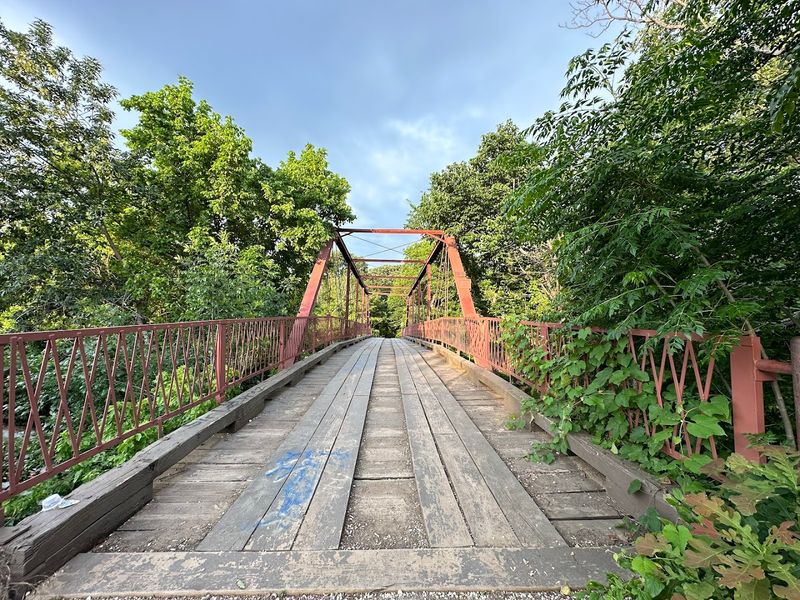
Officially designated as the county seat of Hidalgo County in the Rio Grande Valley, it sounds impressive—until you realize most government operations were moved to other cities decades ago. Online references to Alton sometimes describe it as a charming historic town, but that description relies on outdated information. Modern Alton is a quiet community with little to distinguish it and almost nothing for visitors.
The historic courthouse still stands, but it’s no longer the center of county activity. Most government functions moved to Edinburg, leaving Alton as a residential community that happens to hold a ceremonial title. Walking around downtown reveals a handful of businesses, some closed storefronts, and the sense of a town that’s been bypassed by regional development happening elsewhere in the Valley.
The Rio Grande Valley offers plenty of interesting destinations—nature preserves, historic missions, unique border culture. Alton just isn’t one of them. There’s no real tourism infrastructure because there’s no reason for tourists to visit.
The few people who show up based on online mentions usually leave confused about what they were supposed to see.
This isn’t a ghost town or even a particularly struggling community. It’s simply an ordinary small town where people live and work without much thought to attracting visitors. The disconnect comes from travel lists that include Alton based on its county seat status or historical designation without actually visiting to see what’s there now.
The answer is: not much.
If you’re exploring the Rio Grande Valley, dozens of towns offer more interesting experiences than Alton. The nearby wildlife refuges showcase incredible biodiversity. Historic missions tell the region’s Spanish colonial story.
Border cities provide unique cultural blending. Alton contributes to the Valley’s fabric but doesn’t offer a distinct visitor experience. Those online articles promising hidden gems in Alton either confused it with somewhere else or wrote about a version of the town that no longer exists.
Save your time for the Valley’s actual attractions.
9. Bandera: Cowboy Capital Commercialization
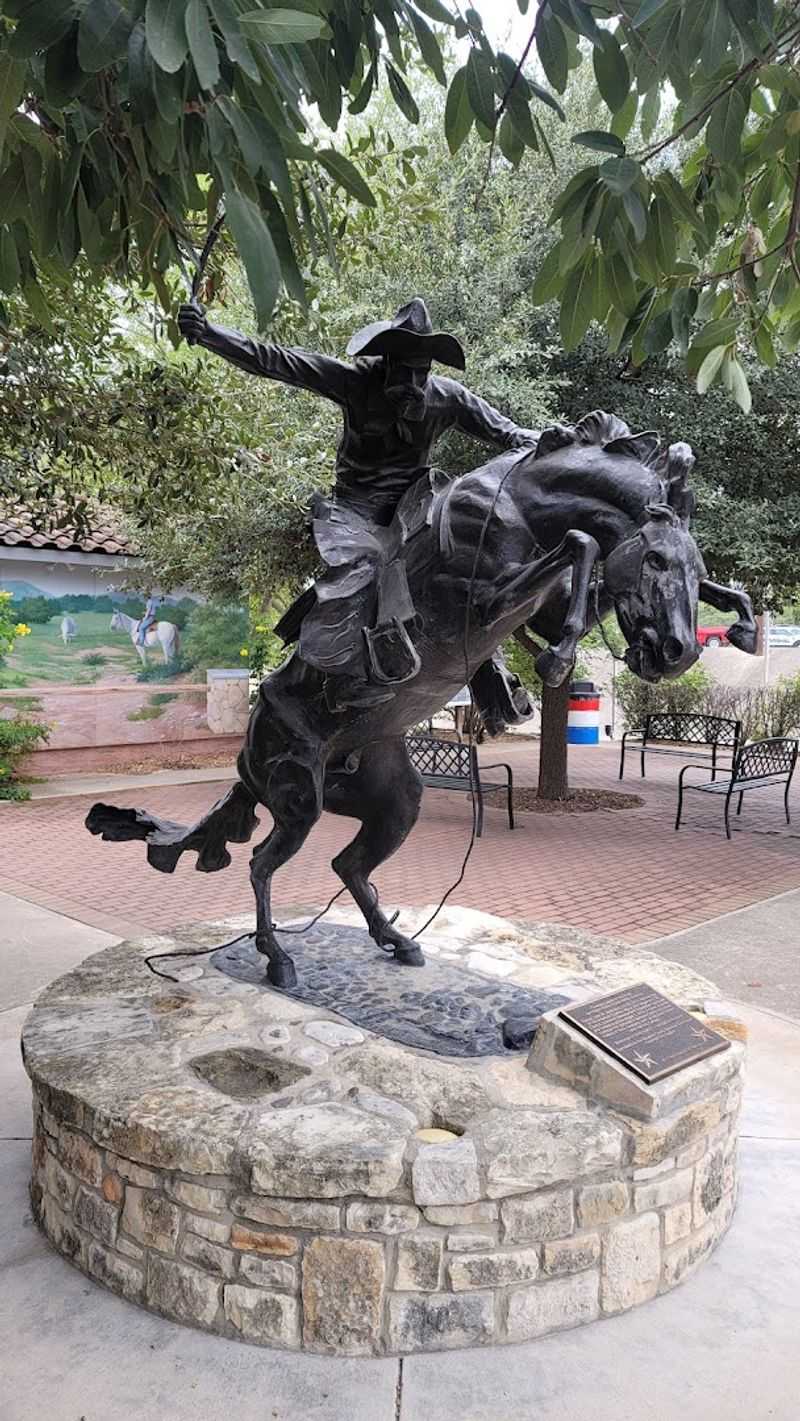
Known as the “Cowboy Capital of the World,” the town fully leans into that identity. Main Street features western wear stores, saddle shops, and restaurants with cowboy decor. Dude ranches surrounding town offer visitors a taste of ranch life.
The whole package looks great in photos and promotional materials. The reality feels more like a western-themed tourist attraction than an authentic cowboy town.
Genuine ranching heritage exists in the Bandera area, but the town itself has leaned so heavily into cowboy tourism that much of the authenticity has been polished away. The dude ranches cater to families from Houston and San Antonio seeking weekend western experiences, not working cattle operations. The rodeos and events feel increasingly staged for visitors rather than emerging from actual ranching culture.
Main Street shops sell plenty of western merchandise, but much of it is mass-produced rather than the quality goods working cowboys actually use. Prices reflect the tourist market, with everything from meals to souvenirs costing more than you’d pay in less tourist-focused Hill Country towns. The whole experience feels calculated to extract money from people’s cowboy fantasies.
The Medina River running through town is genuinely pretty, and the surrounding Hill Country offers nice scenery. But Bandera itself has become so focused on its cowboy brand that it’s hard to see past the commercial layer. Every business plays up the western theme, even when it feels forced.
That spontaneous small-town character gets lost in the deliberate staging.
Weekends bring crowds of visitors all seeking the same cowboy experience, creating a strange atmosphere where everyone’s playing dress-up together. The dude ranches vary widely in quality, with some offering legitimate experiences and others providing the bare minimum with maximum marketing. Research carefully if you book one, because those perfect online photos don’t always match reality.
Bandera isn’t a scam, but it’s definitely selling a carefully constructed version of cowboy culture rather than offering the authentic ranch town experience suggested by its nickname.
10. Luckenbach: Manufactured Nostalgia
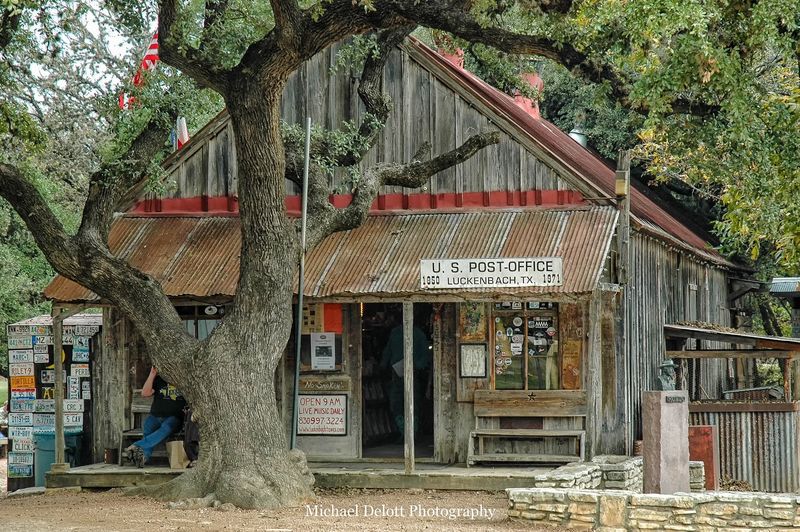
Luckenbach achieved fame through Waylon Jennings’ 1977 song and has been coasting on that recognition ever since. The entire “town” consists of a general store, a dance hall, and a few outbuildings. That’s it.
The population officially sits at three people. Yet Luckenbach appears on countless Texas travel lists and draws thousands of visitors annually, all hoping to experience the laid-back country atmosphere promised by the song.
What you find is a carefully maintained tourist stop that exists almost entirely because of one hit song. The general store sells merchandise, cold drinks, and that nostalgia you came seeking. The dance hall hosts live music on weekends, often with decent performers.
But the whole operation feels like a stage set—which is essentially what it is. Luckenbach functions as a brand more than a place.
Visitors sign their names on every available surface, turning the buildings into graffiti-covered shrines to people’s need to leave their mark. The atmosphere depends entirely on when you visit and who else is there. With a good crowd and live music, Luckenbach can deliver a fun afternoon.
Show up at the wrong time, and you’ll wonder why you drove out of your way for a gift shop in the middle of nowhere.
The surrounding Hill Country is beautiful, and Luckenbach sits near other destinations like Fredericksburg. Many people stop by for thirty minutes, take photos, maybe buy a beer, and move on. That’s probably the right approach.
Building an entire trip around Luckenbach based on romantic notions from a country song will leave you disappointed.
Nothing about Luckenbach is fake exactly—the buildings are real, the music is live, the beer is cold. But nothing about it is particularly authentic either. It’s a tourist attraction that leans into its own mythology, selling a version of Texas that exists more in imagination than reality.
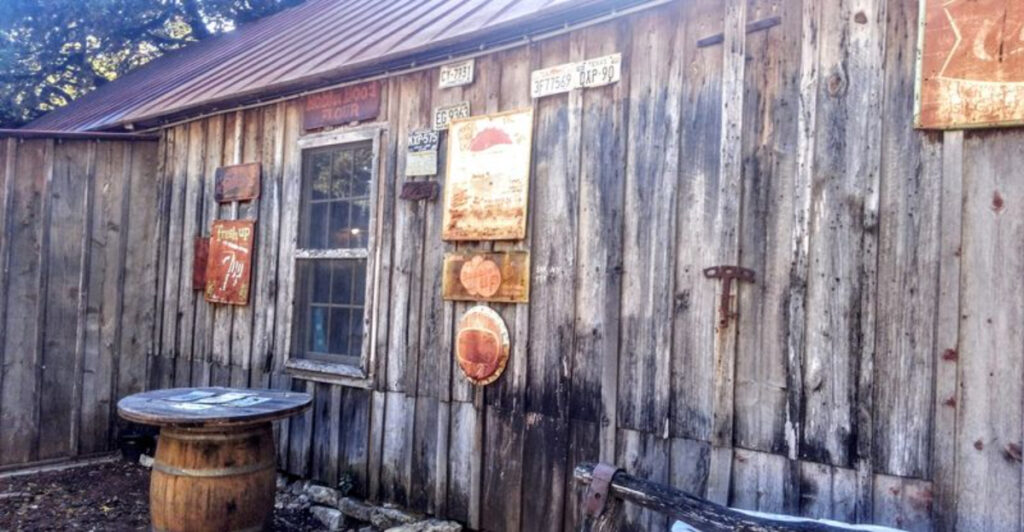
Those online photos of rustic buildings and claims about timeless Texas charm? They’re marketing copy for a place that figured out how to monetize nostalgia decades ago and hasn’t looked back since.
11. Jefferson: Historic Charm with a Slower Reality
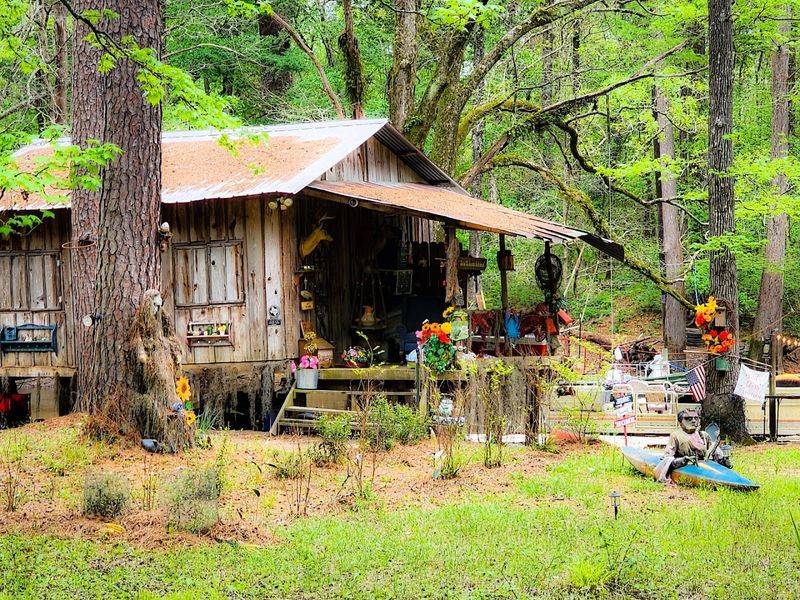
Once a thriving riverport town in East Texas, this historic destination looks like it was lifted straight from another century. Online photos highlight grand Victorian homes, brick-paved streets, and antique shops that seem to promise a lively, storybook setting full of Southern charm. It’s easy to picture a weekend filled with bustling storefronts, carriage rides, and a steady hum of activity.
The reality is a bit quieter than those images suggest. Outside of peak weekends and festivals, the town moves at a noticeably slower pace. Many shops keep limited hours, and it’s not unusual to find streets nearly empty by late afternoon.
Dining options can also feel sparse, especially during the week, which can catch visitors off guard if they arrive expecting a more active scene.
A lot of what draws people here revolves around its history, and while that history is well preserved, it can also feel somewhat staged. Guided tours, themed attractions, and curated experiences dominate much of the visitor experience, creating an atmosphere that leans more toward heritage tourism than a naturally evolving small town. For some, that adds to the charm, but for others, it can feel less spontaneous than expected.
That said, the town still has a strong sense of place. The architecture is genuinely impressive, and the slower pace allows you to appreciate details that would be easy to miss in a busier destination. It’s a place where time feels stretched out, even if that means adjusting expectations.
What you find here isn’t a constantly buzzing small town, but rather a quiet, historic setting that invites you to slow down and take it in at your own pace.
Share this story