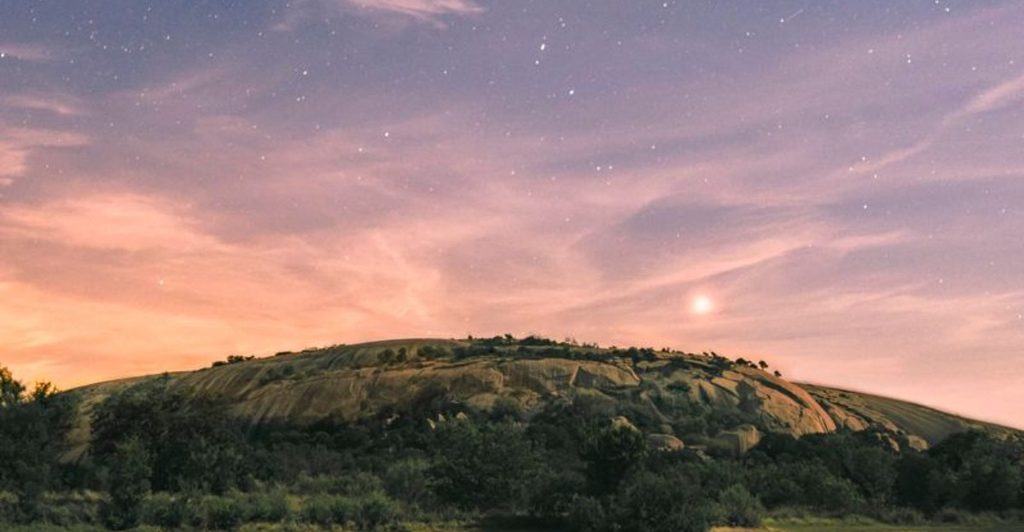
Texas transforms into something magical when darkness falls. Stars seem brighter, wildlife comes alive, and city lights paint the skyline in ways you never see during the day. Whether you want to watch millions of bats take flight or gaze at galaxies millions of miles away, these ten spots across the Lone Star State prove that nighttime is when the real show begins.
1. Copper Breaks State Park (Quanah)
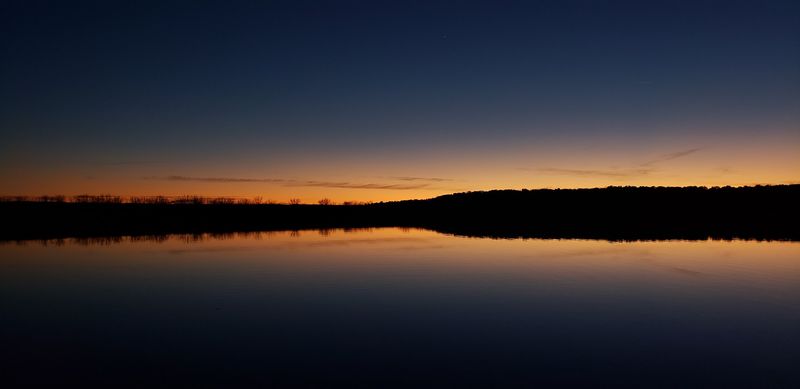
Out in the middle of nowhere, about two hours southeast of Amarillo, sits one of the darkest spots in all of Texas. Light pollution barely touches this corner of the state, which means the night sky explodes with more stars than most people have ever seen in their lives. On a clear night, you can spot the Milky Way stretching overhead like a river of light.
The park earned official Dark Sky Park status, a designation that confirms what stargazers already knew. Thousands of stars become visible here, along with planets, satellites, and the occasional meteor streaking across the darkness. Rangers often host star parties where they set up telescopes and help visitors identify constellations.
During the day, the landscape looks pretty but unremarkable, with red dirt and scattered mesquite trees. After sunset, though, everything changes. The temperature drops to comfortable levels, and the rocks that gave the park its name seem to glow under starlight.
Camping here means falling asleep under a blanket of stars so thick it almost feels overwhelming. Many visitors report seeing shooting stars within minutes of looking up. The park sits far from any major cities, so there are no competing lights to wash out the view.
Bring a blanket, lie back, and prepare to feel very small in the best possible way. Your eyes need about twenty minutes to fully adjust to the darkness, but the wait pays off. Photography enthusiasts love this spot because long-exposure shots capture details the naked eye can barely process.
Even if you have never cared much about astronomy, this place might change your mind about what nighttime can offer.
2. Ann W. Richards Congress Avenue Bridge (Austin)
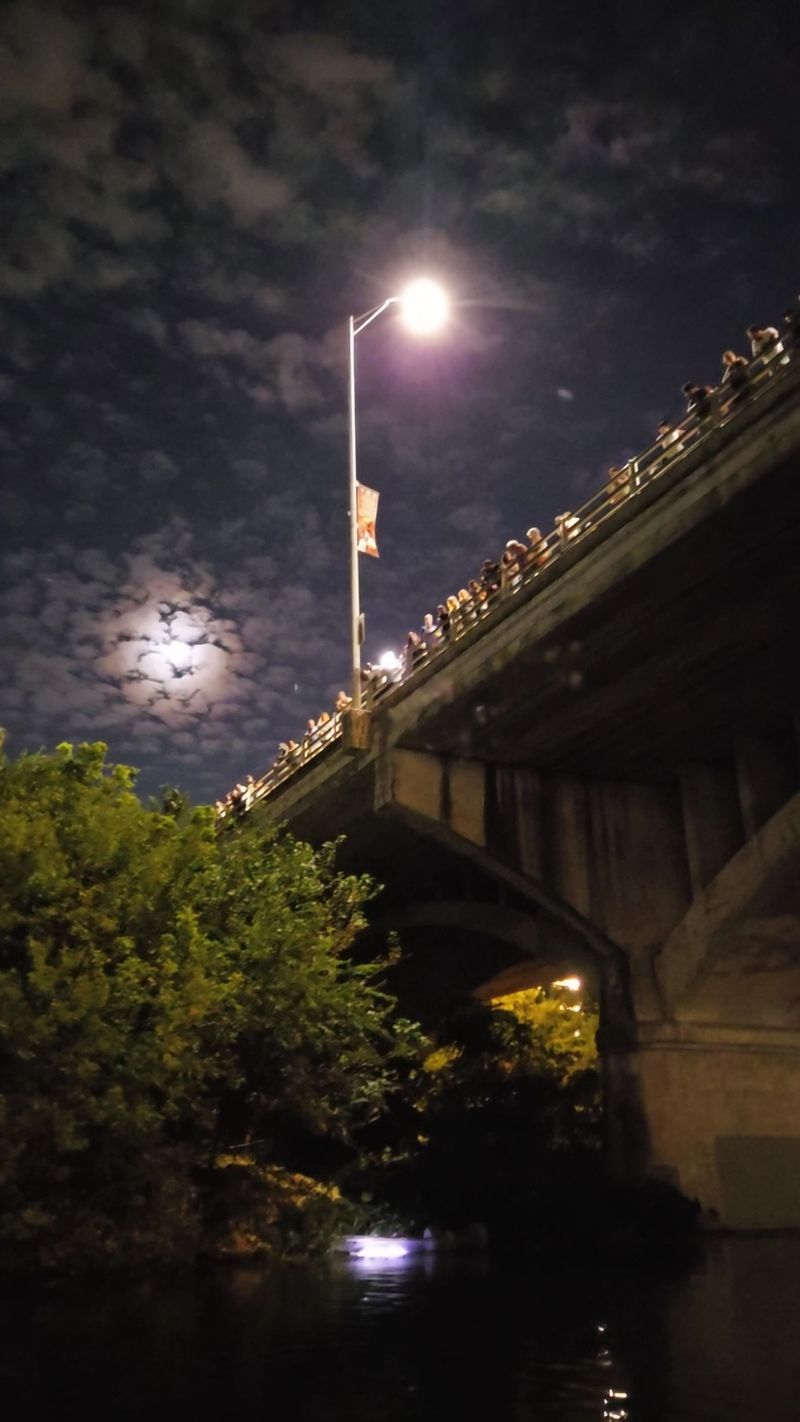
Every evening from March through October, around 1.5 million bats pour out from under this downtown Austin bridge in a spectacle that looks like something from a nature documentary. Mexican free-tailed bats have claimed the space beneath the bridge as their summer home, and watching them emerge at dusk has become one of the city’s most popular free attractions. The colony is the largest urban bat population in North America.
People gather on the bridge itself, on the lawn below, or rent kayaks to watch from the water. As the sun drops toward the horizon, the bats start streaming out in waves that can last twenty minutes or longer. They spiral upward in dark ribbons, heading out to hunt insects across the Texas Hill Country.
During daylight hours, the bridge is just another piece of Austin infrastructure carrying traffic across Lady Bird Lake. Once evening arrives, it transforms into a natural amphitheater for one of nature’s most impressive shows. The bats eat tons of insects every night, making them helpful neighbors despite their somewhat spooky reputation.
Peak season runs from July through September when the colony includes baby bats learning to fly. The exact emergence time shifts with the sunset, so checking current predictions helps you arrive at the right moment. Some nights the bats exit quickly, other times they trickle out more slowly.
Local vendors often set up nearby, and the grassy areas fill with families spreading blankets. Bring a camera with good low-light capabilities if you want to capture the moment, though honestly just watching with your own eyes feels more memorable. The experience costs nothing, requires no reservations, and offers a reminder that urban wildlife can thrive in unexpected places.
3. McDonald Observatory (Fort Davis)
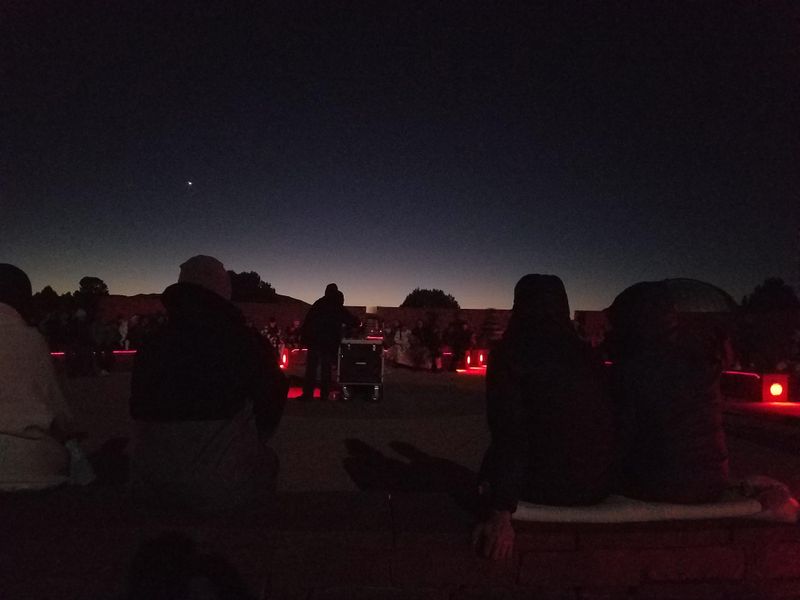
Perched high in the Davis Mountains, this research facility opens its doors to the public for star parties that feel like getting VIP access to the universe. Professional astronomers operate massive telescopes here, studying everything from distant galaxies to planets in our own solar system. Several nights each week, visitors can attend programs where staff members point out celestial objects and explain what makes them interesting.
The observatory sits at 6,800 feet elevation, well above most atmospheric interference. Air up here stays remarkably clear and dry, perfect conditions for viewing deep space. During public programs, you can look through research-grade telescopes at objects millions of light-years away, seeing details that would be impossible from lower elevations or light-polluted areas.
Daytime tours show you the enormous telescope domes and explain how cutting-edge astronomy happens. After dark, though, the real magic begins. Staff members use laser pointers to trace constellation patterns across the sky, and visitors line up to peek through various telescopes aimed at planets, star clusters, and nebulae.
The drive to get here takes you through remote West Texas landscape where cell service disappears and small towns appear every fifty miles or so. That isolation is exactly what makes the observatory so valuable for research and so spectacular for visitors. Light pollution from cities cannot reach this far.
Dress warmly because mountain temperatures drop significantly after sunset, even in summer. Programs run year-round, and each season offers different celestial highlights. Solar viewing programs during the day let you safely observe our own star’s surface features.
The combination of professional equipment, expert guidance, and pristine dark skies creates an astronomy experience that beats any planetarium show.
4. Reunion Tower (Dallas)
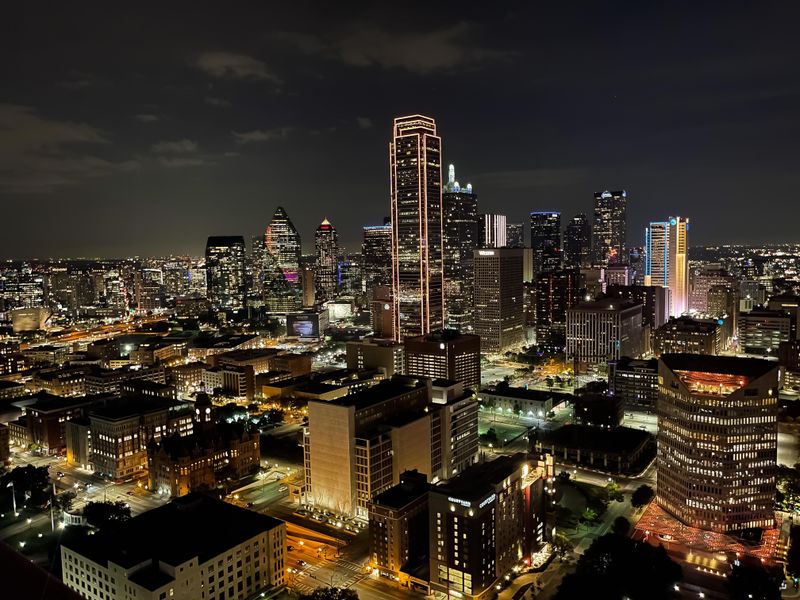
That glowing ball on the Dallas skyline becomes the best seat in the house once the sun sets and the city lights up below. Standing 470 feet above downtown, the observation deck offers 360-degree views of Dallas transforming from a business district into a sparkling urban landscape. Buildings illuminate in various colors, highways trace bright lines through the darkness, and the whole city spreads out like a map made of lights.
During the day, you can see for miles, but the view lacks drama. After dark, everything gains definition and interest. The Trinity River winds through the darkness, marked by bridges lit in different colors.
Neighborhoods become patterns of streetlights and glowing windows.
The tower itself lights up in different colors depending on holidays, sports team victories, or special events. Inside, the observation deck rotates slowly, giving you constantly changing perspectives without having to move. Interactive displays help identify landmarks and explain Dallas history.
A restaurant shares the space, offering dinner with views that make any meal feel like a special occasion. Even if you skip the food, the observation deck alone justifies the visit. Sunset timing works perfectly, letting you watch the transition from day to night as the city gradually illuminates.
Photography enthusiasts love the challenge of capturing light trails from traffic far below. The windows stay clean and clear, designed specifically for viewing and photos. Unlike some observation decks that feel cramped, this one offers plenty of space to move around and find your favorite angle.
Weeknight visits tend to be less crowded than weekends, giving you more elbow room at the windows. The elevator ride up takes only 68 seconds but feels like stepping into a different world. Dallas looks completely different from up here, especially when darkness turns ordinary streets into rivers of light flowing through the urban landscape.
5. Old Tunnel State Park (Fredericksburg)
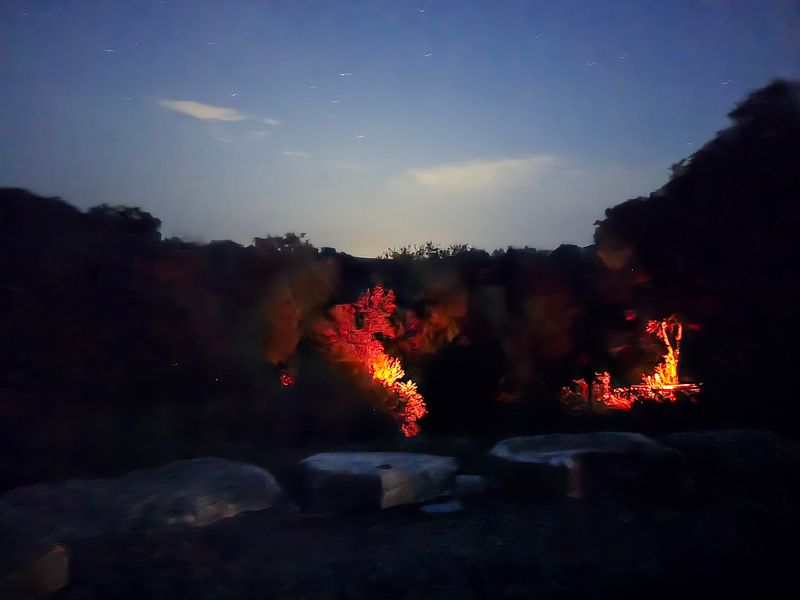
An abandoned railroad tunnel from the 1910s now serves as home to millions of bats who exit each evening in a performance that feels both eerie and beautiful. From May through October, Mexican free-tailed bats and cave myotis bats share this space, creating one of the Hill Country’s most reliable wildlife viewing opportunities. The tunnel stays at a constant temperature year-round, making it ideal bat habitat.
Unlike the Congress Avenue Bridge where bats scatter in all directions, here they funnel out through the tunnel openings in concentrated streams. Viewing platforms sit at perfect angles to watch the exodus without disturbing the colony. Some evenings the bats emerge in a steady flow, other nights they burst out in massive clouds.
The park is small and focused entirely on bat conservation and education. Rangers lead evening programs explaining bat ecology and why these creatures matter to Texas agriculture. A single bat can eat thousands of insects per night, providing natural pest control for farms and ranches across the region.
During daylight, the tunnel sits quiet and the park feels almost empty. As sunset approaches, visitors gather on the observation decks, and anticipation builds. The exact emergence time varies with sunset and weather conditions, but the bats reliably appear most nights during season.
Viewing here feels more intimate than the Austin bridge experience. Smaller crowds mean you can actually hear the bats’ wings, a sound like rustling paper multiplied by thousands. The Hill Country setting adds to the atmosphere, with live oak trees framing the tunnel entrance.
Reservations are required for the upper viewing area but worth securing ahead of time. The lower deck operates on a first-come basis. Either way, arrive early to claim a good spot.
Bring insect repellent because mosquitoes love these same evening hours, though far fewer stick around once the bats start hunting.
6. Marfa Lights Viewing Area (Marfa)
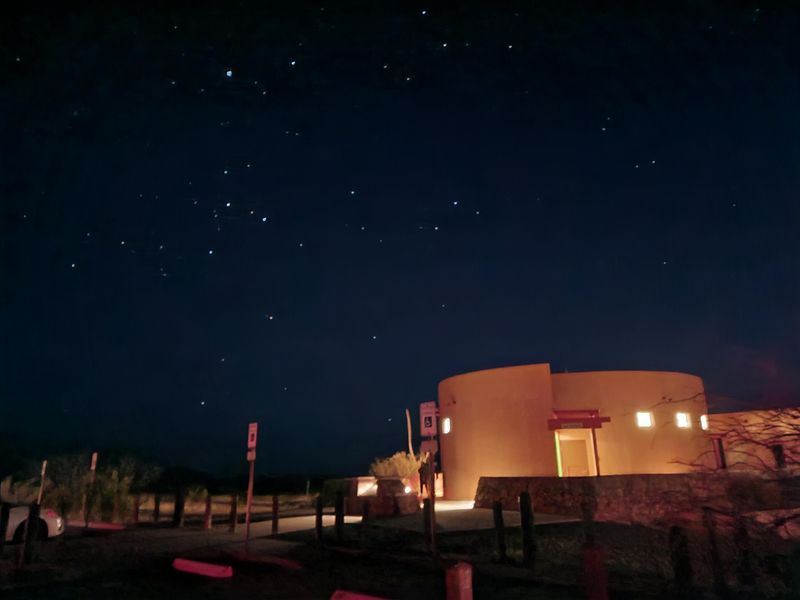
Strange lights dance on the horizon east of this tiny West Texas art town, and nobody has definitively explained what causes them. For over a century, people have reported seeing mysterious illuminations that appear, move around, split apart, and vanish in the darkness. The viewing area sits nine miles east of Marfa, equipped with covered seating and informational displays about the phenomenon.
Skeptics say the lights are car headlights from a distant highway, refracted through layers of desert air at different temperatures. Believers insist the lights predate automobiles and behave in ways vehicle lights never could. Scientists have studied them repeatedly without reaching firm conclusions.
What makes this spot worth visiting is not solving the mystery but experiencing it. On a clear night, with no moon washing out the view, lights really do appear on the horizon. They flicker, change colors between white and yellow and sometimes red, and move in patterns that feel almost deliberate.
During the day, the viewing area offers nice vistas of the Chinati Mountains but nothing particularly special. After dark, though, people gather with binoculars and cameras, scanning the distance for signs of the lights. Some nights they appear quickly, other times visitors wait an hour or more.
The site includes restrooms and plenty of parking, making it comfortable for extended viewing sessions. Marfa itself is worth exploring, filled with art galleries and quirky installations, but the lights viewing area operates 24/7 and costs nothing to visit. Bring warm layers because desert temperatures plummet after sunset.
Whether you believe in unexplained phenomena or think there is a rational explanation, watching lights appear and move across empty desert creates an undeniably strange experience. The isolation adds to the atmosphere, with darkness stretching in every direction and the nearest city lights miles away. Even if you never see anything unusual, the star-filled sky alone justifies the visit.
7. South Llano River State Park (Junction)
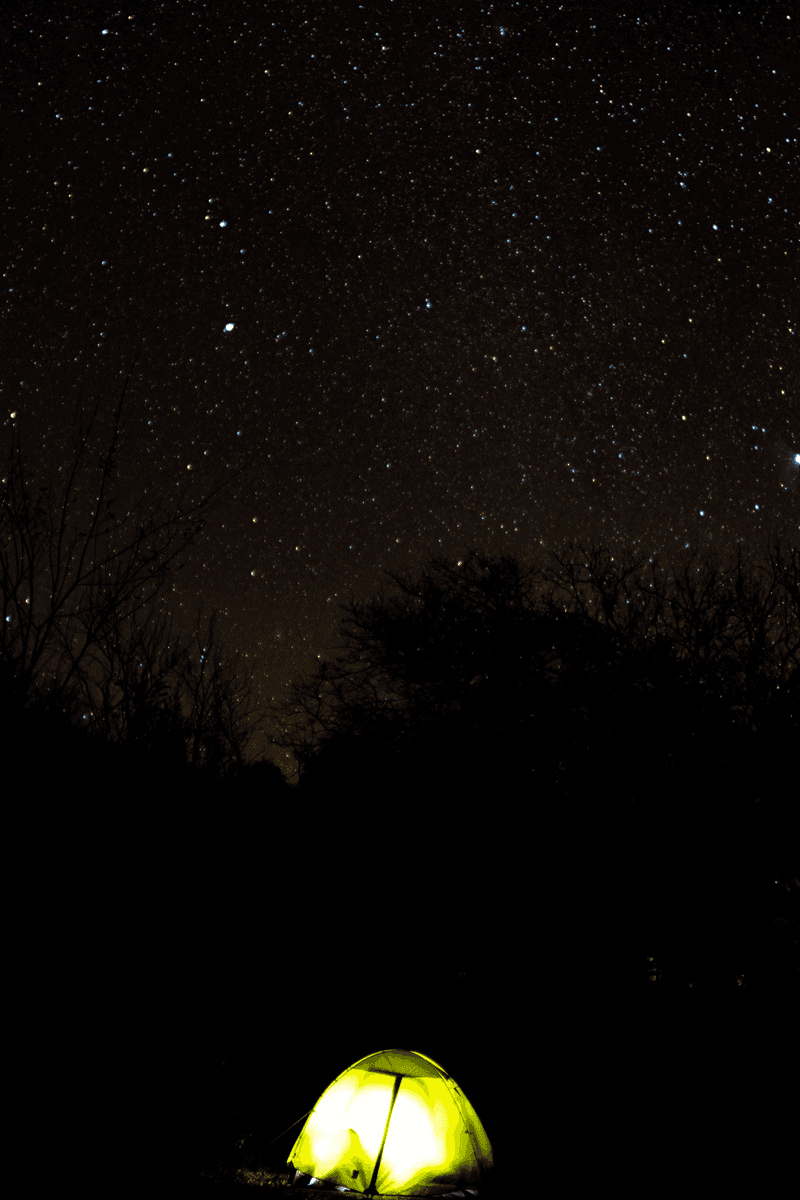
This state park earned Dark Sky designation for good reason. Located where the Hill Country meets West Texas, it sits far enough from cities that light pollution barely registers. On moonless nights, the Milky Way appears so clearly you can see its structure and color variations.
The park specifically manages its lighting to preserve the darkness, using special fixtures that point downward and emit only red light that does not interfere with night vision.
A wildlife viewing station designed for daytime bird watching transforms into a stargazing platform after dark. Bring a blanket and lie back on the grass, or use the covered pavilions if weather threatens. The river adds ambient sound, water flowing over rocks creating a peaceful soundtrack for your astronomy session.
Rangers host occasional star parties where they set up telescopes and help visitors identify celestial objects. Even without guided programs, the park provides printed star charts and encourages visitors to explore the night sky independently. Camping here means falling asleep under stars so numerous they almost seem fake.
During the day, the park focuses on the river with swimming, tubing, and fishing opportunities. Wildlife including white-tailed deer, wild turkeys, and various bird species keep nature watchers busy. After sunset, though, the park’s character completely changes.
Temperatures drop to comfortable levels, and the focus shifts upward.
The park sits about two hours northwest of San Antonio, far enough to escape that city’s light dome. Small Junction provides the nearest services, a classic Texas town with a few restaurants and gas stations. The drive here takes you through increasingly empty landscape, a good sign for dark sky viewing.
Photography enthusiasts should bring tripods for long-exposure shots that capture star trails and the Milky Way’s full glory. Even smartphone cameras can grab decent shots here with the right settings. The combination of dark skies, river access, and good facilities makes this park a favorite among serious stargazers and casual visitors alike.
8. George Observatory (Needville)
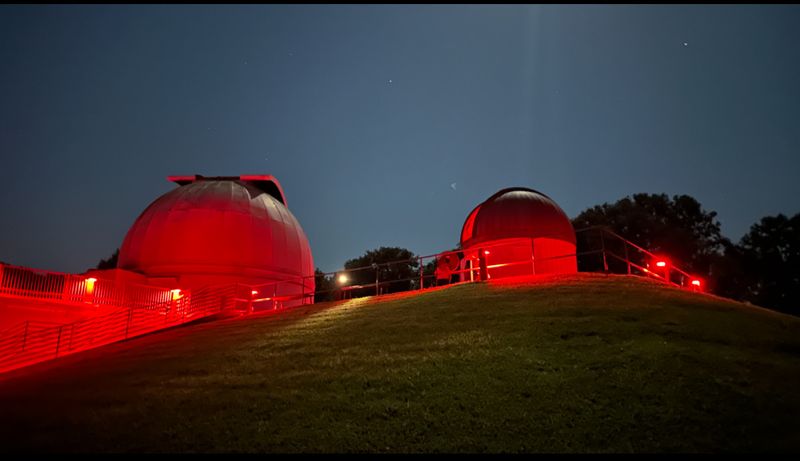
Just an hour southwest of Houston sits an astronomy facility that lets regular folks look through serious telescopes at celestial wonders. Three different telescope domes house instruments ranging from modest to massive, all available for public viewing during Saturday night programs. The largest telescope, a 36-inch reflector, can show details on planets, star clusters, and distant galaxies that most people never get to see.
Brazos Bend State Park surrounds the observatory, providing dark enough skies despite Houston’s proximity. The park’s location in a bend of the Brazos River, combined with careful light management, creates surprisingly good viewing conditions. On clear nights, dozens of deep-sky objects become visible through the various telescopes.
Daytime at Brazos Bend focuses on alligators, birds, and hiking trails. After dark, attention shifts skyward. Volunteer astronomers staff the observatory, sharing their enthusiasm and expertise with visitors.
They point out planets, explain what you are seeing, and answer questions about everything from black holes to the possibility of life on other worlds.
The outdoor observing area features smaller telescopes set up for viewing brighter objects. You can look at the moon’s craters, Saturn’s rings, or Jupiter’s moons, then move inside to see fainter objects through the larger instruments. Each telescope offers different capabilities and views.
Programs run year-round, with different celestial highlights each season. Summer brings views of the galactic center, winter offers great nebula viewing, and spring provides excellent galaxy hunting. The schedule works around moon phases, with darker nights offering better deep-sky viewing.
Tickets sell out quickly, so booking ahead is essential. The facility limits attendance to ensure everyone gets telescope time without excessive waiting. Dress for outdoor evening conditions, which can be humid and buggy even when temperatures feel comfortable.
Bug spray and long sleeves help you focus on the sky instead of mosquitoes.
9. Enchanted Rock State Natural Area (Fredericksburg)
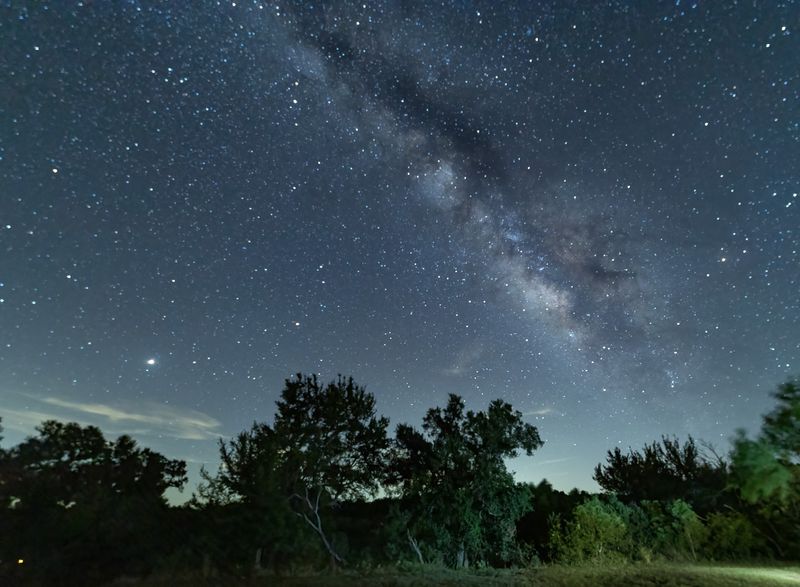
Climbing this massive pink granite dome in darkness might sound crazy, but it offers one of the most spectacular stargazing experiences in Texas. The rock rises 425 feet above the surrounding Hill Country, creating a natural observation platform far above most light pollution. On clear nights, the summit feels like standing on top of the world with the universe spread overhead.
The trail to the top gains elevation quickly, a challenging climb even in daylight. After dark, hikers need headlamps and extra caution, but the payoff justifies the effort. Once you reach the summit, the granite surface provides smooth, comfortable seating.
The rock retains daytime heat, staying warm for hours after sunset.
Native American legends say the rock makes groaning sounds at night, and geologists confirm that temperature changes do cause the granite to crack and pop audibly. Those mysterious sounds add atmosphere to an already otherworldly experience. The rock’s pink color comes from feldspar crystals that catch moonlight and starlight in interesting ways.
During peak visiting hours, crowds fill the summit and trails. Evening and night visits offer solitude that daytime never provides. You might share the summit with a handful of other stargazers, but mostly you will have this natural cathedral to yourself.
The 360-degree views extend for miles in every direction.
Park regulations require careful planning for night visits. Gates close at specific times, and you must exit before lockup or risk getting stuck overnight. Check current policies before attempting an evening climb.
Some nights the park offers special star party events with rangers providing telescopes and astronomy guidance.
Bring layers because the summit gets windy and temperatures drop quickly once the sun disappears. A blanket or sleeping pad makes the granite more comfortable for extended viewing sessions. The Milky Way stretches directly overhead during summer months, visible in detail that urban dwellers rarely see.
10. Devil’s Sinkhole State Natural Area (Rocksprings)
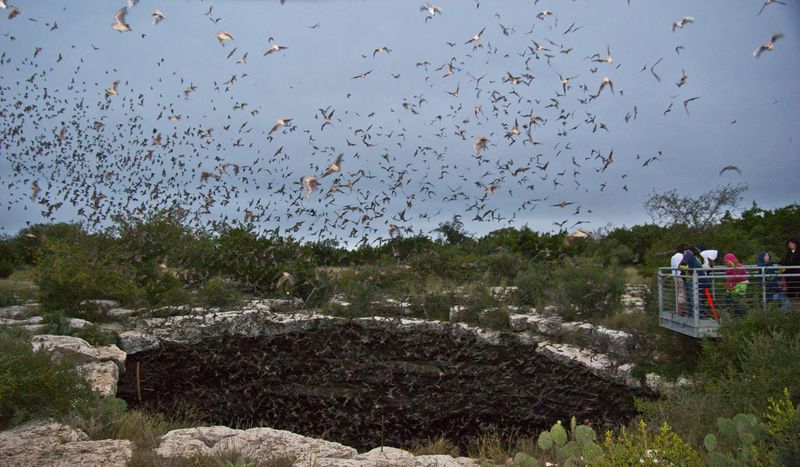
A massive vertical cave drops 140 feet into the Edwards Plateau, creating a natural amphitheater for one of Texas’s most dramatic bat emergences. From May through October, millions of Mexican free-tailed bats use this sinkhole as their summer roost. Each evening they spiral upward through the opening in a tornado of wings, heading out to hunt insects across the Hill Country.
Access requires joining a guided tour because the site sits on protected land with limited infrastructure. The tour includes a hike to the viewing platform and a presentation about the cave’s geology and bat ecology. As sunset approaches, visitors gather at the platform, positioned for perfect views into the sinkhole’s depths.
The cave itself formed over thousands of years as water dissolved limestone, creating a bell-shaped chamber underground. The opening measures about 40 feet across, while the interior expands to much larger dimensions. During the day, the sinkhole looks impressive but quiet.
After dark, it transforms into a wildlife spectacle.
Bats begin emerging as light fades, at first in small groups, then in massive waves. They circle upward through the opening, gaining altitude before dispersing across the landscape. The sound of millions of wings creates a rushing noise like wind through trees.
Some evenings the emergence lasts over an hour as the entire colony exits.
The remote location means truly dark skies once the bats finish their departure. Stars emerge in numbers that surprise most visitors, and the Milky Way becomes clearly visible. The combination of bat emergence and stargazing makes these tours worth the advance planning they require.
Tours book up weeks ahead during peak season, so early reservations are essential. The site sits about two hours west of San Antonio in extremely rural Edwards County. Cell service is nonexistent, and the nearest town is tiny Rocksprings.
That isolation protects the bat colony and creates the pristine conditions that make this natural area so special.