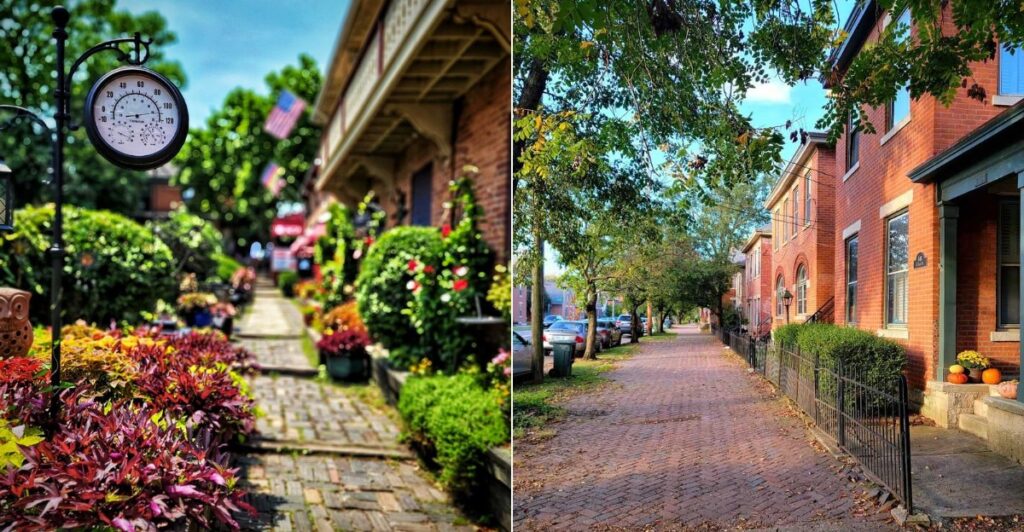
German Village in Columbus feels like a small trip to another country without leaving Ohio. Red brick streets, old homes, and cozy local spots make the whole neighborhood stand out right away.
It matters because places like this help protect history while still feeling alive and fun today. If you want a walkable area with charm, food, and stories around every corner, this part of Columbus is worth your time.
1. Brick Streets That Set the Mood
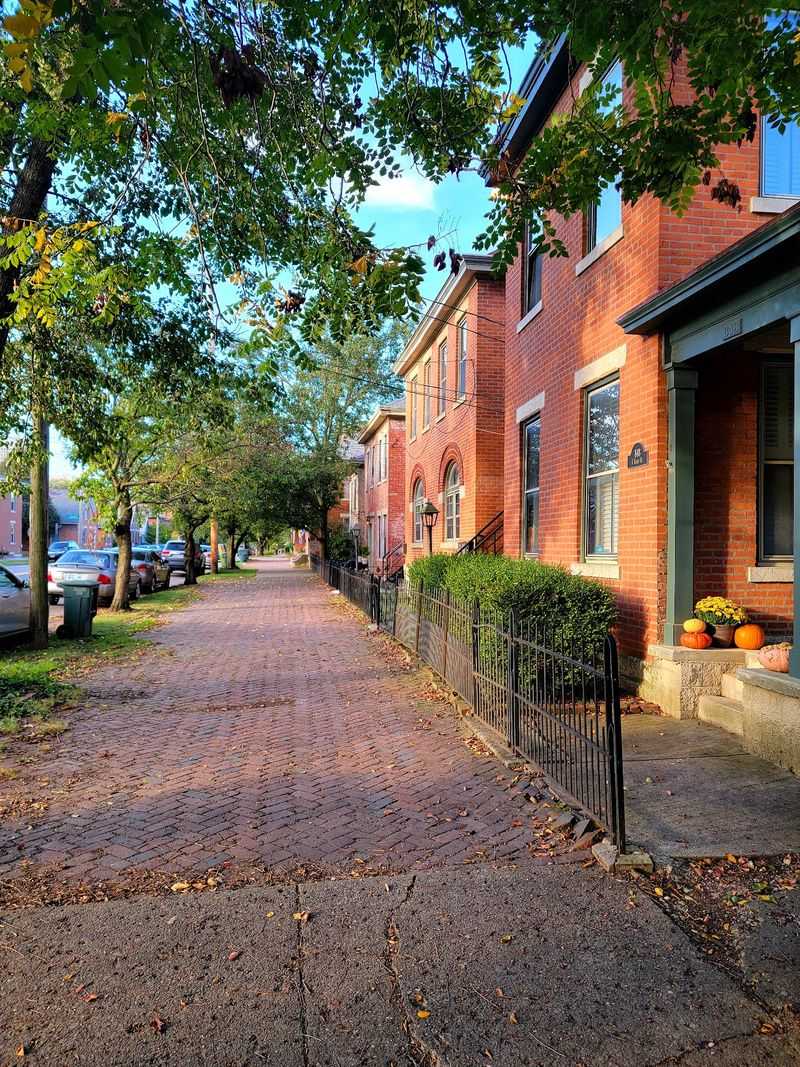
The first thing many visitors notice is under their feet. German Village keeps its brick streets, and that simple detail changes the whole feeling of a walk.
Cars move a little slower here, which gives the neighborhood a calmer rhythm. The rough bricks, old curbs, and neat sidewalks make each block feel older than the average American city street, but in a good way.
Bring comfortable shoes because the surface can feel uneven in spots. Early morning and late afternoon are great times to stroll, since the light makes the red brick glow and the streets feel extra cozy.
If you enjoy taking photos, corners near Beck, Mohawk, and Deshler streets often show the best mix of road, trees, and historic homes.
Even a short walk can feel like stepping into a postcard, and that is a big reason the area feels so wonderfully authentic.
2. Historic Homes Full of Old-World Charm
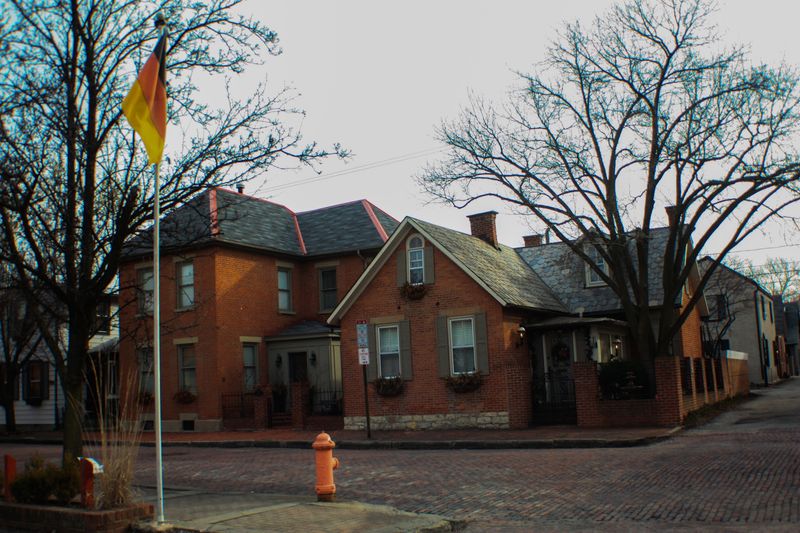
Some neighborhoods impress you with size, but German Village wins people over with character. Its brick cottages and townhomes were built by 19th-century German immigrants, and many still look lovingly cared for today.
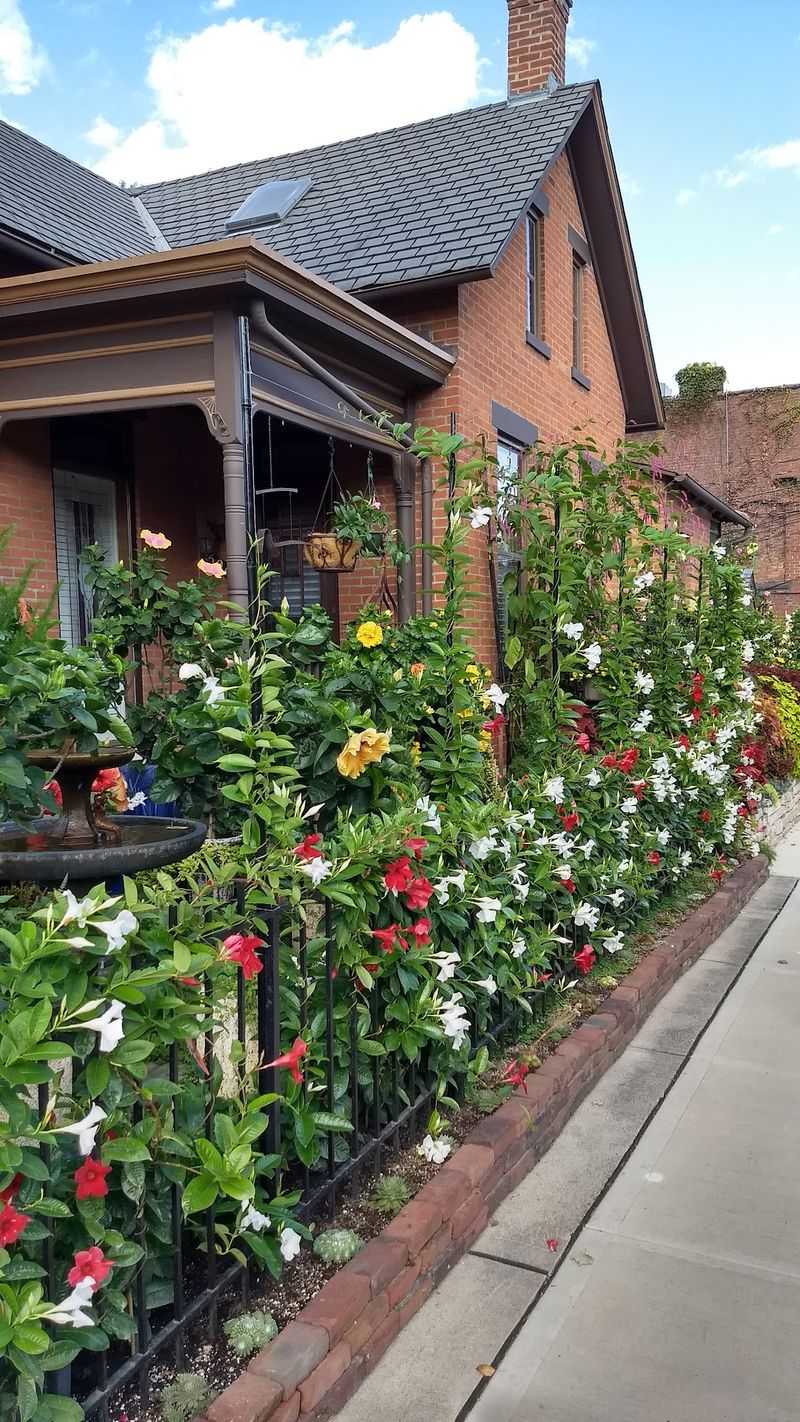
Instead of huge front lawns, you will often see compact yards, iron fences, hidden courtyards, and detailed windows. That tighter layout gives the streets a European feel, making the area seem intimate, settled, and very different from newer suburban neighborhoods.
Walking here is almost like flipping through a picture book of architecture. Look closely and you will spot painted shutters, climbing vines, small garden gates, and brickwork that has lasted for generations.
Respect that many houses are private homes, so enjoy them from the sidewalk and keep noise low. A self-guided walk works well because every block offers something slightly different.
The homes are not flashy, but their warmth and history make the village feel deeply real and memorable.
3. Schiller Park Brings the Neighborhood to Life
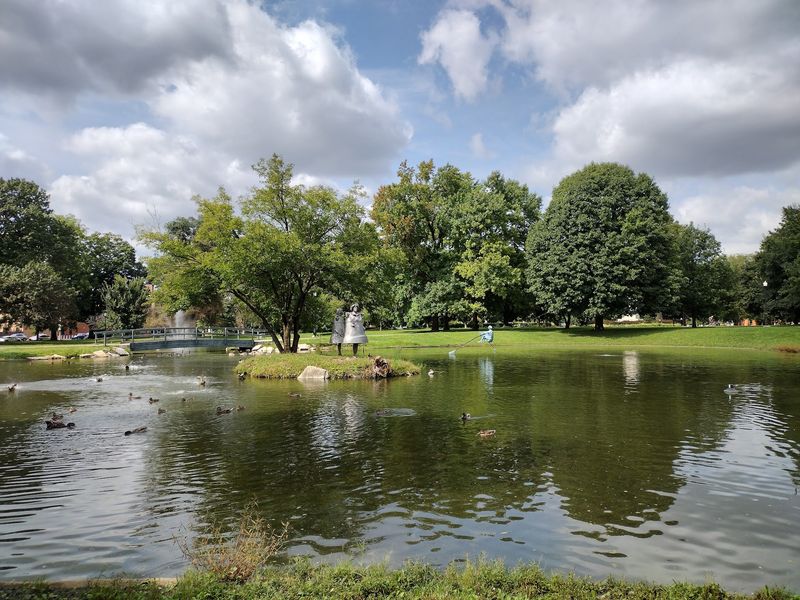
Right in the middle of the neighborhood, Schiller Park gives German Village room to breathe. The park adds beauty, open space, and a peaceful break between rows of houses and busy little businesses.
Families come for walks, friends spread out on the grass, and visitors often pause by the fountain or flower beds. In warmer months, the park feels especially lively, yet it still keeps a relaxed mood that matches the rest of the area.
If you want an easy way to understand the neighborhood, spend time here and watch the pace of local life. Bring a snack, sit on a bench, and notice how people use the space like a shared front yard.
Summer is famous for outdoor performances, but even on a quiet day the park is worth visiting.
It helps German Village feel less like a tourist stop and more like a true community, where history and everyday life comfortably exist side by side.
4. The Book Loft Feels Like a Storybook Maze
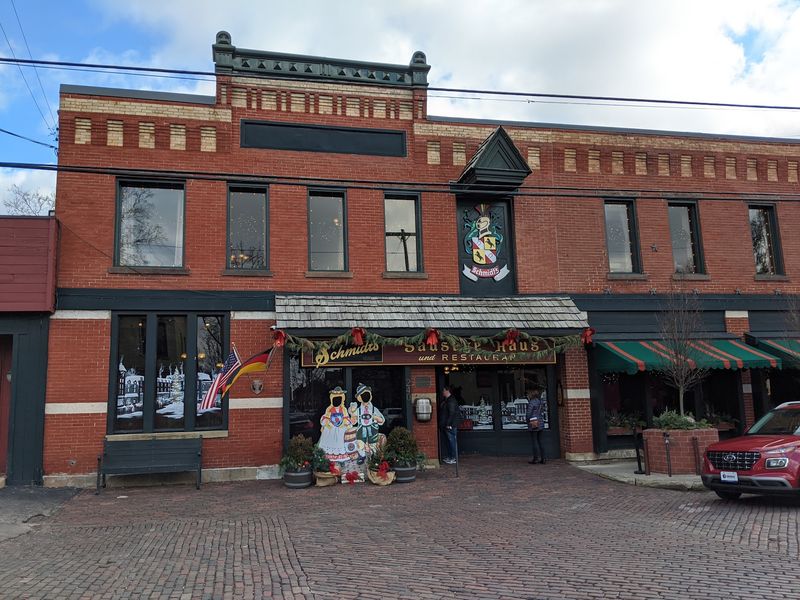
Getting a little lost can be part of the fun in German Village. The Book Loft is one of the neighborhood’s best-known stops, and its many rooms make browsing feel like a small adventure.
Instead of one big modern bookstore layout, you move through winding spaces packed with shelves, signs, and surprises. That quirky setup fits German Village perfectly because it feels personal, old-fashioned, and far more charming than a typical chain store.
Even people who do not usually shop for books often enjoy wandering inside. Give yourself extra time, because it is easy to stay longer than planned while checking room after room.
Nearby streets are also pleasant for a slow walk before or after your visit, so you can turn one stop into a relaxed afternoon. If you want a souvenir that matches the thoughtful spirit of the neighborhood, a book from here feels more meaningful than something mass-produced.
The experience stays with people long after they leave.
5. Local Shops Add Small-Town Warmth
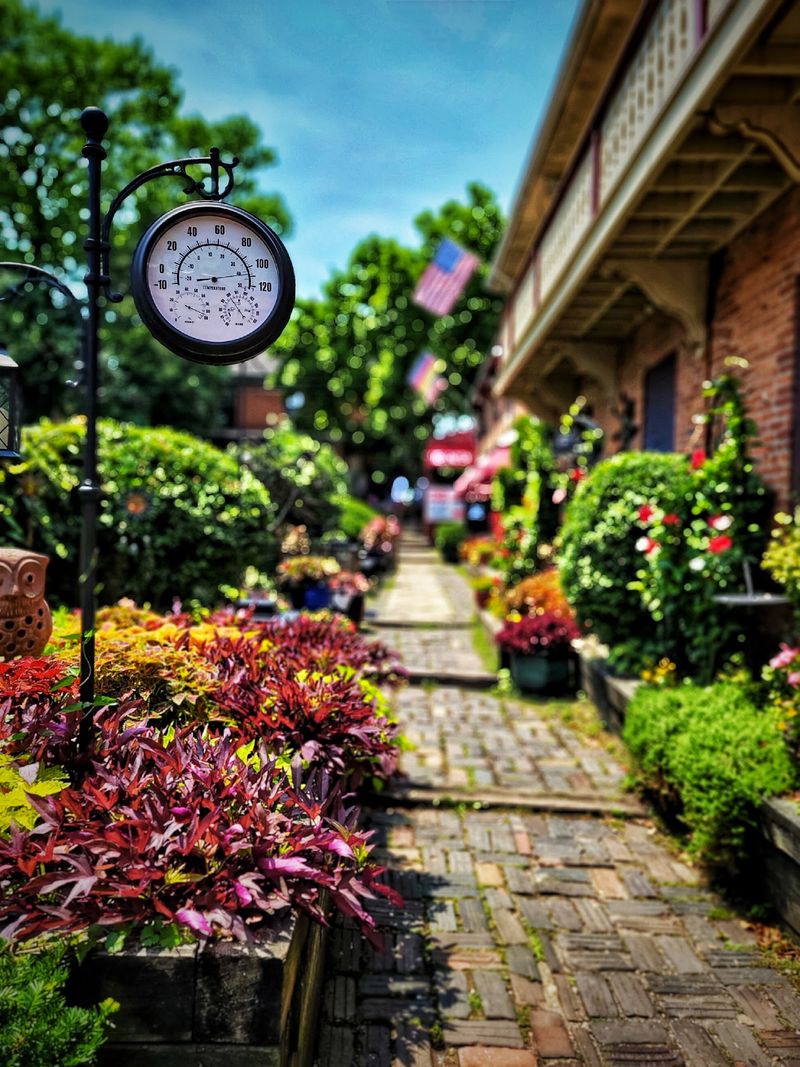
Big stores are not what make German Village special. The neighborhood shines through its smaller shops, where windows, signs, and displays invite people to slow down and look around.
You can find places selling handmade jewelry, sweets, gifts, and other thoughtful items that feel connected to the area. Because the businesses sit among historic buildings, shopping here feels more like exploring a village street than running errands in a city.
One smart tip is to leave room in your schedule for unplanned stops. A store that seems tiny from outside may hold the item you remember most from the day, whether that is a piece of art, a bag of fudge, or a locally made keepsake.
Shop owners and workers often help shape the welcoming mood, so a quick visit can turn into a nice conversation. German Village does not rush you, and its stores reflect that.
The slower pace makes each purchase feel more personal and much more fun.
6. German Pubs Keep the Heritage on the Table
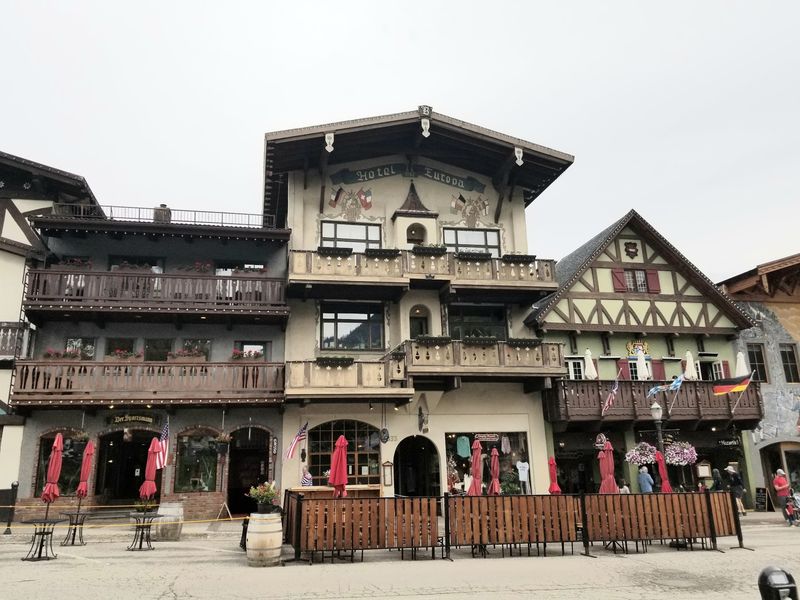
Nothing connects visitors to a neighborhood’s roots quite like food. In German Village, traditional pubs help keep the area’s German heritage easy to taste, share, and remember.
Stepping inside one of these spots often means warm lighting, wood details, and a menu that feels comforting rather than fancy. Sausages, schnitzel, potato dishes, and hearty sides remind people that this neighborhood was shaped by immigrants who brought their customs with them.
Try going hungry and taking your time. A full meal works better than a quick snack here because the experience is part of the appeal, from the setting to the flavors to the sense of history around you.
If your group likes to share, ordering a few classic dishes can make the meal more fun and help everyone sample something new. Eating in German Village is not only about filling up.
It helps explain why the neighborhood still feels true to its past while staying welcoming to modern visitors and locals alike.
7. Coffee Shops and Bistros Keep It Current
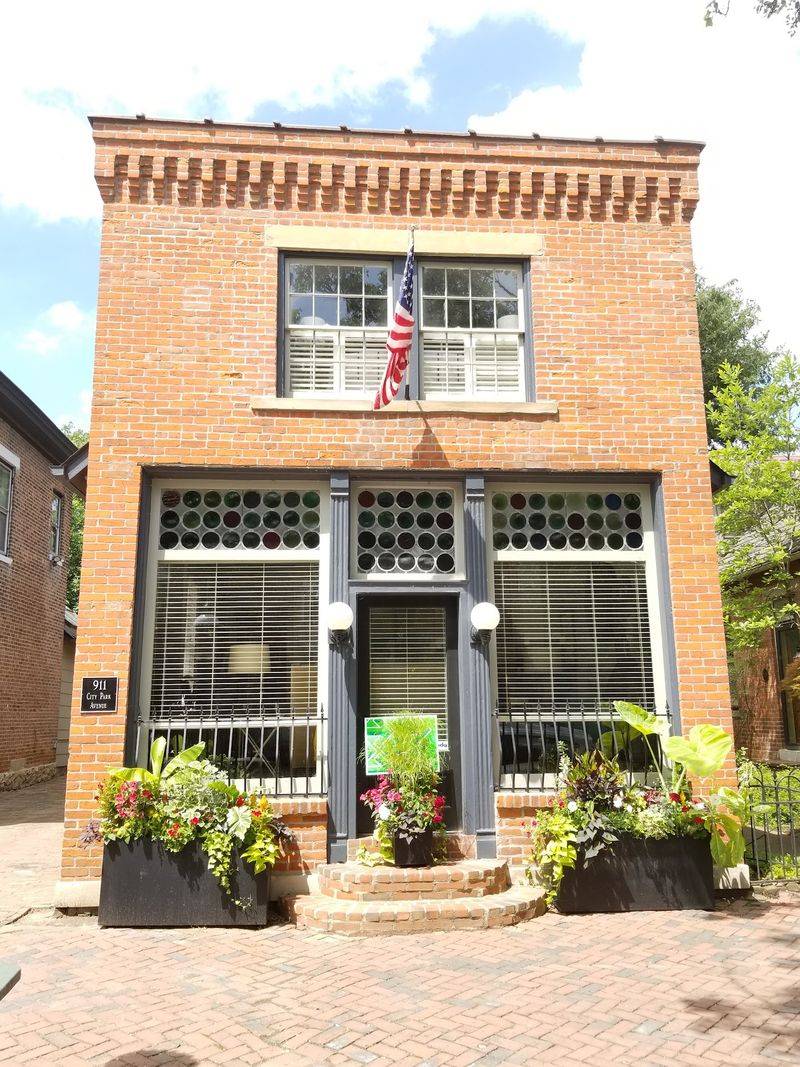
History gives German Village its backbone, but fresh energy keeps it lively. Coffee shops and bistros show how the neighborhood honors the past without feeling stuck in it.
On one block, you might pass a traditional-looking brick building and then step inside for a carefully made latte or a modern lunch. That mix is part of the magic, because it lets old architecture and current tastes live side by side without clashing.
For visitors, these spots are useful rest stops between walks, shopping, and sightseeing. A coffee break can warm up a chilly day, while an outdoor table on a nice afternoon lets you soak in the street scene at a slower pace.
If you are planning your visit, consider arriving hungry but not rushed so you can mix meals, snacks, and wandering throughout the day. German Village feels authentic not because it froze in time, but because it grew carefully.
The newer businesses fit the neighborhood instead of overpowering it.
8. Immigrant History Still Shapes Every Block
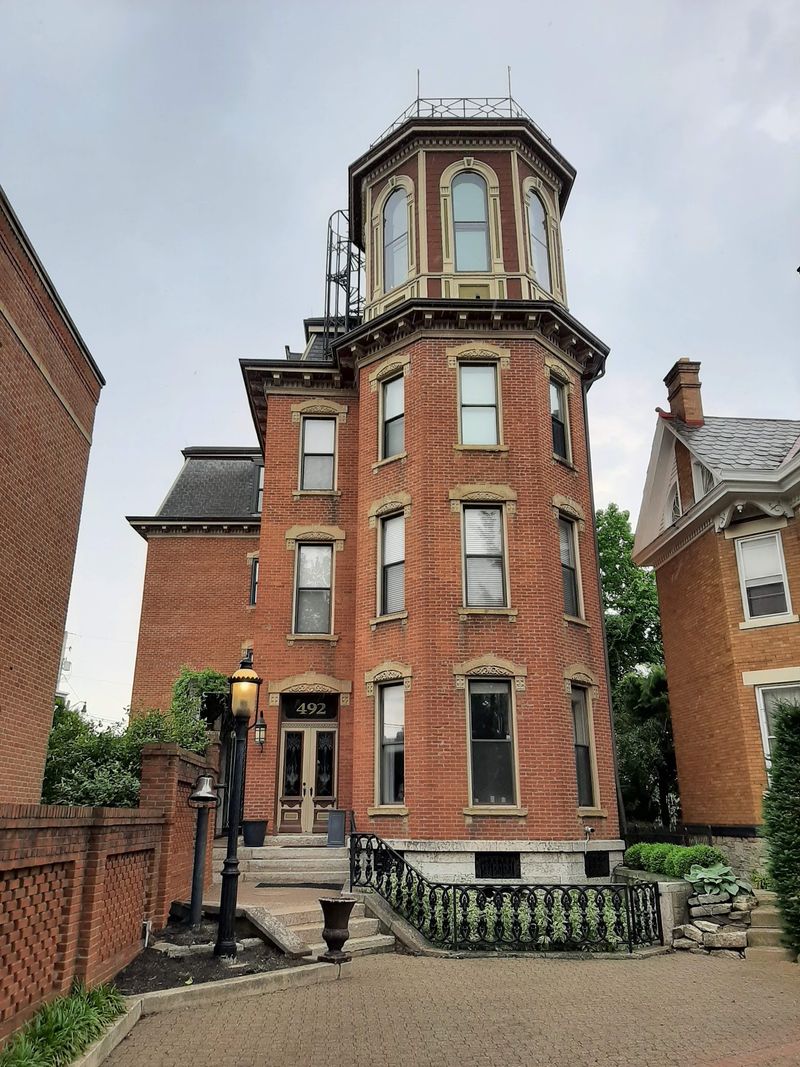
Long before it became a favorite Columbus destination, German Village was built by immigrants looking for a place to belong. Their influence still shows up in the street layout, building style, and strong sense of neighborhood identity.
That history matters because it explains why the area feels different from nearby parts of the city. The village was not designed to imitate Europe for tourists.
It grew from real families, real work, and the daily habits of people who carried pieces of Germany with them.
Learning a little background before you visit can make the whole experience richer. Street names, architecture, and local traditions start to feel less random and more like clues in a living story.
If you enjoy history, take time to read markers or look up the neighborhood’s preservation efforts after your walk. German Village feels authentic because it is authentic.
What visitors notice today is the result of generations caring enough to protect a place that could easily have been lost.
9. Summer Theater Makes the Village Feel Magical
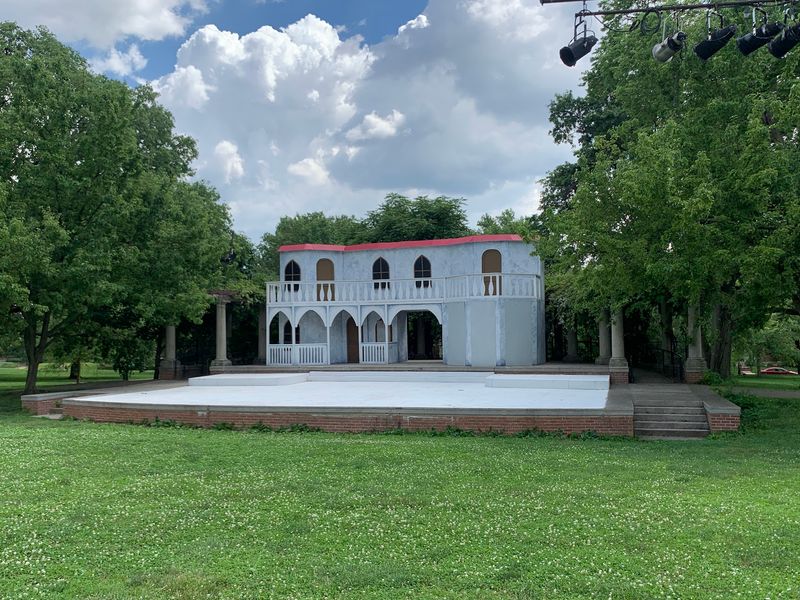
When summer arrives, German Village gains an extra layer of charm after sunset. Outdoor theater in Schiller Park gives the neighborhood a lively, old-fashioned feeling that many visitors do not expect to find in the middle of a city.
Actors’ Theatre Columbus is known for presenting Shakespeare and other plays outside, where trees, grass, and evening air become part of the setting. Watching a performance here can feel both casual and special, like a community tradition that welcomes everyone.
If you plan to go, bring a blanket or lawn chair and arrive early for a comfortable spot. You may also want bug spray, water, and a light layer for cooler nights.
Even people who are not huge theater fans often enjoy the atmosphere because the experience is as much about place as performance. Few things capture German Village better than neighbors and visitors gathering in a historic park for art under the open sky.
It feels memorable, local, and wonderfully sincere.
10. A Walk Here Feels Like a European Getaway
Sometimes a place feels special before you even name the reason. In German Village, that feeling comes from how everything works together, the streets, homes, shops, food, and pace of life.
Nothing seems oversized or rushed. Instead, the neighborhood invites people to wander, notice details, and enjoy simple moments like window shopping, park benches, and the sound of footsteps on brick.
That calm, connected layout is a big reason visitors say it barely feels like America.
The best advice is wonderfully simple: do not overplan. Pick a few anchor stops, then leave space to roam because the neighborhood is most impressive when you experience it slowly.
Walk side streets, look down alleys, and pause when something catches your eye. You do not need a packed itinerary to appreciate German Village.
Its charm comes through naturally, one block at a time. By the end of a visit, many people realize the magic is not one single attraction.
It is the whole atmosphere working together.
Share this story