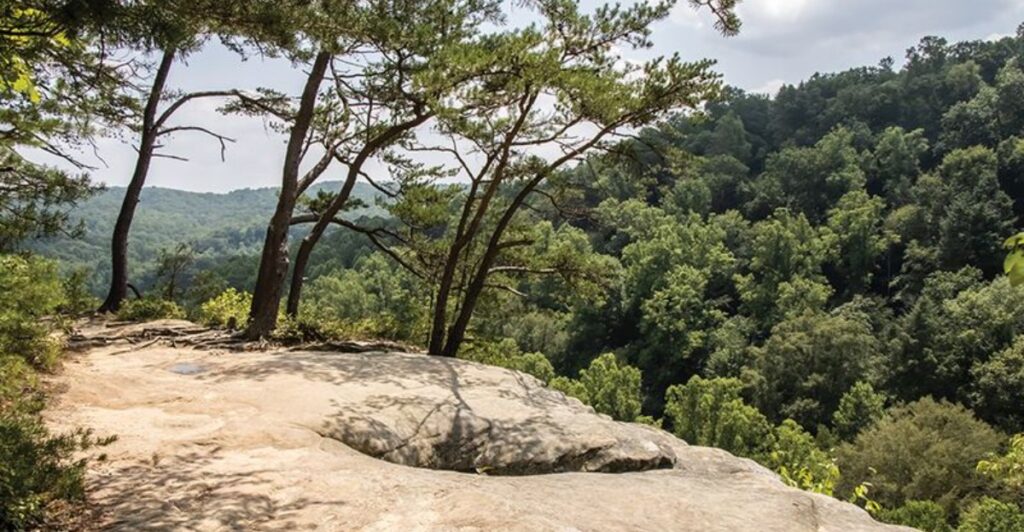
Ohio might be known for its flat farmland and busy cities, but tucked away in its southeastern and northeastern corners are some of the most jaw-dropping gorges and cliffside trails in the entire Midwest. When fall arrives and the leaves start turning shades of orange, red, and gold, these natural wonders transform into something truly magical.
Sandstone cliffs rise above misty hollows, hemlocks line narrow paths, and waterfalls trickle through ancient rock formations carved over thousands of years. Whether you are a seasoned hiker or just looking for a memorable weekend adventure, Ohio has a trail that will leave you speechless.
The state is home to a surprising variety of landscapes, from the deep hollows of Hocking Hills to the rocky ledges of Cuyahoga Valley National Park and the rugged ridges of the Edge of Appalachia. Each trail on this list offers something different, whether it is a dramatic overlook, a hidden cave, or a peaceful creek winding through a forested gorge.
Fall is widely considered the best season to explore these trails because cooler temperatures make hiking more comfortable, crowds tend to thin out compared to summer, and the foliage puts on a show that no photograph can fully capture. Lace up your boots, pack some water and snacks, and get ready to discover a side of Ohio that most people never even knew existed.
These twelve gorge and cliffside trails are waiting to be explored, and autumn is the perfect time to go.
1. Old Man’s Cave Gorge Trail, Hocking Hills State Park
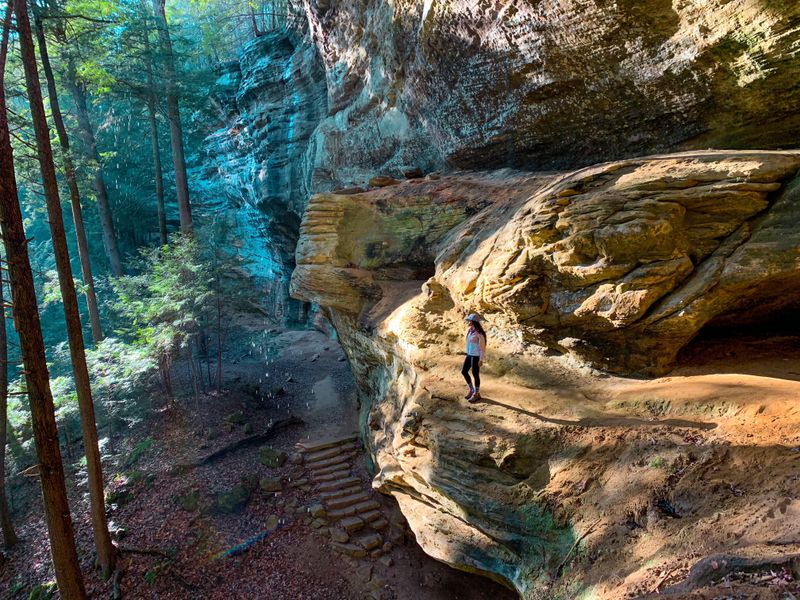
Few places in Ohio stop hikers in their tracks quite like this one. Old Man’s Cave Gorge Trail is the crown jewel of Hocking Hills State Park, and for good reason.
The trail winds through a dramatic gorge carved by Queer Creek, passing towering sandstone cliffs, natural bridges, and multiple waterfalls that seem almost too beautiful to be real.
The trail gets its name from a hermit named Richard Rowe, who reportedly lived inside the large cave recess in the 1800s. That backstory alone makes the hike feel like stepping into a legend.
The main gorge trail stretches about 1.5 miles one way, and the terrain is moderate, with some stairs and uneven footing that keep things interesting without being overwhelming for most hikers.
In fall, the hemlock-lined walls of the gorge create a stunning contrast with the golden and orange canopy overhead. The lower gorge area, where the cave recess sits, stays cool and shaded even on warmer autumn afternoons, making it a refreshing escape.
Arriving early on weekday mornings helps you avoid the crowds that tend to gather on fall weekends.
The trailhead parking lot fills up fast, especially in October, so planning ahead is smart. Wear sturdy shoes with good grip because the sandstone can get slippery near the waterfalls and creek crossings.
There are paved sections near the main cave recess that are accessible to most visitors, but venturing deeper into the gorge requires more careful footing.
Hocking Hills State Park offers restrooms, picnic areas, and a nature center nearby, making this an easy full-day outing. Combining this trail with the Cedar Falls connector adds extra mileage and even more scenic rewards for those who want a longer adventure.
2. Conkles Hollow Rim Trail, Conkles Hollow State Nature Preserve
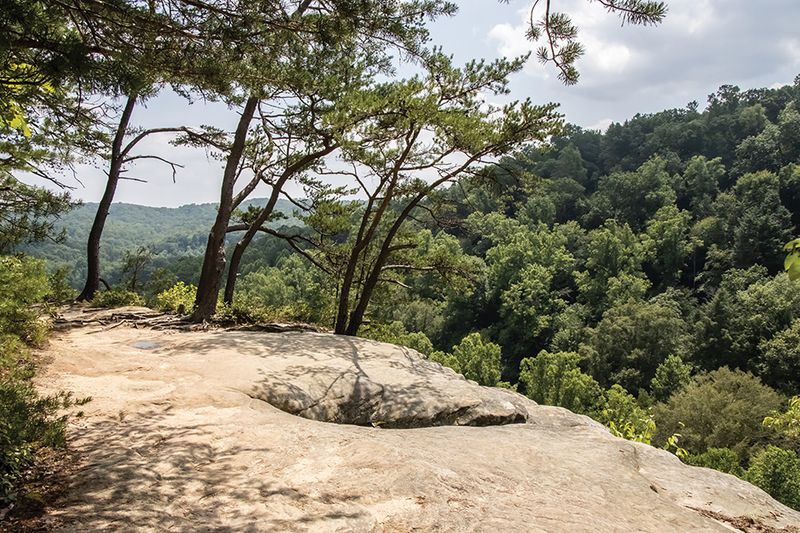
Standing on the rim of Conkles Hollow and looking down into one of the deepest gorges in Ohio is the kind of moment that makes you forget to breathe. The Rim Trail at Conkles Hollow State Nature Preserve loops along the top of sheer sandstone cliffs that drop nearly 200 feet to the gorge floor below.
It is not a trail for people who get nervous near edges, but for those who love dramatic views, it is absolutely unforgettable.
The loop is about 2.5 miles long and is rated more challenging than most trails in the area. The path narrows significantly in spots, and some sections require careful footwork along exposed cliff edges.
Fall colors make every step worth the effort, as the canopy of maples and oaks turns the gorge into a patchwork of red, orange, and yellow.
Down below, the Gorge Trail follows the floor of the hollow along a small stream, offering a completely different perspective of the same landscape. Many hikers choose to do both trails on the same visit to fully appreciate the scale of this natural wonder.
The contrast between the cool, mossy gorge floor and the open, breezy rim is striking.
Conkles Hollow is a state nature preserve, which means the rules are stricter than at a regular park. Pets are not allowed, and visitors are asked to stay on the marked trails to protect the fragile plant communities that thrive on and around the cliffs.
Rare species of ferns and mosses cling to the sandstone walls, and the preserve takes their protection seriously.
Parking is limited and fills quickly on fall weekends, so arriving before 9 a.m. is strongly recommended. Bring plenty of water and take your time on the rim sections.
3. Cantwell Cliffs Gorge And Rim Trails, Hocking Hills State Park
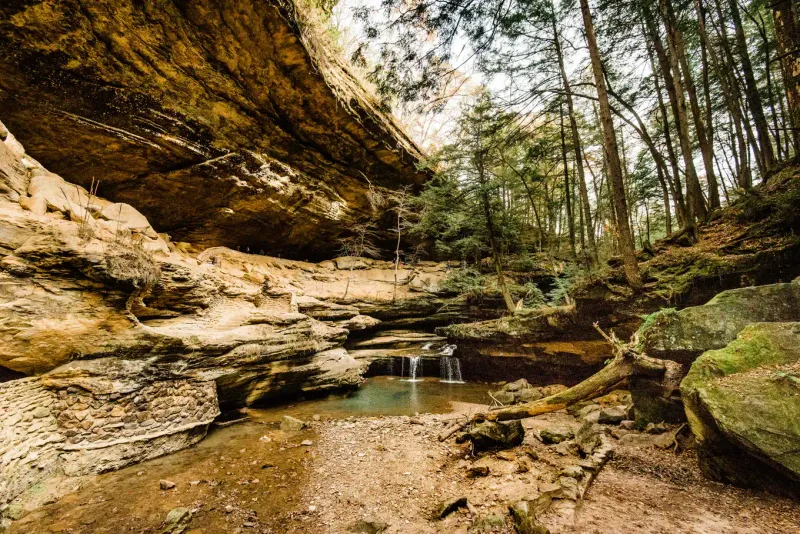
Cantwell Cliffs is the kind of place that rewards hikers who are willing to go a little off the beaten path. Located in the northern section of Hocking Hills State Park, it sees far fewer visitors than Old Man’s Cave or Cedar Falls, which means you are much more likely to have the gorge to yourself on a fall morning.
That sense of solitude makes the experience feel even more special.
The trail system here includes both a gorge trail and a rim trail, and together they form a loop of about 2 miles. The gorge trail passes through a narrow slot canyon where the sandstone walls close in so tightly that hikers sometimes have to turn sideways to squeeze through.
This section, known as the Fat Woman’s Squeeze, is one of the most memorable moments on any trail in Ohio.
Above the gorge, the rim trail offers wide views of the surrounding forest canopy, which explodes with color during peak fall season. The contrast between the shadowy gorge below and the sunlit ridgeline above gives the hike a dramatic quality that photographers absolutely love.
Early morning light filtering through the trees along the rim is worth setting an alarm for.
The trail is rated moderate to difficult due to some steep sections and uneven terrain. Hiking poles can be helpful on the descent back into the gorge, especially if the ground is wet from recent rain.
Waterproof boots are a smart choice in autumn when fallen leaves can hide slippery roots and rocks.
Cantwell Cliffs has a small parking area and basic facilities. Because it is less visited, it offers a quieter, more peaceful experience compared to the busier Hocking Hills destinations, making it a hidden gem worth seeking out this fall.
4. Rock House Loop, Hocking Hills State Park
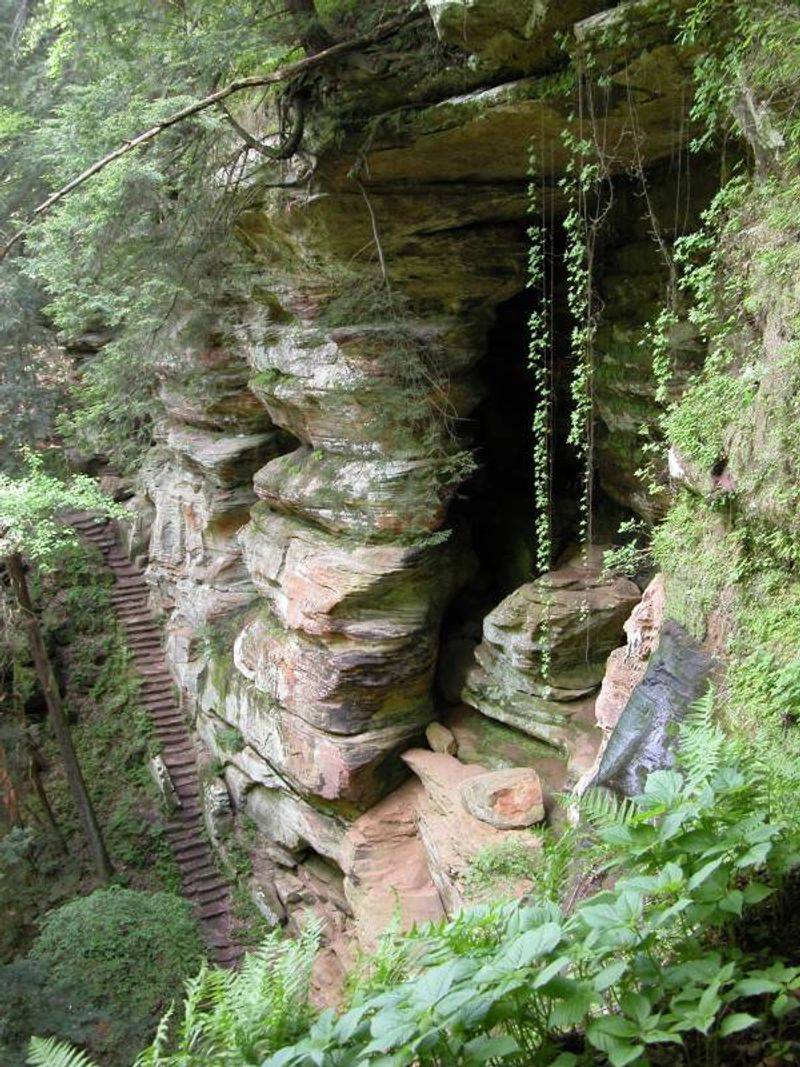
Imagine walking through a natural tunnel carved directly into the side of a sandstone cliff, with arched windows framing views of a forested hillside painted in autumn gold. That is exactly what Rock House offers, and there is truly nothing else like it in Ohio.
Unlike most caves in Hocking Hills that are open recesses, Rock House is a genuine tunnel-like cave with a flat floor and a ceiling tall enough to walk through comfortably.
The loop trail is short, just under a mile, which makes it accessible to hikers of almost any fitness level. The path climbs up to the cave entrance through a mix of hardwood forest and hemlock groves, and the payoff at the top is immediate and spectacular.
Inside the cave, seven large window-like openings look out over the valley below, creating natural frames for some of the most photogenic fall scenery in the state.
Historically, Rock House has been used as a shelter by Native Americans, outlaws, and even bootleggers during Prohibition. That layered human history adds an extra dimension to the visit beyond just the stunning geology.
Standing inside the cave and looking out through those ancient stone windows, it is easy to imagine all the people who have stood in that same spot over the centuries.
The trail is paved in sections near the cave and involves a moderate climb. Handrails are in place along the steeper parts, which makes the hike manageable for older adults and older children.
Fall weekends can get busy, but the short loop means foot traffic moves quickly through the site.
Combine a visit to Rock House with nearby Ash Cave or Cedar Falls to make a full day of exploring the best of Hocking Hills this autumn season.
5. Hemlock Bridge And Whispering Cave Trail, Hocking Hills State Park
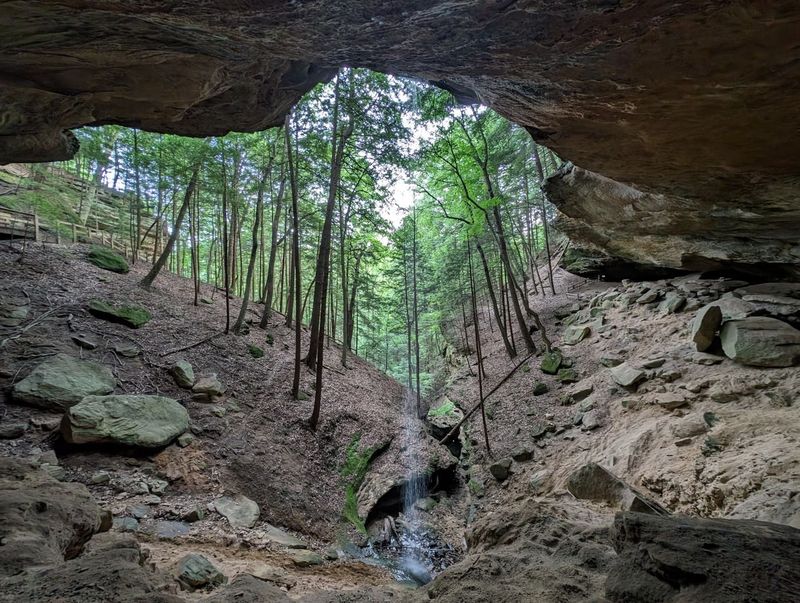
Not every great Hocking Hills trail makes the headline lists, and that works out well for hikers who prefer a quieter experience. The Hemlock Bridge and Whispering Cave area sits in a lesser-visited part of the park, offering a peaceful walk through old-growth hemlock groves, past a graceful natural bridge, and up to the atmospheric Whispering Cave recess.
The combination of these features in one loop makes it one of the most varied short hikes in the region.
Whispering Cave is a long, shallow recess carved into the cliff face, and it earns its name from the way sound echoes and travels along its curved walls. Standing at one end of the cave and whispering toward the other end creates an eerie, fascinating acoustic effect that delights hikers of all ages.
In fall, the cave is framed by the warm colors of the surrounding hardwood forest, making it an exceptional photo stop.
The hemlock bridge is a naturally formed sandstone arch that spans a small hollow nearby. It is smaller than some of the more famous natural bridges in the area, but its setting among ancient hemlocks gives it a quiet, almost mystical character.
Morning mist often lingers in the hollow during cool fall mornings, adding to the atmosphere.
The trail is generally easy to moderate, with a total length of around 1 to 1.5 miles depending on the route taken. Families with younger children will find it manageable, though the terrain near the cave recess includes some uneven rock surfaces.
Bringing a light jacket is wise, as the hemlock-shaded sections of the trail stay noticeably cooler than open areas.
This trail pairs beautifully with a visit to nearby Ash Cave, which is just a short drive away and features one of the largest cave recesses in the eastern United States.
6. Clifton Gorge Trails, Clifton Gorge State Nature Preserve
While most of Ohio’s famous gorges are carved from sandstone, Clifton Gorge tells a completely different geological story. Here, the Little Miami River has cut a dramatic gorge through ancient dolomite and limestone, creating sheer walls, churning rapids, and a trail experience unlike anything else in the state.
The geology alone makes Clifton Gorge worth a special trip, but the fall scenery pushes it into must-visit territory.
The gorge is located near Yellow Springs in southwestern Ohio, a charming little town that pairs perfectly with a post-hike visit for food and local shopping. The trail network at Clifton Gorge State Nature Preserve includes several overlooks perched above the rushing river, offering dizzying views down into the narrow canyon below.
The sound of the water echoing off the limestone walls adds a sensory element that makes the hike feel immersive and alive.
The preserve connects to John Bryan State Park next door, where additional trails extend the hiking options significantly. Together, the two areas offer several miles of well-maintained paths through gorge terrain, open meadows, and dense forest.
Fall is an excellent time to explore both, as the hardwood canopy along the gorge turns brilliant shades of red and orange that reflect beautifully off the river surface.
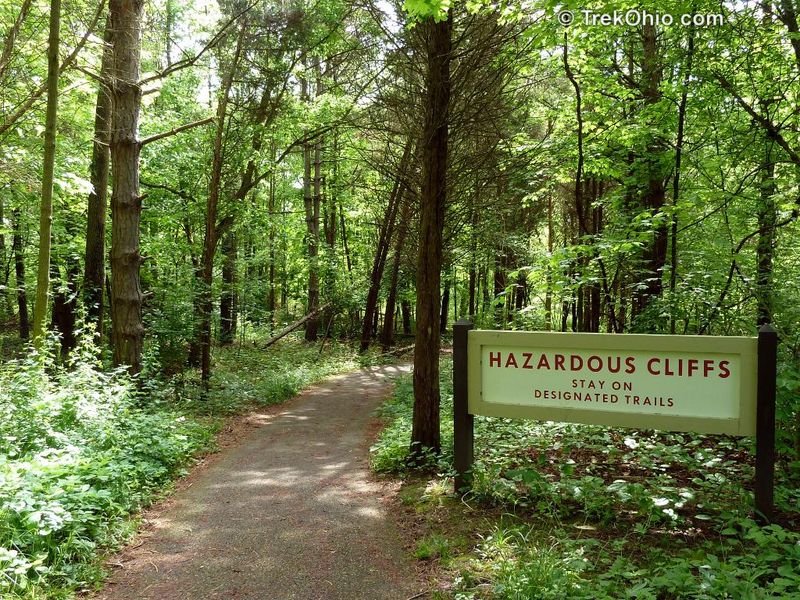
The trail terrain is moderate, with some rocky and uneven sections near the gorge edge. Proper footwear is essential, and staying on marked trails is especially important here because the preserve protects several rare plant species.
Pets are not permitted within the nature preserve boundaries, though they are welcome on the John Bryan State Park trails next door.
Parking is available at multiple trailheads, and the area is well-signed. Plan to spend at least two hours exploring both the gorge trails and the river overlooks for the full experience.
7. Ledges Trail, Cuyahoga Valley National Park
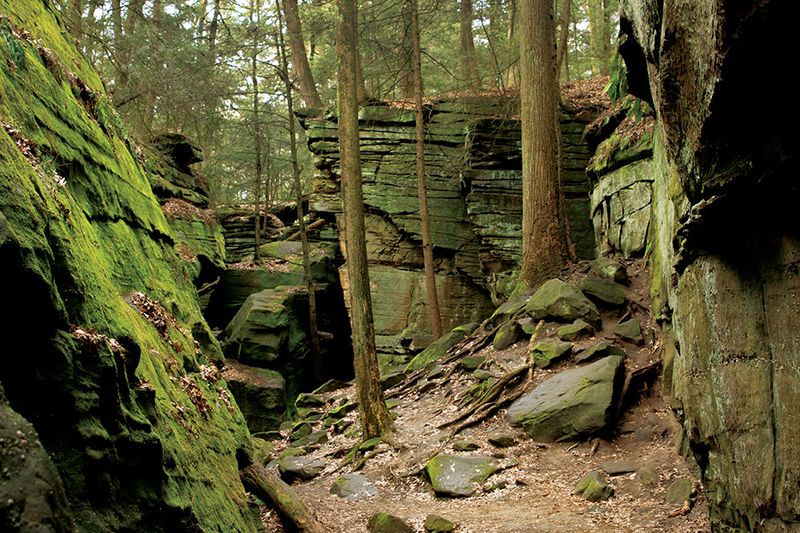
There is something almost prehistoric about walking through the Ledges area of Cuyahoga Valley National Park. Massive outcroppings of Sharon conglomerate rock jut out from the hillside like ancient fortifications, and the trail winds through a landscape that feels more like the wilderness of Pennsylvania or West Virginia than suburban northeast Ohio.
When fall color peaks in October, the contrast between the gray rock and the blazing foliage is simply stunning.
The Ledges Trail itself is a loop of about 2.2 miles that circles through the rock formations and past several dramatic overlooks. The best of these overlooks sits at the top of the ledges and offers a sweeping view across the forested valley below, with the tree canopy stretching out in every direction.
On a clear fall day, the view from the top is one of the finest in the entire national park.
One of the most interesting features of the trail is the Ice Box Cave, a narrow rock shelter tucked between two massive boulders where cold air seeps out even during warm weather. In autumn, stepping into the Ice Box after a brisk hike creates a jarring but memorable temperature contrast.
It is a favorite stop for curious hikers and a great spot to cool down before continuing the loop.
The trail is rated moderate and is well-maintained throughout the year. The rocky terrain near the ledges requires careful footing, especially when leaves cover the path in autumn and obscure the uneven surfaces below.
Trekking poles are helpful on the steeper sections near the overlook.
Cuyahoga Valley National Park is one of the most visited national parks in the country, so weekday hikes are recommended for a more peaceful experience. The nearby Brandywine Falls and the Ohio and Erie Canal Towpath Trail are worth adding to a full day of exploration.
8. Brandywine Gorge Loop, Cuyahoga Valley National Park
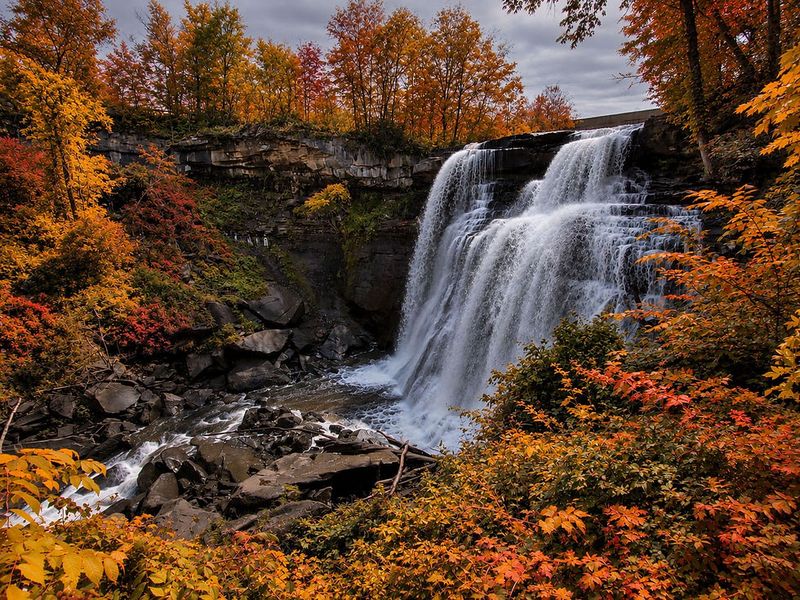
Brandywine Falls is one of the most photographed spots in all of Ohio, and the gorge loop that surrounds it is one of the most satisfying short hikes in the state. The falls drop 65 feet over a ledge of Sharon conglomerate into a rocky gorge below, and the surrounding forest frames the scene in a way that looks almost painted during peak autumn color.
It is the kind of place that makes non-hikers reconsider their stance on spending time outdoors.
The Brandywine Gorge Loop is about 1.5 miles long and rated easy to moderate, making it a great option for hikers of all experience levels. The trail passes through hemlock and hardwood forest, crosses a boardwalk above the gorge, and offers multiple angles of the waterfall from both above and below.
The lower viewing platform near the base of the falls is the most dramatic vantage point and worth the extra steps to reach it.
In October, the combination of the rushing water, the golden and red canopy, and the mossy gorge walls creates a sensory experience that is hard to match anywhere else in the Midwest. Morning light hits the falls at a particularly beautiful angle, which is why photographers often arrive at sunrise to get the best shots before the trail fills with other visitors.
Parking at the Brandywine Falls lot fills up extremely fast on fall weekends, sometimes by 8 a.m. Overflow parking is available nearby, and the park service sometimes runs shuttle options during peak season.
Checking the national park website before visiting can save a lot of frustration.
The trail surface is a mix of boardwalk, packed gravel, and natural terrain. The boardwalk sections near the falls can get slippery in wet conditions, so grip-soled shoes are a smart choice for any fall visit to this spectacular spot.
9. Blackhand Trail, Blackhand Gorge State Nature Preserve
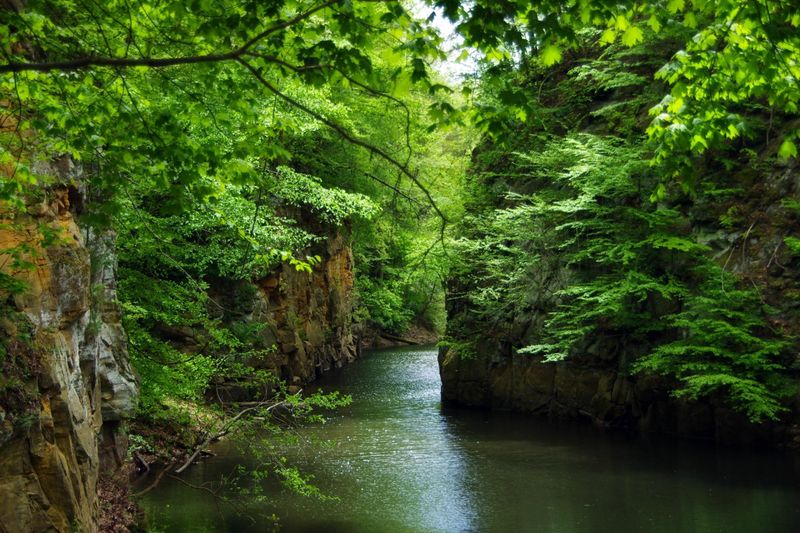
Named after a large hand-shaped petroglyph that once marked the site before it was destroyed during canal construction in the 1800s, Blackhand Gorge carries a quiet sense of history with every step. The Licking River cuts through a dramatic sandstone gorge here, and the trail that follows it is one of the most accessible gorge hikes in central Ohio.
Unlike many of the more rugged trails on this list, the main Blackhand Trail is wide, relatively flat, and open to cyclists as well as hikers.
The preserve sits near Newark in Licking County, making it a convenient destination for Columbus-area residents looking for a quick fall escape. The trail stretches about 4.5 miles one way along the gorge, passing towering sandstone cliffs, forested slopes, and quiet stretches of river where great blue herons are often spotted wading near the banks.
Fall brings a rich tapestry of color to the hillsides above the gorge, reflecting off the calm sections of the Licking River in a way that feels almost mirror-like.
Several side trails branch off from the main path and lead up to higher ground with better views of the gorge and surrounding forest. The Chestnut Trail and the Oak Knob Trail are worth exploring for hikers who want a bit more elevation and challenge.
These side paths are narrower and more rugged than the main trail, offering a contrast to the leisurely feel of the riverside route.
Because the main trail is paved in sections and relatively flat, it is a popular choice for families with strollers and older adults who want to enjoy fall scenery without too much physical challenge. Parking is available at multiple trailheads along the preserve.
Blackhand Gorge is a nature preserve, so pets must be kept on leashes, and collecting rocks, plants, or any natural materials is not permitted. Plan for a 2-3 hour visit to cover the main gorge trail comfortably.
10. Buzzardroost Rock Trail, Edge Of Appalachia Preserve
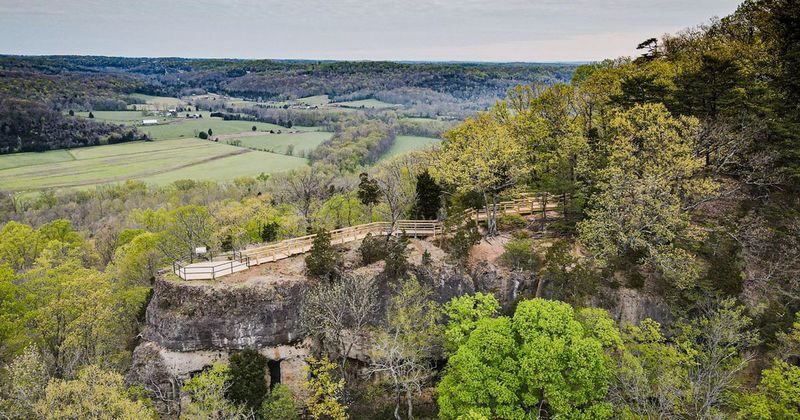
For a view that will genuinely take your breath away, few places in Ohio can compete with the summit of Buzzardroost Rock. The Edge of Appalachia Preserve in Adams County is one of Ohio’s most ecologically rich landscapes, and the trail to Buzzardroost Rock is its crown achievement.
The hike climbs through cedar glades, limestone outcroppings, and mixed hardwood forest before arriving at a dramatic cliff-top overlook that surveys the Appalachian foothills stretching south toward Kentucky.
The trail is about 3 miles round trip and is rated moderate to strenuous due to a significant elevation gain over a relatively short distance. The final push to the summit is steep and rocky, but the panoramic view from the top rewards every bit of effort.
In autumn, the forested ridges visible from Buzzardroost Rock turn into a rolling sea of color that extends as far as the eye can see on a clear day.
What makes this preserve especially interesting is its remarkable biodiversity. The Edge of Appalachia is one of the most botanically diverse areas in all of Ohio, home to rare prairie plants, cedar barrens, and species more commonly found much farther south.
Hiking here in fall means you might spot plants and birds that are simply not found anywhere else in the state.
The preserve is managed by the Cincinnati Museum Center and The Nature Conservancy, and access to some areas requires a permit or guided tour. The Buzzardroost Rock Trail is open to the public, but visitors should check current access guidelines before heading out.
The nearest town is West Union, which has basic services and a few local dining options.
Wear sturdy hiking boots, bring plenty of water, and plan for a half-day outing. The drive through Adams County’s scenic backroads is itself a worthwhile part of the fall experience.
11. Jacob’s Ladder Trail, Christmas Rocks State Nature Preserve
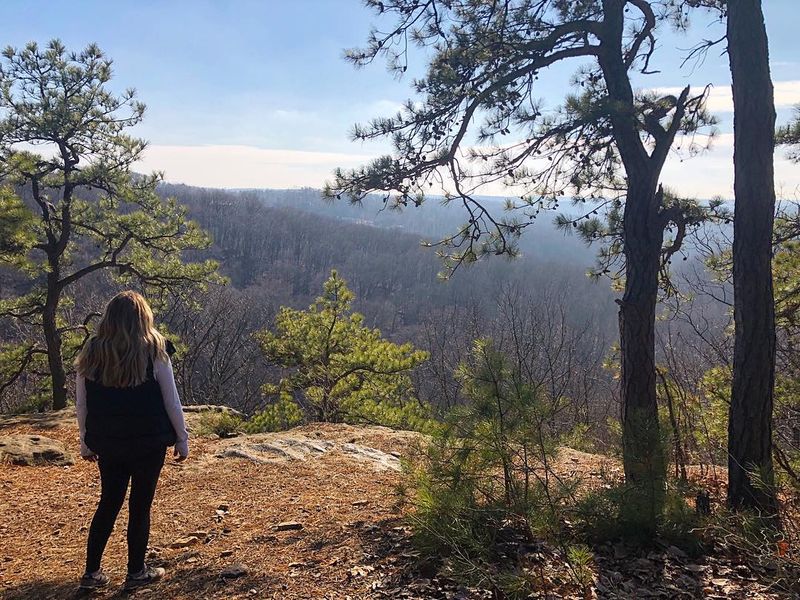
Hidden away in Fairfield County, Christmas Rocks State Nature Preserve is one of those places that feels like a well-kept secret shared only among serious Ohio hikers. The preserve takes its name from the unusual sandstone conglomerate rock formations scattered across the landscape, and Jacob’s Ladder Trail is the most challenging and rewarding way to explore them.
The trail earns its dramatic name with a steep, rocky climb that demands effort but delivers a landscape unlike almost anything else in central Ohio.
The trail is relatively short, around 1.5 miles, but the terrain is rugged enough to make it feel much longer. Large boulders, exposed roots, and uneven sandstone surfaces characterize much of the path, requiring hikers to pay close attention to where they are stepping.
In fall, a carpet of colorful leaves adds to the challenge by hiding the most treacherous footing spots, so taking it slow is genuinely wise advice here.
At the top of the climb, hikers are rewarded with views through the canopy of surrounding hardwood forest, and the rock formations themselves provide fascinating foreground interest for fall photography. The preserve protects several rare plant communities that thrive in the thin, acidic soils around the sandstone outcroppings.
Seeing these unusual habitats in their autumn state is a treat for nature enthusiasts.
Because Christmas Rocks is a state nature preserve, the rules are strict: no pets, no bikes, and no collecting of any natural materials. The preserve sees relatively light visitor traffic compared to more famous Ohio natural areas, which makes it a genuinely peaceful place to spend a fall afternoon.
Parking is limited to a small gravel lot at the trailhead.
This trail is best suited for experienced hikers comfortable with rough terrain. Combining it with a visit to nearby Rockbridge State Nature Preserve makes for a full day of exploring Fairfield County’s hidden natural wonders.
12. Hemlock Trail, Clear Creek Metro Park
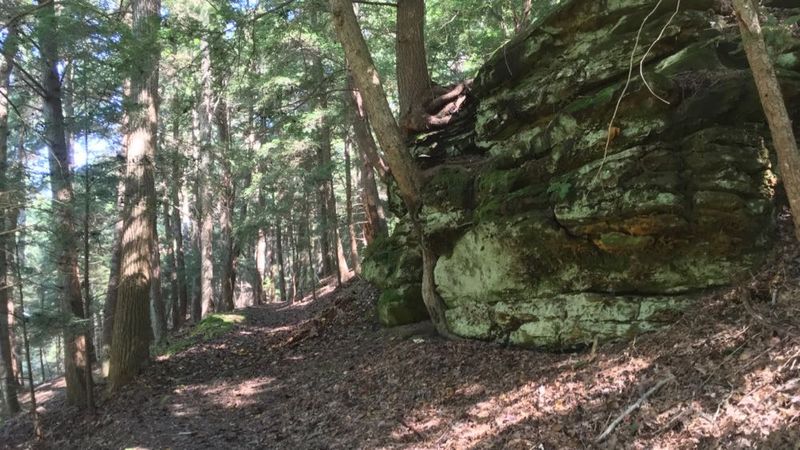
Some trails earn their reputation through dramatic cliffs and sweeping overlooks. The Hemlock Trail at Clear Creek Metro Park earns its reputation through atmosphere, and that atmosphere is something you feel the moment you step beneath the canopy of ancient hemlocks that line the gorge.
Clear Creek itself is one of the most biologically diverse streams in Ohio, and the trail that follows its gorge offers a hiking experience that is as peaceful as it is beautiful.
The Hemlock Trail stretches about 2.5 miles along the south rim of the Clear Creek gorge, passing through stands of old-growth eastern hemlock that create a cathedral-like feeling overhead. The hemlocks stay green year-round, so even as the surrounding hardwoods burst into fall color, the trail retains a lush, green quality that contrasts beautifully with the autumn palette.
The combination of green hemlock boughs and golden maple leaves is one of the most photogenic scenes in central Ohio.
Clear Creek Metro Park is managed by the Columbus and Franklin County Metro Parks system, and the Hemlock Trail is one of several routes available in the park. The terrain along the gorge rim is moderately challenging, with some rocky sections and occasional steep drop-offs near the cliff edge.
Staying on the marked trail is important here, as the gorge walls can be deceptively steep in places.
Wildlife sightings are common along this trail, particularly in fall when deer, wild turkey, and various songbirds are active. The creek below the gorge supports native fish species and freshwater mussels that are rarely found elsewhere in Ohio.
Birdwatchers will appreciate the mix of resident and migratory species passing through the area during autumn migration.
Parking is available at multiple access points within the park, and trail maps are posted at each trailhead. Pack layers for your fall visit, as the hemlock-shaded gorge stays noticeably cooler than open areas even on mild autumn days.
Share this story