There is a small window when Illinois sweet corn tastes exactly the way summer should, and it is closing fast. Farm stands across the state are still filling tables with fresh ears alongside ripe tomatoes, peaches, peppers, and other late-season produce worth bringing home.
Shopping straight from a local stand adds a little adventure to the grocery run, especially when much of the harvest comes from nearby fields. A roadside stop can easily end with more bags than planned. These 8 Illinois farm stands offer one more delicious chance to enjoy the season before autumn takes over.
1. Stade’s Farm & Market (McHenry)
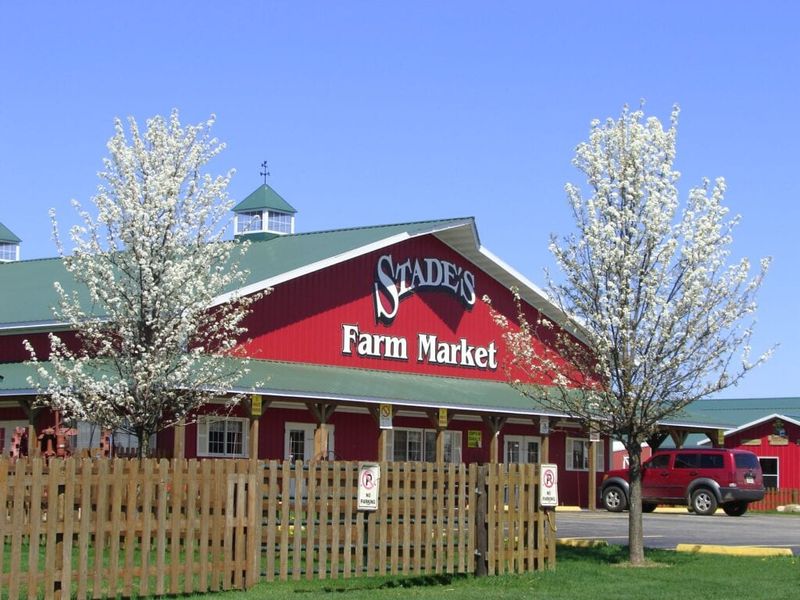
Late-season corn shoppers should keep McHenry on the map. Stade’s Farm & Market gives sweet corn serious space, with about 50 acres planted in staggered rounds so fresh ears can keep showing up through much of the season. That planting plan matters when many other stands begin to thin out.
The farm lists sweet corn from mid-July until the first frost, usually around mid-October. For anyone trying to squeeze in one more corn boil, one more backyard dinner, or one more weekend cookout, that longer window is a big advantage. Instead of gambling on a short harvest burst, visitors have a better shot at finding corn later in the season.
A stop here works best with a little flexibility. Corn quality changes with weather, heat, and picking schedules, so going earlier in the day can be smart, especially when fresh produce is moving fast. Bringing a cooler for the drive home also helps if the plan includes more than a quick purchase.
Sweet corn rarely leaves the bag alone, and that is part of the appeal. A market stop can easily turn into dinner planning, with extra produce helping round out the meal. Think grilled corn with peppers, a tomato salad on the side, or a simple tray of roasted vegetables for later in the week.
Because the harvest stretches well past peak summer, Stade’s suits both planners and procrastinators. Families can make it a larger outing, while quick-stop shoppers can swing by for a few dozen ears before heading home. When August starts slipping toward fall, a dependable corn stand is exactly the kind of place that earns a spot on the seasonal to-do list.
2. Windy Acres Farm Stand (Geneva)
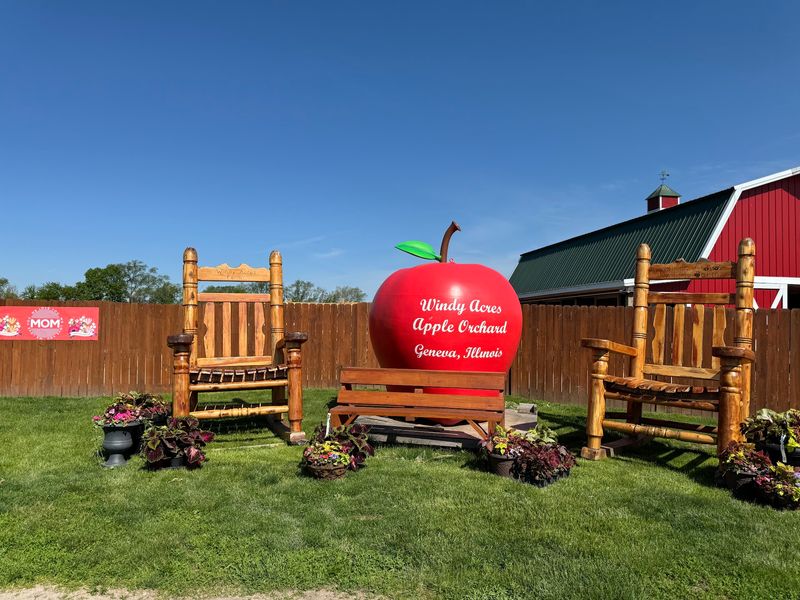
Geneva has a farm stand that makes late summer shopping easy to enjoy. Windy Acres Farm Stand carries locally grown sweet corn alongside tomatoes, cucumbers, peppers, peaches, and other seasonal produce, so one quick stop can cover a lot of ground. That mix is useful when dinner plans need more than just a stack of corn ears.
Family-run stands often shine because they stay focused on the basics: fresh produce, clear choices, and a pace that feels simple. Windy Acres fits that style well.
Corn may bring people in first, but the wider selection gives shoppers a reason to linger, compare what looks best that day, and build a full bag instead of making separate store trips.
As summer starts easing toward fall, timing gets more important. The farm remains open into autumn, which means the stand still makes sense even after the hottest weeks are gone.
That longer season can be handy for anyone trying to catch the tail end of Illinois sweet corn while also picking up produce that bridges summer and early fall cooking.
Good visits here start with a small plan. Bring reusable bags, think through meals for the next few days, and choose corn that will be cooked soon for the best sweetness and texture. Peaches and tomatoes can turn a plain weeknight into something better without much extra effort.
The stand also suits fast scanners, the kind of shoppers who want to see what is fresh and make a quick call. Some days might suggest corn on the grill.
Other days may point toward a salad, a peach crisp, or a skillet supper with peppers and onions. Windy Acres works because it gives late-season produce fans options, not just one reason to stop.
3. Mill Creek Farm (Quincy)
Some farm stands reward a little planning, and Mill Creek Farm in Quincy is one of them. The farm grows its own bi-color peaches and cream sweet corn, a variety many shoppers like for its tender bite and balanced sweetness. When harvest allows, ears are picked the same day they are sold, which is exactly the kind of detail corn fans pay attention to.
Freshness matters with sweet corn because flavor starts changing soon after picking. That is why Mill Creek’s same-day approach stands out. Instead of treating corn like a shelf product, the farm keeps the connection close between field and stand, giving buyers a better chance at taking home ears that still have that just-picked snap.
Corn picking here typically begins in early July, but daily availability can shift. The farm suggests calling ahead before making the trip, and that is practical advice, not a hassle.
A quick check can save time, confirm what is ready, and help shoppers avoid showing up on a day when the bins are lighter than expected.
That extra step also makes the visit feel a bit more intentional. Rather than grabbing corn as an afterthought, shoppers can build a meal around it. Peaches and cream corn works nicely boiled, grilled in husks, or cut off the cob for salads, chowders, and skillet dishes later in the week.
Quincy drivers chasing peak-season corn should keep this stop in mind, especially when they care about harvest timing. The best strategy is simple: call first, go soon, and cook it quickly.
Mill Creek Farm turns sweet corn shopping into a more direct field-to-table experience, and that is hard to beat when the Illinois season is moving fast.
4. Yaeger’s Farm Market (DeKalb)
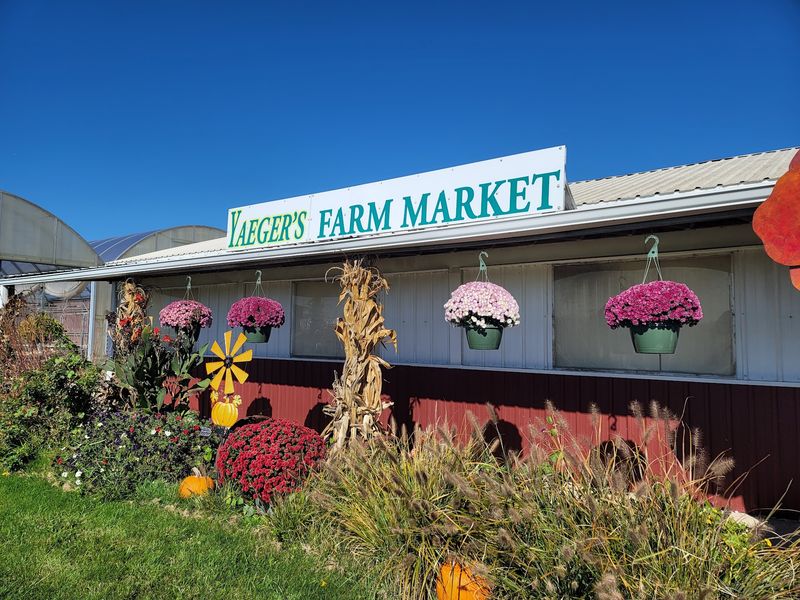
In DeKalb, sweet corn season still has a solid foothold at Yaeger’s Farm Market. The farm grows its popular bi-color sweet corn right on the family farm, along with a range of seasonal vegetables, so shoppers are not guessing where the produce started its day. That local connection is part of the appeal, especially when corn is the main target.
The produce calendar places sweet corn from mid-July through late September. That means there is still a good stretch for late-summer visits, but it also gives the season a visible finish line. Anyone who has waited too long before knows that a calendar window like this is a gentle warning to go sooner, not later.
Bi-color corn tends to be a crowd-pleaser because it balances sweetness and classic corn flavor. At a stand like Yaeger’s, that makes it easy to buy extra for different meals.
A few ears can go straight into dinner, while the rest can be grilled, chilled for salads, or cut from the cob and tucked into the freezer for later use.
The market also makes practical shopping easier by pairing corn with other vegetables in season. Picking up onions, peppers, or tomatoes at the same stop can shape an entire meal without much effort. That works especially well for busy weeks when the goal is fresh food without a complicated plan.
DeKalb shoppers looking for a clean, straightforward corn run should put this market on the list while the calendar still says yes.
Going earlier in the harvest window gives the best flexibility, but even a quick late-season stop can pay off. Yaeger’s stands out by keeping the focus where it belongs: farm-grown sweet corn, seasonal timing, and produce that fits real kitchens.
5. Flamm Orchards (Cobden)
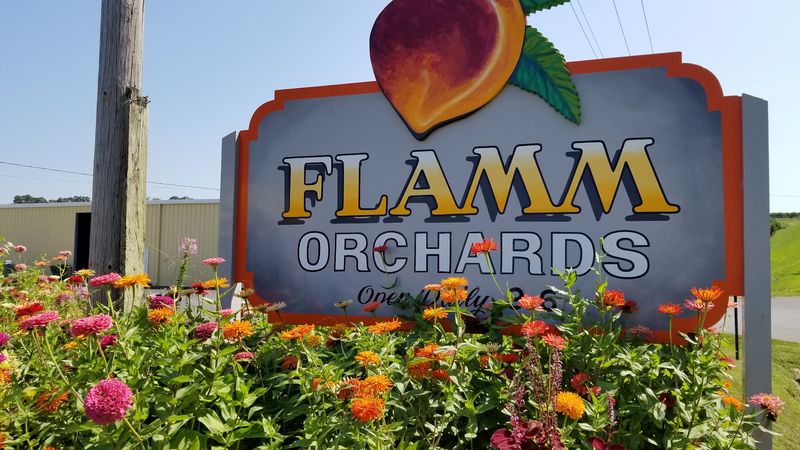
Southern Illinois brings a different kind of farm stand energy, and Flamm Orchards in Cobden shows why. This six-generation farm grows a broad mix of fruits and vegetables across a large operation, giving shoppers more than a one-note produce stop. Sweet corn fits into that lineup alongside the orchard’s better-known fruit and homemade treats.
That combination makes a visit here easy to stretch into a full seasonal haul. Corn may be the reason for the drive, yet it does not have to be the only thing leaving in the bag. When one stop can cover produce for dinner and a few extra items for dessert or snacking, the outing starts to feel efficient in the best way.
The seasonal farm store is open daily while in season, which simplifies planning. Daily hours matter for travelers, weekend road trippers, and locals who want to stop when the timing works instead of building a whole day around a narrow window. It also makes repeat visits more realistic, especially when different produce peaks at different moments.
Cobden is especially nice for shoppers who enjoy mixing savory and sweet. Fresh corn can headline supper, while orchard fruit helps with breakfast, lunch boxes, or a quick crisp later on. Homemade treats add another layer without distracting from the main draw, which is still farm-grown produce in season.
Because the operation is so produce-rich, a little restraint can help. Bringing a list, a cooler, and a rough meal plan keeps impulse buys from taking over the back seat. Even so, this is one of those stops where a few extras often make sense.
Flamm Orchards works for corn season because it offers variety, convenience, and a Southern Illinois setting that broadens the late-summer farm stand experience.
6. Wiltse’s Farm Produce (Maple Park)
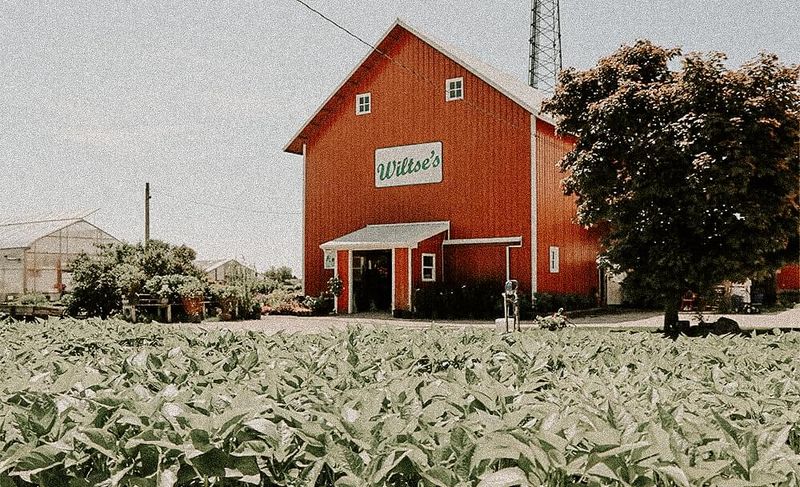
Choice is the big draw at Wiltse’s Farm Produce in Maple Park. Shoppers can pick from yellow, bi-color, and white sweet corn, which turns a simple stop into a chance to buy by taste instead of settling for whatever is left. For households with strong corn opinions, that variety can settle dinner debates fast.
The farm hand-picks sweet corn daily during the season and staggers the crop so fresh ears keep reaching the stand instead of arriving all at once.
That planting rhythm helps the stand avoid a blink-and-you-miss-it rush. It also means late-summer visitors still have a fair shot at good corn without needing perfect timing.
Different corn colors can suit different meals, and that gives Wiltse’s extra personality. Yellow corn often brings a classic look to a cookout plate, bi-color can please mixed preferences, and white corn is a favorite for people who like a softer, very sweet bite. Buying a few kinds at once can be the easiest way to learn which type disappears first at home.
Maple Park shoppers can make the most of a visit by thinking beyond the day’s dinner. Fresh corn works for grilling, boiling, roasting, and cutting off the cob for salads or corn salsa. Extra ears can also be blanched and frozen, a smart move when the season is running downhill but the freezer still has room.
There is also something helpful about a longtime family farm that keeps the process straightforward. The focus stays on produce, timing, and daily freshness rather than unnecessary fuss.
Wiltse’s earns attention because it gives corn lovers options while also using a staggered harvest to keep the stand stocked over time. When sweet corn season starts narrowing, that kind of planning becomes a real advantage.
7. Selmi’s Farm Market (Rock Falls)
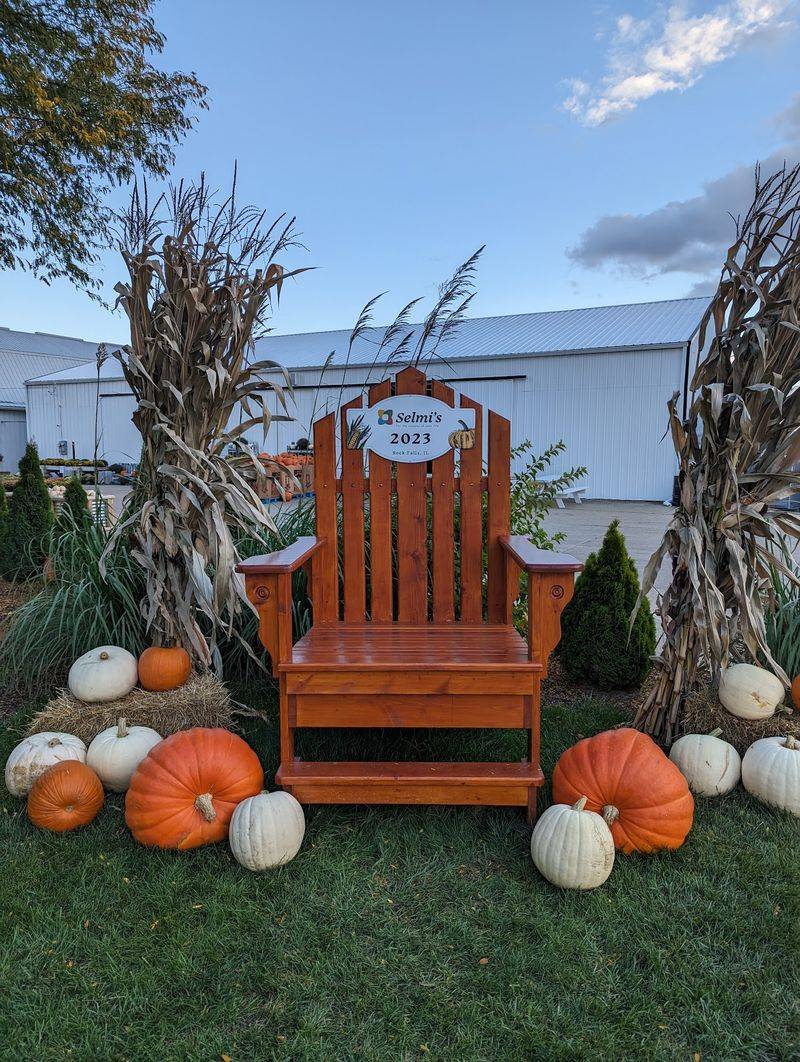
Morning matters at Selmi’s Farm Market in Rock Falls. The farm grows 35 acres of bi-color sweet corn in 10 planting cycles, and crews head out early each day to pick fresh ears for the market. That kind of steady routine gives shoppers a clear picture of why the stand has a strong corn reputation.
Ten planting cycles is a smart system because it spreads the harvest instead of forcing everything into one short burst. For buyers, that means a better chance of finding fresh corn across the season, not just at one perfect moment. It also explains why timing a visit here can still pay off even as summer starts sliding toward September.
Selmi’s sweet corn season generally runs from early or mid-July through mid-September. That window is generous, but it is not endless. Compared with some later-season stops, this is a place to visit soon while the harvest is still active and before the last stretch disappears.
Bi-color corn is a reliable all-around choice for family meals because it works just about any way. A dozen ears can become a cookout side, a quick weeknight dinner with butter and salt, or the base for a chilled corn salad. Since fresh-picked ears taste best when used quickly, planning to cook them within a day or two is the smartest move.
Rock Falls shoppers who like knowing the crop is picked that morning will appreciate the directness here. There is no need for fancy framing when the system already tells the story: many acres, multiple plantings, early crews, fresh market bins.
Selmi’s stands out by treating sweet corn as a season-long job that requires timing and labor, and that effort shows up in the final product.
8. Tom’s Farm Market (Huntley)
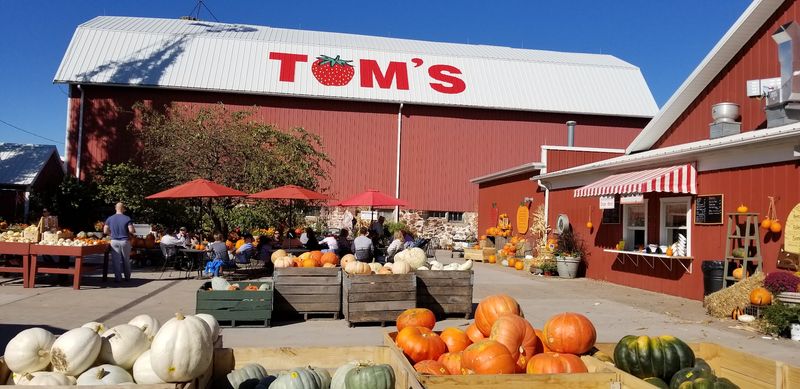
Huntley is a smart place to aim when the season starts getting late. Tom’s Farm Market grows its own sweet corn on the family farm, including bi-color corn that typically stays available from early July into early October. That long harvest window gives procrastinators a second chance and serious corn fans a reason to go back more than once.
Plenty of stands shine in peak summer, but fewer remain strong as the calendar turns. Tom’s earns attention because it stretches the season well beyond the first rush.
If August slipped by too quickly, this is the kind of place that can still help rescue plans for one more corn-heavy dinner or a final cookout before cooler weather takes over.
Bi-color corn is a practical pick for mixed households since it usually lands in the middle on sweetness and texture. That makes it easy to serve a crowd without overthinking the choice. Ears can be boiled for a simple supper, grilled for deeper flavor, or shaved into a skillet with peppers and onions for an easy side dish.
The late-season angle also helps with meal planning. Early October corn can pair nicely with the changing produce of early fall, bridging two parts of the harvest in one stop. That means shoppers do not have to treat sweet corn as a memory the second September ends.
Because availability can tighten as the season winds down, earlier visits are still wise. Even so, the longer timeline sets Tom’s apart from stands with a shorter finish. Huntley shoppers who want to load up on Illinois-grown corn before it finally disappears should keep this one near the top of the list.
A broad harvest window, family-farm roots, and homegrown bi-color corn make it a strong closing act for the season.