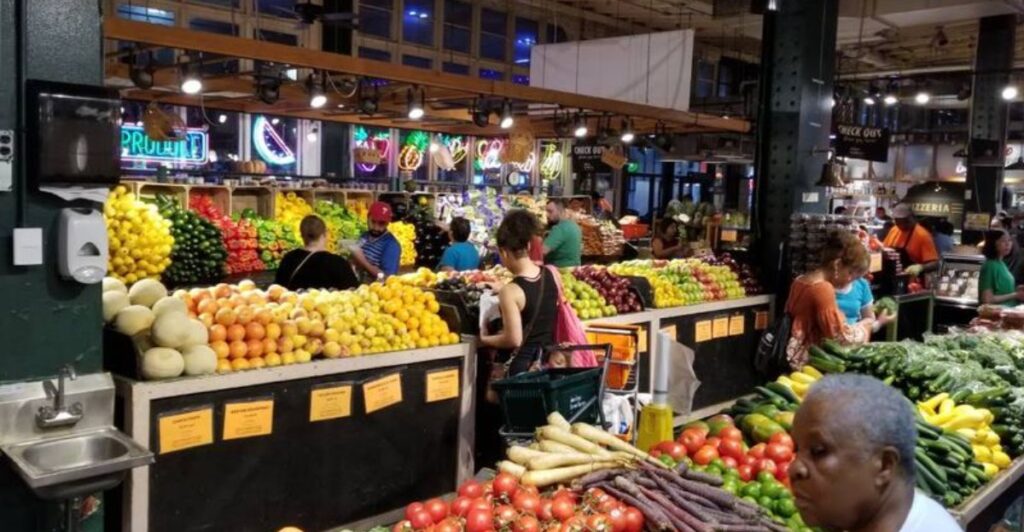
Fresh fruits and vegetables do not have to empty your wallet, especially in Pennsylvania. Across the state, farmers markets bring local growers, bakers, and makers together in friendly places where shoppers can find colorful food at fair prices. With a little planning, $15 can stretch into a bag of apples, a bundle of greens, a few tomatoes, or a snack for the ride home. Depending on the season, you might even discover fresh berries, homemade breads, herbs, or other local treats that make a small shopping trip feel like a real find.
These markets make it easier to eat well, support nearby farms, and enjoy the simple fun of choosing food that was grown close to home. They also offer a chance to meet the people behind the food and discover seasonal favorites you may not find at a typical grocery store.
1. Allentown Farmers Market, Allentown
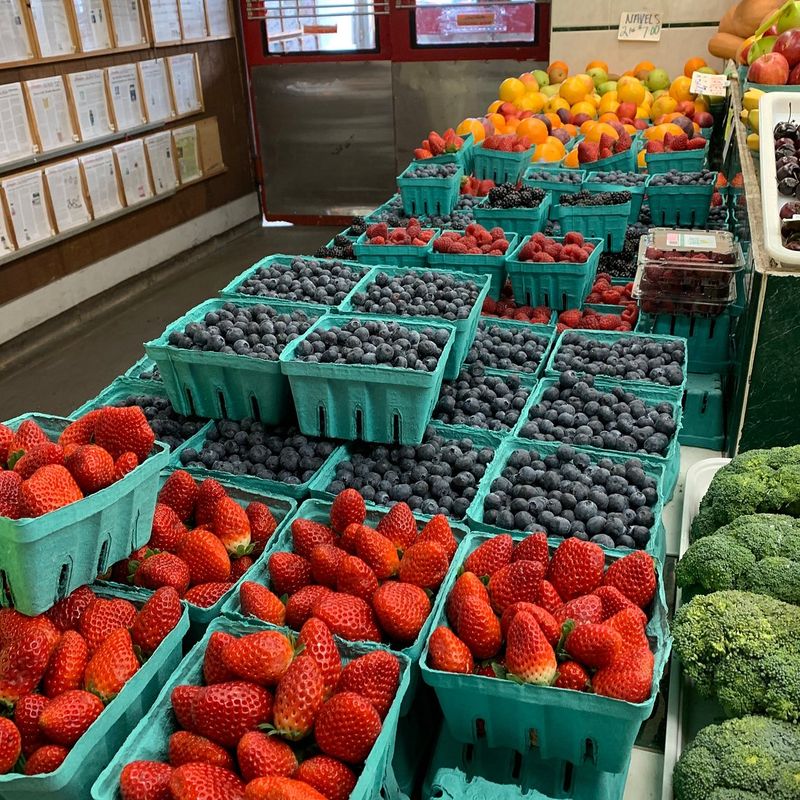
A Saturday shopping trip can feel like a small adventure when the aisles are packed with color, chatter, and the smell of fresh bread.
At Allentown Farmers Market, shoppers can build a tasty produce haul without spending much if they walk slowly, compare prices, and buy what is in season.
For under $15, look for apples, potatoes, onions, carrots, lettuce, or tomatoes from nearby Pennsylvania farms.
Root vegetables often give the best value because they last longer at home and can become soups, roasted sides, or easy skillet meals.
The market has a long history in the Lehigh Valley, so it feels more like a community habit than a quick errand.
Families come for groceries, lunch, and friendly talk with vendors who often know where the food was grown.
Bring cash in small bills, though many stands may take cards.
A reusable bag helps, and going earlier can give you the widest choice, while later shopping may lead to end-of-day deals.
If you are trying to stretch $15, plan around one main meal.
Buy greens for salad, a few firm vegetables for roasting, and a piece of fruit for a snack.
That simple plan keeps impulse buys from taking over.
Allentown is also a good stop if you want an indoor market experience during colder Pennsylvania months.
Rain, snow, or summer heat will not spoil the fun.
The best part is leaving with food that feels fresh, useful, and connected to the farms just outside the city.
2. Broad Street Market, Harrisburg
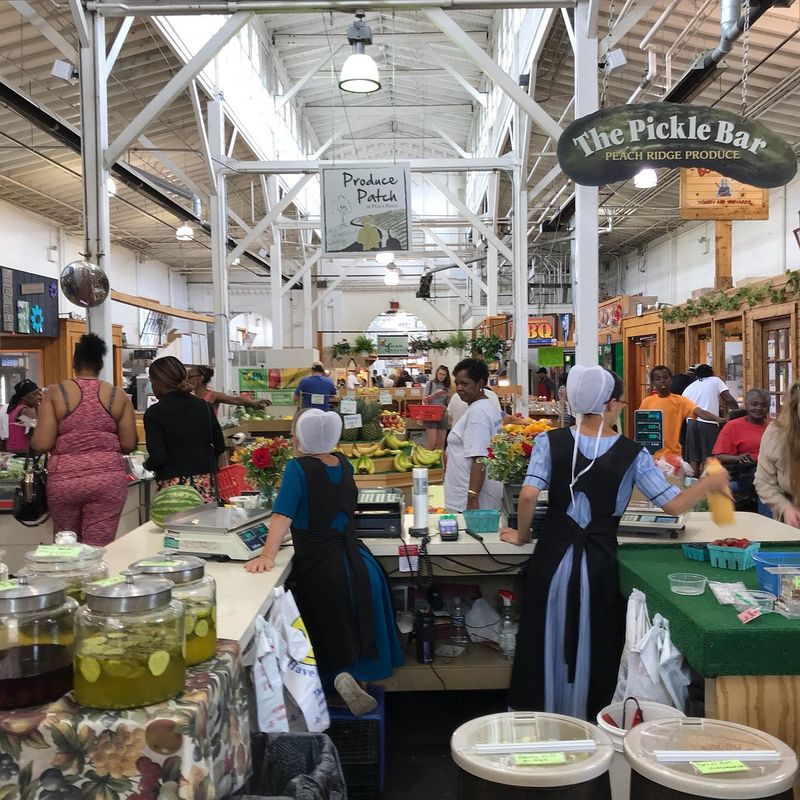
Few places make grocery shopping feel as connected to local history as Broad Street Market in Harrisburg.
The market has served the capital city for generations, and its mix of vendors gives shoppers many ways to spend a small food budget wisely.
With $15, focus on produce that can work in more than one meal.
A bunch of kale can become salad, soup, or a quick side.
A few peppers, onions, and mushrooms can help turn eggs, rice, or pasta into a filling dinner.
Because Harrisburg sits near rich Pennsylvania farmland, seasonal items often shine here.
In spring, watch for tender greens and asparagus.
Summer brings berries, corn, cucumbers, and tomatoes.
Fall is a great time for apples, squash, cabbage, and sweet potatoes.
A smart move is to walk the market once before buying.
Prices can vary, and one vendor may have a better deal on a larger basket or a slightly blemished item that still tastes great.
Broad Street Market is also useful for people who want more than produce.
You may spot bread, cheese, prepared foods, or pantry staples, but keep your $15 goal in mind.
Produce should come first if your mission is fresh local value.
The setting adds extra charm.
You are shopping in a place tied to Harrisburg life, not just grabbing food from a shelf.
That makes each peach, bunch of greens, or bag of potatoes feel a little more meaningful.
Bring a simple list, stay flexible, and let the season guide you.
You can leave with honest Pennsylvania food and still have change jingling in your pocket.
3. Kennett Square Farmers Market, Kennett Square
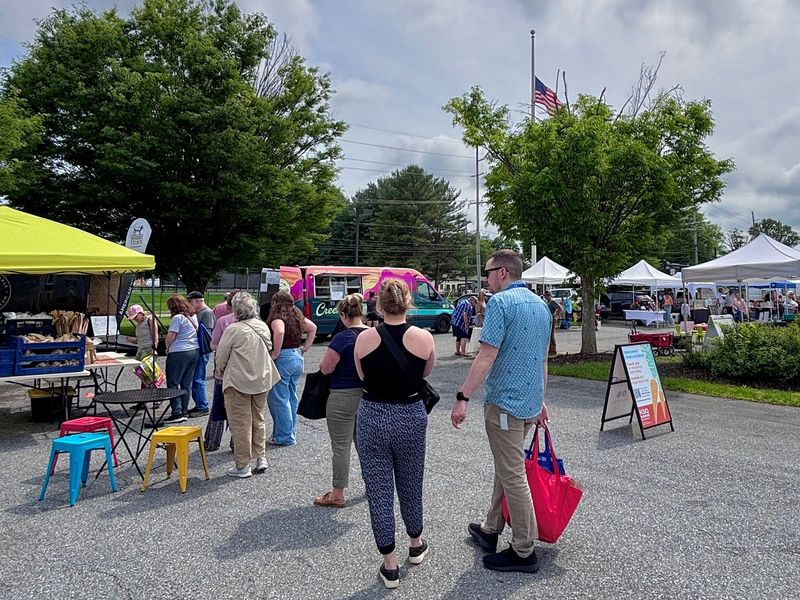
In a town famous for mushrooms, even a simple grocery run can come with a fun food story.
Kennett Square Farmers Market gives shoppers a chance to enjoy fresh Pennsylvania produce while visiting one of the best-known agricultural communities in the state.
Mushrooms are the natural star here, and they can be a smart buy for under $15.
A small carton adds deep flavor to pasta, omelets, soup, tacos, or stir-fries.
They cook quickly, so they are helpful on busy weeknights.
Do not stop at mushrooms, though.
Depending on the season, stands may offer greens, herbs, berries, apples, carrots, tomatoes, and squash.
A budget basket might include mushrooms, spinach, and onions, which can become several simple meals.
The market often feels friendly and small-town, making it easy to ask questions.
If you do not know how to store or cook something, vendors may offer quick tips.
That kind of advice can save food from going bad in the fridge.
For the best value, choose sturdy produce if you cannot cook right away.
Apples, cabbage, potatoes, winter squash, and carrots usually last longer than delicate berries or lettuce.
Kennett Square is a pleasant place to slow down, so plan time to enjoy the town before or after shopping.
The market can turn a regular food trip into a low-cost outing.
A $15 limit works especially well if you shop with a meal idea.
Think mushroom pasta, vegetable soup, or a big salad with local toppings.
You will head home with fresh ingredients and a better feel for Pennsylvania farm life.
4. Green Dragon Market, Ephrata

Bargain hunters often talk about Green Dragon Market with a spark in their voice.
This Ephrata favorite is big, busy, and full of surprises, making it a strong stop for shoppers who want fresh produce at down-to-earth prices.
The market sits in Lancaster County, an area known for farms, roadside stands, and Pennsylvania Dutch food traditions.
That farm setting can be a real advantage when you are trying to keep your produce haul under $15.
Look for large bags, baskets, or bunches that offer better value than buying single pieces.
Corn, tomatoes, cucumbers, peppers, onions, melons, apples, and potatoes can often become the base for several meals.
Green Dragon can feel like a maze, so wear comfortable shoes and give yourself time.
A quick rush may cause you to miss the best stand or a table with lower prices tucked farther inside.
Cash is useful here, especially in small bills.
Some vendors may accept cards, but a cash budget makes it easier to stay on track.
When your $15 is gone, your shopping is done.
Because the market is popular, arriving with a plan helps.
If you need food for the week, think about breakfast fruit, lunch vegetables, and one dinner side.
That keeps your basket balanced.
The lively mix of produce, baked goods, antiques, and everyday items gives Green Dragon a playful feel.
Still, the produce can be the biggest win for careful shoppers.
For families, this market can also teach kids how far money goes when they compare prices.
A few smart choices can fill a bag, support local sellers, and make dinner taste fresher.
5. Columbia Market House, Columbia
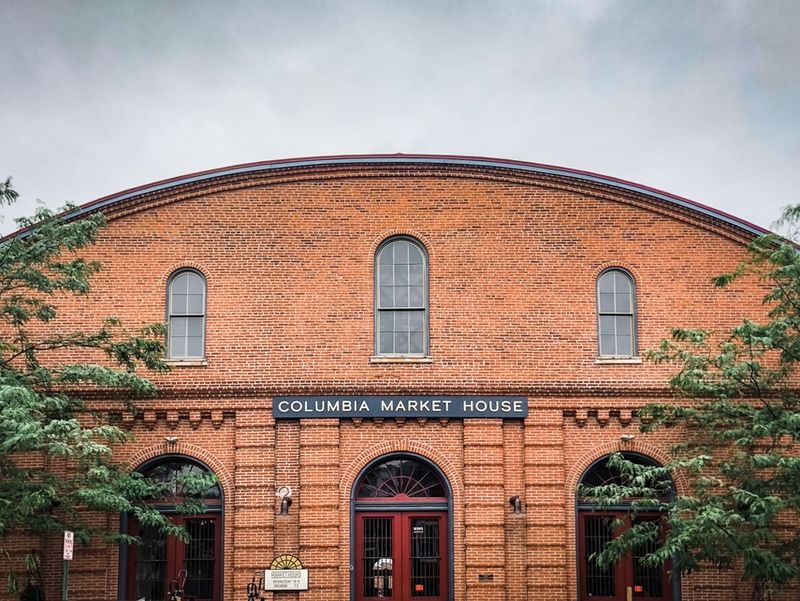
There is something comforting about buying vegetables inside a historic market house.
Columbia Market House brings old Pennsylvania character together with useful local shopping, giving visitors a calm place to pick up fresh food without overspending.
For a $15 produce run, start with the basics that fit many meals.
Potatoes, onions, carrots, cabbage, apples, and greens are strong choices because they can be cooked in different ways and do not feel fancy or wasteful.
Columbia sits along the Susquehanna River, and the town has a proud history tied to trade, travel, and small businesses.
Shopping at the market helps keep that local spirit alive while connecting customers with nearby growers and food makers.
A good budget trick is to ask what is most abundant that week.
When farmers have a lot of one crop, prices may be friendlier.
Seasonal abundance is your wallet’s best helper.
If you are cooking for one or two people, avoid buying too much delicate produce at once.
A smaller head of lettuce or a few tomatoes may be better than a huge box that spoils before you can eat it.
The market is also a nice choice for a slower morning.
You can browse, talk with vendors, and make choices based on what looks freshest instead of rushing through a large store.
Under $15 can go far when you shop with simple meals in mind.
Think roasted potatoes with onions, apple slices for snacks, and greens for sandwiches or soup.
Columbia Market House offers more than groceries.
It gives shoppers a taste of Pennsylvania history, a reason to support local sellers, and a practical way to bring fresh produce home.
6. Easton Farmers’ Market, Easton
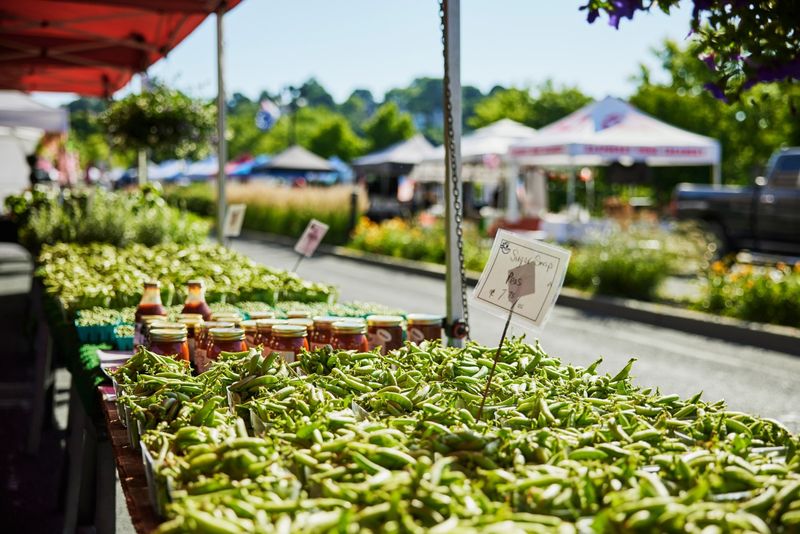
Claiming deep roots in American market history, Easton Farmers’ Market has the kind of hometown pride that makes food shopping feel special.
It is often described as one of the oldest continuously running open-air markets in the country, which adds extra interest to every visit.
The market’s location in Easton gives shoppers access to produce from the Lehigh Valley and nearby farms.
With $15, you can often shape a useful bag around seasonal picks like apples, greens, tomatoes, zucchini, beans, or root vegetables.
One helpful strategy is to buy ingredients that share a purpose.
Tomatoes, cucumbers, and herbs can become salad.
Potatoes, onions, and carrots can become a roasted side.
Apples and pears can cover snacks for several days.
Outdoor markets change with the weather and the growing season, so flexibility matters.
If berries cost more one week, switch to peaches, melons, or apples.
If lettuce looks tired in hot weather, try cabbage or kale instead.
Easton Farmers’ Market also rewards curious shoppers.
Vendors may explain which tomato is best for sandwiches, which apple is crisp, or how to cook a vegetable you have never tried.
Bring a cooler bag if you plan to walk around town after shopping.
Fresh produce stays happier when it is protected from heat, especially leafy greens and berries.
The market can also be a low-cost weekend outing.
You get fresh air, local flavor, and a chance to support Pennsylvania farms while staying within a modest budget.
A careful $15 here can feel generous.
When your bag holds food grown nearby, the value is not only in the price.
It is also in the freshness, the story, and the community behind it.
7. Lancaster Central Market, Lancaster
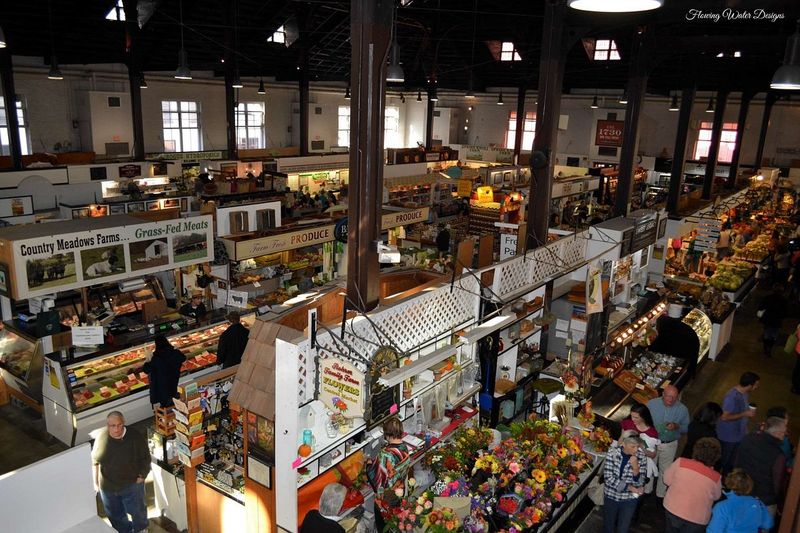
Stepping into Lancaster Central Market can feel like walking into a living postcard of Pennsylvania food culture.
The building, the vendors, and the steady flow of shoppers all point to Lancaster County’s strong farming roots.
This is a smart place to test the power of a $15 produce budget.
Because Lancaster County grows so much food, seasonal fruits and vegetables often appear in bright, tempting piles.
Start by checking what local growers are offering in larger quantities.
A small bag of potatoes, a bunch of greens, a few apples, and one seasonal vegetable can make a balanced haul without feeling too tight.
Lancaster Central Market is especially good for shoppers who enjoy tradition.
Pennsylvania Dutch influence shows up in the foods, conversations, and practical attitude toward cooking.
Nothing needs to be complicated to taste good.
If you are new to the market, walk the aisles before buying.
The first display may look wonderful, but another stand may have a better size, fresher bunch, or lower price.
Think about storage before you spend.
Buy tender items like berries only if you will eat them soon.
Choose squash, carrots, cabbage, apples, or onions when you need food that can last through the week.
The market is also a great place to learn by watching.
Notice what regulars buy, how they compare produce, and which stands draw steady lines.
Local shoppers often know value when they see it.
With careful choices, Lancaster Central Market can send you home with ingredients for soups, salads, snacks, and sides.
Your $15 supports growers, keeps a historic Pennsylvania market strong, and turns ordinary meals into something fresher.
8. Bloomfield Saturday Market, Pittsburgh
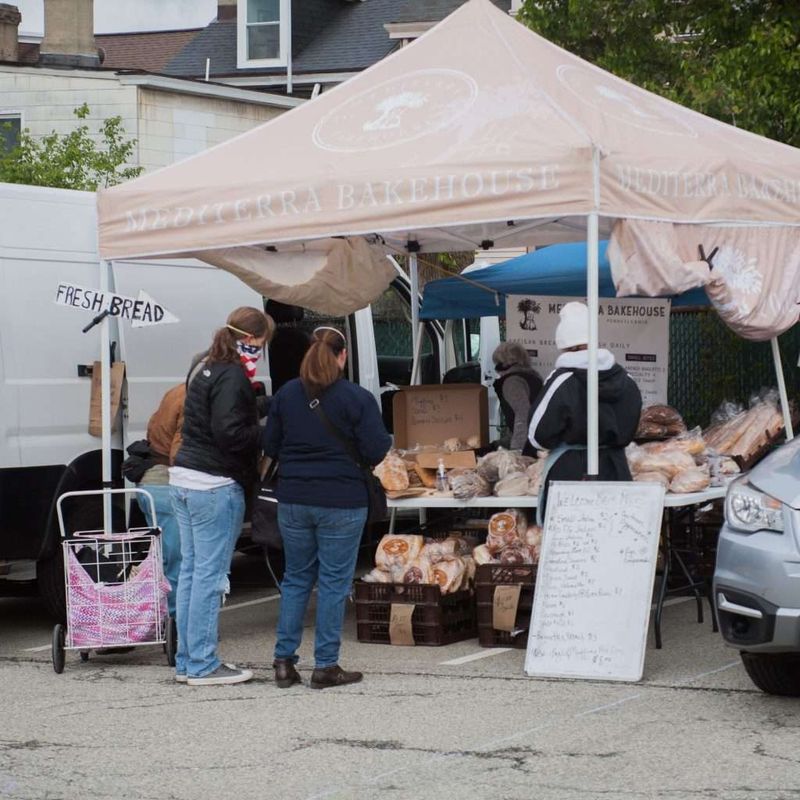
City mornings have a different energy when neighbors gather around crates of tomatoes and bunches of flowers.
Bloomfield Saturday Market in Pittsburgh brings farm freshness into an urban neighborhood, making local produce easier to reach without leaving the city.
A $15 budget works best here when you shop with meals in mind.
Try choosing one leafy green, one sturdy vegetable, and one fruit.
That simple pattern gives variety without filling your bag with random items.
Western Pennsylvania farms bring different seasonal highlights through the year.
Spring may offer greens and radishes.
Summer brings zucchini, berries, tomatoes, and corn.
Fall often means apples, squash, beets, and potatoes.
Because this is a neighborhood market, the atmosphere can feel relaxed and social.
You might see families, cyclists, dog walkers, and people picking up groceries before brunch or errands.
To stretch your money, ask vendors if they have seconds.
These are fruits or vegetables with small marks or odd shapes.
They may cost less and work perfectly for sauces, soups, smoothies, or roasting.
Public transit, walking, or biking can make the trip even cheaper if you live nearby.
Bring a backpack or tote so heavier produce is easier to carry home.
The market also helps city shoppers feel connected to nearby rural areas.
Pittsburgh may be known for bridges and steel history, but local farms are never too far from the table.
Under $15 can buy enough for a few simple dishes if you stay seasonal and avoid extras until the end.
Bloomfield Saturday Market proves that fresh Pennsylvania produce is not just for country roads.
It can be part of city life, too.
9. Bethlehem Farmers Market, Bethlehem
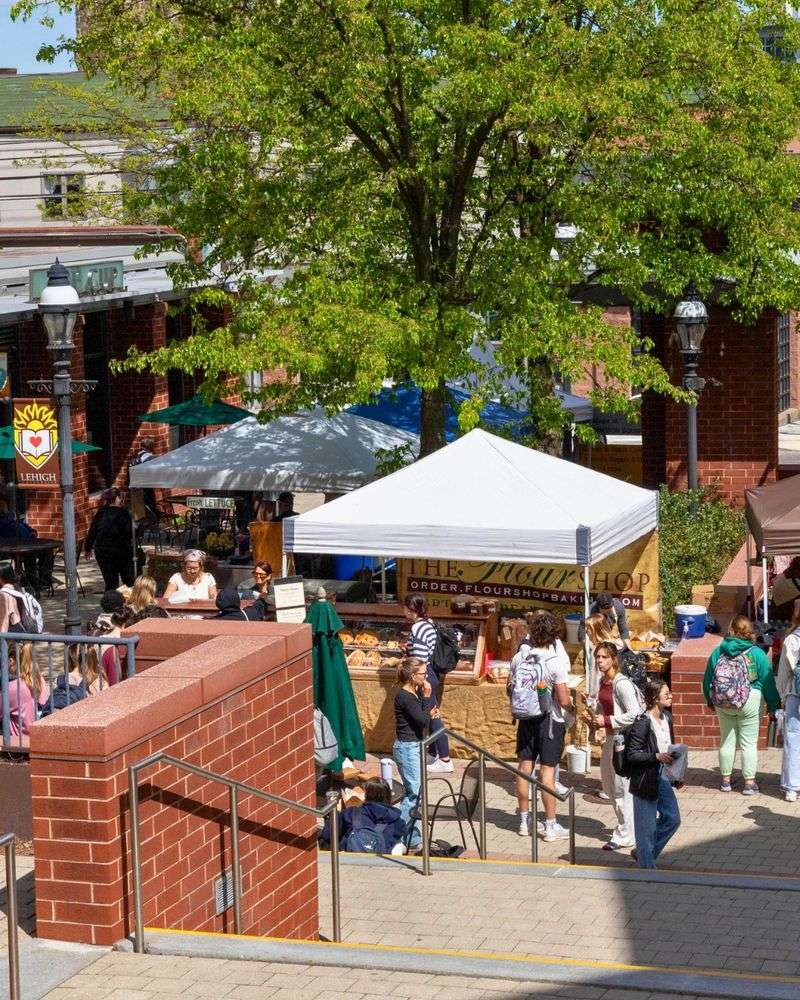
A market near a college town often has a cheerful mix of students, families, and longtime locals.
Bethlehem Farmers Market offers that easygoing blend, along with fresh produce that can fit a small weekly budget.
For under $15, choose foods that are simple to prepare.
Students and busy workers may like apples, cherry tomatoes, salad greens, cucumbers, carrots, or sweet potatoes because they need little effort.
Bethlehem’s location in the Lehigh Valley gives the market access to strong farm country.
That means shoppers can find seasonal Pennsylvania produce without driving far from town streets, schools, homes, and workplaces.
A good plan is to think in colors.
Green lettuce, orange carrots, red tomatoes, and yellow squash make meals more interesting and help you avoid buying too much of one thing.
If you are shopping on a tight budget, skip anything you do not know how to use unless the vendor gives you a clear idea.
Trying new food is fun, but wasted food wastes money.
Bethlehem Farmers Market can also be a friendly place to learn quick cooking habits.
Ask which vegetables roast well together or which fruit is best for eating right away.
Reusable containers or soft bags help protect delicate produce on the way home.
This is especially helpful if you are walking across town or carrying items with books, work gear, or kids’ supplies.
The market is more than a place to buy ingredients.
It is a weekly reminder that fresh food can be nearby, affordable, and simple.
With $15 and a little attention, shoppers can bring home enough Pennsylvania-grown produce to brighten lunches, snacks, and dinners.
10. Reading Terminal Market, Philadelphia
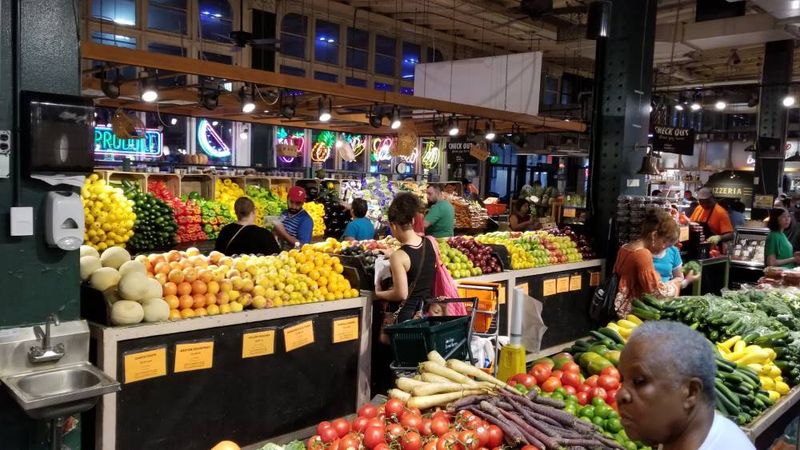
Philadelphia’s Reading Terminal Market is loud, colorful, and full of tempting smells, so a $15 produce mission needs focus.
The reward is worth it, because this historic indoor market offers fresh food in the heart of one of Pennsylvania’s busiest cities.
Before spending, take a full walk through the produce areas.
The market has many prepared foods that can quickly eat up your budget, so decide that fruits and vegetables come first.
Good low-cost choices may include bananas, apples, citrus, onions, potatoes, greens, peppers, or seasonal vegetables.
If you are staying in a hotel or visiting for the day, pick items that travel well and do not need much cooking.
Reading Terminal Market has been a Philadelphia landmark for generations.
Its mix of cultures, food traditions, and local vendors makes it one of the most interesting places in Pennsylvania to shop and people-watch.
For the best value, compare by unit price when possible.
A bag of apples may cost less per piece than buying one large apple.
A bunch of herbs may lift several meals for only a few dollars.
Timing matters in a busy market.
Earlier visits may offer better selection, while later visits can be less crowded in some spots.
Weekdays may feel easier than peak weekend hours.
If your goal is lunch and groceries, split the budget before arriving.
For example, keep $15 only for produce and use separate money for a snack.
That small rule keeps spending clear.
Reading Terminal Market shows that local produce can still have a place among big-city food stalls.
With a careful eye, you can leave with fresh Pennsylvania flavor instead of only a full stomach.
11. Bird-in-Hand Farmers Market, Bird In Hand
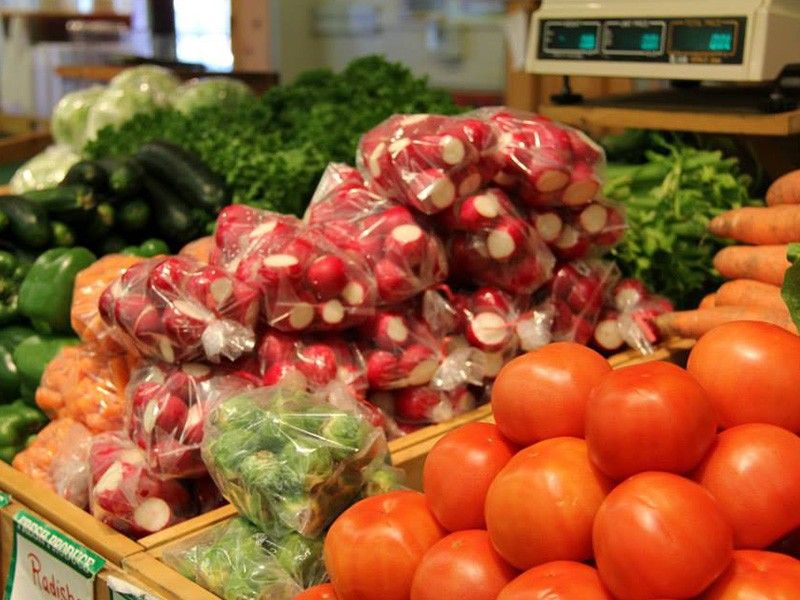
The name alone makes travelers smile, but Bird-in-Hand Farmers Market offers more than a fun map stop.
In the heart of Lancaster County, it gives shoppers a friendly taste of Pennsylvania farm country and plenty of chances to find fresh produce.
A $15 budget can do well here if you lean into simple, seasonal foods.
Corn, tomatoes, peppers, apples, squash, cabbage, carrots, and potatoes are practical picks that can fill meals without needing fancy recipes.
The surrounding area is known for Amish and Pennsylvania Dutch traditions, so the market often feels tied to careful cooking and hard work.
Food here is not just decoration.
It is meant to be taken home, shared, and used.
Before buying sweets or souvenirs, fill your produce bag first.
The market has many tempting foods, but your budget will stretch farther if fruits and vegetables get priority.
If you are visiting from out of town, choose produce that can handle the ride.
Apples, winter squash, onions, and potatoes travel better than soft berries or tender lettuce on a warm day.
Families may enjoy giving kids a small part of the budget to choose one fruit or vegetable.
It turns shopping into a lesson about money, farming, and trying new foods.
Ask vendors what is freshest that day.
Their answers can guide you toward better flavor and better value, especially when the season is changing.
Bird-in-Hand Farmers Market works well as both a grocery stop and a Lancaster County experience.
With under $15, you can take home a useful bundle of Pennsylvania produce and a small reminder of the farms, fields, and traditions that make this part of the state so memorable.