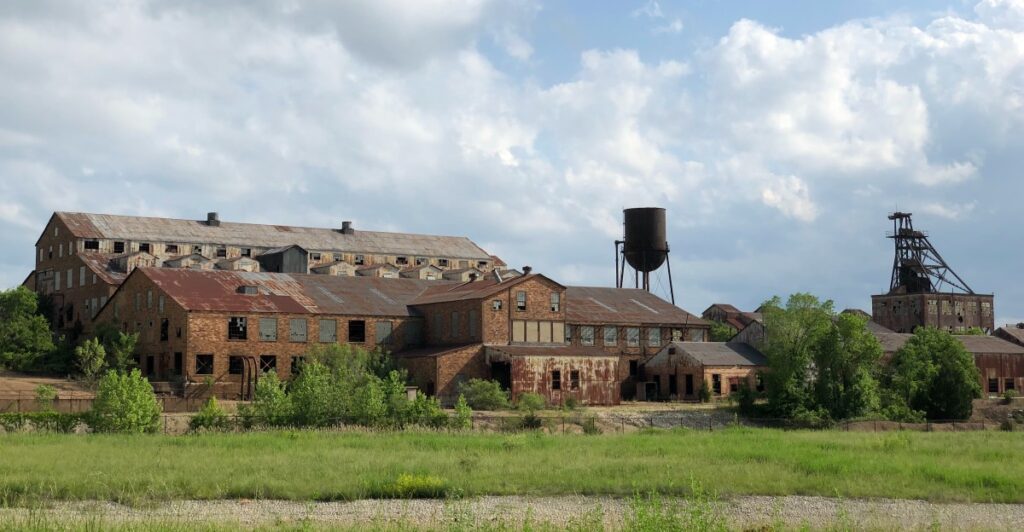
Missouri Mines State Historic Site in Park Hills is not a quiet old building with nothing to say. Inside the former powerhouse, visitors can see huge machines, bright minerals, and a 15-ton underground locomotive that once helped move ore below the earth.
The site helps explain why lead mining shaped this part of Missouri for generations. If you like history, rocks, big equipment, or unusual road trip stops, this place has plenty to hold your attention.
1. The 15-Ton Locomotive Waiting Indoors
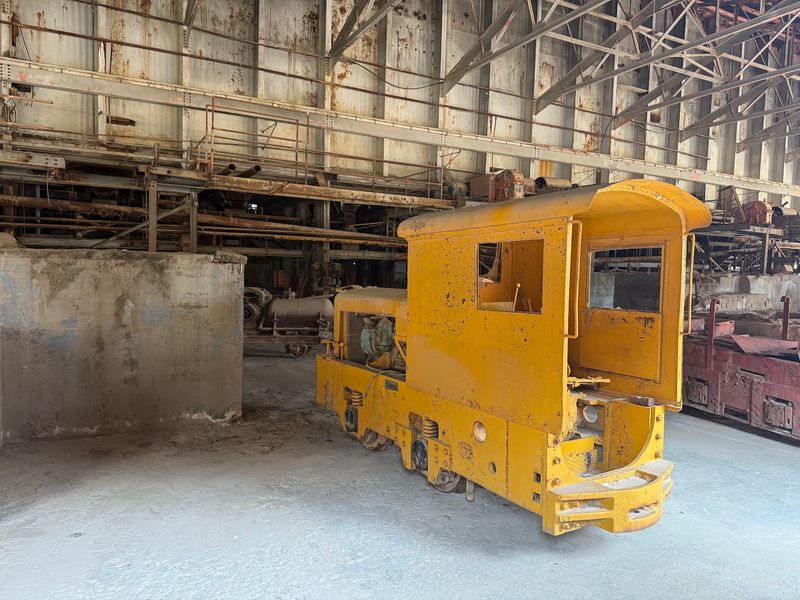
A machine that once worked far below ground now sits where visitors can study it up close.
The 15-ton underground locomotive is one of the most memorable pieces inside the museum at Missouri Mines State Historic Site.
Its job was not glamorous, but it was vital.
In a working lead mine, locomotives like this helped pull heavy cars filled with ore through dark tunnels, saving miners from moving loads by hand.
When you stand near it, try to picture the sound of metal wheels, the scrape of ore cars, and the steady work happening underground.
That simple moment can make the mining story feel less like a textbook and more like real life.
Families should give kids time to notice its size, wheels, and controls.
Asking them how they would move tons of rock without a machine can turn the exhibit into a quick lesson in problem-solving.
The locomotive also shows how mining depended on teamwork between people and equipment.
Miners, mechanics, engineers, and surface workers all had roles in keeping ore moving.
Since the museum is indoors, it is a good stop in hot, cold, or rainy weather.
Check current hours before going, since the site is usually closed on Mondays and Tuesdays.
2. A Powerhouse Turned Mining Museum
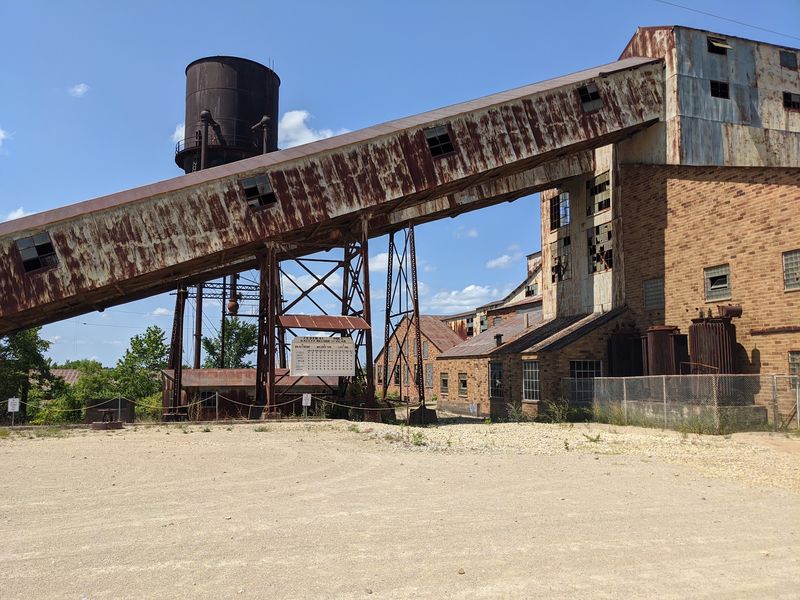
Brick walls, tall spaces, and sturdy floors give the museum a strong industrial feeling before you even read a sign.
The building once served the mine operation, and today it protects the stories left behind.
Using the old powerhouse as a museum makes the visit feel connected to the place.
You are not just looking at mining objects in a random room.
You are standing inside part of the system that helped the mine run.
The exhibits explain how lead ore was taken from the ground, moved, crushed, and prepared.
Big equipment helps visitors understand the scale of the work better than pictures alone.
Many guests mention that the museum is well curated and easy to enjoy in an hour or two.
If you like reading every label, plan more time, especially for the mineral displays.
Parents can make the visit smoother by starting with the largest machines, then moving to smaller cases.
That keeps younger visitors interested before asking them to slow down and read.
The former powerhouse also adds atmosphere.
Its age, size, and purpose remind you that mining was not a small side job in this region.
It was a major industry that powered towns, families, and local history for many years.
3. Lead Mining Roots Beneath Park Hills
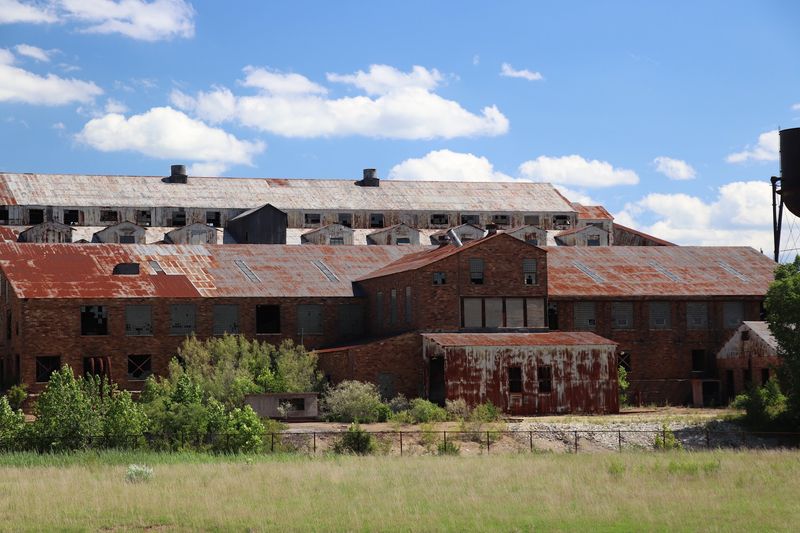
Long before the site became a museum, southeast Missouri was known for lead.
The Park Hills area was part of a mining region where ore from underground helped build a powerful local industry.
Missouri Mines State Historic Site helps visitors connect the dots between geology and daily life.
Lead was not just a rock in the ground.
It meant jobs, rail traffic, factories, paychecks, and entire communities shaped around mining schedules.
The museum explains how ore was found and processed, using displays that are easier to follow than a thick history book.
Visitors can see minerals, tools, and machines that point to each step of the work.
A helpful way to explore is to look for cause and effect.
Ask what happened after ore was discovered, how workers reached it, and why machines became so important.
The story also reminds visitors that natural resources can change a place for generations.
Mining brought growth and pride, but it also required hard labor and left behind buildings that must now be treated with care.
Anyone traveling through Park Hills can use the site as a short but meaningful history lesson.
It explains why this quiet area mattered far beyond its own roads and hills.
4. Mineral Cases That Steal the Show
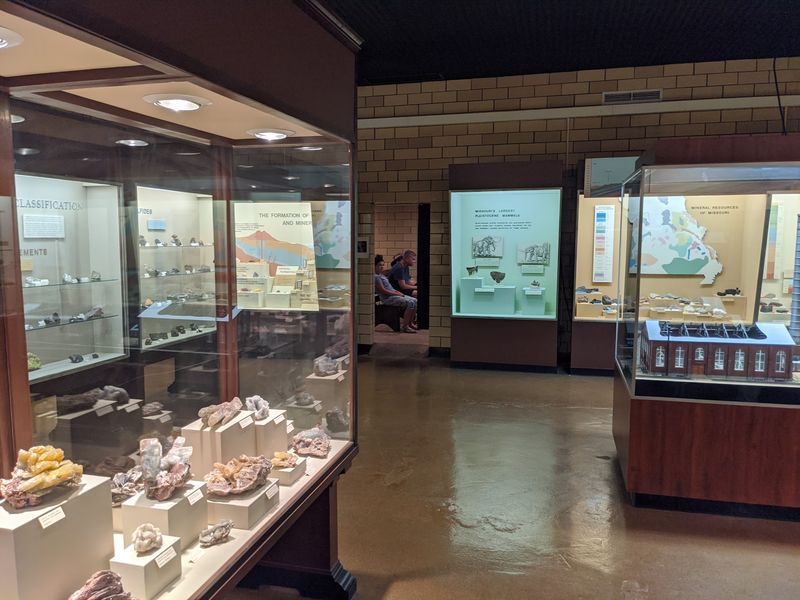
Some visitors arrive for mining machines and leave talking about the rocks.
The mineral collection inside Missouri Mines State Historic Site is colorful, surprising, and much more exciting than a pile of gray stones.
Display cases show minerals from Missouri and other places, giving guests a close look at shapes, colors, and crystals formed deep in the earth.
Kids often enjoy choosing their favorite specimen, especially when one sparkles or looks strange.
The collection helps explain why geology matters.
Miners were not just digging randomly.
They followed clues in the rock, searching for useful materials hidden underground.
Take your time with these cases.
Moving slowly lets you notice details like sharp crystal edges, shiny surfaces, and different colors caused by minerals inside the stone.
A fun challenge is to have each person pick the mineral they would put on a museum poster.
Then compare choices and talk about why each one stood out.
Reviewers often praise the rock and mineral exhibits, and it is easy to see why.
They add beauty to a site known for heavy work.
The contrast is part of the charm: rough machines on one side, delicate natural patterns on the other.
5. Heavy Equipment With Real Working Muscle
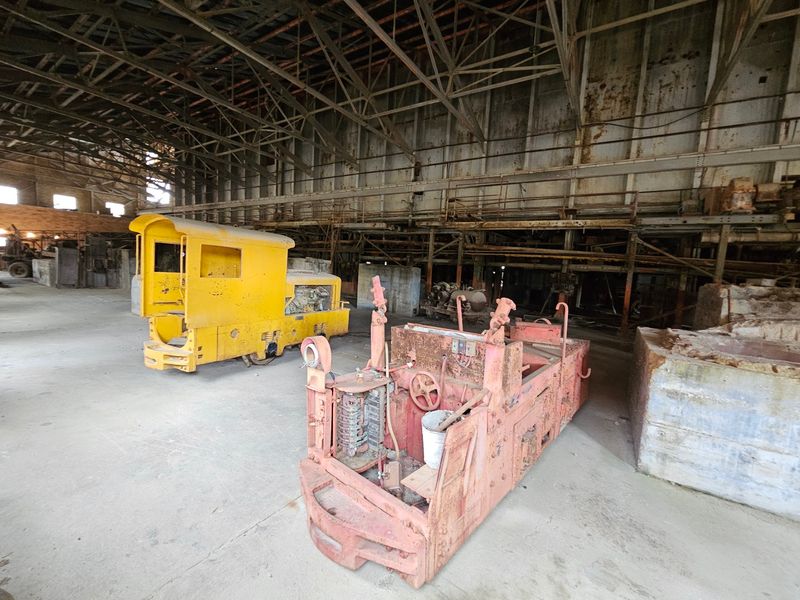
The equipment at Missouri Mines State Historic Site does not look like props.
It looks tough, worn, and ready to explain how much effort mining required.
Large machines and tools help visitors understand that lead mining involved more than digging with a pick.
Workers needed drills, loaders, rail equipment, crushers, and power systems to move huge amounts of rock.
Seeing the size of the equipment is useful for both adults and children.
A short explanation about weight, noise, and danger can make the exhibits feel real without making them scary.
Try comparing the machines to things you know.
How many family cars would equal the weight of one locomotive?
How loud might the powerhouse have been during a busy workday?
The equipment also shows how technology changed mining.
Machines made some jobs faster, but they still needed trained people to run, repair, and guide them safely.
Visitors who enjoy engineering, farming equipment, trains, or old factories will likely find this part especially interesting.
It is a hands-on-looking experience, even when touching is limited.
The displays make clear that the mine was a giant workplace, not just a hole in the ground.
6. Friendly Staff Who Bring the Site to Life
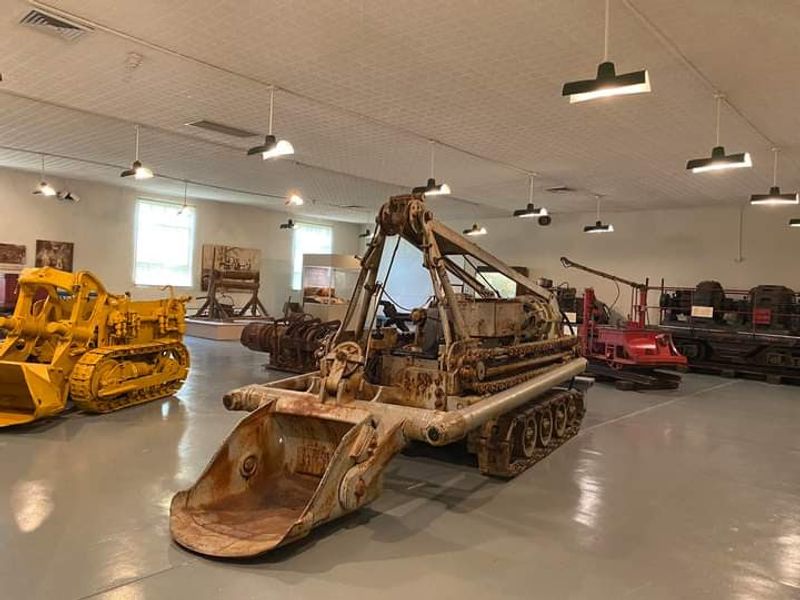
A good guide can turn old machinery into a story you remember.
Many visitors praise the staff at Missouri Mines State Historic Site for being friendly, patient, and full of useful details.
Reviews often mention knowledgeable workers and docents who explain how the mine operated.
That matters because the site has big equipment, closed buildings, and technical processes that may not make sense at first glance.
If you visit, do not be shy about asking questions.
Simple ones work well, such as what the locomotive pulled, how miners stayed safe, or why lead was so important to Missouri.
Families can ask whether a scavenger hunt or kid-friendly activity is available.
Reviewers have mentioned activities that help children stay focused while adults enjoy the exhibits.
Staff can also help with practical details, including which areas are open, where to walk outside, and how long the museum may take.
Since historic sites can change hours or access rules, a quick phone call before a long drive is smart.
The human side of the museum is one of its strongest features.
Machines show what happened, but staff members help explain why it mattered.
Their stories and answers can make a short stop feel personal and memorable.
7. Old Mine Buildings Seen From Safe Paths
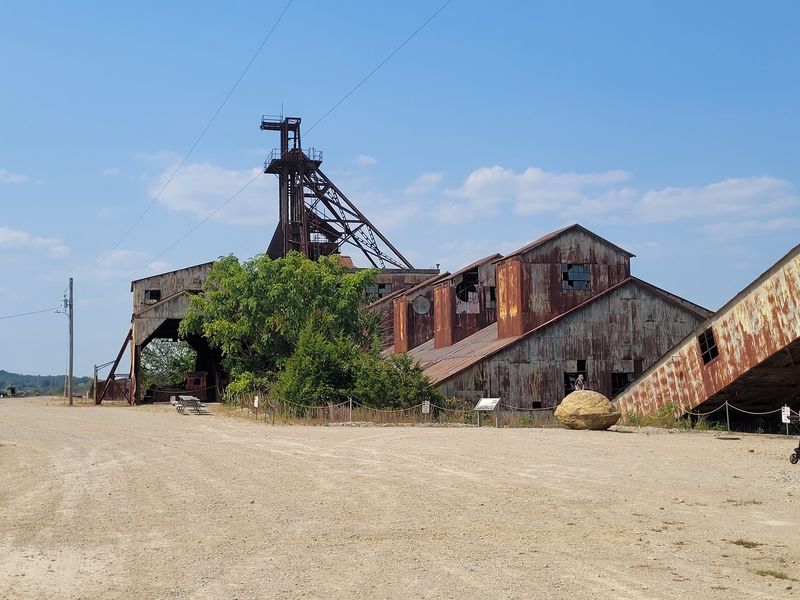
The old buildings around the site can stop you in your tracks.
They look weathered, strong, and mysterious, but visitors need to view most of them from the outside for safety.
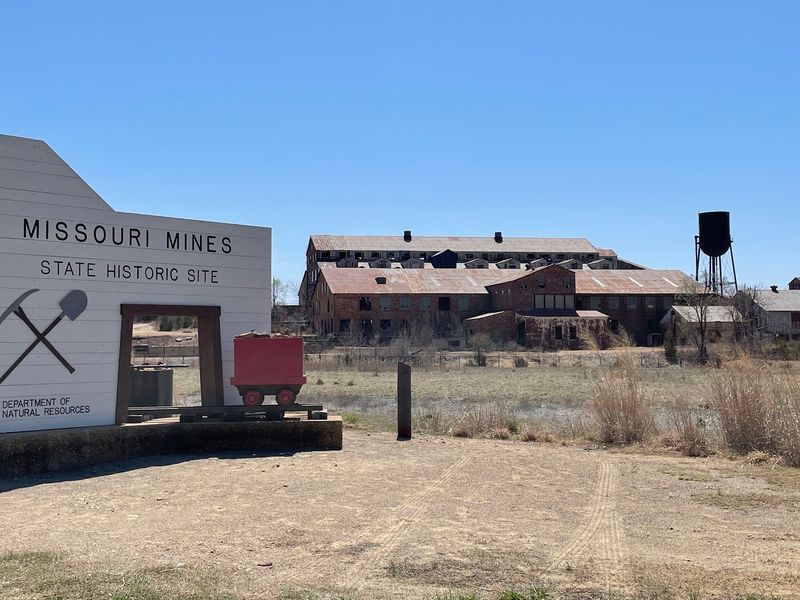
Missouri Mines State Historic Site lets guests walk parts of the grounds and see the remains of the mining operation.
Many structures are off limits because age, decay, and industrial hazards can make them unsafe.
That rule may disappoint people who love exploring abandoned places, but it protects visitors and preserves the site.
Old mine buildings can have weak floors, falling materials, sharp metal, and hidden dangers.
Bring a camera or phone and enjoy the views from approved areas.
The buildings still tell a strong story through their size, windows, walls, and placement across the property.
For children, explain that staying outside the closed areas is part of being a good history detective.
They can look for clues without crossing barriers.
Weather can affect how enjoyable the grounds are, so wear comfortable shoes and check the forecast.
A short outdoor walk pairs well with the indoor museum, giving visitors both the wide view of the mining complex and the close-up view of its tools, minerals, and machines.
8. A Kid-Friendly Stop With Big Curiosity Payoffs
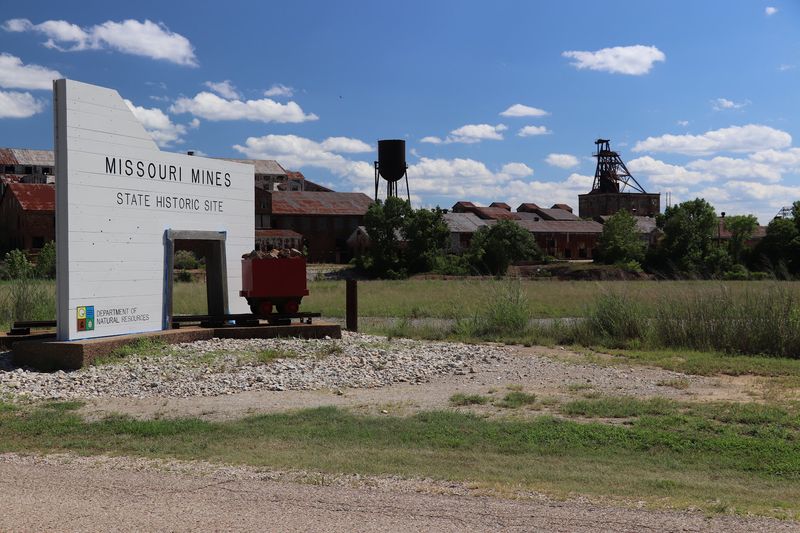
Kids who love big trucks, shiny rocks, or secret tunnels can find plenty to talk about here.
Missouri Mines State Historic Site works well for families because the exhibits are visual and easy to connect with.
The 15-ton locomotive gives children an instant sense of scale.
Mineral cases add color, while tools and equipment help explain what miners used underground.
To keep younger visitors engaged, turn the museum into a simple game.
Ask them to find the biggest machine, the brightest mineral, the strangest tool, and one thing they would want to ask a miner.
Several reviewers mention that grandchildren or young kids enjoyed the rock exhibits and scavenger hunt-style activities.
The site may not have flashy digital screens everywhere, but that can be a strength.
It encourages kids to look closely, ask questions, and imagine the past.
Short breaks help, especially if you plan to read many signs.
A visit of one to two hours is often enough for families, though curious kids may want longer.
Pairing the museum with a walk outside can help burn energy before getting back in the car.
For a road trip through southeast Missouri, it is an educational stop that does not feel like schoolwork.
9. A Short Film and Exhibits That Set the Scene
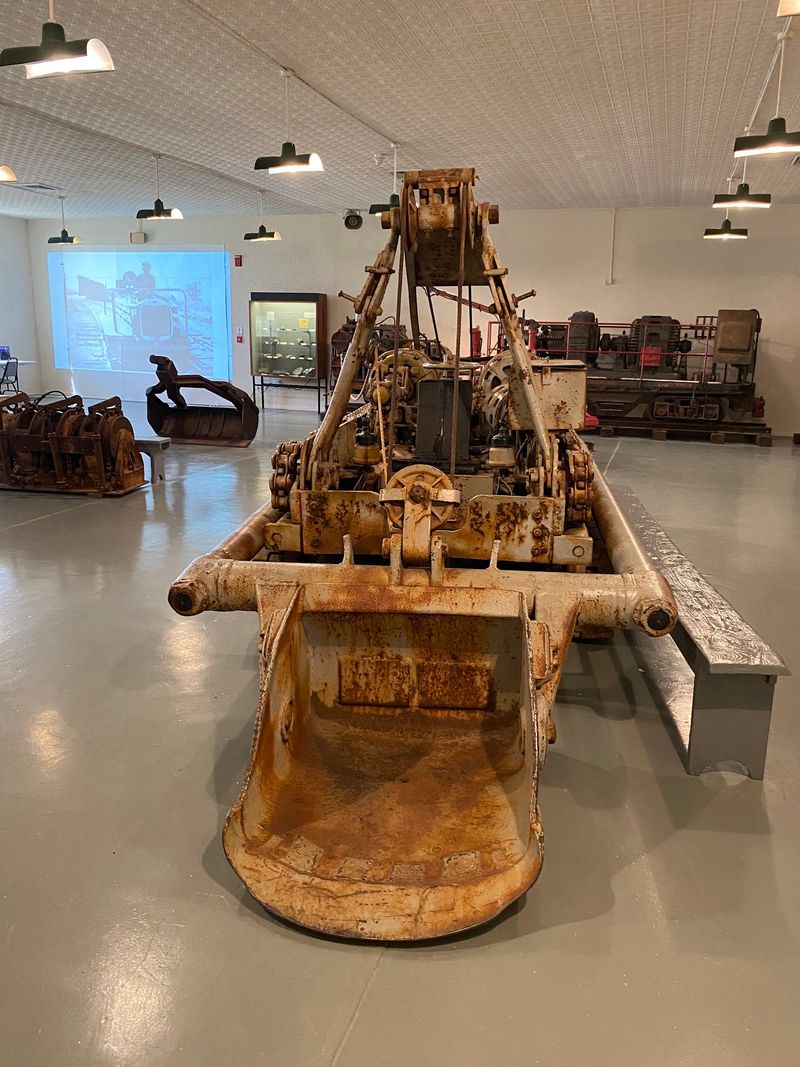
A short history film can help visitors understand the mine before they wander through the displays.
At Missouri Mines State Historic Site, guests have mentioned a film about the operation that adds helpful background.
Video is useful because mining can be hard to picture from still objects alone.
Seeing workers, machines, and processes in motion helps explain how ore moved from underground tunnels to surface processing areas.
If you are visiting with children, consider watching the film after they have seen a few big exhibits.
That way, the equipment on screen connects to objects they already noticed.
Some younger kids may get restless during older documentary footage, so sit near an aisle if you think a quick exit might be needed.
Adults interested in industry and local history will likely appreciate the added detail.
The exhibits and film together create a better timeline.
Visitors can learn what was mined, how it was moved, why the powerhouse mattered, and what remains today.
Do not rush past the signs after the video.
Labels often answer questions that come up while watching.
A good plan is to watch, walk, ask staff a question, then revisit one favorite display before leaving.
That makes the information stick.
10. A Budget-Friendly Museum Visit
Road trips can get expensive fast, so a low-cost stop with real substance is always welcome.
Visitors often describe Missouri Mines State Historic Site as affordable, with a small museum fee.
Past reviewers have mentioned adult and youth prices, though fees can change.
Before you go, check the official Missouri State Parks website or call the site at 573-431-6226 for current admission details.
The outdoor grounds can add value to the visit, since guests may view parts of the historic complex from approved areas.
The museum gives the deeper story, while the grounds show the scale of the old operation.
For the best use of your time and money, plan at least an hour.
Two hours is better if you want to read labels, ask questions, look at minerals, and walk outside.
Bring water, comfortable shoes, and a little patience if you are visiting with a group.
Historic places reward people who slow down.
The site is located at 4000 State Hwy 32 in Park Hills, Missouri.
Its rating of 4.6 stars from hundreds of reviews shows that many guests leave glad they stopped.
For travelers who enjoy learning something unexpected, the value is strong.
11. Planning Around Hours and Closures
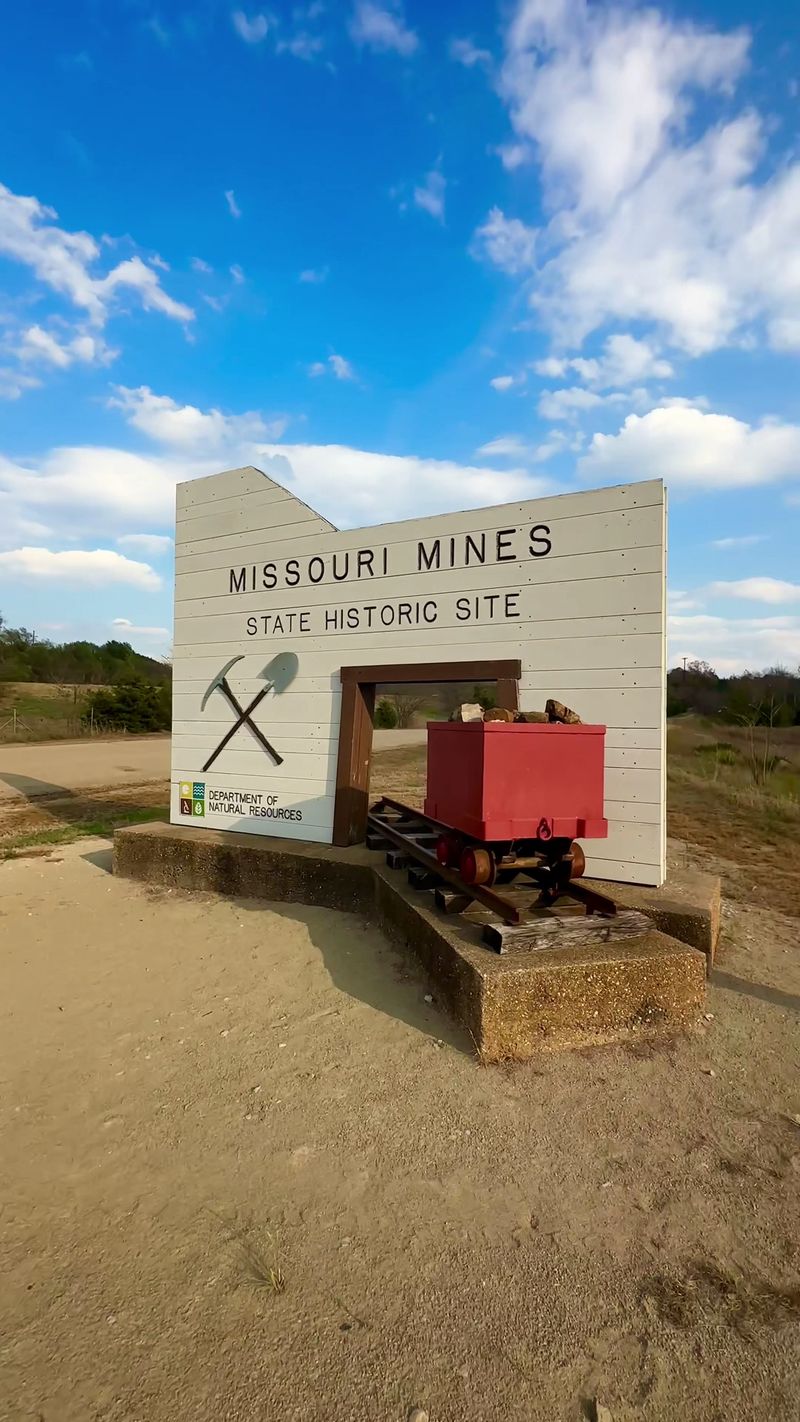
Nothing spoils a history stop like arriving to a locked door.
Missouri Mines State Historic Site is generally open Wednesday through Sunday from 9 AM to 3 PM and closed Monday and Tuesday.
Hours can change for weather, staffing, holidays, or special conditions.
Because at least one visitor review mentioned confusion about signs and closure, checking ahead is a smart move.
Use the official Missouri State Parks page for the most reliable information.
If you are driving a long distance, calling before you leave can save frustration.
Plan your arrival early enough to enjoy both the museum and the outdoor views.
Arriving near closing time may leave you rushing through exhibits that deserve attention.
Morning visits can be calmer, while midday may work better for families combining the stop with lunch nearby.
Since the museum is indoors, it is useful during bad weather, but outdoor walking is nicer on mild days.
Keep in mind that the site is a historical place, not a theme park.
Some areas are restricted, and the experience is more about learning, observing, and asking questions.
With a little planning, you can avoid surprises and give yourself enough time to enjoy the locomotive, mineral cases, and old mine setting.
12. Why the Powerhouse Setting Matters
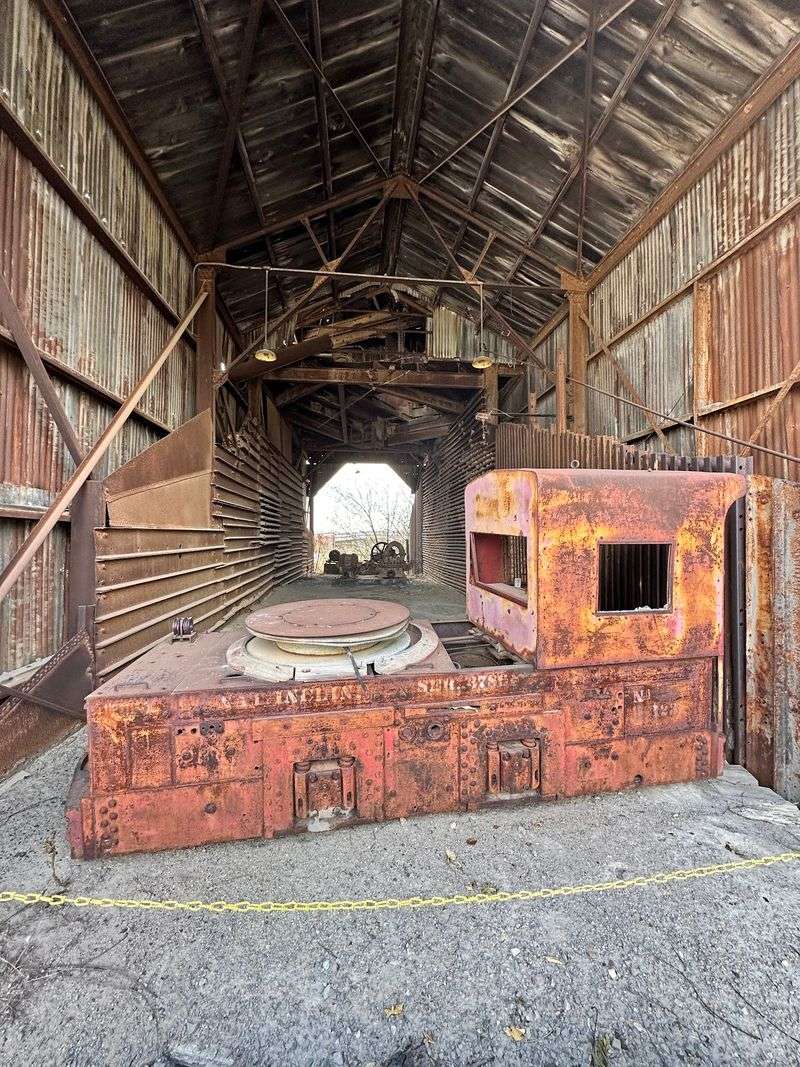
The powerhouse was once part of the mine’s beating heart.
Today, that same industrial space helps visitors understand that mining needed energy, systems, and constant support above ground.
People often picture miners only in tunnels, but surface buildings were just as important.
Power, maintenance, processing, and transportation all had to work together.
Placing the museum in the former powerhouse gives each exhibit extra meaning.
A locomotive inside a plain modern room would still be interesting, but inside an old mine building it feels more connected to the job it once performed.
Look around as much as you look at the displays.
Notice the building’s size, heavy materials, and practical design.
It was made for work, not decoration.
This setting also helps explain why historic preservation matters.
Saving an industrial building can teach future visitors about labor, technology, and local identity in a way that a written report cannot.
For photographers, the contrast between machinery, brick, and exhibit lighting can be striking.
For history fans, the room itself becomes part of the collection.
The former powerhouse is not just shelter for artifacts.
It is an artifact too, and it quietly frames the entire visit.
13. A Roadside Surprise Near Other Missouri Stops
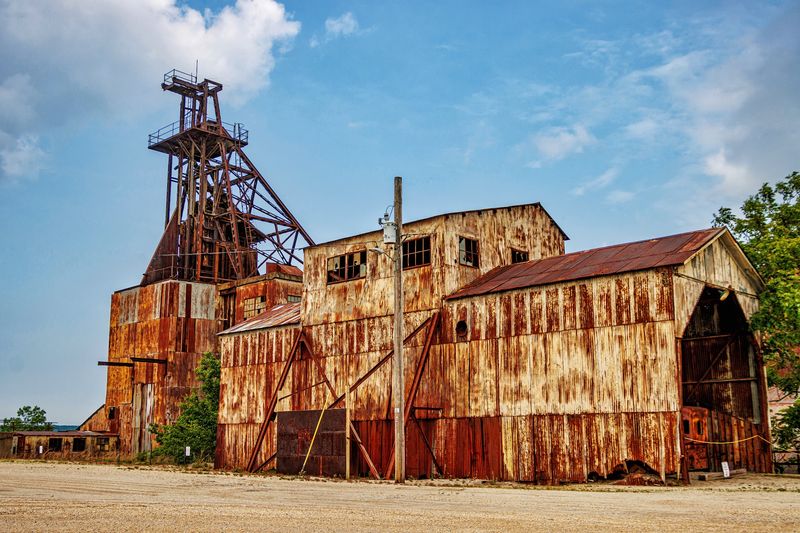
Some of the best travel memories begin with an unplanned stop.
Several visitors have said they found Missouri Mines State Historic Site while passing through or heading toward other southeast Missouri attractions.
The site sits along State Highway 32 in Park Hills, making it a practical addition to a day trip.
It can fit nicely into a route that includes nearby parks, small towns, or scenic drives.
Because the museum can be enjoyed in one to two hours, it does not require a full day.
Still, curious visitors may stretch the stop longer by reading exhibits and walking the grounds.
If you are traveling with kids, this is a helpful break from sitting in the car.
They can see giant equipment, count mineral colors, and move around outside where allowed.
Pack a flexible plan.
Historic sites are more enjoyable when you are not racing a schedule, especially if staff members are available to answer questions.
The surprise factor is part of the fun.
From the road, the old buildings can catch your eye, but the real reward is inside the powerhouse.
That is where the locomotive, mining tools, mineral cases, and local stories turn a quick detour into a memorable stop.
14. Photography, Sunset Views, and Quiet Moments
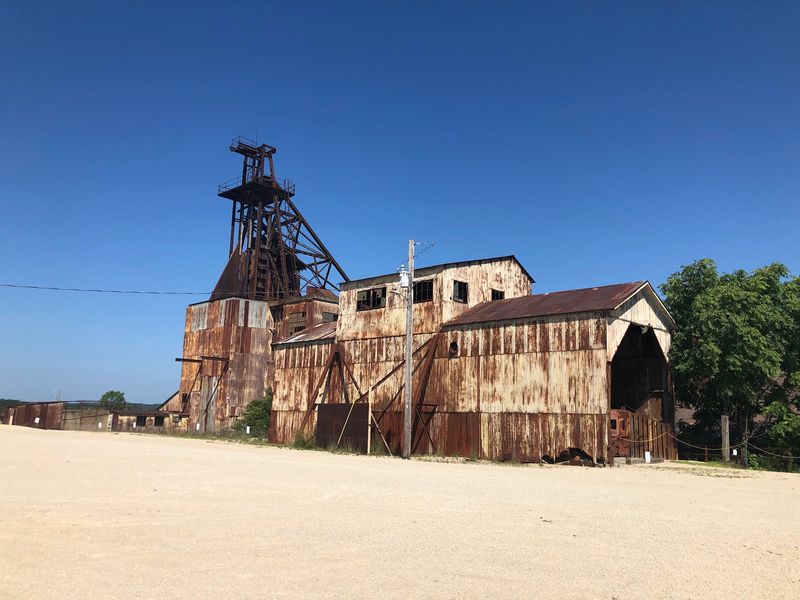
Late-day light can make the old mine buildings look dramatic and almost movie-like.
One reviewer described a sunset visit as stunning, and it is easy to imagine why.
The outdoor grounds offer chances to photograph historic structures from safe public areas.
Weathered walls, industrial shapes, and open sky create strong images without needing to enter restricted buildings.
For the best photos, pay attention to shadows and angles.
Stand back enough to show the size of the structures, then move closer to capture details like brick, metal, signs, or windows.
Follow all posted rules while taking pictures.
No photo is worth crossing a barrier or stepping into an unsafe area.
If you visit near closing time, remember that museum hours may end before sunset during some seasons.
Check the schedule so you do not miss indoor exhibits while waiting for outdoor light.
Quiet moments are part of the site’s appeal.
The mine is no longer roaring with work, but the buildings still hold a strong presence.
Standing outside after seeing the locomotive and machinery inside can make the whole story feel bigger, older, and more real.
15. What to Know Before You Go
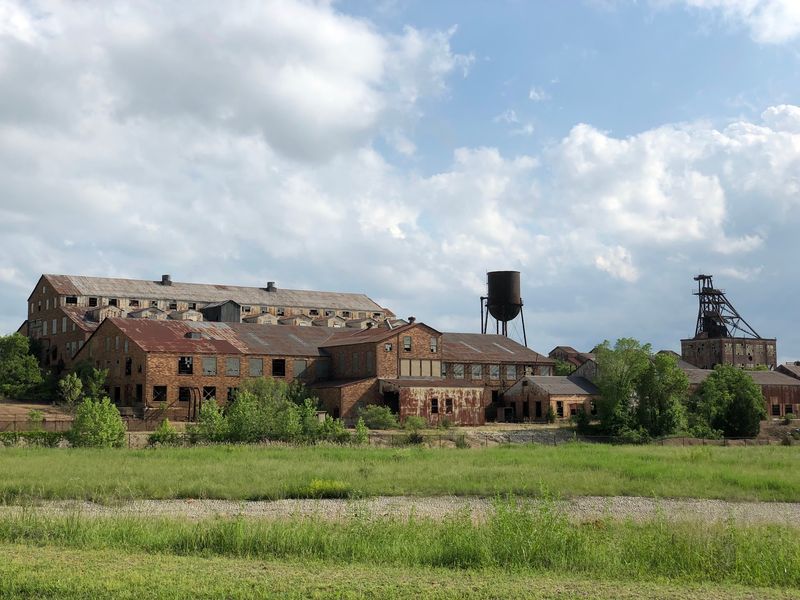
A little preparation helps this historic site shine.
Missouri Mines State Historic Site is located at 4000 State Hwy 32 in Park Hills, Missouri, and it is best visited with time to look slowly.
Wear comfortable shoes if you plan to walk the grounds.
The museum is indoors, but the outdoor areas can depend on the weather, and historic surfaces may not feel like a smooth shopping mall.
Bring questions, especially if staff members are available.
Ask about the 15-ton locomotive, the powerhouse, the mineral collection, and how lead mining shaped the region.
Check current hours before driving there.
The listed schedule is Wednesday through Sunday, 9 AM to 3 PM, with Monday and Tuesday closed, but official updates should guide your plans.
Expect many buildings to be off-limits.
That is normal for safety at an old industrial site, and there is still plenty to see from approved areas.
Plan for about one to two hours, or longer if you love minerals and history.
The site is especially good for families, rock collectors, industry fans, and travelers who enjoy unusual museums.
Leave with one favorite fact, one favorite mineral, and one last look at the locomotive hiding inside the old powerhouse.