Tennessee is packed with campgrounds, but most people end up at the same crowded spots where finding a quiet moment feels impossible. If you want to actually disconnect and enjoy nature without bumping into RVs blasting country music at dawn, you need to know where the locals go.
These hidden campgrounds scatter across the state from the Smokies to the Cumberland Plateau, offering the kind of peace that makes you forget your phone exists for a few days.
1. Dennis Cove Campground — Hampton
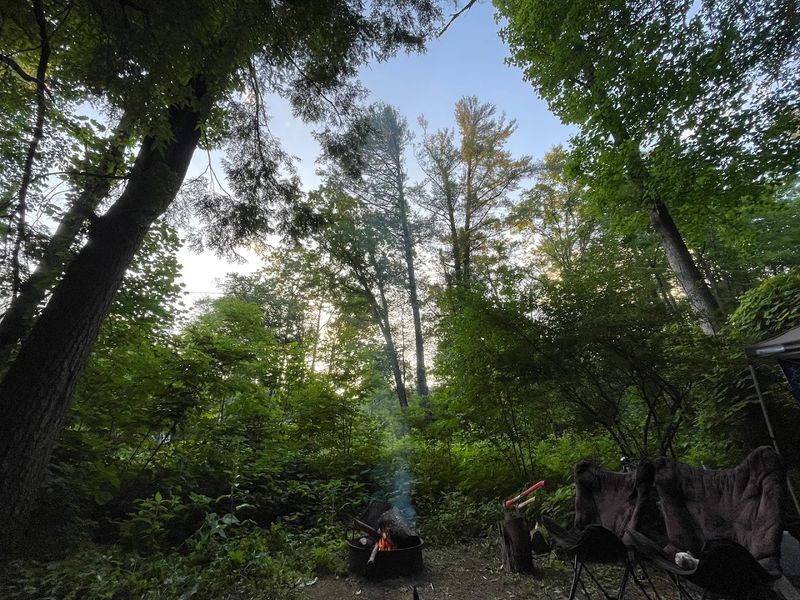
Tucked along Laurel Fork Creek in the Cherokee National Forest, Dennis Cove earns its reputation as one of the most genuinely remote developed campgrounds you can drive to. This spot backs up the claim with thick forest, limited cell service, and creek sounds that replace whatever stress you drove in with.
The campground sits at the trailhead for several killer hikes, including routes to Laurel Falls and sections of the Appalachian Trail. You can fish right from camp or just sit by the water pretending you have nowhere else to be. Sites are spread out enough that your neighbors won’t be part of your camping experience.
Facilities stay basic—vault toilets and hand pumps for water—which keeps the crowds thin. Most weekends outside peak fall color season, you’ll share the area with maybe a handful of other campers who also value silence over amenities.
2. Elkmont Campground — Gatlinburg
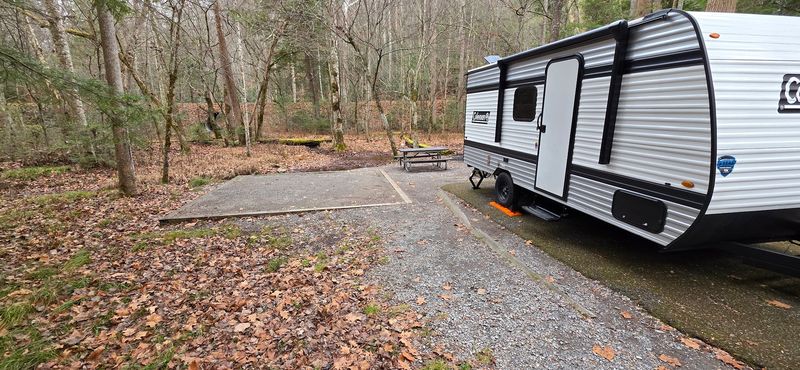
Most people associate Gatlinburg with traffic jams and mini golf, but Elkmont hides in plain sight just a few miles from the chaos. As the largest campground in Great Smoky Mountains National Park, it somehow maintains a feeling of seclusion thanks to smart site design and the sound-dampening magic of old-growth forest.
Little River runs right through the area, providing constant white noise that makes you forget how many other campers share the woods. Sites vary wildly—some feel exposed while others nestle into hillside pockets where you might as well be alone. Loop E and parts of Loop D offer the best privacy if you can snag them.
The abandoned Elkmont historic district sits within walking distance, offering a genuinely eerie exploration of old vacation cabins slowly being reclaimed by the forest. Trails to Laurel Falls and Jakes Creek start right from camp, meaning you can hike without adding car time to your day.
Reservations book up months ahead for summer and fall, but shoulder seasons bring cooler temps and thinner crowds. Spring means wildflowers and rushing water, while late fall offers bare trees that somehow make the forest feel even more private.
3. Old Forge Campground — Greeneville
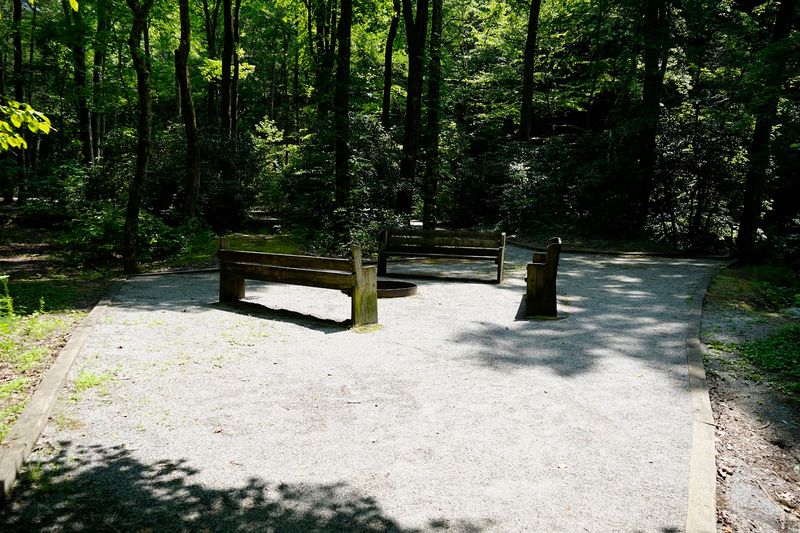
Old Forge sits tucked into the Cherokee National Forest without pretending to be anything fancy. This small campground attracts people who want trees and quiet instead of playgrounds and camp stores. If you need wifi and hot showers, keep driving—this spot caters to a different kind of camper.
The campground keeps things deliberately simple with vault toilets and a handful of sites that spread out enough to give everyone breathing room. No hookups, no dump station, no problem for people who pack their own entertainment and don’t mind basic facilities. What you lose in amenities, you gain in actual peace.
Fishing and hiking nearby keep you busy if sitting still isn’t your style. The surrounding forest service roads offer exploring options for those who like poking around less-traveled areas. Fall brings spectacular color without the Gatlinburg-level crowds, while spring and summer stay pleasantly cool under the forest canopy.
4. Horse Creek Recreation Area — Chuckey
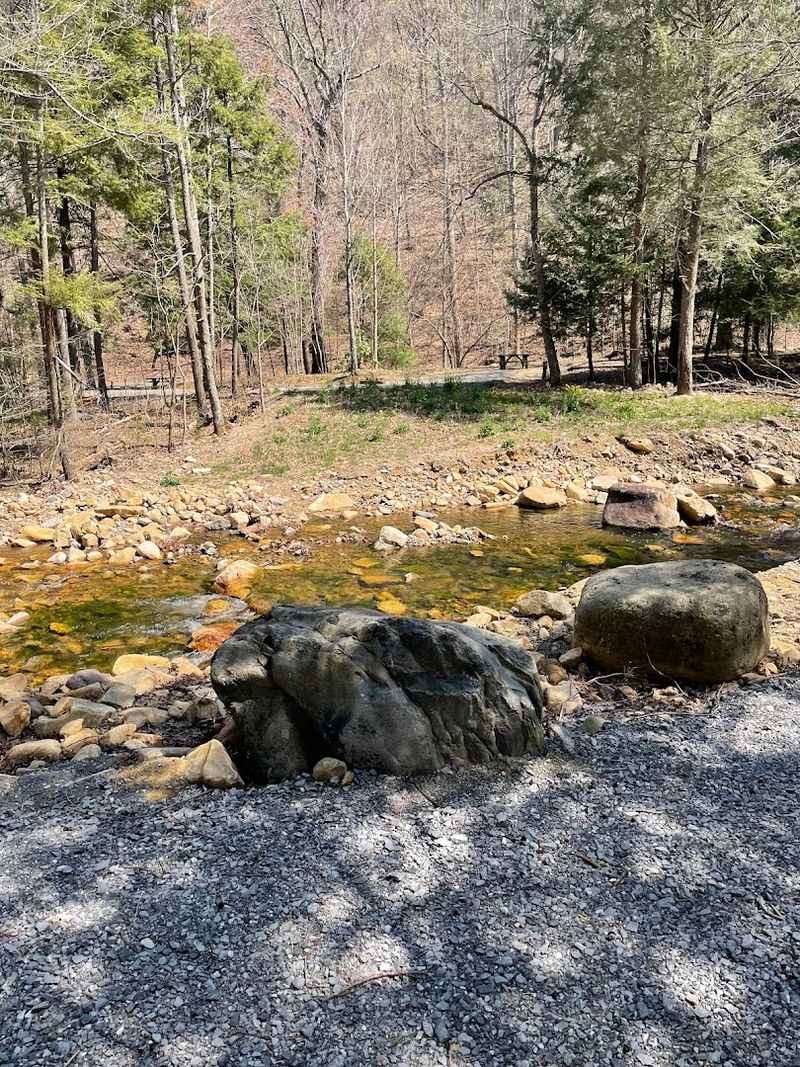
Walk-in tent camping filters out about 90% of potential campers right off the bat, which makes Horse Creek Recreation Area perfect for people who don’t mind carrying their gear a bit. Tucked into a hardwood cove beside its namesake creek, this spot requires just enough effort to keep it blissfully uncrowded.
The walk from parking to sites isn’t brutal—most people manage it in one trip with a loaded pack—but it’s enough to eliminate anyone who camps exclusively from their vehicle. No RVs means no generator noise, just birds and water doing their thing.
Fishing in Horse Creek produces decent results for those who know what they’re doing, while the surrounding Cherokee National Forest offers miles of exploring. The primitive setup means vault toilets and that’s about it for facilities. Bring your own water or be ready to filter from the creek.
5. Gee Creek Campground — Delano
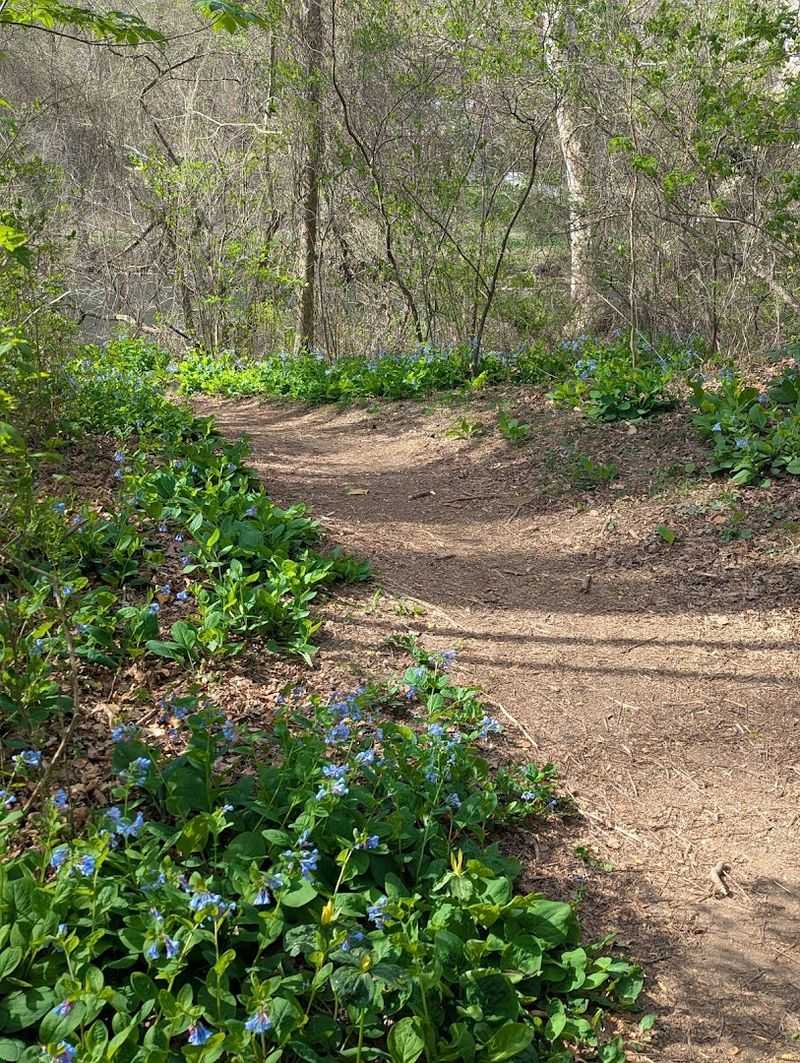
Gee Creek wins points for being genuinely primitive while still offering vehicle access to sites. Tennessee State Parks describes some spots as close enough to the river that you’ll hear water all night, which either sounds amazing or annoying, depending on whether you sleep through noise.
The campground keeps things basic in the best way—no electric hookups, minimal development, and a setting that feels more wild than managed. Sites vary in privacy, with some tucked right against the creek and others set back in the trees. Scout them out when you arrive if you have options.
Fishing and creek wading provide the main entertainment, though honestly, just sitting and listening works fine too.
Pack everything you need, including firewood. The nearest stores require driving, and you probably came here to avoid that anyway.
6. Bandy Creek Campground — Oneida
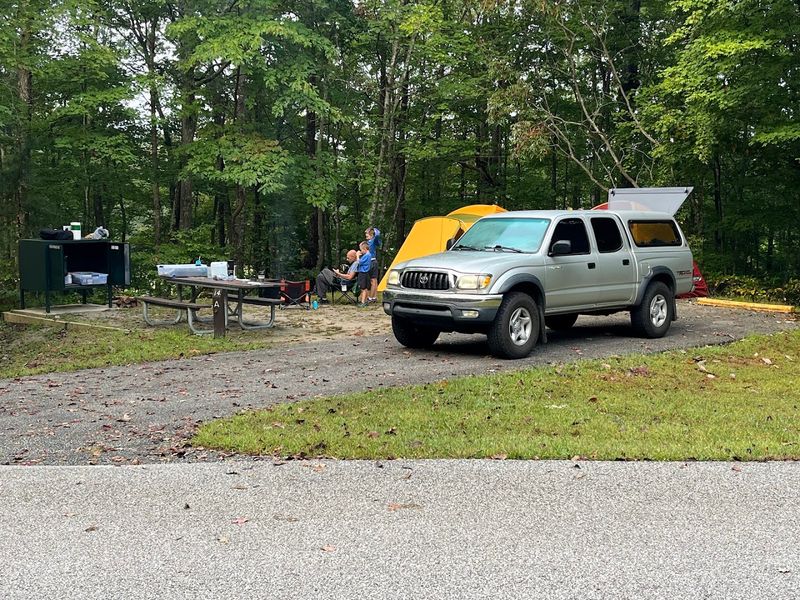
Bandy Creek serves as the main developed campground for Big South Fork National River and Recreation Area, but don’t let “main” fool you into thinking it’s crowded. The park itself sees a fraction of Smoky Mountains traffic, and the campground spreads sites out enough that you’re not camping in your neighbor’s lap.
Loops wind through mature forest with varying levels of privacy. Some sites sit close to the road while others tuck into wooded alcoves where you might forget other people exist. The campground offers more amenities than primitive spots—flush toilets, showers, even electric hookups if you need them—but the setting still feels remote.
Trails access directly from camp, including routes to overlooks and waterfalls that require real hiking to reach. The Big South Fork River gorge cuts deep through the plateau, creating scenery that surprises people who think Tennessee is all rolling hills. Rock formations, arches, and river views reward those who venture beyond the campground.
Spring and fall bring the best weather, though summer weekdays often see plenty of empty sites. Winter camping is allowed with reduced services, appealing to hardy souls who want the place essentially to themselves.
The remote location means you’re genuinely getting away—cell service is spotty and the nearest town doesn’t offer much beyond basics.
7. Paris Landing State Park Campground — Buchanan
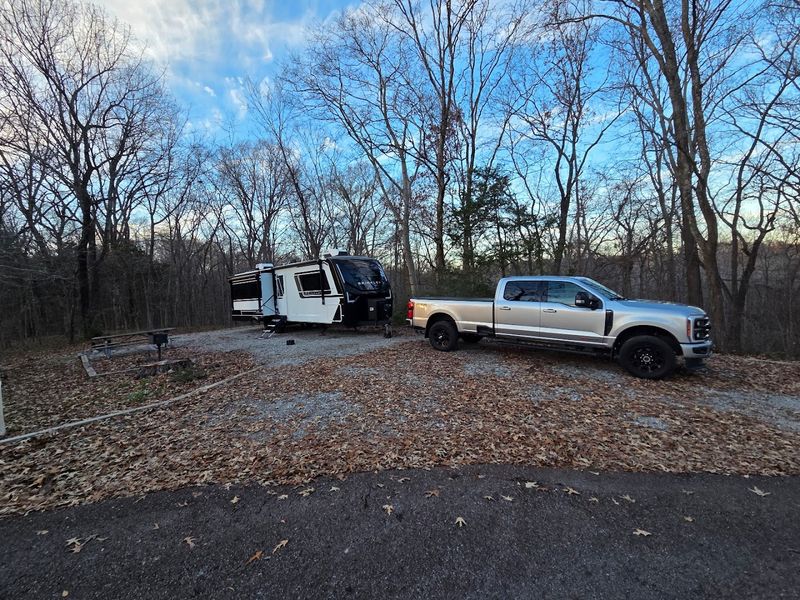
West Tennessee doesn’t offer mountains or dramatic gorges, but Paris Landing State Park provides a different kind of escape along Kentucky Lake. The park includes 18 primitive campsites that most people overlook in favor of the developed areas, making them perfect for anyone seeking quieter stays.
These primitive sites trade amenities for location and peace. You won’t find hookups or nearby bathhouses, but you will find lakeside settings where fishing happens right from camp. The sites spread out along the shoreline and back into wooded areas, offering choices between water access and forest privacy.
Kentucky Lake stretches huge in both directions, providing endless boating and fishing opportunities. The park’s trail system connects primitive camping areas to the rest of the park without requiring you to drive everywhere. Wildlife viewing picks up at dawn and dusk when the day-use crowds clear out.
Summer brings heat and humidity typical of West Tennessee, but lake breezes help. Spring and fall offer more comfortable temps along with bird migrations that make the area interesting for watchers. Winter stays mild compared to East Tennessee, keeping the park accessible year-round for those who don’t mind cold-weather camping.
This spot won’t give you mountain solitude, but it delivers on quiet lakeside camping without the resort feel of bigger state park campgrounds.
8. Edgar Evins State Park Campground — Silver Point
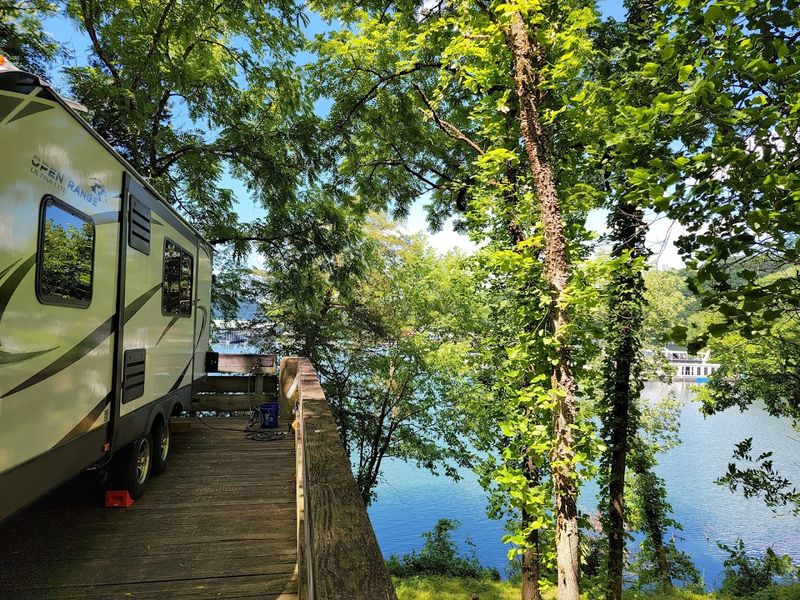
Edgar Evins sits on Center Hill Lake in a part of Middle Tennessee that doesn’t make tourist lists, which works perfectly for people who want to camp without competing for space. The park offers both developed and more secluded sites, with the latter tucked into coves and ridges where lake views come without crowds.
Sites vary dramatically in privacy and setting. Some overlook the lake from elevated positions while others nestle into the forest where you trade views for seclusion. The campground layout creates natural separation between sites, so even on busier weekends, you’re not stacked on top of neighbors.
Water access stays close regardless of which site you claim.
Center Hill Lake provides excellent fishing year-round, with multiple species keeping anglers busy. Hiking trails wind through the park’s wooded sections, offering exercise without requiring epic endurance. The marina and boat ramp give water access, though you can also just enjoy the lake from shore.
The park’s location between Nashville and Knoxville means you’re not driving to the middle of nowhere, yet it feels removed once you settle into camp.
9. Abrams Creek Campground — Tallassee
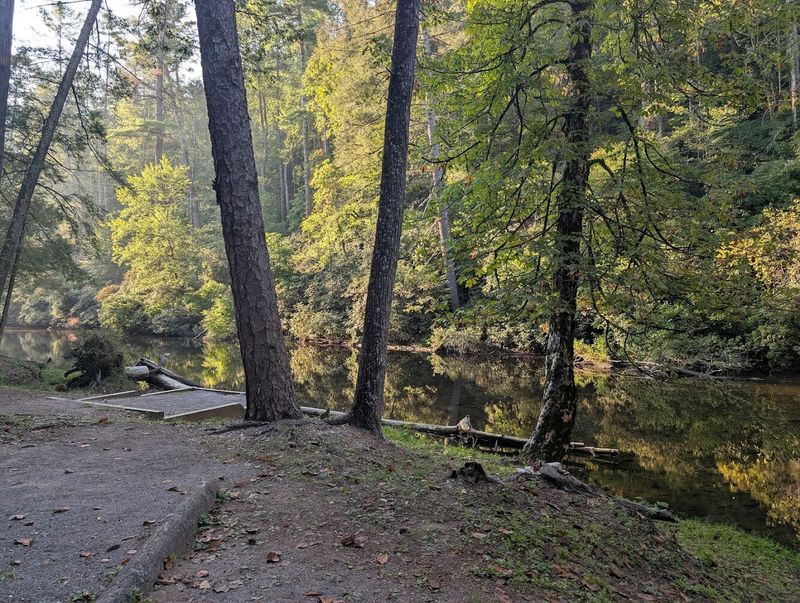
Abrams Creek hides in the far western section of Great Smoky Mountains National Park where most visitors never venture. Getting there requires driving Cades Cove Loop Road and then continuing past where 99% of tourists turn around, which immediately makes it more secluded than anything near Gatlinburg.
The campground stays small and primitive with just 16 sites spread along the creek. No reservations, no hookups, no frills—just first-come camping that rewards people who arrive early or visit during off-peak times. Sites tuck into the forest with Abrams Creek providing constant background noise that drowns out any campground sounds.
Fishing in Abrams Creek attracts serious anglers who know the water holds quality trout. The trail to Abrams Falls starts right from the campground, offering a moderate hike to one of the park’s most impressive waterfalls without the crowds you’ll find at Laurel Falls or Grotto Falls.
The remote location means you’re truly disconnected—no cell service, no nearby stores, no backup plans if you forgot something critical. Spring and fall bring the best conditions, while summer offers swimming opportunities.
10. Cosby Campground — Cosby
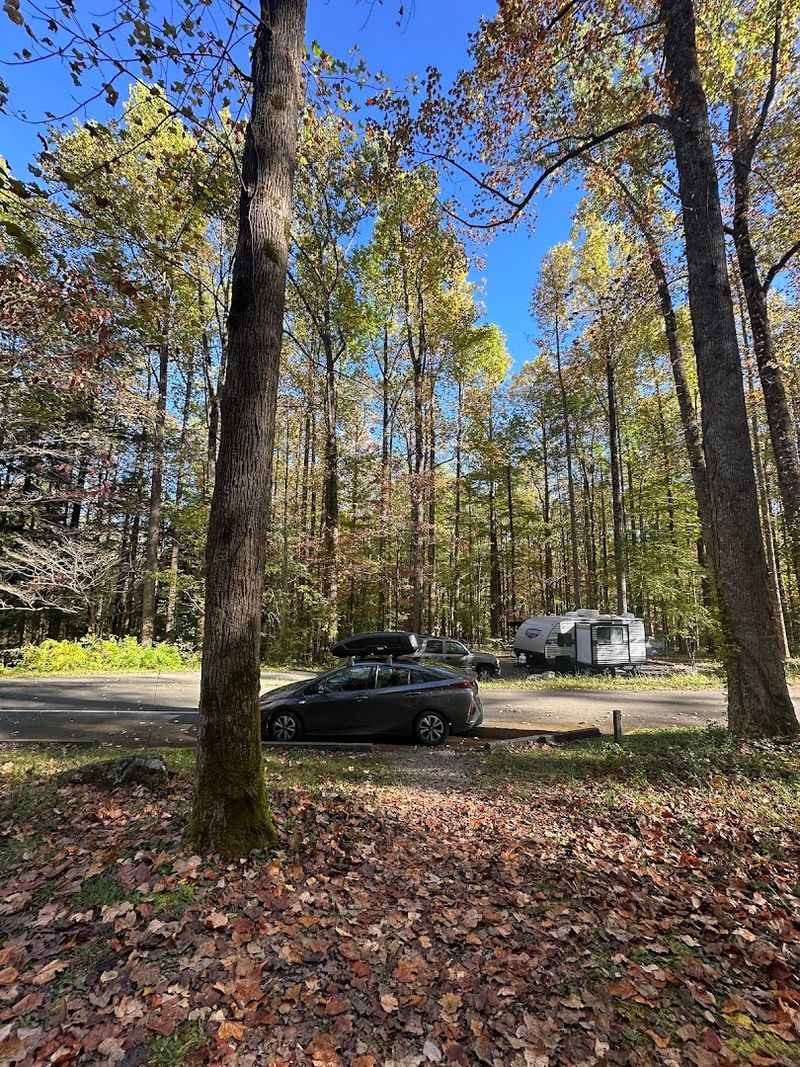
Cosby earns its reputation as the quieter side of the Smokies, and the campground reflects that perfectly. While Cades Cove and Elkmont pack in campers all summer, Cosby maintains a mellow vibe that attracts people specifically seeking less crowded national park experiences.
Sites spread across multiple loops under a canopy of mature hardwoods and hemlocks. The campground feels more intimate than massive park campgrounds while still offering decent amenities—flush toilets, water spigots, and sites that accommodate both tents and RVs. Privacy varies by site, but even the more exposed spots benefit from the overall low-key atmosphere.
Trails from the campground access some of the park’s best hiking without the parking lot nightmares you’ll find elsewhere. The route to Mount Cammerer fire tower offers spectacular views, while lower elevation trails follow streams through old-growth forest. Cosby Creek runs through the area, providing fishing and the pleasant sound of moving water.
The campground closes in winter, but the long season from spring through late fall gives plenty of opportunities to experience this less-visited corner of the park without feeling like you’re missing out on Smokies camping.
11. Cades Cove Campground — Townsend
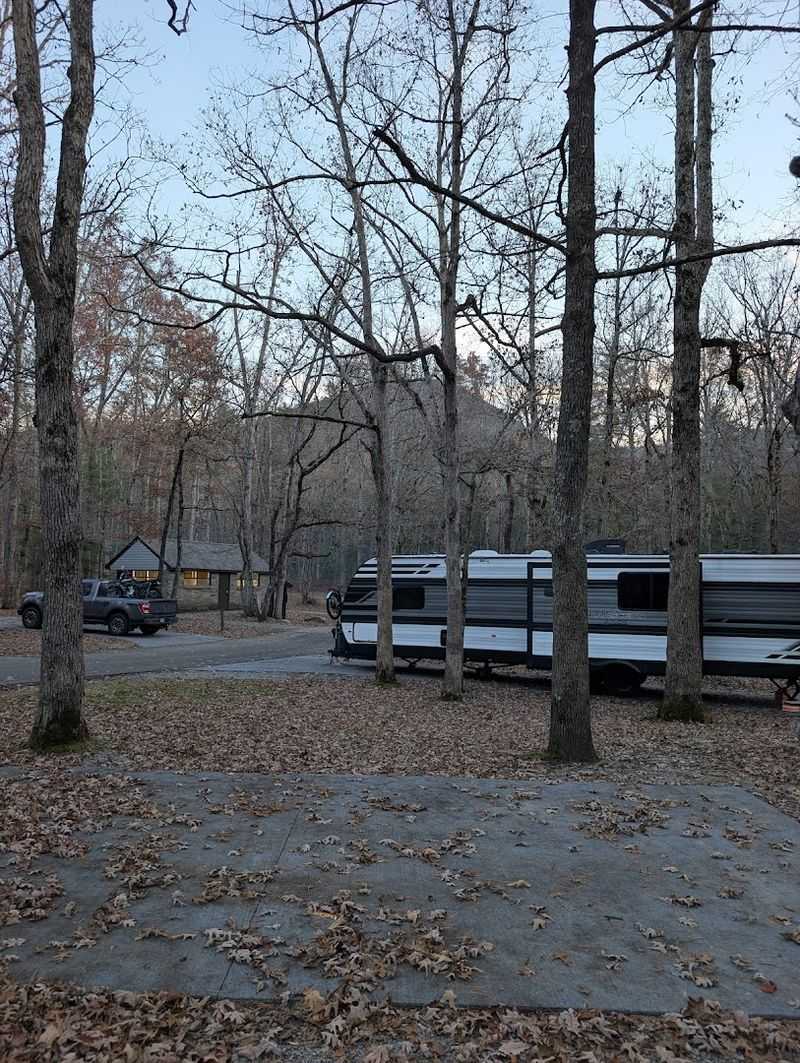
Cades Cove Loop Road sees bumper-to-bumper traffic during peak season, but the campground somehow maintains pockets of genuine seclusion despite being the park’s largest. Site selection makes all the difference between feeling like you’re in a parking lot versus tucked into your own forest hideaway.
The campground sprawls across multiple loops with 159 sites total, but smart layout and dense vegetation create natural barriers between many spots. Loops toward the back offer more privacy, while sites near the entrance and facilities feel more exposed. Reservations book months ahead for summer and fall, but cancellations open up regularly for those who check obsessively.
Location provides the main draw—you’re already inside the cove when other visitors are still stuck in loop traffic. Early morning and evening wildlife viewing happens right from camp when the tour buses clear out. Trails to Abrams Falls, Rocky Top, and other destinations start nearby without requiring you to fight for parking.
12. Roan Mountain State Park Campground — Roan Mountain
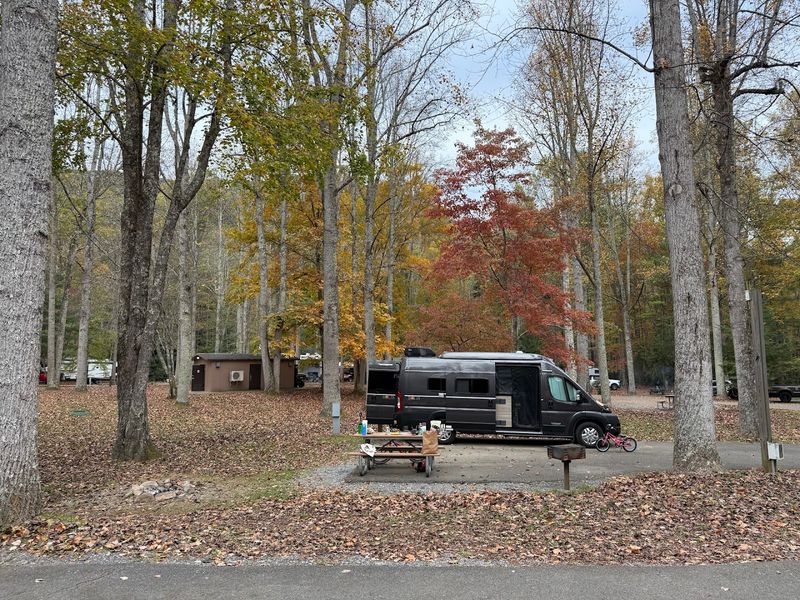
Roan Mountain sits at elevations where the air feels different and the forest transitions to spruce-fir communities you’d expect further north. The state park campground provides access to this unique mountain environment without requiring backpacking skills or wilderness permits.
Sites spread through the park with options ranging from developed spots with hookups to more primitive areas tucked into rhododendron thickets. Even the developed sites maintain a mountain feel thanks to the surrounding forest and elevation. The campground sits lower than the famous Roan Highlands, but you’re still high enough to enjoy cooler temps and mountain atmosphere.
Trails from the park access both state park land and adjacent national forest, including routes to the Appalachian Trail and the legendary rhododendron gardens that bloom spectacularly in June. Doe River cuts through the area, offering fishing and scenic spots for just sitting. The park’s historic area includes a working garden and period buildings worth exploring between hikes.
The park stays open year-round with varying service levels.