Tennessee has mountains, music, and barbecue—everyone knows that. But scattered across the state are places so unusual, so out of left field, that they make you wonder if you took a wrong turn somewhere and ended up in ancient Greece, medieval Europe, or even outer space.
From underground waterfalls to full-scale replicas of world landmarks, these hidden gems prove Tennessee is far stranger and more interesting than most people realize.
1. Ancient Lore Village — Knoxville
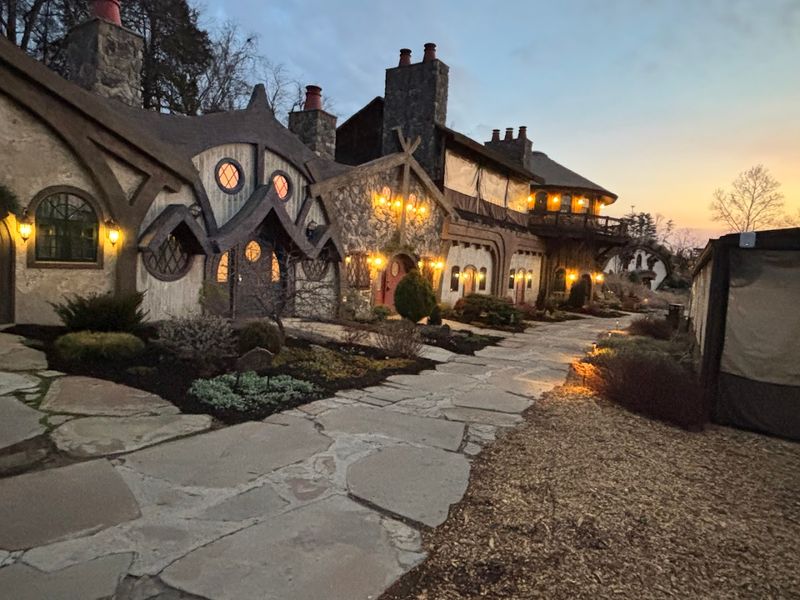
Picture stepping into a fairytale without leaving East Tennessee. Ancient Lore Village sits just outside Knoxville, offering something completely different from your typical mountain cabin rental. The entire property feels like it was plucked from the pages of a fantasy novel, with whimsical cottages designed to transport you straight into another world.
Each cottage has its own distinct personality and theme, making you feel less like a tourist and more like a character in an epic quest. The attention to detail is impressive—from the architectural flourishes to the immersive village styling that makes every corner photo-worthy.
The resort doesn’t just look magical from the outside. Inside each cottage, you’ll find modern amenities wrapped in fantasy decor, so you’re not sacrificing comfort for the experience. It’s the kind of place where kids beg to stay longer and adults find themselves wondering why every vacation spot can’t be this creative.
If you’ve been searching for accommodations that offer more than just a place to sleep, this storybook village delivers. It proves that Tennessee has a playful side most visitors never discover, hidden in plain sight near one of the state’s biggest cities.
2. The Parthenon — Nashville
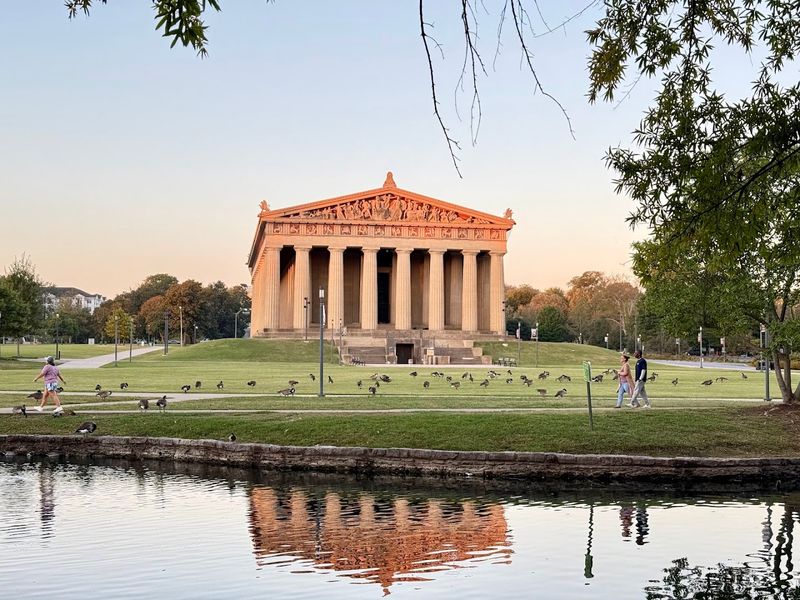
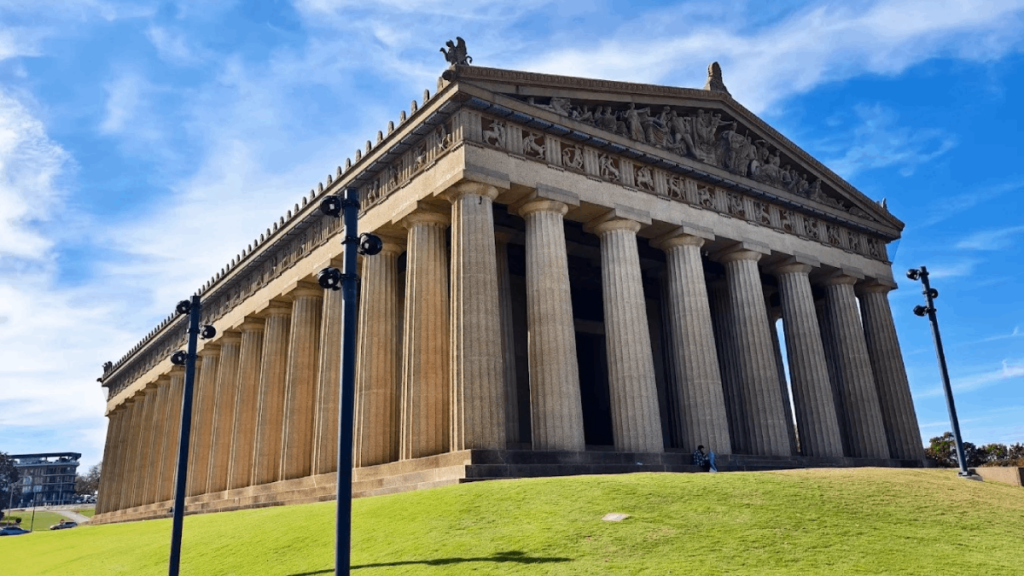
Walking through Centennial Park in Nashville, you might do a double-take when you spot a massive Greek temple sitting casually in the middle of Tennessee. This isn’t some scaled-down tribute or artistic interpretation—it’s the world’s only full-scale, full-detail replica of the original Parthenon from Athens.
Built for Tennessee’s 1897 Centennial Exposition, it was meant to be temporary but became so beloved that the city made it permanent.
Inside, you’ll find an art museum and a 42-foot statue of Athena that’s equally jaw-dropping. The statue is covered in gold leaf and recreates what the ancient Greeks would have seen in their own temple thousands of years ago.
The exterior columns and architectural details match the original so precisely that scholars have used it for research. On summer evenings, the park fills with locals having picnics and playing frisbee, creating the surreal image of ancient Greece meets Southern leisure. It’s become such a normal part of Nashville that residents sometimes forget how wild it is.
3. Castle Gwynn — Arrington
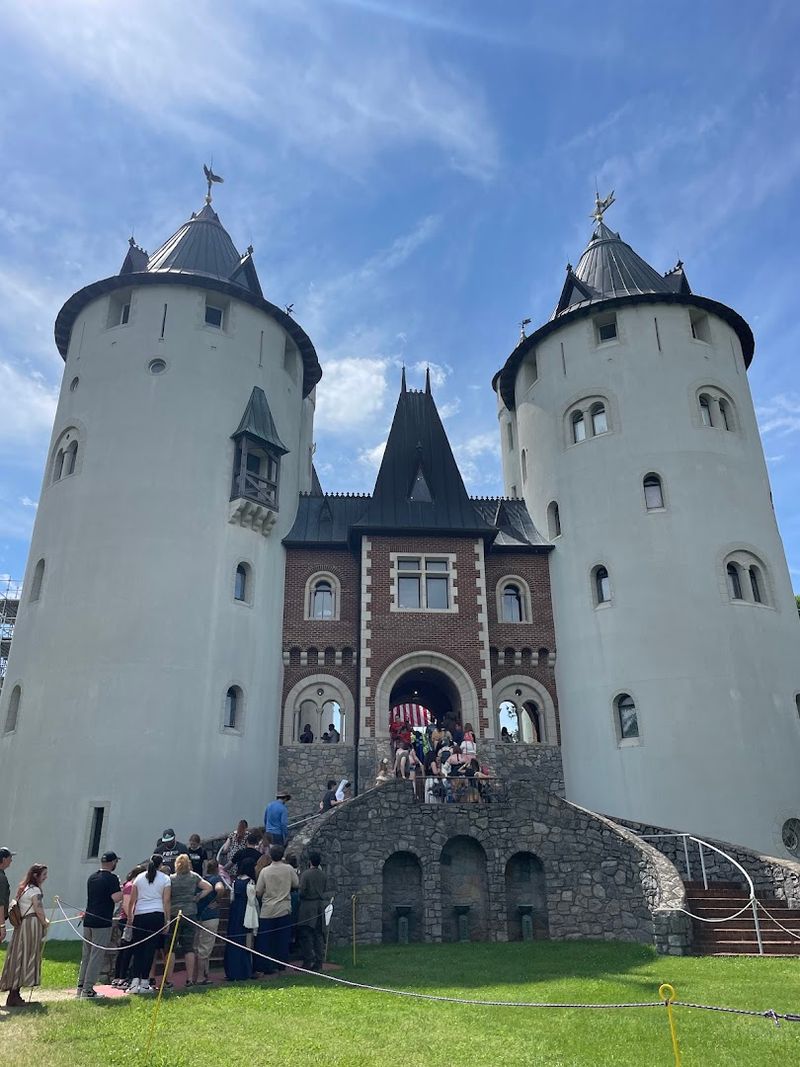
Driving through the rolling hills of Middle Tennessee, stumbling upon an actual castle feels like your GPS malfunctioned and sent you to medieval Europe by mistake. Castle Gwynn rises from the countryside near Arrington, complete with stone towers, battlements, and enough authentic details to make you check if you accidentally time-traveled.
The structure was built with serious attention to period architecture, not as a theme park attraction but as a genuine castle.
The grounds really come alive during the Tennessee Renaissance Festival, when the property transforms into a full medieval village. Jousting knights, costumed performers, and artisan vendors fill the space, making the castle feel like it’s serving its original purpose. Even outside festival season, the exterior alone is worth the trip for anyone who’s ever dreamed of exploring a real fortress.
What makes it especially unexpected is the location—this isn’t tourist-heavy Nashville or Gatlinburg, but a quiet rural area where castles have no business existing. The contrast between Southern farmland and European fortress creates a delightfully disorienting experience. +
Castle Gwynn proves that Tennessee’s surprises aren’t limited to natural wonders. Sometimes the state just drops a full castle in the countryside and carries on like it’s perfectly normal.
4. Bass Pro Shops at the Pyramid — Memphis
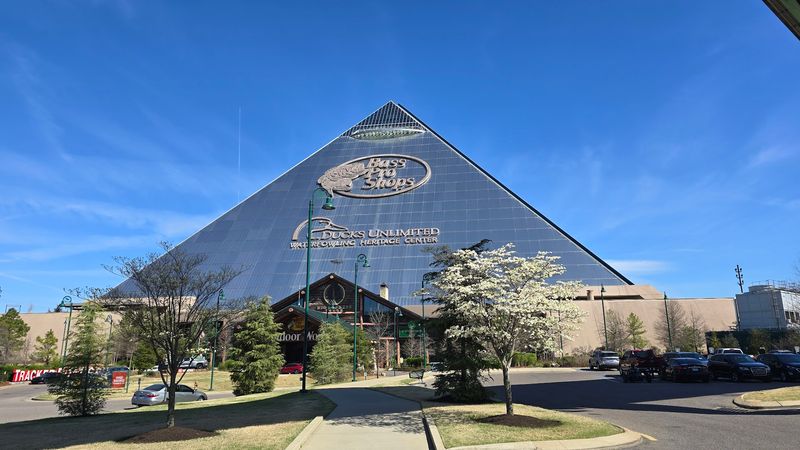
Memphis has a giant pyramid sitting on the riverfront, which is already strange enough. Then you learn it’s been transformed into a Bass Pro Shops, and the weirdness multiplies. But the real shock comes when you step inside and discover it contains an indoor swamp, complete with live alligators, towering cypress trees, and actual water features that make you forget you’re in a retail store.
The building was originally an arena that hosted basketball games and concerts before being reimagined as one of the most surreal shopping experiences in America. Now it houses restaurants, a hotel, a bowling alley, aquariums, and an observation deck that offers killer views of the Mississippi River.
You can ride an elevator to the top for panoramic views, then come back down to watch alligators swim in their habitat.
The scale of everything inside defies expectations. The pyramid’s interior feels cavernous, with multiple levels connected by walkways and bridges that cross over the indoor wetlands below. Even people who have zero interest in fishing or hunting find themselves wandering around in amazement at the sheer audacity of the concept.
It’s the kind of place that sounds made up when you try to describe it to friends. A pyramid. In Memphis. With a swamp inside. And a hotel. Tennessee doesn’t do anything halfway.
5. Eiffel Tower Park — Paris
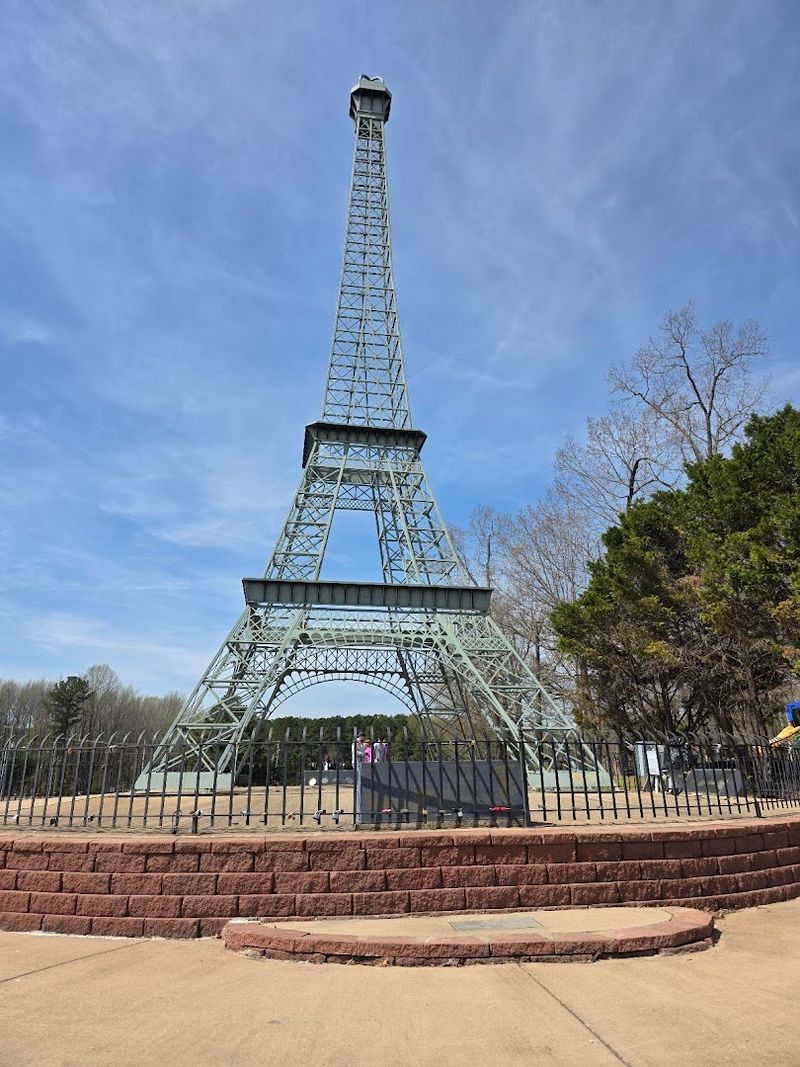
Tennessee has its own Paris, and yes, that Paris has its own Eiffel Tower. The 60-foot replica stands proudly in a public park, creating one of those perfectly kitschy roadside attractions that make America wonderful.
While it’s obviously smaller than the French original, it’s still tall enough to dominate the skyline of this small West Tennessee town and create genuinely charming photo opportunities.
The tower was originally built without the red crown on top, making it a straightforward replica. Later, the town added a big red cap to distinguish their version from all the other Eiffel Tower replicas scattered across the country. That decision gave Paris, Tennessee, a signature twist that somehow makes the whole thing more endearing rather than less.
Visitors often stop here while road-tripping across the state, drawn by the novelty factor and the chance to say they’ve been to Paris without leaving the South. The park itself is pleasant enough for a picnic or a quick stretch, but the tower is obviously the main attraction.
6. The Lost Sea — Sweetwater
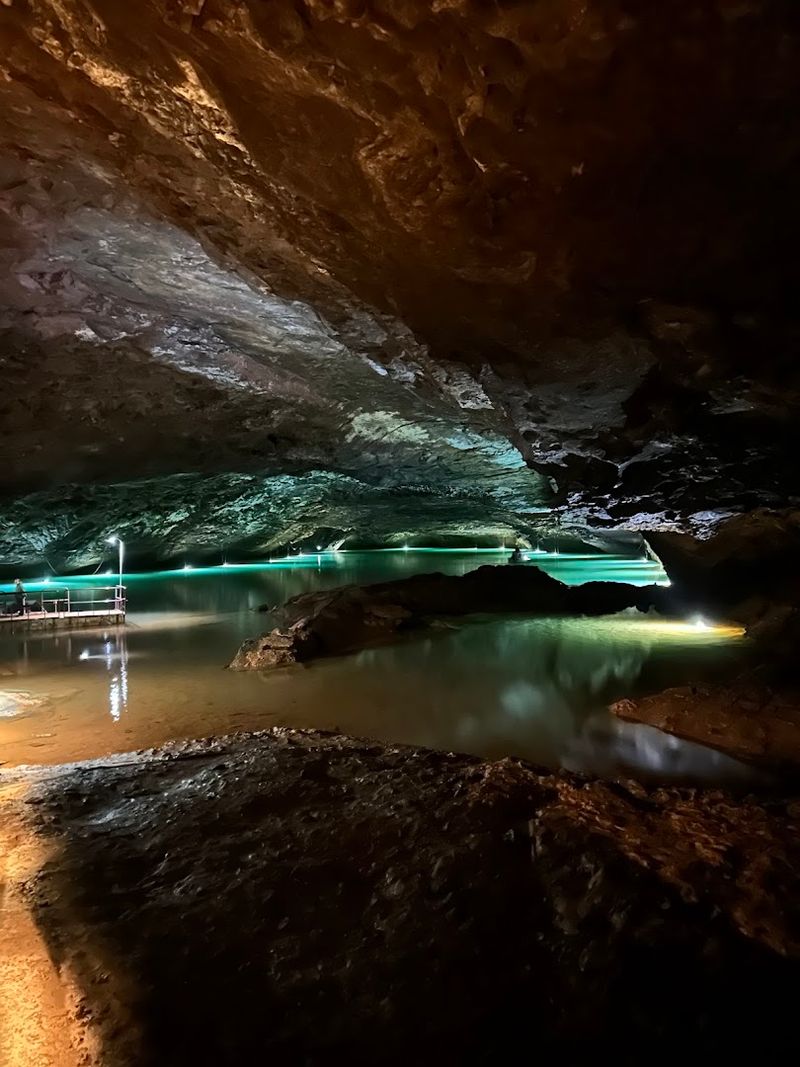
Telling someone Tennessee has America’s largest underground lake sounds like the setup to a tall tale. But The Lost Sea is completely real, hidden deep inside Craighead Caverns near Sweetwater.
Visitors descend into the cave system and eventually reach a massive subterranean lake that stretches far beyond what tour lights can reveal, creating an eerie and magical atmosphere that feels like something from a fantasy novel.
The lake was discovered in 1905 by a thirteen-year-old boy who squeezed through a tiny opening and found himself staring at an underground ocean. Since then, it’s been explored extensively, though divers still haven’t found all the boundaries. During tours, you actually get to take a boat ride across the dark water while guides share stories about the cave’s history and the unusual fish that live in complete darkness.
The temperature stays consistently cool year-round, making it a refreshing escape during Tennessee’s sweltering summers. The cave formations surrounding the lake add to the otherworldly feeling—stalactites hang overhead while the still water reflects everything in perfect mirror images. Some sections of the cave show evidence of being used by Native Americans thousands of years ago.
The Lost Sea proves that Tennessee’s most impressive features aren’t always visible from the surface. Sometimes you have to go underground to find the truly unforgettable stuff.
7. Ruby Falls — Chattanooga
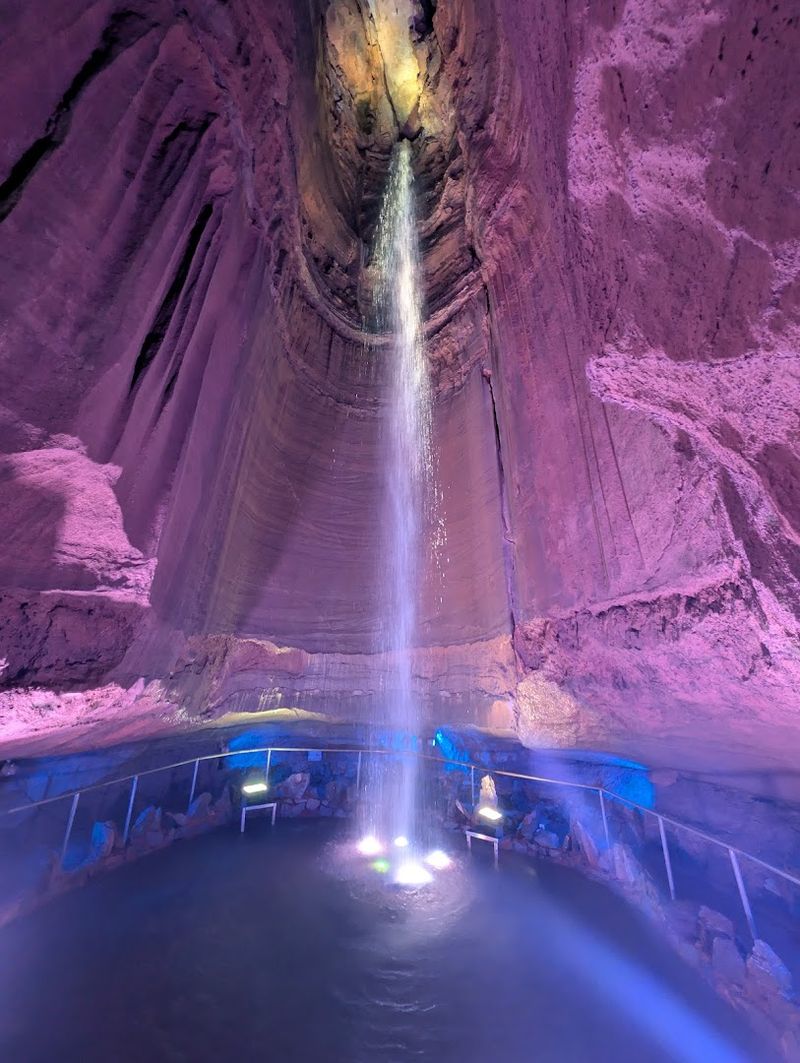
Most waterfalls require hiking through forests or scrambling over rocks to reach. Ruby Falls flips that script entirely by hiding inside Lookout Mountain, making it the tallest underground cave waterfall open to the public in the United States.
The 145-foot cascade plunges through a cavern deep beneath the mountain’s surface, lit dramatically to highlight the water’s movement and the surrounding rock formations.
Getting there involves an elevator ride down through solid rock, followed by a guided walking tour through narrow cave passages. The buildup is intentional—guides lead you through smaller chambers and interesting geological features before the grand reveal.
When you finally reach the waterfall chamber, the space opens up dramatically, and the sound of rushing water fills the darkness in a way that feels almost primordial.
The falls were discovered in 1928 by Leo Lambert, who was actually searching for a cave entrance he’d known as a child. Instead, he broke through into a previously unknown chamber and found the waterfall. He named it after his wife, Ruby, and opened it to tourists almost immediately.
The attraction has been drawing visitors ever since, becoming one of Chattanooga’s signature experiences.
8. Bell Witch Cave — Adams
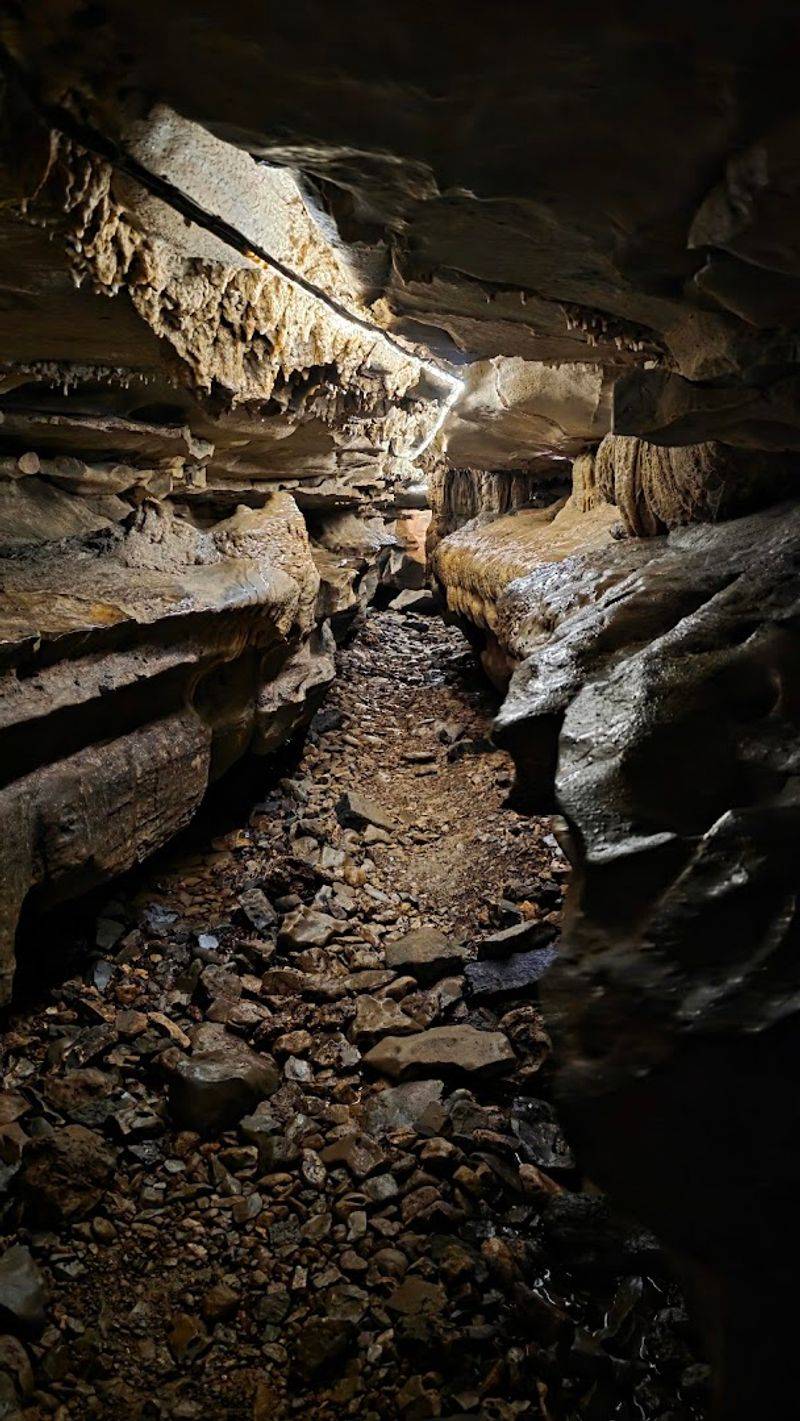
Tennessee’s most famous ghost story centers on a cave in Adams, where the legendary Bell Witch supposedly tormented a local family in the early 1800s. Whether you believe in paranormal activity or not, the cave itself creates an undeniably eerie atmosphere that has drawn curious visitors for generations.
The property leans fully into the legend, offering tours that explore both the cave’s geological features and the dark folklore that made it famous.
The Bell Witch tale involves strange noises, physical attacks, and a malevolent presence that allegedly drove one family member to his death. The cave became central to the story when the witch supposedly used it as a home base. Today, visitors can explore the same passages while hearing accounts of unexplained phenomena reported by previous guests and paranormal investigators who’ve visited over the years.
The cave stays naturally cool and dark, with uneven passages that require careful footing. Some visitors report feeling watched or experiencing sudden temperature drops, while skeptics enjoy it simply as an interesting piece of Tennessee folklore brought to life.
Bell Witch Cave occupies a unique space between tourist attraction and genuine local legend. It’s spooky, historically significant, and weird enough to feel distinctly Tennessee—a state that’s never been afraid of its haunted reputation.
9. Sunsphere — Knoxville
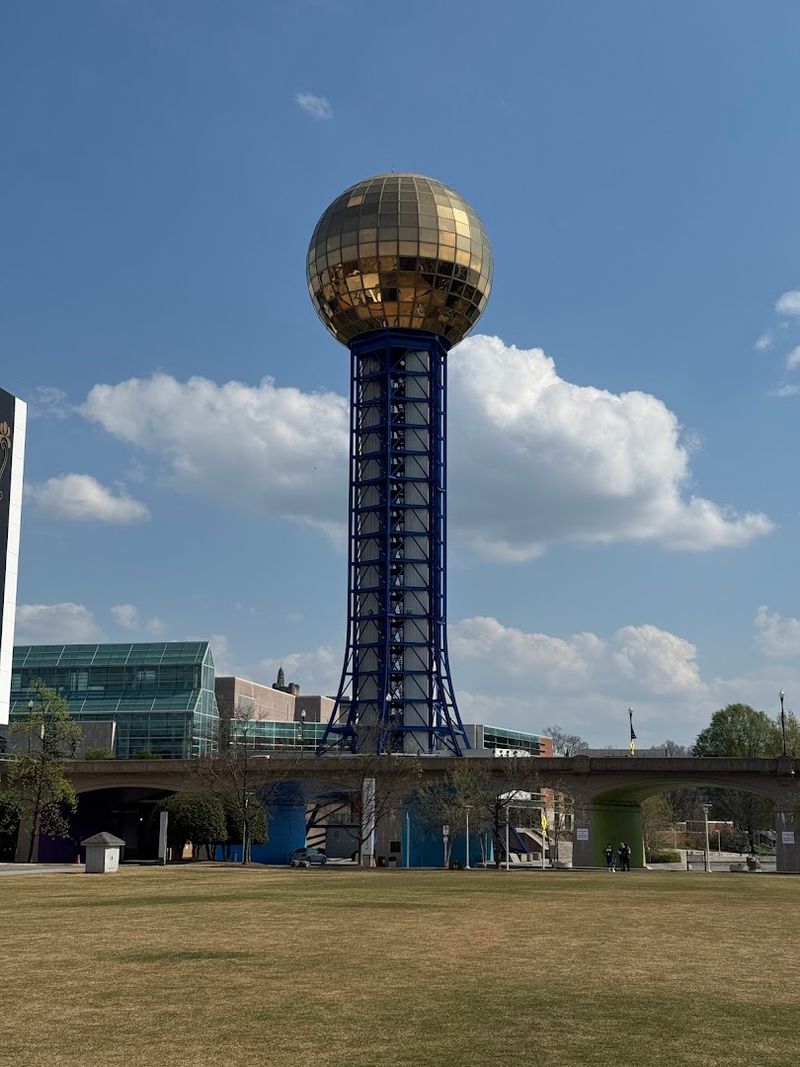
Rising above downtown Knoxville, a gleaming gold sphere perched on a tall tower looks like it was beamed down from a retro-futuristic vision of the year 2000.
The Sunsphere was built for the 1982 World’s Fair and has remained a defining part of Knoxville’s skyline ever since, even though it represents a very specific moment in design history that feels both dated and oddly timeless. The structure stands 266 feet tall, with the golden glass sphere measuring 75 feet in diameter.
Inside the sphere, there’s an observation deck that offers panoramic views of Knoxville and the surrounding mountains. The space has been renovated over the years but retains that distinct 1980s World’s Fair aesthetic that makes it feel like a time capsule. On clear days, you can see for miles in every direction, getting a perspective on the city that few other vantage points provide.
The Sunsphere became somewhat of a pop culture punchline after The Simpsons featured it in an episode, but Knoxville has embraced it as a beloved landmark rather than an embarrassment. It represents a moment when the city was on the world stage, and locals are proud of its continued presence.
It’s wonderfully weird and unapologetically bold—exactly the kind of unexpected landmark that makes Tennessee memorable.
10. Downtown Presbyterian Church — Nashville
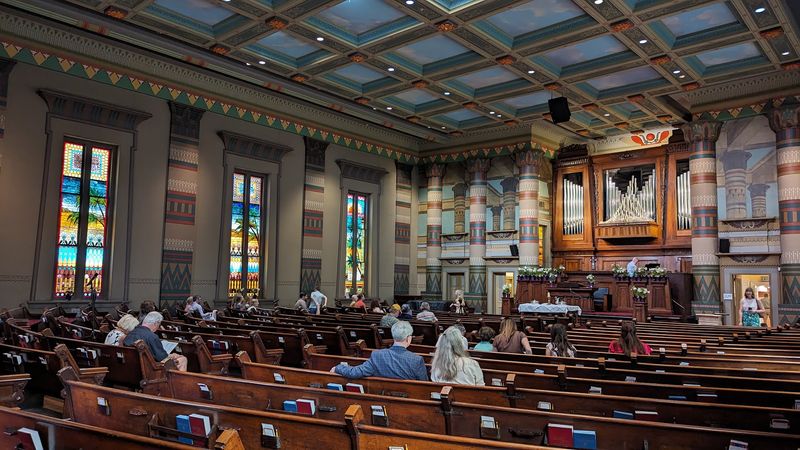
Among Nashville’s honky-tonks and modern high-rises sits a church that looks like it was transported directly from ancient Egypt. Downtown Presbyterian Church features Egyptian Revival architecture so authentic and detailed that it stops pedestrians in their tracks.
Built in 1851, the building incorporates design elements inspired by Egyptian temples, including columns with papyrus and lotus motifs, creating a visual experience completely at odds with typical Tennessee church architecture.
The interior is even more striking than the exterior, with hieroglyphic-style decorations, bold geometric patterns, and a color scheme that feels more pharaoh’s tomb than Southern sanctuary. The sanctuary’s design was influenced by archaeological discoveries that fascinated mid-19th century Americans, resulting in one of the finest examples of Egyptian Revival style in the entire country.
What makes it particularly unexpected is the location—surrounded by the tourist chaos of lower Broadway, this architectural gem offers a moment of quiet strangeness. The church remains an active congregation, not just a museum piece, which means the building serves its original purpose while also functioning as an accidental tourist attraction.
Architecture enthusiasts make pilgrimages here specifically to see the intact Egyptian Revival elements.