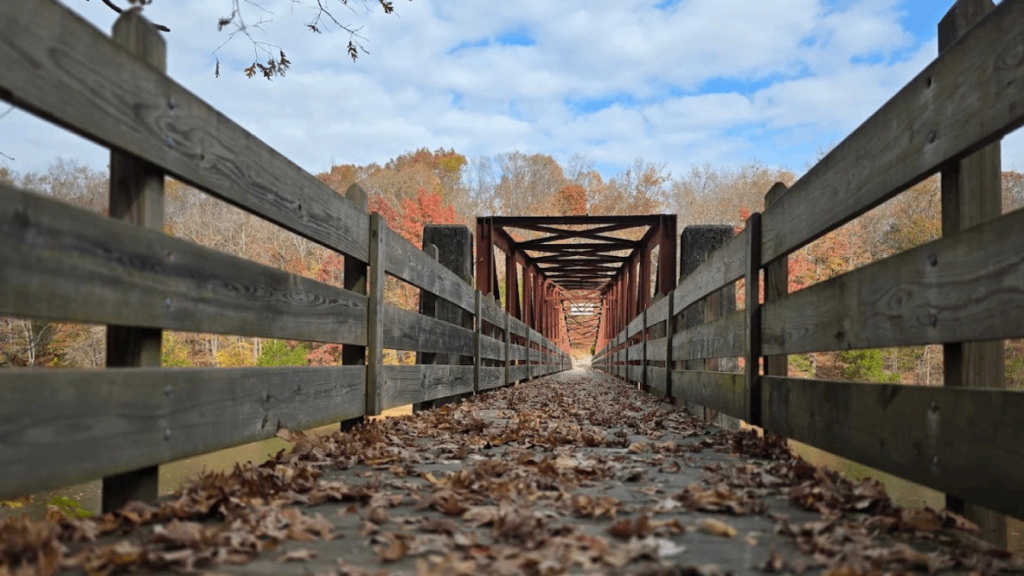
Tennessee’s state parks pack some serious outdoor punch. From thundering waterfalls that’ll make your jaw drop to quiet lakeside trails where you can actually hear yourself think, these spots offer way more than just picnic tables and parking lots.
Whether you’re chasing waterfall selfies, need a solid day hike, or just want to stare at a lake until your brain stops buzzing, these parks deliver the goods without the national park crowds.
1. Fall Creek Falls State Park
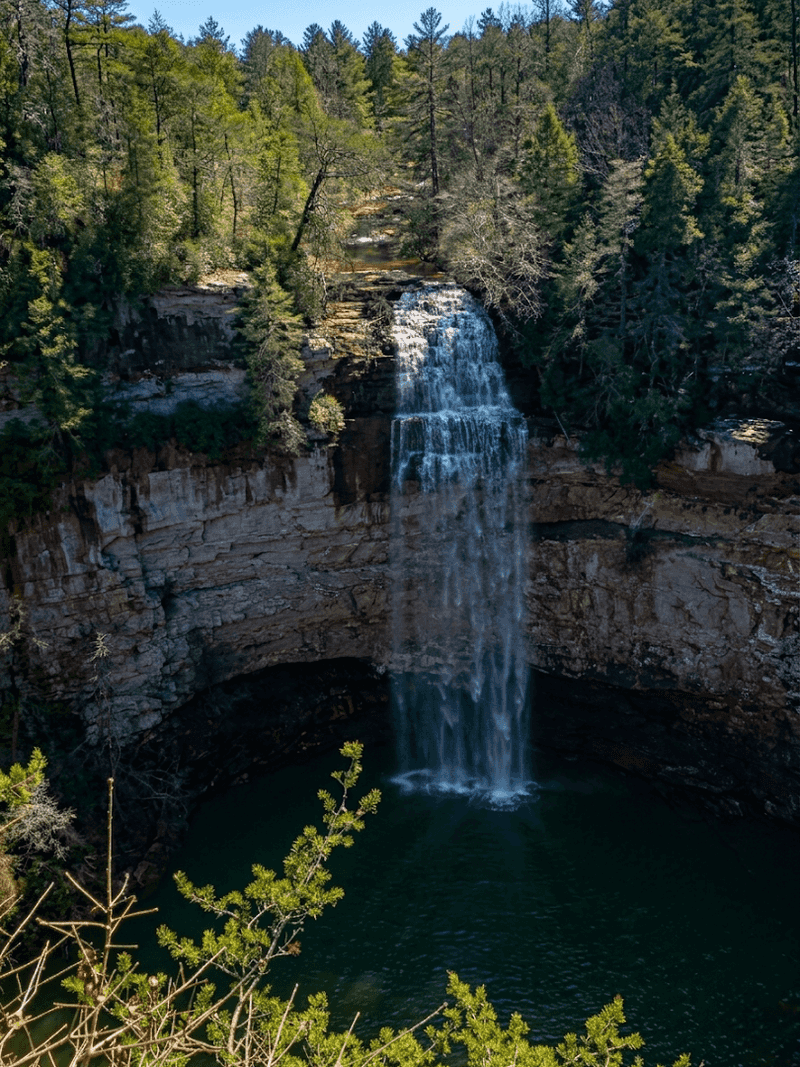
Standing at 256 feet, the park’s namesake waterfall ranks as one of the tallest waterfalls east of the Rockies. That’s not marketing hype—it’s genuinely massive, and the viewing platform gives you a front-row seat to all that crashing water.
Beyond the main attraction, you’ve got four other waterfalls scattered across the park, plus 26 miles of trails that range from easy strolls to leg-burners.
Rental cabins and campsites mean you can stick around for a weekend without much planning. The park sprawls across more than 29,000 acres, so even on busy weekends, you can find pockets of quiet.
Trails connect the different waterfalls, making it easy to rack up a multi-waterfall day if you’re feeling ambitious. Pack snacks, bring layers, and expect to take way more photos than you planned. This place earns its reputation honestly.
2. Rock Island State Park
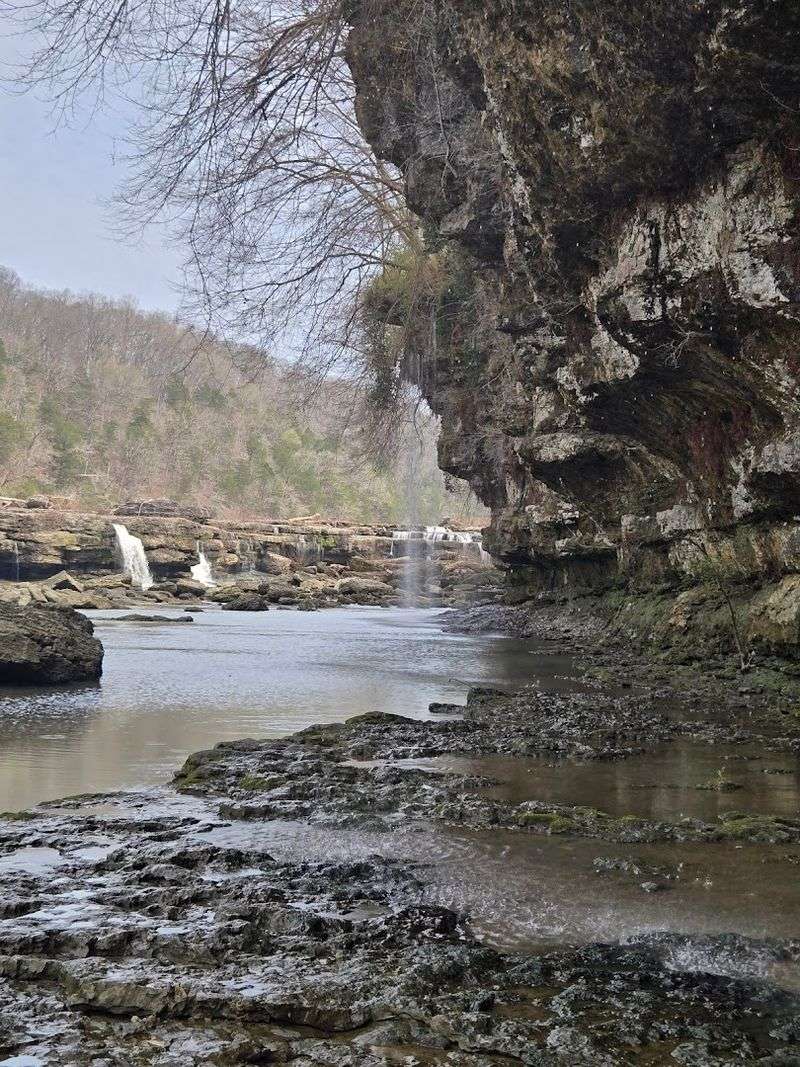
Rock Island sits where three rivers collide, creating a wild mix of waterfalls, rapids, and calm pools that feels more like a natural water park than a typical state park. The Caney Fork River Gorge cuts through limestone bluffs, and the result is dramatic in every direction you look. Great Falls drops 30 feet in a wide curtain that’s especially photogenic when the water’s running high.
Twin Falls is smaller but arguably prettier, tucked into a side gorge that requires a short hike to reach. The trail isn’t tough, but it’s rocky enough that you’ll want real shoes, not flip-flops. Once you’re there, the swimming hole at the base is a local favorite on hot days.
Kayakers and paddleboarders love this park because the river offers both calm sections and challenging whitewater, depending on where you put in. Fishing is solid too, with smallmouth bass and trout in the mix.
Trails here are shorter than some other parks, but they pack in serious scenery per mile.
3. Burgess Falls State Park
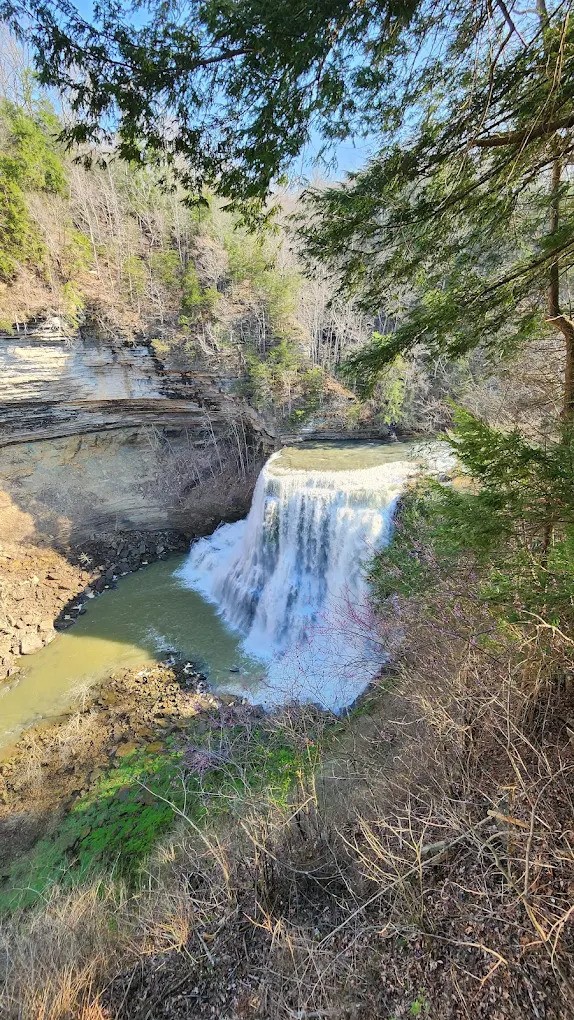
Four waterfalls in one compact hike? That’s the Burgess Falls promise, and it delivers. The trail follows the Falling Water River downstream, hitting each waterfall in succession until you reach the grand finale: a 136-foot plunge that’s legitimately breathtaking.
The final overlook puts you right at eye level with the top of the falls.
The hike is just over two miles round trip, which makes it doable for most people, though the last section down to the main falls involves stairs—lots of them. Your quads will have opinions on the way back up. But honestly, the payoff makes the climb worth every step.
Each waterfall has its own personality. The first is a gentle cascade, the second drops into a perfect swimming hole (though swimming isn’t officially allowed), and the third builds anticipation for the main event. By the time you reach Burgess Falls proper, you’re primed for the drama.
The park gets crowded on nice weekends, so arriving early or visiting on a weekday gives you more elbow room at the overlooks. Bring water and wear grippy shoes—the rocks get slick.
4. Cummins Falls State Park
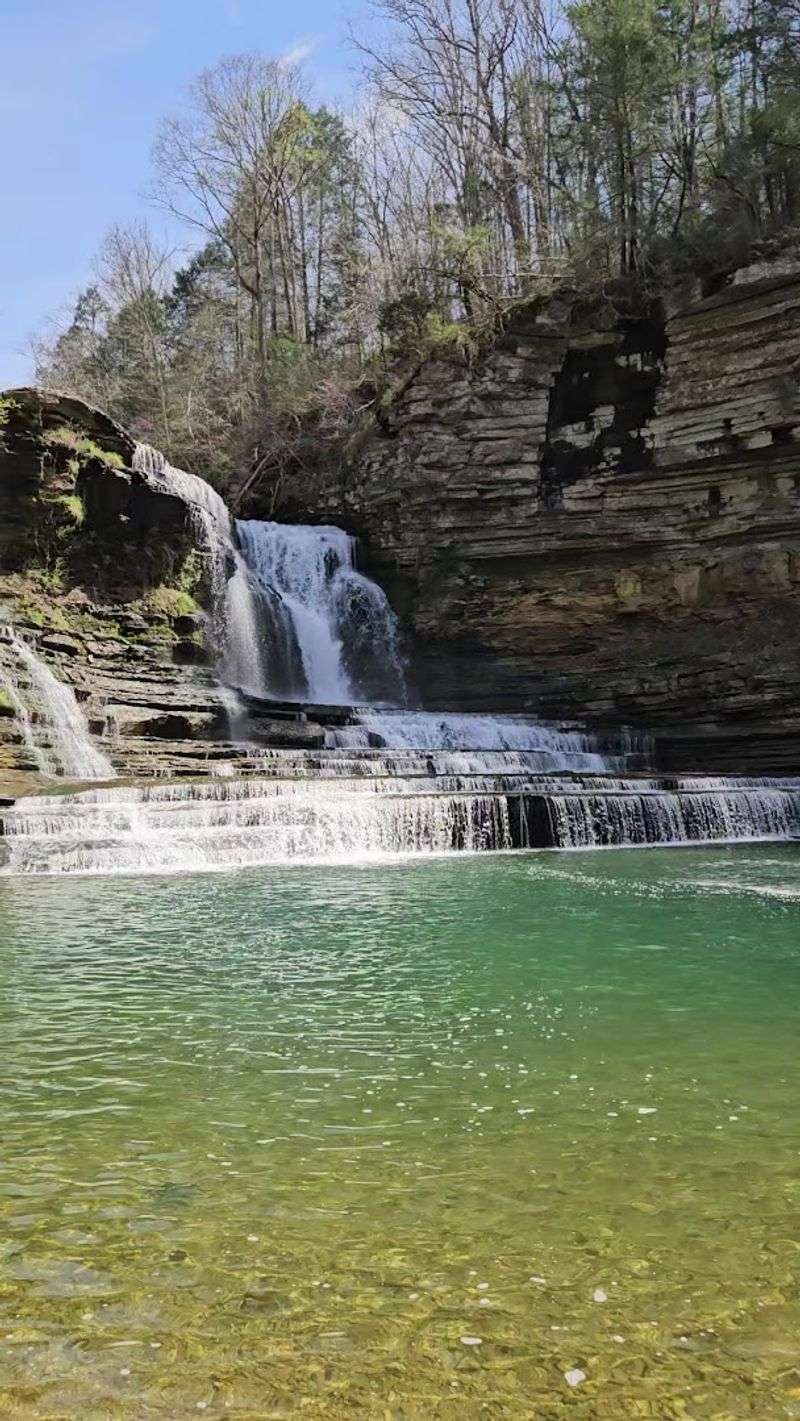
Cummins Falls is Tennessee’s eighth-largest waterfall, but it’s probably the most swimmable. The 75-foot cascade drops into a wide, deep pool that’s become legendary among locals who know where to find the best natural swimming holes. On a hot summer day, this spot is pure magic.
Getting there requires a permit now—the park implemented a reservation system after the place got too popular for its own good. You’ll need to book online before you go, especially on weekends. The hike is about a mile and a half, but it involves crossing the river multiple times and scrambling over rocks, so it’s more adventure than a casual stroll.
The gorge itself is gorgeous, with high rock walls and plenty of shade. Once you reach the falls, you can wade right in or find a sunny rock for lounging. The water stays cool even in July, which is exactly what you want.
Bring water shoes with good grip—the rocks are slippery and sharp in places. A dry bag for your phone and snacks is smart too.
5. Pickett CCC Memorial State Park
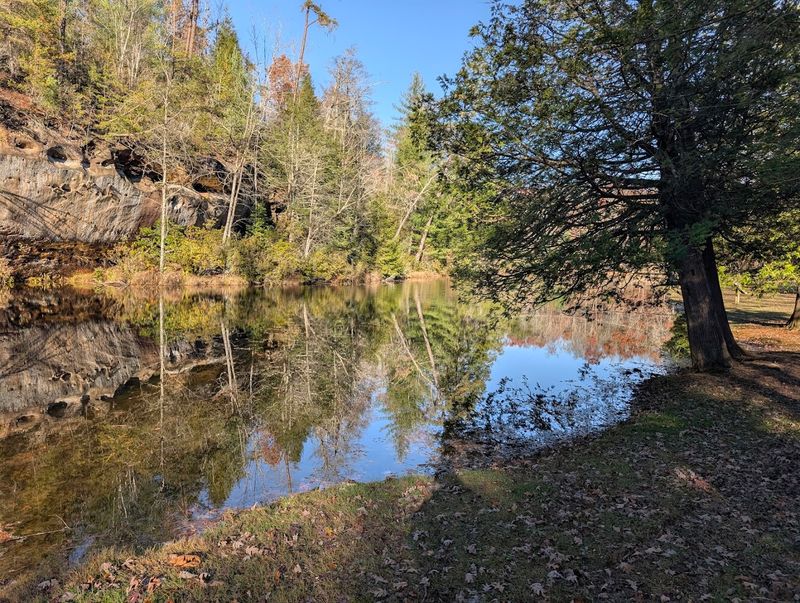
Tucked into Tennessee’s northern plateau, Pickett feels more remote than it actually is. The park preserves the work of the Civilian Conservation Corps from the 1930s, and their stone bridges and structures still anchor the landscape. But the real draw is the rugged terrain—sandstone bluffs, rock shelters, and natural arches that make every hike feel like exploration.
Hazard Cave Loop is the signature trail, taking you past several natural bridges and through a massive rock shelter that Native Americans once used. The trail is about three miles, moderately challenging, and packed with geological eye candy. Thompson Creek Trail offers a quieter option with creek views and wildflowers in spring.
The park borders the Big South Fork National River and Recreation Area, so serious hikers can extend their adventures into even wilder territory. The campground is old-school in the best way—shady sites, no crowds, and actual darkness at night.
This park doesn’t get the hype of some others, which means you can actually enjoy some solitude.
6. Cumberland Mountain State Park
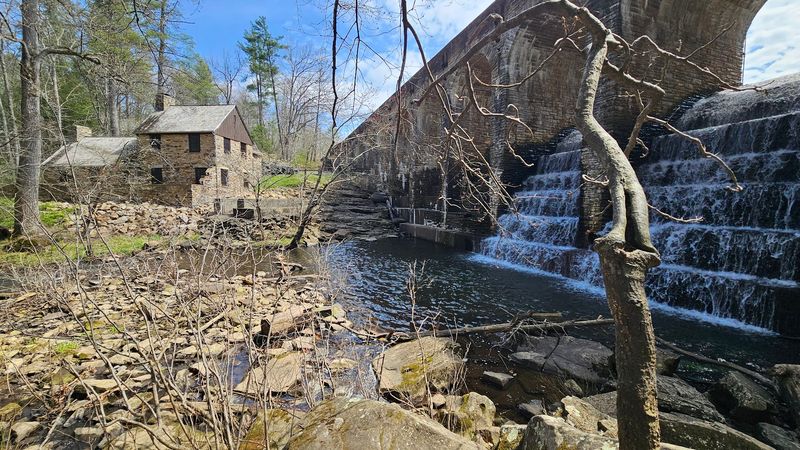
Built during the Depression as a homesteading community, Cumberland Mountain still has a rustic, lived-in feel that sets it apart from newer parks. The historic structures scattered around the grounds tell stories of a different era, while the 1,562-acre Byrd Lake provides the scenic centerpiece. It’s a place where history and nature share equal billing.
The lake is perfect for lazy paddling—canoes and kayaks are available to rent if you don’t have your own. Fishing is popular here, with bass, bluegill, and catfish all in the mix. The shoreline trail offers easy walking with constant water views, ideal for families or anyone who wants scenery without serious elevation gain.
Hiking trails range from short nature walks to longer treks through the surrounding forest. The park isn’t known for waterfalls, but the creek trails are peaceful and pretty, especially after rain when the water’s moving. Spring wildflowers are a big draw, with trilliums and lady slippers showing up in force.
The restaurant in the park serves solid comfort food if you don’t feel like cooking, and the cabins are well-maintained and reasonably priced.
7. Norris Dam State Park
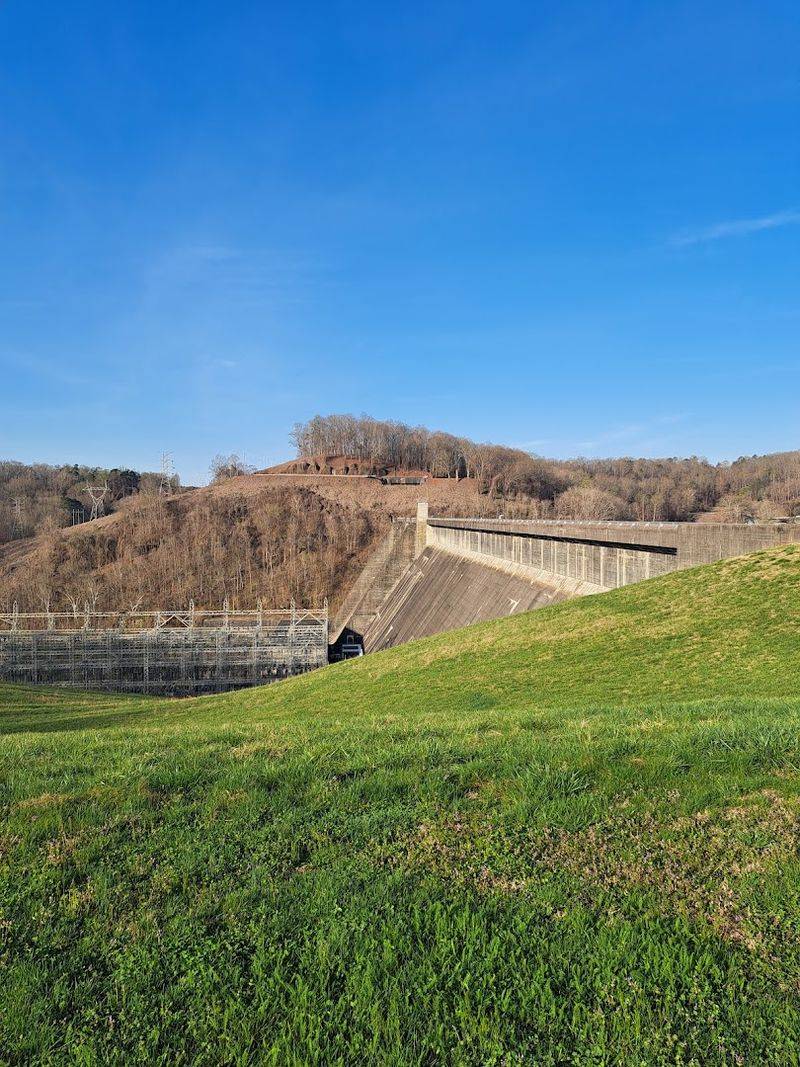
Norris Dam was the Tennessee Valley Authority’s first project, and the park surrounding it mixes industrial history with natural beauty in unexpected ways. The dam itself is an engineering marvel from the 1930s, and you can tour it to see how it all works. But most people come for Norris Lake and the trails that wind through the surrounding ridges.
The lake is huge—over 34,000 acres—and its clear water makes it a favorite for swimming, boating, and fishing. The park section offers calmer coves and swimming beaches that are less chaotic than some of the main lake areas. Paddling here is excellent, with plenty of quiet inlets to explore and good chances of spotting eagles or herons.
Hiking trails range from easy lakeside strolls to more challenging ridge walks that give you views over the water. The Marine Railway Trail follows an old incline railway used during dam construction, adding historical interest to your walk.
The park has a strong environmental education program, with a nature center and regular guided walks. Cabins and campsites book up fast in summer, so plan ahead.
8. Edgar Evins State Park
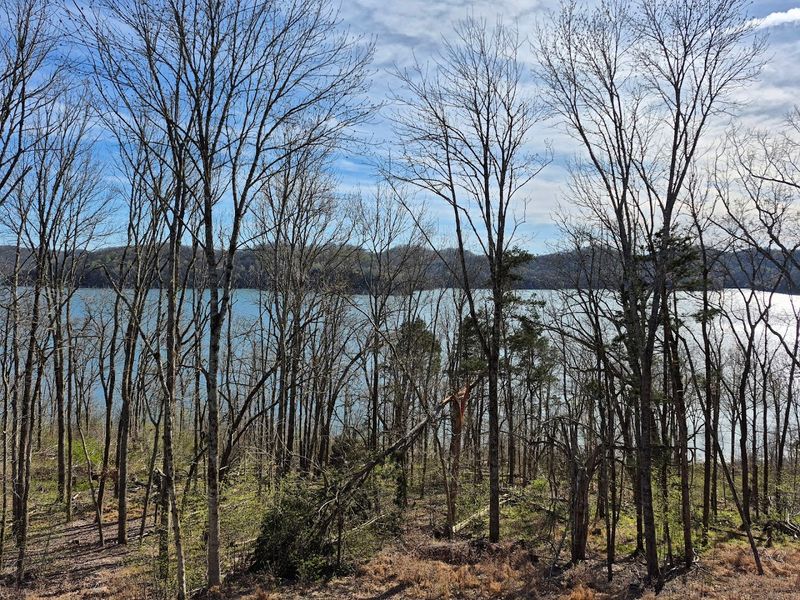
Perched on the shores of Center Hill Lake, Edgar Evins offers the kind of water views that make you want to just sit and stare. The park is smaller and quieter than some of Tennessee’s headline parks, which is exactly why regulars love it. The focus here is on the lake—fishing, paddling, and lakeside lounging are the main events.
Hiking trails wind through the woods and along the shoreline, with several overlooks that give you elevated views of the lake and surrounding hills. The trails aren’t long or particularly challenging, but they’re scenic and well-maintained.
The marina rents boats and offers easy lake access if you want to get on the water. Fishing here is solid, with bass, crappie, and catfish all biting depending on the season. The swimming beach is small but clean, perfect for cooling off on hot days without dealing with big crowds.
Cabins here are modern and comfortable, with many offering direct lake views. The campground is shady and spacious, with sites that don’t feel like you’re camping in a parking lot.
9. Tims Ford State Park
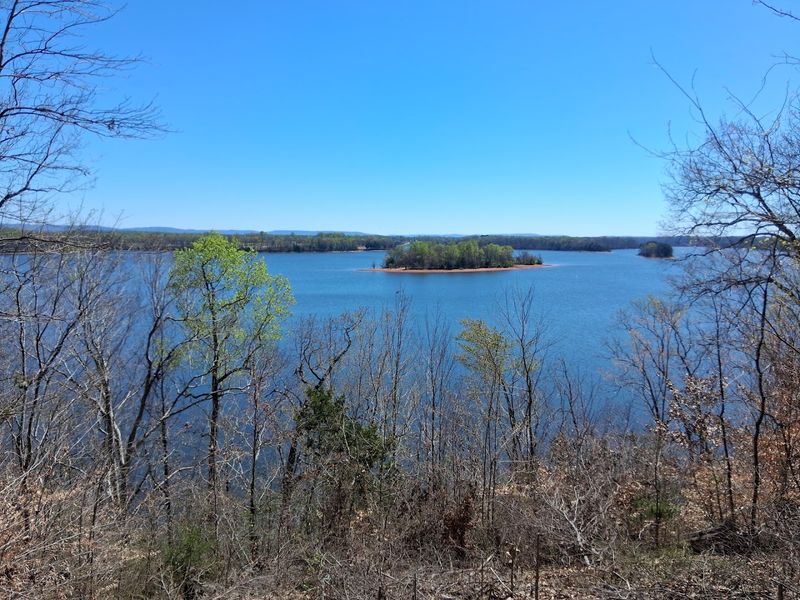
Tims Ford Lake is one of Tennessee’s cleanest lakes, and the state park on its shores takes full advantage of that clarity. The water is so clear that you can see fish swimming near the shore, which makes it popular with snorkelers and divers as well as the usual boaters and anglers. It’s a water-focused park through and through.
The swimming beach is the park’s crown jewel—sandy, spacious, and backed by shaded picnic areas. On summer weekends, families pack the place, but the beach is big enough that it never feels claustrophobic.
Hiking trails here are pleasant but not the main attraction. They wind through woods and along the shoreline, offering easy walks with water views. The park is more about getting on or in the water than conquering miles of trail.
Fishing is excellent, with bass tournaments held regularly and plenty of crappie and catfish to keep casual anglers happy.
10. Big Ridge State Park
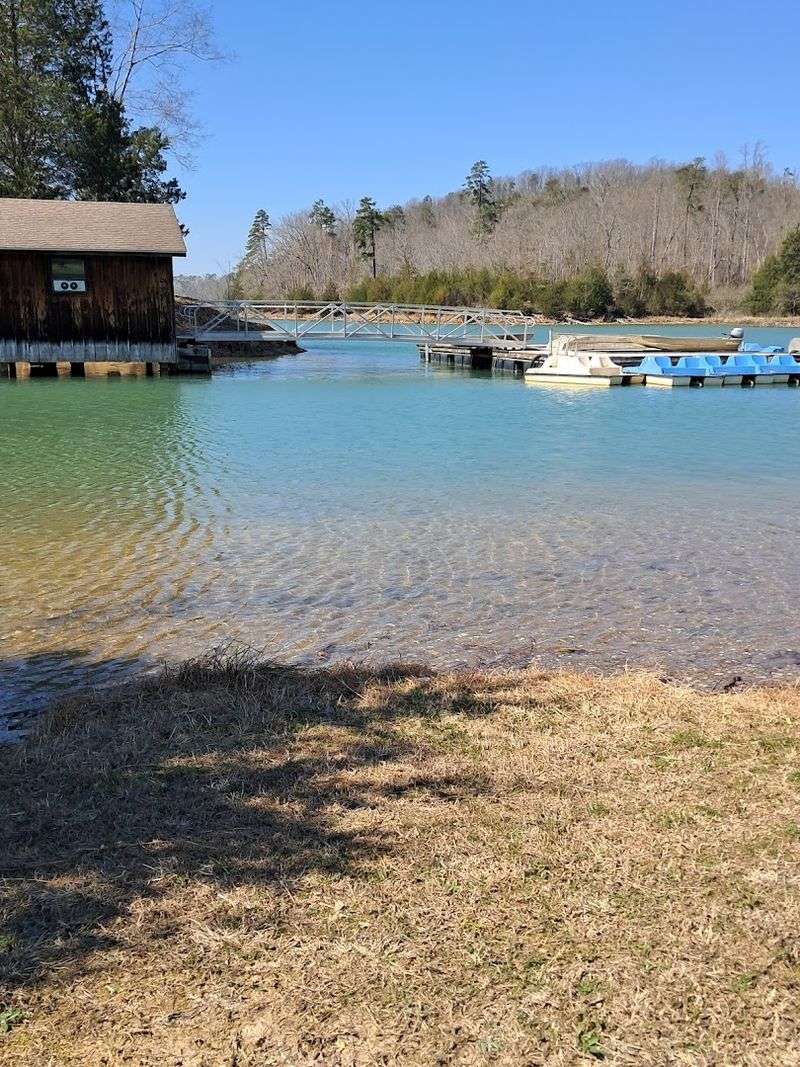
Big Ridge sits on a peninsula jutting into Norris Lake, giving it water on three sides and creating a sense of being surrounded by nature. The park is older and less developed than some, which gives it a throwback feel that appeals to people who want their state parks a little more rustic.
Trails here wind through mature forest and along the lakeshore, with several loops that let you customize your hike length. The Indian Rock Trail takes you to a large boulder with Native American petroglyphs—a cool historical touch. The terrain is rolling rather than mountainous, making most trails accessible for average fitness levels.
The lake access is excellent, with a swimming area, fishing pier, and boat launch. Norris Lake’s clear water makes swimming particularly appealing, and the coves around the park are great for kayaking. Fishing is popular year-round, with multiple species to target depending on the season.
11. Warriors’ Path State Park
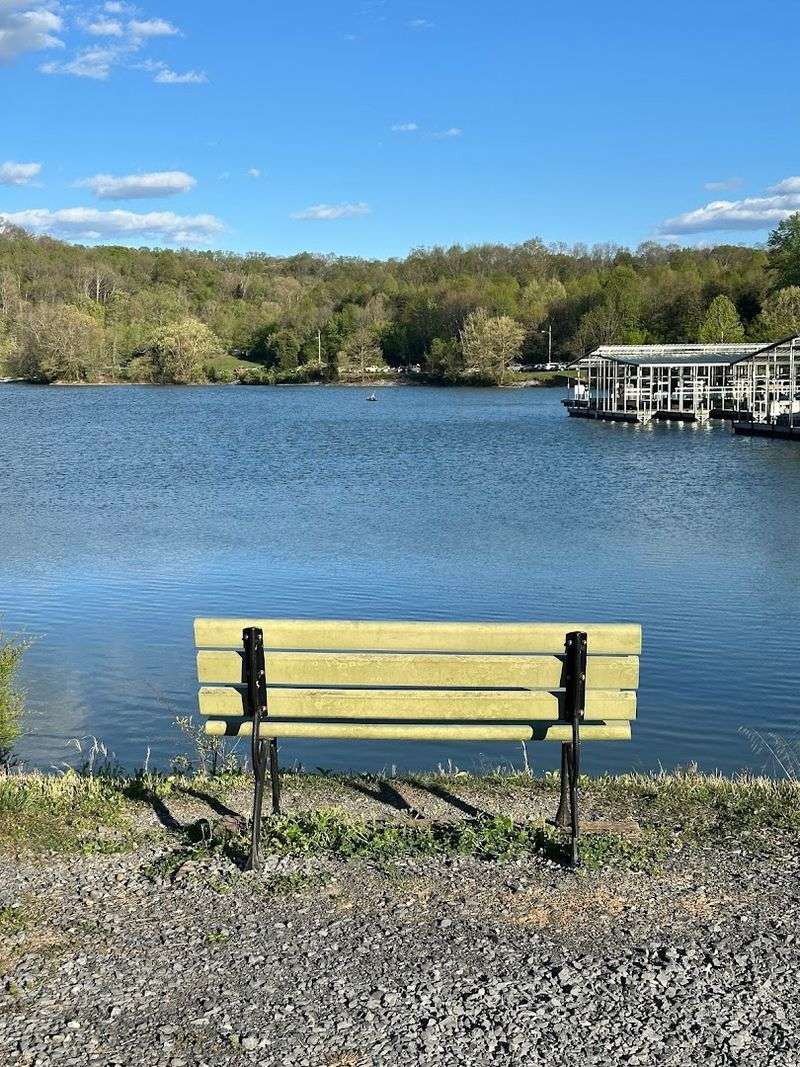
Named for the Great Indian Warpath that once ran through the area, Warriors’ Path is one of East Tennessee’s most popular state parks for good reason. It combines serious outdoor amenities with family-friendly facilities, making it work for both hardcore recreationists and casual visitors. The park sits on Fort Patrick Henry Lake, offering extensive water access.
The trail system here is impressive, with over 10 miles of paved and natural-surface trails winding through the park. The paved trails are perfect for biking, running, or pushing strollers, while the natural trails get you deeper into the woods. The lake trail offers consistent water views and is flat enough for all ages.
The 18-hole disc golf course is one of the best in the region, drawing players from across the state. Traditional golf, tennis courts, and a large playground round out the recreational options. The swimming pool complex is massive and modern, a nice option when you want chlorinated water instead of lake swimming.
This park handles crowds well, so even on busy weekends, you can find your spot.
12. Paris Landing State Park
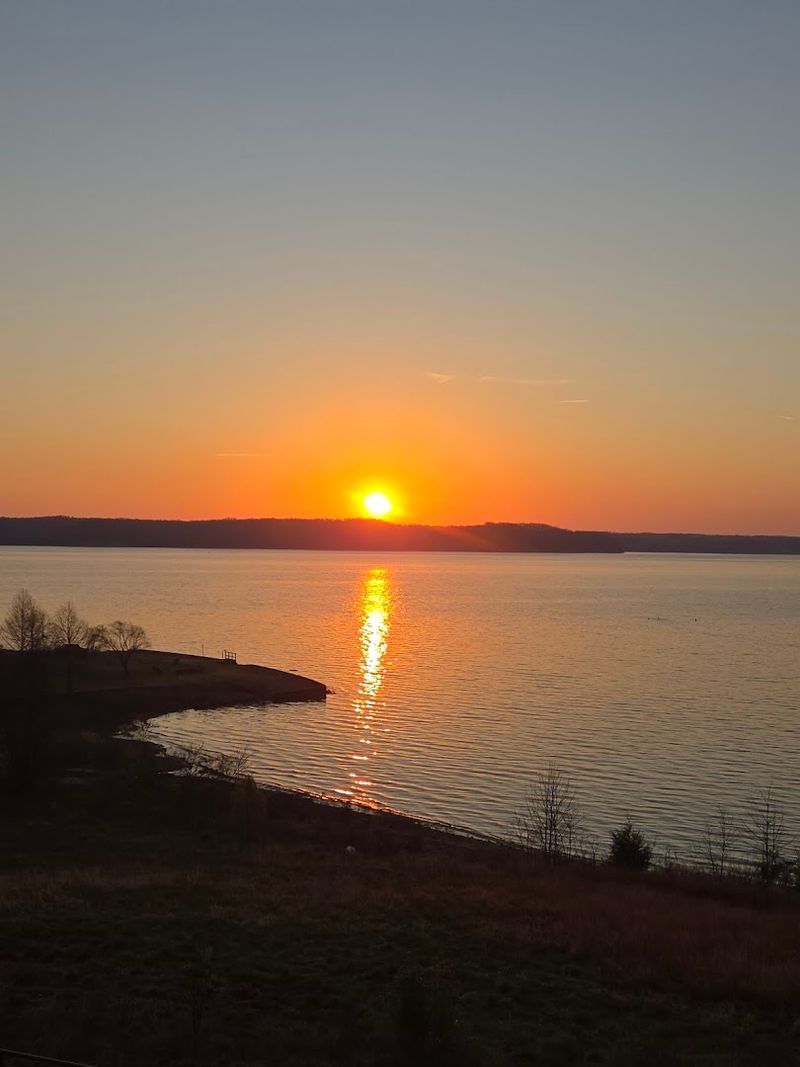
Paris Landing sprawls along the shores of Kentucky Lake, offering some of the best big-water recreation in Tennessee. This is a destination for serious anglers and boaters, with facilities designed to support multi-day fishing trips and water-based adventures. The lake itself is enormous—one of the largest man-made lakes in the eastern United States.
The marina here is top-notch, with full services, boat rentals, and a tackle shop that actually stocks what you need. Bass fishing is legendary on Kentucky Lake, and Paris Landing is a prime access point. Crappie, catfish, and bluegill round out the fishing options.
Hiking takes a back seat to water activities here, but there are a few trails worth walking. The lakeshore trail offers easy walking with constant water views, perfect for stretching your legs between fishing sessions. The park’s 841 acres include plenty of open space for picnicking and relaxing.
The inn and restaurant overlook the lake and offer comfortable accommodations if you want more than camping. Cabins are modern and well-equipped. The golf course is a nice bonus if you need a break from the water.
13. David Crockett State Park
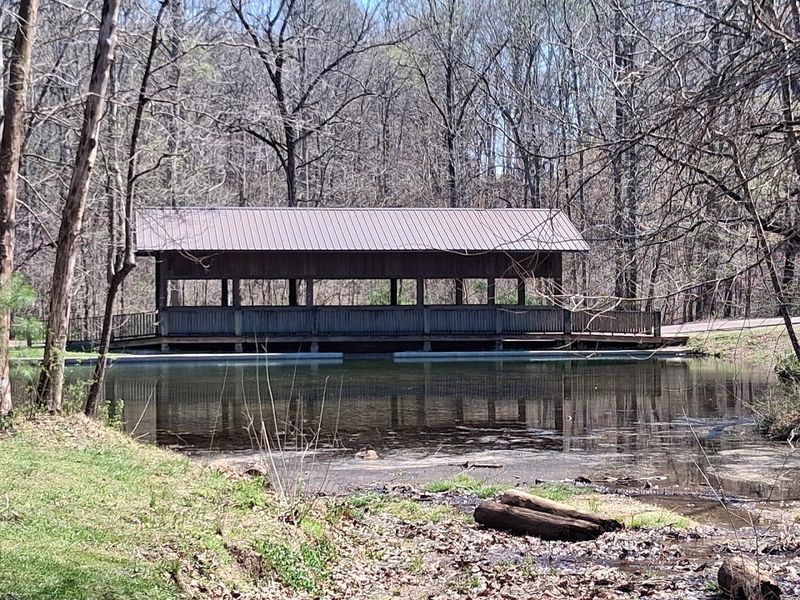
Named after Tennessee’s most famous frontiersman, David Crockett State Park combines history with natural beauty in West Tennessee. The park sits on land where Crockett once operated a water-powered mill, and a reconstructed mill still stands as a reminder of that era. Shoal Creek runs through the park, providing both scenery and recreational opportunities.
The 40-acre lake is the park’s centerpiece, popular for fishing and paddling. It’s small enough to explore thoroughly in a few hours but big enough to feel peaceful. Bass, bream, and catfish keep anglers busy, and the lake’s calm water makes it ideal for beginners learning to kayak or canoe.
Trails wind through the park’s woods and along the creek, offering easy to moderate hiking. The terrain here is gentler than East Tennessee’s mountainous parks, making it accessible for more people.
The park includes a restaurant that serves traditional Southern food, saving you from cooking if you’re staying in one of the cabins.