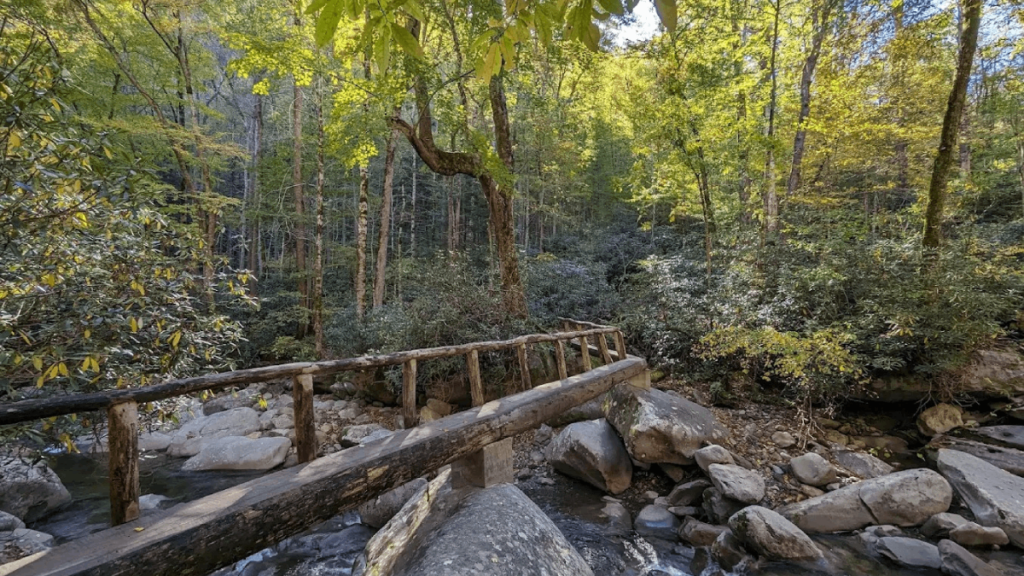
Spring in Tennessee turns the trails into something extraordinary. Between April and early June, waterfalls run at full volume, wildflowers carpet the forest floor in every direction, and the canopy overhead glows that fresh, almost neon green you only see for a few weeks each year.
Whether you want a quick scenic payoff or an all-day adventure through gorges and old-growth forest, these ten hikes capture the best of what Tennessee has to offer when the weather finally warms up.
1. Porters Creek Trail (Gatlinburg)
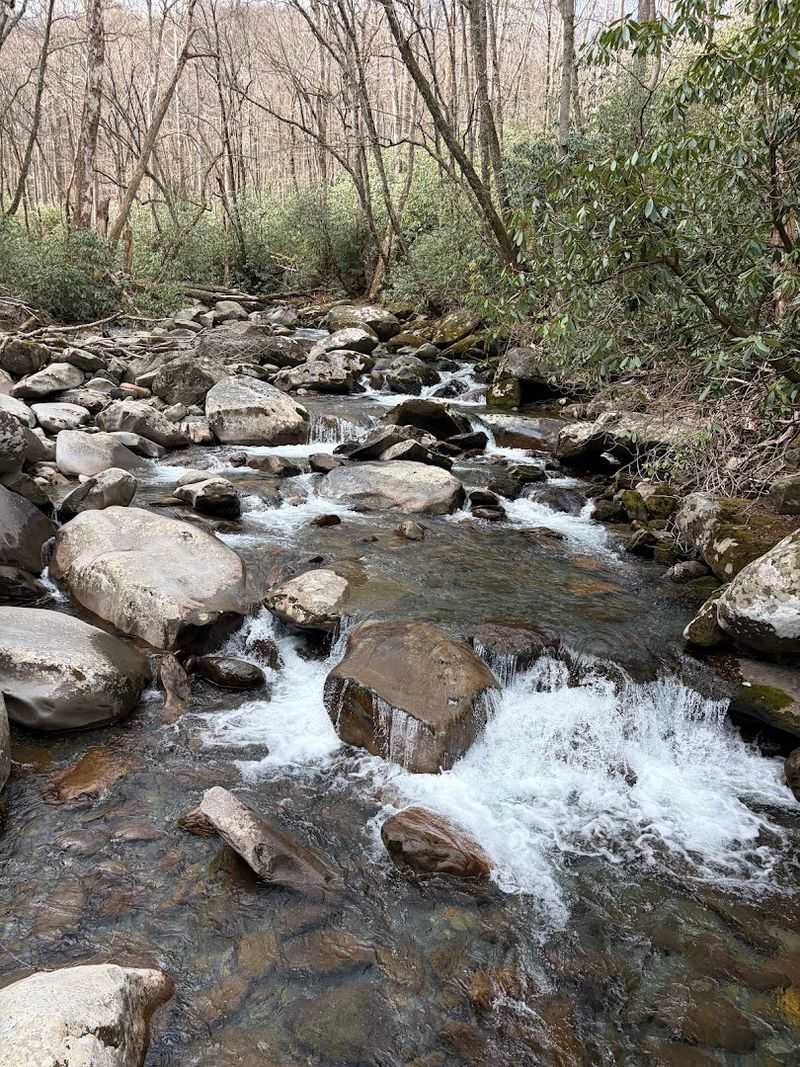
Porters Creek Trail earns its reputation as one of the finest wildflower hikes in the entire Smokies. From late March through April, the forest floor here explodes with trillium, violets, and dozens of other blooms that draw people from all over the region.
The trail follows a beautiful mountain creek through what feels like untouched woodland. Massive old trees tower overhead, and the sound of rushing water keeps you company the whole way. You’ll pass a few historic structures—remnants of the families who once lived in these mountains—which add a quiet sense of history to the experience.
Fern Branch Falls sits about two miles in, a delicate cascade framed by moss and ferns that looks especially good in spring when water levels are up. The trail continues beyond the falls if you want more mileage.
Parking fills up fast on weekends during peak wildflower season, so an early start helps. The trail stays relatively moderate in difficulty, with some elevation gain but nothing too punishing. It’s the kind of hike that rewards you immediately and keeps getting better the farther you go, especially when the entire forest floor looks like a botanical garden in full bloom.
2. Abrams Falls Trail (Townsend)
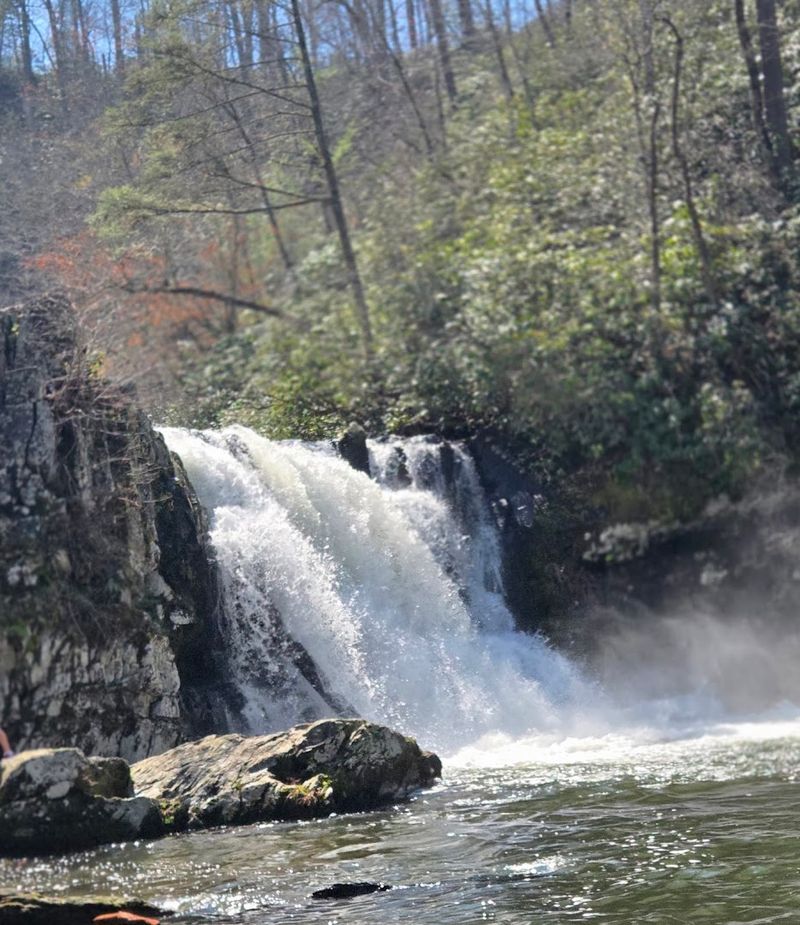
Abrams Falls might not be the tallest waterfall in the Smokies, but it’s one of the most powerful. The falls drop about twenty feet into a large, churning pool, and the sheer volume of water moving through here makes it feel dramatic even compared to taller cascades.
Spring is the perfect time to visit because the forest along the trail comes alive with wildflowers, and the creek runs high and fast. The National Park Service specifically highlights this trail for its spring blooms, and you’ll see why once you’re walking through waves of color under a fresh green canopy.
The hike itself covers about five miles round trip, mostly easy to moderate terrain with a few rocky sections and creek crossings. You’ll follow Abrams Creek for much of the route, passing through dense hardwood forest that feels cool and shaded even on warm days.
When you reach the falls, you’ll find a spacious area where you can sit on the rocks and take in the view. The mist from the waterfall drifts across the pool, and the sound of all that water crashing down is almost hypnotic. It’s a popular trail, so expect company, but the payoff is worth sharing.
Just don’t swim—the currents here are deceptively strong.
3. Fiery Gizzard Trail
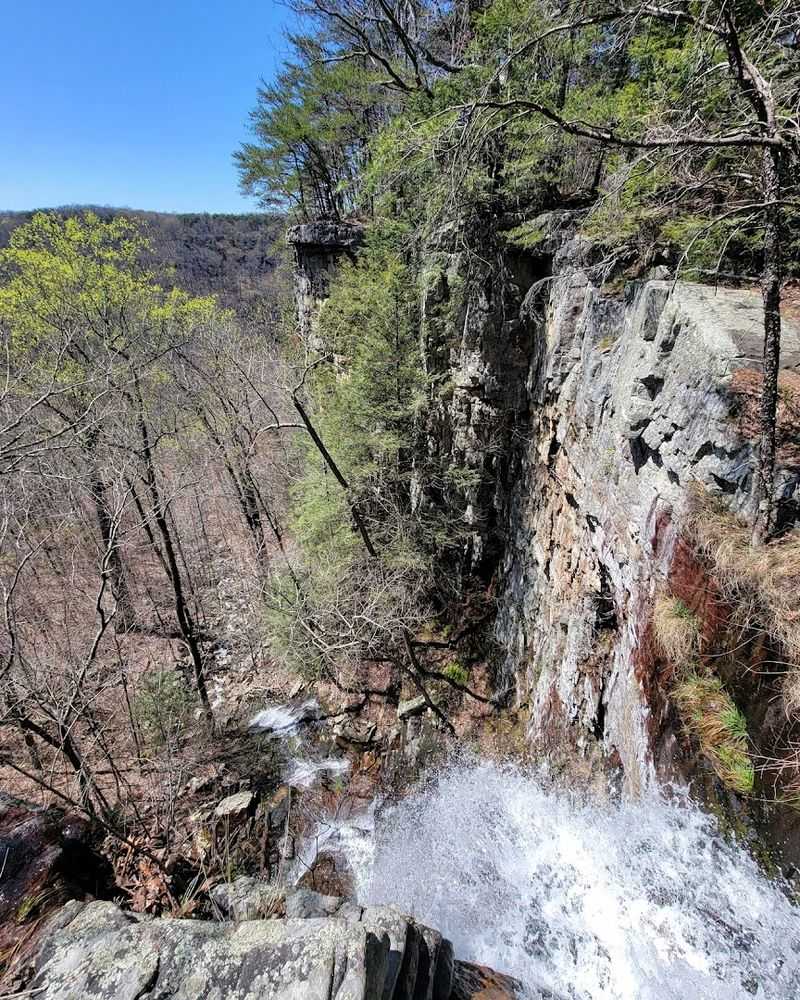
Fiery Gizzard Trail has a reputation, and it’s well-earned. This is one of Tennessee’s most celebrated hiking destinations, known for packing an enormous variety of scenery into a single route: waterfalls, rocky gorges, sweeping overlooks, lush hardwood forests, and open meadows dotted with wildflowers.
Spring transforms this trail into something special. The waterfalls run strong, the gorge walls drip with ferns and moss, and the meadows bloom with color.
The full trail stretches nearly thirteen miles, but you can tackle shorter sections if you’re not up for the whole thing. Either way, expect rocky terrain, steep climbs, and some scrambling over boulders. It’s challenging, but the constantly changing landscape keeps you engaged the entire time.
You’ll pass through narrow gorges where the rock walls rise dramatically on both sides, cross clear streams, and climb up to ridgeline views that stretch for miles. Spring weather makes it all more comfortable, with cooler temperatures and plenty of shade. Just wear good boots—this trail demands solid footing.
Fiery Gizzard isn’t a casual stroll, but it’s absolutely worth the effort.
4. Stone Door / Savage Gulf Area Trails
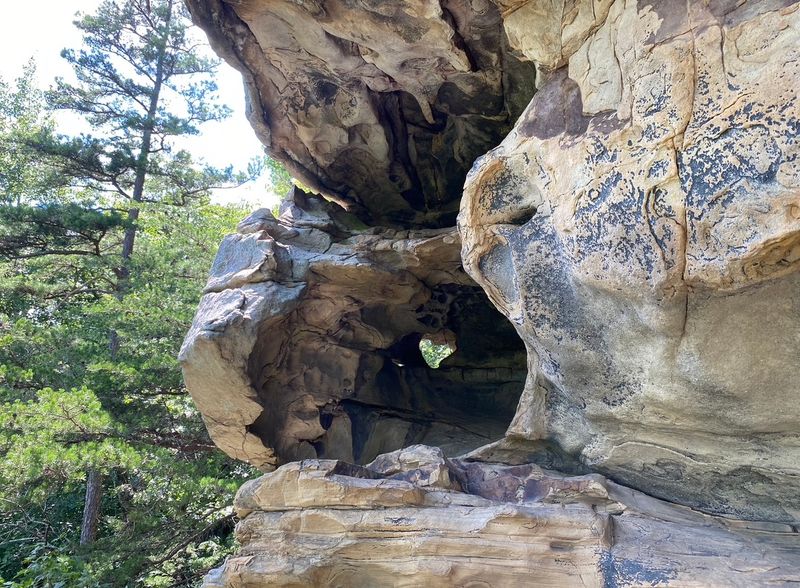
Stone Door is one of those natural features that stops you in your tracks. This massive rock formation creates a natural entrance to the plateau, and when you step through it, you’re greeted with panoramic views that stretch across the Savage Gulf wilderness.
Savage Gulf itself is packed with trails that showcase everything Tennessee’s Cumberland Plateau has to offer: waterfalls, old-growth forest sections, rocky overlooks, and meadows that bloom with wildflowers in spring. The variety here is remarkable, and you can easily spend multiple trips exploring different routes without repeating yourself.
Spring is prime time because the waterfalls are flowing strong, the wildflowers are out in force, and the temperature is perfect for longer hikes. The plateau stays cooler than the valleys below, which makes it especially pleasant when the weather starts warming up elsewhere.
Trails range from easy strolls to challenging all-day treks, so you can pick your difficulty level. Stone Door Trail itself is relatively short and leads to those stunning overlook views. If you want more, the Savage Gulf system has miles of interconnected paths that take you deeper into gorges, past waterfalls, and through some of the most beautiful woodland you’ll find anywhere in the state.
Bring a map—this area is big enough to get turned around.
5. Fall Creek Falls Area Trails
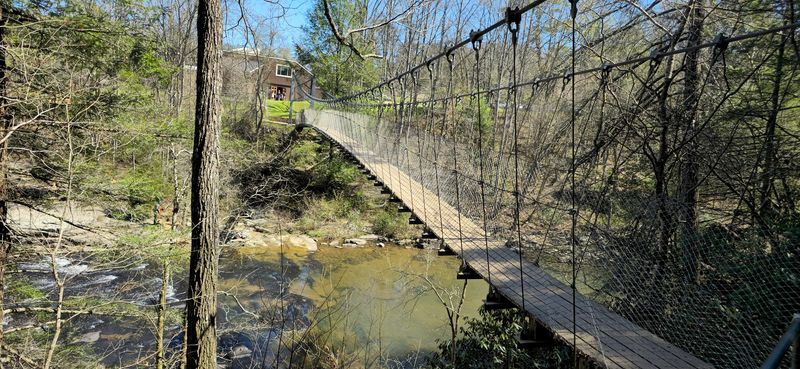
Fall Creek Falls holds the title of Tennessee’s tallest waterfall, and spring is absolutely the best time to see it. Tennessee State Parks notes that waterfall viewing peaks in spring when water levels are high, and Fall Creek Falls doesn’t disappoint—the falls drop 256 feet into a misty gorge that feels almost primeval.
The park offers miles of trails that wind through forests, along streams, and past multiple waterfalls beyond just the main attraction. You can hike to overlooks that give you sweeping views of the gorge, or take trails that drop down to the base of the falls where you can feel the spray and hear the roar up close.
Spring brings everything to life here. The woods turn vibrant green, wildflowers appear along the trails, and the creeks and waterfalls run full and fast. It’s the kind of scenery that makes you stop every few minutes just to take it in.
The trail system accommodates all skill levels, from easy paved paths to more rugged routes that require some scrambling. You could spend an entire day here and still not see everything. Cane Creek Falls, Piney Falls, and Cane Creek Cascades all deserve attention too.
Just plan for crowds on nice weekends—this park is popular for good reason.
6. Frozen Head State Park Trails
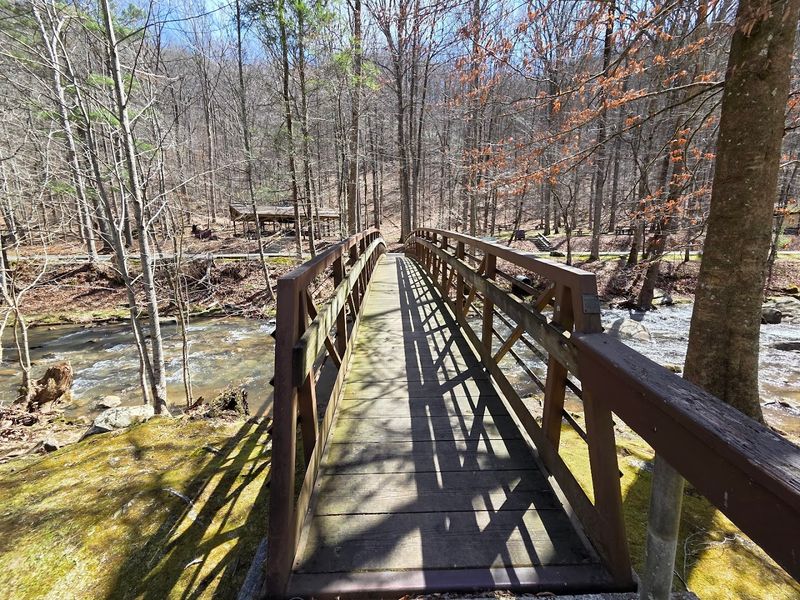
Frozen Head State Park doesn’t get the same level of attention as the Smokies, but it absolutely should. Tennessee State Parks notes that this park contains some of the most abundant wildflower areas in the entire state, and spring proves it.
The park offers more than fifty miles of foot trails, ranging from gentle nature walks to steep mountain climbs. In April and May, the forest floor transforms into a wildflower showcase with trillium, bloodroot, violets, and dozens of other species blanketing the ground.
The trails here take you through old-growth sections where massive trees create a cathedral-like canopy overhead. The forest feels ancient and undisturbed, and the spring green is so vivid it almost doesn’t look real. If you’re after serious mileage, the Chimney Top Trail climbs to one of the highest peaks in the area, but even the shorter loops deliver beautiful scenery.
Spring weather makes Frozen Head especially pleasant because the elevation keeps things cooler than the valleys, and the shade from the dense forest adds to the comfort.
You won’t find huge crowds here, which is part of the appeal—this park feels like a well-kept secret. Birdsong fills the air, streams run clear and cold, and the wildflowers create a carpet of color that rivals anything you’ll see in more famous parks.
7. Look Rock Tower Trail (Maryville)
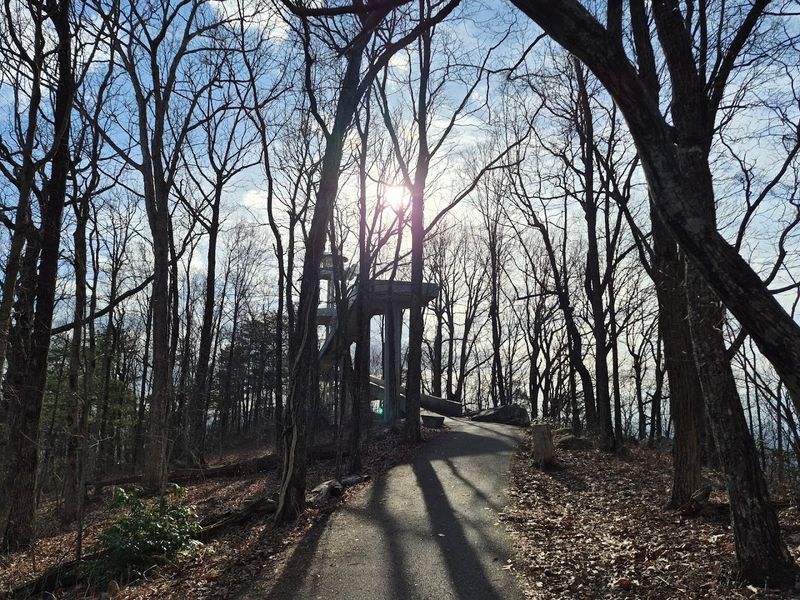
Look Rock Tower Trail is the spring hike for people who want maximum reward with minimum effort. This short, paved trail climbs to a fire tower that offers sweeping panoramic views of the Smokies and Blount County below.
The trail itself is only about half a mile, and the paved surface makes it accessible even for families with young kids or anyone who wants a quick scenic payoff. Once you reach the tower, you can climb the stairs to the observation deck and take in views that stretch for miles in every direction.
Spring is the perfect time to visit because the mountains come alive with fresh green growth after the winter gray. The ridges layer into the distance in shades of green and blue, and on clear days, you can see far into the heart of the Smokies. It’s the kind of view that makes you appreciate why this region is so beloved.
The hike is quick enough that you can knock it out in under an hour, but most people linger at the top to soak in the scenery. It’s especially popular at sunrise and sunset when the light turns the mountains into something almost surreal.
If you’re looking for a low-effort, high-reward spring outing, Look Rock Tower delivers exactly that.
8. Radnor Lake Trails
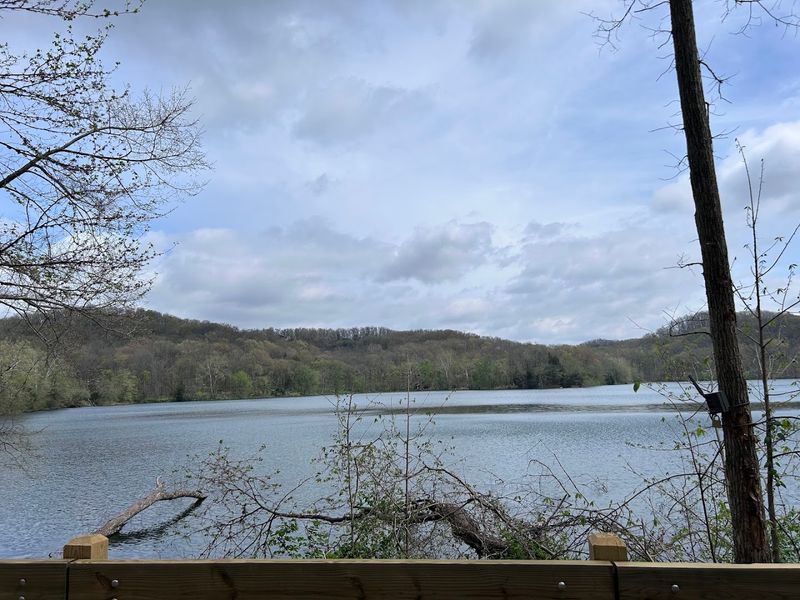
Located in Middle Tennessee, this state natural area is known for its incredible wildlife diversity and the abundance of wildflowers, ferns, mosses, and woodland plants that thrive here in spring.
The trails loop around the lake and climb into the surrounding hills, giving you a mix of water views and forest scenery. Spring is when the park really shines because everything greens up, wildflowers bloom along the paths, and the wildlife becomes more active and visible.
You’ll likely spot deer, waterfowl, and a variety of songbirds, and if you’re lucky, you might catch sight of some of the less common species that call this area home. The park is a designated state natural area, which means it’s protected specifically for its ecological value, and you can feel that in the quiet, undisturbed atmosphere.
The trails range from easy lakeside loops to steeper climbs that take you up to ridgeline views. Even the more challenging routes stay moderate, making this a good option for a relaxed spring outing. The forest here feels lush and layered, with dense undergrowth and tall trees creating a sense of seclusion even though you’re close to Nashville.
9. Laurel Falls Trail
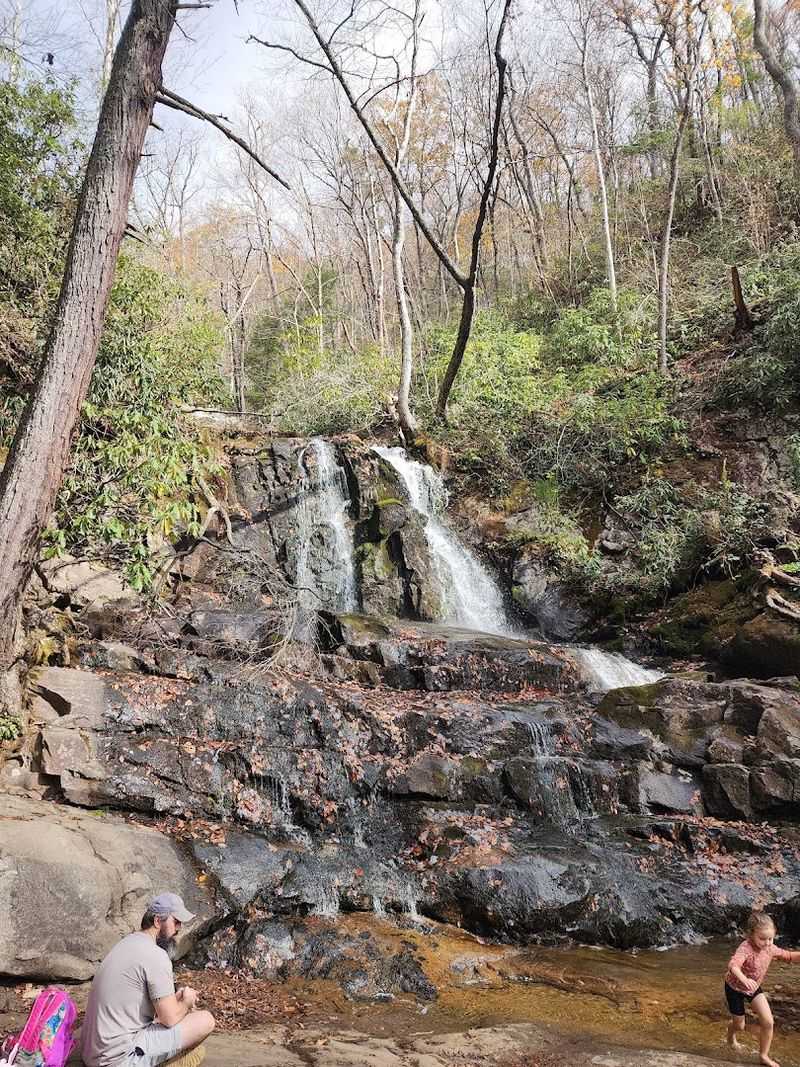
Laurel Falls is one of the most popular waterfall hikes in the Smokies, and for good reason. The trail is paved, relatively short, and leads to a beautiful eighty-foot cascade that’s especially impressive in spring when the water is running strong.
The paved path makes this hike accessible to almost everyone, and the two-and-a-half-mile round trip is manageable even for families with younger kids. You’ll gain some elevation, but it’s gradual, and the trail is wide enough to handle the crowds that inevitably show up on nice weekends.
Spring brings the waterfall to life. The cascade splits into two sections as it tumbles over the rocks, and the surrounding forest glows with fresh green leaves and blooming plants. It’s a classic Smokies scene, and the accessibility means more people get to enjoy it.
The trail winds through dense woodland, and even though it’s paved, it still feels like a genuine mountain hike. You’ll hear the waterfall before you see it, and when you round the final bend, the view opens up to the full cascade framed by forest and rock.
Expect company here, especially on weekends. Laurel Falls is one of the most visited spots in the park, but the beauty of the falls and the ease of the trail make it worth sharing. Just start early if you want a quieter experience.
10. Schoolhouse Gap Trail (Townsend)
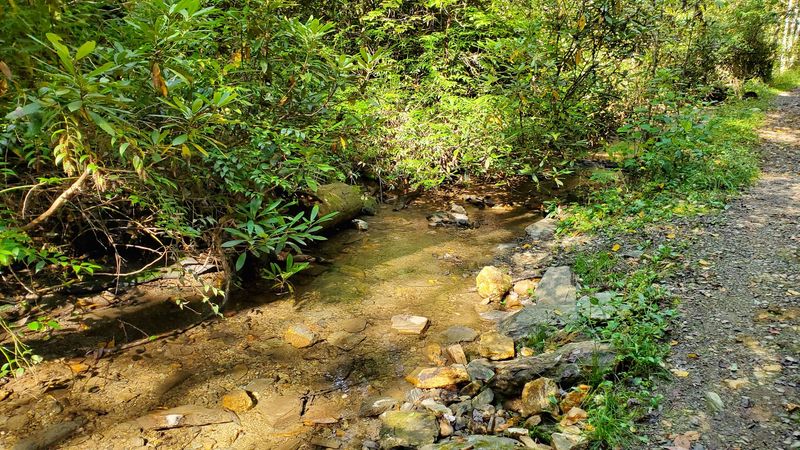
Schoolhouse Gap Trail offers a quieter alternative to some of the more crowded Smokies routes. This hiking trail takes you through a peaceful hardwood forest with a gentle grade that makes for an easy, relaxing spring outing.
The trail gets its name from a one-room schoolhouse that once stood in the area, and as you walk, you’ll pass remnants of the families who lived here before the park was established. Stone walls, old foundations, and other traces of settlement add a sense of history to the hike.
Spring is a beautiful time to visit because the forest canopy fills in with fresh green leaves, and wildflowers appear along the trail. The wide path and easy terrain make this a good choice if you want mileage without too much difficulty, and the lack of major elevation gain means you can enjoy the scenery without constantly watching your footing.
The trail runs for several miles, but you can turn around whenever you’ve had enough. It’s the kind of hike where the journey matters more than the destination—there’s no dramatic waterfall or overlook at the end, just peaceful woodland and the quiet sounds of the forest.
If you’re looking for solitude in the Smokies during spring, Schoolhouse Gap delivers. It’s less trafficked than the big-name trails, but it offers the same lush spring beauty without the crowds.