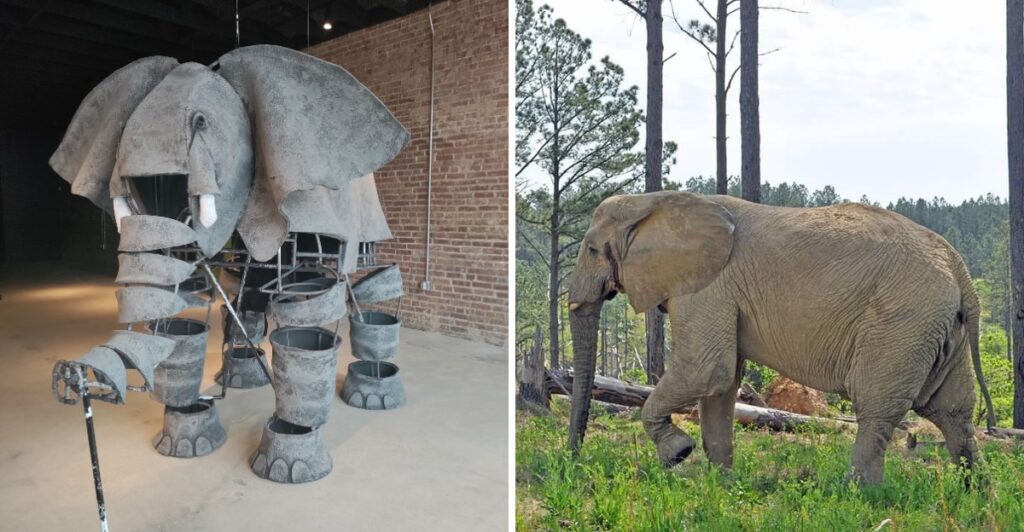
Beyond the quiet roads of Hohenwald, The Elephant Sanctuary in Tennessee provides rescued Asian and African elephants with expansive natural habitats and lifelong care. Here, elephants that once lived in captivity can explore wooded areas, wander across rolling hills, forage, socialize, and choose how to spend their days in a peaceful environment designed around their needs. The sanctuary itself is not open for tours, allowing the elephants to live without the stress of public interaction.
However, visitors can learn about its mission at the Elephant Discovery Center in downtown Hohenwald. This free educational attraction features hands-on exhibits, informative displays, special programs, and stories about the sanctuary’s residents and worldwide elephant conservation. Guests will not see elephants at the Discovery Center, but they can gain a meaningful understanding of their behavior, care, and importance in the natural world.
The experience offers a respectful way to connect with the sanctuary’s work while supporting a place dedicated to giving rescued elephants safety, space, and dignity.
A Refuge Built on Compassion and Respect
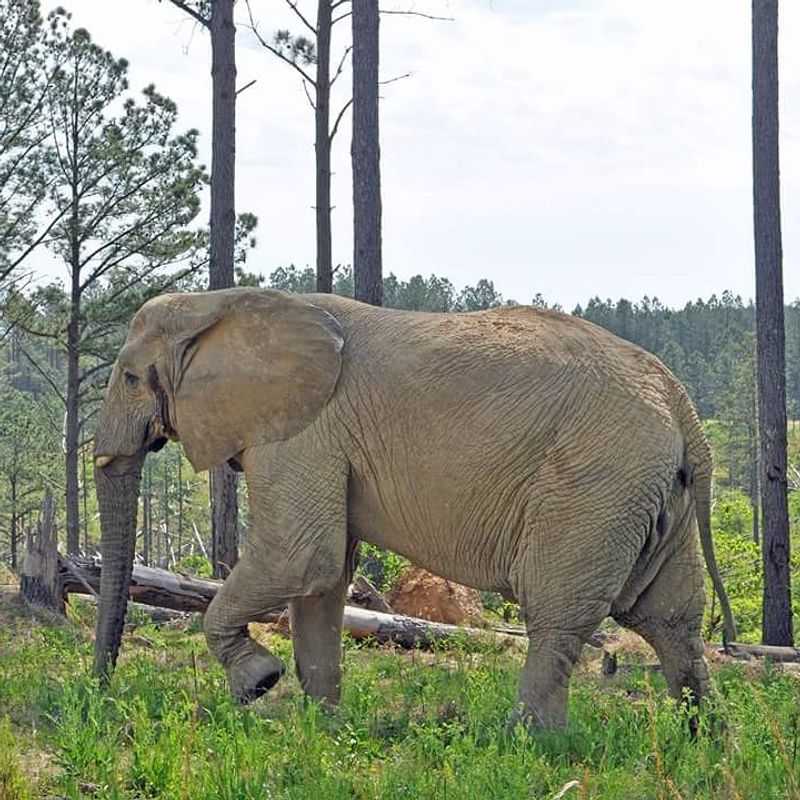
The Elephant Sanctuary wasn’t built for tourists or Instagram photos. It was created for elephants who spent decades performing tricks, living in concrete enclosures, or being moved from zoo to zoo. These gentle giants finally have a place where they can simply be elephants again, without anyone expecting anything from them.
Spread across more than 2,200 acres of natural Tennessee landscape, the sanctuary provides separate habitats for Asian and African elephants. There’s even a specialized area for elephants who were exposed to tuberculosis during their circus years. Every inch of this property was designed with elephant welfare in mind, not human entertainment.
The sanctuary operates on a simple but powerful principle: these animals have earned their retirement. After years of performing for crowds, being transported in trucks, and living by human schedules, they deserve peace. That’s why the actual sanctuary grounds are completely off-limits to visitors.
Instead of disturbing the elephants with tours and crowds, the organization opened the Discovery Center right in downtown Hohenwald. This approach might seem unusual, but it’s exactly what makes this place special. The elephants’ needs come first, always.
Staff members and volunteers work tirelessly behind the scenes, providing round-the-clock care, medical attention, and enrichment activities. These caretakers are some of the happiest people you’ll ever meet because they know they’re giving these magnificent creatures the life they always deserved.
The sanctuary doesn’t just house elephants randomly. Each resident has a detailed history, documented preferences, and individual care plans. Some elephants prefer solitude, others thrive in small groups.
The staff respects these preferences completely.
What started as a dream to help a few elephants has grown into one of the most respected elephant sanctuaries in North America. Yet despite its success and recognition, the mission remains unchanged: give retired elephants the freedom, space, and dignity they were denied for so long.
The Discovery Center Experience Downtown
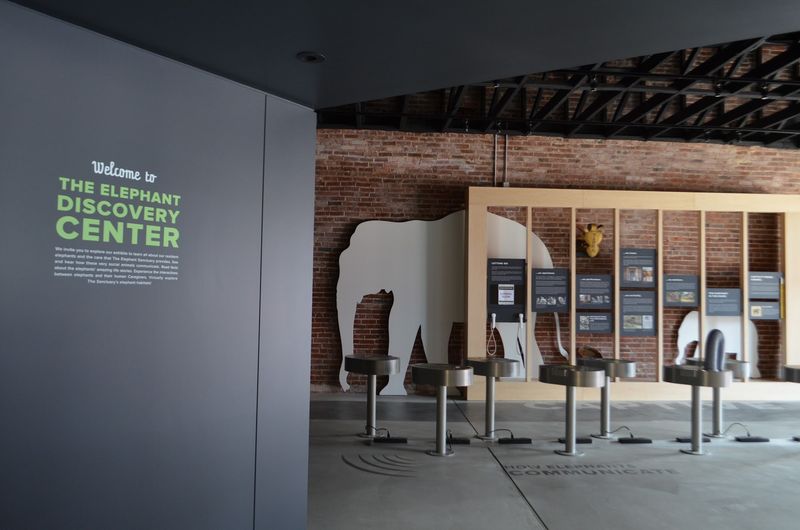
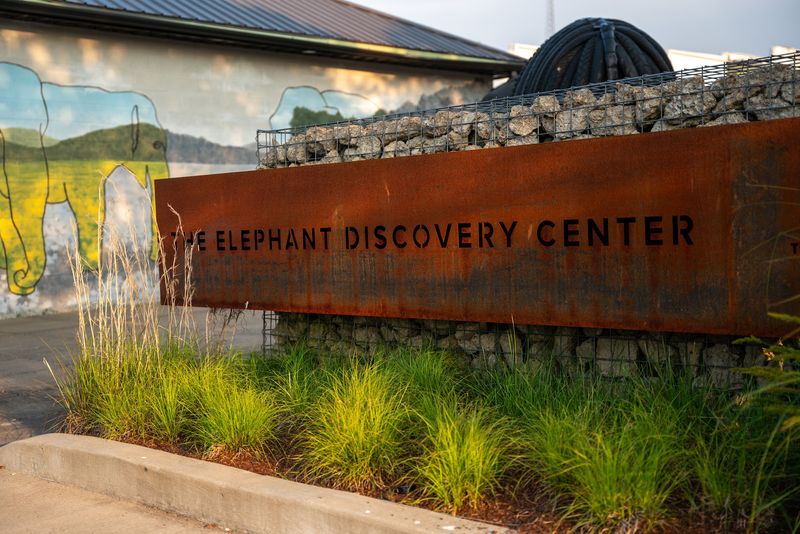
Right on Main Street in Hohenwald sits a compact but powerful educational space. The Discovery Center might not look massive from the outside, but step through those doors and you’ll find yourself immersed in the world of elephants. Every wall, every display, every interactive station tells a story worth hearing.
The indoor museum packs an incredible amount of information into a relatively small space. You’ll find detailed exhibits about elephant biology, behavior, and the harsh realities many faced in captivity. The displays don’t sugarcoat the past, they help visitors understand why this sanctuary matters so deeply.
Staff members are genuinely passionate and knowledgeable, not just reading from scripts. They’ll answer every question you throw at them, from elephant diet preferences to the sanctuary’s daily operations. Their enthusiasm is contagious, and you’ll leave knowing more about elephants than you ever imagined.
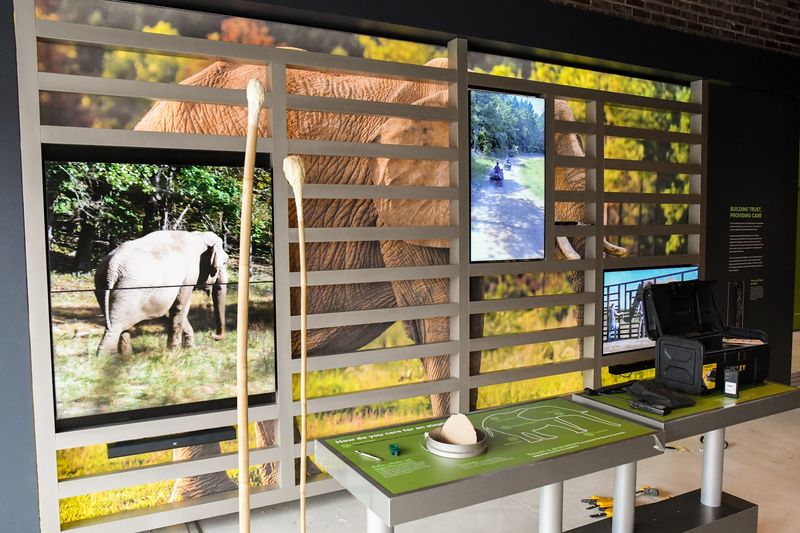
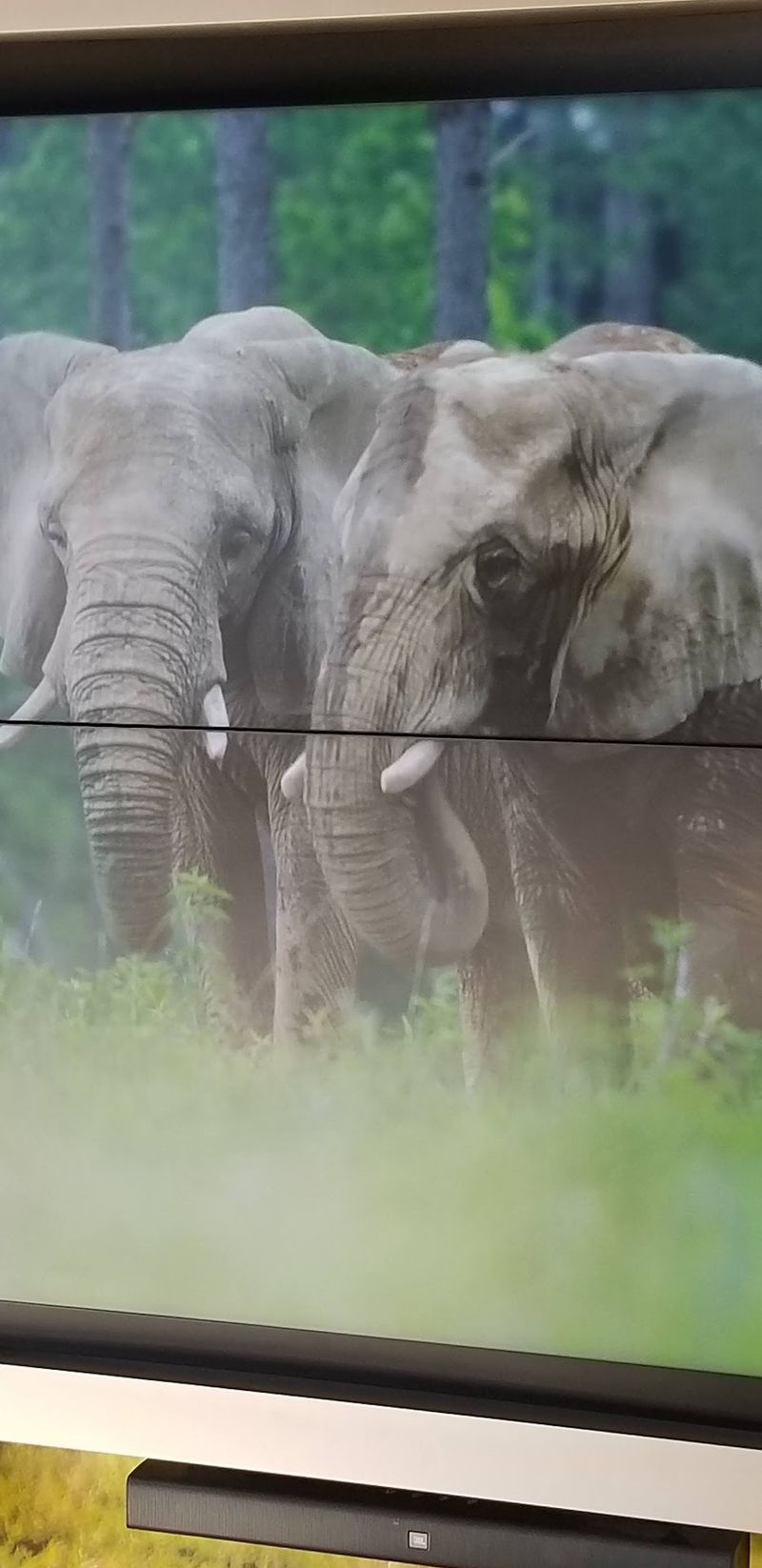
One of the center’s highlights is the live EleCam system. Multiple cameras positioned throughout the sanctuary property stream real-time footage, so you can watch the elephants as they go about their day. You might catch them playing in mud, munching on hay, or simply lounging in the shade.
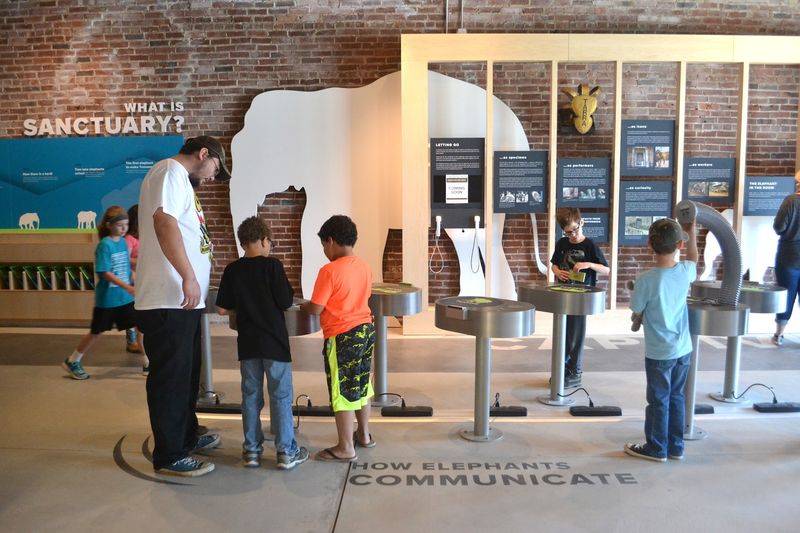
Interactive exhibits let kids (and adults) get hands-on with learning. There are activities designed for all ages, from painting pumpkins to exploring how elephants communicate. Parents appreciate that their children can learn while having fun, making it a perfect family stop.
Even when the center is closed, you can still learn. Walk through the alley beside the building and you’ll find outdoor educational displays about elephants and conservation. It’s a thoughtful touch that extends the learning experience beyond operating hours.
The gift shop offers meaningful merchandise, from t-shirts to handcrafted items. Every purchase supports the sanctuary’s ongoing work, so that elephant-themed mug or tote bag actually makes a difference in these animals’ lives.
Meet the Residents Through Stories and Screens
Shirley, the third oldest elephant in North America, celebrated her 70th birthday at the sanctuary. Her story alone could fill a book. Each elephant living here has a name, a history, and a personality that staff members know intimately.
At the Discovery Center, you’ll find detailed profiles of every sanctuary resident. These aren’t just basic facts, they’re rich biographies that include where each elephant came from, what they endured, and what brings them joy now. Some elephants love watermelon, others go crazy for pumpkins.
The profiles reveal heartbreaking backgrounds. Many residents spent decades chained up, only released during circus performances. Others lived in inadequate zoo enclosures with little enrichment or social interaction.
Reading these histories puts faces and names to the larger issue of animal welfare.
But the stories don’t end with sadness. You’ll also learn about each elephant’s journey to healing and happiness. How Shirley formed deep bonds with other elephants after years of isolation.
How certain residents discovered they love playing in creeks for the first time in their lives.
The EleCam feeds bring these stories to life in real time. You might see an elephant the staff just told you about, recognizing them by the physical characteristics described. Watching them move freely, interact naturally, and make their own choices throughout the day drives home what the sanctuary has accomplished.
Staff members share updates and anecdotes during your visit. They’ll tell you who’s been particularly playful lately, which elephants have formed unexpected friendships, and what medical milestones residents have reached. These aren’t animals they simply care for, they’re individuals they deeply respect and love.
Photography and video footage throughout the center capture precious moments. You’ll see elephants experiencing snow for the first time, celebrating birthdays with special treats, or simply enjoying the Tennessee sunshine without a chain in sight.
Why You Can’t Visit the Elephants Directly
First-time visitors sometimes feel disappointed learning they can’t tour the actual sanctuary grounds. That reaction usually lasts about five minutes, right up until someone explains why. Then disappointment transforms into respect for an organization that truly puts animal welfare above profit.
These elephants spent most of their lives performing for humans. They were poked, prodded, commanded, and constantly observed by crowds. Retirement means freedom from all that.
Allowing tours would essentially continue the cycle of elephants existing for human entertainment, just in a different setting.
The sanctuary’s approach recognizes something profound: these animals don’t owe us anything. They’ve already given enough. Now it’s their turn to simply exist without human demands, schedules, or expectations hanging over them.
Research consistently shows that elephants are incredibly intelligent and emotionally complex creatures. They remember trauma, form deep social bonds, and experience grief and joy. Constant human presence can be stressful, even when those humans mean well.
By keeping the sanctuary private, staff can focus entirely on elephant care rather than managing visitors. There’s no need to maintain viewing areas, restrict elephant movement for safety reasons, or schedule activities around tour times. The elephants’ needs dictate everything, as it should be.
The EleCam system offers a brilliant compromise. You get to observe elephants in their natural behavior without disturbing them. The cameras are positioned to be unobtrusive, and elephants quickly learn to ignore them completely.
What you see is authentic elephant life, not a performance.
Some sanctuaries allow limited volunteer opportunities after extensive application and training processes. These volunteers work behind the scenes in ways that support elephant care without direct interaction. It’s a chance to contribute meaningfully while respecting boundaries.
The model works. Elephants at the sanctuary display natural behaviors, form healthy social structures, and live longer than their counterparts in traditional captivity. That success validates the no-visitor policy completely.
Educational Programs That Actually Teach
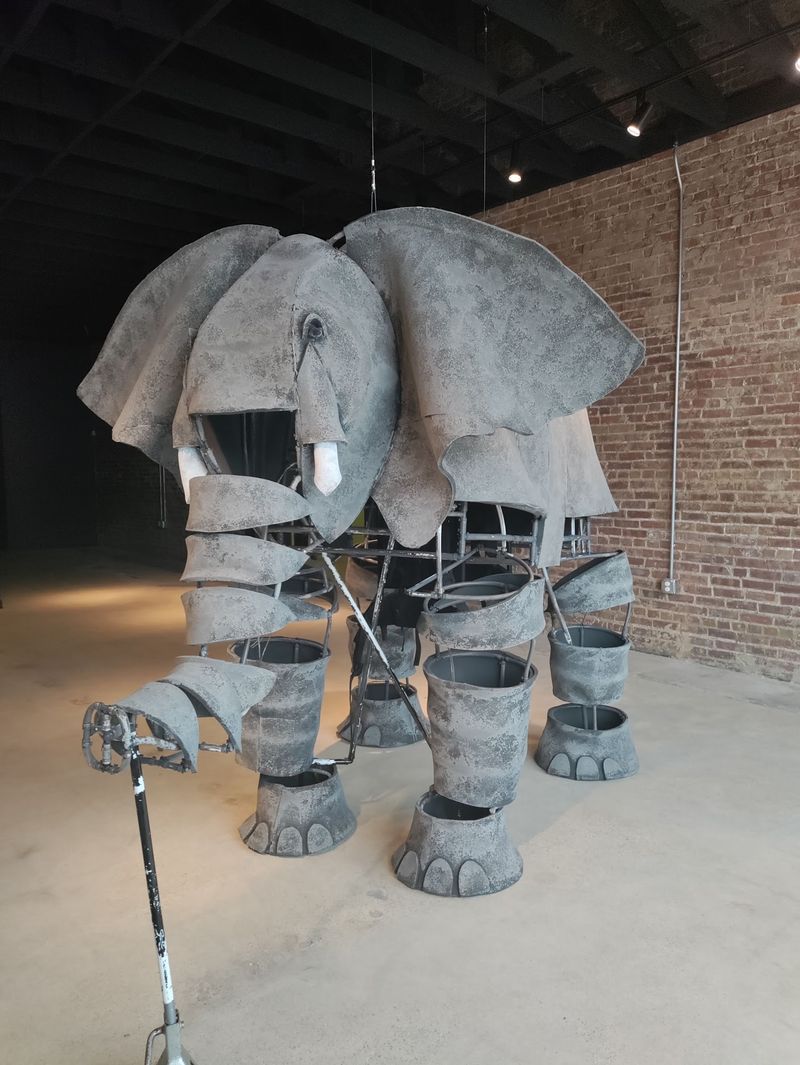
Forget boring museum lectures and dusty displays. The Discovery Center approaches education with creativity and genuine passion. You’ll learn about elephants through multiple methods, ensuring something clicks whether you’re seven or seventy years old.
Interactive exhibits let visitors experience elephant concepts firsthand. Want to understand how much an elephant eats? There’s a display for that.
Curious about elephant communication? You can explore the different sounds they make and what each means.
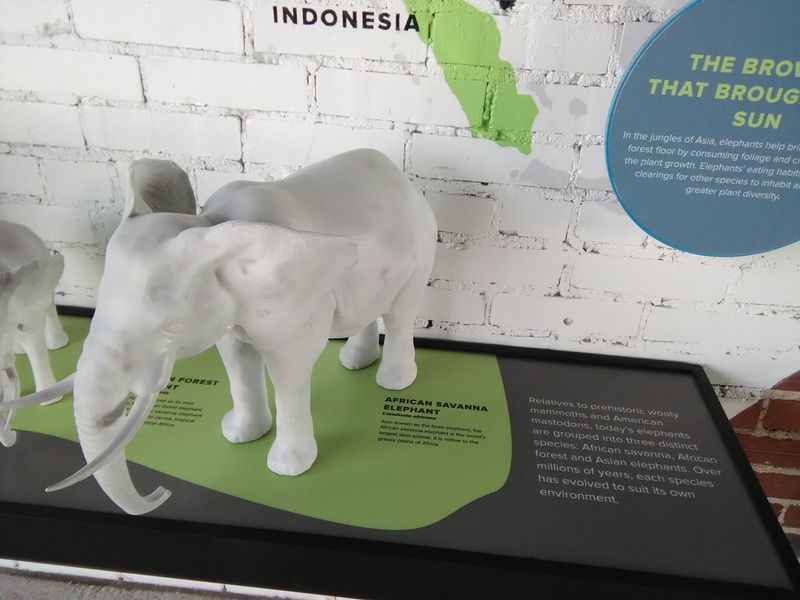
The programs explore elephants’ role in ecosystems beyond just being magnificent animals. You’ll discover how elephants shape landscapes, support other species, and contribute to environmental health. This broader perspective helps visitors understand why elephant conservation matters globally.
Kids particularly love the hands-on activities. The center regularly offers crafts, painting opportunities, and age-appropriate learning stations. One visitor’s grandson painted a pumpkin during their visit, and it became the highlight of his entire trip to Tennessee.
Staff members excel at explaining complex topics in accessible language. They discuss elephant welfare, sanctuary operations, and conservation challenges without talking down to anyone. Questions are always welcomed and answered thoroughly.
The center doesn’t shy away from difficult topics either. You’ll learn about the realities of circus life, the problems with elephant captivity in traditional zoos, and the physical and psychological trauma many sanctuary residents endured. These honest conversations are appropriate for all ages and incredibly important.
Educational materials extend beyond your visit. The sanctuary provides resources for teachers, students, and anyone wanting to learn more. Their website offers additional information, and regular newsletters keep supporters updated on resident elephants and sanctuary news.
What makes these programs truly effective is their foundation in real stories. You’re not learning abstract facts about elephants in general. You’re learning about Shirley, about specific residents with names and personalities.
That personal connection makes the education stick.
Supporting the Sanctuary’s Mission
Running a 2,200-acre elephant sanctuary isn’t cheap. A single elephant can consume hundreds of pounds of food daily, and medical care for animals this large requires specialized veterinary expertise. The sanctuary depends on donations, memberships, and support from people who believe in their mission.
Adopting an elephant is one of the most popular ways to contribute. Your adoption fee helps cover food, vitamins, and medical needs for a specific resident. You’ll receive updates about your adopted elephant throughout the year, creating a personal connection to the sanctuary’s work.
The gift shop offers more than typical tourist trinkets. Many items are handcrafted or specially designed, with proceeds directly supporting elephant care. That t-shirt or coffee mug becomes a conversation starter that helps spread awareness about elephant welfare issues.
Volunteering opportunities exist for those willing to commit time and energy. The application process is thorough because volunteers play crucial support roles. From maintaining grounds to assisting with administrative tasks, volunteers help keep operations running smoothly without disturbing the elephants.
Memberships provide ongoing support that helps the sanctuary plan long-term. Monthly or annual contributions ensure steady funding for daily operations, emergency medical care, and habitat improvements. Members often receive newsletters, updates, and special recognition for their commitment.
Corporate sponsorships and grants supplement individual donations. The sanctuary actively pursues partnerships with organizations that share their values. These larger funding sources help tackle major projects like habitat expansion or facility upgrades.
Even spreading the word counts as support. Telling friends about the sanctuary, sharing their social media posts, or writing positive reviews helps increase visibility. The more people know about this place, the more support it receives.
Every dollar genuinely makes a difference. The sanctuary operates with transparency, focusing resources on elephant care rather than fancy facilities or excessive overhead. Your contribution goes directly toward giving these animals the retirement they’ve earned and deserve.
The Staff Who Make It All Possible
Walk into the Discovery Center and you’ll immediately notice something special about the people working there. They’re not just doing a job, they’re living their passion. The happiness radiating from staff members is genuine and infectious.
These folks know elephants inside and out. They can tell you which resident prefers which type of hay, who’s been extra playful lately, and what health challenges certain elephants face. Their knowledge comes from daily observation, genuine care, and deep respect for these animals.
Caretakers work around the clock ensuring elephants receive proper nutrition, medical attention, and enrichment. It’s physically demanding work that requires dedication, patience, and a true calling. Yet staff members consistently describe it as the most rewarding work they’ve ever done.
The veterinary team deserves special recognition. Treating animals weighing several tons requires specialized skills and equipment. These professionals handle everything from routine checkups to complex medical procedures, always prioritizing elephant comfort and dignity.
Discovery Center staff excel at visitor engagement. They’re friendly, approachable, and genuinely excited to share information. Whether you’re a curious kid or an adult with detailed questions, they’ll give you their full attention and thorough answers.
Behind the scenes, administrative staff handle the logistics that keep everything running. From coordinating volunteer schedules to managing donations and maintaining the facility, these team members ensure smooth operations that support the sanctuary’s mission.
What strikes visitors most is how happy everyone seems. This isn’t fake customer-service cheerfulness, it’s the contentment that comes from meaningful work. Staff members know they’re making a real difference in these elephants’ lives, and that knowledge carries them through long days and challenging situations.
The team’s commitment extends beyond work hours. Many staff members advocate for elephant welfare in broader contexts, educate their communities, and continue learning about elephant care and behavior. Their dedication to the mission never clocks out.
Perfect Stop in Small-Town Hohenwald
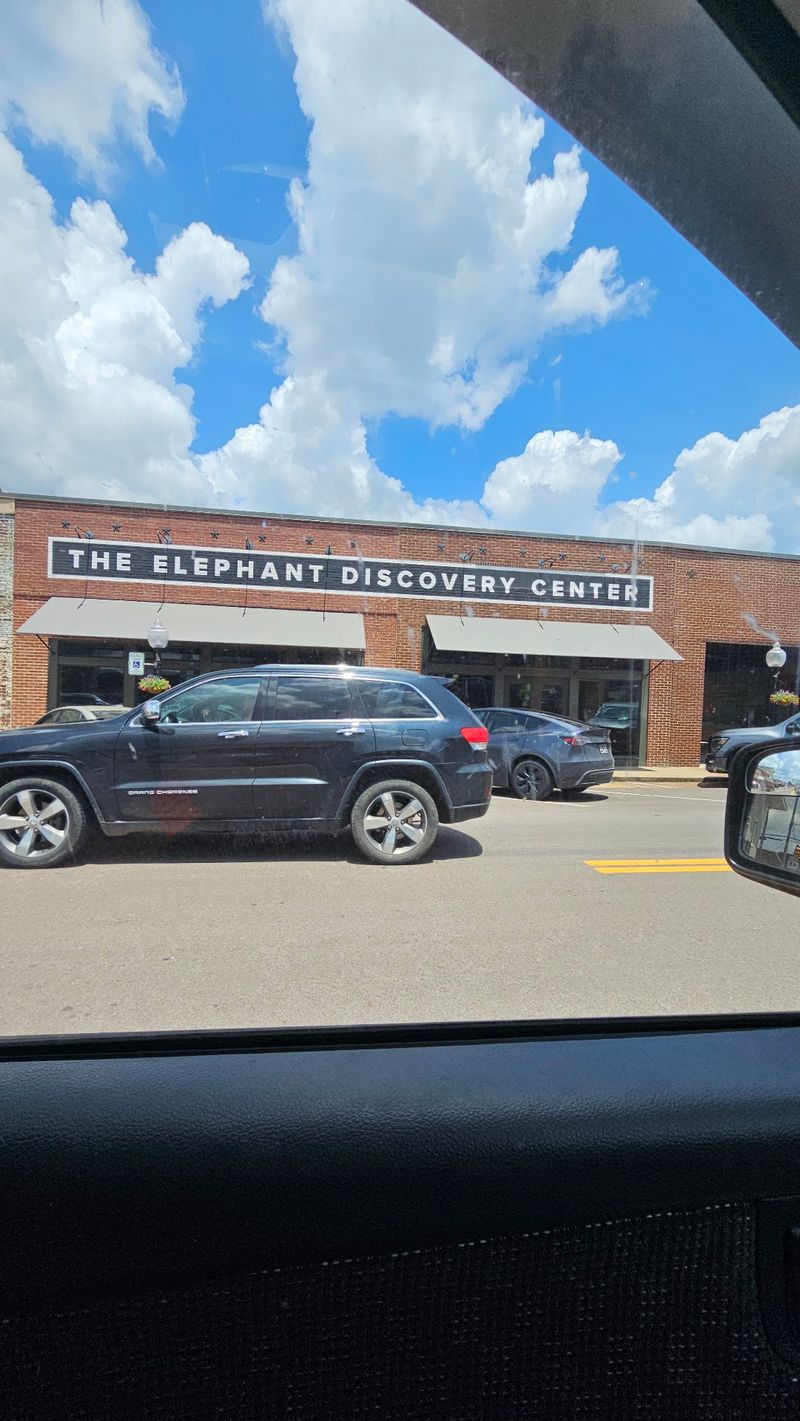
Hohenwald isn’t a major tourist destination, and that’s part of its charm. This quiet Tennessee town moves at a slower pace, offering a refreshing break from crowded attractions and rushed schedules. The Discovery Center fits perfectly into the community’s welcoming atmosphere.
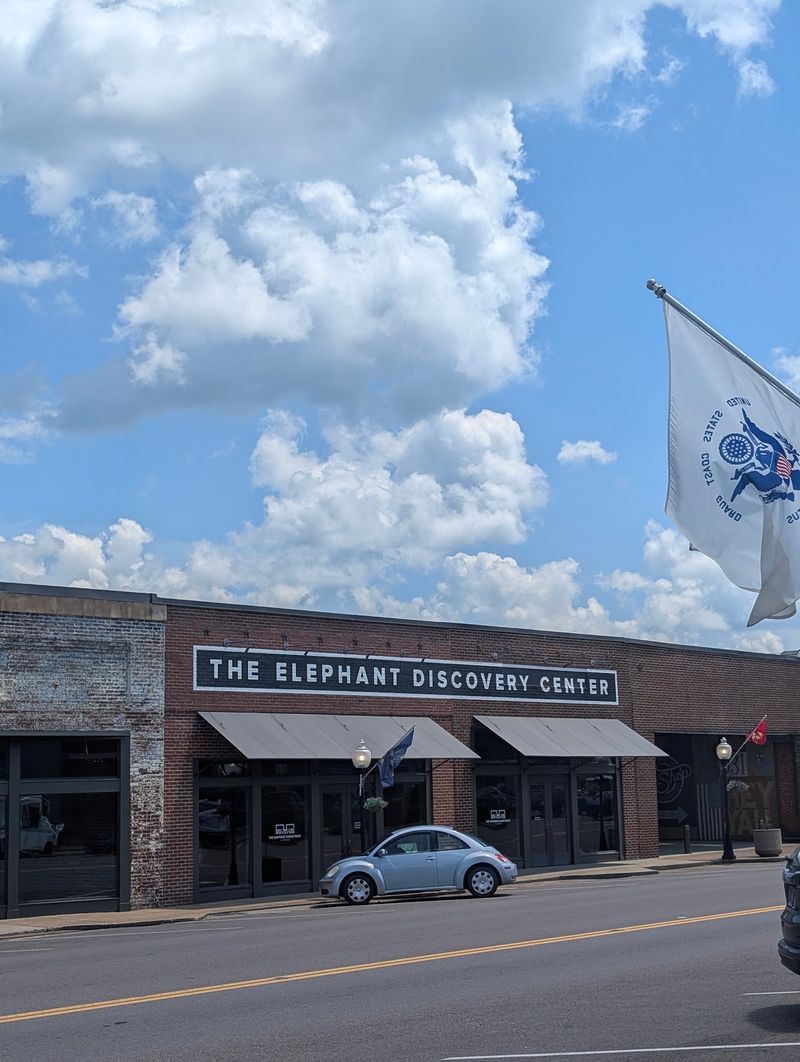
Located right on East Main Street, the center is easy to find and access. You won’t deal with complicated parking situations or long walks from parking lots. Just pull up, park, and walk right in.
Operating hours run Tuesday through Saturday from 9 AM to 4 PM, with Sundays and Mondays off. Planning your visit is straightforward, though calling ahead during holidays or special events never hurts. The staff appreciates visitors who check hours before making the trip.
While you’re in town, explore what else Hohenwald offers. Lewis and Clark Cafe serves solid food and has been recommended by multiple Discovery Center visitors. Small local shops offer unique finds you won’t see in big-city stores.
The town itself embraces the sanctuary’s presence. Locals are proud to have such an important facility in their community, and many residents actively support the sanctuary’s work. This community buy-in creates a welcoming environment for visitors.
Hohenwald’s location makes it accessible from multiple Tennessee cities. It’s a reasonable day trip from Nashville, Memphis, or Chattanooga. The drive through Tennessee countryside is scenic and relaxing, setting a peaceful tone before you even arrive.
Service animals are welcome at the Discovery Center, making it accessible for visitors with various needs. The staff accommodates questions about accessibility and works to ensure everyone can participate in the educational experience.
Spending a few hours at the Discovery Center and exploring downtown Hohenwald creates a memorable day trip. It’s not about rushing through attractions or checking boxes on a tourist list. It’s about slowing down, learning something meaningful, and supporting a cause that matters.
Real Impact on Elephant Welfare
Numbers tell part of the story. The sanctuary has provided refuge for numerous elephants over the years, each one representing a life transformed from captivity to freedom. But statistics don’t capture the full impact of what happens here.
Consider what life looked like before sanctuary arrival. Many residents spent decades chained, able to move only a few feet in any direction. They performed the same tricks repeatedly, transported in cramped trailers, living by human schedules that ignored their natural rhythms and needs.
Now those same elephants walk miles daily if they choose. They forage naturally, play in mud and water, form social bonds with other elephants, and make decisions about how to spend their time. The transformation isn’t just physical, it’s psychological and emotional.
Medical care at the sanctuary addresses issues that accumulated during years of captivity. Foot problems from standing on concrete, arthritis from inadequate exercise, and psychological trauma all require ongoing treatment. The veterinary team approaches each case with patience and expertise.
Elephants display natural behaviors here that they couldn’t express in captivity. They dust-bathe, trumpet freely, engage in complex social interactions, and explore their environment. Observing these behaviors through the EleCam proves the sanctuary model works.
The sanctuary also contributes to broader elephant welfare conversations. By demonstrating that retired performing elephants can thrive in sanctuary settings, they provide a roadmap for other organizations. Their success challenges the notion that elephants need human interaction or performance opportunities to have quality of life.
Research conducted at the sanctuary advances understanding of elephant behavior, health, and social structures. This knowledge benefits elephants worldwide, from those in other sanctuaries to wild populations facing conservation challenges.
Perhaps the most profound impact happens in visitors’ minds. People leave the Discovery Center with changed perspectives on animal captivity, entertainment, and welfare. Those changed minds create ripples that extend far beyond Hohenwald, Tennessee.
A Model for Compassionate Conservation
The Elephant Sanctuary challenges conventional thinking about animal conservation and welfare. Traditional zoos argue that captivity serves educational and conservation purposes, but this sanctuary proves you can educate people without keeping animals in restrictive environments or on display.
Their model prioritizes animal needs over human desires consistently. Every decision, from habitat design to visitor policies, asks one question first: what’s best for the elephants? This animal-first approach sets a standard that other facilities struggle to match.
The sanctuary demonstrates that conservation work doesn’t require public access to animals. The Discovery Center educates thousands of visitors annually without a single elephant being disturbed by crowds. This separation respects animal autonomy while still advancing conservation goals through awareness and education.
Other sanctuaries worldwide have studied and replicated aspects of Tennessee’s model. The success here proves that retired performing and captive elephants can live full, natural lives when given proper space, care, and respect. This validation encourages more facilities to pursue sanctuary models.
The organization’s transparency builds trust and credibility. They openly discuss challenges, celebrate successes, and maintain honest communication with supporters. This transparency contrasts sharply with facilities that hide problems or prioritize public relations over animal welfare.
Financial sustainability remains an ongoing challenge, as it does for most sanctuaries. The organization continuously works to balance proper elephant care with operational costs, relying on donations and support from people who believe in their mission.
Looking forward, the sanctuary continues advocating for better treatment of elephants everywhere. They support legislation protecting elephants, educate the public about welfare issues, and provide resources for people wanting to help.
The ultimate goal isn’t just saving individual elephants, though each rescue matters tremendously. It’s changing how society views and treats these magnificent animals. Every visitor who leaves the Discovery Center with a new perspective brings that goal closer to reality.