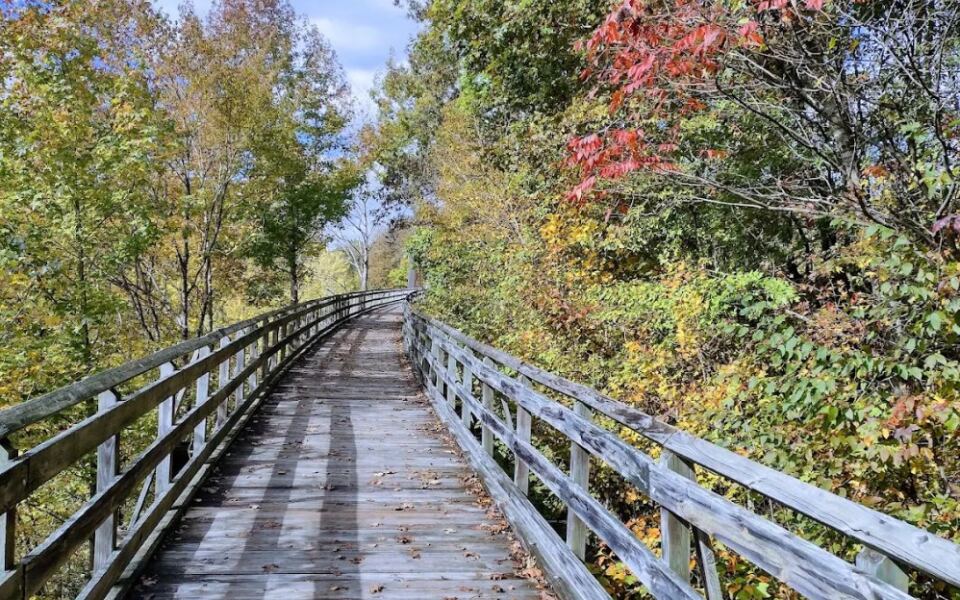
Looking for a peaceful Tennessee trail where nature, wildlife, and history come together? The Cumberland River Bicentennial Trail in Ashland City offers a refreshing escape from busy roads and crowded attractions. Just northwest of Nashville, this scenic route follows an old railroad corridor through shaded forests, peaceful wetlands, and beautiful stretches of the Cumberland River.
What makes this trail special is how much the scenery changes along the way. One moment, you’re crossing wooden bridges over quiet marshes. The next, you’re walking beside towering rock cuts that reveal the route’s railroad past.
Keep your eyes open, and you might even spot bald eagles, ospreys, turtles, or other wildlife enjoying the surroundings.
With both paved and gravel sections, the trail welcomes walkers, runners, cyclists, and families looking for an easygoing outdoor adventure. Spring brings colorful wildflowers, summer offers leafy shade, and autumn transforms the surrounding trees into a beautiful display of seasonal colors.
Whether you’re planning a quick morning stroll or a longer afternoon exploring, this hidden Tennessee gem offers plenty of reasons to slow down. Here’s what makes the Cumberland River Bicentennial Trail worth adding to your next outdoor adventure.
Those Train Tracks Retired, and the Trail Got Promoted
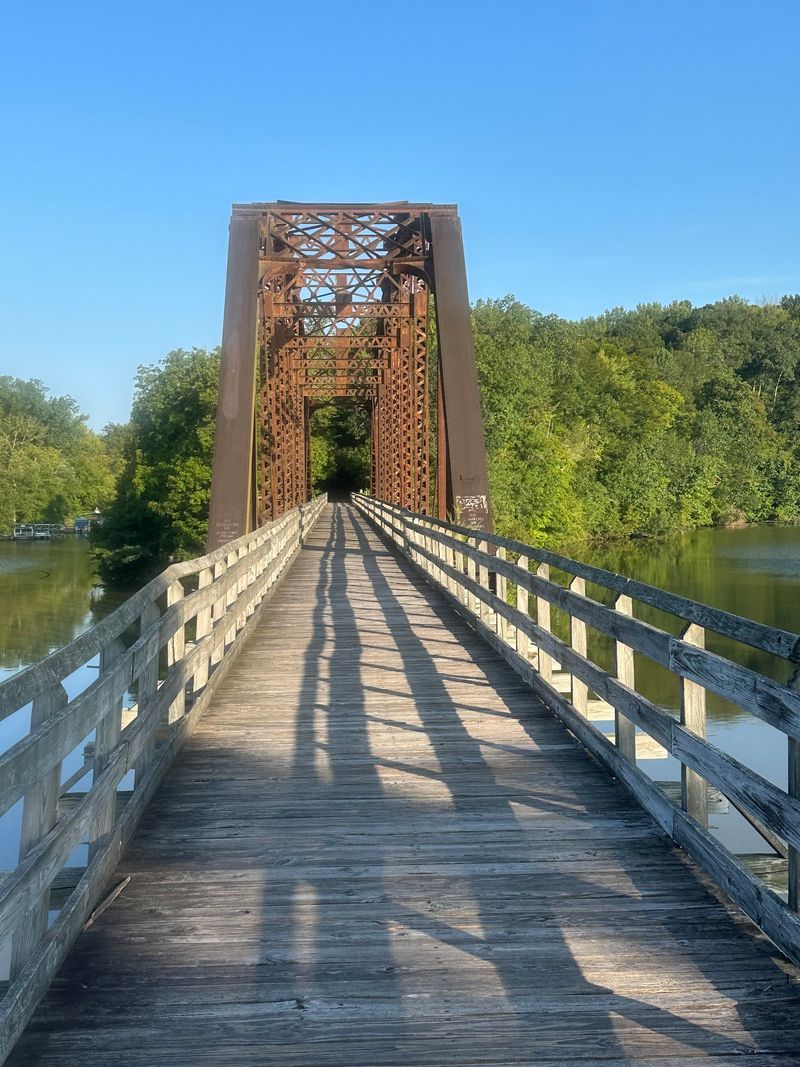
Long before joggers and cyclists showed up, trains rolled along this exact corridor. The Cumberland River Bicentennial Trail sits on an old railroad bed beside the Cumberland River.
That history explains why the path feels so smooth and level.
Railroads hate hills, and trail users usually do too. Engineers built rail lines with gentle grades so heavy trains could move easily. Walkers today get the benefit without lifting a single rail spike.
The trail is a classic rails-to-trails project. Instead of letting the old line fade into weeds, the community turned it into a public path. It’s recycling on a grand scale, and nobody has to rinse anything first.
Look around as you go, and the railroad story keeps showing up. Bridges carry you across low spots where trains once crossed. Farther out, rock cuts reveal where crews carved straight through stone to keep the line level.
That flat design opens the trail to almost everyone. Kids on bikes, grandparents out for a stroll, and runners logging miles can all share it. Strollers roll along the paved part without much fuss.
I like that history here doesn’t sit behind glass. You walk right on top of it, step after step. The path itself becomes the exhibit, which is a pretty clever trick for a strip of pavement.
The name also carries a nod to the past. Bicentennial points to Tennessee’s 200th birthday, celebrated in 1996. It’s a fitting label for a trail built on old transportation history.
Plan on a calm outing rather than a tough climb. The trail rewards curiosity more than stamina. Bring good shoes, some water, and a little interest in what came before.
Once you know trains used to rumble here, the quiet feels even more noticeable. The contrast makes every peaceful mile a bit sweeter.
Start Your Miles at the Chapmansboro Road Trailhead
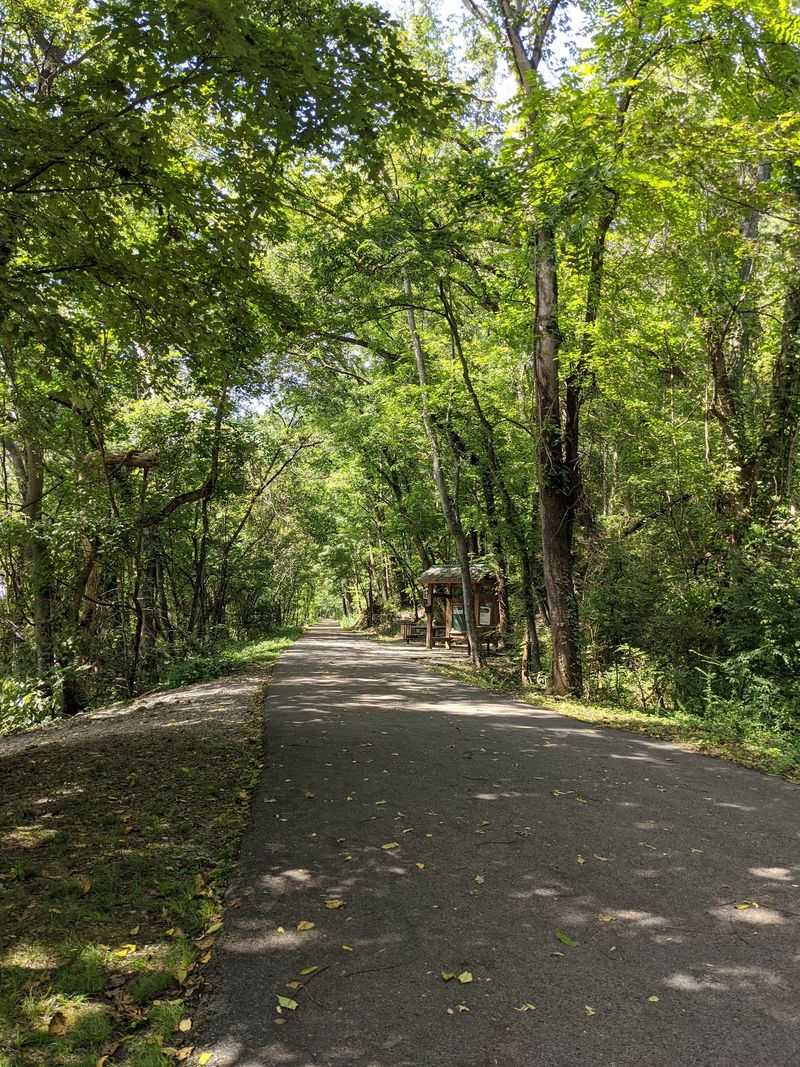
Every good adventure needs a starting line, and here it sits at 177 Chapmansboro Rd, Ashland City, TN 37015. That’s the main address tied to the trailhead. Plug it into your map app and you’re set.
Ashland City lies northwest of Nashville in Cheatham County. That makes the trail a handy escape for folks around the Nashville area. You trade traffic noise for birdsong without a long road trip.
From the trailhead, the paved section stretches out ahead. The first several miles are asphalt, which makes them friendly for bikes and wheels. Farther along, the surface switches to gravel.
Distance is flexible, and that’s one of the trail’s best qualities. You can enjoy a short out-and-back walk or tackle a longer stretch of the trail.
Here are a few smart planning tips.
Check the weather before you leave home. Much of the trail sits under trees, but open stretches can still get warm.
Bring more water than you think you need. A long out-and-back walk adds up faster than expected.
Wear shoes that can handle both pavement and gravel. Your feet will thank you on the rougher section.
Remember that every mile out is also a mile back. Turning around at the right time is an underrated skill. Your legs will appreciate the honesty later.
Early mornings and late afternoons tend to feel cooler in warm months. Softer light also makes the forest and river look extra pretty. It’s a nice bonus for anyone carrying a camera.
The trailhead is simple and practical, not flashy. It does its job and gets out of the way. Then the real show begins.
Wooden Bridges Turn Swampy Views Into the Main Event
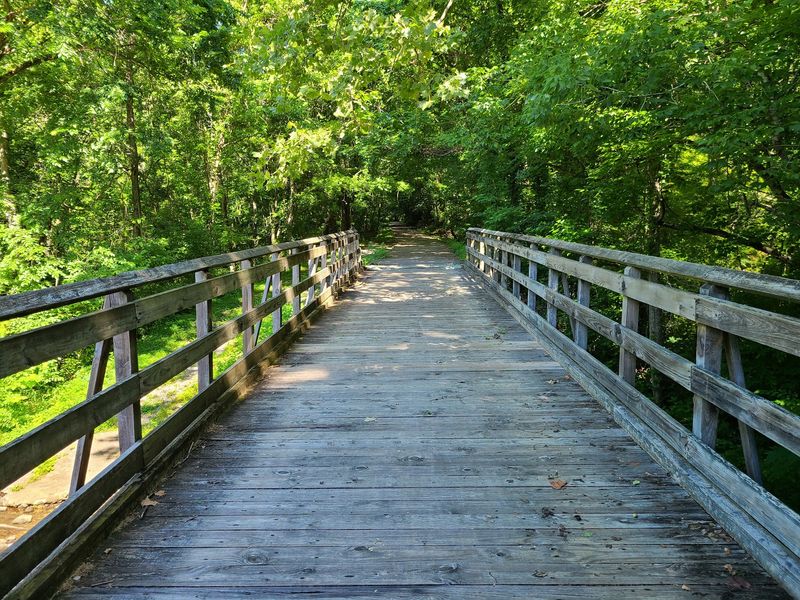
Wetlands might not sound glamorous, but they steal the show on this path. Bridges along the paved section carry you right over marshy water and soggy ground. You get front-row seats without muddy shoes.
These spots are where the trail feels most alive. Still water reflects trees and sky like a giant mirror. On calm days, the scene looks almost painted.
Wetlands matter for more reasons than looks. They soak up extra water, filter runoff, and give wildlife a place to live. Think of them as nature’s sponge, kidney, and apartment complex rolled into one.
Slow down when you reach a bridge. Lean on the railing and give the water a minute. Turtles, frogs, and wading birds often show up for patient watchers.
Snakes also enjoy wetland life, especially in warm months. Most snakes avoid human contact, but venomous cottonmouths also inhabit this area, so keep a safe distance and watch where you step.
Summer can bring bugs and ticks near damp areas. Insect repellent is a smart addition to your bag. A quick tick check after your walk is worth the extra minute.
The bridges also connect the trail back to its railroad roots. Trains once needed safe crossings over these low spots too. Today the crossings serve slower traffic, like curious kids and pausing photographers.
Photographers should keep an eye on the light. Morning glow and late afternoon sun make the water shine. Overcast days bring soft, moody colors that look great too.
I can’t imagine rushing past these views. They reward anyone willing to stand still for a moment. A short pause here might become your favorite part of the whole walk.
Rock Walls on the Gravel Stretch Show Off Serious Railroad Muscle
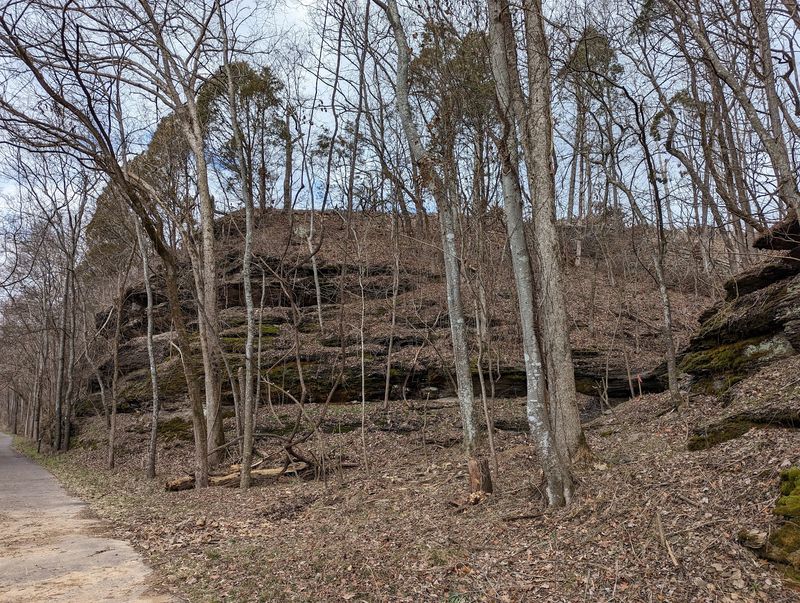
Stone walls rise beside the path once the pavement gives way to gravel. Railroad crews cut through rock here to keep the line flat. The result looks like a giant slice taken out of a layer cake.
Those layers tell a long geologic story. Each band of rock formed over a huge stretch of time. You’re basically walking past a history book written in stone.
The gravel section feels different from the paved miles. It’s a little more rugged and a bit wilder. Bikes can handle it, though the ride gets bumpier in places.
Hybrid or mountain bikes do better on this surface than skinny road tires. Walkers should wear shoes with decent grip. Loose gravel can surprise ankles that expected smooth pavement.
The rock cuts also create cool, shady pockets. On warm days, these spots can feel refreshing. Moss and small plants often cling to damp stone faces.
Picture the work it took to carve these walls long ago. Crews moved massive amounts of rock with far fewer tools than today. Every smooth stride you take owes them a quiet thank-you.
Kids tend to love this section because it feels like an adventure. Tall walls on both sides make the trail seem secret. Just remind everyone not to climb the rock faces.
Cliffs and rock formations add drama to an otherwise gentle trail. They give the gravel half its own personality. Some folks choose this stretch just for the scenery.
A full out-and-back covering both surfaces makes a long day. Plan your energy and snacks accordingly. Turning around early is perfectly fine if your legs vote no.
Either way, these walls are worth seeing at least once. Few trails mix engineering and geology this neatly.
Bring Binoculars, Because Eagles Sometimes Crash the Party
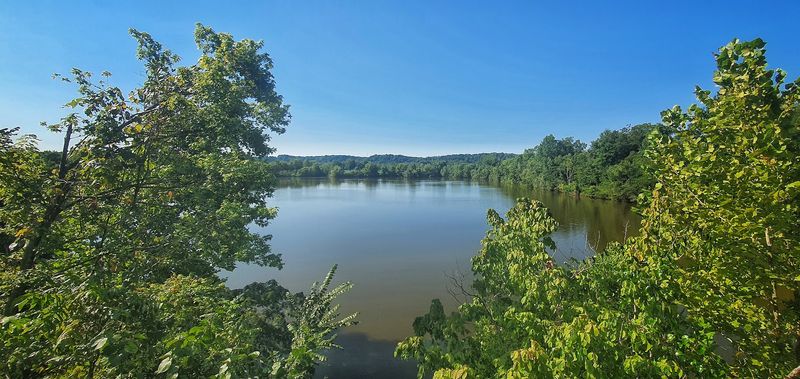
Bald eagles and ospreys are known to show up along the Cumberland River here. Spotting one is never guaranteed, which makes it even more exciting. Keep your eyes on tall trees and open water.
Ospreys are fish experts. They hover, then plunge feet-first into water to grab a meal. Watching one hit the river is like seeing a tiny air show.
Winter brings waterfowl to the river and wetlands. Ducks and other water birds gather in the cooler months. It’s a good season for birders who don’t mind a jacket.
Binoculars make a huge difference out here. Distant specks turn into feathers, beaks, and sharp eyes. A small pair fits easily in a backpack.
A bird guide app can help you name what you see. Some apps can even identify songs. Suddenly, the background chirping becomes a cast of characters.
Quiet helps more than any gadget. Birds notice loud voices and fast movements. Walking softly gives you a better shot at an up-close sighting.
The mix of habitats explains the variety of wildlife. Forest, river, and wetland sit side by side along the trail. Each one attracts different creatures, so the cast keeps changing.
Don’t forget the smaller critters. Turtles sun themselves on logs, and squirrels race through branches. Even a busy woodpecker can brighten a walk.
Please keep wildlife wild. Watch from a distance and never feed animals. They do better finding their own snacks.
Patience is the secret ingredient for good wildlife moments. Stop at a bench or bridge and just watch. You might be surprised what flies by when you stop trying so hard.
Spring Wildflowers Draw Hikers Who Plan Around the Bloom
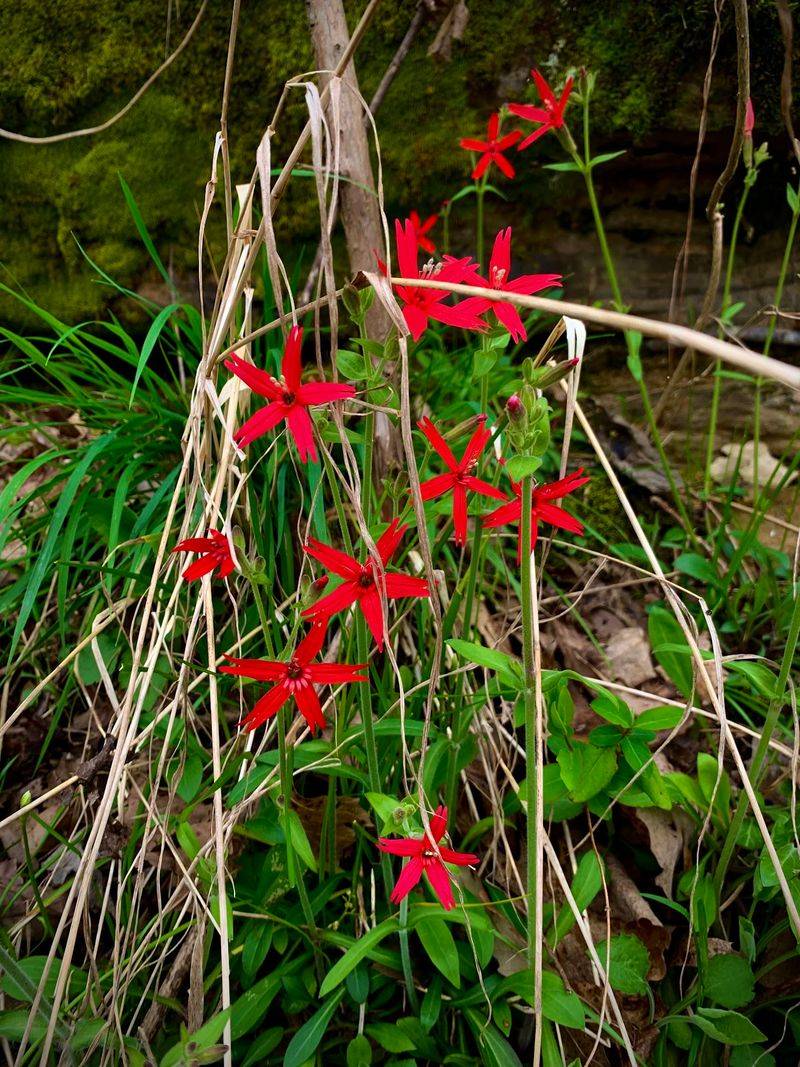
Some hiking groups actually time their visits to catch wildflowers at peak bloom. That tells you how good spring looks along this trail. Tennessee wildflower season brings a burst of color to the forest floor.
Early spring is often the sweet spot for woodland flowers. Many bloom before trees fully leaf out and block the sunlight. Blink, and you might miss the best week.
Look closely along the trail edges and rocky slopes. Tiny blossoms can hide in plain sight. A slow pace pays off more than a fast one.
Small cascades of water may trickle down nearby rocks after rain. Paired with flowers, they create a lovely spring scene. Wet weather can make those little waterfalls even livelier.
Want better flower photos? Get low and shoot close to the ground. Overcast skies help colors look rich without harsh shadows.
Please leave the flowers where they grow. Picking them keeps others from enjoying them and hurts future blooms. A photo lasts longer anyway.
Spring also brings snakes back out after winter. Watch where you step, especially near edges and tall grass. Staying on the trail helps keep you and the plants safe.
New leaves add their own magic this time of year. The forest shifts from bare branches to bright green almost overnight. It’s like someone turned the color dial way up.
Weekday mornings can be a peaceful time for flower hunting. Fewer distractions make it easier to notice small details. Bring a field guide or plant app for extra fun.
Spring visits reward curious walkers. Every bend may reveal something blooming. It’s the kind of season that makes you want to come back next week to see what changed.
Summer Shade and Fall Color Keep This Path Busy Year-Round
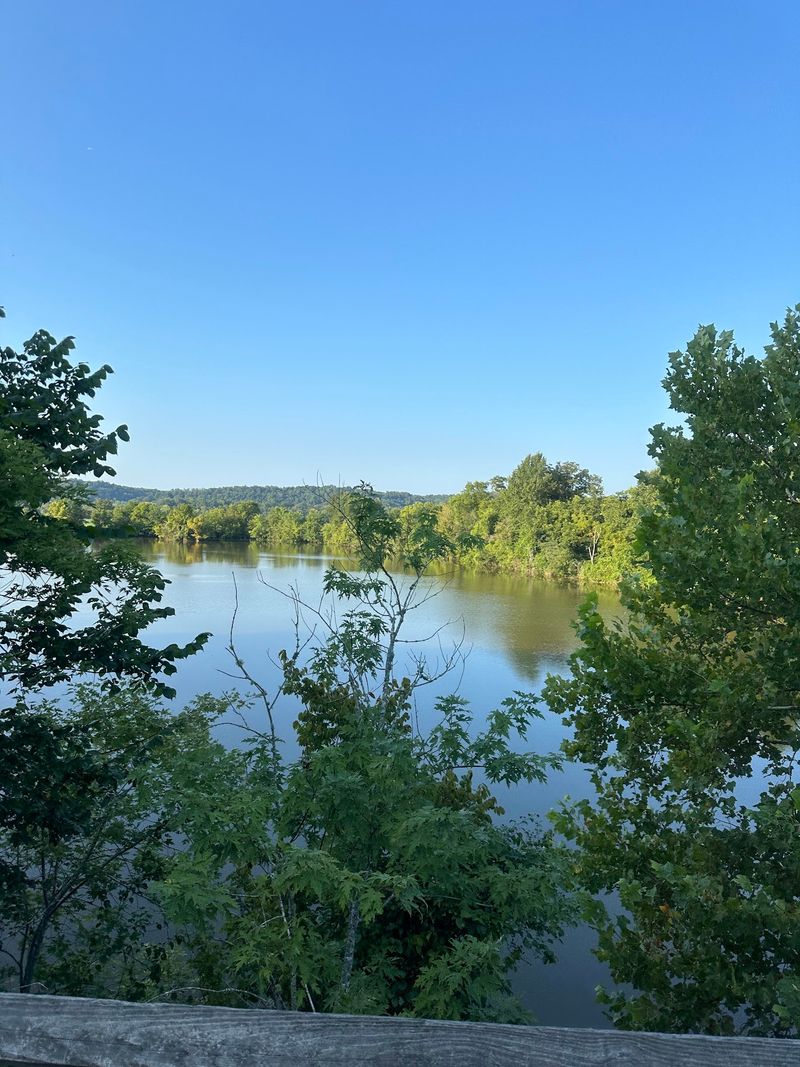
Shade is a big deal during a Tennessee summer. Much of the paved trail runs under a leafy canopy. That tree cover can make a hot afternoon feel a lot more bearable.
The forest acts like a natural umbrella. It blocks harsh sun and even offers some cover during light rain. Not bad for a free amenity.
Summer visitors should still plan ahead. Bring water, wear bug spray, and check for ticks afterward. Damp areas near wetlands can get buggy in warm months.
Fall flips the mood completely. Leaves turn shades of gold, orange, and red along the river. The color often builds slowly, with stronger shows later in the season.
River views open up more as leaves start dropping. You may catch glimpses of the water you missed in summer. The trail feels brighter and more open.
Autumn makes a great time for longer walks. Cooler air keeps you comfortable mile after mile. Crunchy leaves underfoot add their own soundtrack.
Winter has quieter charms. Bare trees reveal rock formations and river scenes more clearly. Waterfowl gather, giving birders something to celebrate.
Each season seems to bring a new personality to the same path. Regular walkers get a different trail every few months. It’s like a show that refreshes its set design four times a year.
Photographers can return again and again for fresh shots. Try capturing the same bridge in different seasons. The comparison makes a fun project.
The trail offers something to enjoy in every season, but visitors should check weather and trail conditions before heading out.
Benches, a Garden Stop, and Room to Catch Your Breath
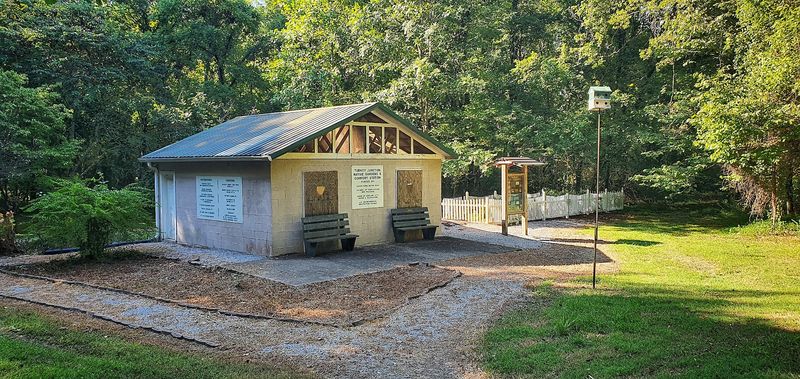
Plenty of seating areas line the trail. That makes it easy to rest, snack, or simply enjoy the view. Nobody needs to prove anything by marching nonstop.
About a mile from the Marks Creek Trailhead, the Turkey Junction Native Gardens & Comfort Station offers walkers a convenient place to take a break.
Restrooms matter more than people admit. They make the trail far friendlier for families with young kids. Knowing where they are helps you plan your walk.
Benches also work as little viewing stations. Sit for a few minutes and let the forest settle around you. Birds and squirrels often return once things go quiet.
Families can turn breaks into mini games. Count different leaf shapes or listen for bird calls. Small activities keep young hikers interested for longer.
Packing a simple snack makes rest stops even better. Trail mix, fruit, or crackers travel well. Just pack out every wrapper you bring in.
Older walkers often appreciate frequent seating. Short rests allow longer walks without strain. It’s a thoughtful touch that widens who can enjoy the trail.
Runners can use benches for stretching too. A quick calf stretch can make the return trip easier. Hydrate while you’re there.
The flat railroad grade pairs nicely with these rest spots. You get gentle walking and regular places to pause. Together, they create a relaxed rhythm.
I believe good trails respect different paces. This one seems to understand that well. Whether you sprint, stroll, or stop every ten minutes, there’s a comfortable place for you here.
Bikes, Runners, and Dog Walkers All Find Their Lane
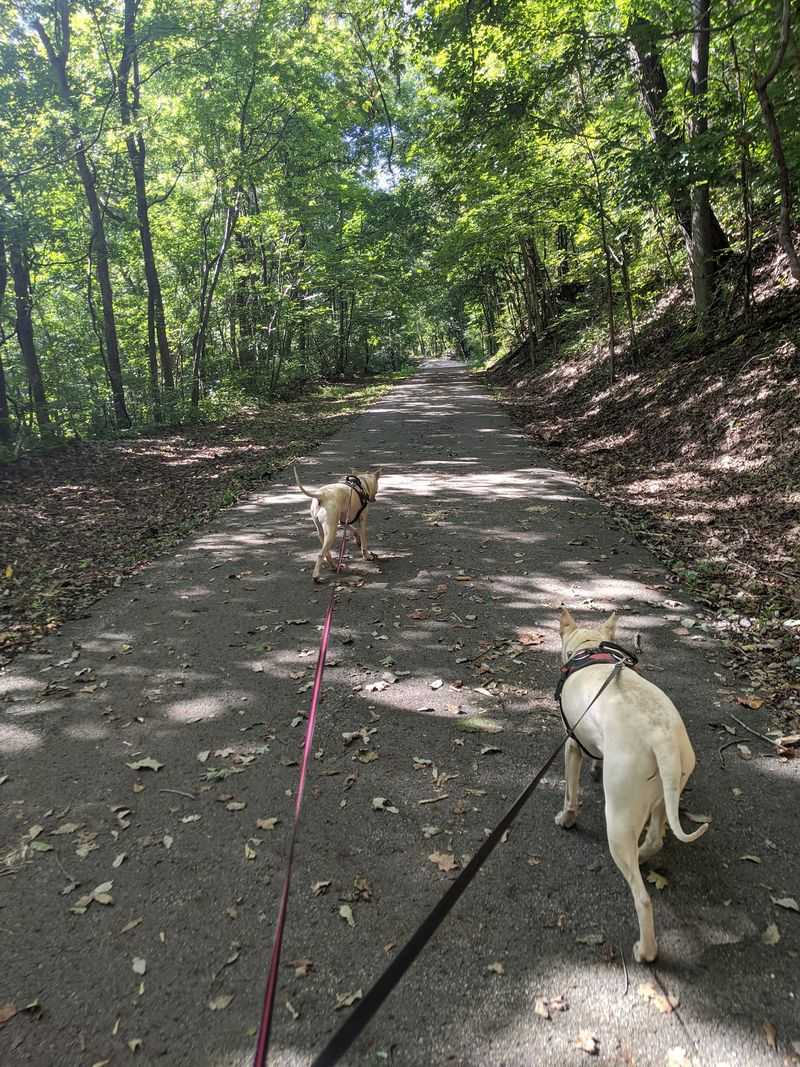
Cyclists love this trail, and it’s easy to see why. The paved miles roll smoothly along the old railroad grade. Gentle terrain lets riders focus on scenery instead of steep climbs.
Runners get similar perks. A flat route makes it easier to keep a steady pace. Long training runs feel less brutal when hills stay out of the picture.
Distance options keep things flexible. The paved section alone makes a solid out-and-back. Adding the gravel stretch turns the outing into a much longer adventure.
Sharing the path matters. Cyclists should call out before passing walkers. A friendly bell or quick heads-up keeps everyone happy.
Dog owners can enjoy the trail too. Keep pets close and watch for snakes in warmer months. Bring water for your pup, especially on hot days.
Families with kids on bikes will appreciate the smooth pavement. Young riders can build confidence without traffic. Training wheels and tricycles feel right at home on flat ground.
Road bikes do best on the paved part. The gravel section suits wider tires better. Plan your turnaround point based on what you’re riding.
A few quick safety tips help any outing. Wear a helmet when biking. Carry a phone and let someone know your plans for longer trips.
The Cumberland River Bicentennial Trail ends up being a true community path. It welcomes many kinds of movement in one peaceful space. That mix gives the place a friendly, active feel.
Ashland City has given Tennessee a lovely gift here. Old tracks became a shared outdoor playground. Lace up, pump those tires, and see how far the rails can take you.
Share this story