Tennessee has no shortage of places with a good story attached to them, but Reelfoot Lake is playing a completely different game. This is not your standard pretty-water-and-picnic-tables kind of lake.
It exists because the earth violently lurched during the New Madrid earthquakes of 1811 and 1812, reshaping part of northwest Tennessee in a way that still feels a little unreal.
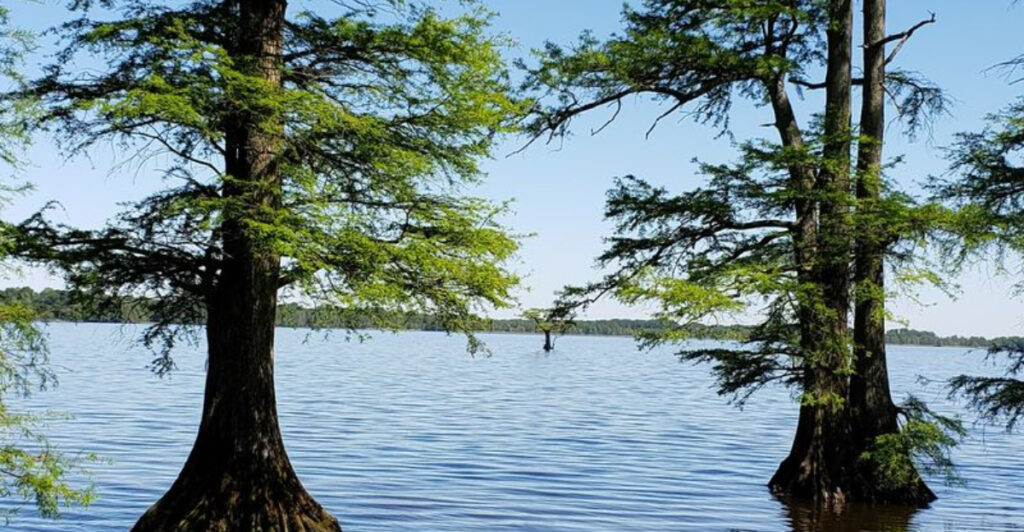
Instead of a neat shoreline and clear open water, you get a flooded forest, miles of shallow water, and towering bald cypress trees rising straight out of the lake like they’ve been there waiting on you for centuries.
The whole place has an eerie, beautiful, unmistakably old-soul feel. One minute it looks serene, the next it looks like the setting for a Southern folktale.
That contrast is exactly what makes it unforgettable. Reelfoot is strange, yes, but in the best possible Tennessee way—wild, historic, and just a little mysterious.
The Tennessee lake that didn’t exist until the earth split open
Most lakes in Tennessee have the decency to form in ordinary ways. Reelfoot did not.
Before the early 1800s, this part of northwest Tennessee looked very different. Then came the massive New Madrid earthquake sequence, a series of violent quakes so powerful they reshaped the landscape across a huge stretch of the central United States.
The ground sank in places, rose in others, and water filled the newly altered land. Out of that chaos came Reelfoot Lake.
That origin story alone gives it an edge over nearly every other body of water in the state. You are not looking at a lake carved by slow, patient geology over ages.
You are looking at the aftermath of sudden upheaval. That alone changes the mood when you arrive.
The lake feels young in geologic terms, but ancient in atmosphere. There is something unsettling and fascinating about standing beside water that only exists because the earth briefly lost its mind.
Reelfoot is not just scenic. It is proof that Tennessee’s landscape can still surprise you two centuries later.
How an earthquake turned part of West Tennessee into a flooded forest
Picture dry land, hardwood bottomland, and low-lying terrain near the Mississippi River. Now imagine a series of earthquakes so strong they warp the ground, disrupt drainage, and leave whole sections submerged.
That is the basic recipe for Reelfoot Lake. The New Madrid quakes didn’t simply shake the region and move on.
They rearranged it. Land dropped, water pooled, and what had been forest became a watery maze of trunks, knees, roots, and channels.
That is why Reelfoot does not read like a clean, open lake at first glance. It feels more like a forest that got caught in the act of becoming a wetland.
The result is one of the oddest landscapes in Tennessee. Instead of broad beaches or long rocky bluffs, you get shallow water threaded through stands of trees and thick habitat that seems built more for herons and egrets than speedboats.
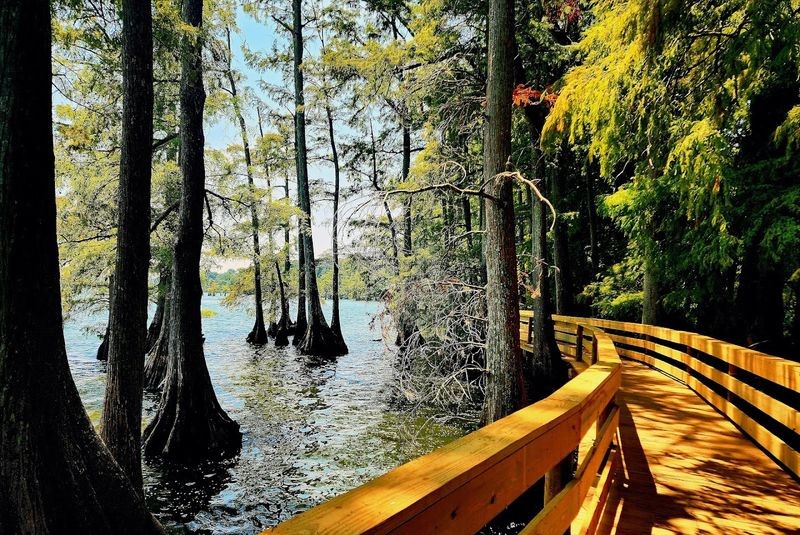
Even the light looks different there, filtered through branches, reflected off still water, and broken up by cypress trunks. The place has a half-land, half-water identity, and that is exactly what gives it its strange charm.
Why Reelfoot Lake looks more like a swampy dream than a typical lake
Anybody expecting the usual lake-day visuals may need to recalibrate. Reelfoot is not about broad blue water and smooth, uninterrupted horizons.
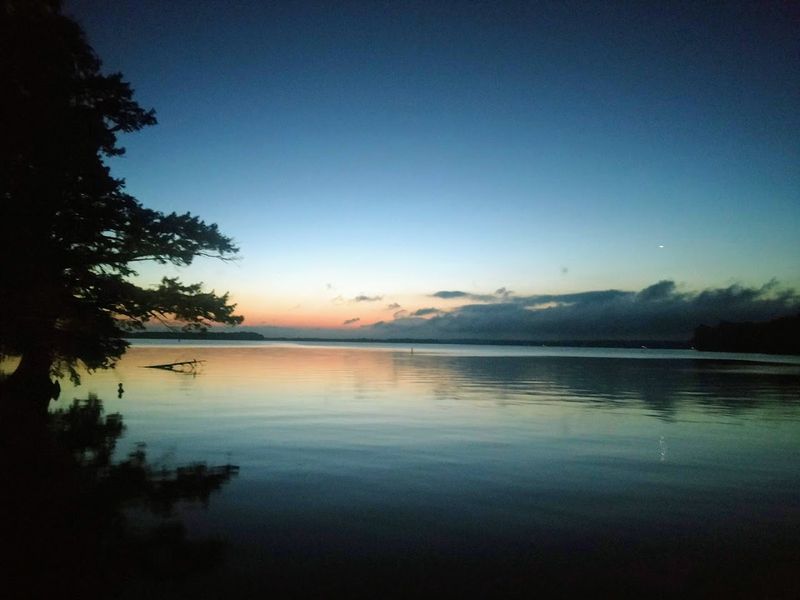
It is shallow, still, textured, and full of surprises. The edges blur into marsh, open water shifts into flooded timber, and the whole scene often looks wrapped in a soft haze, especially in the morning.
That combination gives the lake a dreamlike look that can feel peaceful one minute and slightly spooky the next. It has more in common with a backwater swamp scene than with the postcard image many people have in mind when they hear the word lake.
That is not a flaw. It is the entire appeal.
The water reflects cypress trunks, tangled branches, and dramatic skies in a way that feels almost theatrical. During colder months, mist can hang low over the surface and make the trees appear to float.
In warmer seasons, the greenery thickens and the wetlands take over visually. Reelfoot does not try to look polished.
It looks wild, layered, and a little moody, which is exactly why people remember it.
The ancient cypress trees that make this lake feel frozen in time
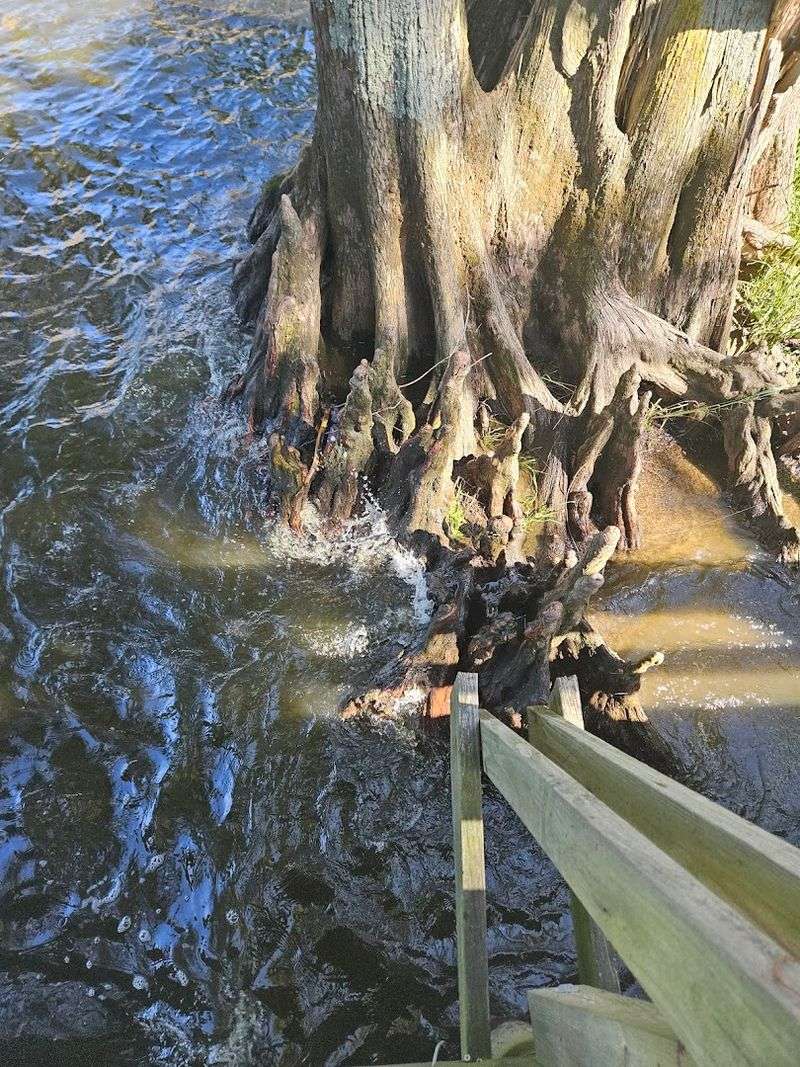
The bald cypress trees are the stars of the show, and they know it. Rising directly out of the water, some with massive flared trunks and knobby knees poking up around them, they give Reelfoot Lake its signature look.
These trees do not merely decorate the shoreline. They define the entire atmosphere.
Seen from a boat, they create the impression that time slowed down and never fully restarted. Their trunks are thick, sculptural, and deeply rooted in a landscape that barely seems stable.
In certain light, they look almost prehistoric. That is not an exaggeration.
Bald cypress are among the most distinctive trees in the South, and at Reelfoot they seem perfectly matched to the lake’s unusual birth. They thrive in wet conditions that would make many other trees give up immediately.
The result is a flooded forest that feels older and stranger than its actual age might suggest. You do not need to know any botany to appreciate the effect.
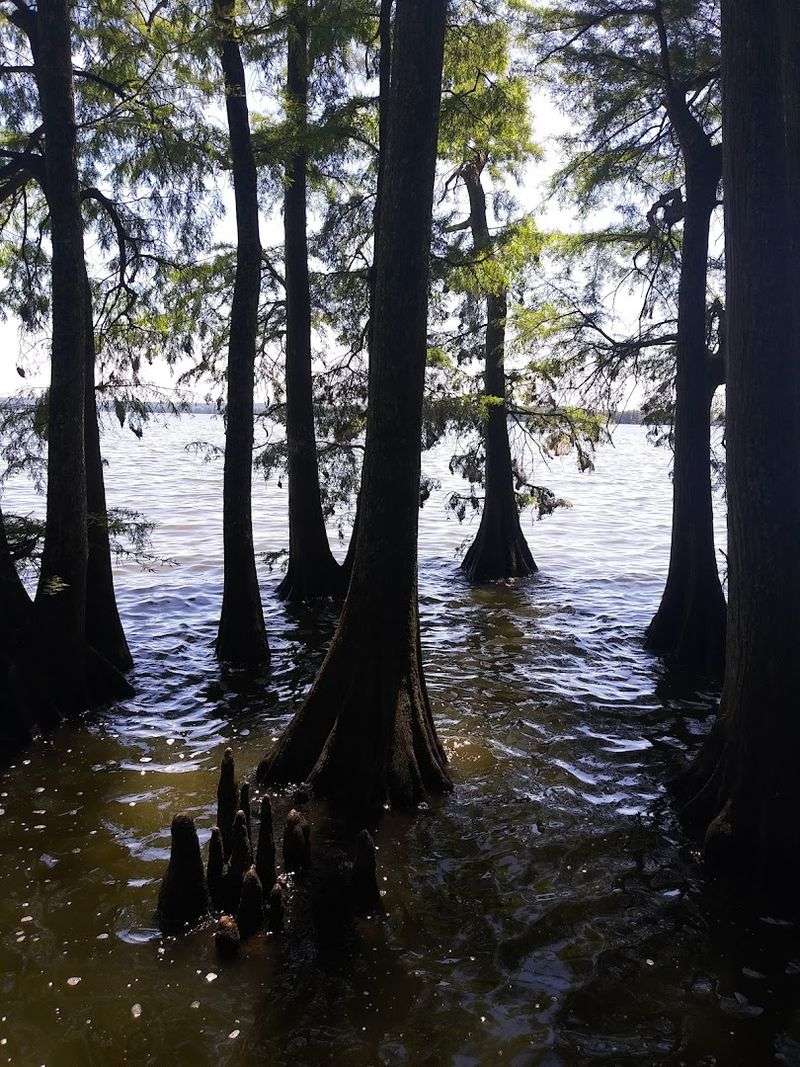
One look at those trees standing in calm water, often draped in moss or reflected in glassy surfaces, and the whole lake starts to feel like a place pulled from another century.
What it’s like to drift through a landscape shaped by disaster
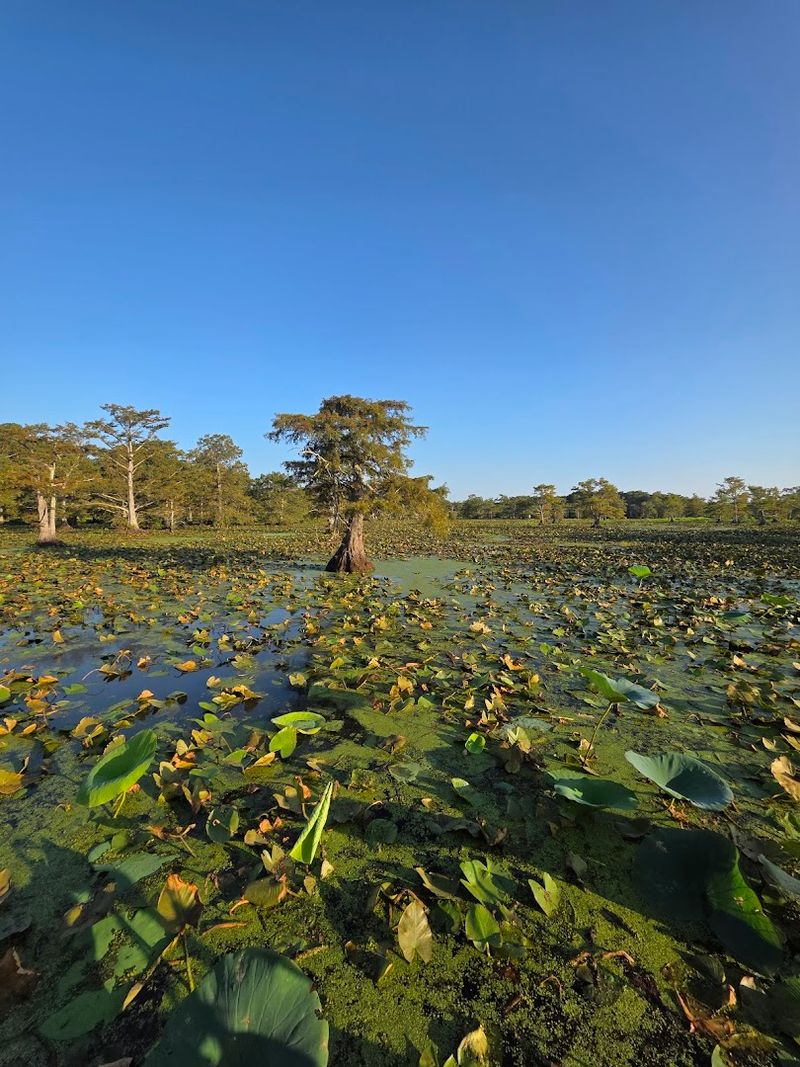
Seeing Reelfoot from shore is one thing. Gliding through it is another.
Once you are out on the water, the lake stops feeling like a single destination and starts feeling like a whole network of quiet scenes stitched together.
You pass narrow channels, open patches of water, half-submerged roots, and cypress stands that make the lake feel secretive in the best way.
It is easy to forget that this landscape was born out of violence. Then you remember the earthquakes, the dropped land, the flooded forest, and suddenly every calm view carries a little extra weight.
That contrast is what makes a boat ride here so memorable. The lake is peaceful, but its existence is the result of a disaster powerful enough to alter the map.
There is something humbling about that. You are moving through a place that was literally created by upheaval, yet now it is home to birds, fish, old trees, and an almost meditative stillness.
Reelfoot has a way of making you slow down without asking permission. You stop trying to conquer the place and start paying attention to it.
How the Mississippi helped create one of Tennessee’s strangest places
The earthquakes may get top billing, but the Mississippi River deserves a supporting role with plenty of screen time. Reelfoot sits in a region heavily shaped by the river’s floodplain, and that watery, low-lying setting helped make the earthquake damage especially dramatic.
When the ground shifted during the New Madrid quakes, the surrounding hydrology was already complicated thanks to the Mississippi’s influence. Water had places to move, spread, collect, and linger.
So while the quakes triggered the transformation, the river landscape made that transformation stick. This is one reason Reelfoot feels so different from many other Tennessee lakes.
It belongs to a part of the state where the land is flatter, wetter, and more connected to river dynamics than the hillier regions many people picture first. That matters.
The local geography gave the earthquakes room to leave a lasting mark. What formed was not just a random pool of water but a rich wetland system with its own look and rhythm.
Reelfoot is strange because several forces came together at once—seismic violence, river-country terrain, and a landscape perfectly positioned to become something completely new.
Why Reelfoot Lake still feels wild, eerie, and completely unforgettable
Some places are beautiful in a straightforward way. Reelfoot goes for something more interesting.
It can feel quiet, shadowy, and slightly uncanny without ever crossing into unwelcoming. That is a rare combination.
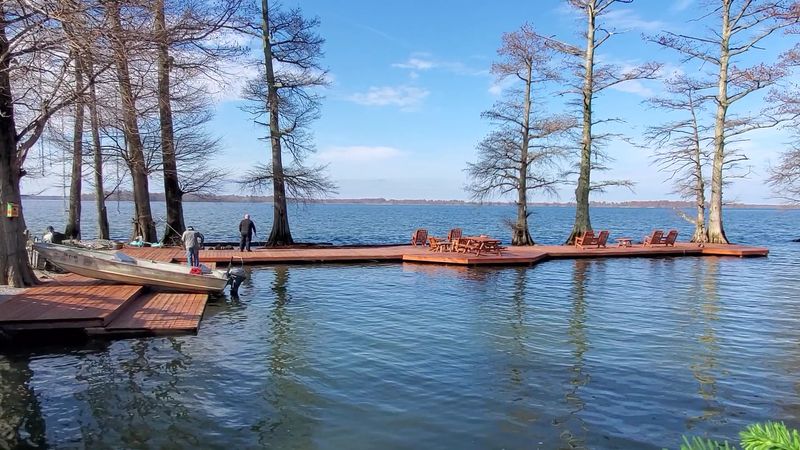
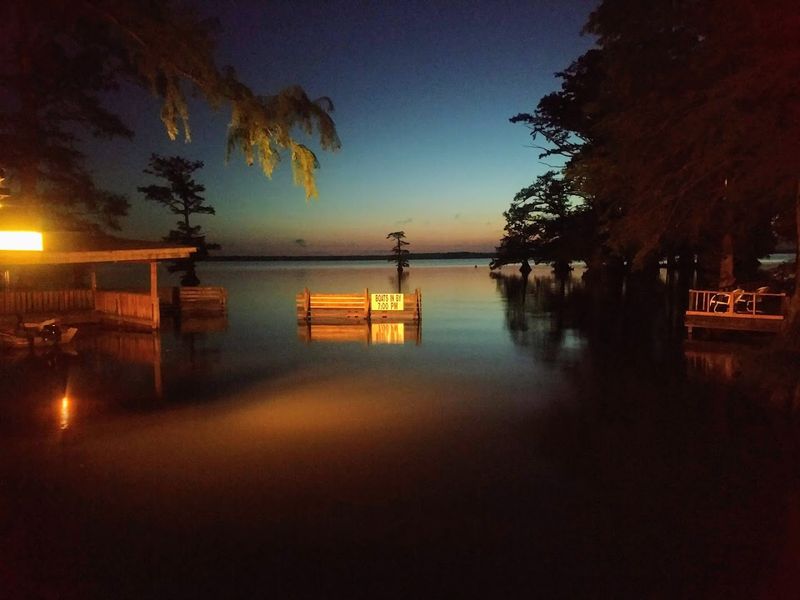
The still water, the skeletal-looking trunks in winter, the sudden movement of a bird lifting off from the reeds, the way the cypress seem to appear and disappear depending on the angle—all of it adds up to a place with genuine mood. This is not manufactured mystery.
It is what happens when a lake keeps its rough edges. Even on a clear day, there is a sense that Reelfoot is operating on its own terms.
The wildlife helps. Eagles, herons, owls, frogs, and fish all contribute to the feeling that humans are visitors here, not the main characters.
And honestly, that is refreshing. The lake does not hand you a tidy, easy version of nature.
It gives you texture, silence, weird beauty, and just enough eeriness to keep things interesting. Plenty of Tennessee spots are worth seeing.
Reelfoot is one of the few that sticks in your head afterward like a story you are still trying to finish.
The wildlife, mystery, and beauty that keep drawing people back

For all its oddness, Reelfoot is not just a curiosity stop. People return because the place rewards repeat visits.
Birdwatchers come for the spectacular wildlife, especially in winter when bald eagles turn the lake into one of Tennessee’s most exciting places to look skyward. Anglers know the water for crappie, bluegill, catfish, and other favorites.
Photographers show up for the cypress silhouettes, mirrored water, and changing seasonal moods. Even people who are not chasing a hobby tend to get pulled in by the atmosphere alone.
That is the magic of Reelfoot. It offers beauty, but never in a bland or predictable form.
It also leaves room for folklore, local stories, and that slightly haunted edge that every great Southern landscape seems to carry. The lake is historic, but it is not stuck in the past.
It is alive with movement, migration, weather, and small surprises. You can come for the earthquake story and leave talking about the trees, the birds, the silence, or the way the whole place felt unlike anywhere else in Tennessee.
That kind of memory tends to bring people back.