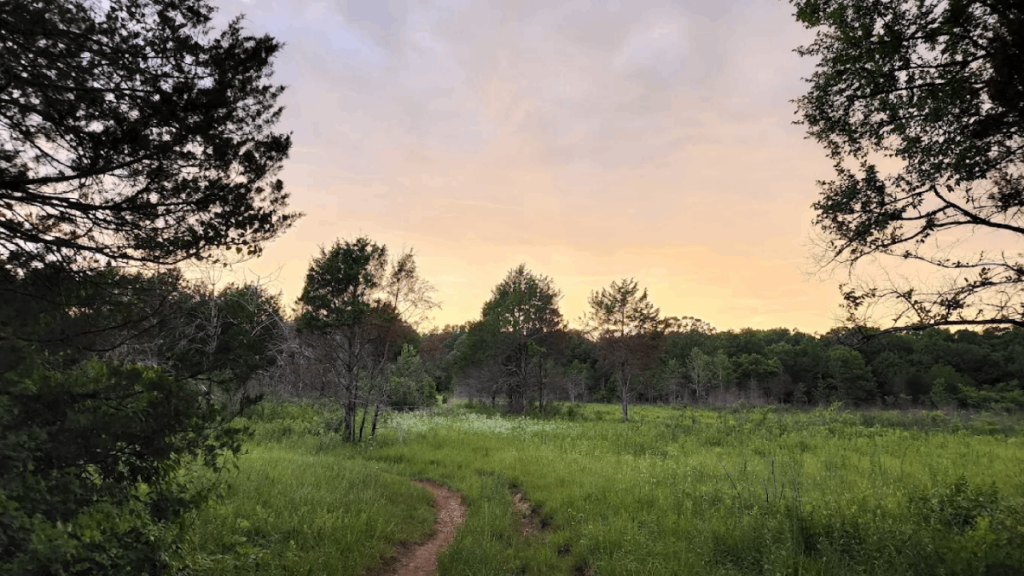
Most people picture Tennessee as rolling green hills and thick forests, but tucked away in Murfreesboro is a landscape that looks more like the American Southwest than the Volunteer State. Flat Rock Cedar Glades and Barrens State Natural Area offers hikers a chance to explore rare rocky terrain, open barrens, and wildflower-filled glades that feel completely out of place in Middle Tennessee.
This hidden gem protects one of the state’s most unusual ecosystems, and the trails let you experience it up close.
One of Tennessee’s Most Unexpected Landscapes Is Hiding in Murfreesboro
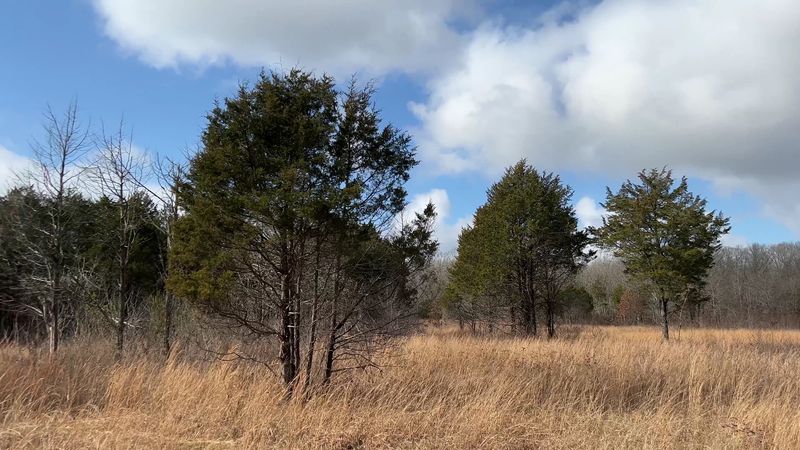
Drive down Factory Road in Murfreesboro, and you might pass right by without noticing. The entrance to Flat Rock Cedar Glades and Barrens State Natural Area doesn’t announce itself with big signs or fancy visitor centers. Instead, you’ll find a small parking area that leads to something most Tennesseans have never seen: a landscape that challenges everything you think you know about the state.
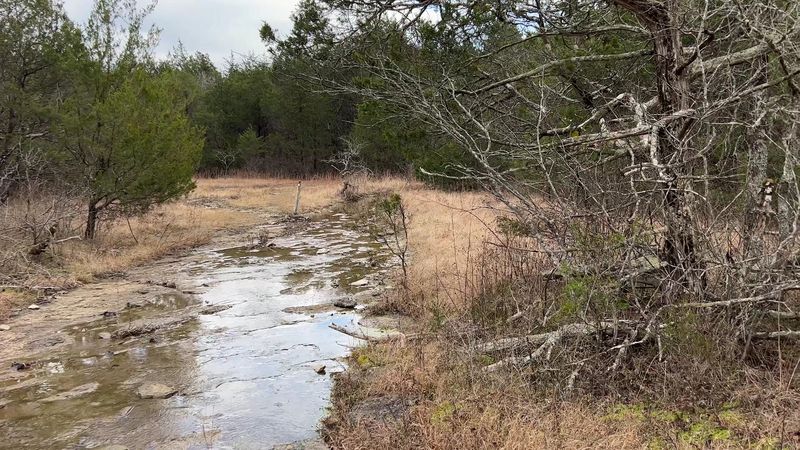
Cedar glades are rare ecosystems found in only a few places across the southeastern United States, and Middle Tennessee happens to have some of the best examples. These areas feature exposed limestone bedrock, shallow soil, and plant communities adapted to extreme conditions. During summer, the rocky terrain bakes in the sun and can feel desert-like, while spring brings temporary pools and streams that support unique wildflowers.
What makes this place so surprising is how different it feels from typical Tennessee terrain. Instead of dense tree cover, you’ll walk through open barrens with scattered eastern red cedars. The ground beneath your feet is often solid limestone, punctuated by sinkholes and karst features that reveal the geology underneath.
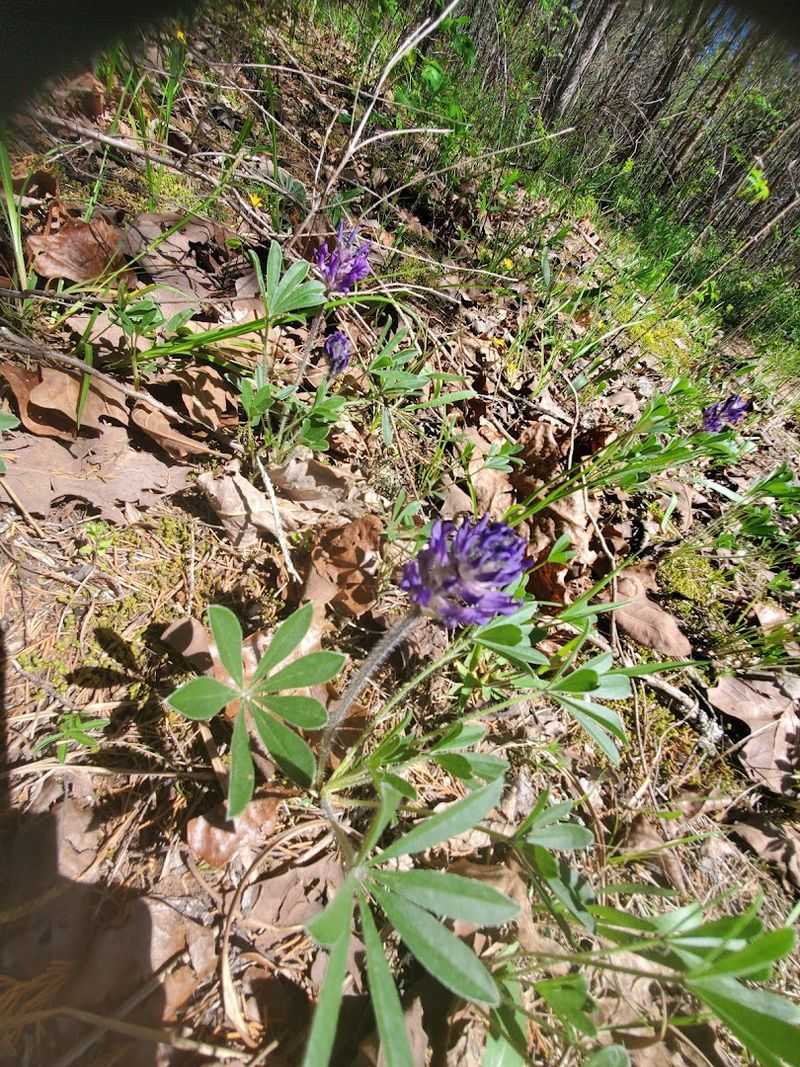
Rare and endangered plant species thrive here, including Tennessee coneflower and several types of glade wildflowers found nowhere else.
The preserve protects around 200 acres of this fragile habitat, offering visitors a chance to explore trails that wind through both the open glades and surrounding cedar forests. It’s quiet here, rarely crowded, and feels like stepping into a completely different climate zone.
If you’ve only experienced Tennessee’s typical forests and mountains, this place will genuinely surprise you with how unique and beautiful these rocky barrens can be.
What Makes Flat Rock Cedar Glades and Barrens So Different?
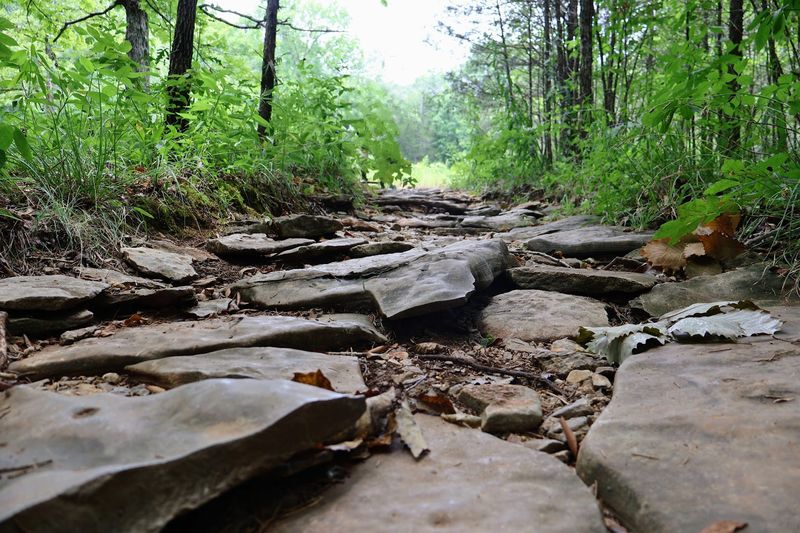
The secret to this landscape’s uniqueness lies beneath your feet. Flat Rock sits on top of limestone bedrock that formed hundreds of millions of years ago when this area was covered by ancient seas. Over time, erosion wore away softer rock and soil, exposing flat sheets of limestone that create the foundation for the entire ecosystem.
Cedar glades develop where soil is extremely shallow, often just a few inches deep in cracks and pockets of the limestone. This creates harsh growing conditions that most plants can’t tolerate. Summer temperatures on the exposed rock can reach over 130 degrees Fahrenheit, and the thin soil holds almost no moisture during dry periods.
Winter brings the opposite extreme, with standing water and freezing temperatures.
Only specially adapted plants survive here, which is why the botanical diversity is so remarkable. Tennessee coneflower, once thought to be extinct, grows in these glades alongside glade cress, limestone fame flower, and various rare grasses. These species have evolved strategies like deep taproots, waxy leaves, or succulent tissues to handle the extreme conditions.
Some plants remain dormant most of the year, bursting into bloom only during brief spring windows.
The karst topography adds another layer of interest. Sinkholes dot the landscape, formed when underground limestone dissolves and collapses. Some are shallow depressions, while others drop deeper into the bedrock.
This geology creates microclimates and habitat variations that support different plant communities within a relatively small area. The combination of exposed rock, specialized vegetation, and karst features makes this place unlike anywhere else in Tennessee.
A Rare Natural Area Filled With Rocky Glades, Wildflowers, and Open Barrens
Timing matters if you want to see Flat Rock at its absolute best. Early to mid-June transforms the landscape into a wildflower showcase, with Tennessee coneflower displaying its distinctive purple blooms across the glades. These flowers, which grow naturally only in Middle Tennessee, create purple carpets that contrast beautifully against the gray limestone and green cedar backdrop.
Spring brings additional botanical treasures. Glade cress produces white flowers in April, while limestone fame flower adds pink accents in May and June. Various grasses, sedges, and other specialized plants fill the spaces between rocks, creating surprisingly diverse plant communities despite the harsh conditions.
Each season offers something different, from spring blooms to summer’s heat-adapted survivors to fall’s subtle color changes.
The open barrens provide a different experience from the rocky glades. These areas have slightly deeper soil and support more vegetation, though still dominated by eastern red cedars and post oak trees. The spacing between trees creates a savanna-like feel, with grasses and wildflowers filling the gaps.
Walking through the barrens feels more like exploring western prairies than traditional Tennessee forests.
Wildlife adapts to this unique habitat too. Birds like prairie warblers and field sparrows prefer the open structure, while various reptiles sun themselves on warm rocks. The preserve’s relative isolation and limited visitor traffic mean wildlife encounters can be quite peaceful.
You won’t see massive herds or dramatic megafauna, but patient observers notice the smaller creatures that call these glades home, from butterflies pollinating rare flowers to lizards darting between limestone cracks.
Yes, You Can Hike Through This Surprising Tennessee Landscape
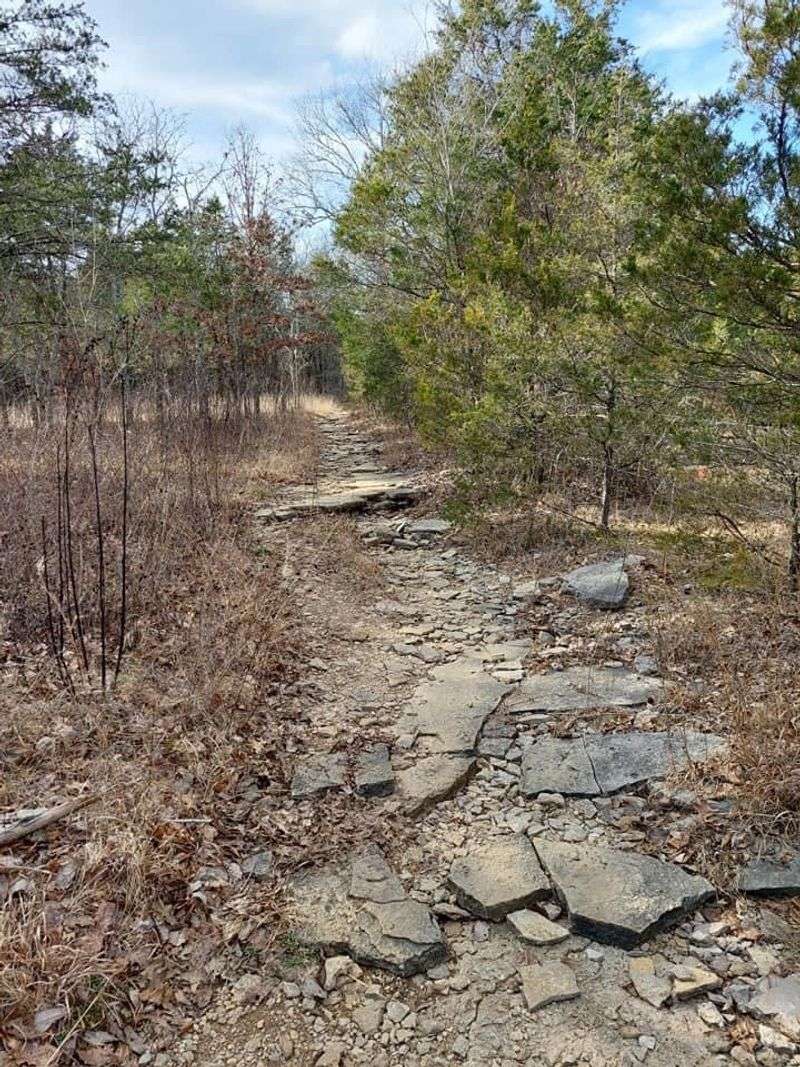
Around four miles of trails let you explore different parts of the preserve, though the exact distance depends on which loops you choose. An inner loop circles the main meadow area, offering a shorter option of roughly two miles. The longer outer loop takes you deeper into the woods and past more varied terrain, totaling closer to four miles if you walk the entire system.
Trail surfaces vary considerably. Some sections cross exposed limestone bedrock, where you’ll walk directly on the ancient rock. Other stretches follow dirt paths through wooded areas, and several spots can get muddy or wet, especially after rain.
The limestone doesn’t absorb water well, so trails can stay muddy for days following storms. Multiple reviewers mention walking through water in places, so waterproof boots make sense if conditions have been wet.
The trails are marked with arrows and occasional blazes, though signage could be clearer in some spots. Several hikers have mentioned missing turns or getting temporarily confused at trail junctions. Bringing a phone with GPS or downloading a trail map beforehand helps ensure you stay on track.
The preserve isn’t huge, so getting seriously lost is unlikely, but knowing which direction leads back to the parking area prevents unnecessary backtracking.
Terrain difficulty rates as easy to moderate. The trails are relatively flat without major elevation changes, making them accessible for most fitness levels. However, loose rocks, uneven limestone surfaces, and occasional water crossings require attention to footing.
A walking stick helps with balance on rocky sections. The trails aren’t paved or suitable for strollers, and the rocky nature means it’s not ideal for very young children or anyone with mobility challenges.
What You’ll See Along the Trails at Flat Rock Cedar Glades
Sinkholes rank among the most interesting geological features you’ll encounter. These depressions form when underground limestone dissolves, creating voids that eventually collapse. Some are just shallow bowls a few feet across, while others drop more dramatically into the bedrock.
They create unique microhabitats where moisture collects and different plant species grow compared to the surrounding drier glades.
The contrast between habitat types becomes obvious as you hike. Open glades with exposed limestone give way to cedar barrens with scattered trees, which then transition into denser woodland areas. Each zone supports different plant and animal communities.
The edges where habitats meet often show the most diversity, with species from both environments mixing together.
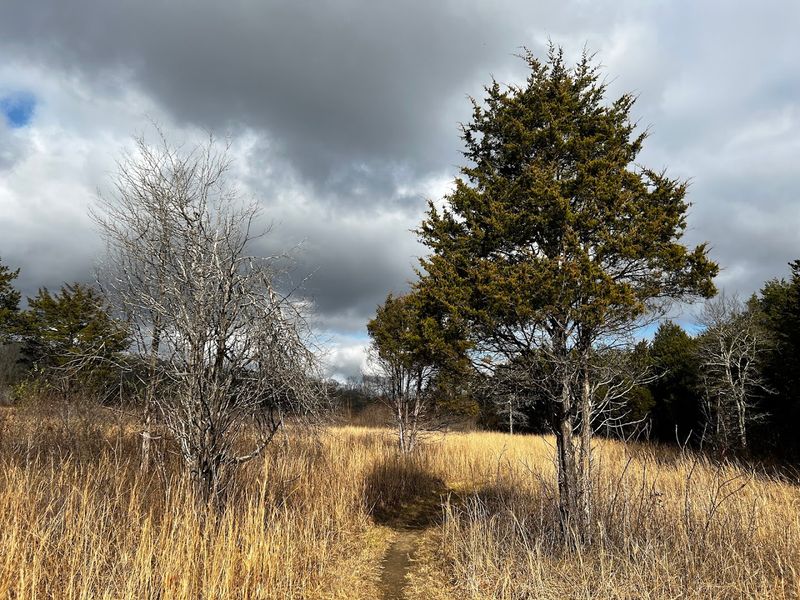
Eastern red cedars dominate the tree layer, their gnarled trunks and dense foliage creating distinctive silhouettes against the sky. These hardy trees tolerate the shallow soils and harsh conditions better than most species. In the barrens, they’re spaced far enough apart to allow sunlight to reach the ground, supporting the grasses and wildflowers below.
Where soil is deeper, the cedars grow closer together, forming a more traditional forest.
Seasonal changes dramatically alter the scenery. Spring brings green growth and wildflower blooms, transforming the landscape with color. Summer dries everything out, with the exposed rock reflecting intense heat and many plants going dormant.
Fall adds subtle warm tones, though the evergreen cedars ensure the landscape never looks completely bare. Winter reveals the underlying geology most clearly, with dormant vegetation exposing the limestone framework that makes this ecosystem possible.
Why This Murfreesboro Spot Feels Unlike Anywhere Else in the State
Tennessee’s reputation revolves around mountains, forests, and rivers. When people picture the state, they imagine the Smokies, Cumberland Plateau forests, or the rolling farmland of Middle Tennessee. Cedar glades don’t fit that image, which is exactly what makes Flat Rock so memorable.
The open, rocky terrain feels more like you’ve been transported to the Hill Country of Texas or the limestone barrens of the Ozarks.
The visual contrast hits you immediately when you leave your car. Instead of being enveloped by trees, you can see across open expanses of rock and grass. The sky feels bigger here, and sightlines extend much farther than in typical Tennessee forests.
This openness creates a sense of space and exposure that’s rare in a state where dense vegetation usually dominates.
Ecologically, these glades represent islands of specialized habitat surrounded by more common forest types. The plants and animals here are adapted to conditions found nowhere else in the region, making the preserve crucial for conservation. Tennessee coneflower’s story particularly highlights this uniqueness.
Scientists thought the species had gone extinct until it was rediscovered in cedar glades during the 1960s. Today, it grows only in a handful of Middle Tennessee locations, with Flat Rock protecting important populations.
The quietness adds to the otherworldly feeling. Most visitors report seeing few other people, even on nice weekend days. Without crowds, you can hear the wind moving through cedar branches and birds calling across the barrens.
This peaceful solitude, combined with the unusual landscape, creates an experience that genuinely feels different from anywhere else in Tennessee.
Tips for Visiting Flat Rock Cedar Glades and Barrens State Natural Area
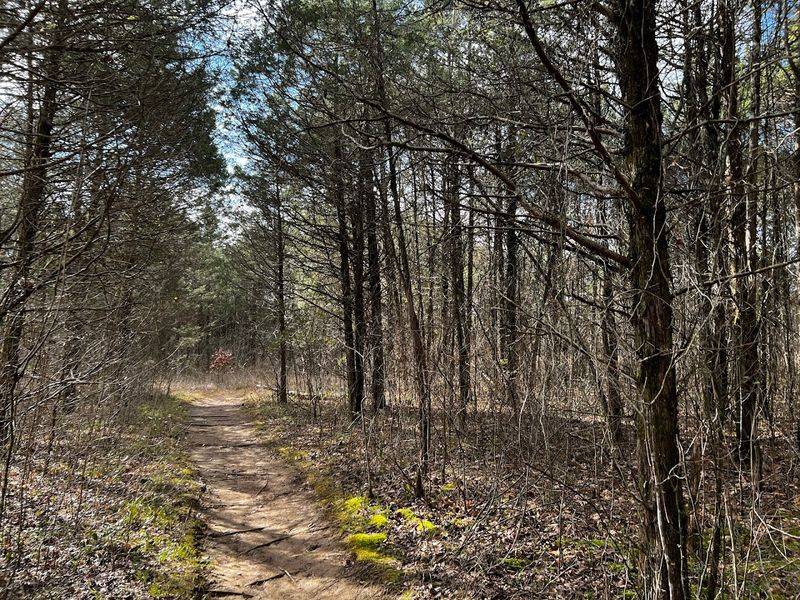
Footwear makes or breaks your experience here. Multiple visitors emphasize wearing sturdy hiking boots or trail shoes with good traction. The combination of loose rocks, exposed limestone, and potential mud means regular sneakers won’t cut it.
Waterproof boots are ideal if there’s been recent rain, as you’ll likely encounter wet sections. Some people bring walking sticks for extra stability on uneven surfaces.
Timing your visit around wildflower season rewards you with the best scenery. Early to mid-June offers peak Tennessee coneflower blooms, while April through June generally provides the most diverse wildflower displays. Summer visits are possible but can be brutally hot on the exposed rock, and many plants go dormant.
Spring and fall offer more comfortable temperatures for hiking.
The preserve is open daily from 8 AM to 5 PM. There are no entrance fees, but also no facilities. That means no restrooms, water fountains, or visitor center.
Bring everything you need, including water, snacks, and any safety items. The parking area is small and can be rough, with at least one review mentioning a large pothole at the entrance, so drive carefully.
Download trail maps or bring GPS before you arrive, as cell service may be spotty. The trail marking system works but isn’t foolproof, and several junctions can be confusing. Taking photos of trail signs or marking your location periodically helps you backtrack if needed.
Give yourself at least two hours to explore comfortably, though serious nature enthusiasts could easily spend half a day here photographing wildflowers and exploring different trail sections. Check for ticks after your hike, as several reviewers mention them being common in the vegetation along trail edges.
Share this story