The Ohio River has shaped the history, culture, and character of the towns that line its banks for hundreds of years. Most road trippers zoom right past these places on their way to bigger cities, not realizing what they are leaving behind.
From underground railroad safe houses to pottery capitals and Civil War-era architecture, these small towns pack a surprising amount of history into their quiet streets. If you are planning a drive through Ohio and want to see something truly memorable, the river towns described here deserve a spot on your itinerary.
Each one tells a different story about who built this region, what they believed in, and how they lived. Some are known for brave acts of resistance, others for booming industries that shaped American manufacturing, and a few simply charm visitors with their beauty and pace of life.
You do not need to be a history buff to appreciate the layers of meaning tucked into these communities. Families, solo travelers, and curious wanderers will all find something worth stopping for.
This guide highlights twelve Ohio River towns that most visitors overlook, but absolutely should not. Whether you have a full weekend or just a few extra hours on a road trip, any one of these stops will reward you with stories, scenery, and a sense of place that bigger tourist destinations rarely offer.
Pack a camera, bring comfortable walking shoes, and get ready to discover the Ohio River towns that history almost forgot.
1. Ripley
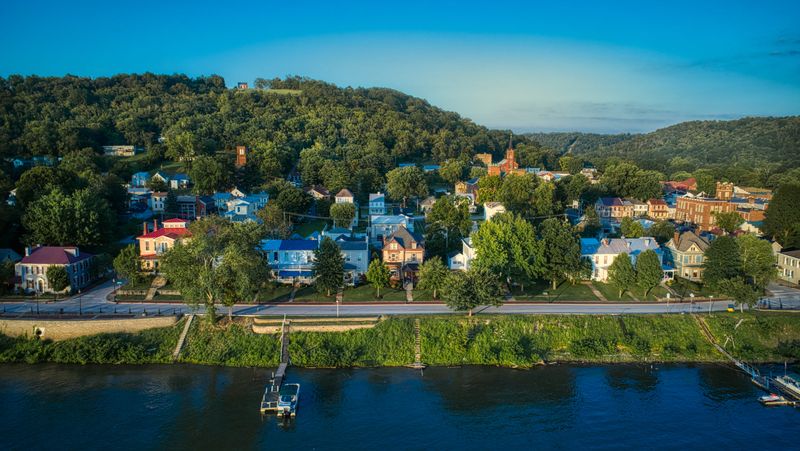
Perched on a hillside above the Ohio River, this small town carries one of the most powerful stories in American history. Ripley, Ohio was a major stop on the Underground Railroad, and the John Rankin House sitting high above town served as a beacon of freedom for enslaved people crossing the river from Kentucky.
The light in that window was said to be visible for miles, guiding freedom seekers toward safety.
John Rankin was a Presbyterian minister who, along with his family, helped more than 2,000 people escape slavery over several decades. The house is now a National Historic Landmark and is open to visitors who want to understand this remarkable chapter of American courage.
Walking up the 100 steps to the Rankin House gives you a literal and symbolic sense of the journey those freedom seekers made.
Beyond the Rankin House, Ripley’s downtown still has beautifully preserved 19th-century brick storefronts and a relaxed small-town feel. The town is also connected to the inspiration for Harriet Beecher Stowe’s novel “Uncle Tom’s Cabin,” as she witnessed an escaped enslaved woman crossing the frozen river nearby.
Local museums and markers help piece together the full story.
Visiting in spring or fall offers the best weather for exploring the outdoor sites and taking in the river views. The town hosts events throughout the year that celebrate its abolitionist heritage.
Ripley is a place where history feels immediate and personal, not just something you read about in a textbook. It is one of the most meaningful stops you can make along the entire Ohio River corridor.
2. New Richmond
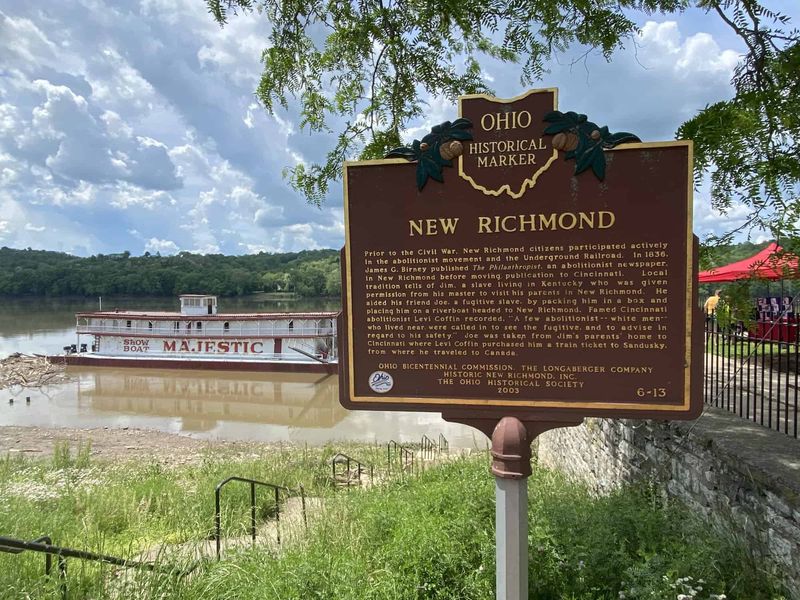
Tucked into a bend of the Ohio River about 25 miles east of Cincinnati, New Richmond has a quietly impressive past that most travelers completely overlook. The town was founded in 1814 and quickly grew into a thriving river port.
Steamboats once loaded and unloaded goods here regularly, making it an important commercial hub during the 19th century.
New Richmond is also notable as the birthplace of Ulysses S. Grant’s wife, Julia Dent Grant.
The connection to one of America’s most significant presidents and Civil War generals gives the town an unexpected link to national history. Local historical markers and the town’s well-maintained architecture help bring that era back to life for curious visitors.
The riverfront area is a lovely place to spend an afternoon. You can walk along the water, watch the river traffic, and enjoy the peaceful atmosphere that big-city life rarely allows.
The town’s main street still has several original 19th-century buildings that house local shops and eateries, making it easy to spend a few hours exploring on foot.
Community pride runs deep here, and locals are generally happy to share the town’s stories with visitors who take the time to ask. The annual floodwall murals project has added a colorful visual layer to the town’s riverfront, depicting scenes from New Richmond’s history in vivid detail.
These murals alone are worth a short detour. Whether you are drawn by the history, the scenery, or simply the charm of a well-kept river town, New Richmond consistently delivers more than visitors expect from such a small community.
3. Higginsport
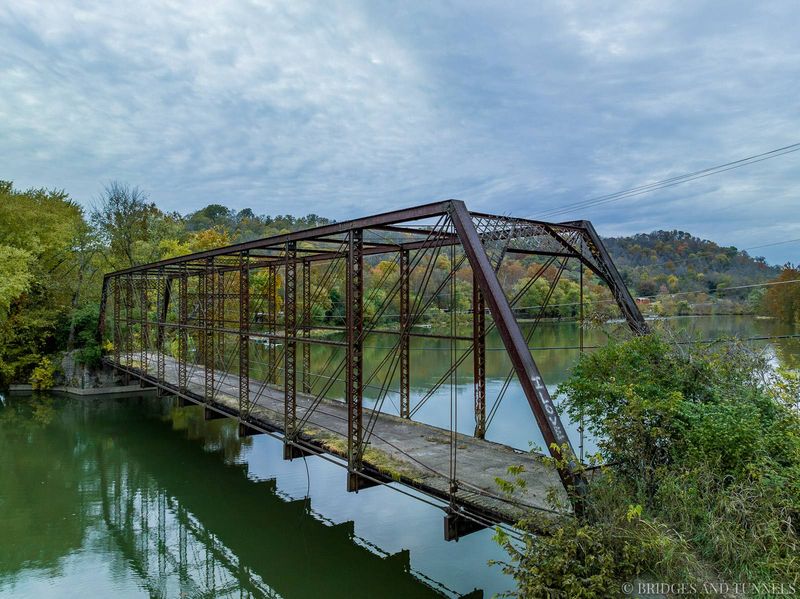
If you want to experience what a truly unhurried Ohio River village feels like, Higginsport is the place to go. With a population of just a few hundred people, this Grant County village sits quietly along the river as if time decided to slow down here on purpose.
It is the kind of place that makes you want to pull over, get out of the car, and just breathe for a while.
Higginsport was once a modestly active river port, benefiting from the trade that flowed along the Ohio in the 1800s. Like many small river towns, it saw its busiest days during the steamboat era and gradually settled into a quieter existence as transportation shifted to railroads and highways.
What remains is a charming snapshot of small-town Midwestern life that feels genuinely authentic.
The surrounding landscape is gorgeous, with rolling hills dropping down to the river’s edge and farmland stretching in every direction. Photographers and nature lovers will find plenty to appreciate here, especially during the golden light of early morning or late afternoon.
The village itself has a handful of historic homes that reflect its 19th-century roots.
Higginsport does not have a long list of tourist attractions, and that is actually part of its appeal. Sometimes the best travel experiences come from simply being present in a place that has not been packaged for visitors.
If you are driving along State Route 52, which hugs the Ohio River through this region, stopping in Higginsport for even 20 minutes offers a refreshing change of pace. It is a reminder that not every worthwhile destination needs a visitor center or a gift shop to be memorable.
4. Aberdeen
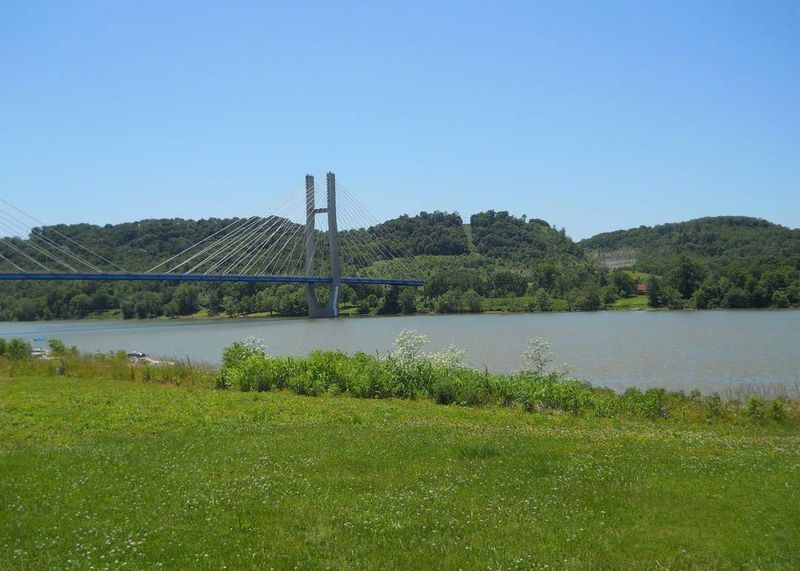
Aberdeen sits right on the Ohio River in Brown County, directly across from Maysville, Kentucky, and its location has always been central to its identity. The river made Aberdeen a place of movement, trade, and transition throughout the 19th century.
Today, that same river gives the town a scenic backdrop that is hard to beat anywhere in southern Ohio.
Like Ripley nearby, Aberdeen has connections to the Underground Railroad. The Ohio River was a critical crossing point for freedom seekers, and communities like Aberdeen played supporting roles in a network of safe houses and sympathetic residents who helped people reach freedom in the North.
These stories are woven into the fabric of the town even if they are not always loudly advertised.
The architecture along Aberdeen’s main streets reflects its history as a working river town, with brick commercial buildings and older homes that speak to the prosperity the river once brought. Walking around town with a little curiosity and a willingness to read historical markers reveals layers of meaning that a quick drive-through would never show you.
The view across the river to Kentucky is striking, especially at dusk when the hills on the other side catch the fading light. Aberdeen is also a good base for exploring the broader Brown County area, which includes state forests, wildlife areas, and other small towns worth visiting.
Travelers who make time for Aberdeen often say they were surprised by how much character a town this size can hold. It is a genuine river community with real roots, and spending even a short afternoon here leaves a lasting impression on those who take the time to look closely.
5. Portsmouth
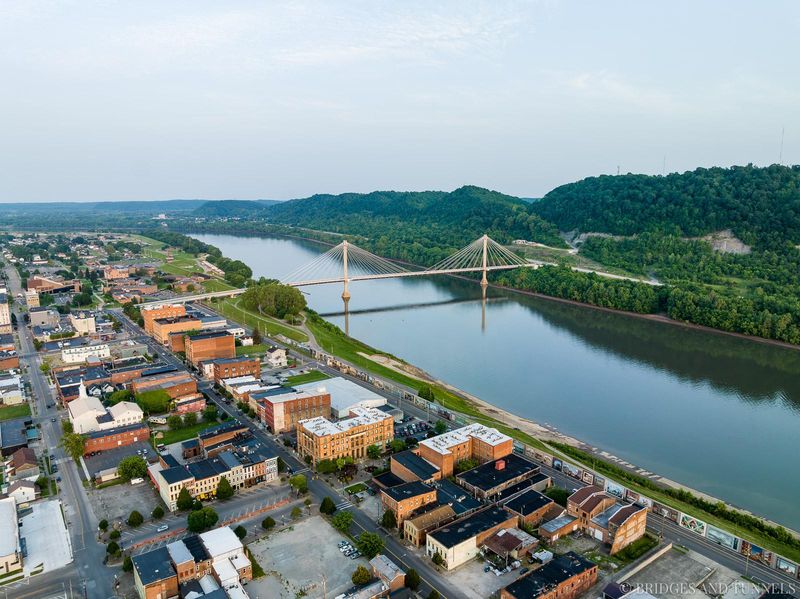
Few towns in Ohio have fought harder to preserve their identity than Portsmouth. Sitting at the confluence of the Scioto and Ohio Rivers, this Scioto County city has weathered floods, economic downturns, and population loss while still holding onto a fierce sense of community pride.
The most visible expression of that pride is the floodwall murals, a stunning collection of painted scenes that stretch for nearly 2,000 feet along the Ohio River floodwall.
The murals were created by artist Robert Dafford and depict scenes from Portsmouth’s rich history, including its days as a thriving industrial center, its Native American heritage, and its role in the broader story of Ohio River commerce. Walking along the floodwall is like reading a visual history book, and it is completely free.
It is one of the most impressive public art installations in the entire state.
Portsmouth also has deep roots in shoe manufacturing, steel production, and other industries that powered the American economy for much of the 20th century. The downtown area has been working hard on revitalization efforts, and new businesses alongside historic buildings give the city a layered, evolving character.
The Boneyfiddle neighborhood, named for its historic commercial district, is a particularly interesting area to explore.
Sports fans may know Portsmouth as the hometown of Branch Rickey, the baseball executive who helped break Major League Baseball’s color barrier by signing Jackie Robinson. That legacy adds another meaningful dimension to a city already full of stories.
Portsmouth rewards patient visitors who are willing to look beyond first impressions and spend real time getting to know a community that has been through a lot and is still standing strong.
6. Ironton
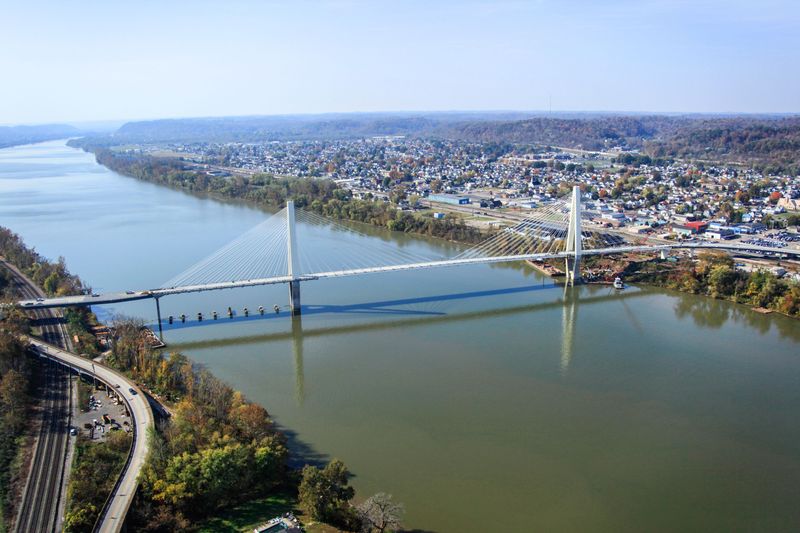
Named for the iron industry that once made it one of the most productive cities in the entire Ohio River Valley, Ironton carries its industrial heritage with a kind of quiet dignity. Lawrence County’s seat sits directly across the river from Ashland, Kentucky, and its history is inseparable from the furnaces, forges, and foundries that defined southern Ohio’s economy throughout the 19th century.
At its peak, Ironton was a powerhouse.
The Hanging Rock Iron Region, which surrounds Ironton, produced enormous quantities of iron ore that fueled the Union Army during the Civil War. Remnants of old iron furnaces can still be found in the hills nearby, and history enthusiasts who take the time to seek them out are rewarded with a tangible connection to that era.
The Lawrence County Museum in town does a good job of telling this industrial story in an engaging way.
Ironton’s downtown retains a collection of impressive Victorian-era architecture that reflects the wealth the iron industry once generated. Grand old buildings line the main streets, giving the city a stately appearance that surprises first-time visitors.
The city also has a strong tradition of community events, including its famous Ironton-Lawrence County Memorial Day parade, which is one of the oldest in the country.
The riverfront area offers pleasant views across to Kentucky, and the overall pace of life in Ironton feels unhurried in a way that is increasingly rare. The people here have a deep attachment to their city’s history and are generally proud to share it.
Ironton is not a polished tourist destination, but that rawness is exactly what makes it feel real and worth visiting for anyone who appreciates authentic American history.
7. Gallipolis
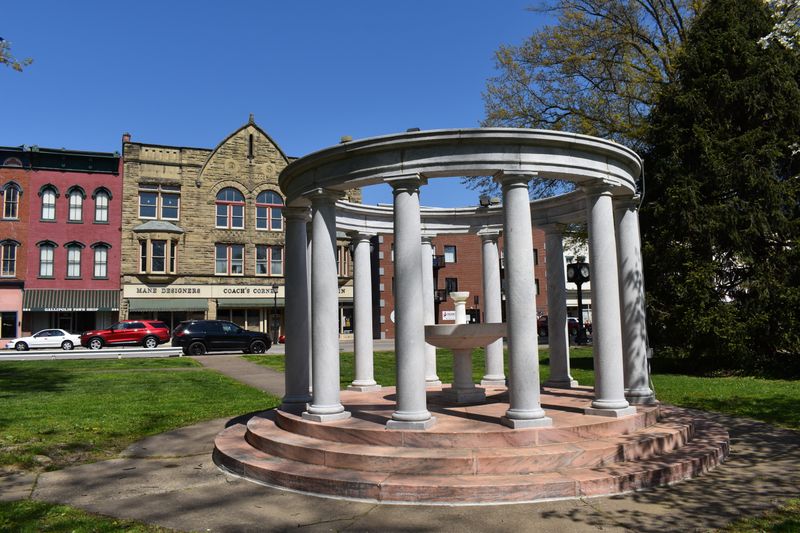
Founded in 1790 by a group of French immigrants who were promised paradise and instead found wilderness, Gallipolis has one of the most colorful origin stories of any town in Ohio. The name itself means “city of the Gauls” in French, and that European heritage still flavors the town’s character in subtle but interesting ways.
The early settlers struggled enormously, but they persisted, and what they built along the river eventually flourished.
The Our House Tavern, a beautifully preserved Federal-style building from 1819, stands as one of the finest historic structures in southern Ohio. It served as a hotel and tavern during the steamboat era and welcomed notable guests including the Marquis de Lafayette during his famous American tour in 1825.
Today it operates as a museum, and a visit inside transports you back to the early 19th century with impressive authenticity.
Gallipolis City Park, which sits right along the Ohio River, is one of the most scenic public spaces in the region. Mature trees shade the grounds, and the views across the river to West Virginia are genuinely beautiful.
The park hosts community events throughout the year and is a great place to relax after exploring the town’s historic district.
The downtown area has several antique shops, local restaurants, and historic buildings worth exploring. Gallipolis does a good job of balancing preservation with everyday community life, so it never feels like a museum town frozen in time.
Instead, it feels like a living community that happens to have an extraordinary past. For anyone driving along U.S.
Route 35 or exploring the Ohio River Scenic Byway, Gallipolis is an absolute must-stop destination.
8. Pomeroy
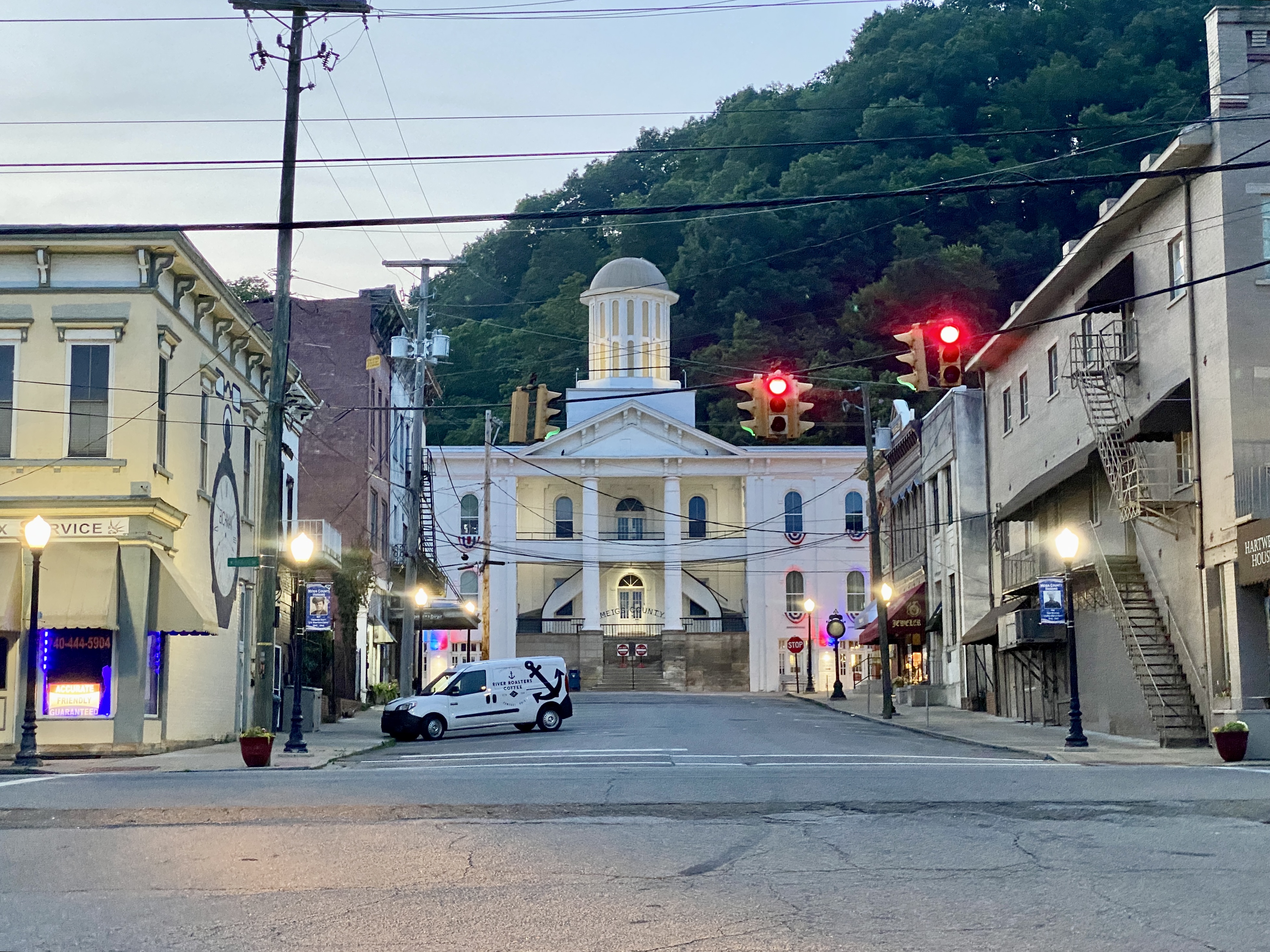
Pomeroy has a geographic quirk that makes it unlike almost any other town in Ohio. The Meigs County seat is so tightly squeezed between a steep hillside and the Ohio River that its main street is only one block wide in most places.
This unusual layout gives the town a dramatic, almost cinematic quality that you simply have to see in person to fully appreciate. It looks like someone tried to build a city in a space that was barely big enough for one.
Despite its compact footprint, Pomeroy has a rich history tied to coal mining, river commerce, and salt production. The surrounding hills were once dotted with coal mines that fed the industrial demand of the 19th and early 20th centuries.
The town served as a shipping point for coal moving down the Ohio River, which kept its economy humming for generations. That heritage is still visible in the architecture and the landscape.
The Meigs County Courthouse, a handsome historic building in the center of town, anchors the downtown area and gives Pomeroy a sense of civic dignity. Nearby, the Ohio River provides a constant, calming presence that locals seem to take for granted but visitors find instantly appealing.
Watching river traffic from the bank or from a riverside bench is a genuinely pleasant way to spend an hour.
Pomeroy also serves as a good base for exploring Meigs County’s broader offerings, including Forked Run State Park and the scenic rural roads that wind through the area. The town hosts a popular county fair each year that draws visitors from across the region.
If you enjoy places with a strong sense of local identity and a landscape that does something unexpected, Pomeroy will not disappoint you.
9. Belpre
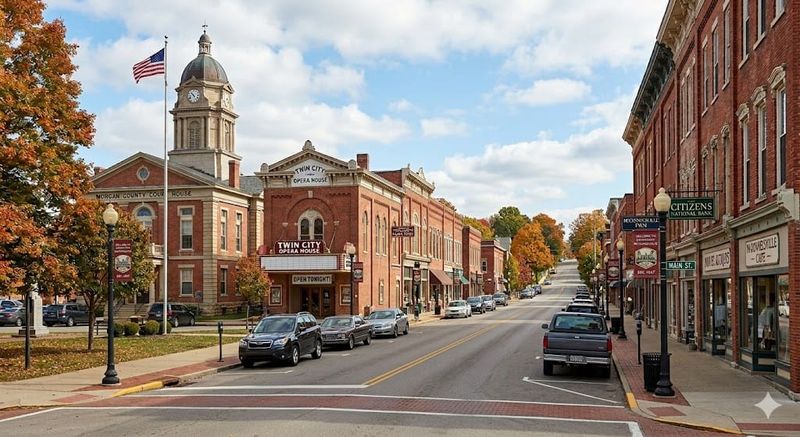
Belpre holds the distinction of being one of the earliest American settlements in the Northwest Territory, established in 1789 by Revolutionary War veterans who came looking for land and a fresh start. The name comes from the French words for “beautiful meadow,” and the landscape along the river here absolutely earns that description.
Standing by the water and looking across to Parkersburg, West Virginia, you can almost imagine what those first settlers saw when they arrived.
The Farmer’s Castle Museum in Belpre tells the story of those early settlers and their struggles to survive in a new and challenging environment. The original settlers built a fortified compound called Farmers Castle to protect themselves during a period of conflict, and the museum preserves artifacts and stories from that foundational era.
It is a small museum but a meaningful one for anyone interested in the early history of the American frontier.
Belpre’s riverfront is lovely and accessible, with parks and open spaces that invite visitors to slow down and enjoy the scenery. The Belpre-Parkersburg area has a connected feel, with the two communities sharing economic and cultural ties across the state line.
Walking or driving across the bridge to Parkersburg and back gives you a fun, quick experience of crossing into another state.
The residential neighborhoods of Belpre feature some genuinely beautiful historic homes that reflect the prosperity the area enjoyed during the 19th century. Tree-lined streets and well-maintained properties give the town a welcoming, livable character.
Belpre is not a destination that advertises itself loudly, but those who find it tend to appreciate its understated beauty and its deep, layered history. It is exactly the kind of place that makes Ohio River road trips so rewarding.
10. Steubenville
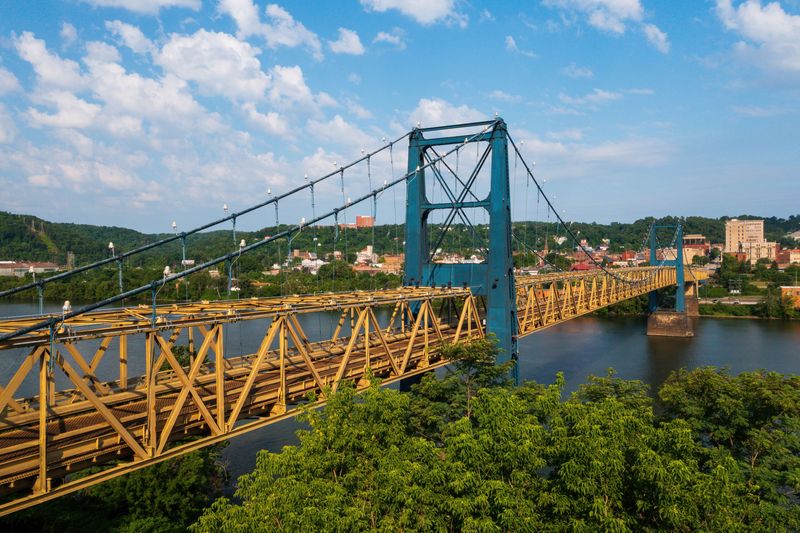
Known as the City of Murals, Steubenville has transformed its downtown into an open-air gallery celebrating its most famous son: Dean Martin. The beloved entertainer was born here in 1917, and the city honors that legacy with large, detailed murals painted on building walls throughout the downtown area.
Dino fans make the pilgrimage from across the country, but even visitors who are not particularly devoted to the Rat Pack era find the murals charming and the story compelling.
Beyond Dean Martin, Steubenville has a genuinely impressive history as a steel and manufacturing powerhouse. Jefferson County’s seat sits along the Ohio River at a point where the hills of Ohio and West Virginia create a dramatic landscape backdrop.
The city’s industrial past shaped its architecture, its workforce culture, and its identity in ways that are still visible today. Fort Steuben, a reconstructed Revolutionary War-era fort in the heart of downtown, adds another layer of historical significance.
The Fort Steuben area hosts a popular annual festival that draws thousands of visitors and celebrates the city’s frontier history with reenactments, crafts, and community events. The nearby Franciscan University of Steubenville also gives the city an active, youthful energy that balances its industrial heritage.
Campus events and cultural programming bring regular activity to the community.
The Ohio River views from Steubenville are spectacular, particularly from elevated vantage points in the surrounding hills. The city has invested in riverfront improvements that make the waterfront more accessible and enjoyable for visitors.
Steubenville is one of the larger towns on this list, but it still gets overlooked by road trippers who do not realize how much character it holds. A few hours here will change that impression entirely.
11. Wellsville
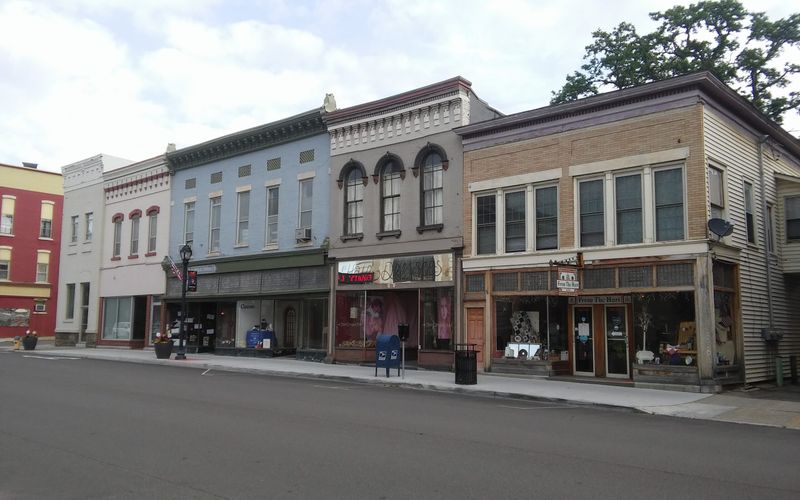
Wellsville is the kind of river town that rewards the traveler who takes the road less traveled. Tucked into the hills of Columbiana County along the upper Ohio River, this small village has a history rooted in pottery, ceramics, and river trade that goes back to the early 19th century.
The clay-rich soil of the surrounding region made it a natural center for the pottery industry, and at one time Wellsville was home to several significant ceramic manufacturers.
The pottery heritage connects Wellsville to a broader tradition of ceramic production that defined the upper Ohio River Valley for over a century. Pieces produced in Wellsville and nearby towns are now collected by enthusiasts across the country, and local antique shops sometimes turn up genuine finds for those who know what to look for.
The history of this industry is a fascinating window into how geography and natural resources shape the economic character of a community.
The town sits right on the river, and the views from the waterfront are classic Ohio River scenery, with rolling hills on both sides and a wide, slow-moving current that feels timeless. The surrounding landscape is excellent for hiking and exploring, with state forests and wildlife areas within easy reach.
Wellsville itself has a compact, walkable downtown where the pace of life feels genuinely relaxed.
Local residents take pride in their town’s history and are working to preserve its architectural heritage, including several notable historic buildings along the main streets. Wellsville does not have a long list of polished tourist attractions, but it offers something more valuable: an honest, unfiltered look at what Ohio River life actually looked like for generations of working families.
That authenticity is increasingly hard to find and well worth seeking out.
12. East Liverpool
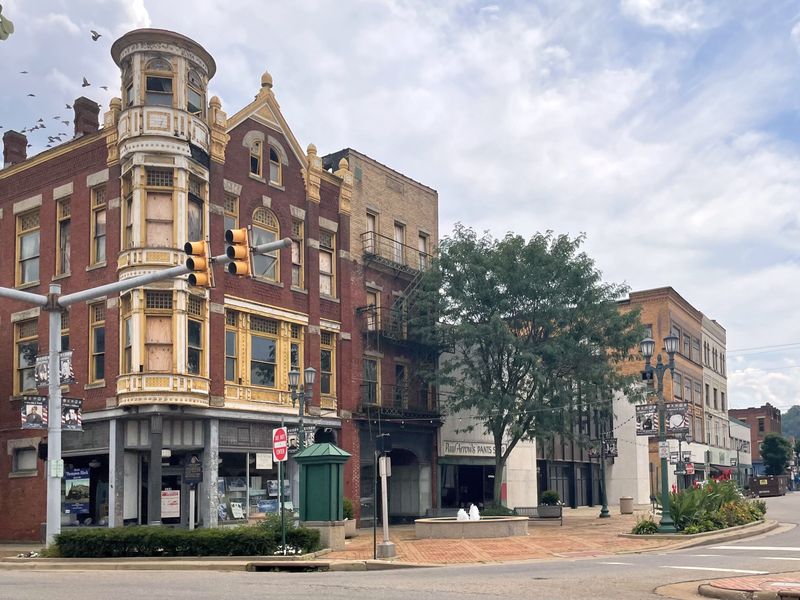
Once called the Crockery City of the World, East Liverpool earned its reputation as the pottery capital of the United States during the late 19th and early 20th centuries. At its peak, this Columbiana County city produced more pottery and ceramics than almost anywhere else on earth, shipping dishes, decorative pieces, and industrial ceramics to markets across the country and beyond.
The Ohio River made that trade possible, and the city grew wealthy and proud on the strength of its kilns.
The Museum of Ceramics, housed in a gorgeous Romanesque Revival post office building from 1909, tells this story with impressive depth and artistry. The collection includes examples of the pottery styles that made East Liverpool famous, along with exhibits that explain the production process and the immigrant communities, many from England and Germany, who brought their craft skills to this Ohio River city.
It is genuinely one of the best small museums in the state.
East Liverpool also holds a curious piece of American crime history. The notorious gangster Pretty Boy Floyd was killed just outside the city in 1934, and the event is commemorated with local markers and stories that add a surprisingly dramatic chapter to the city’s past.
History here comes in multiple flavors, from the elegant to the gritty.
The downtown area retains a significant collection of Victorian and Edwardian-era architecture that reflects the prosperity the pottery industry once generated. Walking through the streets gives you a strong sense of what a thriving small American city looked like a century ago.
East Liverpool is a destination that history lovers, architecture fans, and anyone who appreciates a good comeback story will find endlessly interesting. It is one of the true hidden gems of the Ohio River.
Share this story