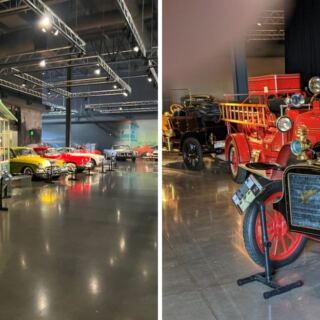
Somewhere in a quiet Massachusetts town sits a tank that has no twin anywhere on Earth. It is not behind a fence in a field or tucked into a dusty corner.
It sits inside a carefully built museum, surrounded by more than a hundred machines from the conflicts of the last century, and most of them can still start up and roll. Massachusetts residents often drive hours to see history like this in other states, yet this collection waits just up the road from Worcester.
Volunteers here know these vehicles the way some people know their own cars, and they love to share the stories of the people who served in them. The following sections explain where to find it, what makes it special, how long to stay, and how to plan an easy day trip.
A World-Class Collection in Hudson
Small towns rarely get credit for holding treasures of global importance. Hudson, Massachusetts, quietly breaks that rule.
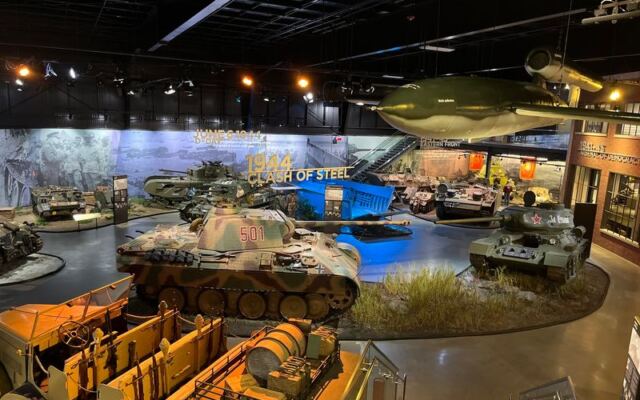
The American Heritage Museum stands at 568 Main St, Hudson, MA 01749, a short drive from Worcester and within day-trip range of Boston. It is a museum devoted to military vehicles, aircraft, and the stories behind them.
The collection covers conflicts from the last century and beyond. Tanks, staff cars, armaments, transports, and small aircraft fill the halls, and the total count appears to run well over 100 pieces.
What sets the place apart is condition. A large share of the tanks are fully restored and kept in running order, so these are working machines rather than frozen props.
The museum also has a strong reputation. It holds a 4.9-star standing across more than 1,700 opinions, which is a remarkable number for any attraction.
Many people arrive expecting a modest local stop. They often leave describing it as a place that rivals major national museums, which says a lot about what waits inside these walls.
For Massachusetts residents, the appeal is simple. A trip of this caliber does not require a flight or a long weekend away.
Hudson might be sleepy on the surface, but its Main Street hides a heavyweight.
History Arranged Like a Timeline
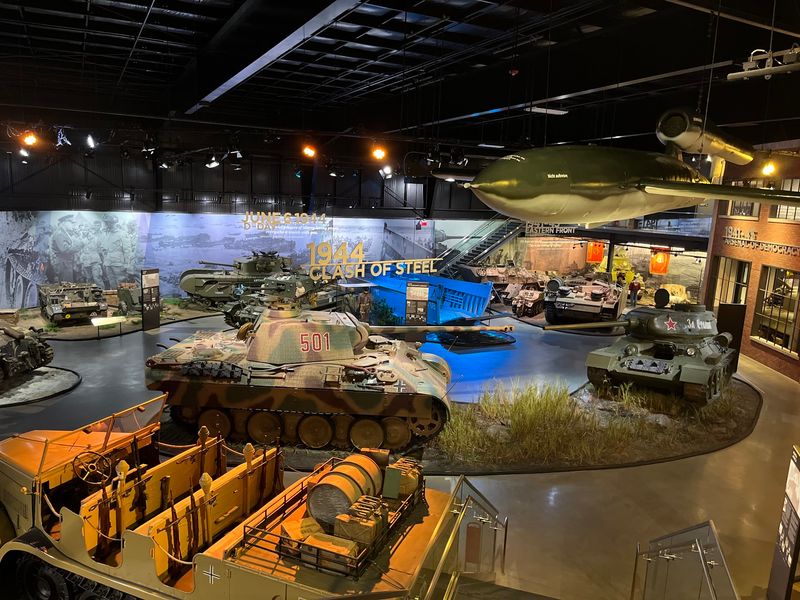
History makes more sense when it unfolds in order. The museum leans into that idea from the first gallery to the last.
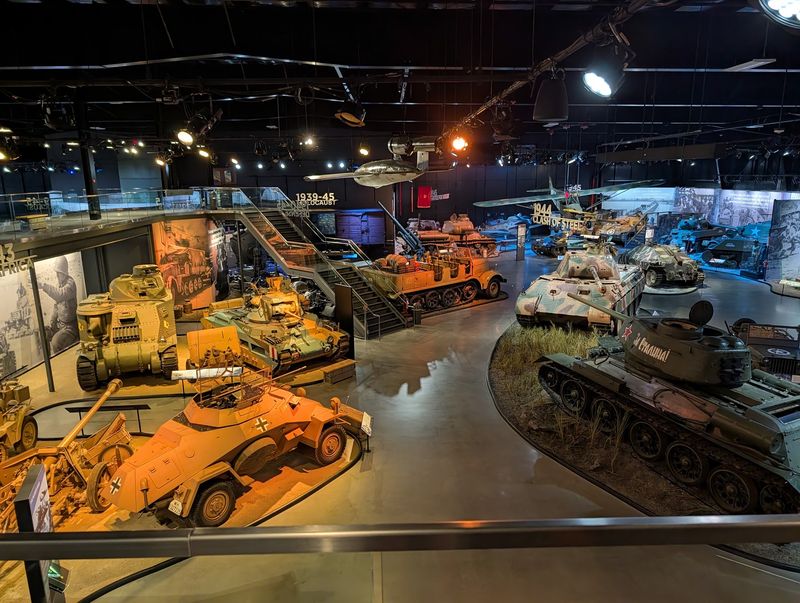
Exhibits are arranged chronologically. Each vehicle comes with detailed written histories, and video presentations add context about where and how these machines served.
That layout lets the evolution of armored warfare play out step by step. Early designs give way to heavier, more advanced vehicles as the walk continues.
Attention to detail stands out everywhere. Many tanks still carry their original unit markings, and photos often show the same vehicles in action in the regions where they served.
The presentation itself is polished. Displays, lighting, signage, and narration all appear carefully planned, which helps the stories land with real weight.
Uniforms, flags, and other military equipment fill in the gaps between the big machines. These smaller items connect the steel giants to the individual people who wore and carried them.
The overall effect feels less like browsing objects and more like walking through a story with chapters. Each room builds on the one before it.
By the final hall, the timeline has quietly done its job.
The Only Ho-Ro Left Anywhere
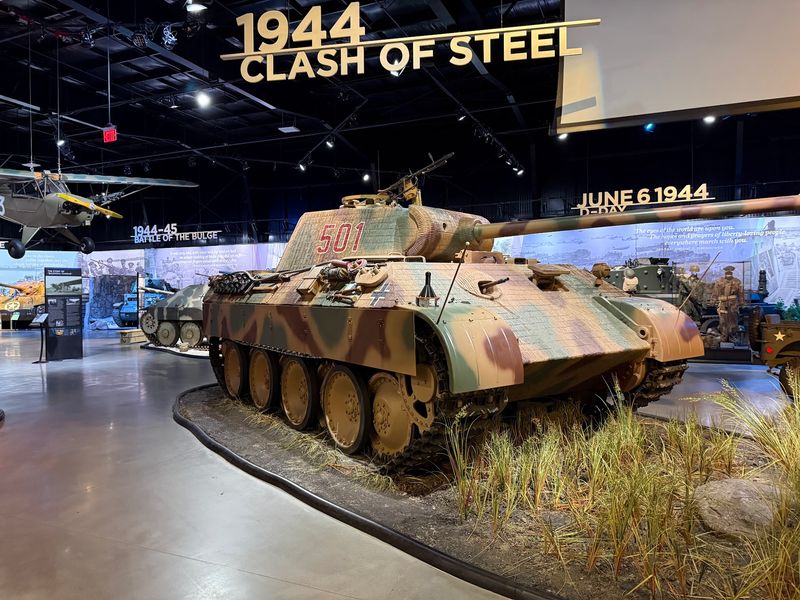
Some museums claim rare pieces. This one holds a vehicle believed to be the last of its kind.
The Japanese Type 4 Ho-Ro is the headline example. It is known as the only surviving example in the world, which makes Hudson the single place to see one.
The rarity does not stop there. Several pieces in the collection are described as the only examples in the United States, and some may be unique outright.
An M1 Abrams also appears here. It is one of very few on public display in the country.
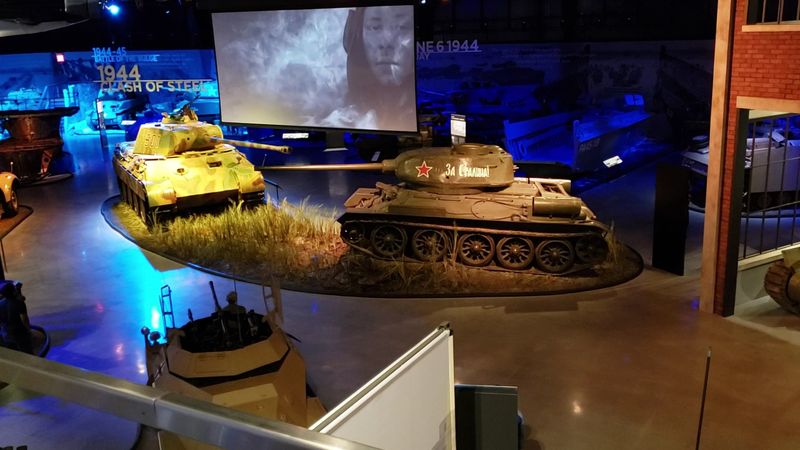
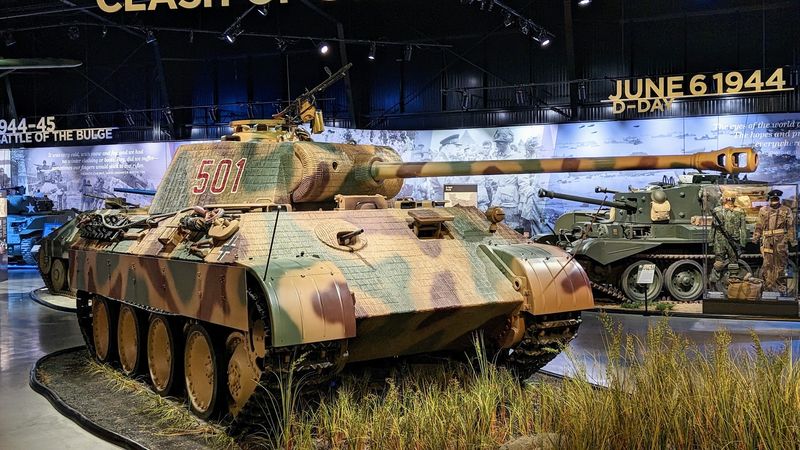
A restored German Panther rounds out a list that keeps armor fans coming back. Some make drives of more than three hours, multiple times a year, just to see these machines again.
There is even an Iranian SCUD missile with its launcher. That piece shows how far the collection stretches beyond the World War II era.
For casual guests, the rarity adds a fun layer to the visit. Knowing that an object exists nowhere else changes how long people tend to linger in front of it.
Bragging rights, it turns out, can be earned in Hudson.
Machines That Still Run
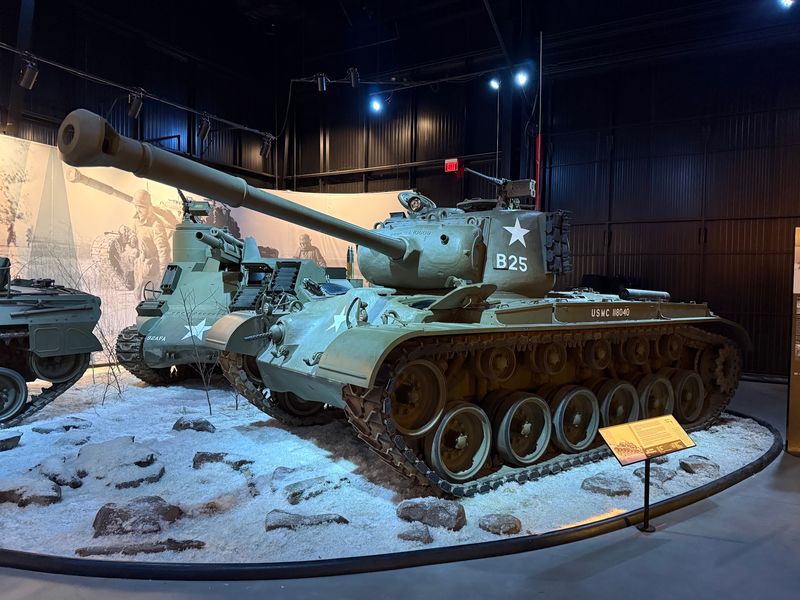
Plenty of museums display tanks. Very few can turn the key and drive them out the door.
Most of the vehicles here are fully functional. Estimates suggest around 90 percent of the tanks are restored to running condition.
That commitment takes ongoing work. The museum is regularly busy with new restorations, so the collection keeps growing and improving.
During warmer months, vehicles are driven around outside. Seeing a historic machine move under its own power adds something photos and placards cannot match.
Running condition also matters for history. A working vehicle shows how these machines actually operated, not just how they looked.
Some families have personal ties to these machines. One relative of a soldier featured in the book Spearhead made a point of getting close to an actual Pershing, the same type of tank tied to that story.
That kind of connection is part of the magic. The vehicles are not abstract objects but working links to real people and real events.
Restored, ready, and rumbling, these machines prove history can still move.
Two Buildings, Two Kinds of Giants
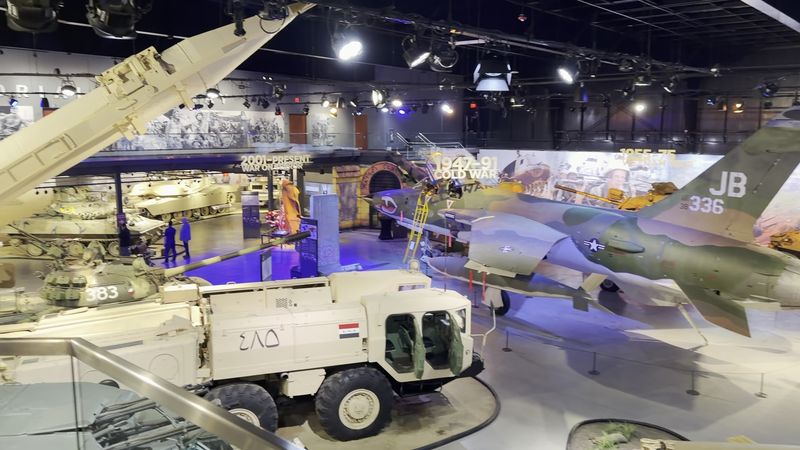
Planes and tanks get their own homes on this campus. The museum spreads across two main buildings.
One building is dedicated to aircraft. The other focuses on ground vehicles, from tanks to transports and staff cars.
The split makes planning easier. Guests can focus on the hall that interests them most or tackle both at a steady pace.
Despite the impressive scope, the campus is a manageable size. It is large enough to fill a day without feeling overwhelming.
The aircraft side features small planes from the eras covered in the vehicle galleries. Being close to these large machines leaves a lasting impression on many first-timers.
Bigger plans are underway too. A planned expansion over the coming years is expected to significantly increase the museum’s size.
That expansion would bring in an aircraft collection already owned by the museum but currently spread across different parts of the country. Gathering those planes under one roof would make Hudson an even stronger destination.
For now, two buildings offer plenty. Later, there may be good reason to return.
An Opening Act Worth Keeping Secret
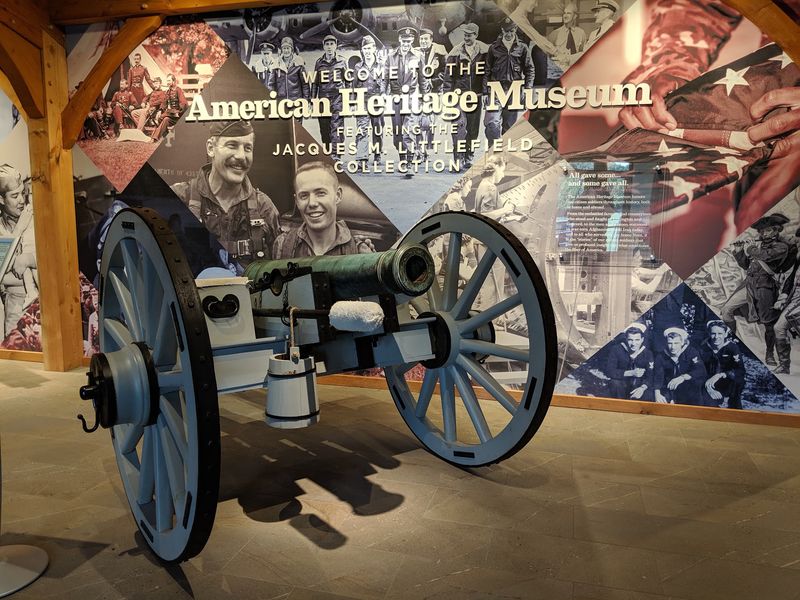
Spoilers are not welcome at the front door. Many guests prefer to keep the first part of the visit a surprise.
The experience begins in a gift shop, where tickets are purchased. From there, a movie room introduces the story ahead.
Next comes an exhibit showing what life in a trench was like. Those who have been tend to stay quiet about the details so newcomers can discover it fresh.
These opening areas set the tone. They prepare guests emotionally before they reach the main galleries.
The presentations are widely praised. The immersive setup helps the history feel personal rather than distant.
A virtual reality experience is also offered inside the museum. It is optional, and guests can simply decline if VR is not for them.
Video presentations continue throughout the galleries as well, including a film about the Holocaust. These moments add depth and seriousness to the visit.
Some secrets are worth keeping, and this introduction is one of them.
Volunteers Who Know Every Bolt
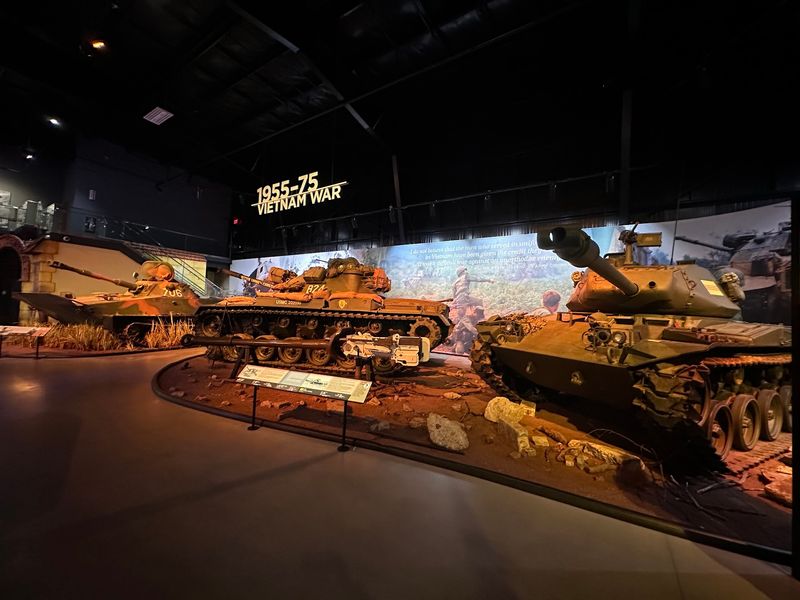
Ask one question here and a full history lesson might follow. The volunteers are a big reason people stay longer than planned.
Docents are stationed throughout the museum, and many are veterans. They are easy to find and eager to help.
Their knowledge runs deep. Conversations often stretch well beyond the placards, adding stories about the people who served in these machines.
Some guests end up with what feels like a private tour. A visit that could take two hours can stretch to four simply because of all the chatting.
Hands-on moments happen too. Some families have been invited to move an M1A1 turret or try on a protective vest and helmet.
The enthusiasm is genuine, and it clearly comes from respect for those who served. Still, guests who prefer to wander quietly can politely say they want to explore on their own.
A friendly word is enough to set the pace. Most volunteers simply want everyone to leave with a better understanding of the past.
Curiosity, it seems, is the best ticket upgrade available.
Tank Driving and Ride Experiences
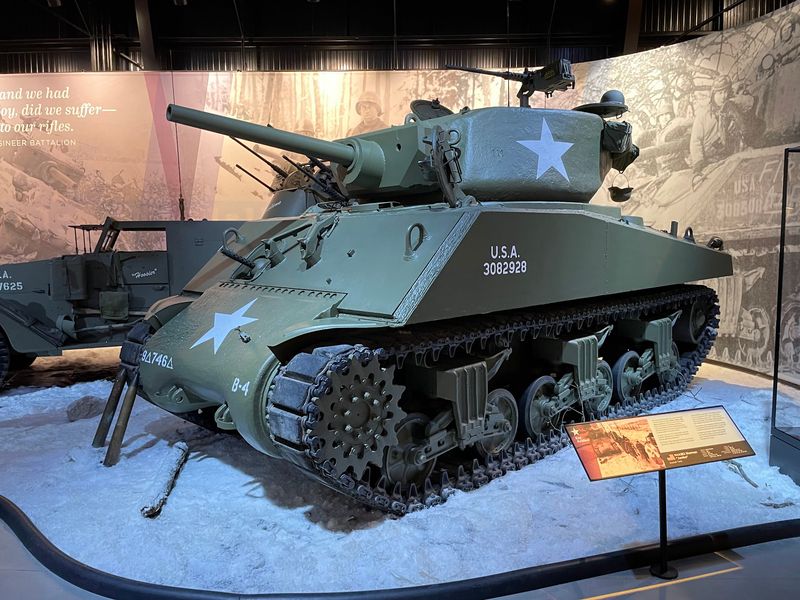
Reading about a tank is one thing. Riding in one is a different story entirely.
For an additional fee, the museum offers experiences where guests can drive certain tanks. Rides are also available on select days.
One guest paid roughly $200 to ride in an M36 during an event day. That person considered it well worth the cost.
Sherman tank rides are another option that draws interest. Some people plan return visits just to book one.
These experiences are entirely optional. The museum itself delivers plenty of value without them, and many guests skip the rides and still leave thrilled.
Prices and availability can change, so checking the official website before a visit makes sense. Booking ahead may help on busy event days.
The rides add a rare kind of memory. Few places in the country let ordinary people sit inside working historic armor.
Consider it a bucket-list item parked right on Main Street.
Reenactments and Living History Weekends
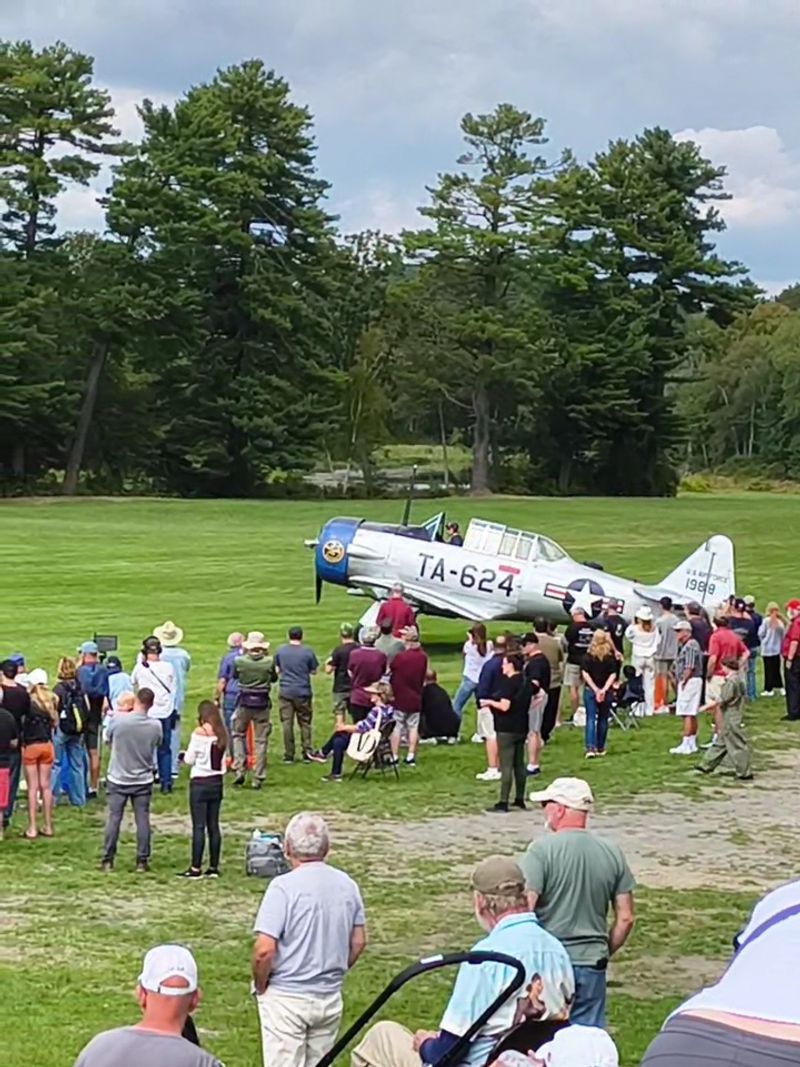
A packed calendar keeps the museum lively all year. Special events give repeat guests fresh reasons to come back.
World War II battle reenactments are among the highlights. Working vehicles and aircraft take part, putting the collection into action.
Living history weekends are another draw. These events bring the past closer through demonstrations and period details.
Some events include activities for younger guests. One volunteer creates models that kids can paint during certain programs.
School groups visit as well. Students have enjoyed the tank displays, the planes, and even a chance to see MREs, the packaged meals carried by service members.
Event days can include extras like tank rides. On-site lunch options are available, though the variety is limited.
Checking the museum website is the best way to see what is coming up. Popular events can fill a day quickly.
On the right weekend, history does not just sit still. It rolls across the field.
Who Will Get the Most Out of It
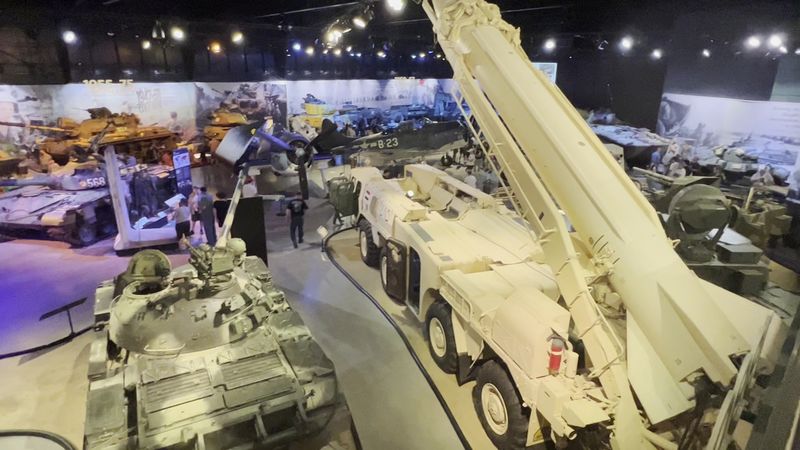
Military history buffs are an obvious fit. Yet the audience here is far broader than tank enthusiasts.
Families with children can find plenty to enjoy. A scavenger hunt helps keep younger kids engaged as they move through the galleries.
Parents should know that a few displays may be graphic for children under 12. Helpful signage marks those exhibits so families can decide what to see.
Some suggest waiting until kids are at least 5 or 6 for the best experience. The staff is accommodating to small children, but older kids tend to absorb more.
Seasoned history fans are often surprised. Even people who have toured many war museums describe this one as exceptional.
Guests with family ties to service members may find the visit especially meaningful. Many describe the experience as humbling and moving.
The museum is also very clean and professionally presented. That polish makes it comfortable for first-time museum-goers and longtime collectors alike.
Nearly everyone, it turns out, finds a corner of this story that speaks to them.
Hours, Tickets, and Time to Budget
Planning ahead pays off, mostly because this is not a quick stop. Time disappears fast once the galleries open up.
The museum is open Wednesday through Sunday from 10 AM to 5 PM. It is closed on Mondays and Tuesdays.
Tickets can be purchased on site at the gift shop. One guest recalled paying around $23, and there may be a discount for buying online, so the official website is worth checking for current prices.
Time estimates vary widely. A fast walk-through might take about two hours, but many guests spend three to six hours or even a full day.
Arriving right at opening helps. One family arrived at 10 AM, left at 3:30 PM, and had just enough time to see everything.
Memberships offer extra value. A qualifying membership includes access through the North American Reciprocal Museum network, which covers more than 1,000 museums and science centers in the United States and Canada.
For locals who explore often, that perk can stretch a single membership a long way.
Wear comfortable shoes and clear the afternoon.
Worth the Drive to Hudson
Plenty of people arrive unsure whether the trip is worth it. Most leave already planning their return.
The case is strong. A one-of-a-kind Ho-Ro, an M1 Abrams, a restored Panther, and dozens of running machines make this collection stand apart.
Careful design ties it all together. Chronological galleries, detailed signage, and thoughtful videos turn a big collection into a clear story.
The people matter just as much as the machines. Knowledgeable volunteers, many of them veterans, add personal depth that signs alone cannot provide.
For Massachusetts residents, the location is a major advantage. A world-class museum sits close to Worcester and within easy reach of Boston, no flight required.
Special events, tank rides, and the planned expansion all give reasons to come back. Each visit can feel a little different.
Some guests compare it to the Smithsonian. Others simply call it a must-see.
Either way, Hudson has earned its spot on the weekend plan, and the tanks are ready when you are.
Share this story