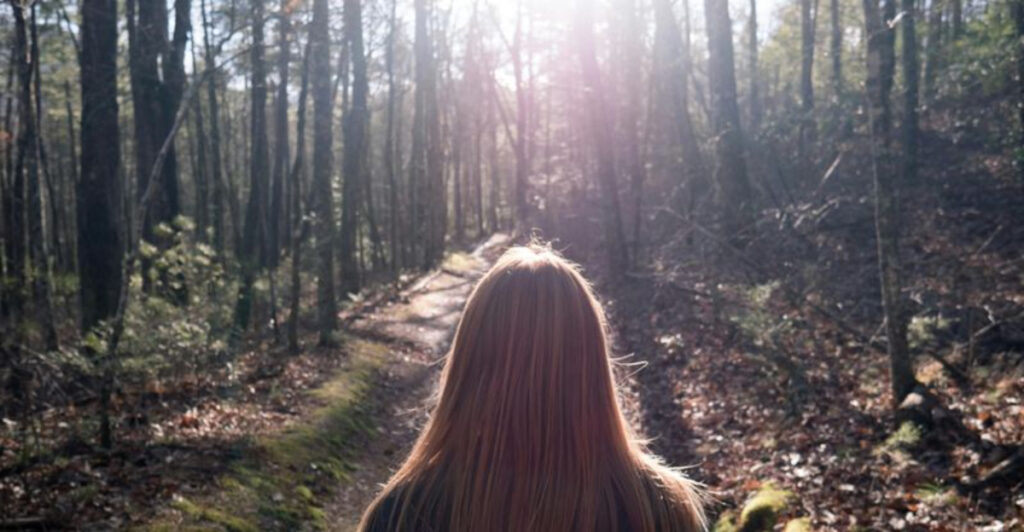
Spring is when Tennessee really starts showing off. Waterfalls run harder, wildflowers wake up, trees turn that electric fresh green, and even the easy trails somehow feel more rewarding.
You do not need to train for a summit push or block off your entire day to get the good stuff, either. Some of the prettiest hikes in the state are short, manageable, and generous with the views.
That is especially true in spring, when Tennessee’s scenery feels extra alive. A quiet lake loop near Nashville suddenly looks like a postcard.
A short bluff trail turns into a front-row seat over a river valley. A moderate waterfall walk in the Smokies becomes a whole different experience when everything is blooming and the mist is flying.
This list keeps things practical. These are hikes you can actually picture doing on a weekend morning, a road trip stop, or a spontaneous sunny afternoon.
Easy does not mean boring here. It means less grind, more payoff, and plenty of reasons to grab your shoes and go.
1. Porters Creek Trail, Great Smoky Mountains National Park
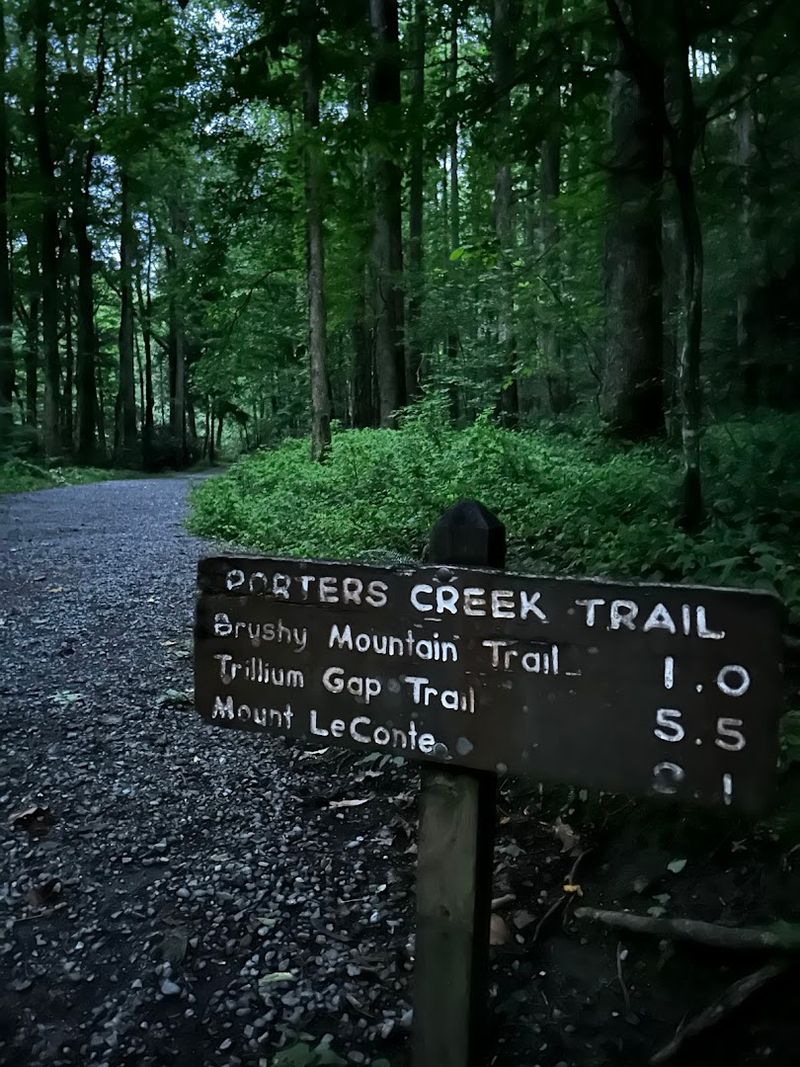
Few spring hikes in Tennessee feel more perfectly timed than this one. Porters Creek is where the Smokies start flexing their wildflower game, and by late March into April, the trail can look like the forest floor decided to throw a party.
Trillium, violets, and other early bloomers make the first stretch especially memorable, which means the scenery starts pulling its weight long before you reach the waterfall. The trail follows an old gravel road at first, so it feels approachable for hikers who want beauty without immediate suffering.
That gentler start also gives you time to notice the details: stone walls, old home sites, a footbridge, and the creek moving alongside you like it knows it belongs in every photo. Fern Branch Falls is a popular turnaround point and gives the hike a satisfying finish without requiring an all-day commitment.
What makes Porters Creek such a strong spring pick is the mix. You get flowers, water, mountain woods, and a little history folded into one outing.
It feels distinctly Smoky Mountains, but not in the crowded, elbow-to-elbow way some better-known trails can. That alone makes it worth remembering.
2. Rainbow Falls Trail, Great Smoky Mountains National Park
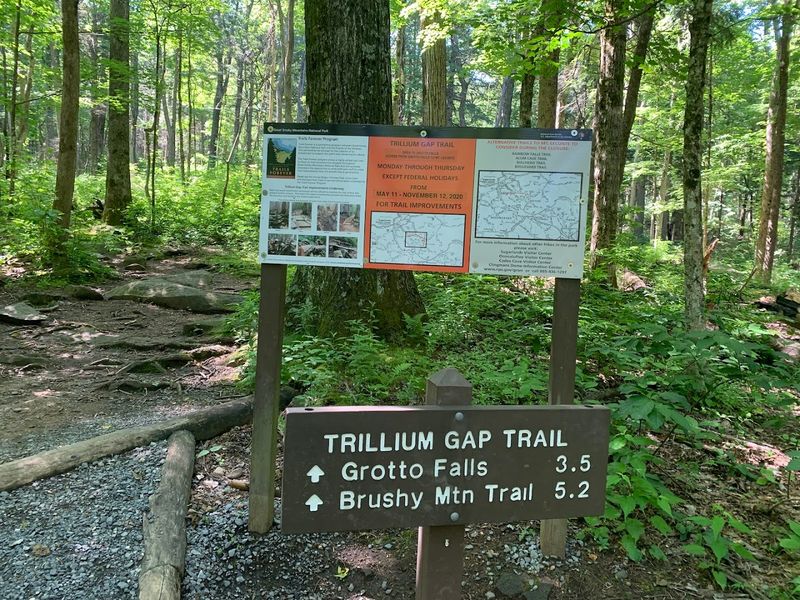
This one lands in the “easy if you are feeling ambitious” category, but the payoff is strong enough to justify every uphill step. Rainbow Falls is one of those hikes where the destination has real presence.
The waterfall drops in a dramatic sheet over the rock face, and when the light and mist line up, you may catch the rainbow that gave it its name. The trail itself moves through a lush section of the Smokies that feels especially good in spring.
The forest is greener, the creek crossings sound louder, and the air usually has that cool, damp edge that makes a climb feel more refreshing than punishing. It is not a flat stroll, though.
This hike asks for some effort, so it helps to treat it like a morning adventure instead of a casual flip-flop walk. Still, the route never feels dull.
Mossy boulders, flowing water, and thick woods keep the scenery changing just enough to stay interesting. By the time the falls come into view, it feels like a proper reward rather than a checkpoint.
That is exactly what you want from a spring hike: something manageable, memorable, and just dramatic enough to make the photos look unfairly good.
3. Abrams Falls Trail, Great Smoky Mountains National Park
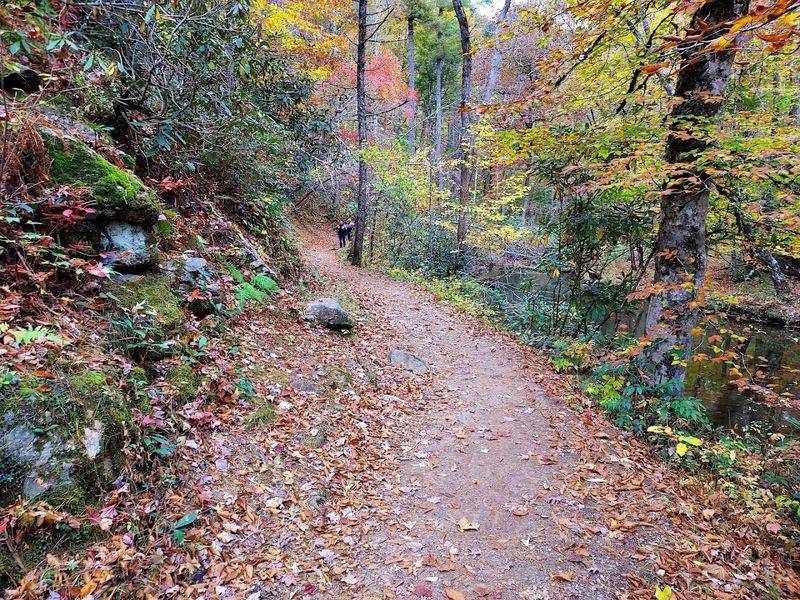
Abrams Falls has a way of fooling people in the best possible way. The waterfall is not towering, but once you see the volume of water surging through that narrow opening, you stop caring about height pretty quickly.
It is powerful, photogenic, and surrounded by the kind of Smokies scenery that makes even a moderate walk feel relaxed. The trail heads through Cades Cove country, which already gives the outing extra appeal.
You are in one of the most beloved areas of the park, but once you get moving, the hike feels more tucked away than the scenic loop road. Expect a route with rolling terrain rather than one giant miserable climb.
That helps a lot if you want a spring hike that feels active without crossing into grind mode. Spring is an especially good time to visit because the water is lively and the woods feel bright and awake.
Fresh leaves soften the whole landscape, and the creekside sections have that cool, clean look Tennessee does so well after winter finally loosens its grip. Just do not let the inviting pool at the base tempt you too much.
It is beautiful to look at, but the current here has a serious reputation.
4. Radnor Lake Trail, Radnor Lake State Park
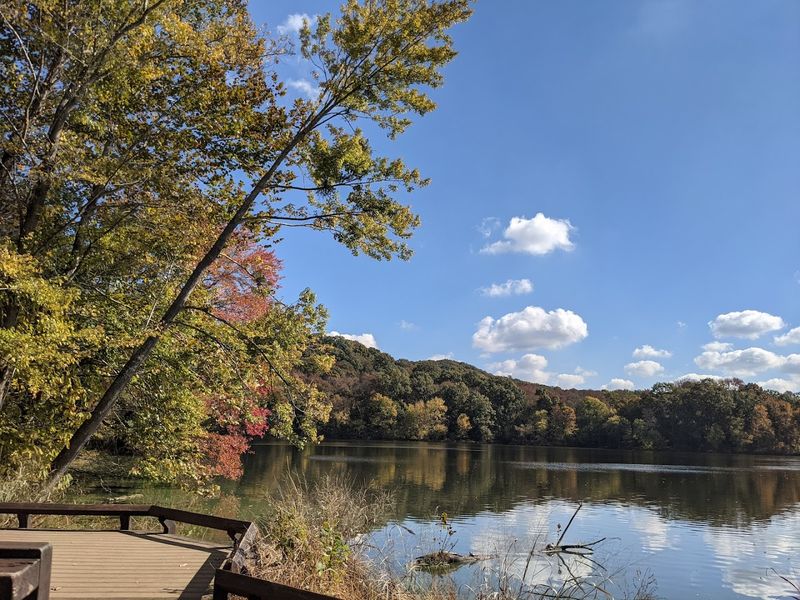
Not every great spring hike needs a mountain overlook or a huge waterfall at the end. Radnor Lake proves that a quiet, polished lake loop can absolutely carry an afternoon, especially when the trees leaf out and the whole place starts reflecting shades of green back onto the water.
It is calm, scenic, and close enough to Nashville to feel almost suspiciously convenient. This is the trail you pick when you want beauty without hassle.
The route is approachable, the footing is friendly, and the views arrive steadily instead of making you work for one big finish. The lake stays in the frame for much of the walk, and that constant water backdrop gives the whole hike a slower, more peaceful rhythm.
You are just as likely to remember the stillness here as the scenery itself. Wildlife is part of the experience too.
Radnor is one of those places where spotting birds, turtles, or deer feels normal rather than lucky. In spring, that extra bit of life makes the trail feel even more rewarding.
It is a smart addition to this list because it offers something different from Tennessee’s wilder hikes. Less rugged drama, more understated beauty, and honestly, sometimes that is exactly the mood.
5. Bluff Trail at Narrows of the Harpeth, Harpeth River State Park
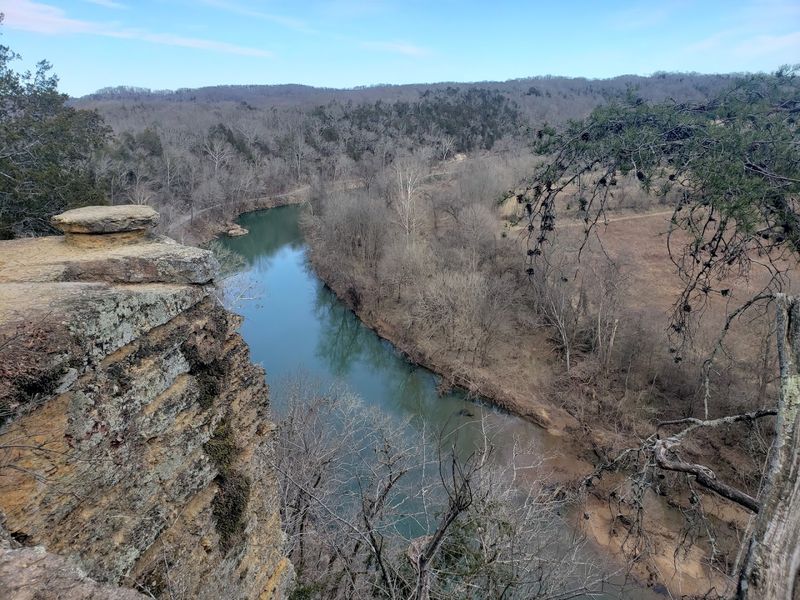
Some hikes keep their best view hidden until the very end. This one gets to the point fast.
The Bluff Trail at Narrows of the Harpeth is short, steep in places, and absolutely worth the quick burst of effort once the overlook opens up above the river valley. It is the kind of trail that makes you laugh a little because the payoff feels so outsized for the distance.
Spring suits this hike especially well. The valley below starts turning green, the river bends through the landscape in a way that looks almost staged, and the fresh foliage frames the overlook without swallowing it.
That balance matters. You want enough spring color to make the scene pop, but not so much that the view disappears behind a wall of leaves.
There is also a cool bit of history built into the setting. The “narrows” name comes from the unusual river bend and the area’s manmade tunnel, which adds some character beyond the bluff itself.
It does not feel like just another scenic stop. It feels distinctly Middle Tennessee.
Short enough for a casual outing, scenic enough to linger over, and dramatic enough to make you want to act like you discovered it first.
6. River Trail/Service Road Loop, Burgess Falls State Park
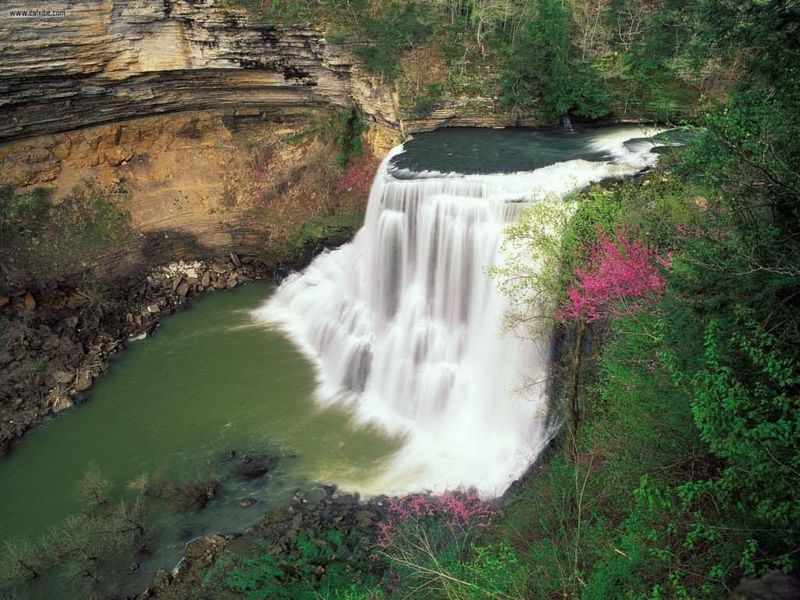
Waterfall fans do not need much convincing, but Burgess Falls still manages to overdeliver. The River Trail is one of the best spring hikes in Tennessee for people who want multiple scenic moments packed into a relatively short distance.
Instead of saving everything for one grand finale, this trail keeps revealing new cascades along the way, building up to the main event at Burgess Falls. That sense of progression is what makes it fun.
You are not just hiking through the woods waiting for something to happen. The Falling Water River keeps giving you reasons to stop, look, and pretend you are only pausing for the view and not because you wanted a breather.
By spring, the water flow usually has more force, which makes each set of falls feel louder, fuller, and more dramatic. The final overlook delivers the big reward: a wide, striking view of Burgess Falls dropping into the gorge below.
It feels dramatic without requiring a marathon to get there. For a spring article, this trail is almost unfairly photogenic.
The woods are fresh, the river is doing its best work, and the whole place has that classic Tennessee combination of rugged and lush. Bring a camera and expect to use it constantly.
7. Base of Fall Creek Falls Trail, Fall Creek Falls State Park
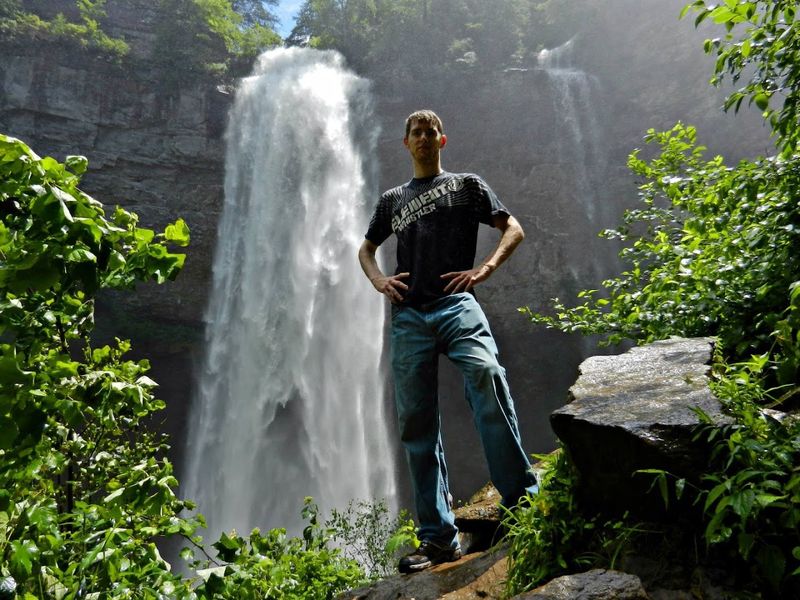
Big waterfall energy arrives fast on this trail. The route to the base of Fall Creek Falls is short, but do not mistake short for lazy.
You drop down into the gorge pretty quickly, and while the return climb will remind your legs they are part of the experience, the reward is standing near one of the most impressive waterfalls in the state. What makes this hike so good in spring is the sheer scale of everything.
The gorge walls feel taller, the air feels cooler, and the water often looks especially lively after seasonal rain. From the base, the falls have a full cinematic effect.
You are not admiring them from a distant overlook. You are down there with the rock, the spray, and the sound bouncing around the gorge.
That closeness gives the trail a different personality from a typical scenic walk. It feels a little wilder, a little moodier, and a lot more memorable than its mileage suggests.
If your readers want one hike on this list that feels dramatic almost immediately, this is the one. Just wear shoes with decent grip and save a little energy for the climb back out.
The view may come easy, but the exit likes to keep people humble.
8. Stone Door / Great Stone Door Area, Savage Gulf State Park
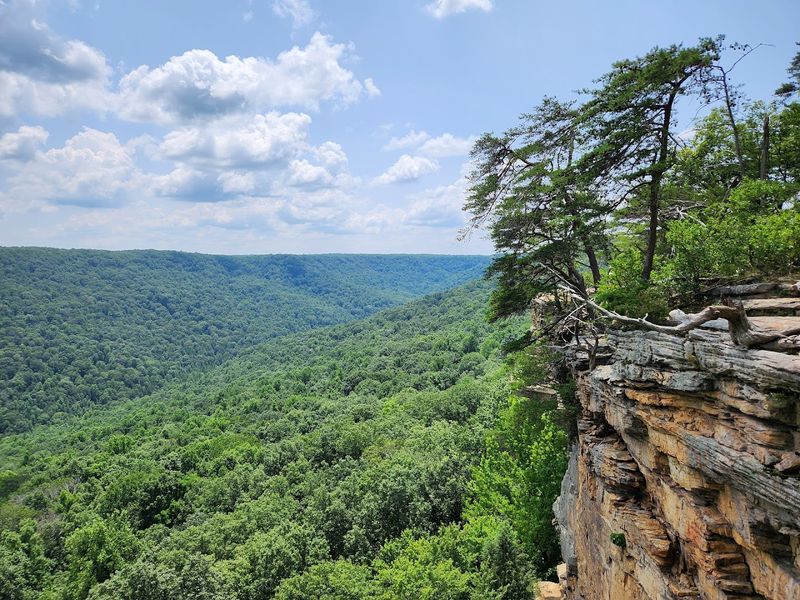
Savage Gulf is one of those places that makes Tennessee look almost suspiciously epic, and Great Stone Door is one of its star attractions. The name alone has flair, but the real draw is the bluff-country scenery.
You get wide views, dramatic sandstone features, and a landscape that feels bigger and rougher than many people expect from an “easy spring hike” roundup. The beauty here comes from the setting as much as the trail itself.
The plateau edge opens up into expansive overlooks, and in spring the forest below starts filling in with bright green while the sandstone stays warm and rugged. That contrast is hard to beat.
Everything feels crisp, especially on a cool morning when the air is clear and the ravines below still hold a little hush. This is also a strong choice for hikers who want a scenic payoff without spending half the day getting there.
You can enjoy the signature overlook, soak in the bluff views, and still have time left over to explore more of the area or head into nearby towns. Great Stone Door feels iconic for a reason.
It is accessible, dramatic, and just strange-looking enough to stick in your memory long after the hike is over.
9. Twin Arches Loop, Big South Fork National River and Recreation Area
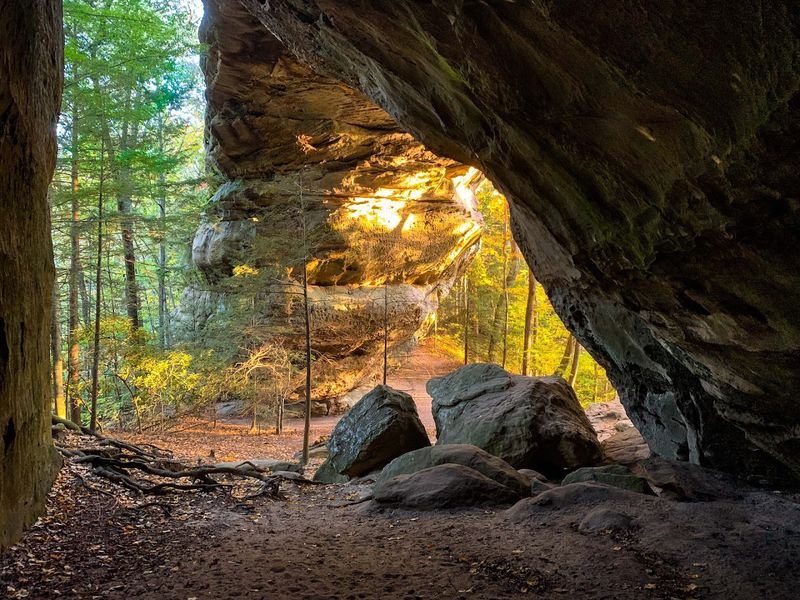
Natural arches always feel a little show-offy, and the Twin Arches absolutely lean into that. This loop in Big South Fork brings you to one of the most striking rock formations in Tennessee, and it manages to feel both substantial and approachable at the same time.
If your readers like geology with a side of forest scenery, this one belongs in the article. The trail moves through classic Cumberland Plateau terrain, which means plenty of wooded beauty, rocky features, and that slightly remote feel that makes a hike seem more adventurous even when it is still very doable.
Spring adds softness to the landscape. New leaves brighten the trail, the forest floor wakes up, and the rock formations stand out even more against all that fresh green.
Then you reach the arches, and suddenly the whole hike levels up. They are enormous, unusual, and the kind of feature that makes people stop mid-sentence.
That reaction alone earns the trail a place here. Twin Arches gives you scenery with real personality.
Not just pretty woods, not just a nice overlook, but something memorable and a little weird in the best way. Tennessee has plenty of beautiful trails.
This one has a built-in wow factor.
10. Peg Leg Mine Loop Trail, Roan Mountain State Park
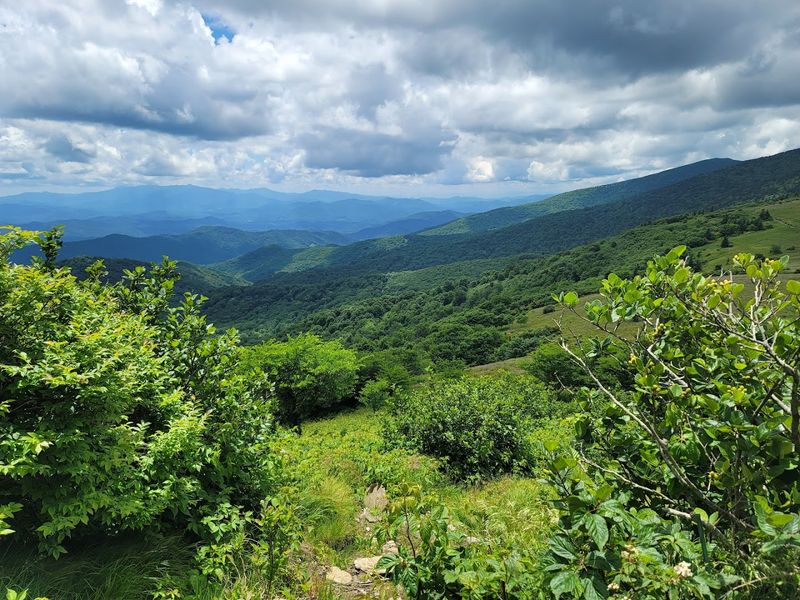
Roan Mountain has a reputation for high-country beauty, cool air, and scenery that gets almost unfairly pretty once spring starts taking hold. Peg Leg Mine Loop gives hikers an easier way to tap into that atmosphere without committing to a longer mountain trek.
It is short, manageable, and full of the kind of forest detail that makes East Tennessee feel especially rich this time of year. What stands out here is the mood.
The trail winds through a deep, leafy mountain setting that feels older and quieter than many quick loops. There is a sense of texture everywhere you look: moss, roots, rocks, and those fresh spring greens that seem brighter at higher elevation.
You are not coming for one giant panoramic finish so much as a whole walk that feels consistently lovely. That said, the broader park absolutely helps this trail punch above its mileage.
Roan Mountain is famous for its seasonal blooms, and even if you are not here at peak rhododendron time, spring still gives the landscape plenty of color and life. Peg Leg Mine works well in a list like this because it offers something gentle, woodsy, and distinctly mountain-flavored.
It is less about drama and more about atmosphere, which is sometimes the better prize.
11. Debord Falls / Emory Gap to Falls, Frozen Head State Park
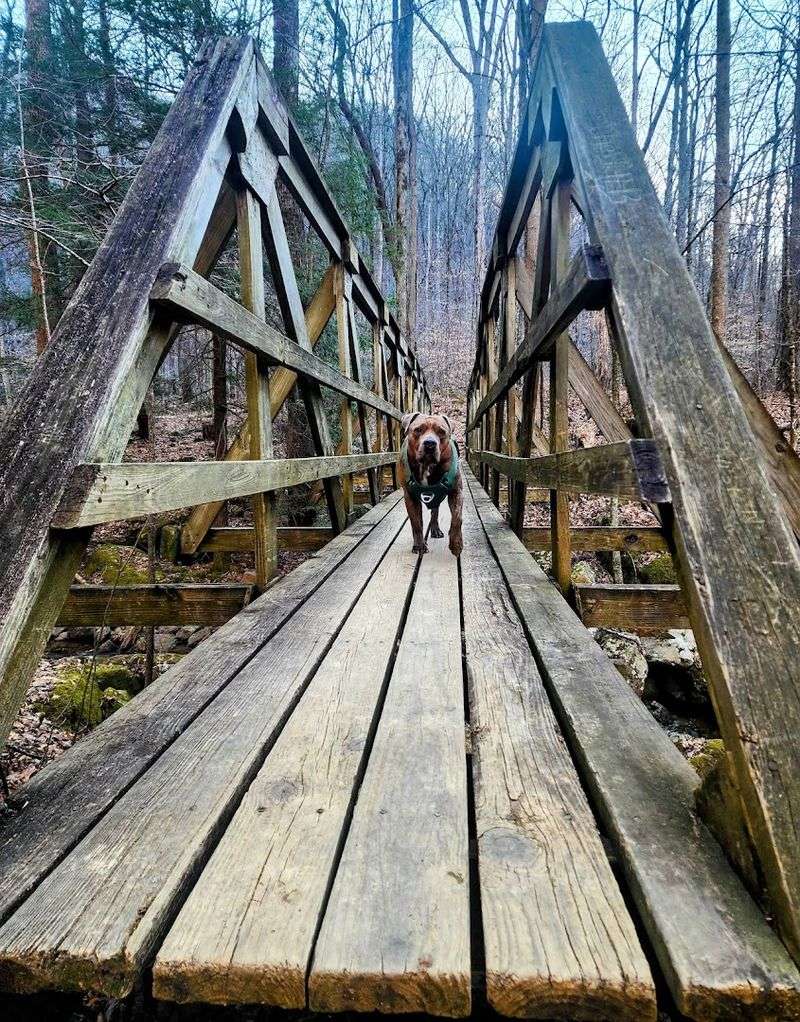
Frozen Head State Park does not always get talked about with the same frequency as Tennessee’s biggest-name scenic spots, which is part of its charm. Debord Falls is an excellent introduction to the park because it gives you a quick hit of mountain beauty without requiring a giant day on the trail.
The walk is short, the setting is peaceful, and the waterfall payoff arrives before anybody has time to get dramatic about the mileage. Spring makes this place feel especially fresh.
The forest comes alive in layers, with new growth brightening the trail and the falls usually carrying enough water to feel lively and worth the stop. There is something refreshing about a hike that does not overcomplicate itself.
You follow an easy route through pretty woods, hear the water before you fully see it, and then get a clean, satisfying waterfall reveal. The appeal here is how low-stress the whole experience feels.
It is a strong pick for families, casual hikers, or anyone who wants scenery without a major time commitment. Debord Falls may not have the celebrity status of some Tennessee hikes, but that almost makes it better.
It feels quieter, a little less polished, and very easy to love in spring.
12. Old Stone Fort Main Trail, Old Stone Fort State Archaeological Park
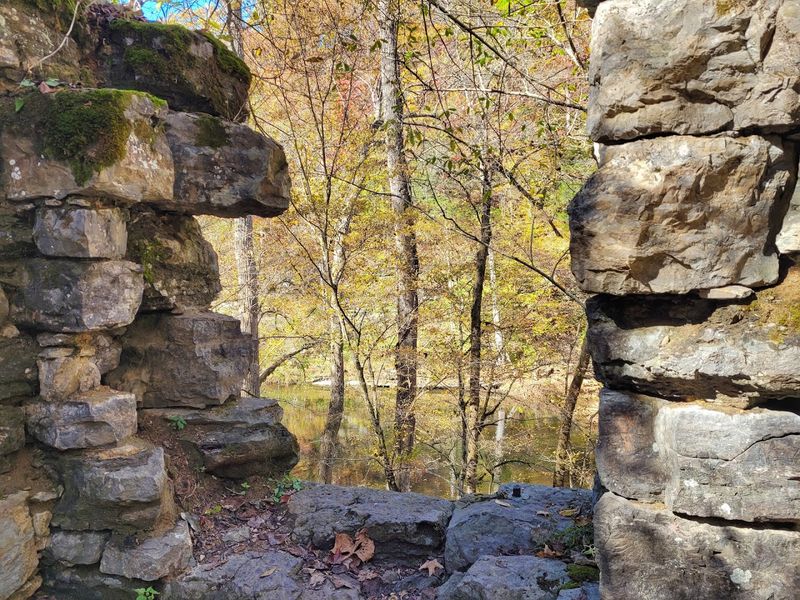
This is what happens when a scenic hike and a history lesson actually get along. Old Stone Fort is not just pretty; it is interesting in a way that keeps the walk from feeling interchangeable with every other river-and-waterfall trail in the state.
The route circles an ancient Native American ceremonial complex while weaving past rushing water, wooded sections, and a handful of dramatic falls. That combination gives the place real character.
One minute you are looking at interpretive signs and earthwork walls, and the next you are standing near Blue Hole Falls or taking in the broader river scenery. It never settles into one rhythm for too long, which helps the trail feel lively even though it stays approachable.
In spring, the added greenery softens the stone and water features and makes the whole park feel especially vibrant. It is also one of the easiest hikes on this list to recommend to a broad audience.
You do not have to be a hardcore hiker, a history buff, or a waterfall chaser to enjoy it. Old Stone Fort covers all three lanes at once.
For readers who want a spring outing with a little more personality and context, this one is a standout and a smart way to show off a different side of Tennessee.
13. Chickasaw Bluff Trail, Meeman-Shelby Forest State Park
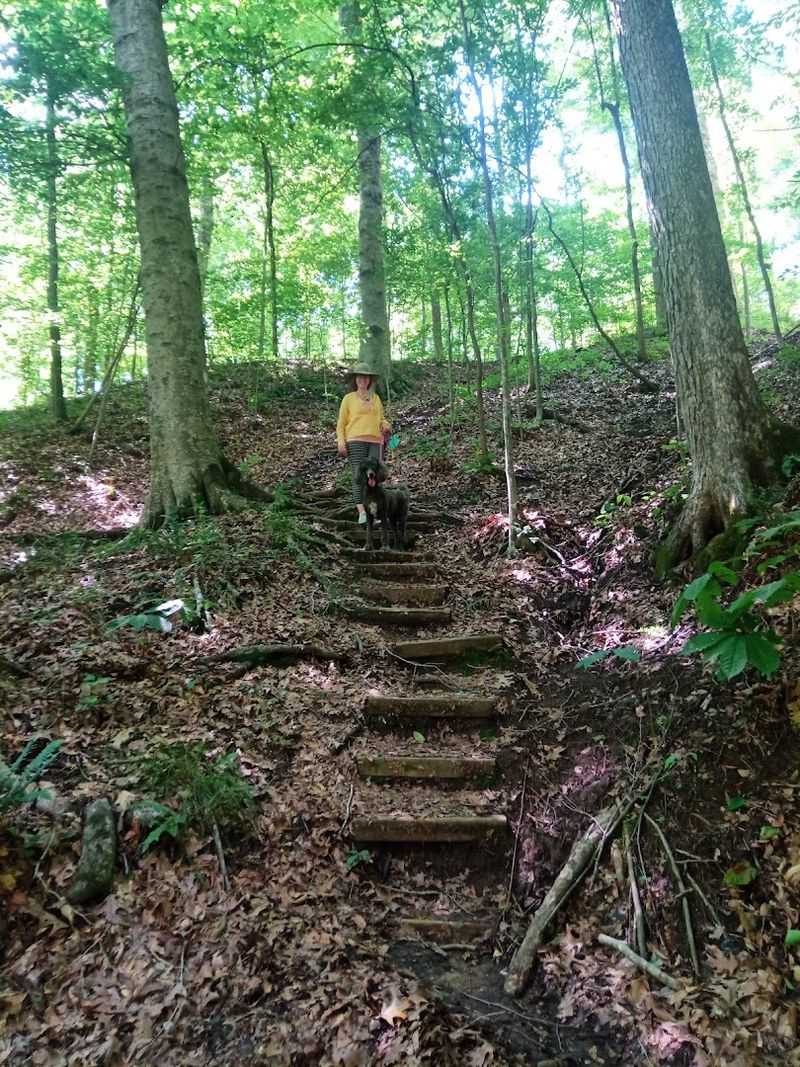
West Tennessee deserves more hiking love, and Chickasaw Bluff Trail makes a convincing case. Tucked inside Meeman-Shelby Forest, this hike offers a very different look from the mountain-heavy stars farther east.
Instead of high-elevation drama, you get hardwood forest, bluff-country scenery, and quiet stretches that feel grounded, shady, and deeply local. Spring is a great time to go because the woods look fresh without being dense enough to hide everything.
The trail winds through varied terrain and rewards hikers with overlooks that remind you this region has its own kind of beauty. Poplar Tree Lake adds even more visual interest, giving parts of the hike a calm, reflective quality that contrasts nicely with the bluff sections.
It is not flashy, and that is part of why it works. There is a steadier, more relaxed personality to this trail.
It feels like the kind of place longtime locals keep in regular rotation because it does not need to shout for attention. That makes it a strong closer for this list.
Chickasaw Bluff proves Tennessee spring hiking is not only about Smokies waterfalls and mountain overlooks. Sometimes the best view is a quieter one, framed by trees, shaped by the river country, and easy to enjoy at your own pace.