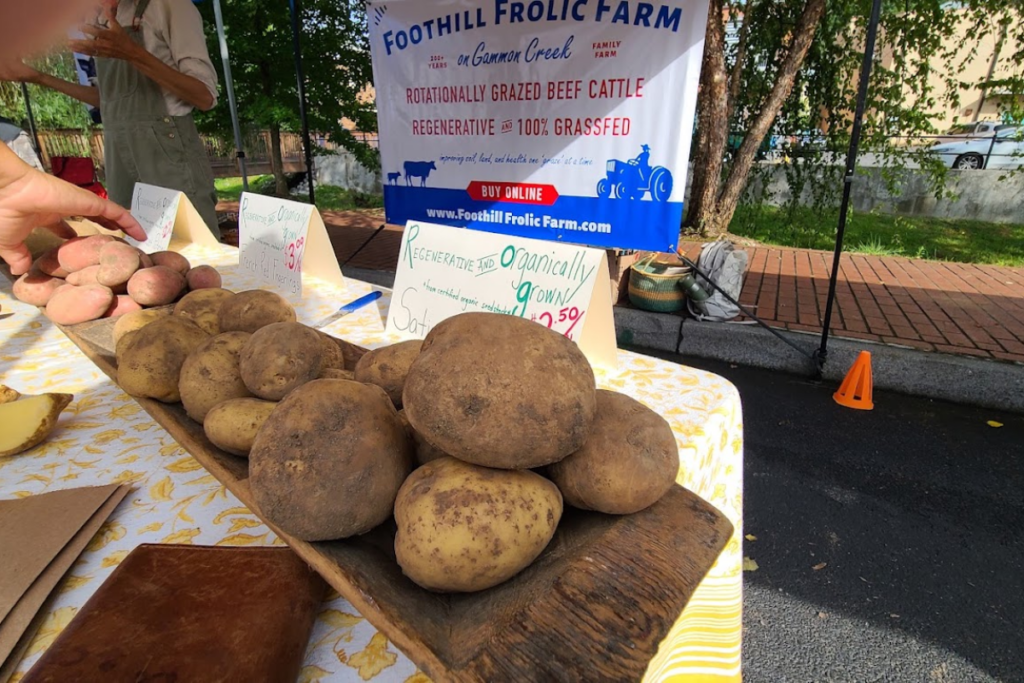
When the air turns crisp and leaves start showing off their best colors, Tennessee’s farmers markets shift into high gear. Fall brings an incredible harvest of pumpkins, apples, squash, and greens that fill market stalls across the state.
Whether you’re hunting for the perfect jack-o-lantern, stocking up on cider, or just soaking in the seasonal buzz, these 12 markets capture everything special about autumn in Tennessee.
1. Nashville Farmers’ Market, Nashville
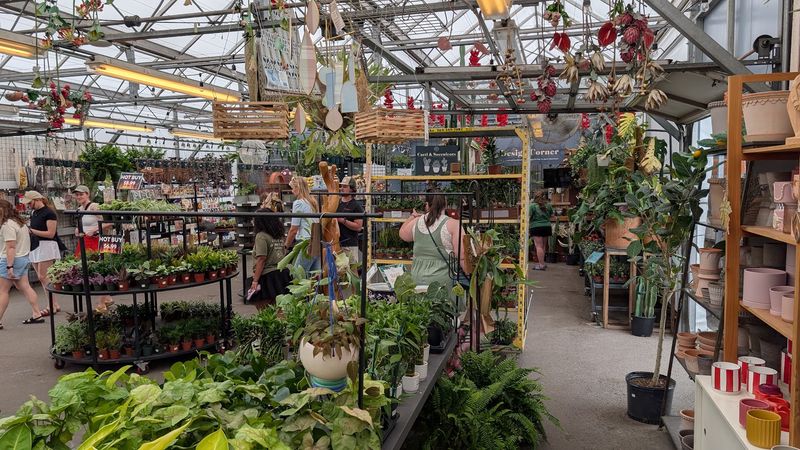
Right in the heart of Music City, this market transforms into a fall wonderland when September rolls around. Vendors pile their tables high with every shade of pumpkin imaginable, from tiny decorative gourds to massive carving specimens that take two people to lift.
The squash selection alone could keep you busy for an hour, with varieties you’ve probably never heard of sitting next to the familiar butternut and acorn types.
Turnip greens make their grand entrance here each fall, and local growers take serious pride in their leafy offerings. You’ll find bunches so fresh they practically crunch, still dewy from morning harvest.
The prepared food vendors also get in on the autumn action, rolling out pumpkin-spiced everything alongside heartier fare that matches the cooling weather.
What really sets this market apart during fall is the annual festival that draws crowds from all over Middle Tennessee. Live music fills the pavilion area while kids run between stalls clutching caramel apples.
Local artisans bring out their best handmade goods, from pottery to textiles, giving you a chance to knock out some early holiday shopping while you’re grabbing your produce.
The permanent building means you’re covered if weather turns iffy, though most fall Saturdays see perfect market conditions. Parking can get tight during peak season, so arriving early pays off in multiple ways.
You’ll beat the crowds and snag the best selection before popular items disappear.
Year-round vendors know their regulars by name, creating a genuine community feel that intensifies during harvest time. Everyone’s excited about the seasonal shift, and that energy is contagious.
First-timers often become weekly visitors once they experience the quality and variety packed into this downtown location.
The market stays lively well past the official end of summer, with October bringing some of the busiest weekends. Families make it a tradition to pick out their Halloween pumpkins here, supporting local farms instead of big-box stores.
That connection to the people actually growing your food makes every purchase feel more meaningful, especially when you’re biting into a crisp apple that was on a tree just days earlier.
2. Chattanooga Market, Chattanooga
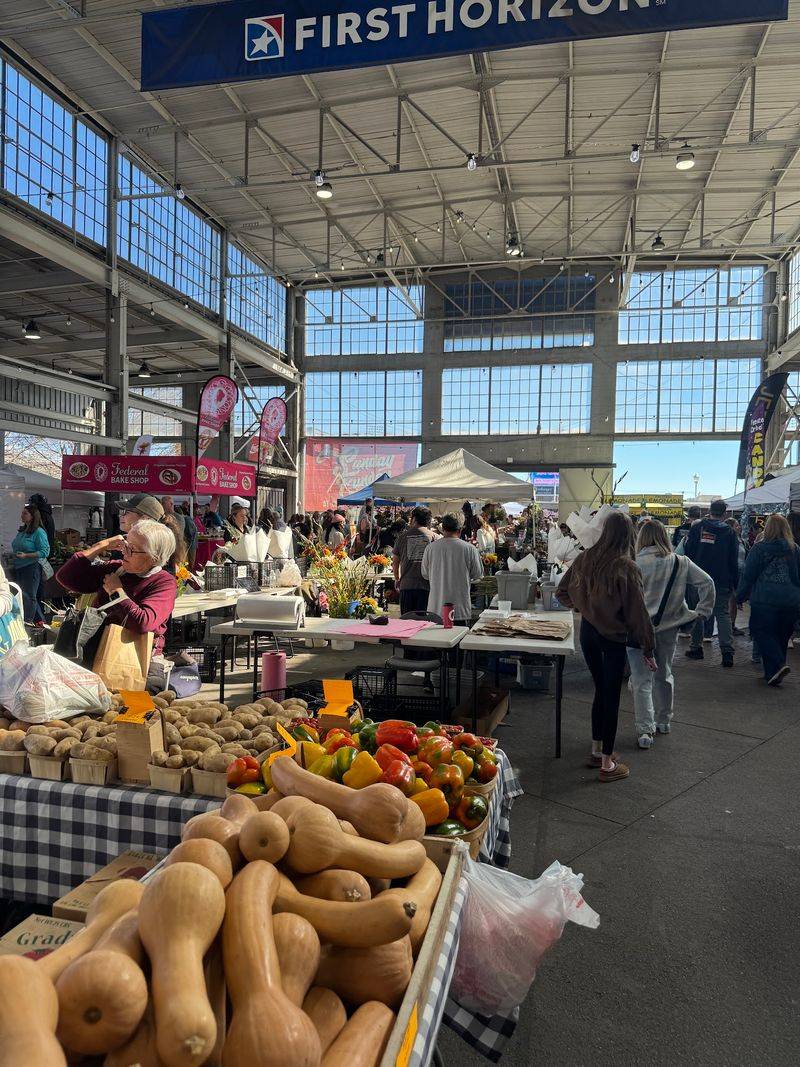
Stretching along the riverfront in one of Tennessee’s most scenic cities, this market absolutely owns the fall season. Apple varieties you can’t find in grocery stores arrive by the bushel, each with its own flavor profile and best use.
Vendors will gladly let you sample before buying, and once you taste a Winesap or Arkansas Black fresh from a local orchard, you’ll understand why people drive an hour just for fruit.
Fresh-pressed cider flows freely here, with some vendors offering it warm with a cinnamon stick on chilly mornings. The smell alone is worth the trip.
Kids line up for cups while parents browse the impressive pumpkin selection that seems to expand weekly as harvest peaks.
Fall produce goes way beyond the expected here. You’ll spot unusual heirloom varieties, rainbow carrots, and winter squash in shapes that look almost sculptural.
Local cut-flower growers bring their last big push of blooms, with dahlias, zinnias, and sunflowers in deep autumn shades that make stunning arrangements.
The dedicated autumn events calendar keeps things interesting throughout the season. Live demonstrations might include apple butter making, wreath crafting, or cooking tips for using seasonal vegetables.
Musicians set up at various spots, creating a soundtrack that drifts between vendor tents and mingles with conversation.
Prepared food vendors go all out during fall, offering everything from pumpkin bread to apple fritters that disappear almost as fast as they come out of the fryer. You can easily make breakfast or lunch out of your market trip while still filling your bags with fresh ingredients for the week ahead.
The Chattanooga Market has built a reputation for quality control, ensuring every vendor meets strict standards. That means whether you’re buying vegetables, baked goods, or handmade soap, you’re getting something genuinely local and high-quality.
The difference shows in every bite and every use.
Parking is plentiful compared to some urban markets, and the layout makes navigation easy even when crowds swell. The riverside location adds natural beauty that enhances the whole experience, especially when fall colors start reflecting in the water.
This market doesn’t just sell autumn, it fully embodies the season in every possible way.
3. Market Square Farmers’ Market, Knoxville
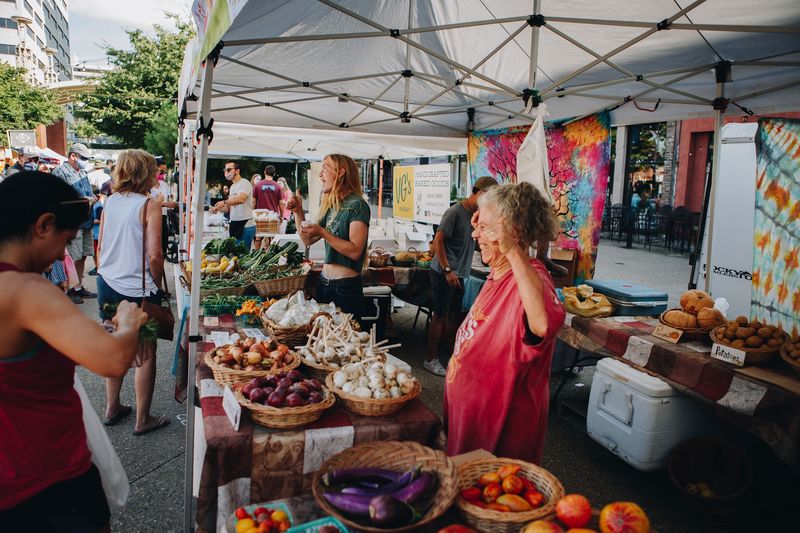
Downtown Knoxville comes alive on market days, with vendors filling the historic square that’s been a gathering spot for generations. This East Tennessee staple keeps going strong right through the heart of fall, when mountain-grown produce starts arriving in serious quantities.
The elevation differences around Knoxville mean harvest times vary, giving this market an extended season for certain crops.
Apples from nearby orchards show up in varieties that thrive in the Smoky Mountain foothills. The flavor concentration in mountain-grown fruit is noticeable, especially in heirlooms that have been cultivated in the region for decades.
Some farmers bring along old family recipes printed on cards, suggesting the best ways to use each apple type.
The prepared foods here reflect East Tennessee’s culinary traditions with a modern twist. You’ll find traditional stack cakes sitting next to innovative pumpkin-based pastries.
Local honey vendors do brisk business as people stock up for winter, knowing that raw regional honey is both delicious and potentially helpful for seasonal allergies.
Craft vendors bring their A-game during fall, with handmade items perfect for gift-giving or home decorating. Pottery, woodwork, textiles, and jewelry all reflect the artistic community that thrives in Knoxville.
Many artisans use natural materials and seasonal themes, creating pieces that capture autumn’s essence.
The square’s layout creates natural flow, with wide walkways that accommodate strollers and wagons without feeling cramped. Benches scattered throughout give you spots to rest and people-watch while enjoying a market snack.
Street performers occasionally add entertainment, from musicians to the occasional juggler or magician.
What makes this market special is how it balances being tourist-friendly while serving local residents who do their weekly shopping here. You’ll see everyone from university students grabbing fresh greens to retirees carefully selecting the perfect butternut squash.
That mix creates an authentic community atmosphere that feels welcoming to newcomers.
The surrounding square offers restaurants and shops, making it easy to extend your visit into a full morning or afternoon downtown. Many families make it a Saturday tradition, hitting the market first then exploring the area.
October weekends bring especially good energy as Halloween approaches and fall decorations appear throughout the square.
4. Memphis Farmers Market, Memphis
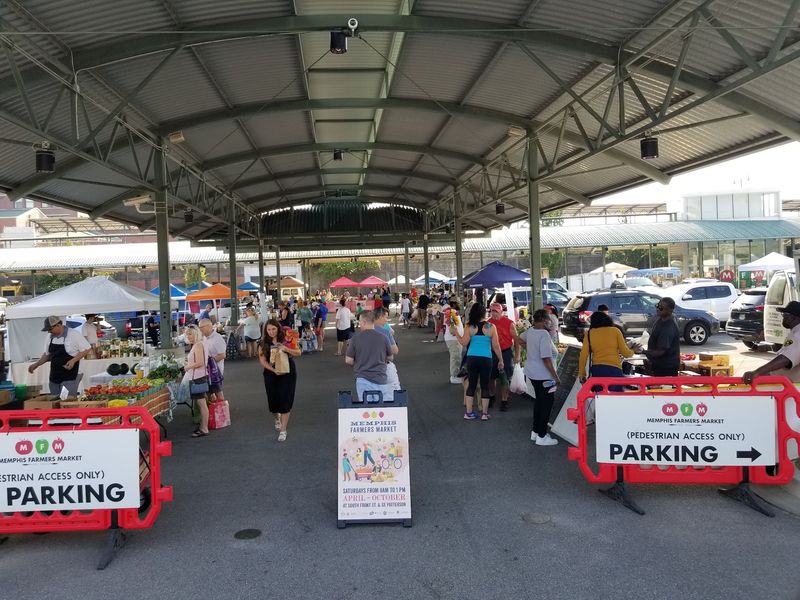
West Tennessee’s agricultural powerhouse shows off at this downtown Memphis gathering every weekend through October. The Delta’s rich soil produces vegetables with intense flavors, and local farmers bring the proof in overflowing crates and baskets.
Sweet potatoes arrive in quantities that reflect the region’s love affair with this fall staple, available in multiple varieties from the familiar orange-fleshed to purple and white types.
Farm goods extend well beyond produce here, with vendors offering pasture-raised meats, farm-fresh eggs in every shade, and artisanal cheeses that pair perfectly with fall meals. The quality difference in eggs from chickens that actually roam outdoors becomes obvious once you crack one open and see the deep orange yolk.
Customers often stock up, knowing these products store well and taste infinitely better than supermarket versions.
Prepared food vendors reflect Memphis’s legendary food culture while incorporating seasonal ingredients. You might find pumpkin-infused barbecue sauce or apple-smoked meats alongside more traditional market fare.
Baked goods disappear quickly, especially items featuring pecans from local groves or apples from nearby orchards.
The artisan section brings together makers from across the Mid-South, offering everything from handmade soaps to custom furniture. Fall-themed items appear as the season progresses, with vendors creating products that make great gifts or seasonal home additions.
The craftsmanship level is impressive, reflecting Memphis’s thriving maker community.
Location in downtown Memphis makes this market accessible via multiple transportation options, though parking is available for those driving in. The urban setting adds energy, with the city’s rhythm providing a backdrop to market sounds.
You’ll hear vendors calling out specials, customers chatting with farmers, and music drifting from nearby Beale Street.
October brings some of the best market days as harvest peaks and weather cooperates. Temperatures cool enough to make browsing comfortable while staying warm enough that produce doesn’t need extra protection.
Crowds swell during these ideal weeks, but the market handles traffic well with its organized layout and experienced vendors.
What distinguishes this market is its role as a genuine community hub where different parts of Memphis intersect. Residents from various neighborhoods converge here, united by interest in fresh food and local products.
That mixing creates conversations and connections that might not happen elsewhere, making each visit about more than just shopping.
5. Franklin Farmers Market, Franklin
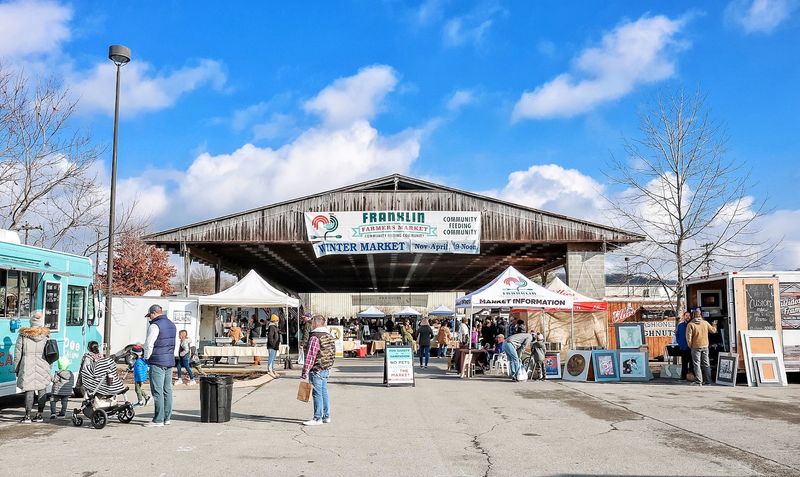
Just south of Nashville, Franklin’s market operates year-round with a producer-only focus that ensures everything comes directly from the farm. That commitment to authenticity becomes especially apparent during fall when seasonal shifts transform the available offerings.
Vendors who sold tomatoes and peppers all summer suddenly arrive with winter squash, root vegetables, and the last of the season’s greens.
The producer-only rule means you’re always talking to someone who actually grew, raised, or made what they’re selling. That direct connection answers questions about growing methods, recipe suggestions, and when specific items will be available.
Farmers take pride in explaining their practices, and many shoppers develop relationships that last years.
Fall brings an impressive array of storage crops that help people eat locally even as winter approaches. Potatoes in multiple varieties, onions, garlic, and winter squash all store for months with proper handling.
Vendors often share storage tips, helping customers maximize their purchases and reduce food waste.
The market’s location in historic downtown Franklin adds charm that enhances the shopping experience. Beautiful old buildings surround the market area, and you can easily walk to restaurants, shops, and historic sites before or after your market visit.
Many people make it an all-morning affair, combining errands with leisure time in one of Tennessee’s most picturesque towns.
Baked goods vendors bring items that change with the seasons, incorporating whatever’s currently harvested into their offerings. Apple cakes, pumpkin bread, and squash muffins appear as fall progresses.
The quality reflects small-batch production using real ingredients rather than mixes or shortcuts.
Meat vendors offer cuts from animals raised on Tennessee pastures, with beef, pork, chicken, and sometimes lamb or goat available. The difference in flavor between pastured meat and conventional grocery store options is significant, and many customers never go back once they try it.
Vendors can suggest cuts and cooking methods, essentially providing free butcher consultation with your purchase.
The market’s harvest-season energy peaks in October when pumpkins, gourds, and decorative corn arrive alongside eating vegetables. Families shop for both dinner ingredients and seasonal decorations, killing two birds with one market trip.
6. Main Street Murfreesboro Saturday Market, Murfreesboro
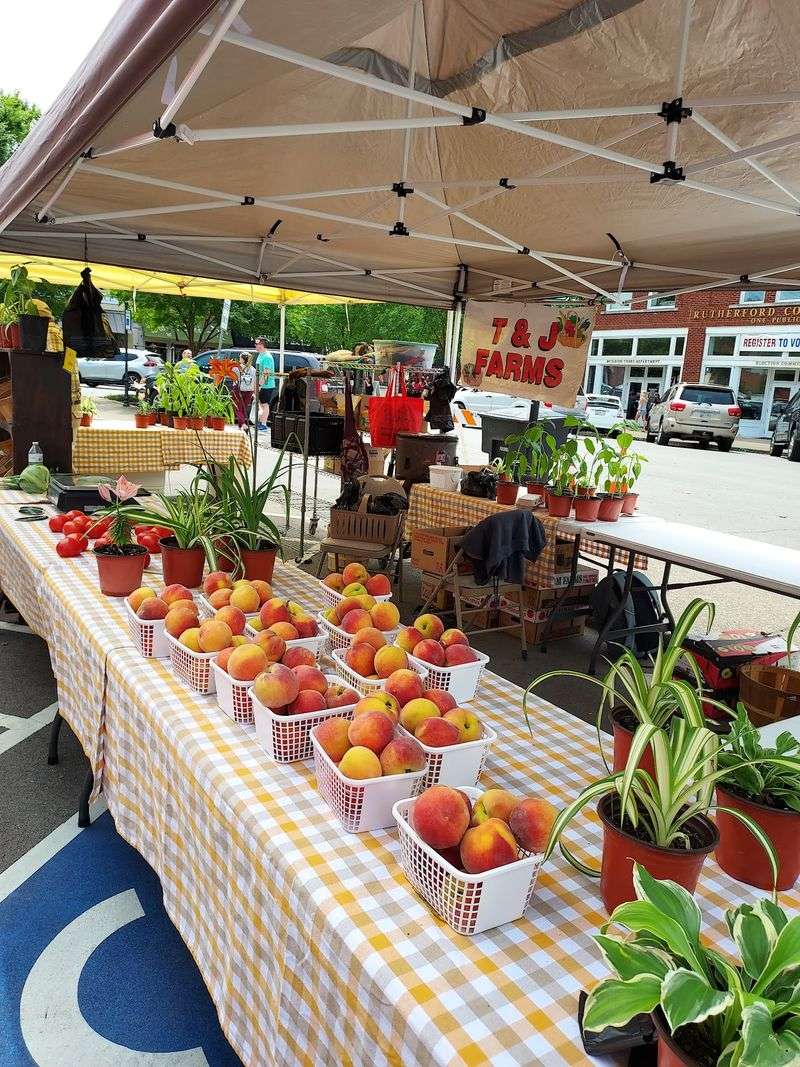
Circling the historic courthouse in downtown Murfreesboro, this Saturday market captures small-town Tennessee at its finest. Vendors set up around the square creating a loop that lets you browse everything without backtracking.
October brings the market’s peak season when local farms harvest their biggest variety and artisans debut fall-themed creations.
Produce vendors bring vegetables grown in Rutherford County’s fertile soil, with quality that reflects generations of farming knowledge. Many vendors represent family farms that have operated for decades, passing down techniques and seed varieties through multiple generations.
That continuity shows in the produce quality and the vendors’ deep understanding of their crops.
Meat and egg vendors offer products from animals raised right here in Middle Tennessee. You can ask about feed, housing, and practices, getting honest answers from people who do the work themselves.
Pastured eggs often sell out early, so regulars know to head straight there before browsing other stalls.
Baked goods reflect both traditional Tennessee recipes and creative modern takes on classics. You’ll find cornbread muffins sitting next to sourdough loaves, chess pies alongside innovative pastries.
Everything’s made in small batches by people who take serious pride in their craft. Fall brings pumpkin and apple into rotation, with vendors competing to create the most delicious seasonal treats.
Artisan vendors offer handmade goods that make great gifts or personal purchases. Jewelry, pottery, woodwork, textiles, and more fill several stalls with items you won’t find in chain stores.
The quality level is high, with most artisans happy to discuss their process and materials. Fall brings out seasonal colors and themes across all crafts.
Live music adds atmosphere without overwhelming conversation. Local musicians set up near the courthouse, playing everything from bluegrass to folk to acoustic rock.
The soundtrack enhances the market vibe, making it feel like a community gathering rather than just a shopping trip.
The courthouse square setting provides natural beauty and historical context that makes shopping here feel special. Old trees offer shade on warm fall mornings, and the architecture creates a picturesque backdrop for the colorful market stalls.
It’s the kind of scene that makes you glad you live in or are visiting Tennessee.
Parking surrounds the square with additional lots nearby, making access easier than many urban markets. The small-town pace means vendors have time to chat, share recipes, and catch up with regular customers.
That unhurried atmosphere is increasingly rare and deeply appreciated by people tired of rushed modern life.
7. Jonesborough Farmers Market, Jonesborough
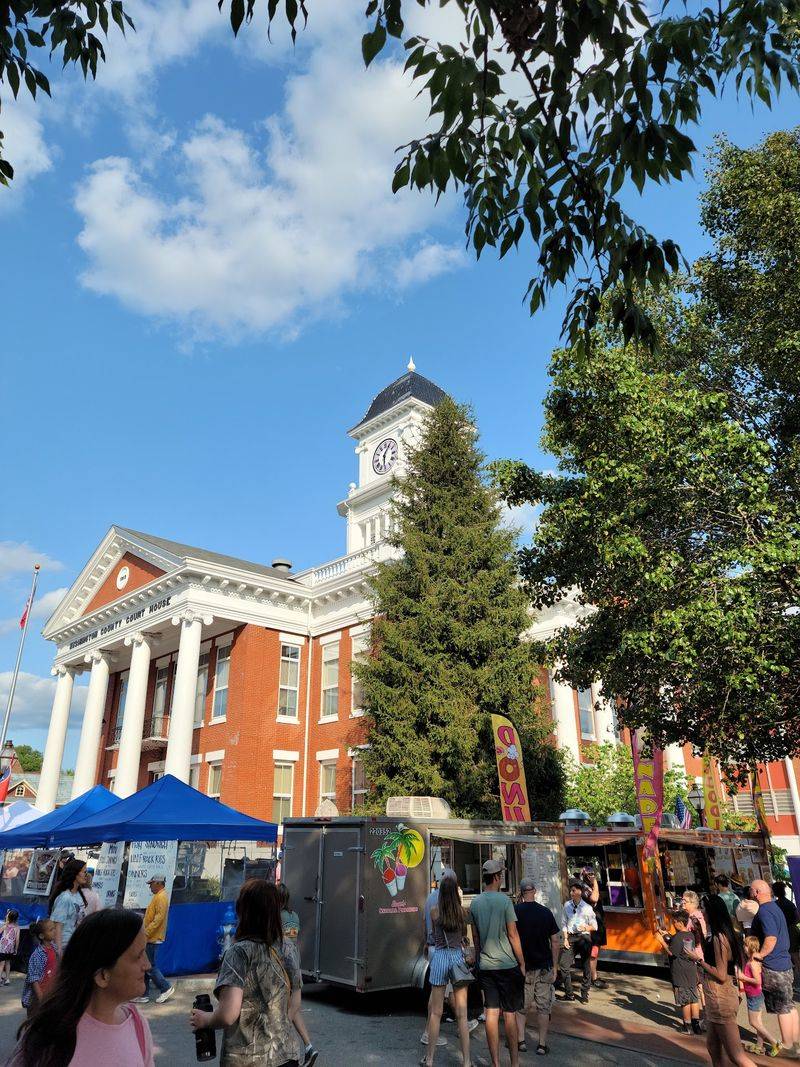
Tennessee’s oldest town hosts a producer-only market that takes authenticity seriously. Every item for sale comes directly from the person who grew, raised, or made it, ensuring genuine local products.
That commitment creates trust between vendors and customers that’s increasingly rare in modern food systems.
Fall produce arrives from farms scattered across the surrounding hills and valleys, with growing conditions that vary based on elevation and microclimate. That diversity means extended harvest seasons for certain crops and unique varieties that thrive in specific locations.
Vendors can tell you exactly where their farm is and what makes their growing conditions special.
Meat vendors offer cuts from animals raised on East Tennessee pastures and woodlands. Beef, pork, chicken, and sometimes lamb or goat come from farms where animals live as naturally as possible.
The flavor difference is remarkable, especially in pork from heritage breeds raised outdoors. Vendors provide cooking suggestions and can often special-order specific cuts for regular customers.
Cheese makers bring products that reflect Tennessee’s growing artisan dairy scene. From fresh chevre to aged hard cheeses, the selection showcases what’s possible with quality milk and skilled hands.
Many cheeses incorporate local ingredients like herbs or even bourbon, creating distinctly Tennessee flavors. Samples are usually available, letting you discover new favorites.
Baked goods vendors create everything from scratch using real ingredients, with many incorporating produce from other market vendors. That circular economy strengthens the whole market community while producing exceptional results.
Apple cakes, pumpkin breads, and fruit pies showcase fall’s bounty in delicious formats.
Live music from local performers adds to Jonesborough’s already considerable charm. The town’s storytelling tradition extends to market musicians who often share the history behind old-time tunes between songs.
That cultural element makes the market about more than just commerce, it’s a celebration of regional heritage.
The historic setting enhances everything about this market experience. Beautiful old buildings surround the market area, and the town’s commitment to preservation means you’re shopping in an environment that looks much like it did generations ago.
That connection to the past feels appropriate at a market focused on traditional farming and food production.
8. Farmers Market, Maryville
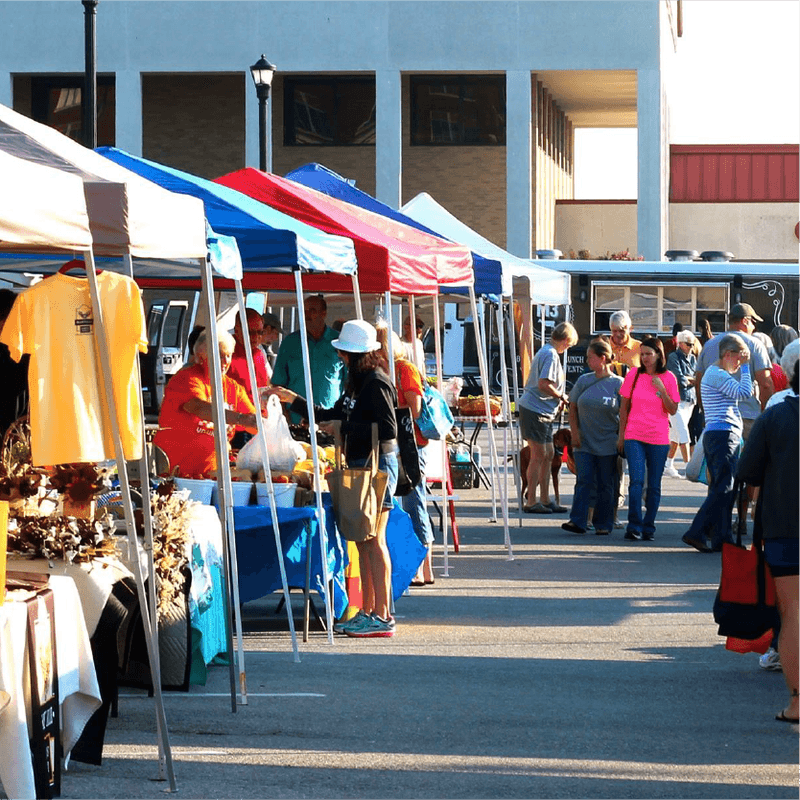
Nestled near the Smoky Mountains, Maryville’s market runs well into November thanks to the region’s moderate fall climate. Vendors come from across East Tennessee, bringing products influenced by mountain growing conditions.
The elevation and climate create intense flavors in certain crops while extending the season for cool-weather vegetables.
Apples from nearby mountain orchards arrive in varieties you won’t find at chain stores. Old heritage types with names like Limbertwig and Sheepnose sit alongside better-known varieties, each with distinct flavors and uses.
Vendors gladly discuss which apples work best for pies, sauce, eating fresh, or storing through winter.
The focus on growers and producers means everything comes from people doing the actual work of farming or food production. That direct connection ensures quality and lets you ask detailed questions about growing methods, ingredients, or preparation.
Many vendors know their regular customers by name and remember their preferences.
Fall vegetables benefit from the region’s day-night temperature swings that concentrate sugars and enhance flavors. Greens taste sweeter, roots develop better texture, and storage crops mature perfectly for long keeping.
Experienced cooks know that vegetables from this area during fall offer peak eating quality.
The Smokies-area location makes this market a natural stop for tourists exploring the mountains, but locals form its core customer base. That balance creates interesting dynamics as visitors discover regional products while residents do their weekly shopping.
Everyone benefits from the variety and quality that competition between vendors encourages.
Prepared foods reflect East Tennessee’s culinary traditions with vendors offering items like stack cakes, fried pies, and preserves made from old family recipes. These products connect you to regional food heritage in tangible, delicious ways.
Many visitors stock up on these items as edible souvenirs that ship better than fresh produce.
The market’s extended season into November sets it apart from many Tennessee markets that wind down in October. That extra month captures late-fall crops and gives vendors more selling time before winter’s quiet months.
For shoppers, it means fresh local food remains available longer, extending the benefits of market shopping.
Parking and layout accommodate both quick stops and leisurely browsing, with vendors arranged for easy navigation. The friendly atmosphere encourages conversation, and first-timers quickly feel welcome.
That hospitality reflects Maryville’s small-town character while serving a growing population that values local food access.
9. Johnson City Farmers Market, Johnson City
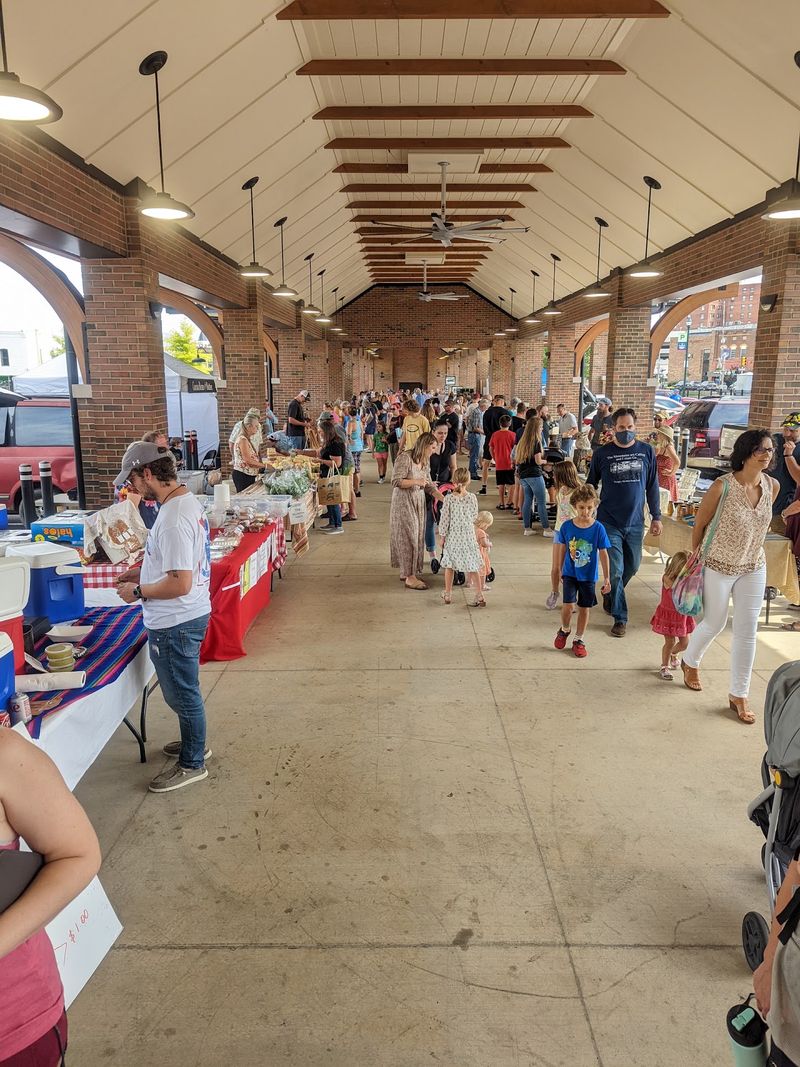
The Tri-Cities’ agricultural hub operates a long-running market that stays open through October, capturing the region’s diverse harvest. Vendors travel from surrounding counties, bringing products that reflect the area’s varied geography and farming traditions.
Mountain farms, valley operations, and everything in between contribute to a selection that keeps expanding as different crops mature.
Produce quality reflects the region’s strong farming heritage and ideal growing conditions for many crops. Apples from nearby orchards compete with those from anywhere in the state, while vegetables benefit from rich soil and attentive farming.
Vendors take pride in their offerings, often discussing growing challenges and successes with interested customers.
Baked goods vendors bring both traditional Appalachian recipes and modern creations, often incorporating produce from fellow market vendors. Stack cakes, tea cakes, and biscuits represent old-time baking, while innovative pastries and breads show contemporary skill.
Everything’s made from scratch in small batches, ensuring freshness and quality that mass production can’t match.
Canned goods fill several vendor stalls with jars of pickles, jams, jellies, salsas, and sauces made from local produce. These shelf-stable products let you enjoy regional flavors year-round and make excellent gifts.
Many canners use recipes passed down through families, preserving not just food but culinary heritage.
Craft vendors offer handmade items that reflect the region’s strong artisan community. Quilts, pottery, woodwork, and jewelry showcase skills honed over years or even lifetimes.
Fall brings out seasonal items perfect for home decorating or gift-giving, with natural materials and autumn colors predominating.
Local farm vendors selling meat, eggs, and dairy products give you access to protein sources raised right in the Tri-Cities area. You can learn about animal care, feed sources, and processing, making informed choices about the meat you eat.
The quality difference compared to supermarket options is immediately apparent in both flavor and texture.
The market’s longevity means many vendors have been coming for years or even decades, creating stability that benefits everyone. Regular customers develop relationships with their favorite vendors, while newcomers quickly learn who offers what.
That institutional knowledge makes shopping efficient once you learn the layout and vendor specialties.
October brings some of the year’s best market days as harvest peaks and weather turns ideal for outdoor shopping. Crowds grow during these prime weeks, but the market handles increased traffic smoothly thanks to experienced vendors and good organization.
10. Cookeville Farmers Market, Cookeville
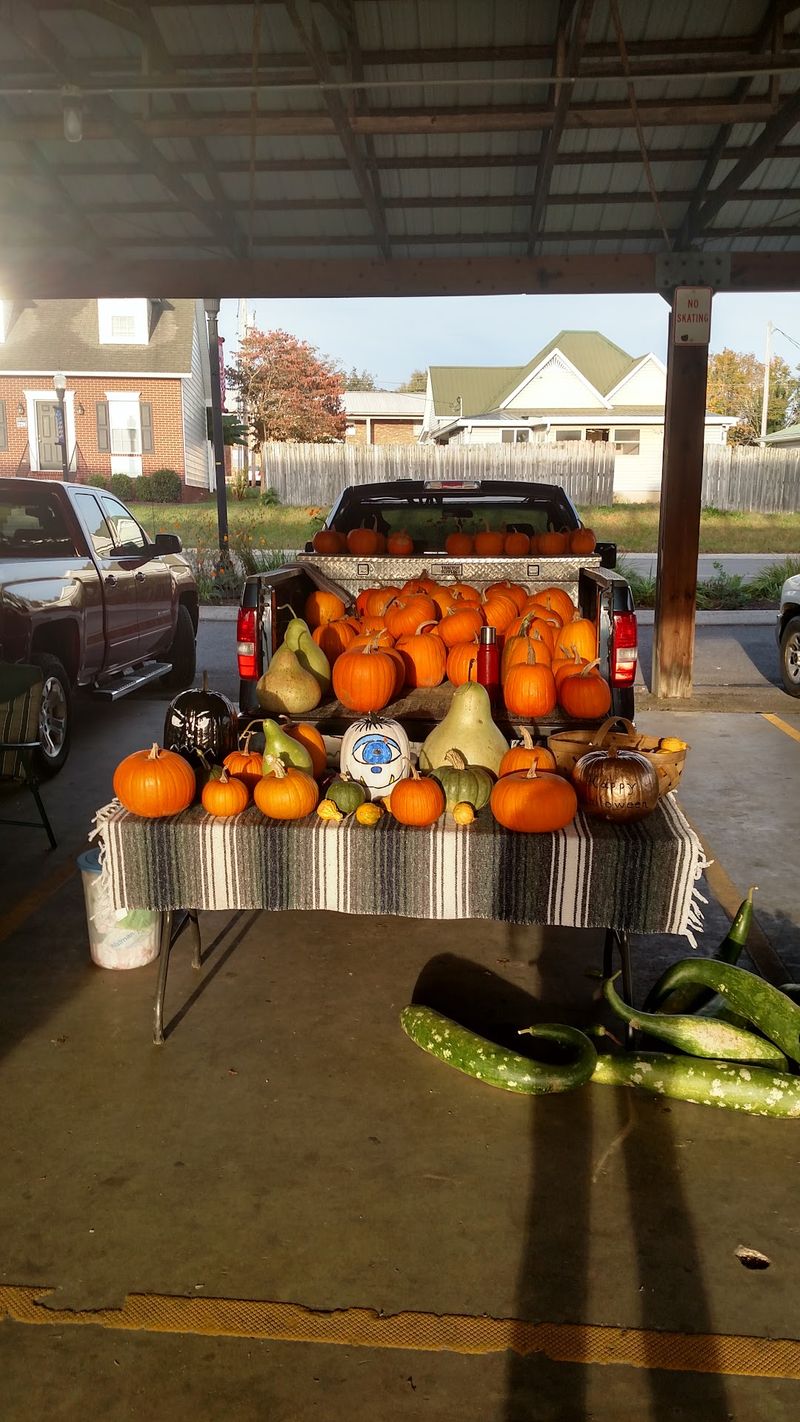
Upper Cumberland’s agricultural center hosts a market that operates throughout fall, serving both Cookeville residents and visitors exploring the region. Vendors represent the area’s farming community, bringing products that reflect local growing conditions and traditions.
The plateau geography creates unique microclimates that influence what grows well and when harvests occur.
Fall vegetables arrive in impressive variety as summer crops fade and cool-season plantings mature. Greens, root vegetables, and storage crops fill vendor tables with colors and shapes that signal autumn’s arrival.
Many vegetables store well, letting customers buy in quantity and enjoy local food long after the market season ends.
The market serves as a gathering place where different parts of the community intersect around shared interest in fresh food. Farmers, students from Tennessee Tech, long-time residents, and newcomers all browse together, creating a demographic mix that enriches the experience.
Conversations flow easily, with market shopping providing natural opportunities for neighborly interaction.
Prepared foods reflect both traditional Upper Cumberland recipes and creative modern approaches. You’ll find cornbread, biscuits, and pies alongside innovative items that incorporate seasonal ingredients in unexpected ways.
Vendors often experiment with fall produce, creating limited-edition items that give regular customers reasons to try something new.
Craft vendors bring handmade goods that showcase regional artistic talent. Pottery, textiles, woodwork, and other items display the skill level that comes from years of practice.
Many artisans use local materials when possible, creating products with genuine connection to the region. Fall brings out seasonal themes and colors across all craft categories.
The market’s central location makes it accessible from multiple directions, serving not just Cookeville but surrounding towns and rural areas. That broader reach ensures vendor diversity and customer volume that benefits everyone.
Farmers get reliable markets for their products while shoppers access variety that single-farm stands can’t match.
Weather during fall market season tends toward ideal, with temperatures cool enough for comfortable browsing but rarely cold enough to be unpleasant. October brings particularly nice conditions that draw larger crowds eager to enjoy the perfect combination of great weather and peak harvest.
Vendors prepare for these busy weeks, ensuring they bring plenty of popular items.
What makes this market work is the genuine community feeling that develops when the same people gather weekly around shared values. Regular customers become friends with vendors and each other, creating social connections that extend beyond market hours.
11. Clarksville Downtown Market, Clarksville
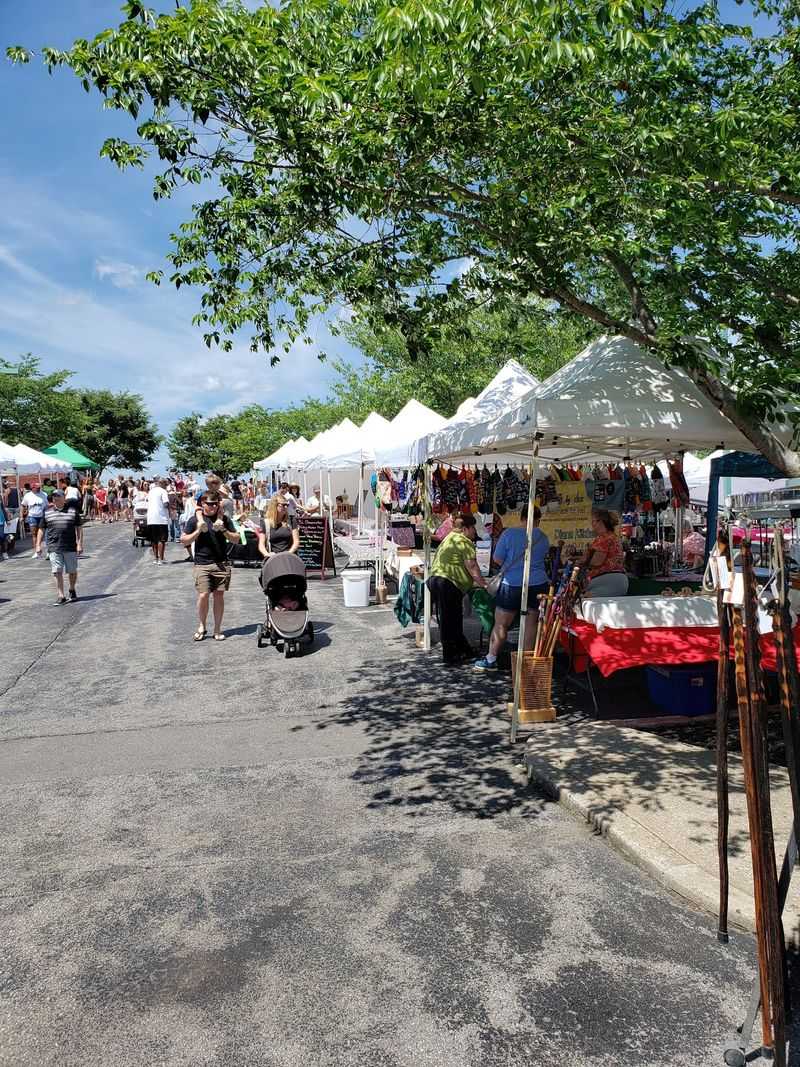
Clarksville’s downtown comes alive with market energy on designated days, with vendors filling available space with locally grown produce and handmade goods. The city’s location near Kentucky creates interesting vendor diversity, with some farms straddling the state line and bringing products influenced by both regions.
That geographic position enhances selection and creates unique shopping opportunities.
Produce vendors bring vegetables and fruits grown in the surrounding counties, with quality that reflects the area’s agricultural heritage. Rich soil and favorable climate produce excellent crops, especially fall staples like sweet potatoes, winter squash, and greens.
Vendors often suggest preparation methods and share favorite recipes, helping customers make the most of their purchases.
The dedicated fall harvest market later in the season takes autumn celebration to another level. Special events, additional vendors, and seasonal activities create festival atmosphere while maintaining focus on local food and products.
Families make it a tradition, combining shopping with entertainment and seasonal fun.
Prepared food vendors reflect Clarksville’s diverse population, offering items that range from traditional Southern cooking to international flavors. Fall ingredients appear across the spectrum, with pumpkin, apples, and sweet potatoes showing up in unexpected applications.
That creativity keeps the market interesting for regular customers who’ve tried all the standard offerings.
Handmade goods vendors bring quality crafts that make the market about more than just food shopping. Pottery, jewelry, textiles, and woodwork from local artisans give you gift options or personal treasures.
Many makers use natural materials and seasonal themes, creating items that capture autumn’s essence in lasting form.
The downtown setting means you can easily extend your market visit into broader exploration of Clarksville’s shops, restaurants, and historic sites. Many people make it a morning affair, hitting the market first then enjoying other downtown amenities.
That synergy benefits both the market and surrounding businesses while giving visitors more reasons to spend time downtown.
Parking accommodates market traffic with lots and street spaces near the market area. The layout allows for smooth traffic flow even during busy fall weekends when crowds swell.
Vendors arrange their stalls for easy browsing, and wide aisles accommodate strollers and wagons without creating congestion.
What distinguishes this market is how it serves both Fort Campbell’s military community and longtime Clarksville residents, creating interesting cultural exchange. That diversity enriches the market atmosphere and encourages vendors to bring varied products that appeal to different backgrounds and preferences.
12. Main Street Farmers Market, Dyersburg
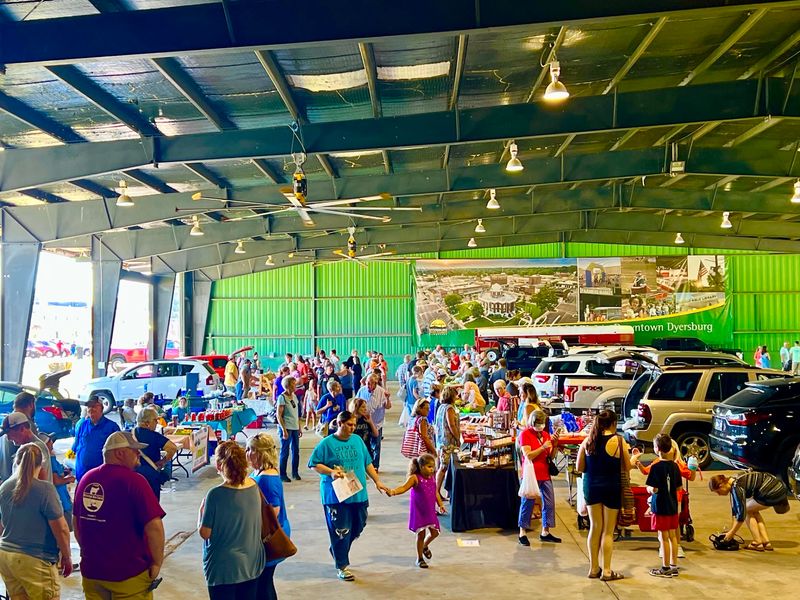
Northwest Tennessee’s agricultural bounty shows up every market day in downtown Dyersburg, where vendors bring produce grown in some of the state’s most fertile soil. The region’s Delta influence means certain crops thrive here better than elsewhere in Tennessee, creating unique selection that reflects local growing strengths.
Cotton country also produces amazing vegetables when farmers apply their expertise to food crops.
Direct-from-the-farm shopping means you’re buying from the people who actually grew what they’re selling, eliminating middlemen and ensuring freshness. That connection lets you ask about growing methods, learn about different varieties, and get cooking suggestions from people who eat these vegetables themselves.
Many farmers bring along family members, creating multi-generational operations where knowledge passes from old to young.
Fall brings sweet potatoes in quantities that reflect the region’s love for this versatile vegetable. Multiple varieties arrive as harvest progresses, from standard orange types to white and purple alternatives.
Vendors share preparation tips ranging from traditional candied yams to modern roasted preparations that let the natural sweetness shine through.
The downtown location places the market at Dyersburg’s heart, making it accessible and visible. Main Street’s historic character adds charm while modern amenities ensure comfort and convenience.
That balance between old and new reflects the market itself, where traditional farming meets contemporary interest in local food systems.
Smaller town atmosphere means vendors have time for genuine conversation rather than rushing through transactions. That unhurried pace lets relationships develop between farmers and customers, creating loyalty that benefits both parties.
Regular shoppers become advocates, spreading word about the market and supporting vendors through consistent purchases.
Seasonal shifts become obvious at this market as summer crops disappear and fall offerings take over. That natural rhythm connects shoppers to agricultural cycles and helps people eat seasonally even if they’ve never farmed.
Understanding when different foods are naturally available creates appreciation for farmers’ work and the land’s productivity.
The market serves as a community gathering spot where people catch up with neighbors and make plans beyond shopping. That social function matters in smaller towns where third spaces are increasingly rare.
Markets fill that role naturally, giving people reasons to linger and interact beyond transactional exchanges.
Northwest Tennessee’s agricultural identity shines through at this market, where farming isn’t just business but way of life. That depth of connection to the land and its productivity creates authenticity that customers recognize and value, making every market visit feel meaningful.