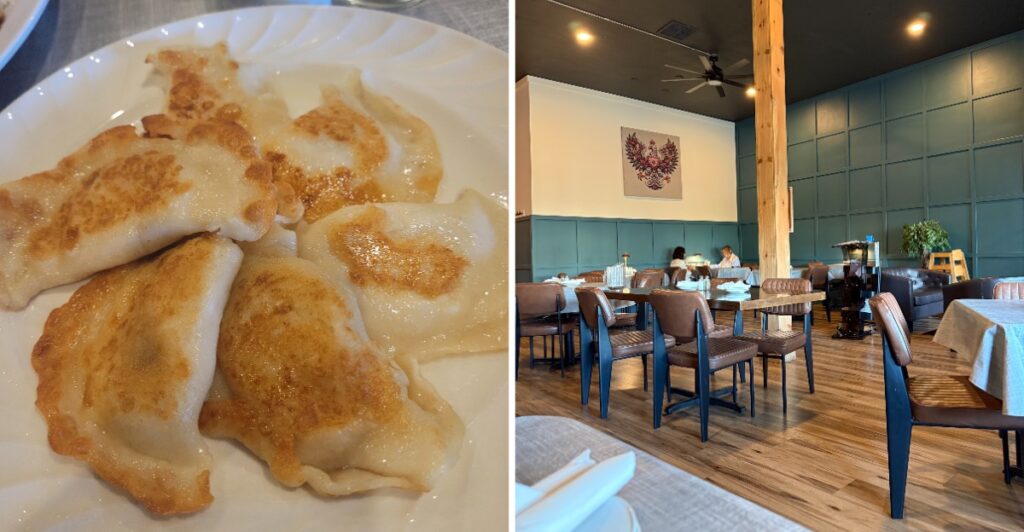
Hundreds of pierogi do not make themselves, and at Kolasa’s Restaurant in Michigan City, that daily ritual is part of the appeal. Also known as The Polish Peasant, this downtown spot keeps Polish comfort-food traditions alive with dumplings shaped by hand and a menu rooted in hearty, familiar flavors.
The effort behind each batch gives dinner a homemade quality that mass-produced versions simply cannot match. Add the welcoming dining room and generations-old culinary influence, and a plate of pierogi becomes more than another meal. For anyone craving old-world flavor in Indiana, Kolasa’s offers a delicious reason to seek it out.
Handmade Pierogi Are The Main Event
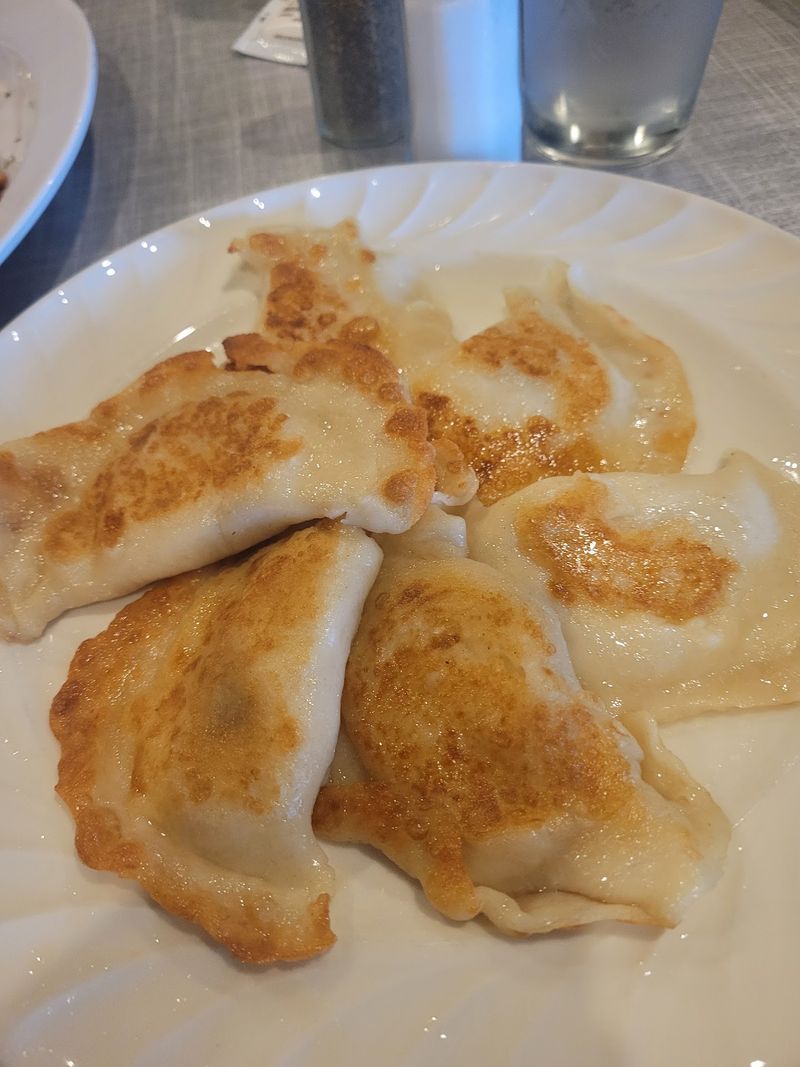
Few dishes announce a restaurant’s identity faster than a plate of pierogi, and at Kolasa’s Restaurant, they set the whole tone. The title promise about hundreds made by hand each day points to a kitchen built around labor, repetition, and skill rather than shortcuts.
That matters because pierogi only seem simple until someone has to mix dough, prepare fillings, shape each dumpling, and cook batch after batch without losing consistency.
At this Michigan City spot, pierogi are not treated like a side note tucked into the menu. They are one of the clearest reasons people seek the place out, with fillings that often include familiar favorites such as potato and cheese, meat, mushroom, and kraut.
A mixed order gives the table a better sense of the kitchen, since each filling brings its own texture and flavor while the dough ties everything together.
Handmade dumplings also change the pace of dinner in a good way. They encourage sharing, comparing favorites, and taking a little more time with each bite instead of rushing through a meal.
Soft dough, savory filling, and buttery onion toppings create comfort food that reads as special because the work behind it is easy to imagine.
Anyone ordering for the first time should consider trying more than one kind if available. Splitting an order makes it easier to compare textures, and it leaves room for other Polish dishes that show off the kitchen from a different angle.
When a restaurant becomes known for one item this strongly, the smart move is to start there and let the rest of the meal build around it.
Franklin Street Hides A Full Polish Supper
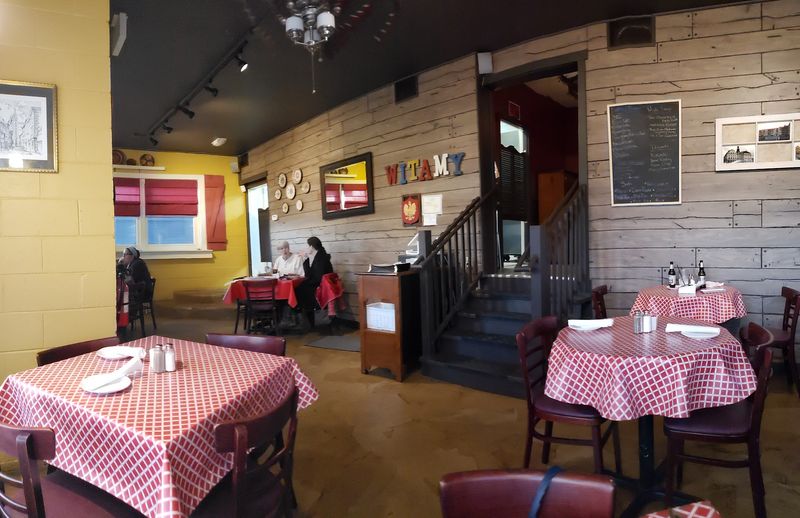
Franklin Street does not scream for attention, which makes the restaurant’s strong reputation more interesting. Kolasa’s Restaurant sits in Michigan City with the kind of profile that rewards people who look past chains and familiar logos.
The appeal begins with that slight surprise: serious handmade Polish food in a downtown Indiana setting where a passerby might not expect it.
That location shapes the whole experience. A place like this can feel more connected to the city around it because it belongs to the street instead of floating in a highway strip of copy-and-paste dining rooms.
Going there becomes part meal, part local find, with the address itself turning into useful knowledge passed between hungry friends.
Inside, the experience seems to move away from quick-turn restaurant habits. The food has a home-cooked identity, but the room is described as polished, cozy, and comfortable enough for date nights, family dinners, and birthday gatherings.
That mix matters because it gives the restaurant wider range than a strictly casual diner or a special-occasion place that feels too formal for a Wednesday.
Travelers passing through Northwest Indiana can use that to their advantage. Instead of treating Michigan City only as a lake stop or drive-through destination, dinner here adds a more rooted local angle.
The restaurant’s setting works best when visitors allow extra time, look at the meal as part of the evening, and understand that a place known for handmade dishes will not operate with the speed of a fast casual counter.
For local diners, the address becomes a dependable answer to a harder question: where to go when ordinary dinner sounds boring and a real sit-down meal sounds better.
Bread Baskets, Butter, And Bigger-Than-Expected Plates
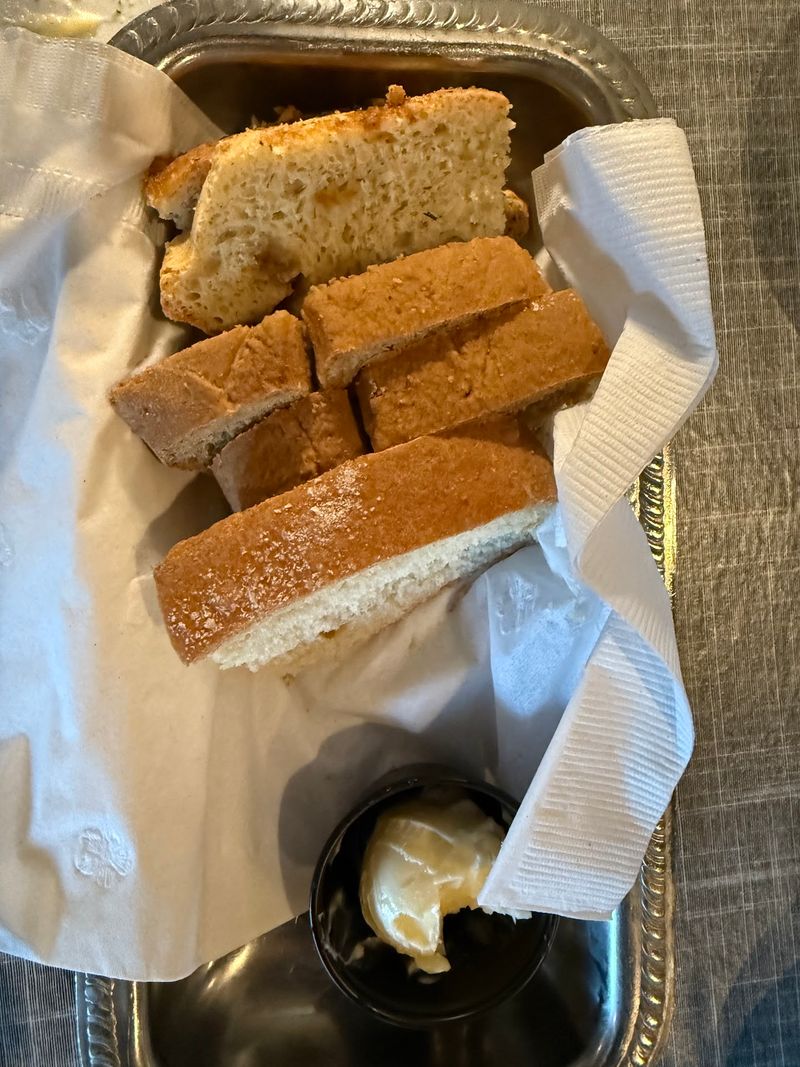
Before the main plates even land, Kolasa’s Restaurant appears to set expectations with bread. Fresh baked loaves and sweet or savory spreads show up often in descriptions of the meal, and that early detail says a lot about the kitchen’s style.
Bread service may sound small, yet it quietly tells diners they are settling in for a full supper rather than a minimalist plate-and-go experience.
Then the portions arrive and the message becomes even clearer. Polish platters, cutlets, stuffed cabbage, meatballs, potato pancakes, and chicken dishes are often described as generous, sometimes large enough to share or carry home.
That scale changes how to order, especially for first-timers who might assume they need a starter, a full entree, and dessert without realizing how much food will hit the table.
The practical move is simple. Go in with a plan to split one or two items if dining with a partner, or choose pierogi plus one larger house specialty for the table.
That keeps the meal exciting without tipping into that stuffed, slow-walking feeling that follows a dinner ordered with more ambition than common sense.
Large portions also matter for value. A restaurant can charge moderate prices and still feel especially satisfying when the meal has enough heft for leftovers the next day.
Comfort food often improves that way, since sauces settle, fillings hold together, and extra pierogi reheat beautifully in a skillet.
There is also a visual pleasure to a table loaded with bread, dumplings, cutlets, and hearty sides. The spread looks abundant in the old-fashioned sense of the word, not flashy, not tiny, and not designed mainly for photos.
It is built to feed people well, which fits the restaurant’s whole identity.
Indiana Comfort Food Gets A Polish Accent
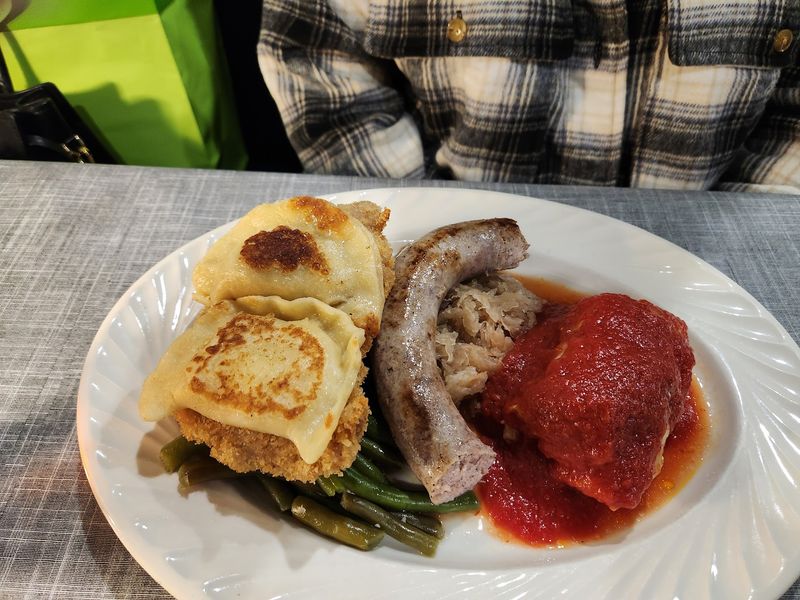
Pierogi may bring people through the door, but the menu reaches much farther than dumplings. Kolasa’s Restaurant builds a broader Polish comfort-food picture with dishes like stuffed cabbage, potato pancakes, Polish sausage, meatballs, soups, and hearty platters that let one table sample several classics in a single meal.
That range matters because it keeps the place from becoming a one-item stop. The menu also appears to handle contrast well.
A meal can move from soft pierogi to crisp-edged cutlets, from rich mushroom sauces to lighter bread and salad courses, giving dinner a rhythm instead of one heavy note repeated all night.
That makes it easier for mixed groups too, especially when one diner wants old-school Polish staples and another leans toward chicken dishes or a more familiar entree shape.
Several standouts mentioned around the restaurant hint at a kitchen that likes comfort but avoids boredom. Pretzel chicken, rosemary chicken kopytka, hunter’s stew, cabbage soup, and mushroom toast suggest a menu with room for house personality.
The result is a dinner that stays rooted in Polish cooking while still giving regulars reasons to branch out on later visits.
For a first visit, the smartest strategy is to build a meal with different textures. Start with pierogi, add a soup or potato pancake, then choose one larger centerpiece like stuffed cabbage or a platter to share.
That order gives the table a better sense of the restaurant’s style than simply picking a single entree and calling it done.
Northwest Indiana has plenty of places to eat, but not many that offer this kind of specific culinary lane. A restaurant that can carry tradition, comfort, and menu variety at the same time creates a dinner with more personality than the usual steak, burger, or pasta rotation.
A Dining Room Built For Long Dinners, Not Rush Jobs
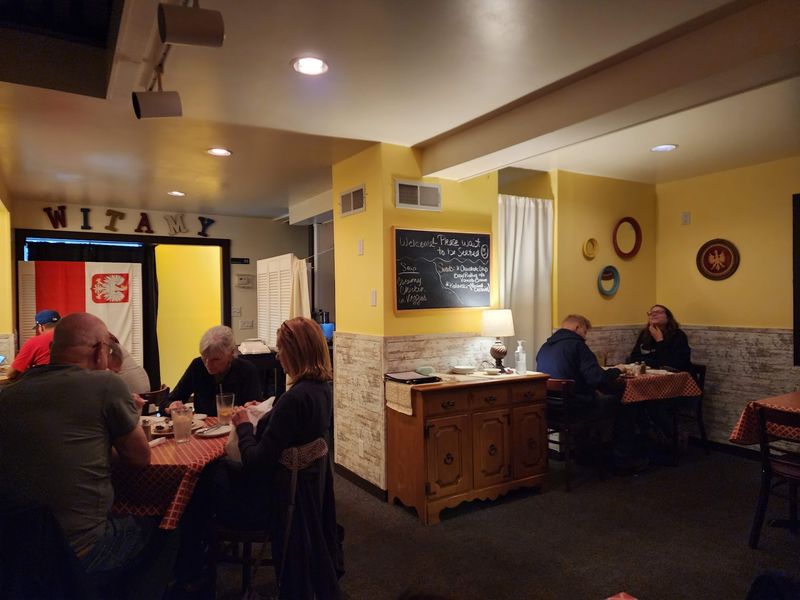
Some restaurants are designed for speed. Kolasa’s Restaurant appears to lean the other way, toward meals that unfold at a slower pace and give the kitchen room to do careful work.
That distinction is useful to know before arriving, because handmade food and packed evening service can create a longer sit than diners might expect from the modest hours alone.
The room itself sounds set up to support that pace. Descriptions regularly point to a warm interior, comfortable lighting, and a polished but approachable look that works for groups, couples, and families.
Instead of a loud sports-bar energy or a stiff formal setup, the environment seems aimed at helping people settle into dinner and stay a while.
There is a practical side to that relaxed rhythm. Handmade dishes, large tables, and busy dinner periods can mean waiting, especially on popular nights.
Anyone visiting with small children, a strict timeline, or plans afterward should build in extra time and treat the reservation, if available, as less of a suggestion and more of a smart move.
On the flip side, a slower meal often pays off at a place centered on comfort food. Fresh bread arrives, soups start the table, plates land in waves, and conversation has room to stretch.
That kind of evening fits the food better than a hurry-up schedule where everyone watches the clock between courses.
The best approach is simple: go when there is time to enjoy it properly. Choose the restaurant for a dinner you want to sink into, not for a fast bite before running errands.
In that setting, the longer pace becomes part of the charm rather than a surprise, and the dining room does what it is meant to do, hold a real evening together.
Family-Run Energy Shows Up In The Small Details
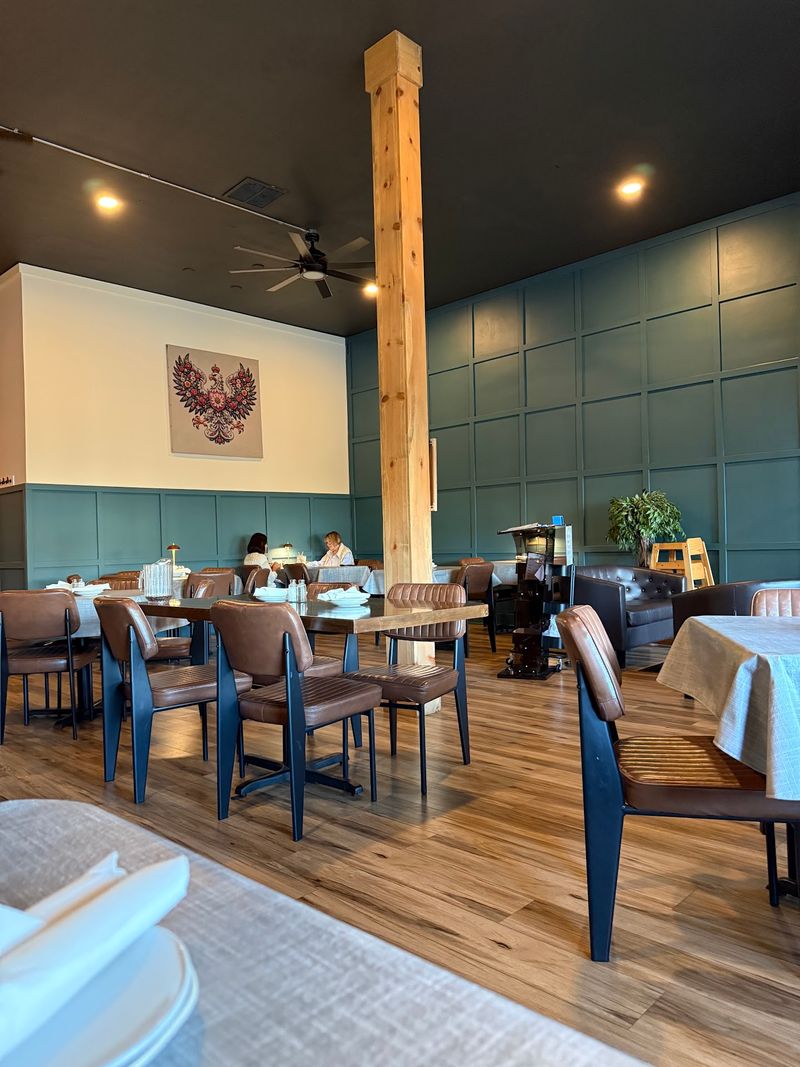
Restaurants often reveal themselves through tiny moments rather than grand speeches, and Kolasa’s Restaurant seems to do that through service and care.
The place carries a family-run energy that shows up in bread arriving warm, requests being handled with flexibility, and tables being treated as if dinner actually matters.
For a cuisine built on tradition and labor, that tone fits better than a detached, transactional style ever could. There is a reason hospitality feels so important here.
Handmade Polish food already carries a strong home-cooking association, so the service has to support that idea without turning theatrical.
A calm greeting, a little patience with ordering, and the ability to guide first-time diners through unfamiliar dishes can shape the meal as much as the seasoning.
That local connection also seems to extend beyond a standard dinner rush. The restaurant is used for group meals, celebrations, and catered events, which suggests a role larger than simply feeding whoever walks in at six o’clock.
Places like that become woven into the social life of a town because they host memory-making dinners while still functioning as neighborhood restaurants during a normal week.
For newcomers, that means it is worth asking a question or two when ordering. A server can help balance the meal, explain portion sizes, or point toward a mix of classics and house specialties.
That guidance becomes especially useful with a menu where several dishes sound equally tempting and the portions can run larger than expected.
Not every strong restaurant has a strong human presence behind it. Here, the sense of effort appears in both the food and the way the room operates.
That combination helps explain why a relatively short weekly schedule can still support a big reputation around town.
Plan Ahead For One Of Michigan City’s Most Focused Dinner Stops
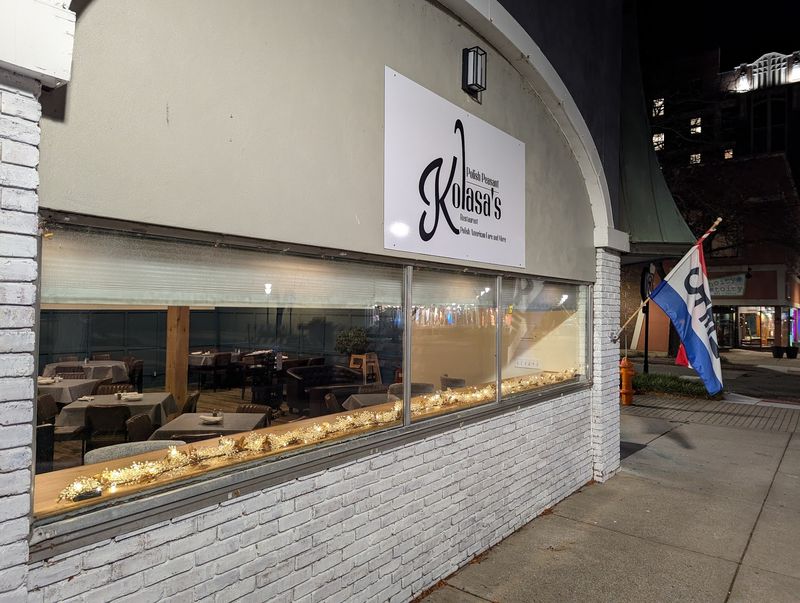
Short hours can tell a story by themselves, and here the story is focused dinner service. Kolasa’s Restaurant operates in a narrow weekly window, opening Wednesday through Saturday from 4 PM to 8 PM and staying closed on Monday, Tuesday, and Sunday.
That schedule makes the place feel more like a targeted evening destination than an all-day drop-in spot. Because of that, planning matters. A restaurant with limited dinner hours, strong local interest, and handmade signature dishes can fill up fast, especially later in the week or during special events.
Anyone hoping for a smooth visit should think like a planner rather than a wanderer, particularly if the party is large or the meal is tied to a celebration.
The best time to go depends on what kind of evening sounds best. Arriving closer to opening may offer a calmer start, while prime dinner hours can bring fuller rooms and more buzz.
Larger groups should expect that a little coordination goes a long way, since this is not the kind of place built around constant empty tables waiting for walk-ins.
There is another advantage to knowing the hours in advance. It helps set expectations for the pace, the reservation question, and the possibility that certain nights may be busier because the restaurant is only open four days a week.
When people have fewer chances to go, they tend to choose the place with purpose. That final detail says plenty about why this spot stands out. Kolasa’s Restaurant does not try to be everything at every hour.
It focuses on dinner, leans into handmade Polish specialties, and lets that identity do the heavy lifting. In a world full of all-day sameness, that kind of narrow confidence is refreshing.
Share this story