
The price tag attached to a private college can make some families cross it off the list before touring the campus. DePauw University in Greencastle is giving qualifying students another reason to look, with a tuition program designed for families earning under $100,000. That kind of financial support can dramatically change the conversation about whether a private education fits the household budget.
Of course, tuition is only one piece of the total college cost, so understanding eligibility requirements and other expenses remains important. For prospective students, DePauw’s offer could make this historic Indiana campus considerably more attainable.
Indiana’s Historic Campus Has a Big New Money Question
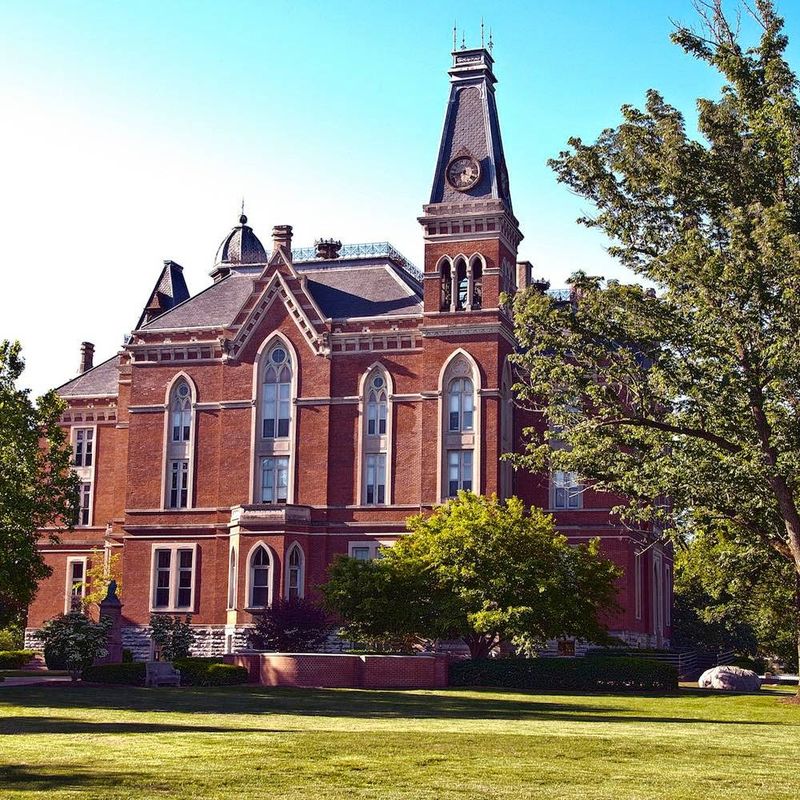
Old buildings and a serious price question share the same campus in Greencastle. DePauw University has a long history, but families looking at it today may start with a much newer concern: how much college will actually cost. Its tuition offer for families making under $100,000 gives that conversation a useful starting point.
A walk around campus helps put the question in focus. Paths connect academic buildings and green spaces, so a student can picture an ordinary Tuesday instead of only a graduation photo.
Greencastle is a small Indiana city, and DePauw is part of its daily life. The setting is different from a huge school spread across a busy downtown.
Still, an attractive campus cannot answer a financial aid question. Before making plans around the headline, ask DePauw which entering students qualify, how family income is measured, and whether other financial details affect eligibility.
Ask if the tuition offer continues for later years and what a student must do to keep it. Get the answers for the year you plan to enroll.
Students should also think about fit while they look around. Can they find the subjects they want to study? Would they enjoy learning in a smaller college setting?
Where would they spend time between classes? Those questions matter even when tuition is covered, because a good choice needs to work both in the classroom and at home.
The most useful campus visit pairs a tour with a financial aid conversation. Bring questions, take notes, and ask for a written cost estimate when one is available. Then the historic buildings become more than a pretty backdrop.
They become the place where a family can test whether an exciting offer matches its own numbers and a student’s real plans.
Free Tuition Is Not the Same as a Free Year
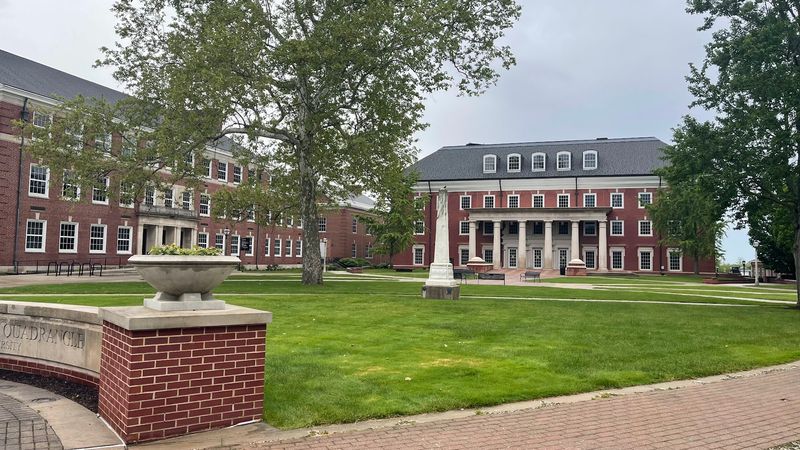
A tuition bill can fall to zero while other college costs remain. That is the first thing to understand about DePauw’s offer for families making under $100,000. Tuition pays for classes.
A student may also need to pay for housing, meals, books, travel, and personal supplies. Those costs deserve their own careful look.
Imagine two students who receive the same tuition help. One lives close enough to visit home easily; the other must pay for several long trips each year. Their budgets will not look the same.
Housing choices can change the total, too. A headline about free tuition is good news, but it is not a complete price tag.
Ask the university for a full estimate that separates direct charges from other expected costs. Direct charges are bills sent by the school, such as tuition and, when applicable, campus housing and meals. Other costs might include textbooks, transportation, or daily needs.
Check whether the estimate lists grants, scholarships, loans, and work options separately, rather than treating all aid as equal.
Grants and scholarships usually do not need to be paid back when their rules are met. Loans do. A work option means earning money through a job, not receiving cash at the start of the term.
Learning those differences makes it easier to compare DePauw with another college whose letter uses different words or groups expenses in another way.
Keep a simple worksheet for each school on your list. Write down the total cost, aid that does not need repayment, and the amount your family must cover. Leave room for questions about future years.
When an answer is unclear, ask for an explanation before deciding. A clear budget turns a promising tuition offer into a plan a family can actually use.
The $100K Line Calls for a Closer Look
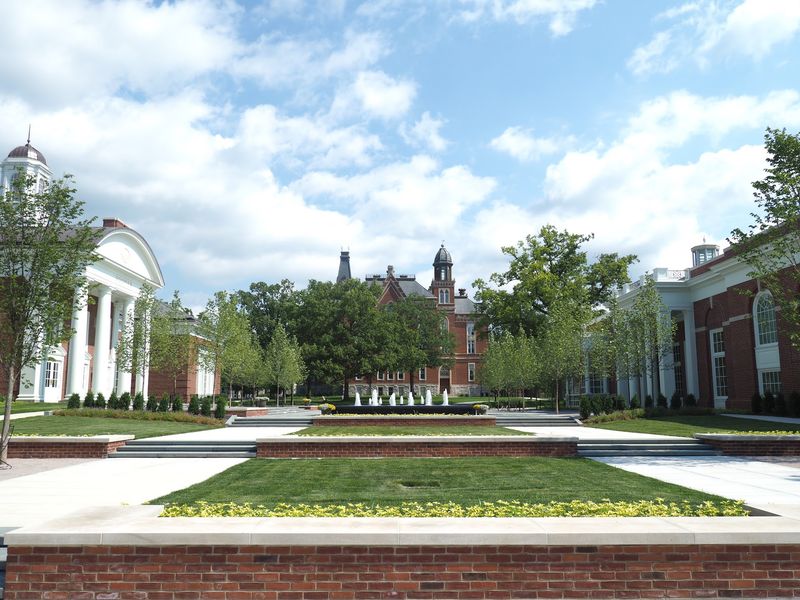
One number grabs attention: $100,000. Yet a family’s income story rarely fits neatly on a single line. A parent may change jobs, own a small business, or have two children heading to college.
If DePauw’s tuition offer catches your eye, the next step is to learn exactly how the school decides who qualifies. Start with the words used in the current offer.
Does the income limit refer to household income, a figure from a tax return, or another measure? Are there rules about assets, citizenship, enrollment, or completing aid forms?
Do not guess from a social media post or an old article. A rule that sounds simple in a headline may have details underneath.
Families near the cutoff should ask especially clear questions. If income changes during the year, find out which tax information is used and whether the school considers a loss of work or another major change.
Students should also ask if they need to apply by a certain date. Missing a required form could matter even when a family otherwise meets the income rule.
A useful conversation with financial aid staff can be short and direct. Explain the household situation, ask which documents are needed, and write down the answer. If several adults support a student, ask how that arrangement is counted.
Keep copies of submitted forms and note when each one was sent. Good records make follow-up much easier when decisions arrive.
The goal is not to find a clever way around a rule. It is to get an accurate answer early enough to make sound plans. DePauw’s under-$100,000 message gives families a reason to ask.
The school’s current eligibility terms will tell each family whether that message applies to them and what steps must come next.
A Small-City Campus With Room to Explore
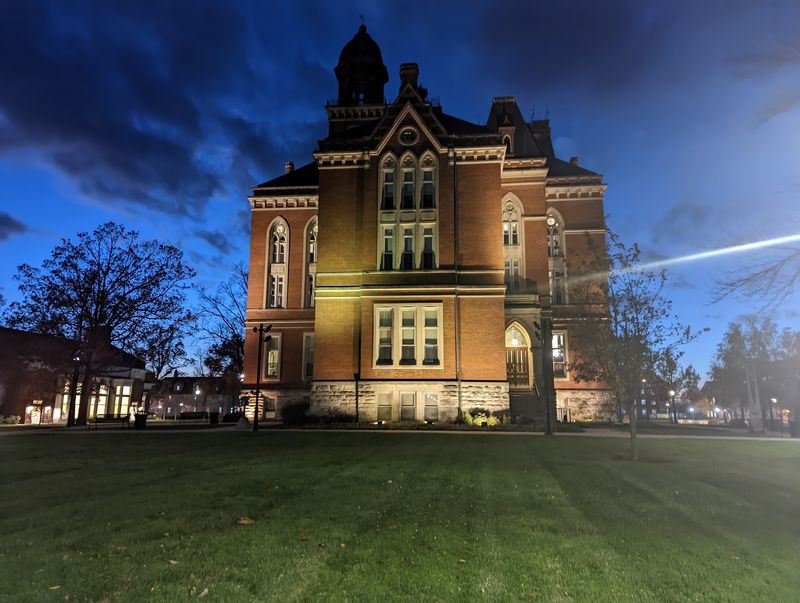
Greencastle gives DePauw a setting students can picture without a map of a giant city. Campus paths, lawns, and academic buildings shape the trip from one class to another.
For a student deciding whether to apply, walking those routes can answer a question no brochure can: would an ordinary day here suit me?
Begin a visit with the places a student would use every week. Look at teaching spaces, study areas, and the routes between them. Ask a guide how students get across campus when they have classes close together.
If a subject matters to you, request a look at the building or space where that work happens. A general tour may not cover it.
Pay attention to Greencastle as well. A college in a smaller city can offer a different daily routine from one in a large metro area. Think about errands, meals, transportation, and trips home.
Students who hope to travel often should check their options in advance, especially if they will not bring a car. The practical details shape a semester more than a perfect campus photo.
Leave some unscheduled time after a guided tour. Walk a route twice, once while listening to a guide and once at your own pace.
Notice where students gather, where quiet study might be possible, and whether the distances work for your needs. If access to a building or service matters, ask for specific information rather than relying on appearances.
The tuition offer may get DePauw onto a family’s list, but daily life belongs on that list too. A student can admire an old building and still need the right classroom, schedule, and support. By the end of a careful visit, the view should include more than scenery: it should include the walk to the next class.
Look Past the Tuition Offer to the Classroom
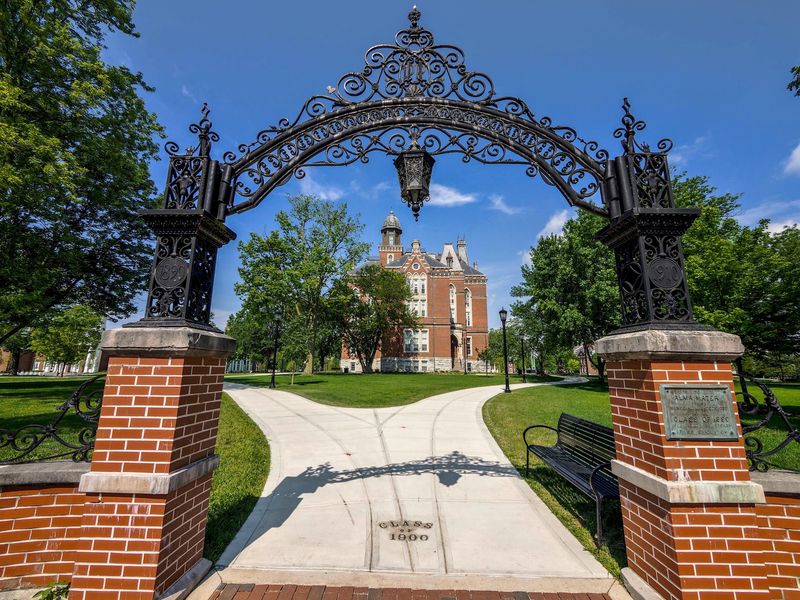
A financial offer can open a door, but students still have to choose what to study behind it. DePauw is a private university with a liberal arts focus. That makes the academic questions just as important as the price questions.
Before applying, students should check current majors, course options, and requirements against their own interests.
Start with a subject you already like, then look beyond its title. Which first-year courses introduce it? Are there chances to try a different field before settling on a path?
If you have a possible career in mind, ask how students connect classroom work with practical experience. Specific course and advising questions will tell you more than a broad claim about academic quality.
Students who are unsure of a major have questions of their own. Find out when a major must be declared and what help is available for planning courses.
Ask how a student changes direction if a first choice does not fit. College can reveal an interest nobody expected in high school, so room to explore may be valuable.
Try to speak with someone who can explain the academic experience in plain terms. What does a typical week of reading, writing, or lab work look like in the subjects you are considering? How do students get help when a class is difficult?
If you can visit while classes are in session, note whether the spaces and pace seem right for you. Price and purpose should meet on the same page.
Write down two or three academic reasons DePauw interests you, along with the unanswered questions. Bring that page to an admissions conversation.
The under-$100,000 tuition offer can make the university easier to consider; a close look at its classrooms helps decide whether it belongs on your final list.
Make the Administration Building Visit Count
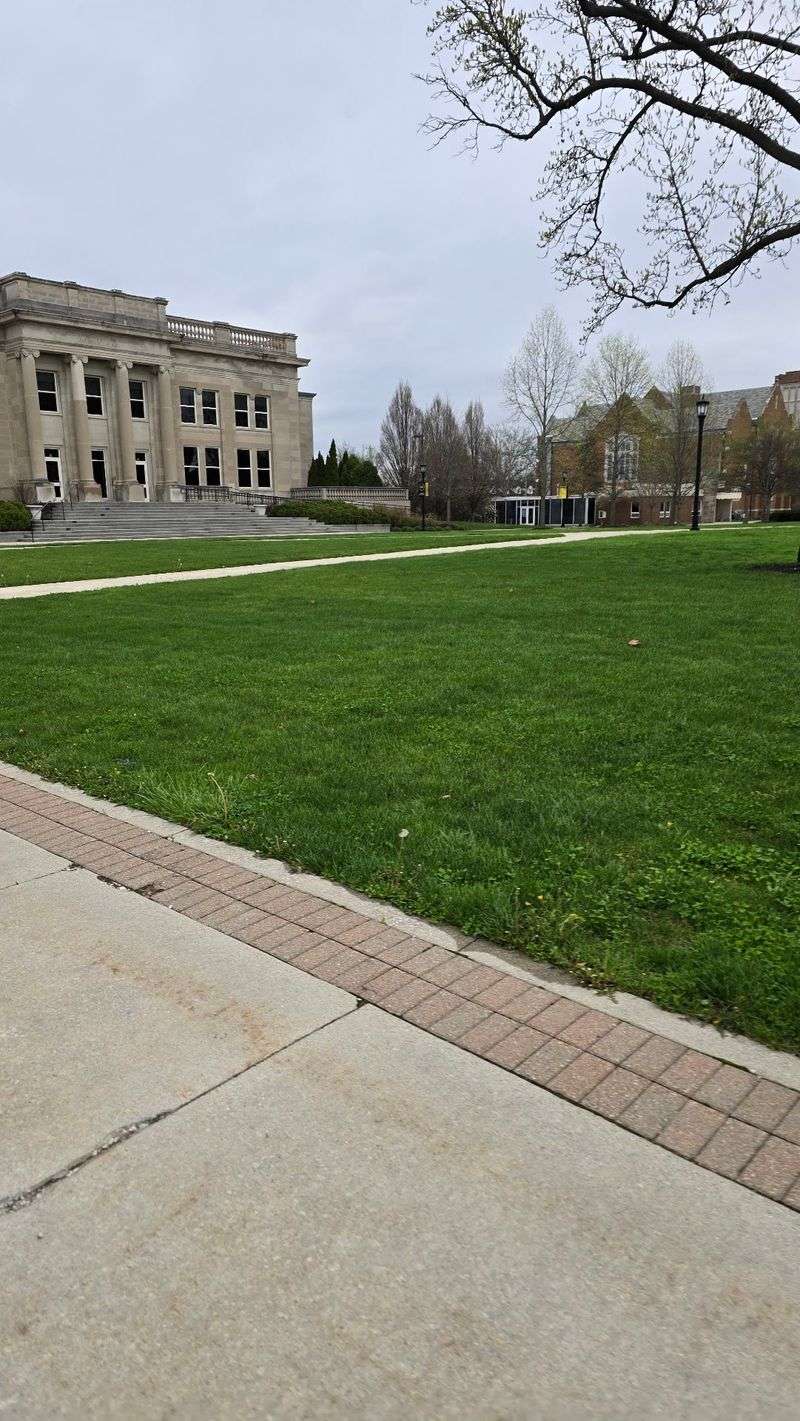
An address is most helpful when it leads to the right conversation. DePauw University’s listed location is on the mezzanine level of the Administration Building at 313 S Locust St in Greencastle. Families planning a visit can use that detail as a starting point, then confirm where their tour or appointment will actually begin.
Before traveling, check the date, arrival instructions, and any building access details in your visit confirmation. A campus tour, admissions meeting, and financial aid appointment may not all start in the same place.
If you want to discuss the tuition offer, request time for that topic when arranging your visit. A tour guide may not be able to explain a personal aid estimate.
Bring a short list of questions rather than a thick folder of every college paper you own. Ask how to apply for aid, which deadlines apply, and when families receive cost information. If you already have an estimate, mark the lines you do not understand.
Keep private financial documents secure, and provide them only through the process the university directs you to use.
Students should have their own questions ready, too. Ask to see the spaces tied to your interests and learn where to find academic or student support.
If a particular access need affects your visit or future classes, raise it directly so you can get useful details. There is no prize for leaving with unanswered questions because the schedule felt busy.
Afterward, write down what you learned while the conversation is fresh. Separate confirmed facts from points that need follow-up. Save any written estimate and note who can clarify it later.
The Administration Building address may be one small detail in a college search, but a well-planned visit can turn that stop into clear next steps.
The Smart Next Step Is a Written Cost Comparison
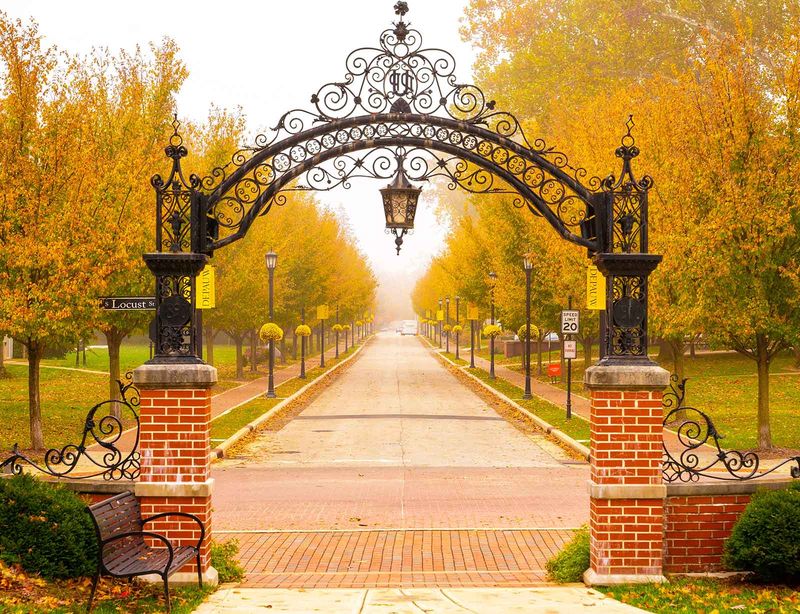
A striking headline should lead to a useful piece of paper. For families interested in DePauw, that paper is a current, personal cost estimate.
The under-$100,000 tuition offer sounds straightforward, but a real decision depends on eligibility, other expenses, and the aid shown for a particular student. Compare numbers before celebrating or ruling anything out.
First, make sure you know which aid year the estimate covers. Then check tuition, housing, meals, and other expected costs one line at a time. Circle grants and scholarships, and keep loans in a separate column.
If an amount depends on a job, a deadline, or another condition, write that condition beside it. A neat page makes surprises easier to spot.
Next, ask what may change after the first year. Find out whether the tuition offer must be renewed, which forms are required each year, and how changes in family finances are handled. No family can predict every future bill.
Knowing the rules, though, helps students avoid building a four-year plan around a single first-year figure. Use the same method for every college under consideration.
One school may show a lower starting price while leaving more to pay after aid. Another may offer a larger scholarship but have higher living costs.
Put comparable totals side by side, then add the factors that cannot fit in a calculator: academic choices, campus needs, and travel from home.
DePauw’s historic setting and tuition message make an eye-catching pair. Neither should replace a careful question or a clear answer.
A family that checks the current terms, tours the campus, and reads its own aid estimate can judge the offer on solid ground. The best ending to a college search is not a headline. It is a choice the student understands.