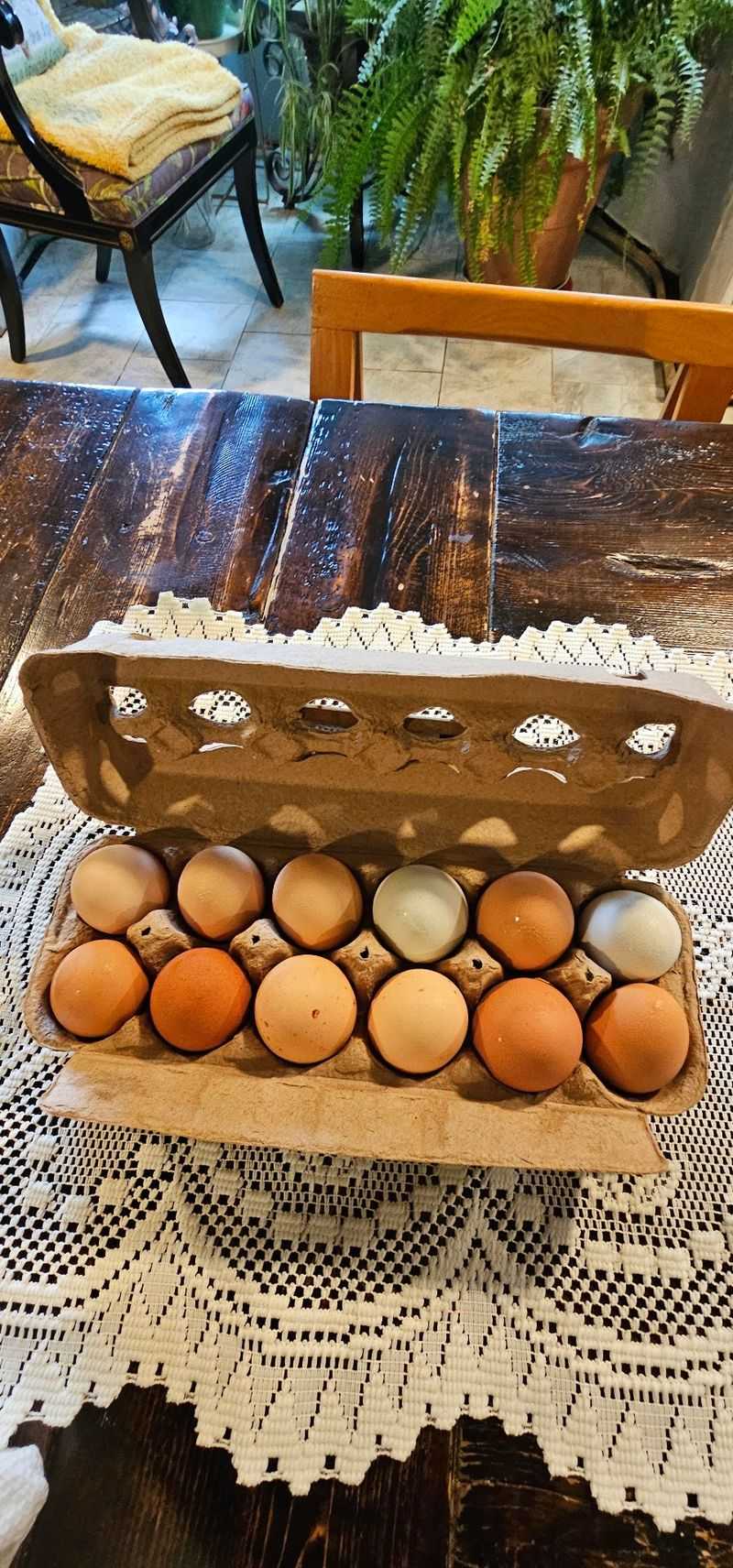
A carton of eggs can be surprisingly colorful when the hens spend their days outside. At Wormuth Farm, shells arrive in soft browns, creams, blues, and greens, while the yolks carry the deep golden color that makes an ordinary fried egg look restaurant-ready.
The same direct connection runs through everything sold here. Chickens forage on fresh grass, lambs graze across the hillside, and pigs root around wooded ground before the meat is processed at USDA-inspected facilities and returned to the farm for sale.
There is no mystery distributor tucked between the pasture and the package. This small Wantage operation raises what it sells, offering pasture-raised poultry and pork, grass-fed and grass-finished lamb, and chicken and duck eggs.
Customers can order online or visit the weekend farm store at 577 County Road 519. Bring a cooler, leave room in the freezer, and expect the scenic drive through Sussex County to become part of the experience.
A Small Farm Hidden in the Hills of Wantage
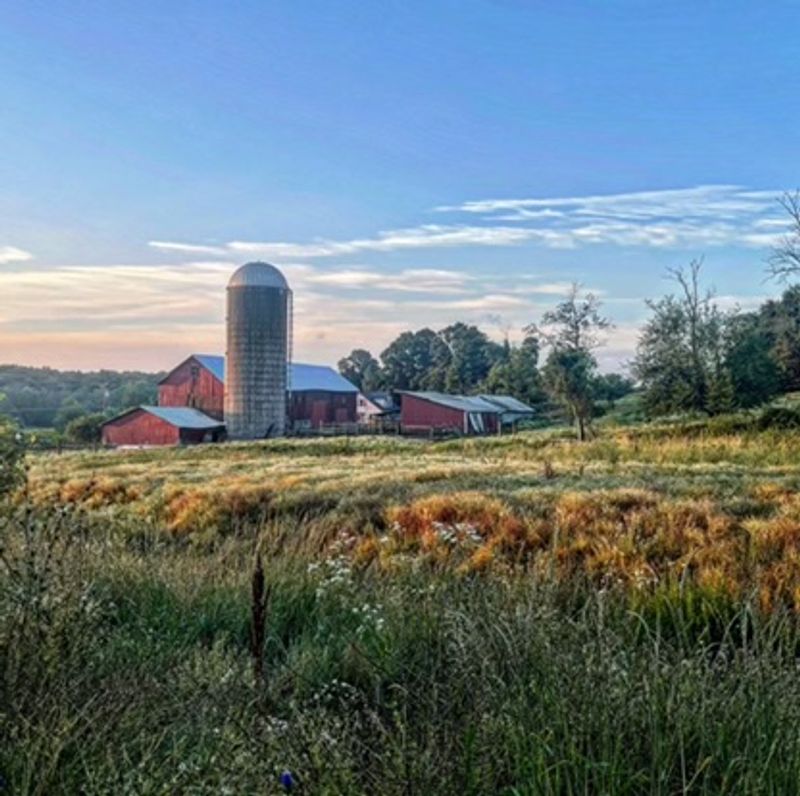
County Road 519 does not feel like the approach to a typical shopping trip. The road rolls through the rural northern edge of New Jersey, where wooded ridges break open into fields and traffic lights become increasingly scarce.
Wormuth Farm sits at 577 County Road 519 in Wantage, surrounded by the kind of Sussex County landscape that reminds you why New Jersey is called the Garden State. This is not an agritainment complex with ticket booths, hayride lines, and a barn full of souvenirs.
It is a working family farm where animals are raised, chores dictate the schedule, and the store’s inventory follows the realities of the season. The property lies around the slopes of Rutan Hill, the ancient geological formation often nicknamed the Beemerville volcano.
There is no smoking crater to inspect, but its volcanic history helped shape the mineral-rich ground beneath this corner of Wantage. That land supports the grasses on which the farm’s animals feed, creating a visible chain between soil, pasture, livestock, and dinner.
The scale also matters. On a smaller operation, decisions are made animal by animal and field by field rather than according to the demands of an industrial production line.
Wormuth Farm raises its own poultry, lamb, and pork, then works with USDA-inspected processors for butchering and packaging. Customers receive clearly packed frozen meat without the long, anonymous journey associated with a supermarket freezer.
Cell service can become unreliable along the rural roads, so it is smart to save the address before leaving home. A cooler is equally useful, especially when the return journey involves summer temperatures or a few unplanned stops.
Out here, buying groceries begins with a country drive and ends within sight of the fields that produced them.
Chickens and Ducks Raised on Fresh Pasture
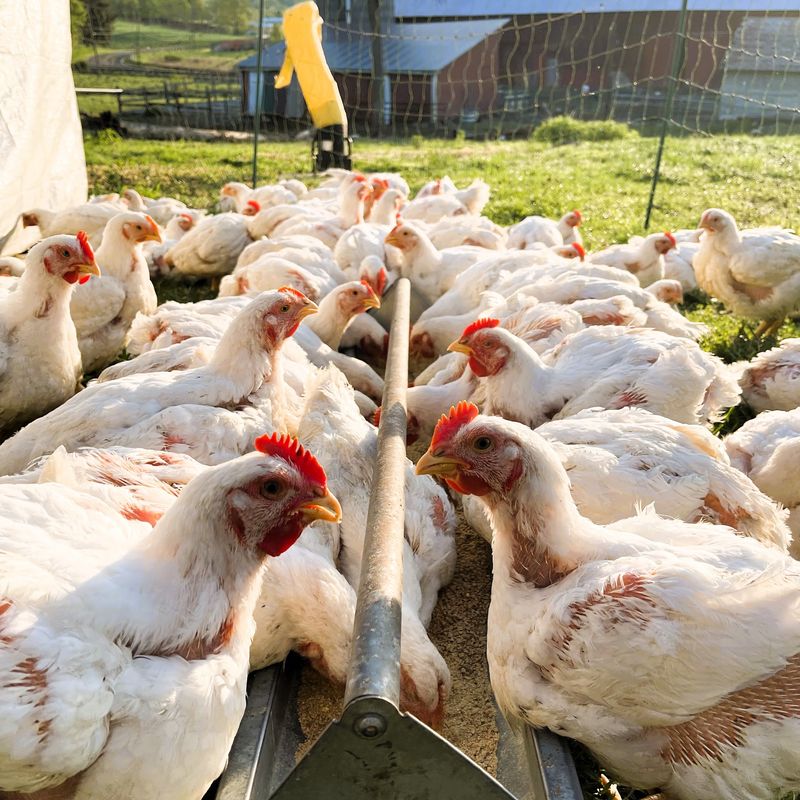
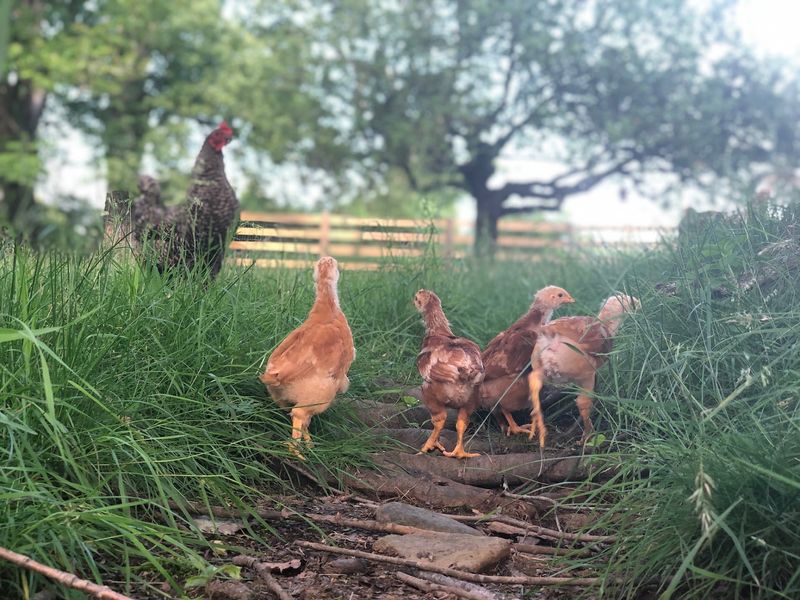
Every day, the chicken coops move. That simple routine is one of the clearest examples of how Wormuth Farm approaches poultry.
The birds live in floorless shelters that can be shifted onto a fresh patch of pasture, giving them new grass, insects, seeds, and room to scratch. By tomorrow, they will have another clean section to explore.
It is a system that works for both bird and field. Chickens get to perform the natural behaviors that occupy them from morning onward, while their manure is spread across the pasture rather than concentrated in one worn enclosure.
The grazed patch can then rest and regrow. Ducks and chickens are kept outdoors whenever conditions allow, with sunshine, moving air, and actual soil underfoot.
That life produces poultry quite different from the uniformly oversized packages in a supermarket case. Whole chickens may vary in weight, and individual cuts reflect the animal rather than a factory specification.
The selection can include whole roasters, breasts, thighs, drumsticks, wings, backs, necks, feet, livers, hearts, and gizzards. Even the less fashionable pieces have devoted fans.
Backs, necks, and feet produce a stock with body and richness, while livers can become pâté or a quick skillet supper. Current online prices give shoppers a sense of the range, with two-pound drumstick packages around $12, wings around $13, and whole birds generally starting above $20, although inventory and pricing can change.
Pasture-raised chicken also rewards gentler cooking. A whole bird needs little more than salt, pepper, butter, and an oven, while thighs are forgiving enough for the grill.
The flavor is fuller, the texture is firmer, and the crisp skin tends to disappear from the platter before anyone starts dividing up the leftovers.
Grass-Fed Lamb and Forest-Raised Pork
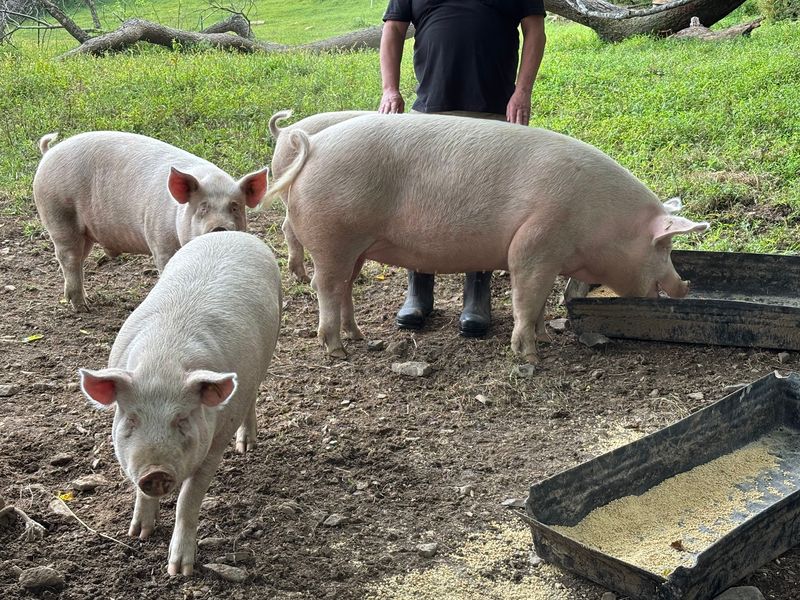
Pigs are enthusiastic landscape remodelers. Give them leaves, soft earth, and a shady patch of woods, and they will spend hours rooting, sniffing, and turning over the ground with impressive determination.
At Wormuth Farm, that instinct is accommodated rather than suppressed. The pigs occupy outdoor areas combining pasture and woodland, where they can dig, explore, and escape the strongest summer sun beneath the trees.
Their pork appears in familiar cuts such as chops, ribs, shoulder roasts, ham, ground pork, bacon, and sausage. There are also options for cooks who use the whole animal, including fat, heart, bones, and other specialty cuts.
A boneless shoulder roast is built for a slow Sunday braise, while spare ribs need only a dry rub and patience. Breakfast receives the most immediate upgrade from naturally cured smoked bacon or Sicilian-style sweet and hot Italian sausage.
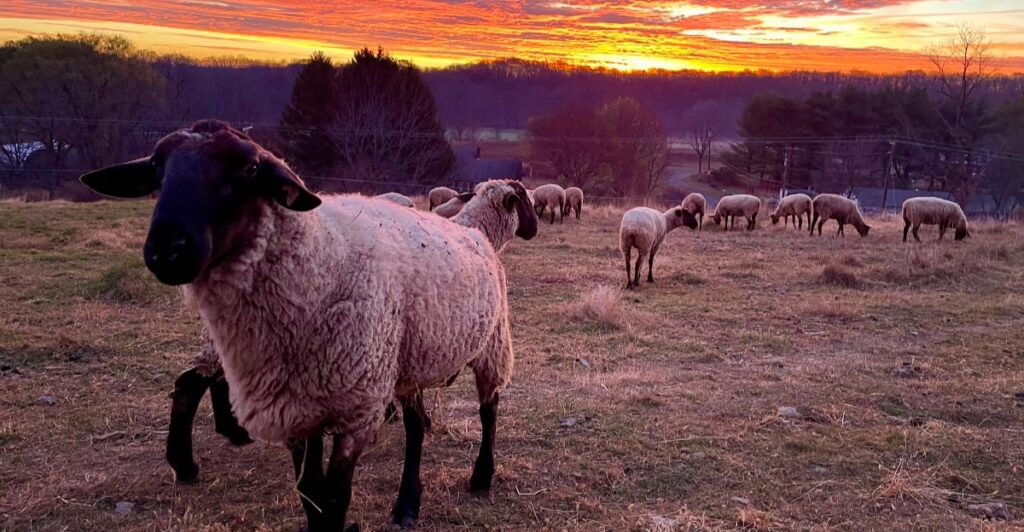
Across the pasture, the sheep follow a different menu. Wormuth Farm’s lambs are grass-fed and grass-finished, meaning forage remains the foundation of their diet rather than giving way to a grain-heavy finishing program.
The result is lamb with a distinctive but balanced flavor that works in dishes far beyond the annual holiday roast. Ground lamb makes excellent burgers and meatballs, chops cook quickly in a cast-iron pan, and a leg can anchor a family meal with garlic, rosemary, and plenty of resting time before carving.
Availability is naturally more limited than at a large butcher shop because livestock mature according to their own schedules. A particular cut may sell out and return after the next processing date.
That rhythm encourages a little flexibility. Go in planning for pork chops and you may leave with kielbasa, lamb steaks, or a shoulder roast that decides Sunday dinner for you.
Farming Practices That Give the Land Time to Recover
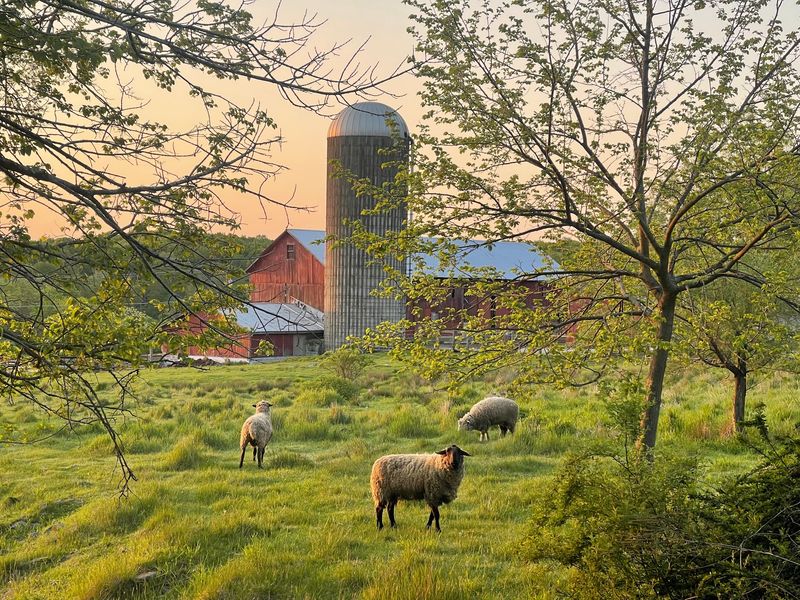
A healthy pasture sometimes needs to be left alone. After animals have grazed one section, moving them elsewhere gives the plants time to rebuild their leaves, deepen their roots, and store energy before the next pass.
Wormuth Farm uses this kind of managed movement across its land, matching each animal’s natural habits with the needs of the ground. Chickens move onto fresh grass in portable shelters.
Sheep graze vegetation directly. Pigs work through pasture and woodland, disturbing the soil in a completely different way.
Instead of asking one field to support constant use, the farm creates periods of activity followed by recovery. That principle sits at the center of regenerative agriculture, a term that can sound suspiciously fashionable until you see what it means in practice.
Rested ground holds water more effectively, maintains plant cover, and supports worms, insects, birds, and varied grasses. Manure becomes fertilizer distributed by the animals themselves instead of waste collected in one place.
The farm does not use antibiotics or growth hormones as shortcuts, and animals are allowed to develop at a natural pace. Supplemental feed is sourced through nearby growers and mills, keeping another part of the supply chain close to home.
None of this makes farming effortless. Moving shelters, watching pasture conditions, managing fencing, and adjusting rotations to weather require daily attention.
A rainy stretch can turn an easy plan into mud management, while summer heat changes where animals need to spend the afternoon. The payoff is a system in which livestock and land support one another.
Shoppers see the result in the products, but the deeper difference is visible outside the store. One paddock may be freshly grazed while another stands green and rested, ready for the cycle to begin again.
The farm is not simply taking from its acreage. It is giving each section enough time to keep producing.
A Farm Store Stocked With Meat and Colorful Eggs
The freezer cases at Wormuth Farm are more practical than polished, and that is part of their appeal. Packages of chicken, pork, and lamb sit only a short distance from the ground where the animals were raised.
The selection can cover everything from convenient weeknight cuts to the ingredients for a serious cooking project. Ground pork and sausages are easy choices for pasta sauce or breakfast, while chicken carcasses, feet, and necks are aimed squarely at cooks who understand the value of a rich stock.
Pork shoulder, smoked ham, spare ribs, lamb chops, and whole chickens appear according to processing schedules and demand. Prices vary by cut and package weight, with examples including ground pork around $9, naturally cured smoked bacon around $15, pork sausage around $14, and chicken backs starting near $13.
Those figures can shift, and popular items sometimes disappear from the freezer before the next batch arrives. Then there are the eggs.
Both chicken and duck eggs may be available, with shells in a naturally varied palette that makes opening the carton unexpectedly fun. Chicken eggs handle the daily basics, from fried eggs with crisp edges to a soft scramble.
Duck eggs are larger and richer, with substantial yolks and thicker whites. Bakers particularly appreciate them in cakes, custards, enriched doughs, and fresh pasta.
The farm store is generally open Saturdays and Sundays from 11 a.m. to 3 p.m., though confirming the schedule before a long drive is sensible. Customers can also order online for farm pickup, and the posted pickup discount can make stocking the freezer more economical.
Bringing an insulated cooler keeps frozen packages protected on the way home. Unlike a supermarket run, the available cuts may guide the menu rather than the other way around, which is how a package of unfamiliar lamb or a bag of chicken feet becomes the beginning of something unexpectedly good.
A Scenic Weekend Trip Through Sussex County
The landscape changes noticeably as the drive moves north through Sussex County. Dense development loosens its grip, mountains appear beyond the fields, and two-lane roads begin following the shape of the land instead of cutting straight across it.
Wantage sits within that quieter patchwork of farms, woods, wetlands, and low ridges, making a stop at Wormuth Farm easy to fold into an unhurried weekend outing. The farm is roughly 10 minutes from Sussex Borough and about 20 minutes from High Point State Park, depending on the route.
High Point provides the natural pairing. Its monument stands at the highest elevation in New Jersey, 1,803 feet above sea level, with views extending into New York and Pennsylvania on a clear day.
A short stop at the overlook works well before picking up frozen meat, while hikers can choose from longer trails through the surrounding forest. The Wallkill River National Wildlife Refuge is another nearby option, protecting wetlands and grasslands that attract waterfowl, raptors, and migratory birds.
The Liberty Loop Trail, near the New York state line, offers a mostly level walk through open habitat where the sky feels considerably bigger than it does farther east. Back on County Road 519, preserved farmland and wooded slopes provide the scenery without requiring any formal itinerary.
Spring brings young animals and bright pasture growth, summer fills the roadsides with green, and fall turns the ridges copper and red. Winter has its own stripped-down beauty, though a cooler still comes in handy because a heated car is no friend to frozen pork.
The practical rhythm is simple: spend part of the day outside, reach the farm during its weekend hours, and head home with dinner packed in the trunk. By evening, the Sussex County hills are no longer merely scenery.
They are part of the story behind the chicken roasting in the oven or the sausage browning in the pan.
Share this story