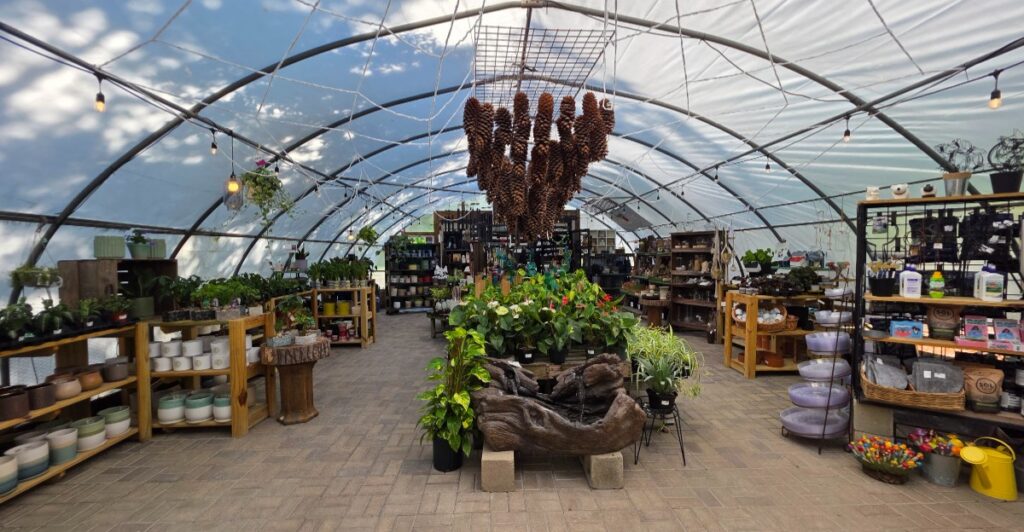
Bring an empty trunk to The Growing Place Garden Center in Naperville, because stopping for one plant can quickly turn into a much bigger haul. Spread along Plank Road, this longtime nursery feels surprisingly peaceful, with mature shade trees, a pond, and rows of colorful perennials creating an atmosphere closer to a garden than a typical store.
Regulars return for hardy plants at approachable prices, while knowledgeable staff can help take some of the guesswork out of planning a landscape. With options for different seasons and growing conditions, it is easy to imagine what could work back home. Just remember to save enough space in the car.
A Nursery That Looks Like a Park on Plank Road
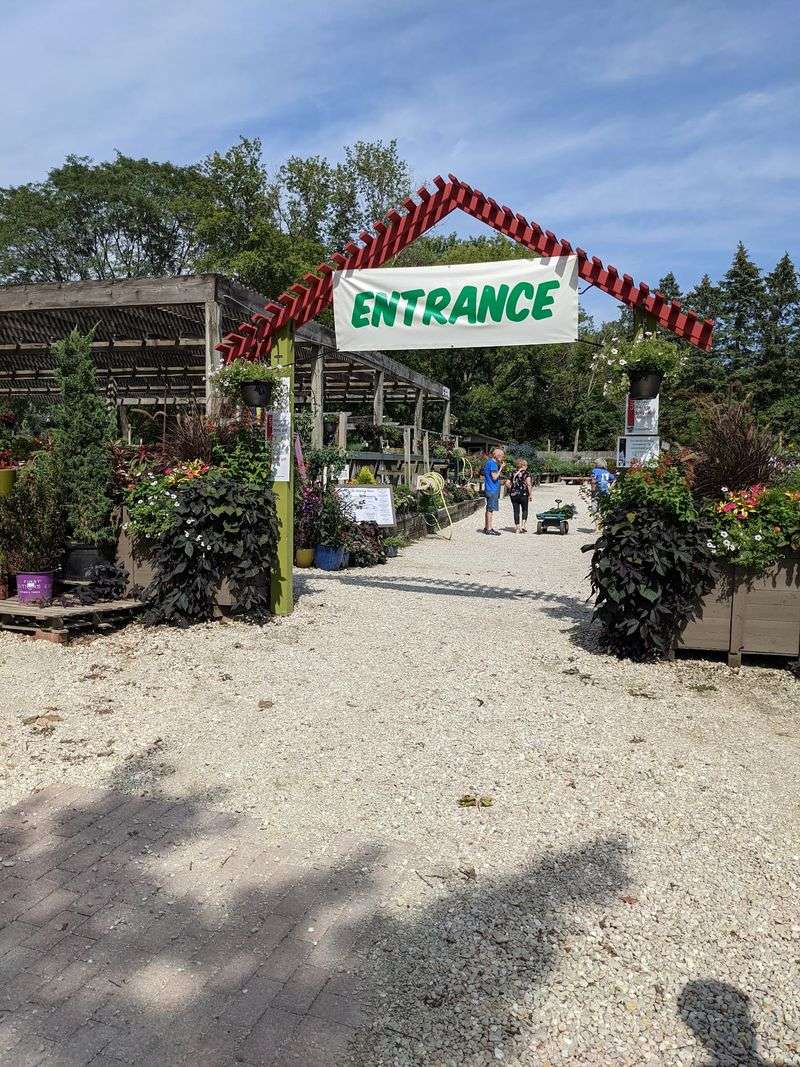
Pull into the lot and the first thing you notice is shade. Big, old trees spread their branches over the paths, so the whole place stays cooler than the open asphalt of a typical big-box garden aisle.
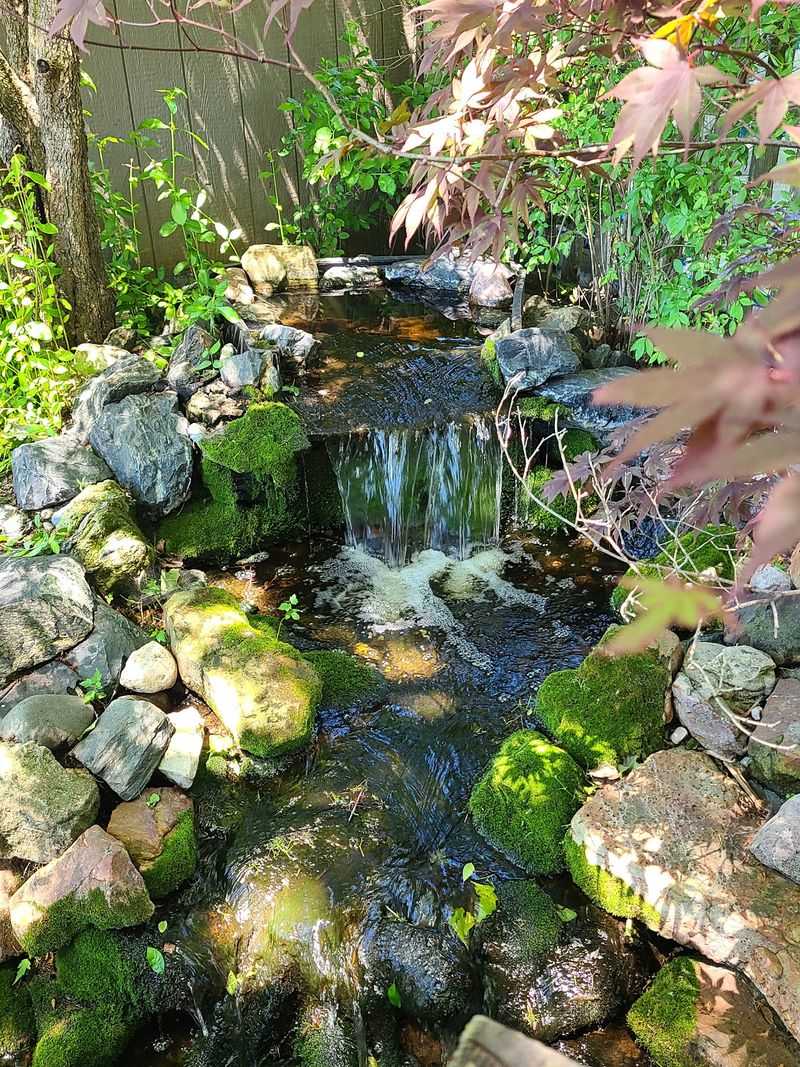
That shade changes how you shop. Instead of rushing from one hot table to the next, you slow down and wander. Paths curve past a pond, a small waterfall, and a little stream, with benches tucked into quiet corners where you can sit and think about what your yard needs.
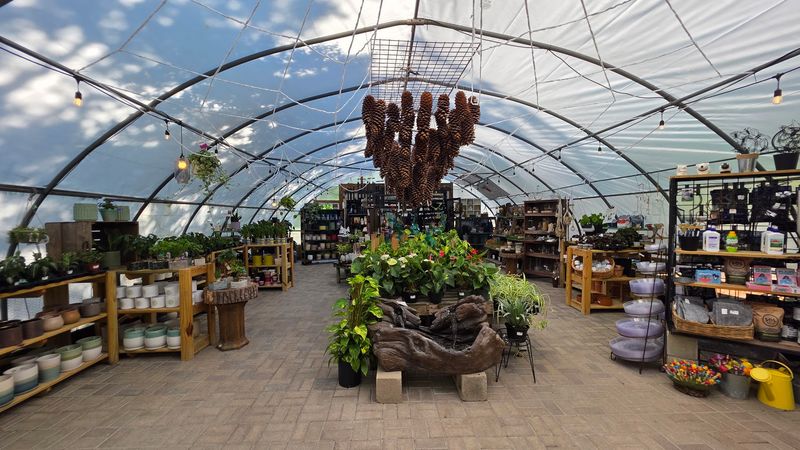
Most nurseries line plants up in straight aisles under plastic roofs. Here, the layout feels more like a backyard tour. Little garden areas pop up between the sales tables, each one planted to show off a different mix of colors and textures.
Families tend to treat a visit as an outing, not an errand. Kids can find a small slide and a sandbox, which buys parents extra time to compare hostas or read plant tags. Wagons sit ready near the entrance for hauling pots around.
The grounds are big, too. Plan on spending at least an hour if you want to see everything, and wear comfortable shoes. Parking is plentiful, and the paths are wheelchair accessible, so the whole group can come along.
Sound plays a role you might not expect. Water splashes over rocks near the pond, birds dart between branches, and wagon wheels crunch along the walkways. It all adds up to a calm, steady background that makes it easy to lose track of time.
Look up while you walk, too. Many of those tall shade trees are good examples of what a mature tree looks like after decades in Illinois soil. Spotting one you love can help you picture the young version waiting for you in the tree yard.
Perennials by the Wagonload
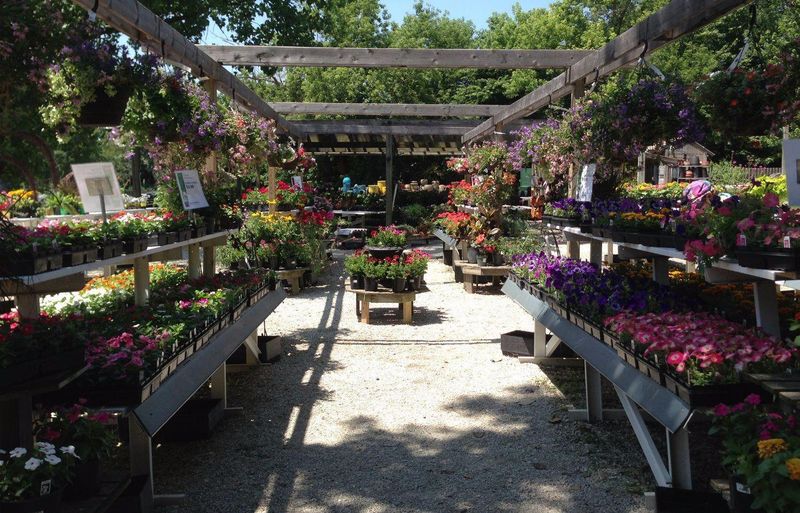
Here is the scene that explains the trunk-stuffing habit. Rows and rows of perennials stretch across the yard, sorted so you can find what you want without hunting through random piles.
Perennials are plants that come back year after year. Buy them once, care for them well, and they return each spring bigger than before. That makes them one of the smartest ways to spend garden money, because a single pot can fill a bare patch for a decade.
The selection runs deep. Common favorites sit near harder-to-find cultivars, which are special plant varieties bred for a certain color, size, or toughness. If a neighbor has a plant you have never been able to track down, there is a good chance it shows up here.
Quality is the real money saver. These plants arrive healthy, sturdy, and often already in bloom, so you can see exactly what you are getting. A plant that survives its first winter is a much better deal than a cheap one that fizzles out by August.
Prices are fair for the Naperville area. Some items cost a bit more than chain stores, but the gap is small, and the plants tend to thrive. Herbs are a happy surprise, too, with big, bushy basil plants priced under seven dollars.
Bring a plan, but leave room for surprises. A smart trick is to write down your sunny spots and shady spots before you go. Then grab a wagon, fill it with a mix of early, middle, and late bloomers, and you can have flowers from April into October.
And yes, staff will help load the car when the wagon gets heavy.
The Hosta Wall and Other Smart Surprises
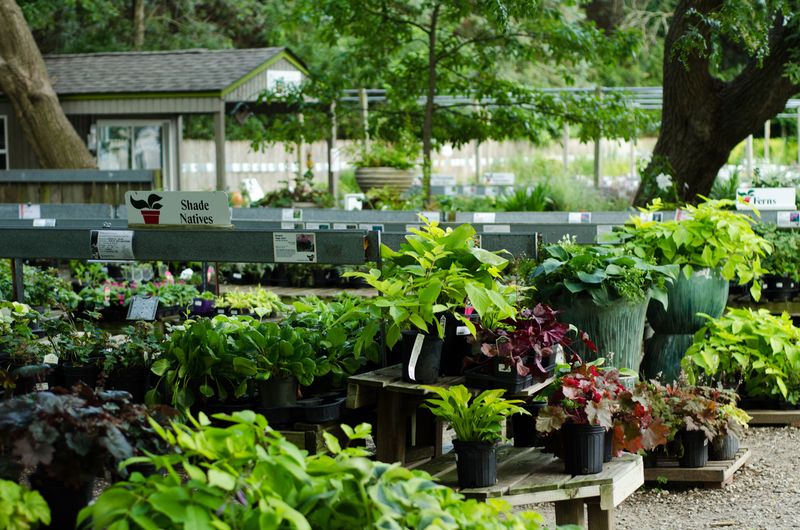
Head toward the back, and a whole wall of hostas waits in the shade. Blue leaves, gold leaves, striped leaves, giant ones, and tiny ones line up side by side, making it simple to compare.
Hostas are a lifesaver for shady yards, which are common in older Illinois neighborhoods with big trees. Seeing so many types together helps you pick one that fits, whether you need a ground cover or a showy plant that grabs attention.
Small display gardens add another clever layer. Plants grow in real ground, sorted by conditions like full sun or deep shade. A plant tag can tell you how tall something gets, but watching it grow in actual soil shows you how it spreads, leans, and mixes with its neighbors.
Native plants have a strong spot, too. Pollinator-friendly natives draw in bees and butterflies, and they are built for Midwest weather. Big-box stores often skip them, so this is a good place to find them in one trip.
The edible corner deserves a look. Vegetables, herbs, and fruit plants share space with flowers. Strawberries come in both June-bearing and ever-bearing types, picked for how well they grow in this region, not just how fast they sell.
Shrubs and trees fill a big part of the property. The variety of trees is wide, and shrubs are one of the most popular reasons to visit. If you need a privacy hedge or one standout tree for the front yard, take a slow lap here.
Deer giving you trouble? Staff can hand over a printed list of deer-resistant plants. Tuck it in your pocket and use it as a shopping map.
Ask Donna, Maureen, or Terri
Picture a first-time gardener standing in front of fifty shrubs with no clue which one belongs in a soggy corner. A worker walks over, asks a few questions about sun and soil, and five minutes later the choice is obvious.
Moments like that happen all day here. The staff knows plants, and many team members have built loyal followings. Names like Donna, Maureen, Terri, and Laurie come up again and again from shoppers who keep returning to the same helpers for new projects.
The advice goes beyond what to buy. Staff explain soil prep, companion planting, and how to care for a plant once it gets home. Beginners get patient answers without feeling rushed or silly for asking simple questions.
There is an honest streak in the advice, too. The goal is plants that will really work in your yard, not just plants that make money. That might mean steering you toward a tougher variety for clay soil or a native that handles hot, dry spots.
Big projects get support as well. Laurie has drawn up landscape designs for front and back yards, and a staff landscaper can handle the planting. One design plan led to blooms lasting from April to mid-October.
Groups get help, too. Scout leaders and volunteers buying dozens of plants for community projects can lean on staff to sort out quantities and varieties.
Here is a tip. Take photos of your yard before you visit, including the problem spots. Bring a rough measurement of the space and a note on how many hours of sun it gets.
Workers can then give much sharper advice, and you will avoid the classic mistake of buying a sun lover for a shady porch. Delivery is available for bigger hauls.
Fairy Gardens, Fountains, and a Gift Shop Detour
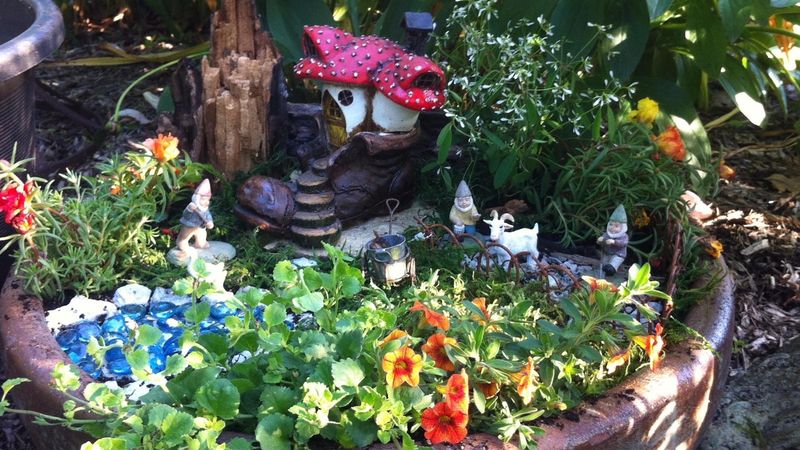
Tiny houses, miniature benches, and little mushrooms made of clay turn the fairy garden displays into a favorite stop for kids and grown-ups alike. They are small, but they show how a single pot can become a whole tiny world.
Decor is a bigger part of this place than many first-timers expect. Fountains bubble near the walkways, garden stones line up in neat rows, and statues peek out from planting beds. Shoppers walking in for one perennial often leave with a bird bath riding in the back seat.
The pottery section is a strong pull. Pots come in many sizes, colors, and finishes, from simple clay to glazed showpieces. Choosing the right pot can make a basic plant look expensive, especially on a front step.
Inside, the gift shop carries an eclectic mix of home decor for inside and outside. Think handmade metal pieces, seasonal accents, and quirky gifts that are hard to find at chain stores. Many of the yard decorations are reasonably priced, which makes small upgrades easy.
Practical supplies fill the shelves, too. Trellis gear, fertilizer, pest control, and soil products mean you can grab everything for a planting project in one stop. No need for a second trip across town.
A quick strategy helps here. Shop for plants first, then hit the decor area last. That way you know exactly what colors and sizes you are working with, and you can pick a pot or statue that matches the plants already sitting in your wagon.
Fun fact: fairy gardens work great for kids learning to garden. Small plants, little decorations, and quick results keep young helpers interested. Succulents and mosses are easy starter choices for these mini scenes.
Mums in Fall, Wreaths in Winter
Spring gets most of the attention, but the calendar here keeps turning. When summer fades, the yard fills with hardy mums in deep orange, gold, and burgundy, just in time for Halloween porches.
Hardy mums are a smart pick because they can survive Illinois winters if planted early enough. Get them in the ground by mid-September and give the roots a few weeks to settle before frost. Many will come back the next fall.
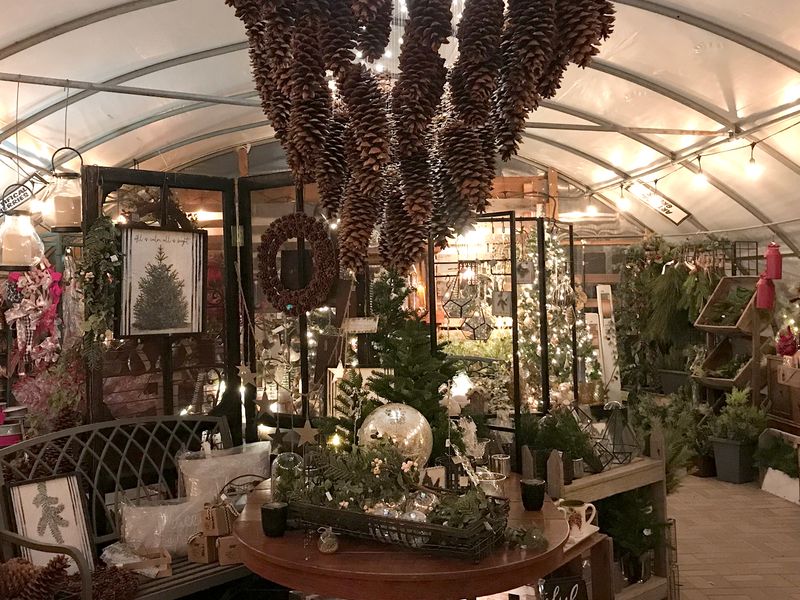
Then the scene shifts again. Around Christmas and Hanukkah, holiday wreaths, fresh greens, and decorative pieces take over. The grounds look festive, and prices on greens are good, making it easy to dress up a door or mantel.
Events pop up throughout the year as well. Small art vendor fairs and seasonal gatherings have drawn people who simply wanted something fun to do on a weekend. These can be a relaxed way to explore the property even if you are not shopping for plants.
Each season brings a different reason to stop by. Early spring visits mean the display gardens may still look sparse, but selection is fresh and full. Late spring and early summer show off blooms at their peak, while fall brings cooler days that are perfect for planting trees and shrubs.
Here is a timing trick experienced gardeners use. Fall is a great time to plant perennials and trees, because cooler air and warm soil help roots grow strong before winter. Shopping in September can mean healthy plants and less watering stress.
Keep an eye on local event listings, too. Seasonal happenings can be announced on community calendars and social media pages around Naperville.
Planning Your Naperville, Illinois Trunk-Filling Trip
Ten in the morning is when the gates open, seven days a week. Most days close at 5 PM, but Thursday stretches until 7 PM, giving after-work shoppers a rare evening window.
That Thursday slot is a gem for busy families. Weekends draw the biggest crowds, especially on sunny spring Saturdays. If your schedule allows, a weekday morning or Thursday evening means shorter lines and more one-on-one time with staff.
Location makes the trip easy. The garden center sits on Plank Road in Naperville, close enough for shoppers from St. Charles, Wheaton, Aurora, and nearby towns to make a quick drive. Parking is plentiful, so even a busy day rarely turns into a parking hunt.
Prep your vehicle before you leave home. Lay down an old tarp or blanket in the trunk, and fold down the back seats if you can. Potting soil spills, and tall plants need room to stand without snapping.
Bring a list, but stay flexible. Note your sun conditions, soil type, and any deer or rabbit issues. Snap a few yard photos, too, since staff can use them to suggest plants that fit.
Pace yourself on the grounds. Start with a lap to see everything, then circle back to fill the wagon. Big purchases like trees can be delivered, which saves your car seats from muddy root balls.
Water your new plants the same day you get home, even if they look fine. Plants that sit in a hot car can dry out fast. A good soak helps them recover before they go in the ground.
Then do what the regulars do. Pop the trunk, pack it tight, and drive home with next summer already growing in the back.
Share this story