Pennsylvania is full of places where kids can touch, build, test, imagine, and ask big questions. Science centers and hands-on museums help learning feel real because visitors are not just reading facts, they are trying things for themselves. A child who launches a paper rocket, explores weather, studies fossils, or climbs through a creative play space can understand ideas in a way that sticks. These experiences can turn curiosity into a deeper interest in science, technology, history, and the world around them.
Across the state, families can find museums that make school subjects feel exciting, useful, and connected to everyday life. Whether children are experimenting with simple machines, discovering how the human body works, or learning about Pennsylvania’s natural history, these hands-on experiences give them opportunities to learn at their own pace while having fun.
1. Discovery Space, State College
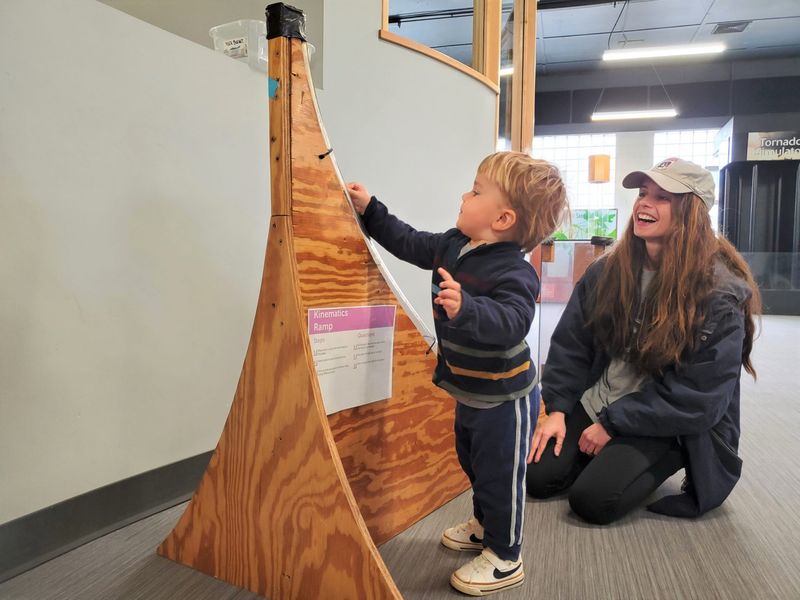
A rainy afternoon in State College can turn into a mini science adventure fast.
Families visiting Discovery Space often find that small experiments, building challenges, and playful exhibits make kids slow down, think, and try again.
Located near the energy of Penn State, this museum is a strong choice for younger learners who like to move from one activity to the next.
Children can explore ideas such as motion, magnets, light, engineering, and problem solving without feeling like they are sitting through a lesson.
The space is approachable, so parents do not need to be science experts to join the fun.
One helpful tip is to let kids lead for part of the visit.
If they spend extra time at a building station or a water exhibit, that focus can be more valuable than rushing through everything.
Ask simple questions like, What changed? or Why do you think that happened?
Discovery Space also works well for mixed-age families because many activities can be adjusted by interest and ability.
A preschooler may enjoy touching and sorting materials, while an older child may test a design more carefully.
That makes the visit feel shared rather than split by age.
For travelers exploring central Pennsylvania, it pairs nicely with a walk around downtown State College or a campus visit.
The museum reminds families that science is not only found in textbooks.
It is in balance, sound, force, patterns, and all the small surprises children notice when they are given time to explore.
2. Lancaster Science Factory, Lancaster
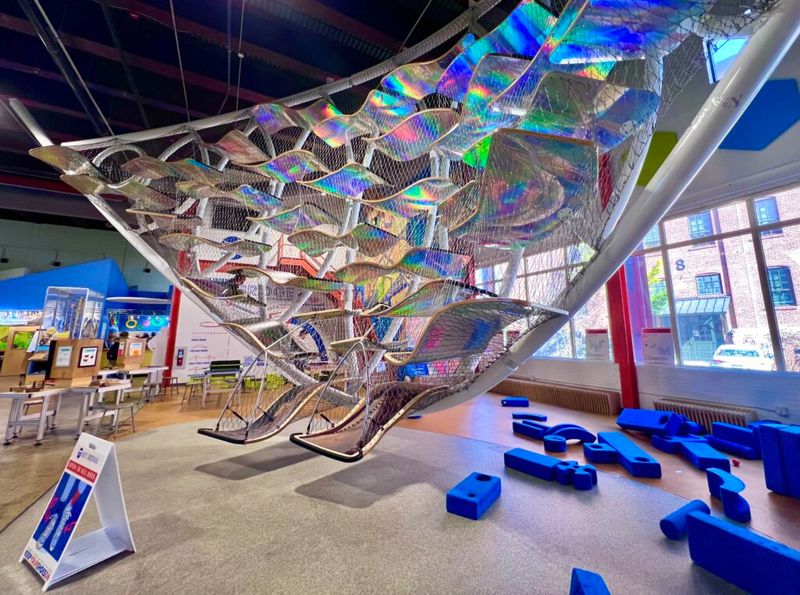
Buzzing buttons, spinning gears, and curious kids make Lancaster Science Factory feel like a workshop where mistakes are welcome.
The museum is designed around the idea that children learn best when they can test something with their own hands.
Exhibits cover topics such as electricity, mechanics, sound, light, fluid dynamics, and math.
Instead of long signs and quiet halls, visitors find stations that invite them to push, pull, connect, build, and compare results.
That active style is especially helpful for kids who learn by doing.
A smart way to visit is to begin with the exhibits that match your child’s current interests.
A kid who loves building may head straight for engineering challenges, while another may get hooked by circuits or water-based experiments.
Giving them choice builds confidence and keeps the visit fun.
The Lancaster Science Factory is also a useful stop for homeschool groups, school field trips, and families who want an indoor activity with real learning value.
Adults can join without taking over by asking children to explain their designs or predict what will happen next.
Those small conversations turn play into deeper thinking.
Because Lancaster is already known for family travel, farms, markets, and history, this science center adds a modern STEM stop to the area.
It balances the region’s old and new sides in a memorable way.
After a visit, kids may notice pulleys, switches, shadows, and patterns in the world around them, which is one of the best signs that a museum experience worked.
3. Please Touch Museum, Philadelphia
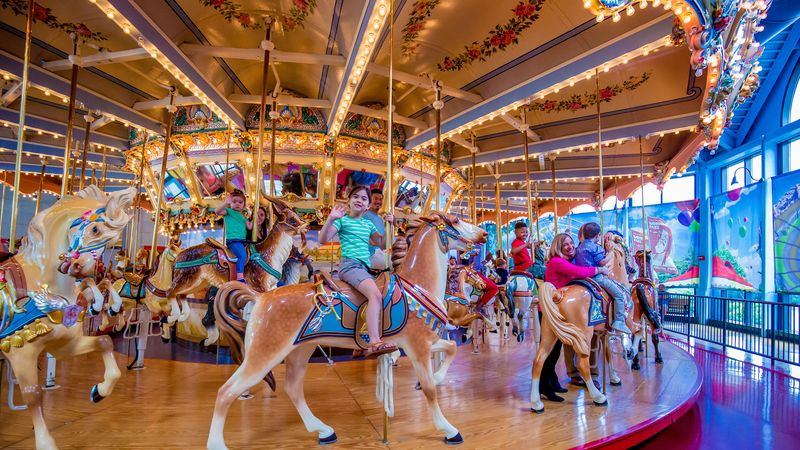
Few museum names give better permission than Please Touch Museum.
In a city filled with history, this Philadelphia favorite tells young children that their hands, questions, and imagination belong in the learning process.
The museum is especially loved by families with toddlers, preschoolers, and early elementary students.
Exhibits often blend pretend play with early science, art, movement, and social skills.
Children might shop in a play market, explore water, climb through creative spaces, or act out everyday jobs in a kid-sized world.
That kind of play may look simple, but it builds important skills.
Measuring pretend groceries, sharing a steering wheel, watching water move, or making choices in a themed exhibit helps children practice language, counting, observation, patience, and cooperation.
For many kids, this is their first museum experience, and it sets a warm tone for future learning.
Parents should plan for plenty of movement and a flexible schedule.
It helps to bring water, allow breaks, and avoid expecting children to see every corner in one visit.
Young learners often return to the same favorite area because repetition helps them understand and feel secure.
The museum’s location in Philadelphia makes it easy to pair with other family stops, though it can easily fill a full outing on its own.
Its playful spirit proves that early learning does not need to feel formal.
When children are invited to touch, pretend, build, and wonder, they begin to see themselves as active learners with ideas worth trying.
4. UPMC Science Center At Whitaker Center, Harrisburg
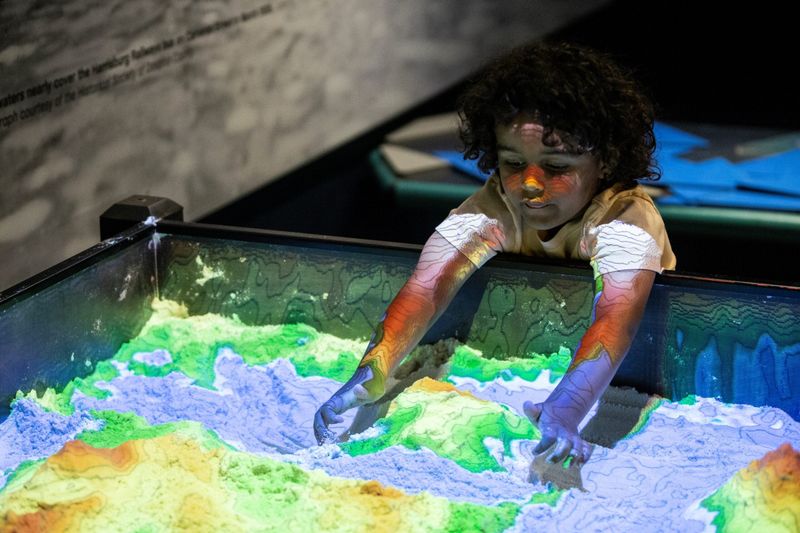
In downtown Harrisburg, learning gets a lively stage at the UPMC Science Center at Whitaker Center.
The setting feels bigger than a simple exhibit hall because science, performance, and visual learning all share the same cultural space.
Visitors can explore hands-on displays connected to health, physics, technology, engineering, and the natural world.
Many exhibits encourage children to test cause and effect, compare outcomes, and connect science to the human body or daily life.
That makes the experience useful for kids who like practical examples.
One reason families enjoy this stop is its location near Pennsylvania’s capital attractions.
A day in Harrisburg can include government buildings, river views, and then an indoor science break that lets kids burn energy while still learning.
It is a good match for families who want an outing that feels both educational and active.
To get the most from the visit, encourage children to explain what they notice before reading every label.
They may discover patterns on their own, then use the exhibit information to check their thinking.
This simple habit mirrors how scientists work, by observing first and then asking better questions.
The Whitaker Center setting can also introduce kids to the idea that science is connected to art, design, medicine, and community life.
A child who enjoys a body exhibit may start thinking about health careers.
Another who likes motion or machines may become curious about engineering.
The best part is that these ideas appear naturally through play, not pressure.
5. Punxsutawney Weather Discovery Center, Punxsutawney
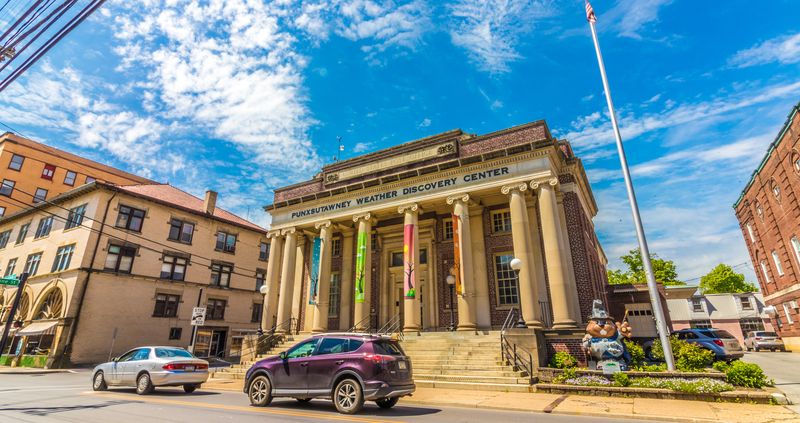
Clouds, storms, sunshine, and a famous groundhog all meet in Punxsutawney.
The Weather Discovery Center gives families a playful reason to look up at the sky and ask what is really happening there.
Weather is a perfect science topic for children because they experience it every day.
At this center, visitors can learn about forecasting, wind, storms, temperature, clouds, and climate in ways that feel clear and hands-on.
The exhibits help connect big science ideas to simple questions, such as why rain falls or how meteorologists make predictions.
Punxsutawney is known around the world for Groundhog Day, but this museum adds depth to that fame.
Instead of only focusing on a February tradition, it helps visitors understand the atmosphere and the tools people use to study it.
That makes the town more than a photo stop.
Families can make the visit more meaningful by checking the day’s weather before arriving.
Ask children to guess what the exhibits might explain about the current sky.
If it is windy, rainy, snowy, or sunny, they can connect the museum lessons to what they felt outside.
This stop is especially useful for kids who enjoy dramatic topics like tornadoes, lightning, or storms.
It can also help nervous children understand weather in a calmer way.
Learning what causes thunder or how warnings work can make the natural world feel less mysterious and more manageable.
In a small Pennsylvania town with a big seasonal reputation, the Weather Discovery Center turns everyday forecasts into an adventure in observation.
6. Da Vinci Science Center At PPL Pavilion, Allentown
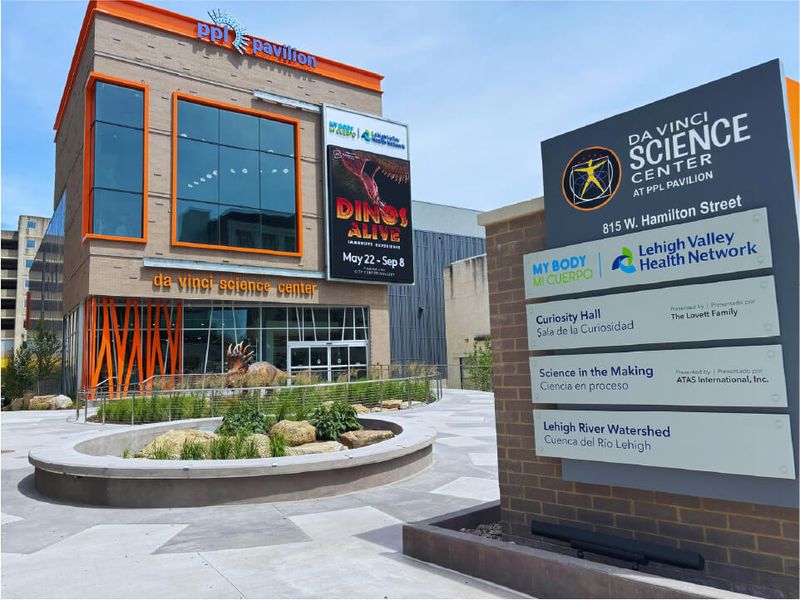
Allentown’s Da Vinci Science Center at PPL Pavilion brings a fresh spark to the Lehigh Valley.
Its name points to Leonardo da Vinci, a thinker who mixed art, invention, science, and curiosity in bold ways.
The center encourages that same mix by giving visitors exhibits that connect STEM with creativity.
Children may encounter activities related to engineering, biology, health, robotics, energy, and design.
The goal is not just to memorize facts, but to understand how ideas can be tested and used.
A visit here can be especially exciting for older elementary and middle school students who are starting to think about real-world careers.
Exhibits can show how science connects to medicine, manufacturing, environmental questions, computer technology, and problem solving.
Younger children can still enjoy the hands-on parts, especially when adults help translate big ideas into simple language.
One practical strategy is to choose a family challenge during the visit.
For example, ask everyone to find one exhibit about the human body, one about machines, and one about the future.
At the end, compare favorites over lunch or on the ride home.
The Allentown location makes this center a strong anchor for a Lehigh Valley day trip.
It reflects a part of Pennsylvania where industry, education, and innovation have long shaped local life.
For kids, the message is encouraging: science is not locked away in a lab.
It can appear in drawings, tools, robots, hospitals, bridges, and bright ideas that begin with someone asking, What if we tried it another way?
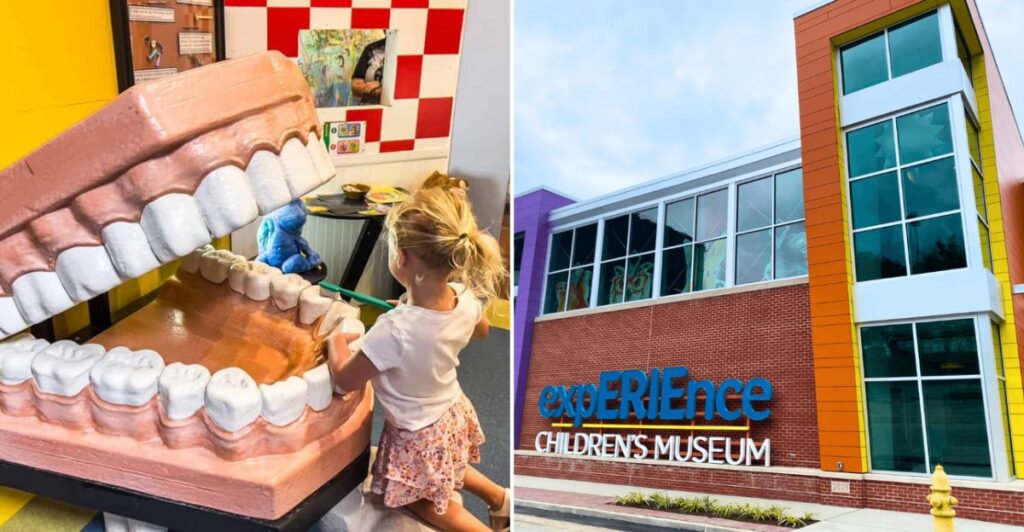
7. ExpERIEnce Children’s Museum, Erie
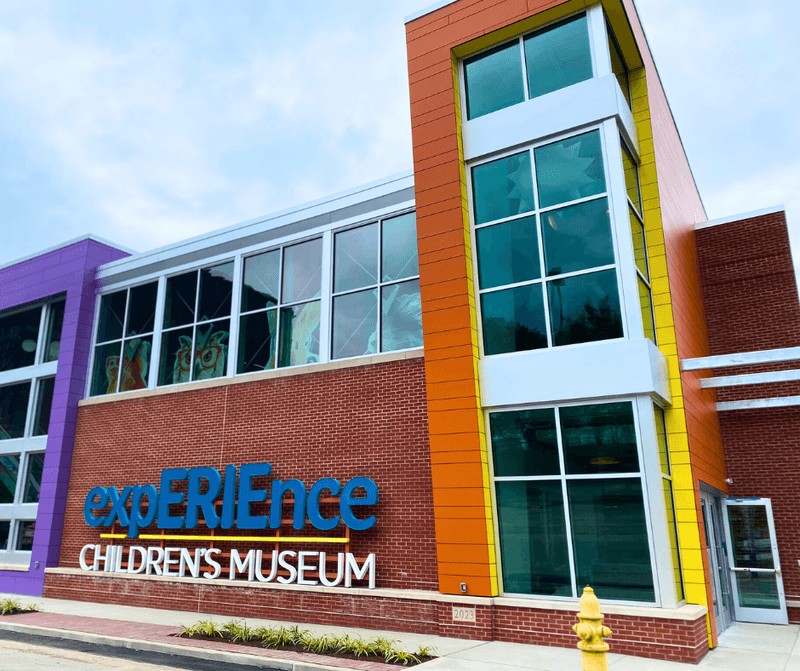
Near Pennsylvania’s Great Lakes shoreline, ExpERIEnce Children’s Museum adds playful learning to a trip to Erie.
Even the name highlights the city, reminding visitors that local pride can be part of a child’s discovery.
This museum is built for active young learners who enjoy pretending, building, climbing, creating, and exploring.
Exhibits often support early science, community awareness, art, movement, and problem solving.
Instead of asking children to stay still, the museum gives them safe spaces to use energy with purpose.
Families visiting Erie for Presque Isle, beaches, or lake views can use the museum as a weather-proof stop.
On a cold, rainy, or windy day, it gives kids a warm place to stay curious.
On a sunny day, it can balance outdoor time with indoor discovery.
For parents, the best approach is to watch what kind of play captures a child’s attention.
A child who spends time sorting, stacking, or pretending to run a shop is practicing early math, language, planning, and social thinking.
Those skills matter later in school, even if they look like simple fun in the moment.
The museum also helps children understand their community through scaled-down activities and familiar settings.
When kids pretend to work, care for others, build something, or make choices, they practice being part of a larger world.
That kind of learning is powerful because it feels personal.
In Erie, where water, weather, and neighborhood life all shape the region, this children’s museum gives families a cheerful place to connect play with growing independence.
8. Children’s Museum Of Pittsburgh, Pittsburgh
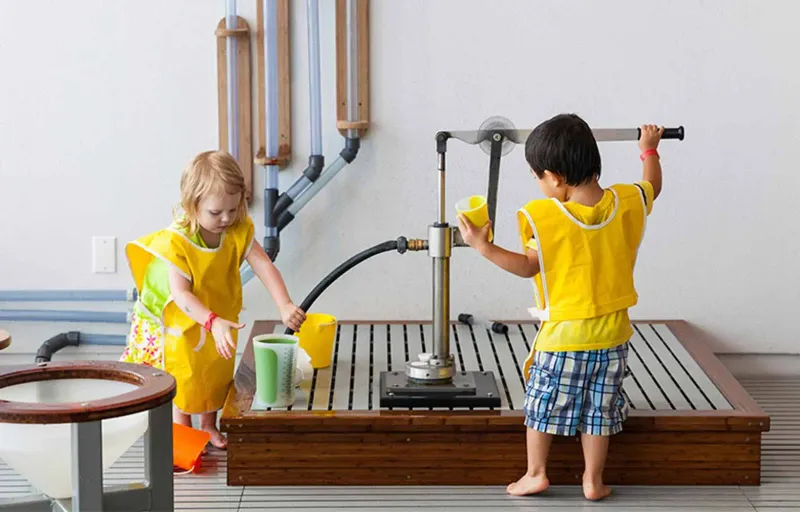
Creativity has room to get messy at the Children’s Museum of Pittsburgh.
Paint, water, tools, textures, and bold ideas come together in a place where children are encouraged to make, test, and imagine.
The museum is known for blending art, science, design, and play.
Kids may explore water movement, build with materials, experiment in maker-style spaces, or create projects that reflect their own choices.
This kind of learning supports both confidence and curiosity because there is often more than one right answer.
Pittsburgh’s history as a city of industry and invention gives the museum extra meaning.
Steel, bridges, rivers, universities, and technology are part of the region’s story, and children can feel that spirit through hands-on discovery.
The museum helps young visitors see themselves as builders, artists, and problem solvers.
Families should plan for clothing that can handle activity.
Some exhibits may involve water, paint, or materials that invite full participation.
A relaxed attitude helps too, because the best moments may happen when a child spends twenty minutes perfecting one strange little invention.
Adults can support learning by asking children to describe their process instead of only praising the final product.
Questions like, What did you change? or How did you make that stronger? help kids notice their own thinking.
That is a major part of creative problem solving.
For visitors exploring Pittsburgh, this museum offers a bright break from sightseeing while still connecting to the city’s inventive character.
It gives children permission to be curious with their whole bodies, not just their eyes.
9. The Franklin Institute, Philadelphia
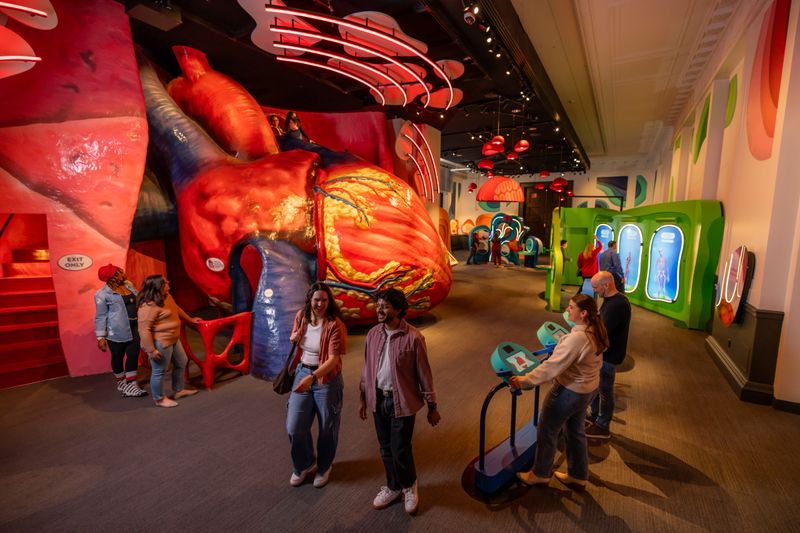
A giant walk-through heart can make science unforgettable.
At The Franklin Institute in Philadelphia, big exhibits and classic hands-on experiences have helped generations of Pennsylvania families connect with the wonders of the human body, space, physics, and technology.
Named for Benjamin Franklin, the museum carries the spirit of invention and questioning.
Visitors can explore exhibits about electricity, engineering, astronomy, sports science, the brain, and more.
Many displays are large, dramatic, and memorable, which helps kids remember ideas long after the visit ends.
This is a strong choice for families with a wide range of ages.
Younger children may enjoy the movement and scale of the exhibits, while older students can dig into deeper explanations.
Adults often find plenty to enjoy too, especially in areas that connect science to history and modern discoveries.
Because the museum is large, it helps to make a simple plan before arriving.
Choose a few must-see areas, then leave room for surprises.
Trying to see everything can wear kids out, but focusing on favorites makes the day feel successful.
Philadelphia offers many famous educational attractions, yet The Franklin Institute stands out because it makes science feel grand and personal at the same time.
Walking through a heart, testing motion, or looking at space displays can turn abstract classroom topics into real experiences.
For many children, that shift is powerful.
They may arrive thinking science is a school subject and leave seeing it as a way to understand their bodies, their city, and the universe beyond Pennsylvania.
10. North Museum Of Nature And Science, Lancaster
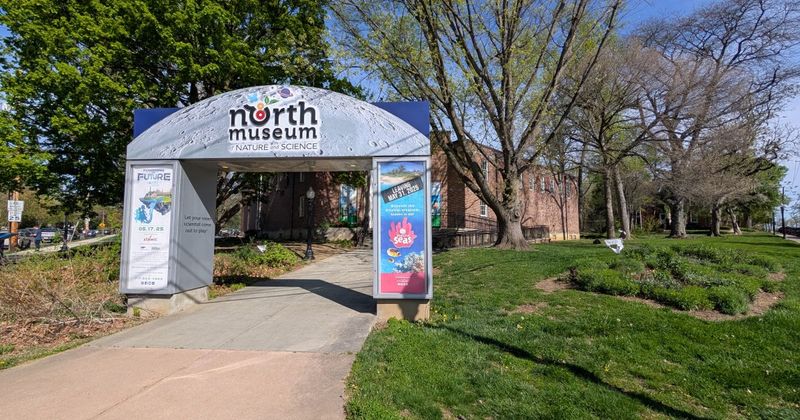
For kids who love dinosaurs, stars, animals, or rocks, North Museum of Nature and Science feels like opening a cabinet of wonders.
Lancaster families have a place here where natural history and hands-on science meet in a friendly setting.
The museum often highlights topics such as fossils, live animals, geology, astronomy, and ecosystems.
Children can connect classroom ideas to real objects, whether they are looking at bones, shells, minerals, or creatures.
Seeing actual specimens can make science feel more believable than pictures alone.
A planetarium or space-related program, when available, can add another layer to the visit.
Looking at the night sky in a guided setting helps children understand constellations, planets, and the scale of space.
For many families, it is a calm contrast to the busier exhibit areas.
Parents can build a simple scavenger hunt to keep kids focused.
Ask them to find something ancient, something living, something from Pennsylvania, and something from far away.
This turns wandering into careful looking without making the trip feel like homework.
The North Museum is also useful because it connects local curiosity with global science.
A child may learn about Pennsylvania wildlife, then compare it with animals or fossils from other places.
That comparison builds observation skills and a bigger sense of the natural world.
In a county known for farms, history, and family travel, this museum adds a thoughtful science stop.
It is a reminder that nature has stories hidden in bones, stones, stars, and habitats.
Children who enjoy collecting leaves, watching bugs, or asking about the moon may feel especially at home here.
11. The Bloomsburg Children’s Museum, Bloomsburg
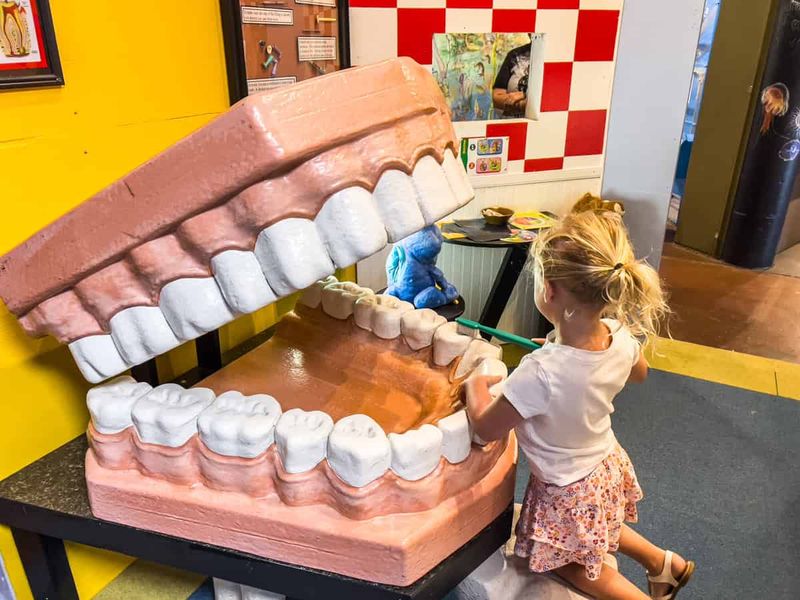
Small-town museums can have a special kind of charm, and The Bloomsburg Children’s Museum proves it.
Families find a welcoming place where science, art, culture, and community stories are presented at a child-friendly pace.
The museum offers hands-on exhibits that can support curiosity across many subjects.
Kids may encounter activities tied to nature, health, engineering, local history, creativity, and world cultures.
That variety helps children see that learning does not fit into only one school subject.
Bloomsburg is a central Pennsylvania town with a strong community feel, and the museum reflects that.
It is not overwhelming, which can be helpful for younger children or visitors who prefer a calmer setting than a large city museum.
Families can move at a comfortable pace and spend more time where interest grows.
A useful visiting idea is to let each child choose one exhibit to teach the rest of the family about.
Even a short explanation helps them practice speaking, remembering details, and feeling proud of what they noticed.
It also turns the visit into a shared conversation rather than a checklist.
The museum can be a smart stop for families traveling through the Susquehanna Valley or looking for an educational day trip away from bigger crowds.
Its mix of topics makes it easy to connect with school lessons, hobbies, and everyday questions.
Children often learn best when they feel comfortable enough to ask, touch, and try.
In Bloomsburg, this museum gives them that chance in a friendly environment.
It shows that meaningful discovery does not always need flashing lights or huge halls.
Sometimes it starts with one curious child leaning closer to an exhibit.
12. Kamin Science Center, Pittsburgh
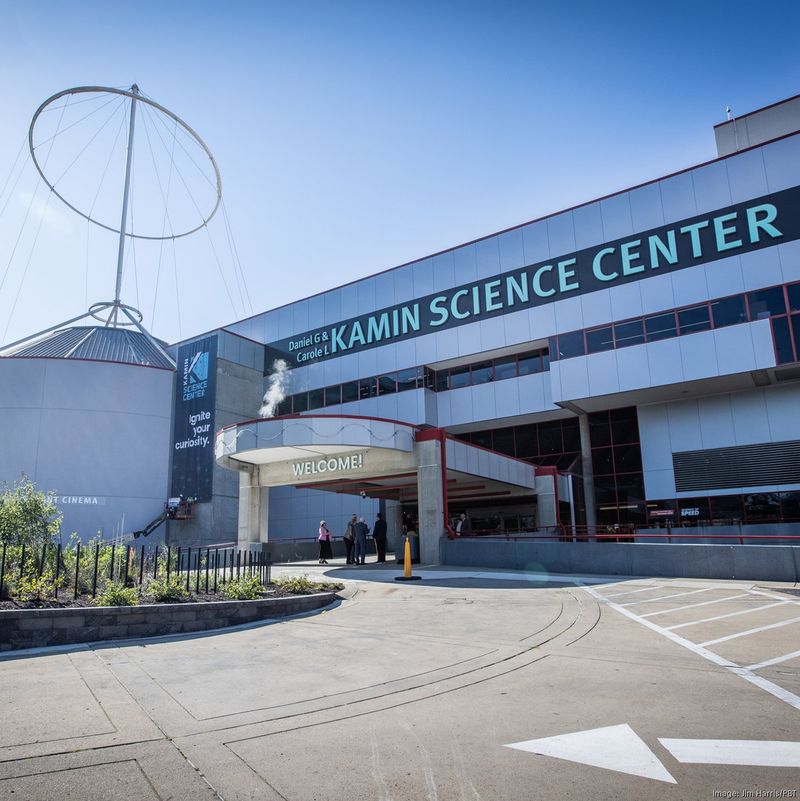
Pittsburgh has always liked big ideas, from bridges and steel to medicine and robotics.
Kamin Science Center carries that inventive spirit into exhibits that make science feel active, modern, and connected to the city around it.
Families can expect interactive learning tied to topics such as engineering, space, the human body, technology, energy, and the environment.
Exhibits often invite visitors to test, compare, build, and observe.
That format is helpful for kids who need to experience a concept before it fully makes sense.
The center’s Pittsburgh setting adds extra value.
Rivers, hills, bridges, universities, hospitals, and tech companies all shape the region, so science is not an abstract idea here.
It is part of how the city moves, works, heals, and grows.
Before visiting, families may want to check schedules for special shows, demonstrations, or planetarium-style experiences.
Timed programs can make the day feel more complete, especially for older kids who enjoy deeper topics.
Planning around one special activity also gives structure to a large museum visit.
During exhibits, encourage children to make predictions before they press a button or start a test.
Guessing first helps them pay attention to the result.
If their prediction is wrong, that is not failure.
It is exactly how learning happens.
Kamin Science Center works well for curious kids, school groups, and adults who still like to tinker.
It brings together the practical and the exciting, from machines to space.
For Pennsylvania families, it is a reminder that STEM is not just a set of school letters.
It is a way to solve problems, improve communities, and imagine what comes next.
13. Hands-on House Children’s Museum Of Lancaster, Lancaster
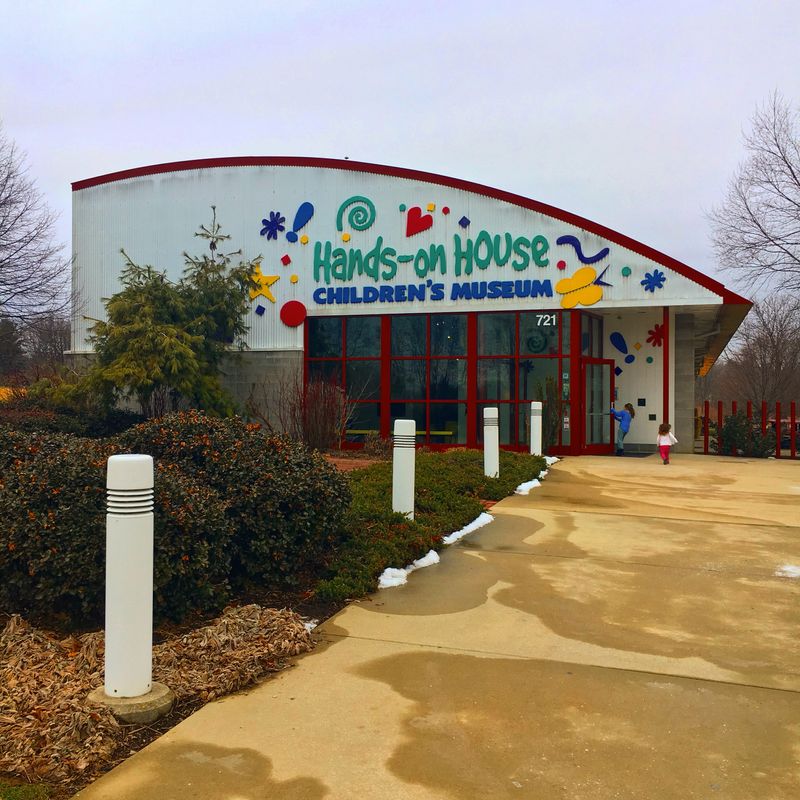
There is something comforting about a museum made especially for little hands.
Hands-on House Children’s Museum of Lancaster gives young visitors room to pretend, create, build, and practice real-world skills through play.
The museum focuses on early childhood learning, so exhibits are designed to feel approachable rather than intimidating.
Children may explore pretend environments, simple science ideas, creative projects, outdoor or garden-related learning, and activities that build coordination and confidence.
The pace fits younger kids who need time to repeat and experiment.
Because Lancaster is a popular family destination, this museum is a great choice between farm visits, markets, or historic stops.
It gives children an indoor learning space where they can be active without needing to be quiet for long stretches.
Parents often appreciate that balance during a busy trip.
A good way to support learning here is to narrate what children are doing in simple words.
Saying, You stacked the blocks higher, or The water moved faster when you changed that, helps kids connect actions with ideas.
These small comments build vocabulary and thinking skills.
Hands-on House is especially useful for preschool and early elementary ages, though older siblings may still enjoy helping or creating alongside younger family members.
The museum’s strength is not in overwhelming visitors with information.
Its strength is in giving children permission to practice independence in a safe, cheerful setting.
By the end of a visit, kids may have sorted, poured, planted, counted, carried, designed, and imagined.
That is a lot of learning hidden inside play.
In Lancaster, Hands-on House shows that early education can feel joyful, practical, and deeply connected to how children naturally explore the world.
Share this story