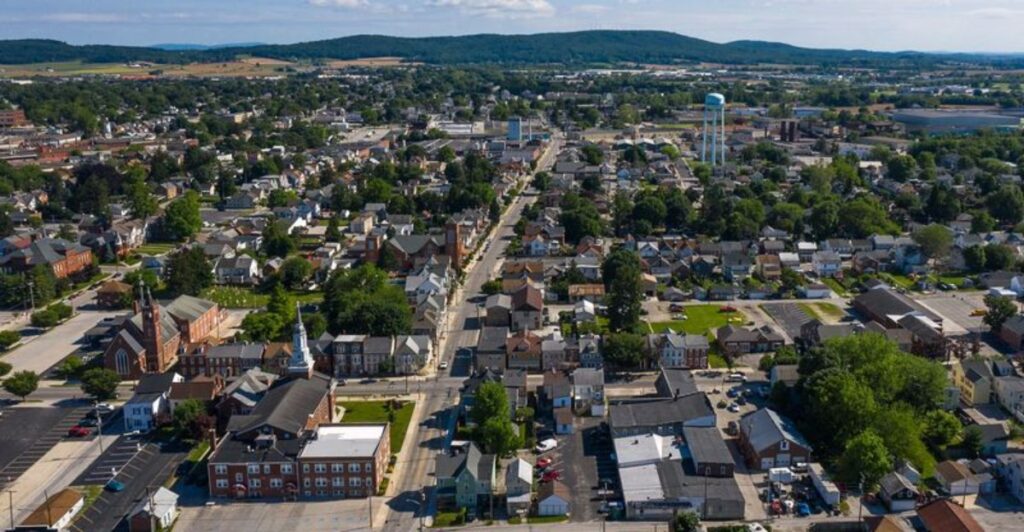
Property taxes can change the way a family feels about home. Across Pennsylvania, many homeowners are looking more closely at their tax bills and wondering how much longer their budgets can stretch. A higher bill can affect retirees on fixed incomes, young families saving for school needs, and longtime residents who simply want to stay in the communities they love. Property taxes can also become an important part of the decision when someone is comparing homes, planning a move, or thinking about retirement.
The towns below are not places to avoid, but they are places where buyers and homeowners should ask careful questions before making their next move. Looking at current tax rates, recent assessments, local services, and potential changes can help families understand the full cost of owning a home and plan more confidently for the years ahead.
1. Ephrata
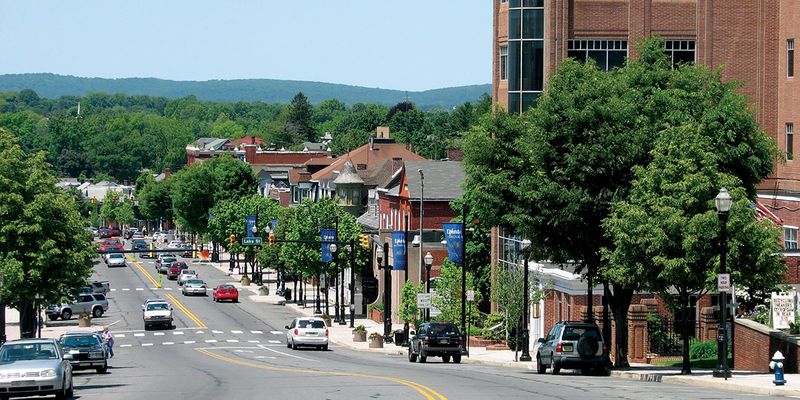
A morning walk past tidy porches and old brick buildings can make Ephrata feel like the kind of place people choose for the long run.
The town has Lancaster County charm, local shops, nearby farm country, and a strong sense of everyday community.
For many residents, that appeal is exactly why rising property taxes feel so personal.
Homeowners here often watch school district costs, county needs, and municipal services closely because each piece can affect the final bill.
Even a small increase may sting when groceries, insurance, utilities, and home repairs are also climbing.
Older residents who bought years ago may have lower mortgage costs, but taxes can still become a heavy monthly burden.
Families thinking about moving to Ephrata should look beyond the sale price of a house.
A home that seems affordable at first can feel different after tax estimates, heating costs, and maintenance are added.
Asking the county or a local real estate agent for recent tax history can help buyers avoid surprises.
Current residents have options before packing boxes.
They can check whether they qualify for Pennsylvania property tax or rent rebate programs, review their assessment, and attend local budget meetings.
Sometimes people discover mistakes in records, such as the wrong square footage or property details.
Ephrata still offers a lot, from community events to access to Lancaster and Reading.
The key is planning ahead.
When tax bills rise faster than income, staying takes careful budgeting, but moving also brings costs that should not be ignored.
2. Freeport
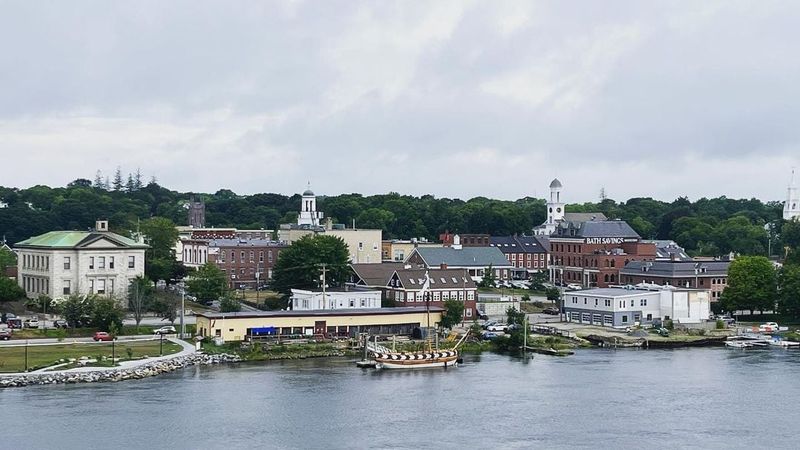
River towns have a way of holding memories, and Freeport is no exception.
Sitting near the Allegheny River, it offers a quieter pace, local pride, and a setting that feels different from larger suburbs.
That small-town comfort, however, can feel less secure when property tax bills keep inching upward.
In communities like Freeport, taxes help pay for schools, emergency services, roads, and local operations.
Those services matter, but residents may still feel squeezed when wages or retirement checks do not rise at the same speed.
A few hundred extra dollars a year can mean cutting back on repairs, trips, or savings.
Buyers who like Freeport should compare the full tax picture across borough, county, and school district lines.
Pennsylvania taxes can change noticeably from one nearby area to another.
Looking at only the home price may lead to a budget that feels too tight after the first full year of ownership.
Longtime homeowners may want to review their assessment and compare it with similar homes nearby.
If a property seems valued too high, an appeal may be worth exploring before the deadline.
Keeping records, photos, and recent sale examples can make that process easier.
Freeport still has reasons to stay, including river access, local traditions, and a close-knit feel.
For some households, the best answer may be downsizing within the area rather than leaving completely.
Others may decide that a lower-tax community offers more breathing room.
Either way, the decision deserves clear numbers, not just worry.
3. Hanover
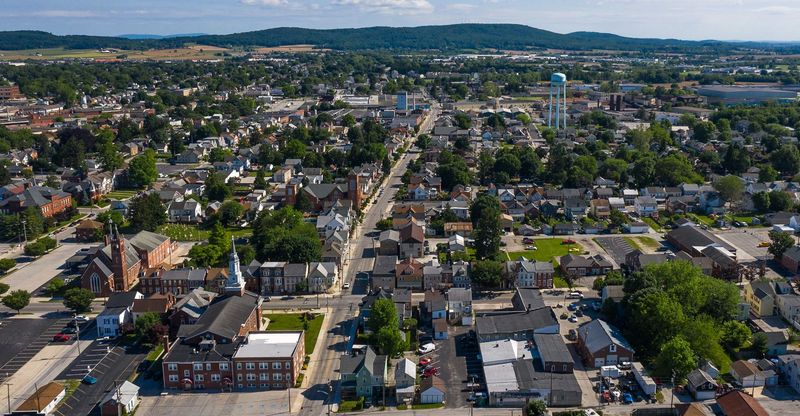
Snack food history gives Hanover a fun claim to fame, but homeowners are usually thinking about something less tasty when the tax bill arrives.
The borough has a busy local economy, older neighborhoods, and access to both York County and the Maryland line.
That mix makes it attractive, yet affordability is getting harder for some residents to measure.
Property taxes in and around Hanover can affect people in different ways depending on school district, home value, and location.
A house on one street may carry a different burden than a similar home not far away.
For families comparing homes, that makes careful research more useful than quick guesses.
Rising taxes can be especially tough in older homes that also need roofs, windows, plumbing, or heating upgrades.
A charming house may come with character, but character often brings repair bills.
When taxes rise at the same time, owners may begin asking whether another town would leave more money for daily life.
Residents can take practical steps before deciding to move.
Reviewing county assessment records, checking for homestead or farmstead exclusions, and asking about rebate programs can help.
Attending school board meetings also gives homeowners a clearer view of why costs are rising.
Hanover continues to offer shopping, jobs, restaurants, and a strong local identity.
People who love the area may find that staying is possible with a budget reset or a smaller home.
Still, anyone buying here should ask for the current tax bill, not just an estimate.
Real numbers make better decisions.
4. State College
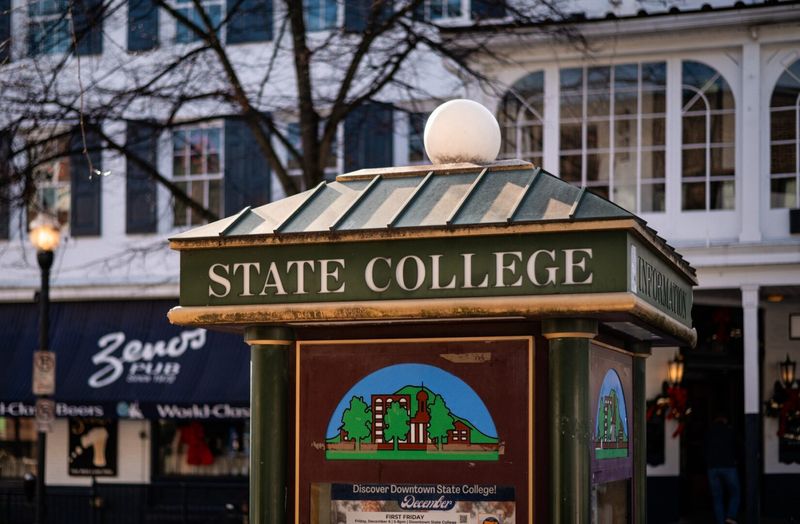
Game day energy can make State College feel larger than its map size.
Between Penn State, walkable streets, cafes, apartments, and family neighborhoods, the town has a special rhythm.
Yet the same demand that keeps the area active can make owning property more expensive over time.
Homes near strong job centers, universities, and popular amenities often hold value well.
That can be good for owners who plan to sell, but higher values may also bring higher assessments and tax concerns.
Residents who are not connected to university income may feel the pressure more sharply.
State College buyers should think carefully about location.
Being close to campus can be convenient, but taxes, parking rules, rental activity, and home prices may all affect comfort.
A slightly farther neighborhood might offer more space or a lower total monthly cost.
For retirees and longtime residents, the question is often emotional as much as financial.
Leaving a college town means giving up events, lectures, sports, health care access, and familiar streets.
Still, if a tax bill begins to compete with medicine, food, or savings, it becomes a serious household issue.
Before making a move, residents can check assessment details and compare nearby property records.
They can also talk with a financial planner or housing counselor about downsizing, renting, or staying put.
State College remains one of Pennsylvania’s best-known communities, but popularity has a price.
The smartest choice is the one that protects both quality of life and peace of mind.
5. Lititz
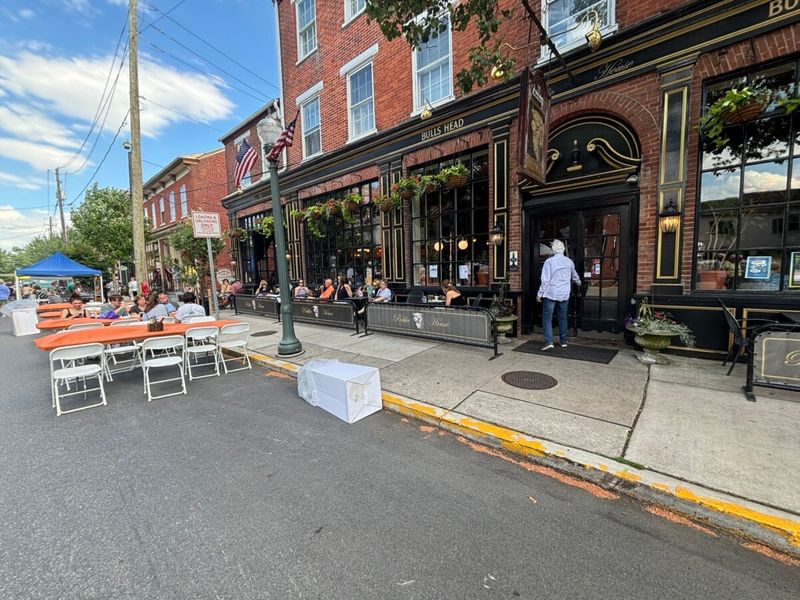
Few Pennsylvania towns look as storybook as Lititz on a pleasant afternoon.
Its historic streets, shops, cafes, and community events have earned attention far beyond Lancaster County.
That charm draws buyers, and when demand rises, tax worries can follow close behind.
People often move to Lititz for beauty, schools, safety, and a strong downtown.
Those are real strengths, but they can push home prices upward and make tax bills harder for average households.
A family that could afford the town ten years ago may feel differently after several increases.
Residents should remember that property taxes are not one single charge.
County, municipal, and school taxes can all play a role.
When school building projects, staffing costs, or public services need more money, homeowners may see changes on the bill.
For buyers, the best plan is to study the exact property, not just the town’s reputation.
Ask for the most recent tax bill and find out whether the home was recently reassessed or improved.
A renovated house may look perfect, but improvements can affect future costs.
Longtime Lititz homeowners who feel squeezed can look for state relief programs, senior assistance, or possible assessment appeals.
They can also consider whether a smaller home, condo, or nearby community would reduce pressure without losing access to favorite places.
Lititz is still loved for good reason.
Festivals, parks, and its historic feel make it easy to understand why people want to stay.
The hard part is deciding how much charm a budget can carry.
Honest math can keep a dream address from becoming a monthly worry.
6. Doylestown
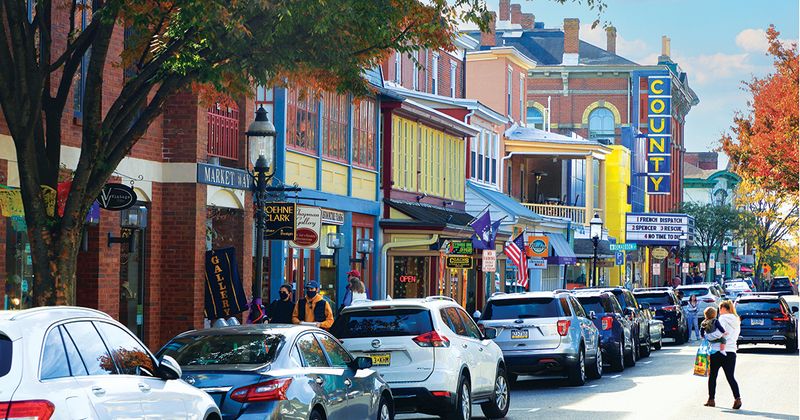
There is a polished, artsy feeling in Doylestown that many Bucks County towns would love to copy.
Museums, restaurants, walkable blocks, and handsome homes make it a highly desired place to live.
The challenge is that desire can come with a tax bill that gives some homeowners pause.
Doylestown’s appeal is tied to location as much as beauty.
It offers access to Philadelphia-area jobs while keeping a smaller-town center.
Strong demand can support higher property values, and higher values can make taxes feel heavier, especially for households with fixed or moderate incomes.
Anyone buying in Doylestown should avoid falling in love with a house before checking the full yearly cost.
Mortgage payments are only one part of ownership.
Taxes, insurance, upkeep, commuting, and utilities all need room in the budget.
Older residents may face a different problem.
Their home may be worth much more than they paid long ago, but that paper wealth does not always help with annual bills.
Selling might unlock money, yet leaving friends, doctors, and routines can be painful.
Homeowners can review assessment records and ask whether exemptions or rebate programs apply.
If a tax increase follows a reassessment, comparing similar home values may help show whether an appeal makes sense.
Local meetings can also reveal what future budgets may bring.
Doylestown remains one of Pennsylvania’s standout county-seat communities.
Its culture, architecture, and convenience are hard to replace.
Still, residents should not feel guilty for asking whether staying is financially healthy.
A beautiful town is most enjoyable when the bills remain manageable.
7. Mechanicsburg
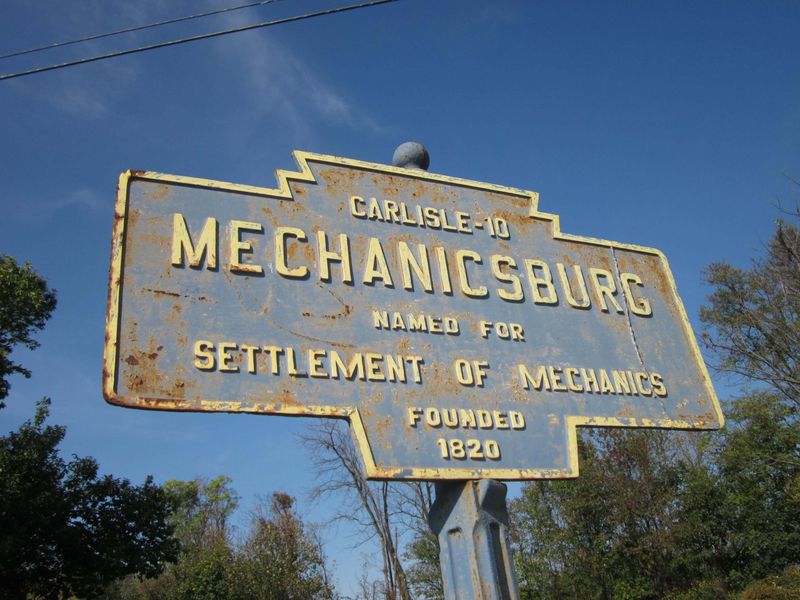
Commuters often see Mechanicsburg as a smart middle ground.
It is close to Harrisburg, has shopping and schools nearby, and still keeps pieces of small-town character.
For many families, though, rising property taxes can make that middle ground feel less easy than it once did.
Growth in Cumberland County has brought new homes, traffic, services, and school needs.
When communities grow, local governments may need more money for roads, safety, classrooms, and planning.
Homeowners understand those needs, but they still have to pay the bill that lands in the mailbox.
Mechanicsburg buyers should compare neighborhoods carefully because tax rates and school district boundaries can matter.
A short drive may lead to a different district or township with a different total cost.
Before making an offer, buyers should ask for current tax numbers and possible changes after sale.
Families already living here can protect themselves by building a tax cushion into the yearly budget.
Setting aside money each month can make the bill less shocking.
It also helps to read school budget notices, since school taxes are often a large share of the total.
For people thinking about moving, the choice may not be simple.
Mechanicsburg offers convenience, youth sports, medical access, restaurants, and job connections.
Moving farther away might lower taxes but increase gas costs or commute time.
A practical approach works best.
Add up taxes, travel, child care, home repairs, and time.
If the numbers still support staying, Mechanicsburg may be worth the cost.
If not, looking nearby before stress builds can make the move feel planned instead of rushed.
8. Canonsburg
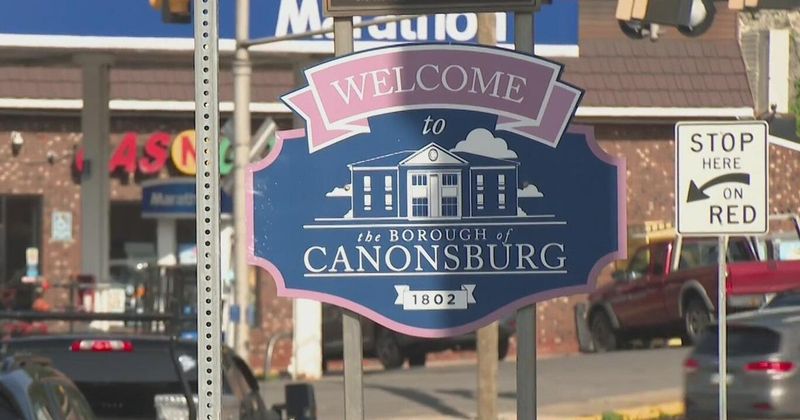
Old songs, local pride, and western Pennsylvania hills give Canonsburg a personality that is hard to miss.
The town has deep roots, a traditional downtown, and a location within reach of Pittsburgh-area jobs.
Still, higher property taxes can make some residents wonder whether the hometown feeling is becoming too costly.
In places connected to larger job markets, housing demand can shift quickly.
Some buyers like Canonsburg because it offers a different feel from Pittsburgh while keeping access to the region.
When values rise or public costs increase, homeowners may see that change reflected in tax bills.
Residents should look closely at what their taxes support.
Schools, public safety, road work, libraries, and local services all need funding.
Knowing where the money goes may not make the bill smaller, but it can make budget debates easier to understand.
For homeowners feeling pressure, a tax assessment review is a useful first step.
Check the county record for lot size, home size, finished space, and property condition.
If something is wrong, correcting it may help.
Buyers considering Canonsburg should ask about recent reassessments and compare similar homes.
A property with a low asking price may not be a bargain if yearly costs are high.
It is also wise to think about commuting costs, especially if work is in Pittsburgh or another nearby hub.
Canonsburg continues to offer tradition, convenience, and a neighborly spirit.
For some, those benefits outweigh the tax strain.
For others, nearby communities may offer better breathing room.
The best decision starts with clear figures and a calm look at what home really costs.
9. Carlisle
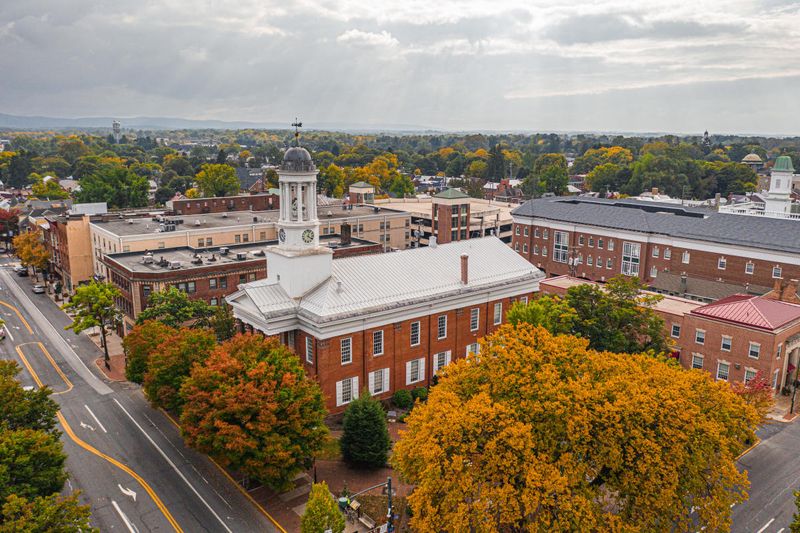
History seems to sit on every corner in Carlisle, from older brick homes to college buildings and streets that have seen centuries of change.
The borough has culture, parks, schools, and a central location near major highways.
For homeowners, though, the past feels less important when the current tax bill strains the budget.
Carlisle has a mix of students, military families, retirees, and longtime local residents.
That variety makes the town interesting, but it also means people experience rising taxes in different ways.
A landlord, a young family, and a retiree may all react to the same increase differently.
Older homes can be a special concern.
They may offer beautiful woodwork, porches, and character, but they can also bring high repair costs.
Add a growing tax bill, and a beloved house may begin to feel like a project that never stops asking for money.
Anyone shopping in Carlisle should ask about taxes before focusing on paint colors or backyard space.
Buyers should also check whether the property is in a historic area with rules that could affect future improvements.
Repairs, permits, and taxes should all be part of the same conversation.
Current residents can attend borough and school meetings to better understand budget choices.
They can also review assessment data and look into Pennsylvania relief programs if income limits apply.
Small steps may not solve every problem, but they can reduce uncertainty.
Carlisle remains a strong choice for people who value history and access.
The decision to stay or move should balance pride of place with financial comfort.
A home should hold memories, not constant money stress.
10. Palmerton

Mountain views give Palmerton a quiet beauty that can surprise first-time visitors.
Set near Blue Mountain, the borough has outdoor access, modest homes, and a strong local identity shaped by industry and landscape.
Even in a more affordable-looking town, property taxes can still become a deciding factor.
Many households choose places like Palmerton because they hope to find lower housing costs than in bigger metro areas.
That can be true, but taxes, heating bills, insurance, and repairs still matter.
A lower home price does not always mean an easy budget.
Rising taxes can hit hardest when incomes are steady or limited.
Retirees, single-income families, and workers with long commutes may feel every increase.
If wages do not climb at the same pace, people may start comparing nearby towns or even other counties.
Buyers should study the full cost of living before choosing Palmerton.
Ask for the current tax bill, check utility costs, and look at the age of major home systems.
Roofs, furnaces, and plumbing can quickly change what seems affordable.
Residents who want to stay can check for assessment errors and learn about state property tax or rent rebate help.
Local officials and county offices can explain deadlines and forms.
Keeping copies of tax bills and property records makes questions easier to handle.
Palmerton offers a setting that many people value, especially those who enjoy trails, hills, and a quieter lifestyle.
Moving may lower one cost but raise another, such as fuel or distance from family.
A careful side-by-side budget can show whether staying near the mountain still makes sense.
11. Ashley
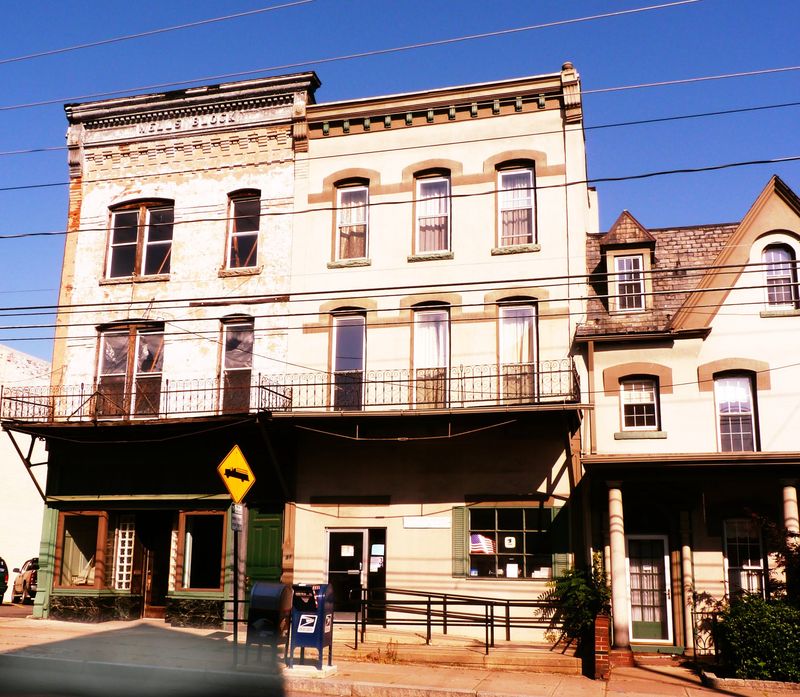
Small borough life in Ashley can feel familiar in the best way, with neighbors who recognize each other and streets that carry family stories.
Located in Luzerne County, the community has working-class roots and a close connection to the larger Wyoming Valley area.
When property taxes rise, that familiar comfort can feel harder to protect.
In older Pennsylvania boroughs, many homes were built decades ago.
Owners may face repairs for roofs, steps, porches, wiring, or heating systems while also handling tax increases.
That combination can push people to ask whether staying is still realistic.
Ashley homeowners may not have the same home values as wealthier suburbs, but tax pressure is about income as well as property value.
A bill that seems modest to one household can be serious for another.
Fixed incomes, medical costs, and car expenses can make even small increases difficult.
Before deciding to sell, residents should review their assessment and confirm that property details are accurate.
They can also ask about county procedures, appeal windows, and state rebate programs.
Help may be available, but deadlines matter.
Buyers looking at Ashley should focus on the total package.
The purchase price may be appealing, yet taxes, repairs, insurance, and utility costs should be checked before signing.
A home inspection is especially useful in older housing stock.
Ashley may suit people who want a quieter community near Wilkes-Barre area services.
For residents who love the borough, downsizing or improving a budget may help them remain close to family and friends.
For others, moving could bring relief.
The right choice depends on honest numbers and a realistic look at daily life.
Share this story