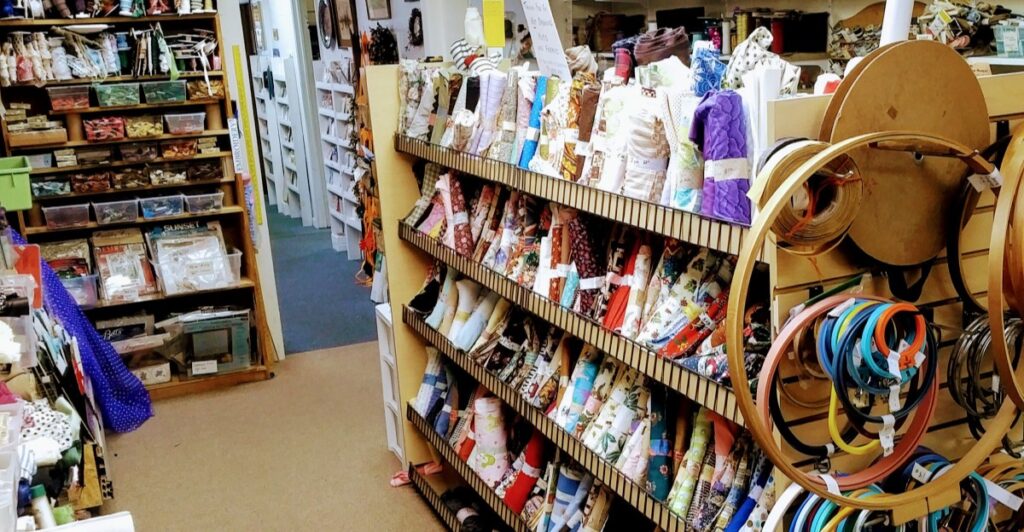
A leftover piece of fabric can become the start of something wonderful. At Lancaster Creative Reuse in Lancaster, Pennsylvania, donated craft supplies give makers a chance to shop secondhand, discover unusual materials, and find fresh ideas for their next project. Shelves filled with fabric, sewing supplies, yarn, paper goods, and other creative materials help keep useful things out of the landfill while putting them into the hands of people who can give them a new purpose.
You may arrive looking for one specific item and leave with something completely unexpected that sparks a different idea. Bring a project list, but leave room for a surprise—you never know what overlooked material might inspire your next handmade creation.
1. A Donation-Based Shop With a Creative Purpose
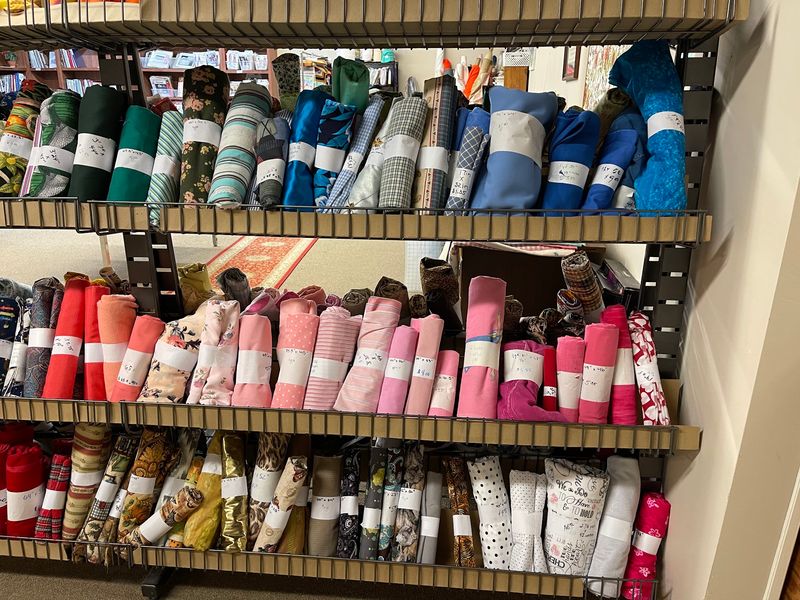
Someone’s unfinished project can become your next favorite creation.
Lancaster Creative Reuse is a nonprofit organization where donated creative materials get another chance instead of being thrown away.
That purpose makes the shop different from a store selling only new supplies.
Customers describe an interesting mix of materials, while the owner’s review responses highlight getting craft supplies into useful hands and out of the landfill.
For fabric shoppers, the appeal goes beyond finding something affordable.
You can give an overlooked textile a job, whether that means a patchwork square, a small bag, or a piece of embroidery.
Arrive with a flexible plan rather than expecting every color or material to be available.
Donations shape the selection, so shopping here works best when you enjoy looking closely, considering new uses, and letting the supplies guide part of your project.
A little curiosity can turn an ordinary shopping trip into a useful creative reset.
2. Secondhand Fabric Worth a Closer Look
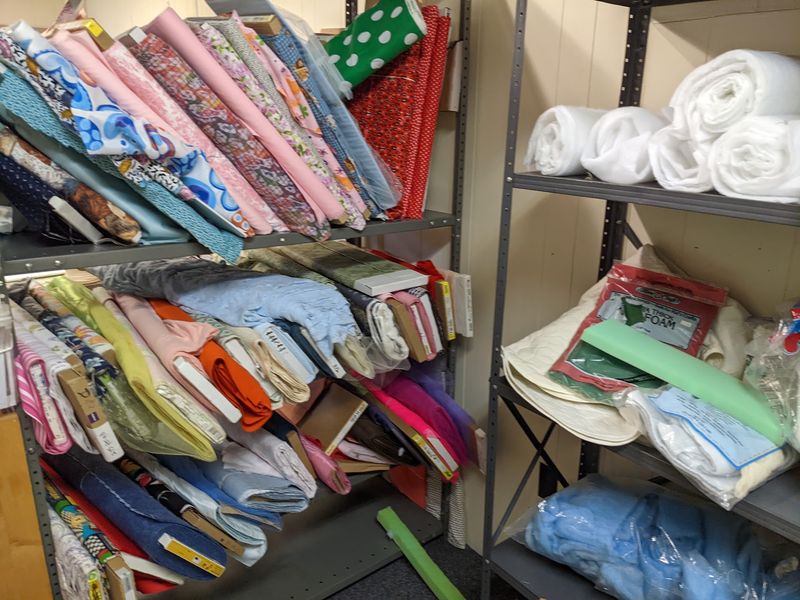
A pretty print may catch your eye first, but the fabric’s condition deserves the next look.
Reviews of Lancaster Creative Reuse repeatedly mention fabric, including pieces purchased for embroidery and material found at appealing prices.
Before choosing a piece, unfold it if store rules allow.
Check for stains, worn spots, uneven cuts, or holes that could change how much usable fabric you actually have.
Bring your project measurements and a small tape measure.
A remnant can look generous while still being too narrow for the pattern you planned to use.
Unknown fiber content calls for a little caution, especially with clothing or anything that needs washing.
Ask whether the material has a label, and plan to test a small section before cleaning the whole piece.
For beginners, a simple pouch or decorative patch can be a forgiving way to turn an interesting secondhand find into something useful without needing much matching yardage.
3. Small Scraps With Big Project Potential
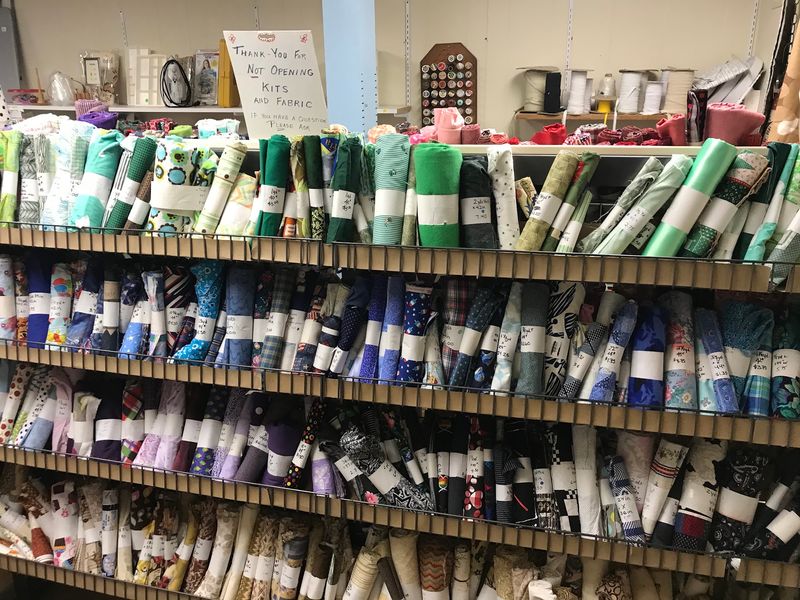
Not every good sewing project needs yards of matching fabric.
A small leftover piece can become a pocket, an applique shape, or part of a cheerful patchwork design.
Lancaster Creative Reuse has been described by shoppers as a scrap crafter’s delight, and reviews mention fabric remnants among its donated supplies.
That makes small projects a sensible way to approach the changing selection.
Try bringing a short list of ideas that need only modest amounts of material.
Bookmarks, tiny gift bags, and decorative patches let you work with what you find rather than hunt for one exact cut.
Keep the finished project in mind before buying every appealing scrap.
Choose colors that work together, and leave enough room for seams when measuring each piece.
You might also combine a new find with fabric already waiting at home.
The goal is to use those little pieces, not simply move them into another crowded drawer.
4. Patterns and Notions That Support the Stitching
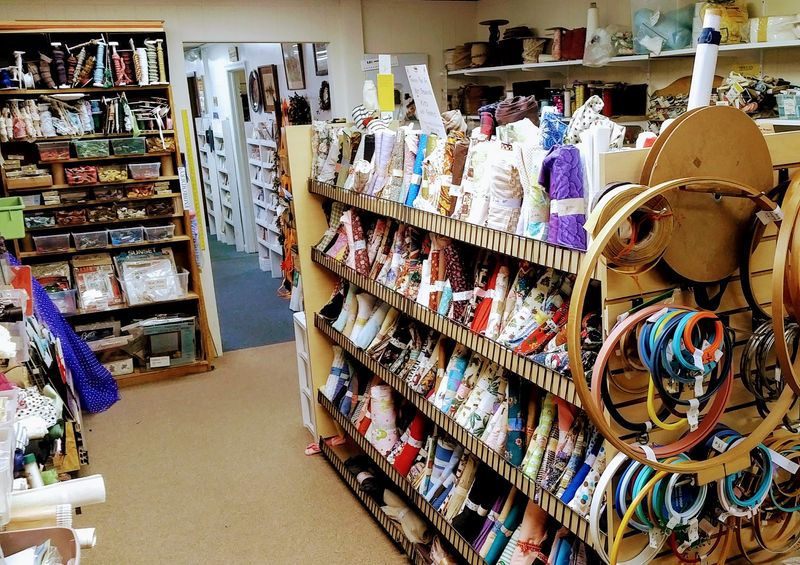
The fabric may be the star, but the supporting supplies help finish the show.
Shoppers at Lancaster Creative Reuse mention sewing patterns, notions, and books alongside the textile selection.
Looking through those materials can help you connect a promising fabric find with a project you can actually complete.
A pattern might offer direction, while a sewing book could explain a technique you have been meaning to try.
Check used patterns carefully before purchasing.
Confirm the size range, look for instructions, and ask whether you may inspect the contents for missing or previously cut pieces.
For notions, compare what is available with the needs of your project rather than choosing only by color.
Measurements and condition matter, especially when a small part affects the fit or strength of your work.
Take a photo of your supply list before leaving home.
Having the details handy makes it easier to avoid buying almost the right thing.
5. Ribbon and Embroidery Finds Add Extra Character
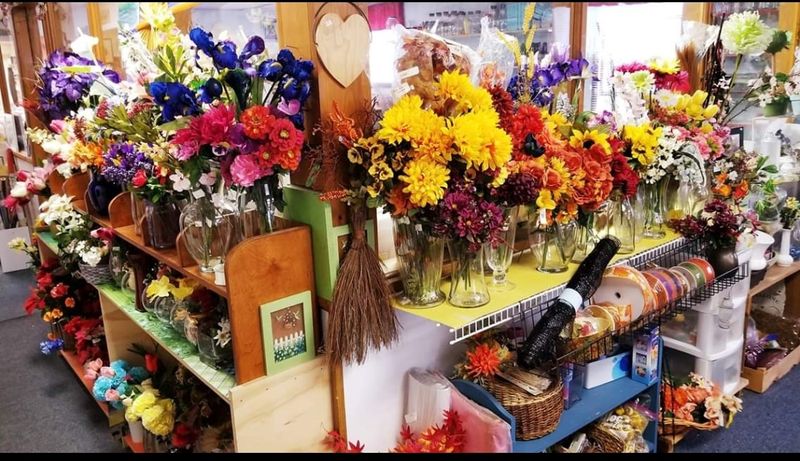
A plain piece of cloth can gain personality with just a few stitches.
One Lancaster Creative Reuse reviewer reported finding fabric for embroidery along with full rolls of ribbon, a useful reminder to look beyond larger sewing projects.
If embroidery is your goal, consider how tightly the fabric is woven and whether it will hold comfortably in a hoop.
Very stretchy or delicate material may need extra support.
Ribbon can offer another way to dress up a small creation.
Think about ties for a fabric gift bag, trim for a decorative project, or a finishing touch on something already made.
Check the length before committing, particularly when your design needs several matching sections.
Availability depends on donations, so the same ribbon or fabric may not be there next time.
Buying enough for one clear project is more useful than collecting extras without a plan.
Let texture and color inspire you, then measure.
6. Helpful Staff Make the Hunt Less Overwhelming
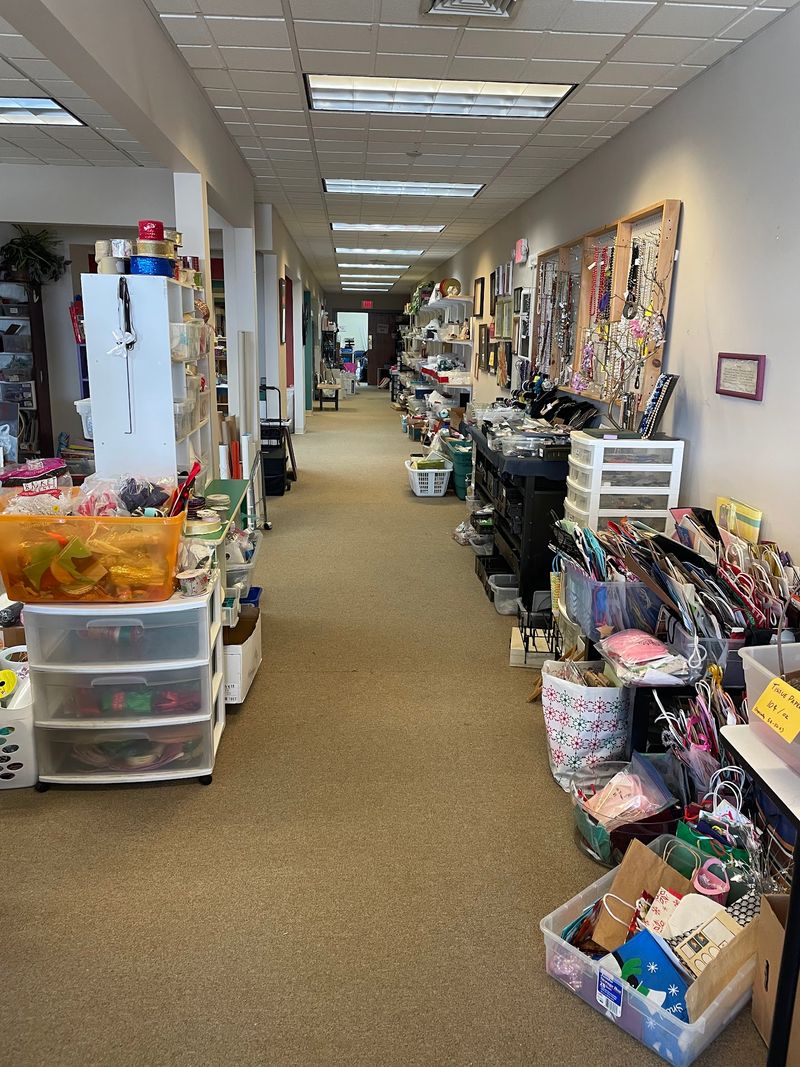
Sometimes the most useful find is a person who can point you in the right direction.
Friendly, helpful staff appear often in reviews of Lancaster Creative Reuse, including comments from shoppers buying fabric and other creative supplies.
Ask a focused question when you need help.
Explaining that you want material for embroidery or a beginner sewing project gives staff more to work with than a general request for fabric.
A customer also described a positive experience purchasing a used sewing machine.
That review shows equipment has been available, but it does not mean a machine will be in stock during your visit.
If you spot used equipment, ask what is known about its condition, included parts, and testing.
For any purchase, clarify uncertain prices before checkout.
One reviewer mentioned wanting clearer pricing, so a quick question can prevent confusion.
Helpful conversation is part of the experience, especially when secondhand materials raise unfamiliar questions.
7. Changing Donations Keep Each Visit Interesting
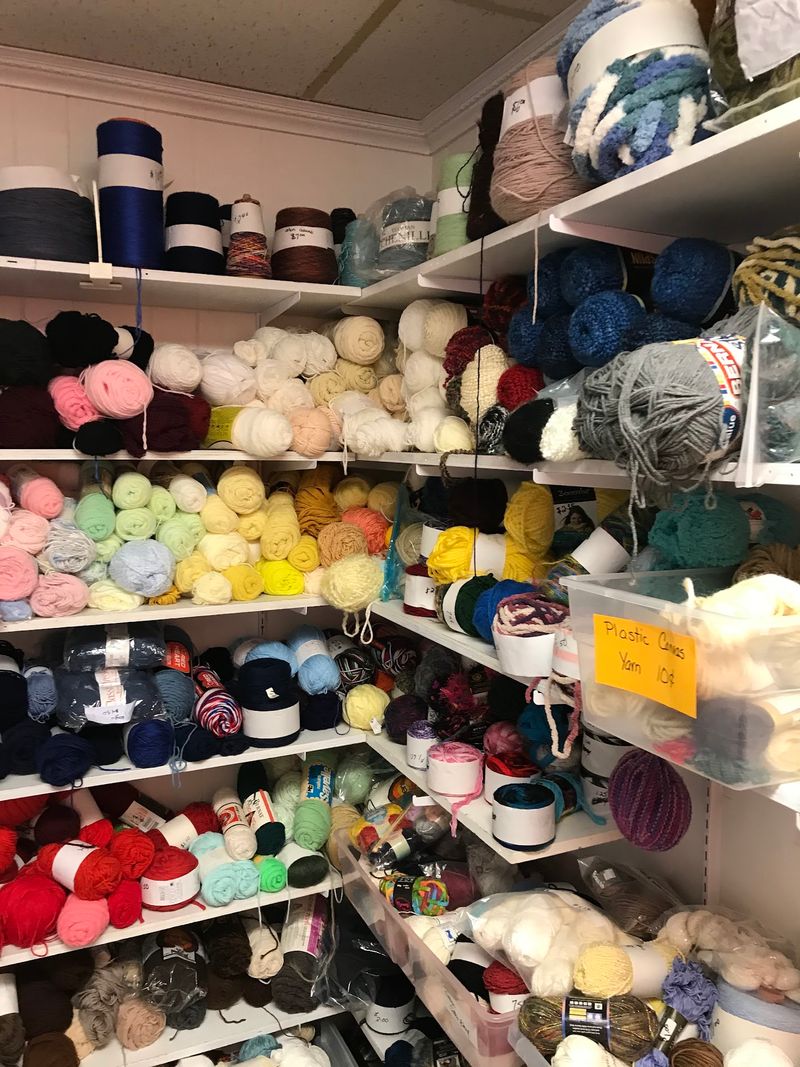
Your next visit may look different from your last one.
Several Lancaster Creative Reuse customers describe finding new things on return trips, which fits a shop supplied through donations.
That changing mix is exciting, but it also asks for realistic expectations.
You may discover an unexpected fabric that sparks an idea, or leave without the exact material your current pattern requires.
Keep two lists: supplies you truly need and materials you could use for future projects.
A firm budget helps keep the second list from turning every interesting item into a purchase.
If matching fabric is essential, measure your needs before shopping and check the whole available piece.
Do not assume more of the same print will appear later.
A flexible approach works better for small crafts, patchwork, and decorative sewing than for projects needing a very specific fabric.
Browsing can still be rewarding even when the best result is simply an idea.
8. Budget-Friendly Materials Without Guesswork
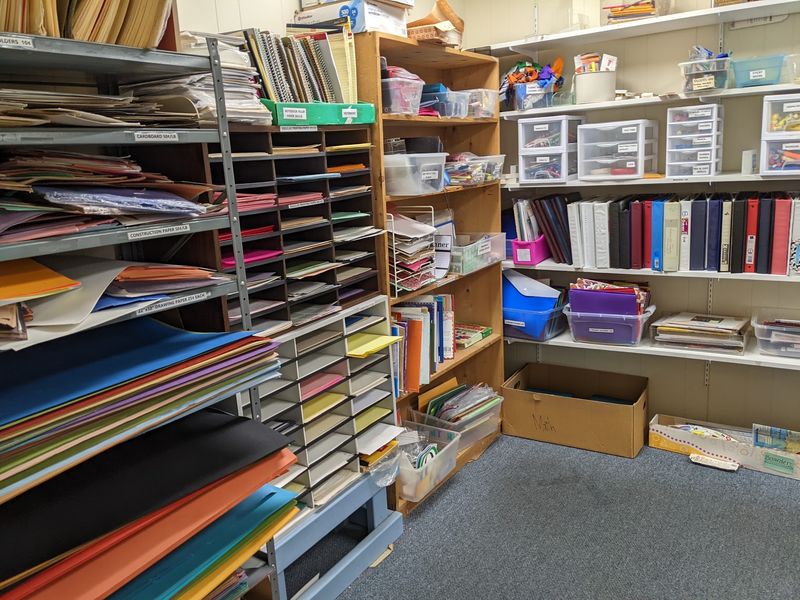
A bargain only helps when the material works for your project.
Many Lancaster Creative Reuse reviewers praise reasonable prices, and some describe checking the shop before buying new craft supplies elsewhere.
Still, no single price applies to every donated item.
Ask about the cost of an unmarked piece and how it is sold before deciding whether it fits your budget.
Think about usable material rather than the size of the bundle alone.
A large piece with damage may provide less useful fabric than a smaller piece in good condition.
Also count any extra supplies your project will require.
An inexpensive textile can become a less practical purchase if it needs special tools or several other materials you do not own.
Bring a spending limit and compare finds with your actual plans.
The strongest savings come from choosing supplies you will use, not from buying the largest pile simply because the prices sound appealing.
9. Donating Leftovers Keeps the Creative Cycle Moving
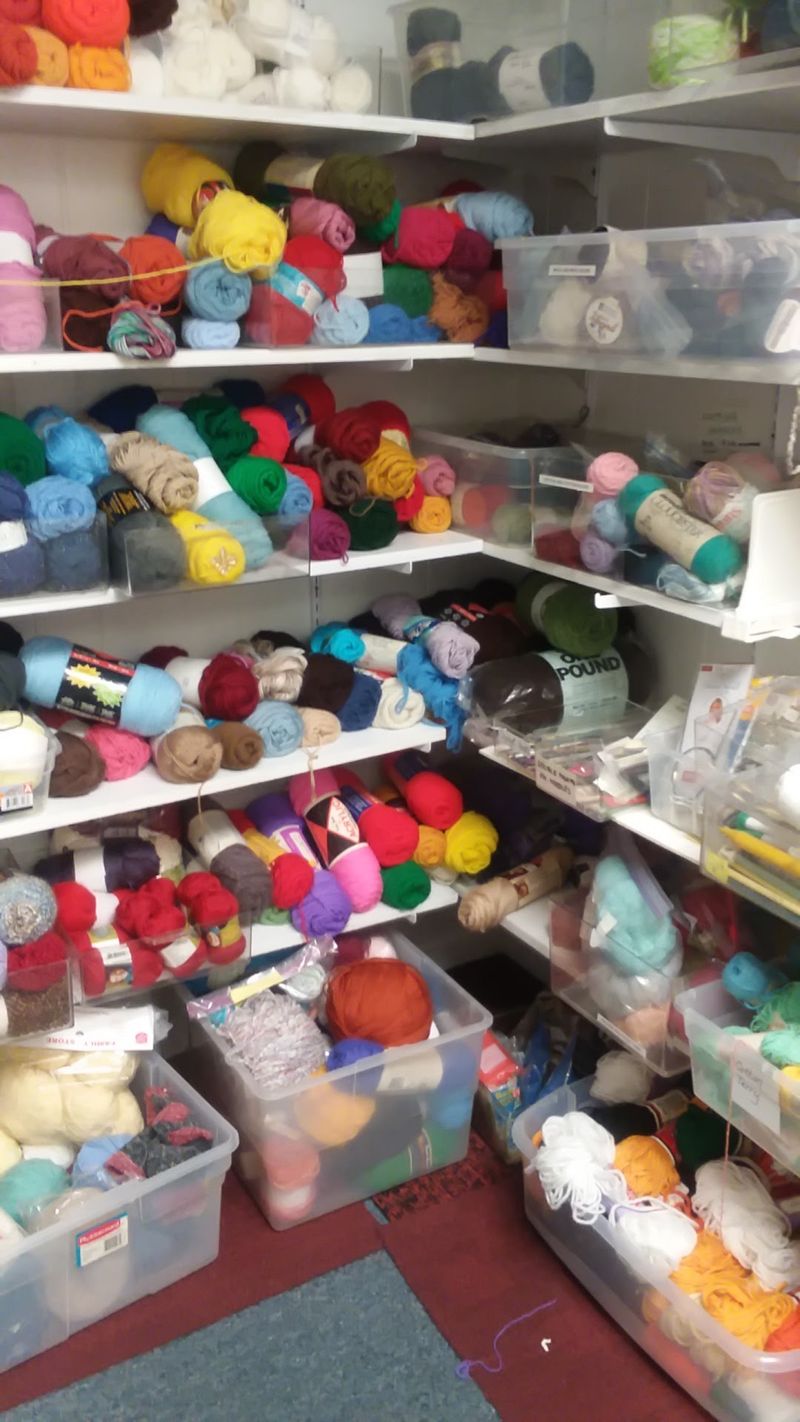
That fabric sitting untouched in your closet might be useful to another maker.
Donations are part of Lancaster Creative Reuse’s purpose, and customer reviews mention giving leftover craft supplies as well as buying them.
Before bringing anything over, check the organization’s current donation guidance through its website or by phone.
Accepted materials, drop-off steps, and limits should be confirmed rather than guessed.
Sort your supplies so you can describe what you have.
Keep fabric pieces together, protect fragile items, and separate anything dirty, damaged, or difficult to use.
For patterns or equipment, mention missing parts or known problems honestly.
A donation should help the shop pass along useful materials, not create extra cleanup work.
Setting aside supplies you no longer need can also make your own workspace easier to manage.
You gain room for projects you care about while another person may gain the missing piece for theirs.
Everyone benefits from thoughtful sorting.
10. Plan Your Lancaster Stop Before You Go
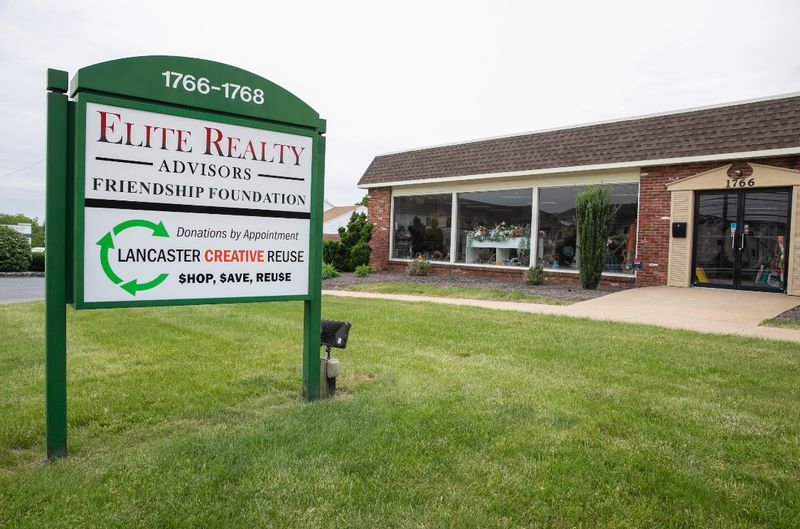
A little planning leaves more time for the fun part: finding fabric.
Lancaster Creative Reuse is listed at 1766 Oregon Pike, Lancaster, PA 17601, so use that address when arranging your trip.
The supplied hours are Tuesday and Wednesday from 10 am to 3 pm, Thursday from 10 am to 6 pm, Friday from 10 am to 3 pm, and Saturday from 10 am to 4 pm.
Monday and Sunday are listed as closed.
Check current hours before traveling, especially around holidays.
The shop’s website is lancastercreativereuse.org, and its listed phone number is 717-617-2977.
Pack measurements, project notes, and any fabric swatches you need for matching.
Allow enough browsing time to compare materials instead of rushing toward the first attractive print.
Older reviews may describe a different location, so rely on the supplied Oregon Pike address and confirm details directly.
Leave with useful supplies and a clear idea of what comes next.
Share this story