A photo can show a fabric’s color, but it cannot tell you how the cloth feels in your hands. Shopping for fabric in Philadelphia gives you a chance to check its weight, texture, drape, and true shade before you buy. You can compare different materials side by side, feel the quality for yourself, and find those little details that are easy to miss when shopping from a screen.
Whether you are sewing a first tote bag, working on a quilt, or planning a special outfit, seeing materials up close can save time, money, and a few frustrating surprises later. Many shops also carry trims, buttons, notions, and other supplies that can help bring a project together. These shops give you places to start looking, along with ideas for making each visit count.
1. Needles & Bolts
A tiny scrap can change a whole project.
At Needles & Bolts, go in with that idea and give yourself time to notice details a product photo might miss.
Hold a fabric up to the light, then lay it flat.
You may spot a loose weave, a soft finish, or a color that looks different from the one on your phone.
Before leaving home, write down what you plan to make and how much fabric your pattern calls for.
Bring the pattern envelope if you have one.
Its list of suggested fabrics can help you avoid buying cloth that is too stiff for a flowing skirt or too thin for a sturdy bag.
Bring along a button, a piece of trim, or a small sample from another part of your project.
Comparing colors in person is easier than guessing from memory.
Look at your choices under more than one light when possible, since indoor bulbs and daylight can make the same shade appear different.
If you are new to sewing, start with a fabric that feels steady rather than slippery.
Cotton with a clear weave is often easier to cut and guide through a machine than slick material.
Ask how the cloth should be washed before cutting it, because some fabrics shrink during their first wash.
Check the full width of the bolt, not just the folded edge.
A pattern near the center may be different from the part you first see.
If you need matching pieces, ask how much extra yardage would allow for that match.
Also look for marks or faded spots before your fabric is cut.
A good fabric-shopping trip is not a race.
Take a photo of a possible choice, note its price and width, and think about how it fits your budget.
The best find is the one that works when you bring it home, not just the one that caught your eye for a moment.
2. Halal Textiles
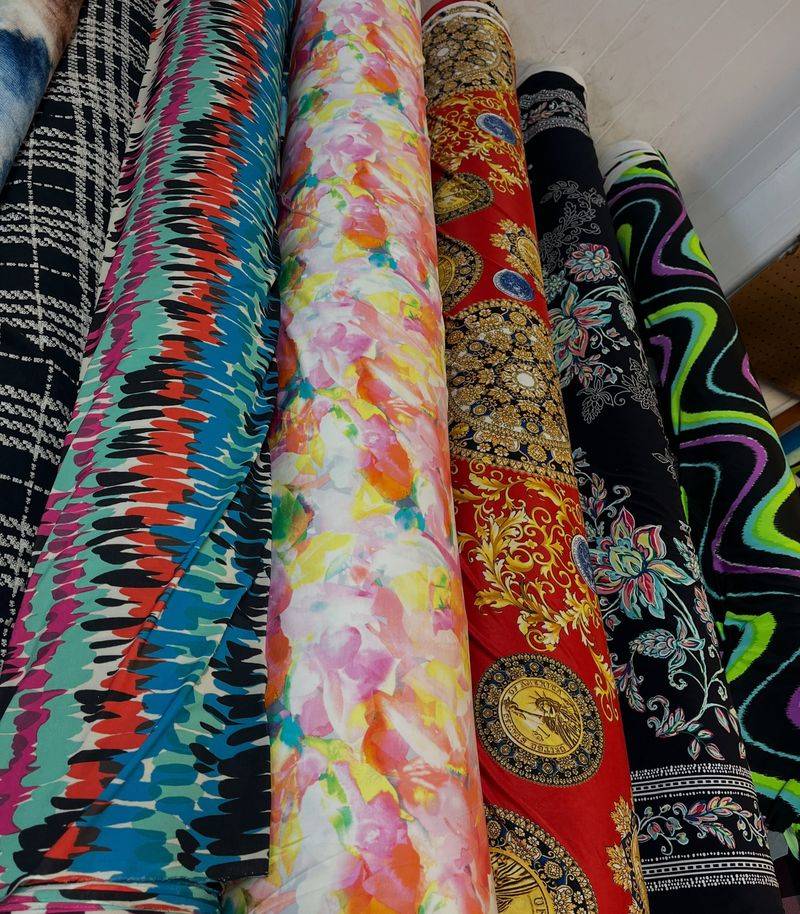
Color can surprise you when it leaves a screen.
A deep green may look almost black indoors, while a bright print may feel calmer in person.
Keep that in mind when visiting Halal Textiles.
The best reason to shop face to face is the chance to see how a fabric moves and looks in real light.
Try holding a length of cloth against yourself if there is space and staff allow it.
Does it fall smoothly, or does it stand away from your body?
For a dress, scarf, or loose top, that difference matters.
If you are shopping for a garment that needs coverage, check how much light passes through the material.
Bring a simple list: the garment, needed yardage, preferred colors, and your spending limit.
If you follow a pattern, check its fabric suggestions before you go.
Ask whether the cloth has a clear right side and whether a print runs in one direction.
Both details affect cutting.
When several fabrics look close, place them beside each other.
A small difference in shade or weight may become obvious right away.
If you plan to add a lining, compare the two layers together.
You want them to move comfortably rather than pull against each other.
Ask about care before making a final choice.
Washing instructions matter for something you hope to wear often.
Also check the fabric width on the bolt.
Narrower cloth may require more yardage than your pattern first suggests, which can change the total cost.
Give yourself room to change your mind.
You might arrive looking for one color and find a texture that suits your project better.
Write down the details of any choice you leave behind.
That way, a thoughtful second visit starts with useful notes instead of another round of guessing.
3. B Wilk Fabrics
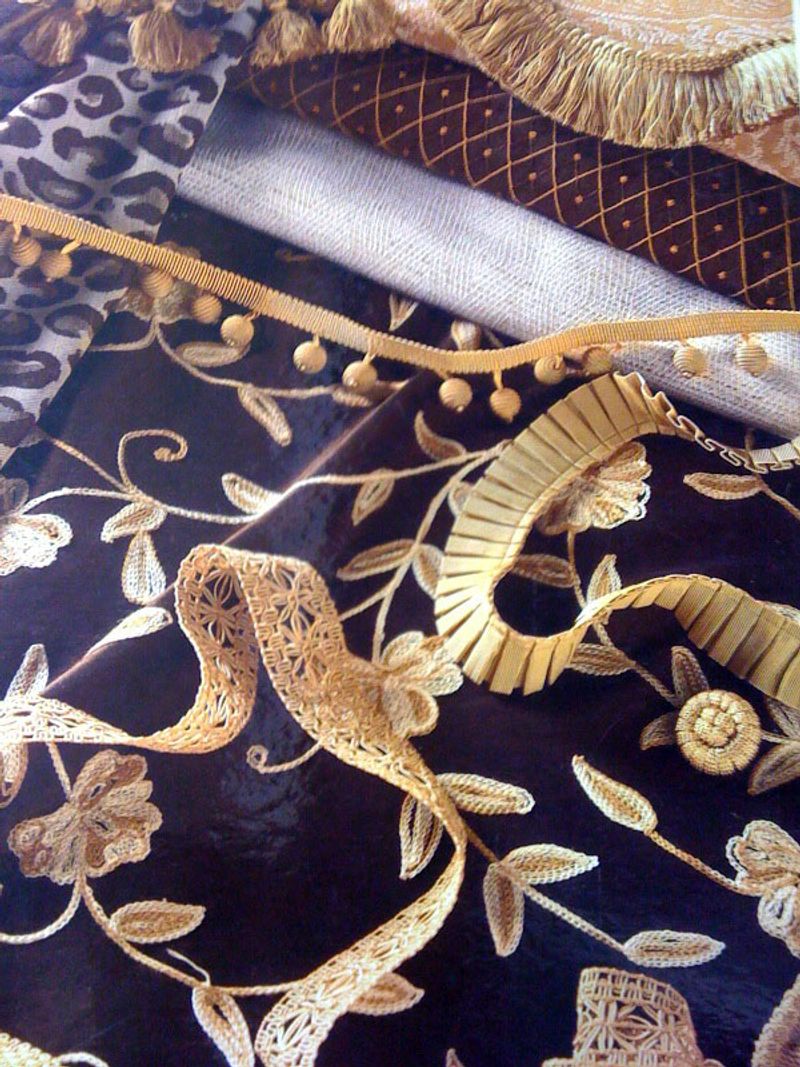
That sofa cushion you meant to fix can be a useful reason to visit a fabric shop.
If B Wilk Fabrics is one of your stops, bring the old cover or a clear photo of the room.
Seeing cloth beside what you already own is far more helpful than trying to match a shade from memory.
Home projects have their own needs.
A pillow cover must handle regular use, while a light curtain should hang the way you want.
Tell staff what you are making and ask which materials suit it.
A fabric that looks lovely on a bolt might stretch, fade, or wrinkle in ways that do not fit your plan.
Measure your project before you shop.
For a pillow, include seam allowances and any extra cloth needed to match a print.
For curtains, note the window width, desired length, and how full you want the panels.
Bring those figures on paper so you are not doing rushed math beside the cutting table.
Touch the fabric and look closely at its weave.
If it is meant for a busy seat, ask about durability and cleaning.
If it will hang near a sunny window, ask whether fading could be a concern.
You can also hold a sample up to the light to judge how much privacy it may provide.
Do not forget the small supplies.
Thread color, a zipper, and the right needle can decide whether your project gets finished this weekend or sits in a bag.
Check what you already have at home before adding extras to your purchase.
A practical visit ends with a clear plan.
Note the fabric width, care directions, price, and amount you bought.
Keep a small offcut for future repairs or matching.
That little piece may prove more useful than a saved picture on your phone.
4. Approved Textiles
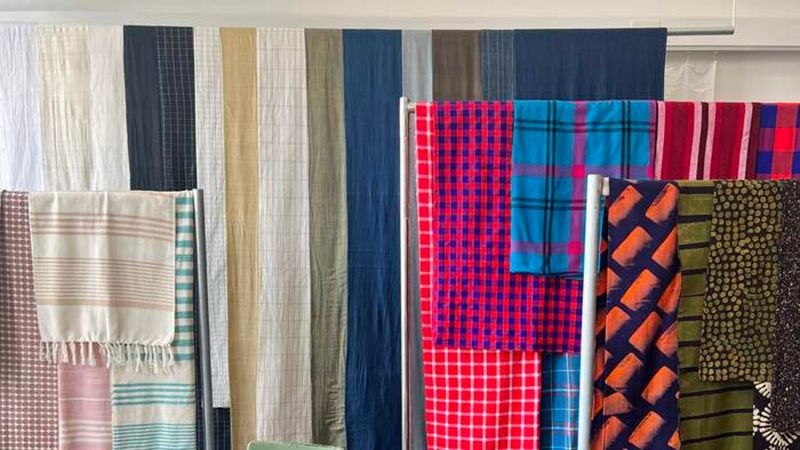
The name sounds like a stamp of approval, but your own project gets the final vote.
At Approved Textiles, focus on what the material must do rather than how quickly it grabs your attention.
A fabric can be striking and still be wrong for a bag, shirt, tablecloth, or costume.
Begin with a quick test you can do by hand, if handling is welcome.
Gather a little cloth and release it.
Does it keep a crease or fall back into shape?
Hold it near a window or bright light to check its thickness.
Feel both sides, since the back may touch your skin or show in a finished seam.
If you need several yards, ask whether all of them can come from the same bolt.
Color can vary between batches, and matching pieces look better when their shades agree.
Check for a directional print as well.
Designs with a clear top and bottom may require extra yardage.
A budget works best when it includes more than the sticker price.
Think about lining, interfacing, closures, thread, and washing needs.
Ask the price per yard and confirm the width before doing your math.
Those two numbers make comparing options much easier.
For a first project, choose a pattern with few pieces and a material that stays put while you cut.
You can build your skills before trying fabric that slips across the table.
If you already sew often, use an in-person visit to inspect unusual textures you would hesitate to order unseen.
Take notes on your favorite choices, even if you buy nothing that day.
Record the color, feel, width, and possible use.
Good shopping sometimes means waiting until you know exactly what you need.
The next time you return, you can spend less time guessing and more time making.
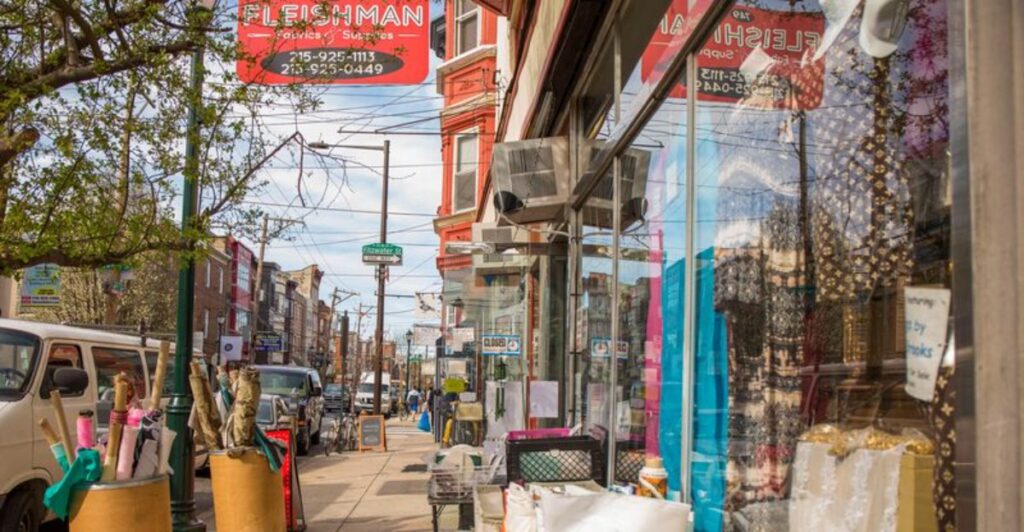
5. Fleishman Fabrics
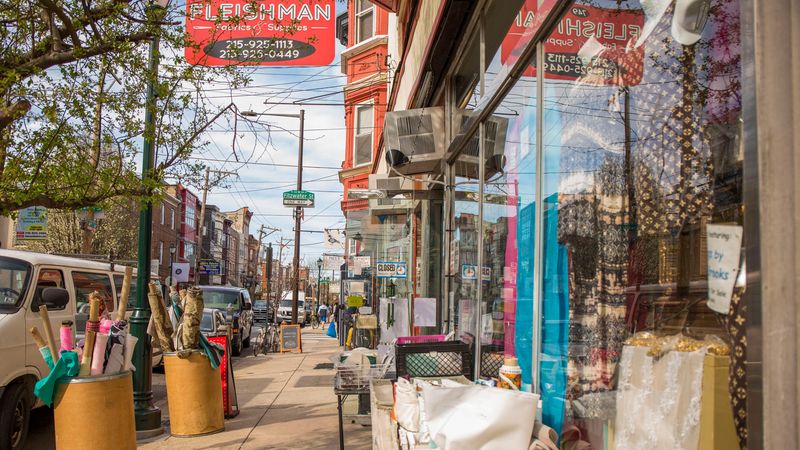
Some fabrics remind you of a favorite coat, an old family tablecloth, or a costume made for a school play.
That feeling can be a good starting point at Fleishman Fabrics, but let your hands help make the final choice.
Nostalgia is wonderful; a fabric that works for your project is even better.
Bring the pattern you plan to use.
Its envelope usually lists fabric types and the amount needed for different sizes.
Check your measurements against the pattern chart before you shop.
Ready-made clothing sizes do not always line up with sewing pattern sizes, and buying too little cloth is frustrating.
Prints deserve a close look.
Step back to see the whole design, then move closer to check the details.
A pattern that looks tiny on a screen can seem much larger across a full width of fabric.
If you want matching stripes or repeating shapes, ask how much extra material to allow.
Look at the cloth’s edge and body.
Does it fray easily?
Does it stretch in one direction or two?
Neither feature is automatically bad, but each changes how you cut and sew.
Ask which needle and thread would be a sensible match for the material you choose.
If you are shopping with a child or a new sewer, let them pick between a few suitable options.
Having a say in the color can make a simple project feel special.
Keep the first project small enough to finish, such as a drawstring bag or an easy pillow cover.
Before paying, review your list and your total.
Ask about care instructions, and save the information with your pattern.
When the project is done, keep a scrap in a notebook.
It can remind you what worked, what was tricky, and which texture you would happily sew again.
6. Phuong’s Tailor And Fabrics
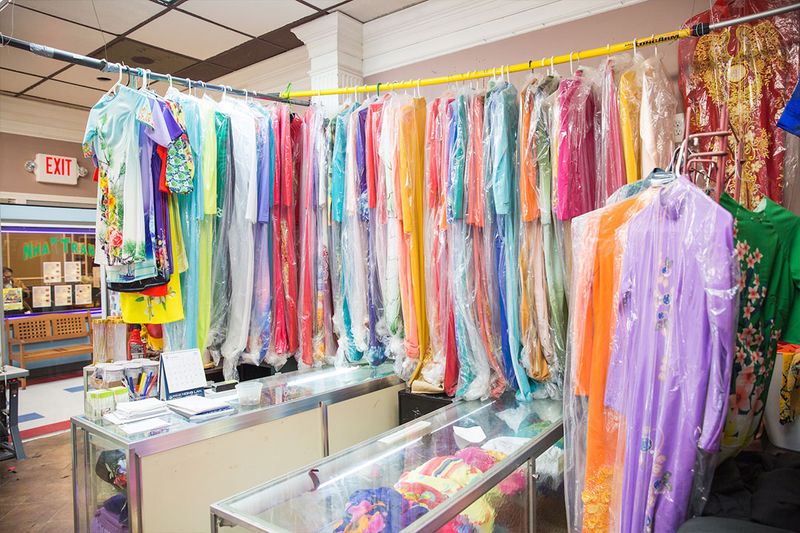
A garment tells the truth when you move in it.
That makes a tailor-and-fabric stop especially interesting: you can think about both the cloth and the shape of the finished piece.
If you visit Phuong’s Tailor And Fabrics, bring a clear idea of what you want to wear and how you want it to feel.
Start with the garment’s job.
Is it for daily use, a celebration, or a repair to something you already love?
A fabric for a crisp collar may not suit a loose sleeve.
Explain whether you want softness, structure, stretch, or easy washing.
Specific needs lead to better questions than simply asking what looks nice.
If you want tailoring work, take the actual garment with you rather than relying on a photo.
Try it on if a fitting is offered, and point out exactly where it feels tight, long, or awkward.
Ask what changes are possible before you buy matching cloth or agree to alterations.
When choosing a material, hold it beside your skin or another piece of clothing if staff permit.
Check whether it feels comfortable and whether it lets enough light through.
For a garment with a lining, ask how the layers will work together.
Remember that different fabrics may need different care.
Discuss timing early.
A project needed for an event leaves less room for changes, so confirm the expected schedule and any fitting steps.
Ask for a clear price covering fabric, labor, and extras.
Written notes help everyone remember the same plan.
Even a simple hem is worth discussing carefully.
Bring the shoes you expect to wear with the outfit, since heel height can change where the hem should fall.
A thoughtful visit can turn a vague clothing idea into a practical choice you will want to wear again.
7. Gaffney Fabrics
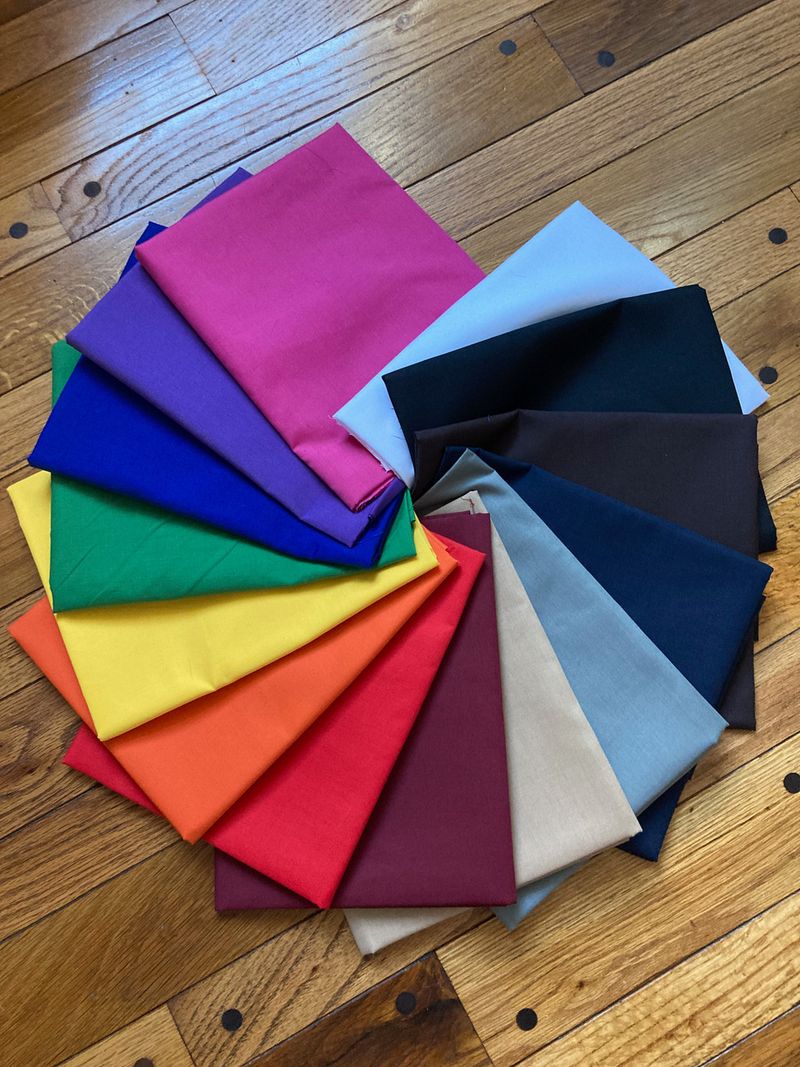
A bold print can look like a small adventure on the bolt.
At Gaffney Fabrics, give any fabric you like a second look from a few feet away.
Distance helps you see the whole pattern instead of only one flower, stripe, or shape.
That view matters when the cloth becomes a curtain, shirt, or quilt.
Bring measurements and a sketch of your project.
Even rough drawings can show where seams and pattern pieces will go.
Check whether the print has a clear direction.
If every shape must face up, you may need more fabric than you would for a print that works either way.
For quilting, think about contrast as well as color.
Two fabrics may look different close up but blend together from across the room.
Place possible choices side by side and step back.
A mix of light, medium, and dark values can help your shapes stand out.
If you are making clothing, consider how the design will cross seams.
Large lines or pictures may need careful matching.
Ask about the pattern repeat and whether extra yardage would help.
Also feel the cloth against your hand or arm; an eye-catching print will not make a scratchy shirt pleasant.
Keep your budget in view.
Write down the price per yard and fabric width before you decide.
Compare the amount your pattern requires with what you can spend.
If the choice is costly, a smaller project might let you enjoy it without changing your whole plan.
Before the cut, look for flaws along the length you intend to buy.
Ask about washing and shrinkage, too.
Once home, store the fabric with its care notes and your pattern.
Those small steps protect the excitement of finding something special and make the sewing part much smoother.
8. Jack B Fabrics
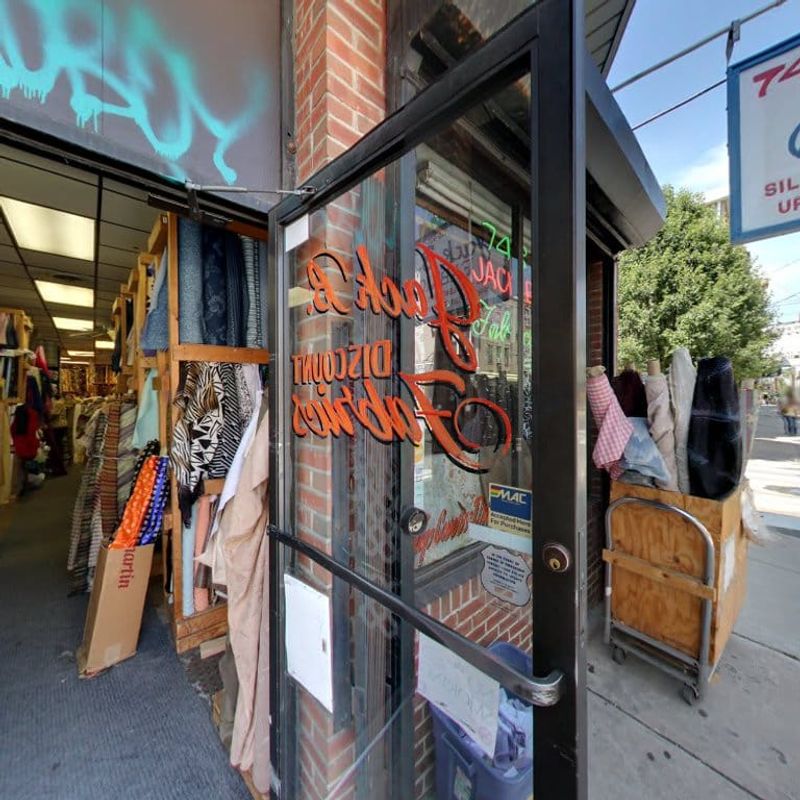
The last stop on a fabric hunt can be the one that solves everything.
Perhaps you still need a lining, a better color match, or enough sturdy cloth to finish a bag.
Keep Jack B Fabrics in mind as a place to investigate, and arrive with a list of the gaps in your project rather than starting over.
Check current hours and shopping details before traveling.
Shop information can change, and a quick call may save a wasted trip.
If you need a specific type of cloth, ask whether it is available before you set out.
Say what you are making so the answer is useful.
Take along the materials you have already chosen.
Put possible additions next to them and compare both color and feel.
A lining should sit comfortably with the outer fabric; a patch should be strong enough for the item it repairs.
When matching an older piece, remember that wear and washing can change its original shade.
For repairs, inspect the damaged area before buying anything.
A tear near a seam may need a different fix from a worn patch in the middle of a panel.
Ask whether your material choice is suitable, and bring a photo if carrying the item is difficult.
Check your measurements one final time.
A small shortage can stop a project at the worst moment, while too much cloth adds cost.
Confirm the bolt width and ask whether the fabric should be washed before cutting.
Note the care directions so the finished item lasts.
Leaving with a workable answer feels better than leaving with a random bargain.
Whether you find the final piece or learn what to look for next, use what you can see and touch.
That is the part of fabric shopping no product photo can do for you.
Share this story