Tennessee has a surprising number of museums that don’t charge a dime to walk through their doors. From presidential history and Civil War battlefields to contemporary art and rock-and-roll legends, these spots let you explore without worrying about admission fees.
Whether you’re traveling through the state or looking for a weekend outing close to home, these ten free museums offer something memorable for everyone.
1. Tennessee State Museum – Nashville
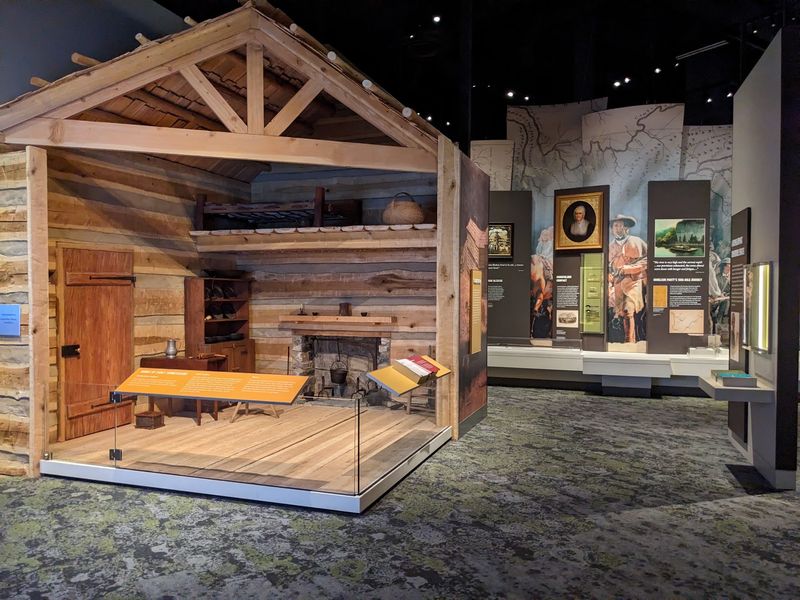
Sitting in the heart of Nashville, this museum sprawls across more than 120,000 square feet and never asks for a ticket. You can spend hours wandering galleries that cover everything from ancient Native American artifacts to the Civil War, early statehood, and the music that put Tennessee on the map.
The permanent collection includes over 60,000 objects, so every visit can reveal something new.
One floor might show you a pioneer cabin interior, complete with handmade tools and quilts. Another section highlights famous Tennesseans, including presidents, musicians, and activists who shaped the state and the nation.
The exhibits don’t just throw facts at you; they use interactive displays, life-size dioramas, and original documents to make history feel real and immediate.
Families appreciate that kids can roam freely without parents stressing over entrance costs. School groups fill the halls on weekdays, but weekends and evenings tend to be quieter if you prefer a more relaxed pace.
The museum also hosts rotating exhibitions, so even regulars find fresh content throughout the year.
Parking downtown can be tricky, but there’s a nearby garage and metered street spots. Plan to arrive early if you want to see the whole place in one go.
The gift shop sells Tennessee-themed books, crafts, and snacks if you need a break or a souvenir.
Because admission stays free every single day, you can pop in for thirty minutes or three hours without feeling like you wasted money. That flexibility makes it easy to return whenever curiosity strikes.
Whether you’re a history buff or just killing time between honky-tonks, this museum delivers a solid dose of Tennessee culture without touching your wallet.
2. Dixon Gallery & Gardens – Memphis
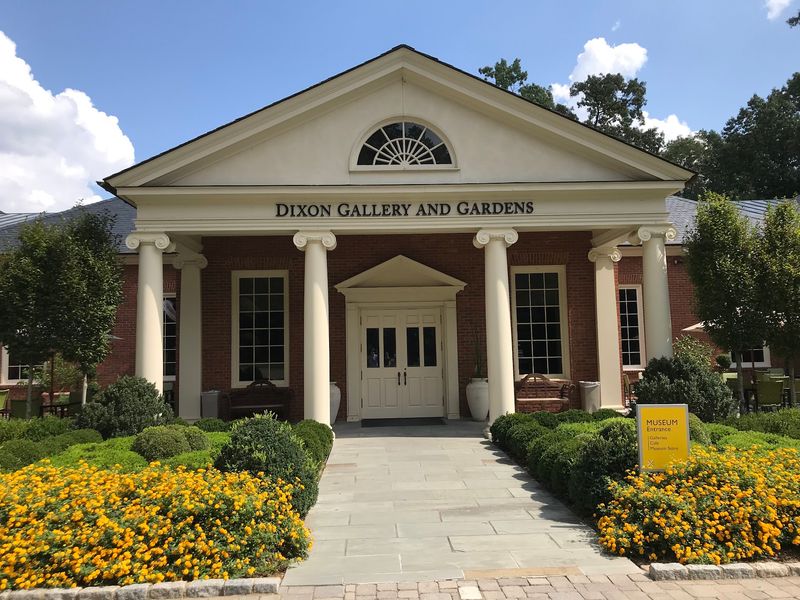
Most art museums stop at the gallery walls, but this Memphis gem hands you seventeen acres of gardens to wander after you’ve seen the paintings. The permanent collection leans heavily on French and American Impressionists, with works by Monet, Degas, and Renoir hanging in intimate rooms that feel more like a grand home than a sterile museum.
You won’t battle crowds to see each piece, and the quiet atmosphere lets you actually absorb the brushstrokes.
Once you’ve had your fill of indoor art, step outside into themed gardens that shift with the seasons. Spring brings azaleas and dogwoods in full bloom, while summer fills the grounds with roses and daylilies.
Fall colors light up the woodland trails, and even winter has a stark beauty when frost coats the sculptures scattered across the lawns. Benches appear at just the right spots for resting or sketching.
The Dixon hosts rotating exhibitions that bring in contemporary artists and special collections, so the experience evolves throughout the year. Free admission means you can visit multiple times to catch different shows without calculating ticket costs.
Docent-led tours happen regularly if you want deeper context, but self-guided exploration works just as well.
Parking is straightforward, with a lot right on-site. The museum cafe serves light lunches and pastries if hunger strikes mid-visit, though you’re also welcome to pack a picnic for the gardens.
Weekday mornings tend to be the calmest, giving you nearly private access to both the art and the outdoor spaces.
Because the Dixon combines two experiences under one free ticket, it feels like a double win. You can spend an hour indoors and another hour outside, or focus entirely on whichever appeals more that day.
Either way, you leave having enjoyed world-class art and natural beauty without spending a cent on admission.
3. West Tennessee Delta Heritage Center & Tina Turner Museum – Brownsville
Brownsville might not be on every traveler’s radar, but this small-town museum complex packs a punch, especially if you care about music history. The main building covers West Tennessee’s Delta culture, agriculture, and the musicians who emerged from the cotton fields and juke joints.
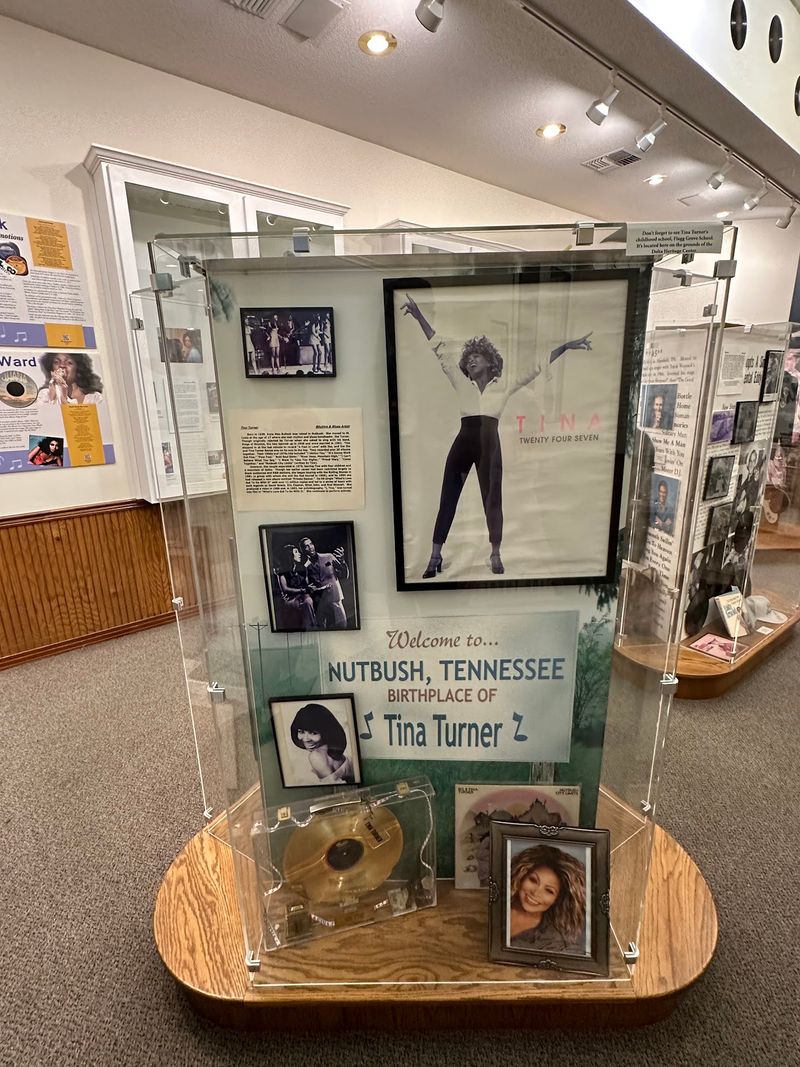
Then there’s the real showstopper: Tina Turner’s actual childhood schoolhouse, transformed into a museum dedicated to her life and career. Walking into that one-room building where she sat as a girl feels surreal, and the exhibits trace her journey from Nutbush to global superstardom.
Self-guided tours let you move at your own speed, reading personal stories and viewing memorabilia that includes costumes, records, and photographs. The Tina Turner section doesn’t sugarcoat the hardships she faced; it celebrates her resilience and talent in a way that’s both educational and deeply moving.
You’ll leave with a fuller understanding of how her roots shaped her artistry.
The broader Delta Heritage Center explores the region’s blues and soul traditions, highlighting lesser-known artists who influenced American music. Interactive displays let you listen to recordings and watch vintage performance clips.
It’s a small museum, so you won’t need all day, but the content is rich enough to hold your attention for a solid hour or two.
Parking is easy and right next to the entrance. The staff are friendly and often share anecdotes about the area’s musical legacy if you ask.
Brownsville itself is quiet, so plan to grab lunch at a local diner before or after your visit.
Because admission stays free, there’s no reason to skip this spot if you’re anywhere near West Tennessee. The Tina Turner connection alone makes it unique, and the surrounding exhibits on Delta culture add depth.
You walk away with stories you won’t find in bigger, flashier museums, and you didn’t pay a dime to hear them.
4. Shiloh National Military Park Visitor Center Museum – Shiloh
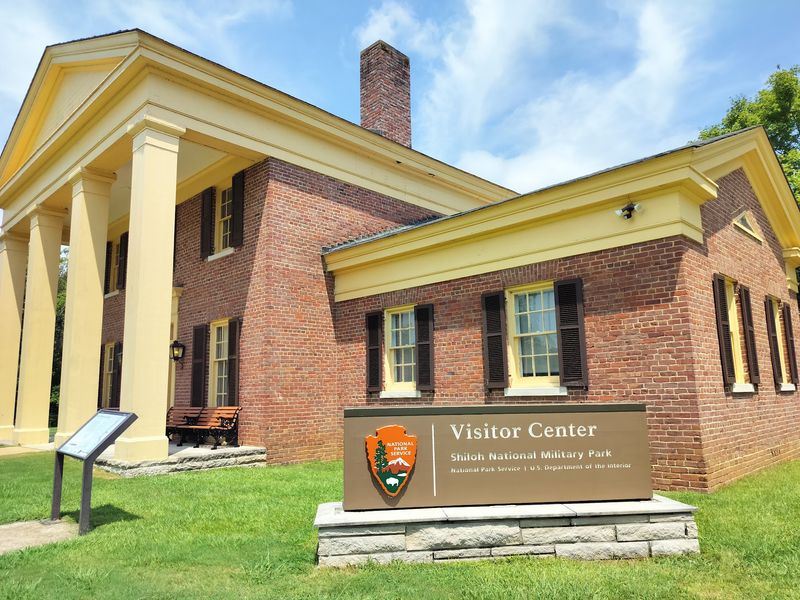
Shiloh marks one of the Civil War’s bloodiest early battles, and the visitor center museum puts that history right in front of you. Hundreds of artifacts fill the display cases, from muskets and uniforms to personal letters written by soldiers who never made it home.
The exhibits don’t glorify war; they show its human cost through objects that once belonged to real people caught in the chaos.
A short film runs regularly in the theater, giving you context before you explore the battlefield itself. The movie uses maps and firsthand accounts to explain how the two-day fight unfolded and why it mattered strategically.
After watching, you can step outside and walk or drive the battlefield trails, where markers and monuments describe key moments and positions. The landscape looks peaceful now, but standing on those fields makes the scale of the conflict tangible.
The museum also highlights medical practices of the era, showing crude surgical tools and explaining how field hospitals operated under impossible conditions. It’s sobering stuff, but it helps you grasp what soldiers and doctors endured.
Kids often find the weapon displays and battle maps engaging, though younger children might not connect with the heavier themes.
Because the entire park and museum are free, you can take your time without worrying about maximizing a paid ticket. Some visitors spend half a day here, combining the museum with a full battlefield tour. Others just pop into the visitor center for an hour. Either approach works.
Parking is plentiful, and restrooms and water fountains are available. The park can get hot and buggy in summer, so dress accordingly if you plan to walk the trails.
Spring and fall offer the most comfortable weather, with wildflowers or autumn leaves adding beauty to the historic landscape. No matter when you visit, the museum and battlefield deliver a powerful, free lesson in American history.
5. Cookeville Depot Museum – Cookeville
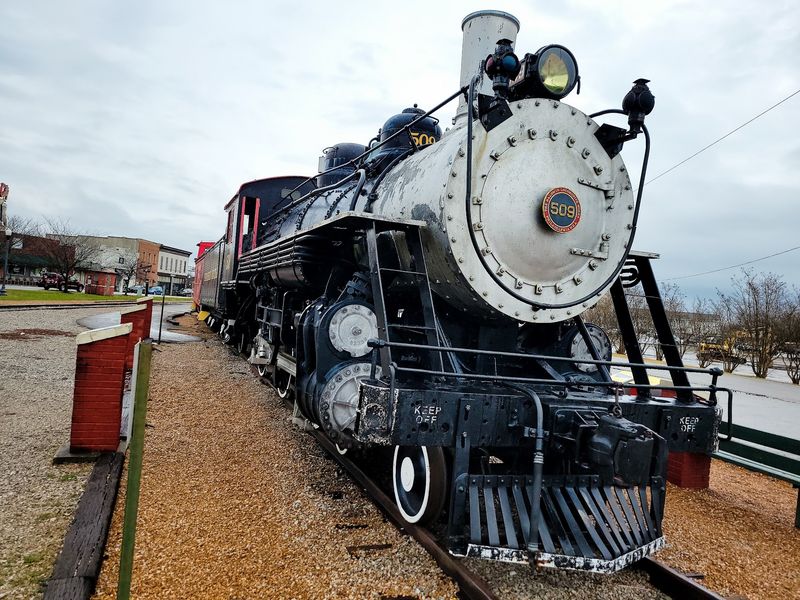
Train enthusiasts and casual visitors alike find something to love at this old depot turned museum. The building itself dates back to the early 1900s and served as the hub for the Tennessee Central Railway, which connected Cookeville to Nashville and beyond.
Inside, you’ll find photographs, maps, and documents that trace the railroad’s history and its role in shaping the region’s economy. The exhibits explain how trains moved people, livestock, and goods before highways dominated transportation.
Step outside, and the real stars appear: full-size locomotives and train cars you can walk through and examine up close. Kids scramble aboard the cabooses and peer into the engineer’s cab, imagining what it felt like to operate these iron giants.
The museum preserves several pieces of rolling stock, each with its own story about the routes it traveled and the cargo it carried. Signage around each vehicle gives you the details without overwhelming you with jargon.
The depot also hosts rotating exhibits on local history, sometimes focusing on Cookeville’s development or the people who worked on the railway. These smaller displays change periodically, so repeat visitors often discover new content.
The staff are volunteers who genuinely care about railroad history, and they’re happy to answer questions or share anecdotes if you’re curious.
Parking is simple, with a small lot adjacent to the depot. The museum isn’t huge, so plan for about an hour unless you’re a hardcore rail fan who wants to study every placard.
Weekends can bring families with young children, but weekdays are typically quieter.
Because admission costs nothing, it’s an easy stop if you’re passing through Cookeville or looking for a quick, educational outing. The combination of indoor exhibits and outdoor equipment makes it more engaging than a typical small-town museum.
You leave with a better appreciation for how trains shaped Tennessee’s growth, and you didn’t spend a cent to learn it.
6. Stones River National Battlefield Visitor Center Museum – Murfreesboro
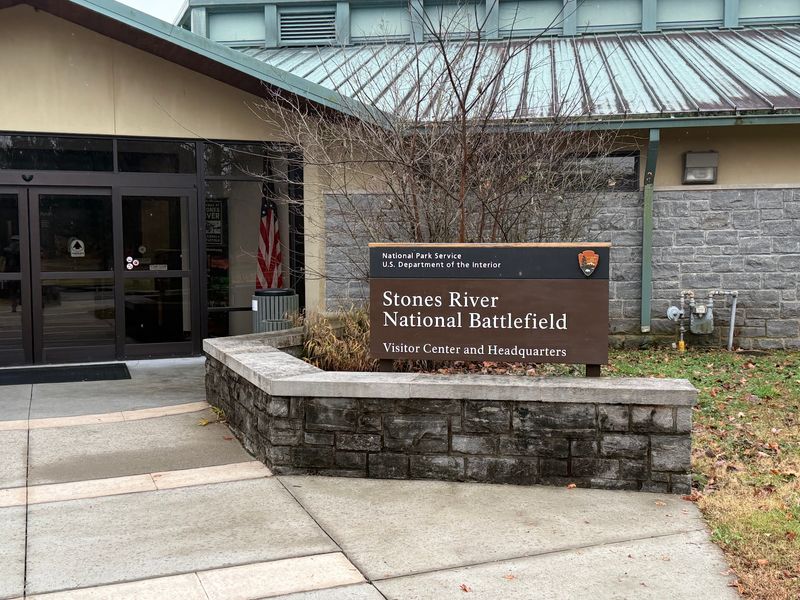
Murfreesboro’s battlefield tells the story of a brutal winter fight that helped decide the war’s course in the Western Theater. The visitor center museum spreads across three galleries, each packed with artifacts, maps, and personal accounts from soldiers on both sides.
You’ll see weapons, uniforms, and medical supplies, but also letters and diaries that reveal the fear and exhaustion these men faced. The exhibits don’t pick heroes and villains; they show the battle as a human tragedy that cost thousands of lives in just a few frozen days.
A large relief map in the main gallery uses lights and narration to walk you through the battle’s phases, helping you understand troop movements and tactical decisions. It’s one of those old-school displays that somehow works better than a flashy video because you can study the terrain while the story unfolds.
After absorbing the indoor exhibits, you can drive or walk the battlefield loop, stopping at monuments and interpretive signs that mark key locations like the Slaughter Pen and Hell’s Half Acre.
The surrounding battlefield includes a national cemetery where many of the fallen were buried. Walking among the rows of headstones drives home the scale of loss in a way that numbers on a wall never could.
The grounds are well-maintained and peaceful, offering a quiet space for reflection.
Because the entire site is fee-free, you can visit as often as you like without worrying about admission costs. Some people come back multiple times to fully explore the trails and read every marker. Others just spend an hour in the museum and leave with a deeper understanding of this pivotal clash.
Parking is easy, and the visitor center has restrooms and a small bookstore. The staff can recommend driving or walking routes based on how much time you have.
Whether you’re a Civil War buff or just curious about local history, Stones River delivers a powerful, free experience that sticks with you long after you leave.
7. Knoxville Museum of Art – Knoxville
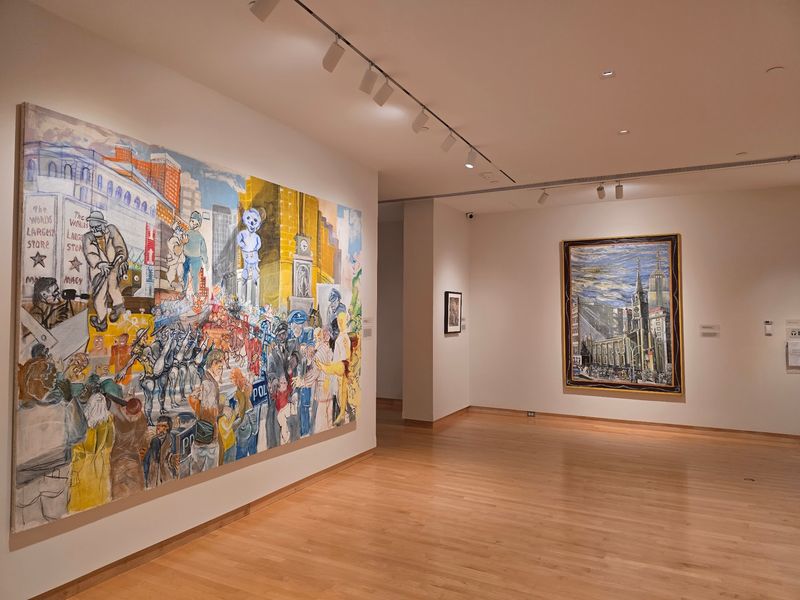
Perched near downtown Knoxville, this museum focuses heavily on East Tennessee artists and the region’s visual culture, giving it a distinct flavor you won’t find in bigger, more generalized institutions. The permanent collection includes paintings, sculptures, photographs, and decorative arts that trace the area’s creative evolution from the 19th century to today.
You’ll recognize local landscapes and cultural themes that feel specific to Appalachia, even if you’re not an art expert.
Rotating exhibitions bring in contemporary artists from around the region and beyond, so the galleries stay fresh. One visit might feature bold abstract pieces, while the next showcases traditional folk art or cutting-edge installations.
The museum doesn’t stick to one style or period, which keeps things interesting and accessible to a wide audience. Even if modern art isn’t your thing, you’ll likely find at least one gallery that grabs your attention.
The building itself is bright and open, with natural light flooding the spaces. It’s designed to feel welcoming rather than intimidating, so you can wander without feeling like you need a PhD to appreciate what’s on the walls.
Docents are available if you want guided context, but self-guided tours work just fine for most visitors.
Families with kids often stop by because the museum hosts hands-on art activities and workshops, though schedules vary. The gift shop sells locally made crafts, prints, and books if you want to support regional artists. A small cafe offers coffee and snacks, making it easy to take a break mid-visit.
Parking can be tight during busy weekends, but there’s a nearby garage and street parking if you don’t mind a short walk. Weekday afternoons tend to be quieter, giving you more breathing room in the galleries.
Because admission is free every day, you can drop in for thirty minutes or spend a whole afternoon without feeling pressured to “get your money’s worth.” That flexibility makes it a low-stress cultural outing that fits into any schedule.
8. McClung Museum of Natural History & Culture – Knoxville
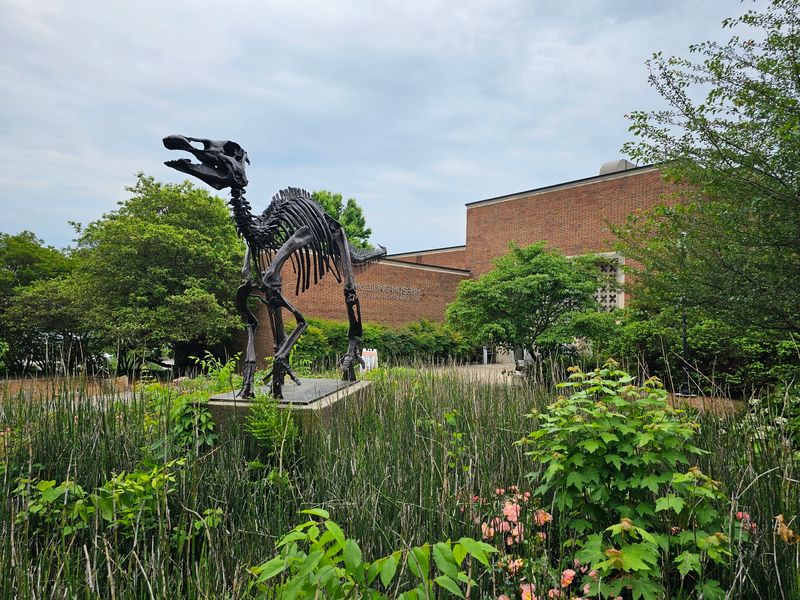
Located on the University of Tennessee campus, this museum offers a completely different Knoxville experience from the art museum down the road. Here, you’ll find fossils, minerals, ancient pottery, and exhibits on world cultures that span continents and millennia.
The permanent collections cover archaeology, natural history, and anthropology, so you can jump from dinosaur bones to Native American artifacts to Egyptian relics all in one visit. It’s eclectic in the best way, giving you a little bit of everything without feeling scattered.
One gallery might display Ice Age megafauna from Tennessee, including massive mastodon bones unearthed from local sites. Another section explores the daily lives of prehistoric peoples who lived in the region thousands of years ago, showing their tools, pottery, and burial practices.
The museum also has a strong collection of decorative arts from Asia, Africa, and the Americas, with textiles, sculptures, and ceremonial objects that highlight human creativity across cultures.
Kids love the hands-on discovery room, where they can touch fossils, examine replica artifacts, and try on costumes from different time periods. It’s designed to engage younger visitors without dumbing down the content, so parents and children both walk away learning something new.
The museum also hosts temporary exhibitions that rotate throughout the year, adding fresh content even for repeat visitors.
Parking on campus can be confusing, but the museum has a small lot nearby, and visitors are usually allowed to park there without a permit. Check the museum’s website or call ahead if you’re unsure about parking rules.
The building is easy to find once you’re on campus, with clear signage pointing the way.
Because admission is free, the McClung makes an ideal rainy-day activity or a quick educational stop if you’re in the area. You don’t need to be a student to visit, and the museum welcomes the public during regular hours.
9. Reece Museum – Johnson City

Tucked into East Tennessee State University’s campus, the Reece Museum zeroes in on Appalachian culture, art, and history with a collection that reaches roughly 22,000 artifacts. You won’t find generic regional exhibits here; the focus is deeply rooted in the mountains and the people who’ve shaped this corner of Tennessee for generations.
Rotating exhibitions pull from that massive collection to explore everything from traditional crafts and music to social movements and environmental issues unique to Appalachia.
One visit might feature quilts, handmade furniture, and folk art that showcase the region’s creative traditions. Another exhibition could highlight the coal industry’s impact on local communities, using photographs, oral histories, and mining equipment to tell a complex story.
The museum doesn’t shy away from difficult topics like poverty and labor struggles, but it also celebrates the resilience and ingenuity that define Appalachian culture. That balance makes the exhibits feel honest and respectful rather than sentimental or exploitative.
The Reece also displays fine art by regional painters, sculptors, and photographers, giving you a sense of how Appalachian landscapes and lifestyles inspire contemporary creativity. Some pieces are traditional, while others push boundaries and challenge stereotypes about the region.
The variety keeps the experience engaging, whether you’re an art lover or just curious about the area’s heritage.
Parking on campus is usually straightforward, with visitor lots near the museum. The building is small compared to major city museums, so you can see everything in about an hour.
The staff are knowledgeable and often happy to discuss the current exhibitions or recommend other Appalachian cultural sites in the area.
Because admission stays free, the Reece makes an easy addition to any Johnson City itinerary. It’s especially valuable if you want to understand the region beyond surface-level tourist narratives.
You leave with a richer, more nuanced picture of Appalachia, and you didn’t pay anything to gain that perspective.
10. Andrew Johnson National Historic Site Museum – Greeneville
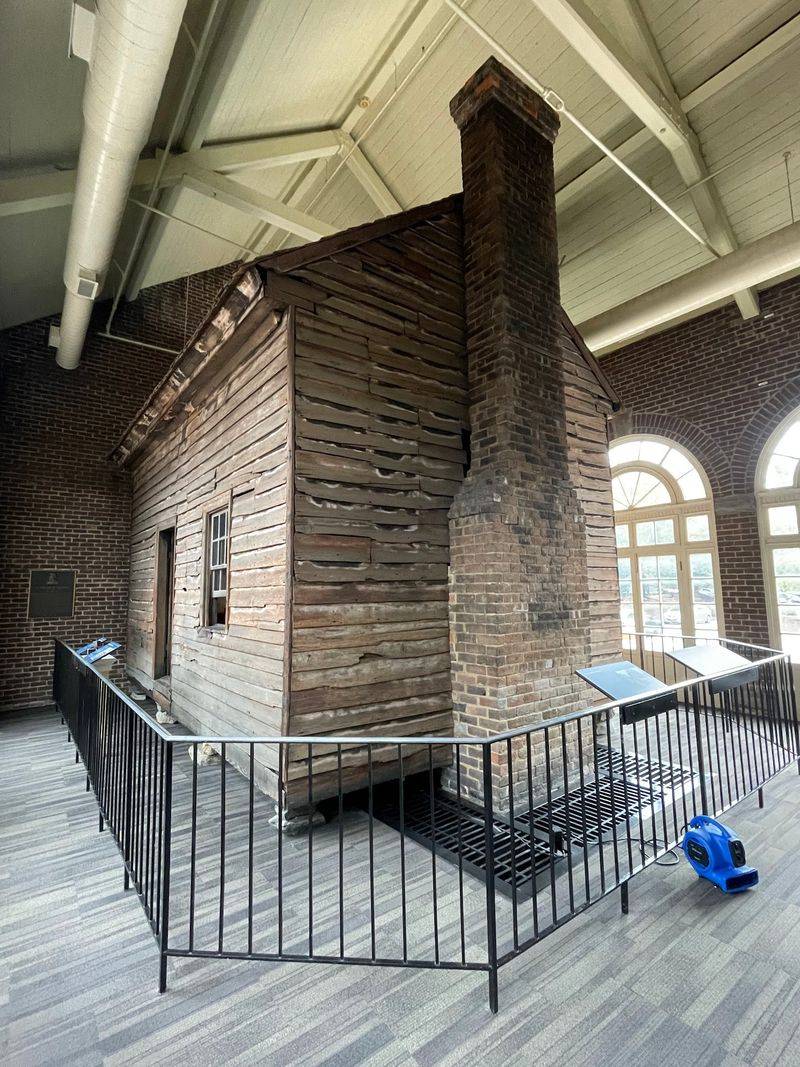
Greeneville might be small, but it holds a big piece of presidential history. Andrew Johnson, the 17th president, lived and worked here before and after his turbulent time in office, and the national historic site preserves multiple buildings connected to his life.
The visitor center museum digs into his rise from tailor to politician, his rocky presidency following Lincoln’s assassination, and his eventual return to Tennessee. The exhibits don’t gloss over his flaws or his impeachment; they present a complicated figure whose legacy remains controversial.
One of the most striking parts of the site is Johnson’s original tailor shop, a small brick building where he stitched clothes and discussed politics with customers. Standing in that cramped workspace makes his humble beginnings tangible in a way that no textbook can.
The site also includes his Homestead, where he lived with his family, and you can take free guided tours when rangers are available. The tours offer deeper context about his personal life, political battles, and the post-Civil War era’s challenges.
The museum portion includes artifacts like his tailor tools, personal letters, and political cartoons from his presidency. Interpretive panels explain Reconstruction’s complexities and Johnson’s clashes with Congress, helping you understand why his time in office was so contentious.
It’s a lot to absorb, but the exhibits break it down into manageable pieces without oversimplifying the history.
Parking is easy, with spaces right at the visitor center. The entire site is fee-free, including the guided tours, so you can explore everything without worrying about costs.
Greeneville itself is charming, with historic downtown streets and local eateries worth checking out before or after your visit.
Because the site combines a museum, historic buildings, and guided tours all under one free admission, it offers more depth than many small-town historical attractions. You walk away with a fuller understanding of a president most people barely remember, and you didn’t spend anything to learn his story.