Galena has the kind of downtown that can derail an itinerary in the best possible way. Steep streets lined with beautifully preserved buildings lead past independent shops, restaurants, and historic landmarks, while the surrounding hills provide scenery that feels surprisingly dramatic for Illinois.
Venture beyond Main Street and the experience shifts again, with trails, overlooks, and Civil War history adding more depth to a weekend visit. Everything sits close enough together that exploring never needs to become a race between attractions. Small in size but packed with personality, Galena gives travelers plenty of reasons to stick around longer than originally planned.
Main Street Makes a Strong First Impression

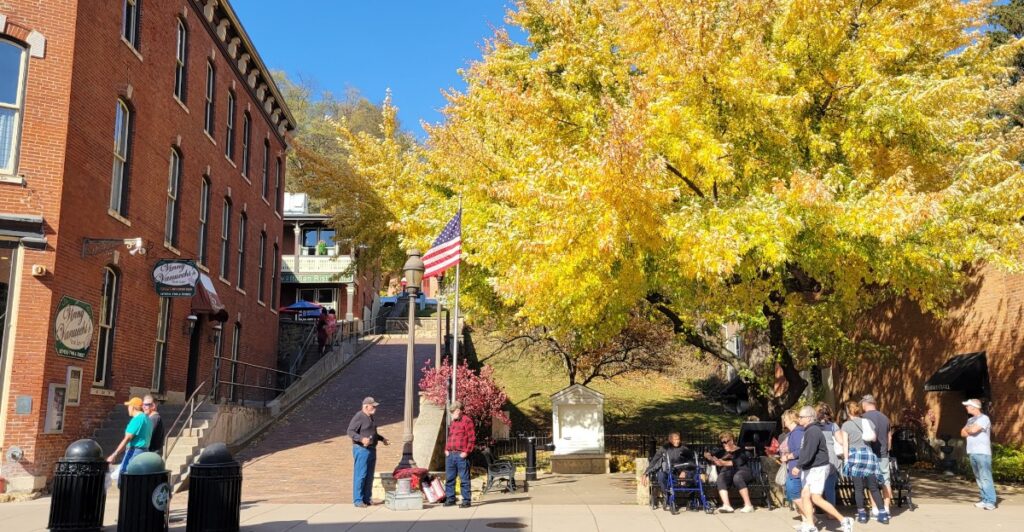
Galena does not greet you with a flat grid and a row of identical storefronts. Main Street bends through a valley, with old brick buildings packed close together and hills rising behind them. Look up while you walk: the rooflines and upper windows are as interesting as the shops below.
Many of the buildings date from the nineteenth century, when Galena was a busy lead mining and shipping center. Their different heights and details give the street its uneven, lively look. A slow walk lets you spot stonework, iron trim, and doorways you might miss from a car.
Begin near one end of Main Street rather than trying to cover everything at once. Browse a few stores, cross the street, and see how the view changes from the opposite sidewalk. Comfortable shoes help, especially if you plan to climb a side street afterward.
Shopping here works best when you leave room for surprises. A window display may pull you toward pottery, books, sweets, or something made nearby. Check a store’s posted hours before promising anyone a specific stop, since hours can change with the season.
For a quieter look, come earlier in the day or choose a weekday. Weekend afternoons can bring more foot traffic, which is fun if you like a busy street scene. Either way, give yourself time to pause without blocking a doorway or a narrow stretch of sidewalk.
The buildings also show why protecting old places matters. Instead of reading about Galena’s past only on a sign, you can see how much of its older streetscape remains in daily use. Businesses occupy spaces built for a town with a very different economy.
Before leaving, step back for a wider view down the curve of the street. The shop signs, brick fronts, and rising ground fit into one frame. It is an easy photo to take, but a better scene to explore on foot.
A Small House With a Long Story
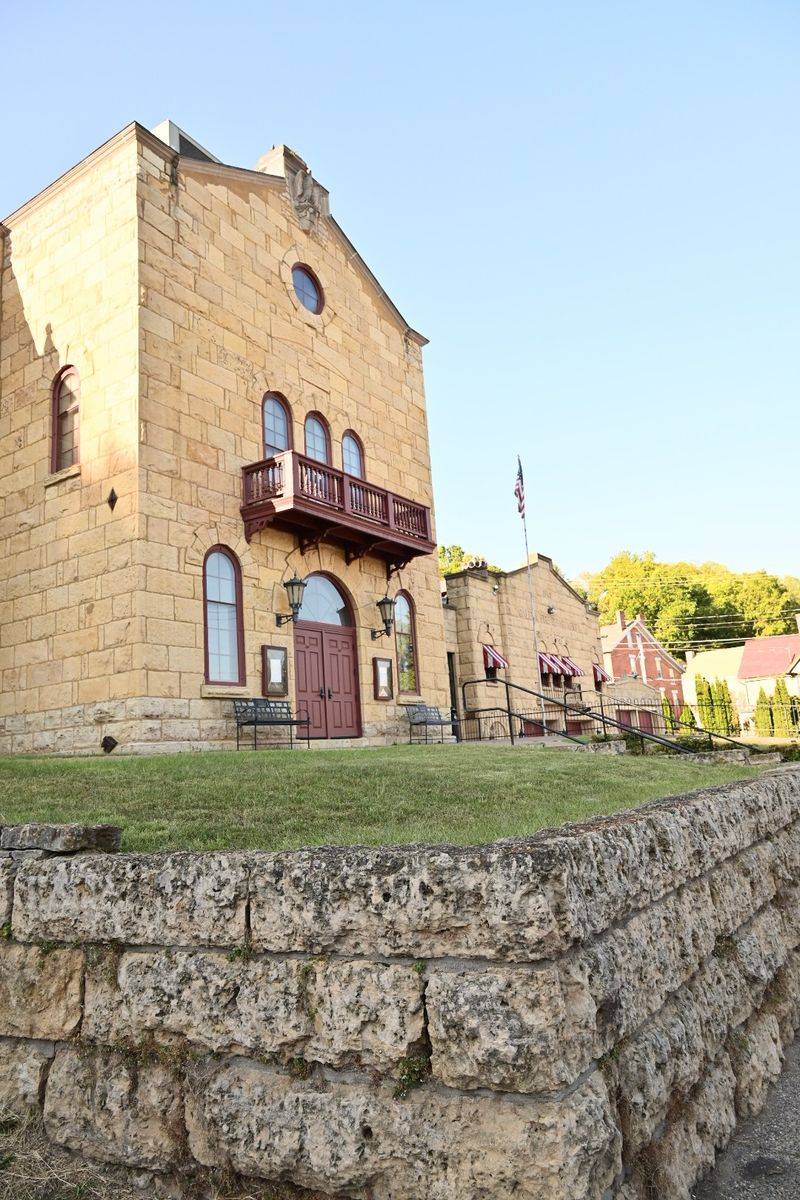
One of Galena’s oldest sights is easy to overlook if you expect history to arrive in a grand package. The Dowling House dates to 1826, and its modest size makes it a striking contrast with the larger storefronts elsewhere in town. Stop and study the outside before moving on.
Early Galena grew around lead mining and river trade. A building from that period helps put the town’s later growth in order: first came practical places to live and work, then busier streets and more elaborate buildings. The house offers a useful starting point for that story.
If you hope to see the interior, check current access and tour details before your visit. Historic properties may have limited hours, and a quick plan can save you a wasted walk. Even without going inside, the exterior adds context to the streets around it.
Look closely at the materials and the scale. Small rooms and sturdy walls tell a different story from the polished image of a modern getaway town. They suggest a place shaped by work, weather, and the need to build with what was available.
Children can enjoy this stop with a simple challenge: compare the house with one newer building nearby. Which windows look different, and how much space would a family have had? Questions like those make an old building easier to understand than a long list of dates.
Keep the stop short if your group has other plans. Ten focused minutes can be more useful than a rushed attempt to see every historic site in town. Reading any posted information and noticing the construction will give you plenty to discuss afterward.
Galena’s streets cover more than one chapter of local history. The Dowling House brings you close to an early one, before the town became known for its grand homes and busy shopping blocks. Its small footprint makes that earlier life easier to picture.
Grant’s Home Puts a Famous Name in Focus
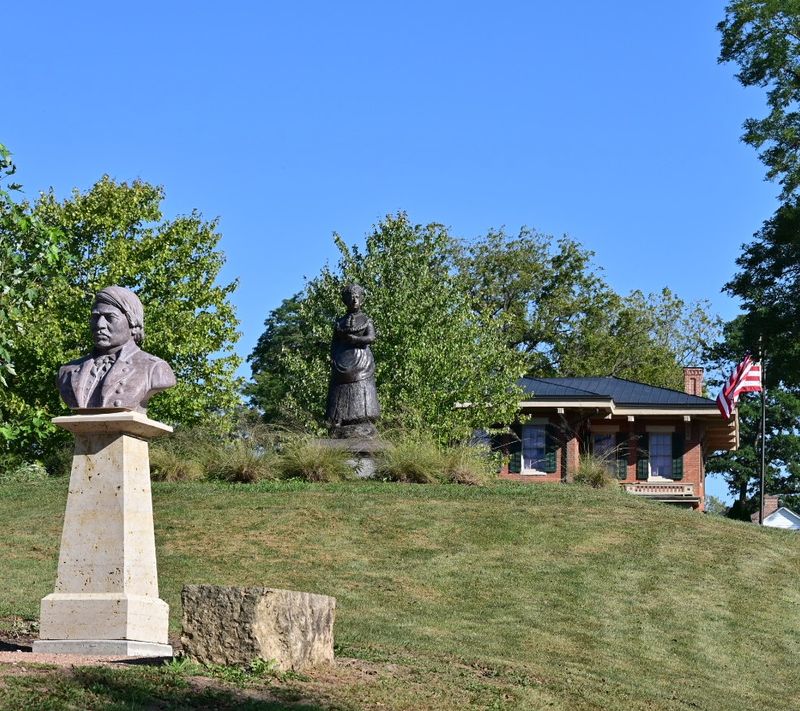
A house on a hill gives Galena a direct link to one of the best-known figures in American history. Local citizens gave Ulysses S. Grant the home after the Civil War.
He later became president, but the house also points back to his connection with this town.
Seeing the home in person can make a textbook name more understandable. Instead of trying to take in every detail at once, notice its Italianate style, its setting, and its distance from the commercial streets. The visit pairs a national story with a real neighborhood.
Check tour availability before you go, particularly if seeing the inside matters to you. Hours and access can change, and a guided visit may be the clearest way to learn what belongs to Grant’s era. Leave extra time to look around the grounds as well.
On the walk or drive there, pay attention to the change in elevation. Galena’s hills are not just a backdrop for photographs; they shape how its streets connect. Reaching the house helps you understand why a map can make a short route look easier than it is.
For younger travelers, focus on one simple idea: Grant was a Civil War general before he was president. From there, the house opens a conversation about why a community would honor someone with a home. You do not need to know every battle to appreciate the gesture.
Keep the camera ready for the exterior, but treat the property as a historic site rather than a photo set. Follow posted guidance about where to walk and whether pictures are allowed indoors. That small courtesy protects the details everyone came to see.
Afterward, return to town with a better sense of Galena’s place in a larger story. Main Street shows the town’s commercial past; Grant’s home shows how one resident became tied to events far beyond Illinois. The hillside setting connects the two.
Illinois Has Hills Here, and Plenty of Them
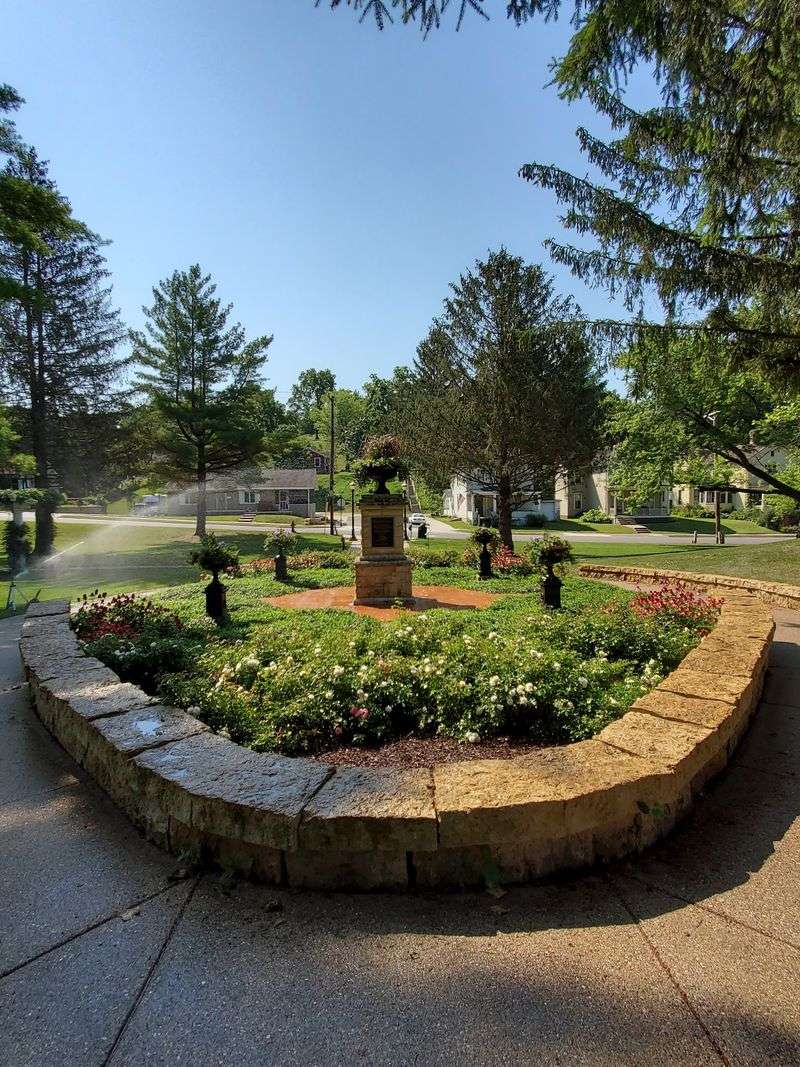
Anyone who pictures Illinois as one endless level field gets a quick correction in Galena. Roads roll, sidewalks climb, and houses appear above other rooftops. The hills change the view every few blocks, so even a short walk can reveal a new angle on town.
This setting is part of the Driftless Area, a region whose land escaped the flattening effects of the last major glaciers. You do not need a geology lesson to notice the difference. Valleys and ridges give northwest Illinois a shape that surprises first-time travelers.
Plan for those slopes rather than fighting them. Wear shoes with good grip, carry water on warm days, and check your route if anyone in your group has trouble with steep grades. A short drive between stops may be more comfortable than one long climb.
For an easy lesson in how the terrain works, find a safe public viewpoint and trace the streets below with your eyes. Main Street sits low, while homes and roads rise around it. That layout explains both the town’s dramatic views and its sometimes tricky walking distances.
Seasons change the scene without changing the basic shape. Bare trees can open sightlines in colder months, while summer brings green slopes around the buildings. Fall adds color, though peak leaves are hard to time exactly, so plan around activities you would enjoy in any weather.
Drivers should slow down on unfamiliar roads, especially near curves and in poor conditions. A pretty view is not a reason to stop where there is no safe pull-off. Use designated parking, then take a proper look without worrying about traffic behind you.
The hills are more than scenery between attractions. They influence where Galena’s buildings stand, how its streets bend, and how much ground a visitor can comfortably cover. Once you notice that pattern, the whole town becomes easier to read from street level.
Horseshoe Mound Opens Up the Horizon
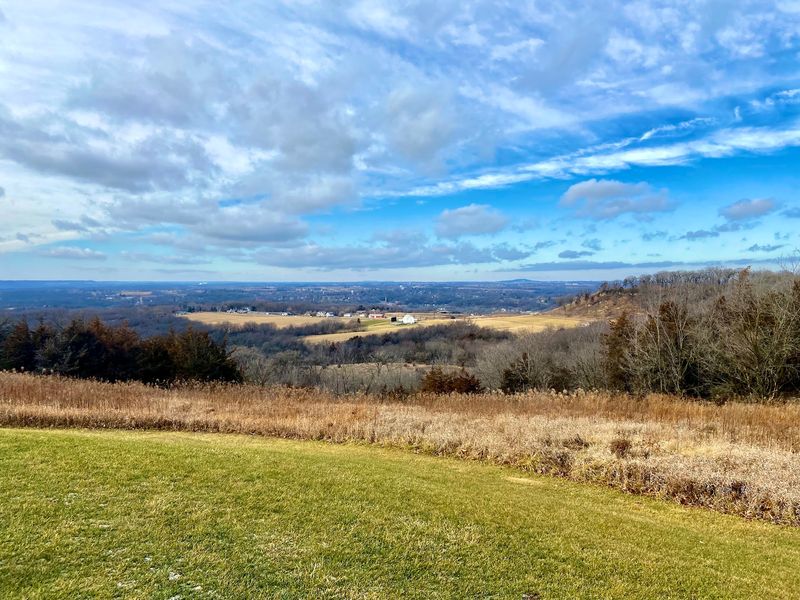
The fun of Horseshoe Mound begins when the town drops away and the sky suddenly takes up more space. This preserve on Galena’s outskirts offers broad views, including sightlines toward three states when conditions are clear. It is a good change of pace after a morning among storefronts.
Come for the landscape, not a race to the highest point. Follow the marked paths and give yourself time to look in more than one direction. The surrounding hills overlap in layers, and the wide horizon shows just how different this corner of Illinois is from its flatland image.
Check current public access and any site rules before heading out. Trail conditions can vary after rain or snow, and open ground may be windy even when Main Street feels calm. Bring a layer, sturdy shoes, and drinking water for a more comfortable visit.
If you are traveling with children, turn the view into a map game. Ask them to spot a road, a ridge, and a patch of trees, then compare those shapes with what they saw on the way up. It gives them a reason to slow down and observe.
A camera can capture the sweep, but small details deserve attention too. Grasses move across the slope, clouds cast shadows, and the land changes color as the light shifts. Stay on allowed routes so plants and habitat remain protected for the next group.
Late-day light can bring out the folds in the hills, though a clear morning is also rewarding. Give yourself enough time to return before dark, especially if you are unfamiliar with the paths. Weather and visibility matter more here than any fixed sightseeing schedule.
Horseshoe Mound adds room to breathe to a Galena visit. After seeing how closely the historic buildings line the streets, you can stand above the countryside and understand the larger setting. On a clear day, the view keeps going well beyond town.
Casper Bluff Adds a Deeper Layer
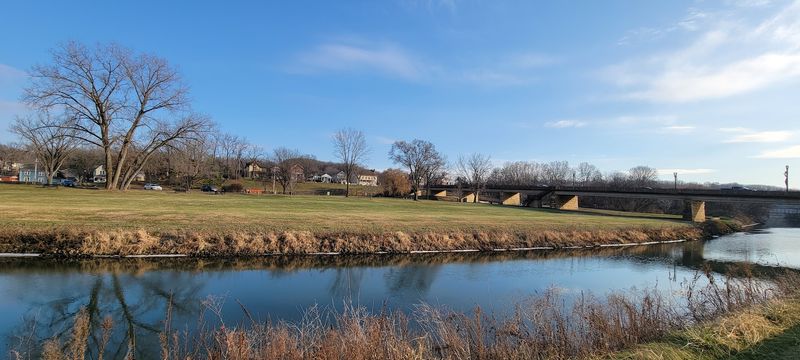
Casper Bluff asks for a slower kind of attention. Its protected landscape contains ancient earthworks, including mounds associated with Indigenous peoples. At first, the shapes may look like part of the ground, which is why reading site information and staying on marked routes matters here.
These features are not climbing spots or props for a photograph. They are part of a long human history that began well before Galena’s nineteenth-century buildings. A respectful visit means observing from permitted areas and leaving every stone, plant, and piece of ground undisturbed.
Look for posted guidance when you arrive, since access and trail conditions can change. Good walking shoes are useful, and a quiet pace makes it easier to notice changes in the land. If a path is closed, choose another rather than stepping around a barrier.
Families can use the visit to talk about how history is recorded. Some stories remain in houses, letters, and street names; others remain in the shape of a landscape. Both deserve care, and neither can be understood by rushing past a sign.
Casper Bluff also rewards attention to its natural setting. Open views and changing plant life place the earthworks within a broader landscape, not behind glass in a museum. Keep an eye on the weather, because exposed areas can become uncomfortable in heat or wind.
Avoid guessing at the exact purpose of a mound when the available information is limited. Interpretive materials can provide context, while careful language leaves room for what researchers are still learning. That approach is more useful than turning an important site into a mystery story.
Make this stop when your group has the patience to walk and read rather than hurry toward the next attraction. It expands the story of Galena far beyond its famous Main Street. The most important thing you can do there is leave no mark behind.
The Best Galena Day Leaves Room to Wander
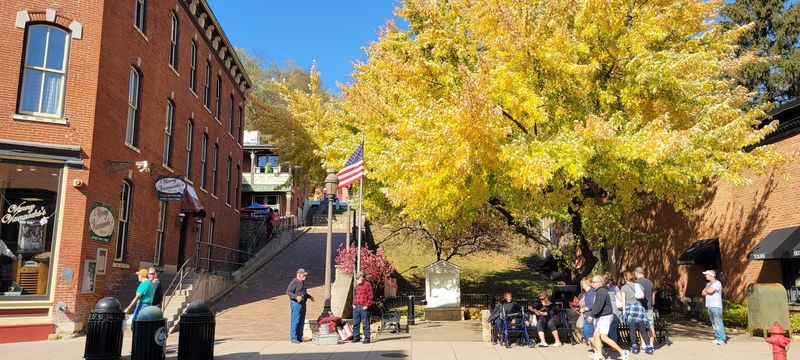
A packed schedule can make a small town seem smaller than it is. In Galena, the better plan is to choose a few stops and leave space between them. A slow hour downtown, one historic site, and time outdoors can fill a day without turning it into homework.
Start with the area you most want to see. If the buildings are your priority, walk Main Street before browsing. If a house tour is essential, check its current hours first and build the rest of your day around it. That simple choice prevents backtracking.
Factor the hills into your timing. Places that look close on a map may sit at different elevations, and a climb can take longer than expected. Parking once works well for a focused downtown visit; reaching sites farther out may call for a separate drive.
Meals are a useful pause rather than another box to check. Leave enough time to sit down, refill water, and decide whether your group wants more history or fresh air next. On busy weekends, some flexibility helps when a restaurant or shop has a wait.
Weather deserves a backup plan too. Rain can shift a trail outing toward indoor browsing, while a clear afternoon may be your chance for an overlook. Check conditions before you set out, and do not count on one perfect view to carry the whole trip.
If you stay into the evening, notice how the street changes as shopping winds down. Building fronts that competed with signs and window displays become easier to study. Keep to public sidewalks and respect posted hours as you take one last walk.
Galena stands out because different experiences fit close together without becoming the same experience. A historic street, Grant’s home, and a hilltop each tell a different part of the town’s story. Give them enough time, and a small place offers a full day.
Share this story