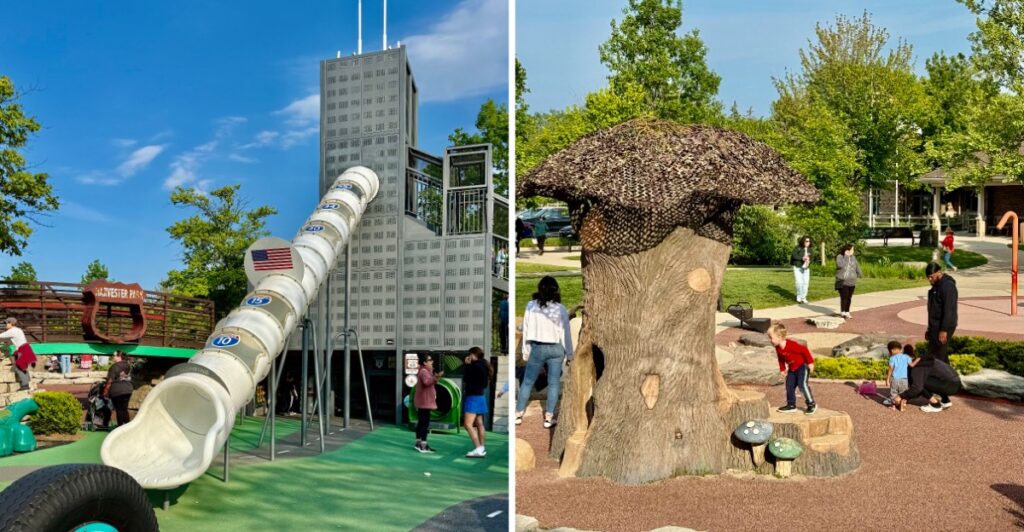
Forget the ordinary swings and slides for a moment, because Harvester Park in Burr Ridge takes playground fun to another level. This 37-acre Illinois park features an imaginative Route 66-themed play area complete with a towering skyscraper slide, ground-level trampolines, and plenty of opportunities for climbing and exploring.
Sand and water play add even more excitement, while the surrounding green spaces give families room to relax between adventures. Located beside the Burr Ridge Community Center, the park offers something for energetic kids and parents looking for an easy outdoor escape. Pack some snacks and prepare for a family outing that could easily fill an entire afternoon.
An Illinois Road Trip Without Leaving the Playground
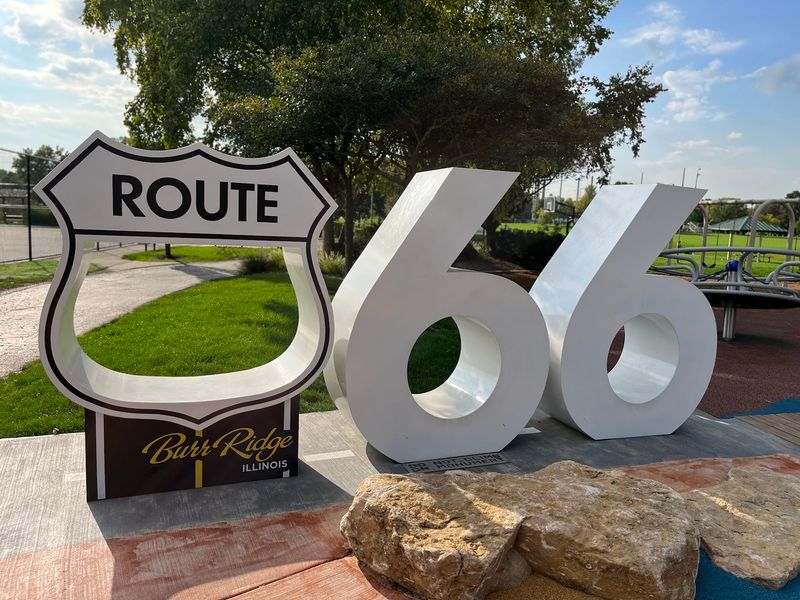
A miniature road trip is hiding among the slides at Harvester Park. Its Route 66 theme gives the playground a clear identity, turning a collection of play equipment into a place where children can connect movement, landmarks, and a little geography.
Instead of presenting every structure as an isolated attraction, the design draws on sights associated with the famous highway. A skyscraper feature, a Blue Whale reference, and a small Grand Canyon-inspired element help give the play space its unusual visual rhythm.
For families, that theme offers an easy game before anyone climbs a ladder. Ask children to spot a familiar shape, choose the most surprising feature, or find a detail they want to inspect more closely. No history lesson or printed worksheet is needed.
The state information and themed details also create openings for short conversations. Younger children can focus on colors and shapes, while older children can connect the displays with places they have heard about. Keep the talking brief so curiosity leads straight back into play.
Take a slow look around before settling into one corner. The largest structure naturally pulls attention upward, but smaller artistic touches are easier to notice at walking speed. A quick family circuit helps everyone understand where the different activities sit.
Photographs work best when they capture the theme rather than interrupt the action. Frame a landmark-inspired feature behind your child, stay clear of equipment exits, and avoid including other families without permission. There is no need to stage a whole travel album.
That playful map is the park’s strongest introduction: recognizable ideas, translated into things children can use. Start by letting each family member choose one feature to investigate, then follow their route across the playground. The geography can wait until the next pause between turns, when someone notices another clue.
The Skyscraper Slide Steals the Skyline
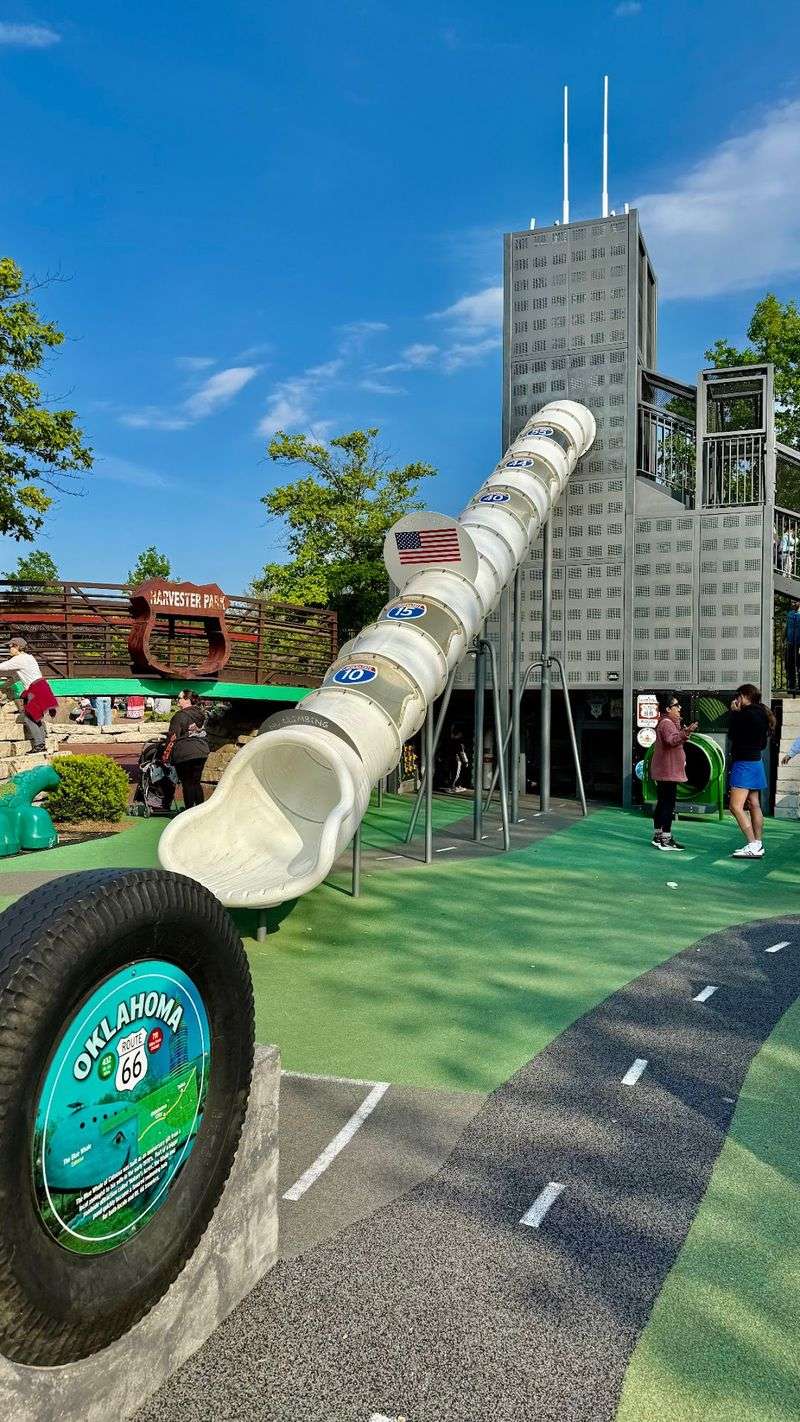
Look up, and the playground’s biggest attention grabber becomes clear. The skyscraper-inspired play structure, commonly called the Sears Tower slide, brings a bit of Chicago’s skyline into a setting built for climbing, sliding, and repeated requests for one more turn.
Its enclosed slide offers a different experience from the smaller slides nearby. Children climb toward a destination they can see from below, then disappear into the tube before returning to ground level. That climb-and-return pattern can quickly become the center of a visit.
Let your child watch a few turns before joining in. Seeing where the entrance leads and where the slide ends can make an unfamiliar structure easier to understand. A confident older sibling should not set the pace for a hesitant younger child.
Check the equipment’s posted guidance rather than judging suitability by enthusiasm alone. Height, climbing ability, comfort with enclosed spaces, and the ability to follow other children all affect the experience. Choosing a smaller slide first is a sensible start, not a missed opportunity.
Adults can agree on a viewing position before children begin climbing. Keep the slide exit clear, watch the route back toward the structure, and explain where to meet after each turn. In a busy play area, a simple meeting point saves unnecessary searching.
Resist the urge to turn every descent into a photograph. One picture of the structure and one of the happy return usually tell the story. Standing too close to the exit can block the next child or encourage an abrupt stop.
Once the excitement settles, use the tower as a landmark for moving elsewhere. It is an easy feature to recognize when discussing where the family will regroup. Finish the current turn, step aside, and choose the next activity before another climb quietly becomes five more on a sunny afternoon.
Bounce, Glide, and Try a Different Kind of Challenge
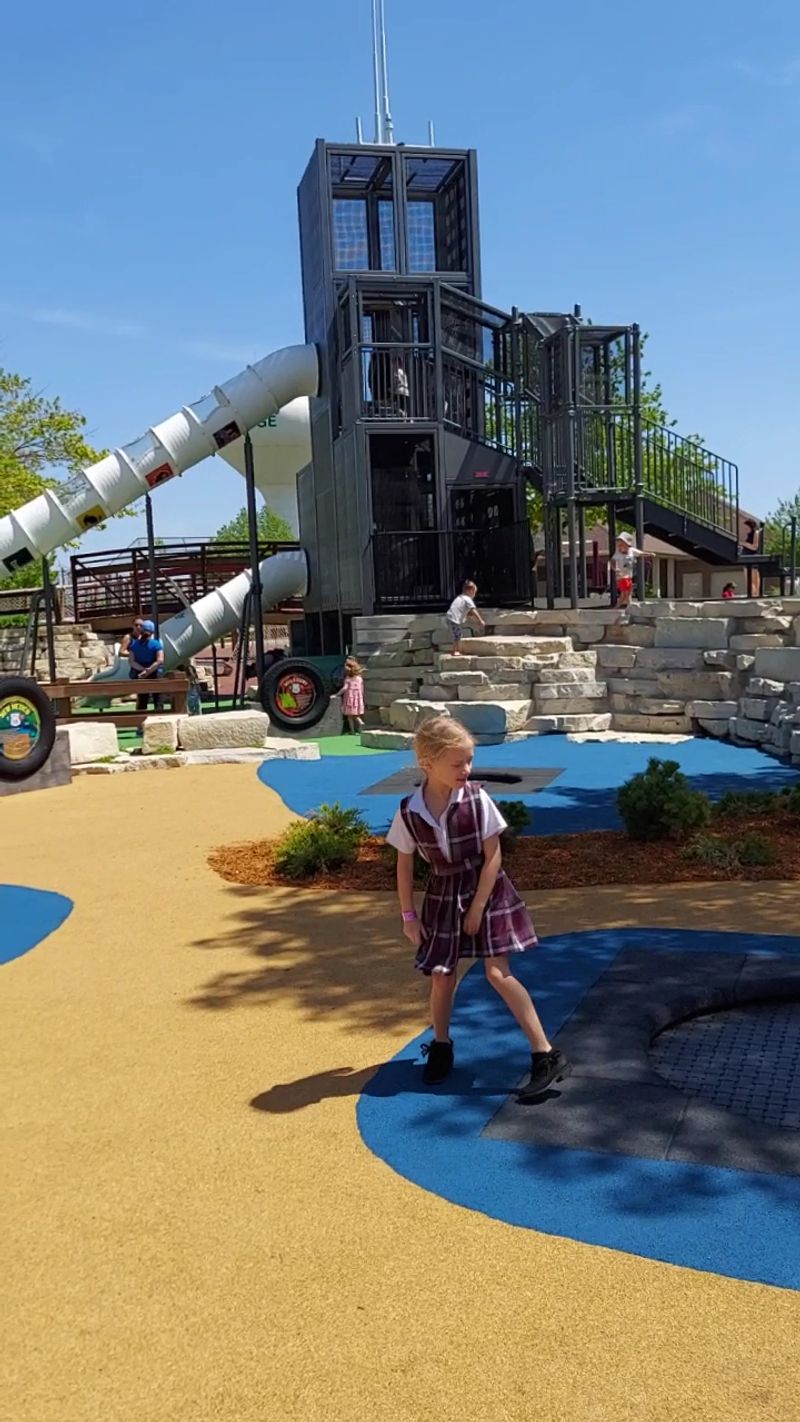
Some children head straight for anything that moves. Harvester Park answers that instinct with individual ground-level trampolines and a zip-line feature, adding bouncing and gliding to the usual playground mix of climbing, swinging, and sliding.
The trampolines are especially distinctive because the jumping surfaces sit at ground level. They invite short bursts of activity rather than a long climb to get started. Children can try a bounce, regain their balance, and decide whether another turn sounds appealing.
Ground-level placement does not remove the need for care. Follow the posted rules, keep the landing area clear, and avoid crowding a jumping surface. An adult should help younger children understand that watching from nearby is different from stepping into someone else’s turn.
The zip-line area changes the pace again. Here, the appeal is the moving ride rather than the destination at the top of a structure. Before your child tries it, observe how the equipment travels and how users finish and leave the activity.
Waiting is part of the experience when popular equipment draws a line. Use that pause to explain taking turns and giving the moving rider space. Children often manage the wait better when they know exactly where to stand and what happens next.
A useful approach is to alternate a demanding activity with a calmer one. After bouncing or riding, switch to the music area or take a drink break. That change gives tired legs a rest without requiring the whole family to stop exploring.
Avoid making the visit a contest over speed, height, or bravery. The same feature can be a bold first attempt for one child and an easy repeat for another. Let each child choose a comfortable challenge, then move along when coordination starts slipping or turns become rushed. Fresh energy usually beats another tired attempt.
Sand and Water Deserve Their Own Packing List
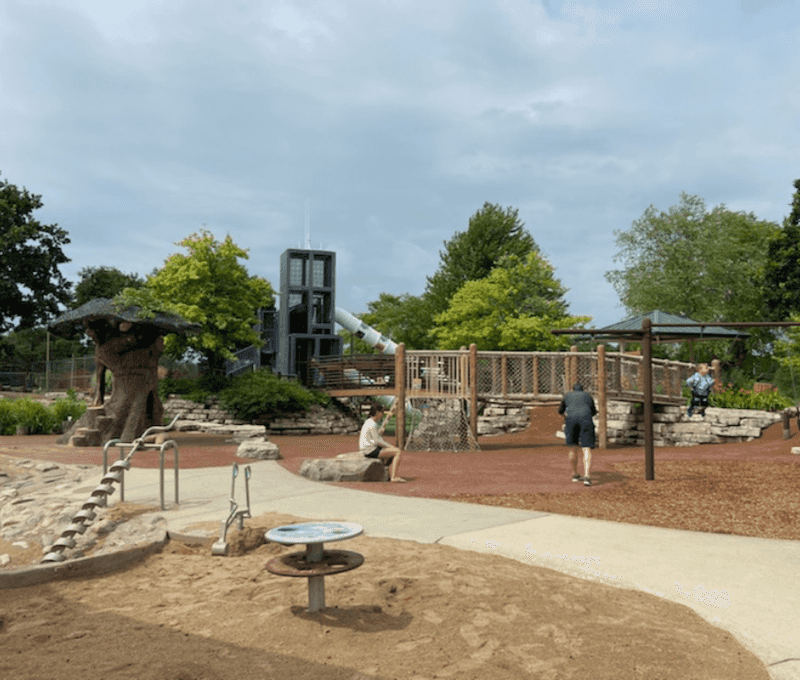
A dry playground outfit may not stay dry for long here. Harvester Park includes sand play and a splash area, giving children a chance to trade climbing routes for digging, splashing, and exploring materials with their hands.
The water feature is a supporting attraction, not a full water park. Plan around that scale, and check current seasonal operation before promising a splash session. Weather, maintenance, or seasonal schedules can affect whether water is available on the day you visit.
When it is running, water play can offer a welcome change during warm weather. Stay close to younger children and encourage walking around wet surfaces. Secure footwear suited to water is a useful option, especially when children move between the splash area and other equipment.
Pack a towel, a complete change of clothes, and a bag for damp items. Include fresh socks if your child will return to sneakers afterward. Keeping those supplies together makes the switch back to dry play much easier than searching through several bags.
For the sand area, a small bucket and a couple of simple digging tools are enough. Label anything you bring and avoid packing a whole collection. Shared play spaces make it easy for loose toys to wander into another child’s project.
Set a few boundaries before digging begins. Sand stays low, tools are used carefully, and hands get cleaned before snack time. Those plain rules prevent most problems without turning an open-ended activity into a stream of corrections from the sidelines.
Save the messiest play for a point that suits your family’s routine. Some children happily change clothes midway through an outing; others would rather finish in the sand and head home. Before returning to the car, shake out shoes, check pockets for gritty treasures, and separate wet clothing from the clean supplies.
Little Hands Have More Than Slides to Explore
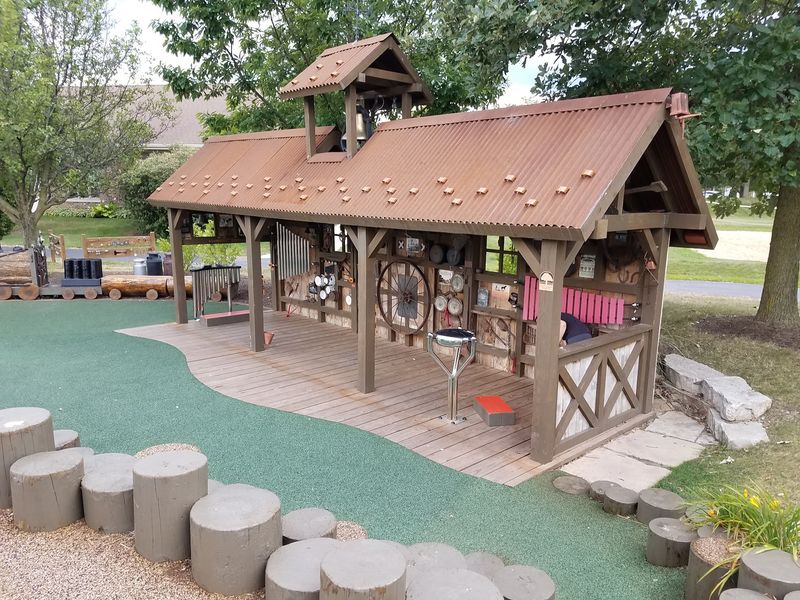
Not every child arrives ready for a tall tower or a moving ride. Harvester Park also has a smaller children’s play area, interactive features, and a music area, giving families options when little legs need a gentler starting point.
Begin with equipment your child can approach without help. A smaller slide or activity panel allows time to study the surroundings while doing something familiar. That first comfortable choice can make a large playground less overwhelming, especially during a busy visit.
The music area offers a different kind of participation. Instead of following a climbing route, children can explore sound and rhythm through the available features. A short tapping pattern becomes an easy game: an adult plays a rhythm, and the child answers.
Keep expectations loose. A toddler may spend longer examining one small detail than an older sibling spends on several rides. Letting that investigation continue is often more useful than steering the child toward whatever looks most impressive to the adults.
Families with children of different ages should decide how supervision will work before separating. If two adults are present, each can stay with a different activity group. With one adult, choose areas that keep everyone within a manageable view and move together when needed.
Do not assume the smaller play area makes every feature suitable for every young child. Read posted age guidance, inspect the route your child wants to take, and stay close enough to help. Confidence can grow faster than balance or judgment.
Music and interactive play also make useful stopping points between more active rounds. They allow children to remain involved without another climb or sprint across the playground. When attention begins to fade, offer a simple choice between two nearby activities rather than naming every option in the park.
Smaller decisions keep the next move manageable.
Follow the Trails Beyond the Busy Play Space
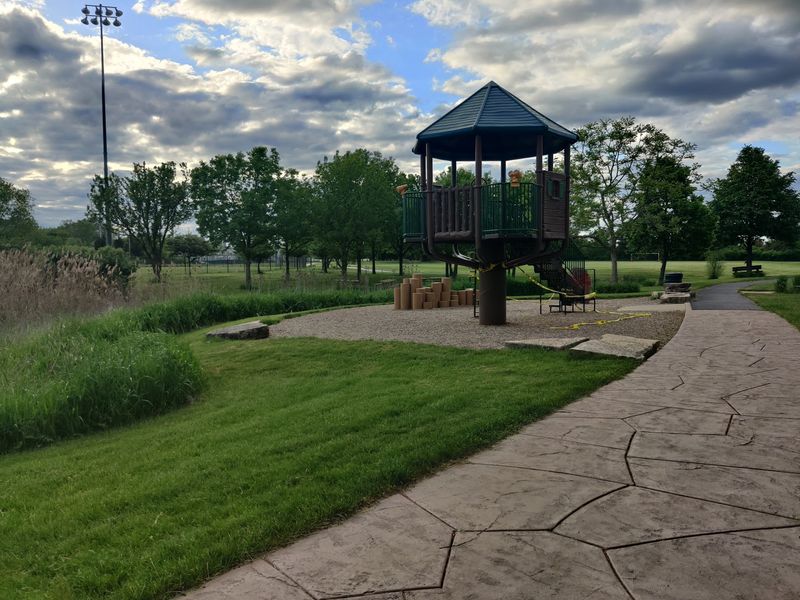
Thirty-seven acres give this outing room to breathe. Beyond the playground, Harvester Park includes sports areas and a wetlands section with trails and fishing, allowing families to change gears without leaving the property for a completely different destination.
A walk is a useful reset after the noise and movement of the play equipment. Instead of demanding that children suddenly sit still, invite them to look for differences in plants, listen for birds, or notice how the ground changes beside the trail.
Keep nature watching simple and respectful. Stay on designated routes, leave plants where they grow, and watch wildlife from a distance. Children do not need to identify every bird or leaf to understand that the wetlands serve a different purpose from the playground.
Water also changes the supervision needs. Establish clear limits before approaching pond or wetland edges, and keep younger children close. The presence of fishing opportunities should not be taken as permission to swim, enter the water, or explore the shoreline without care.
If fishing is part of your plan, check current park rules and applicable Illinois licensing requirements beforehand. Bring only the equipment you can manage while supervising your group. Hooks and lines require a separate level of attention from an ordinary trail walk.
The sports areas offer another way to shape the afternoon. Tennis and basketball courts can suit families who want a ball-based activity after playground time, but availability may vary. Bring suitable gear only if your group actually plans to use it.
Choose one extra activity rather than trying to cover the whole park. A short trail loop or a little court time can add variety without stretching tired children too far. Leave enough energy for the walk back, and keep track of the route instead of assuming every path leads directly toward your car.
Plan the Drive Around Sun, Snacks, and Real Park Hours
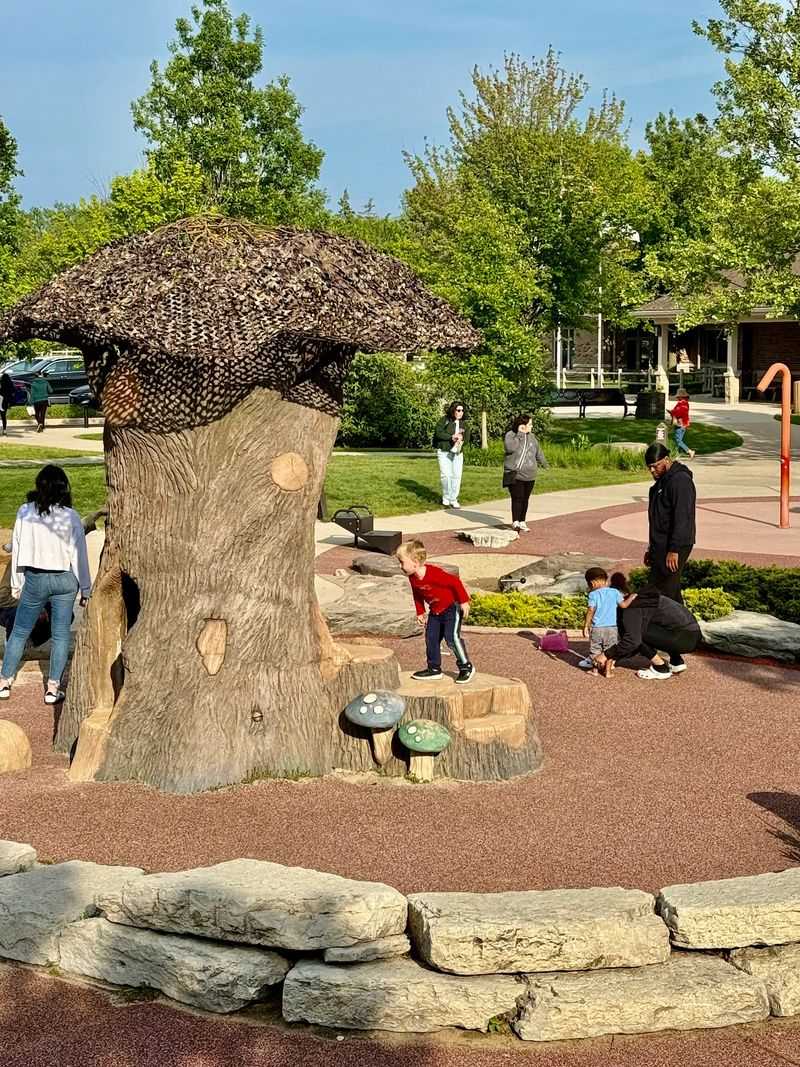
The best preparation happens before anyone asks how much longer the drive will take. Navigate to the Burr Ridge Community Center at Harvester Park, 15W400 Harvester Dr, Burr Ridge, IL 60527, and build your outing around the outdoor activities you actually want to use.
Be careful with the hours attached to the community center listing. Weekday office or building hours should not automatically be treated as outdoor playground hours. Confirm current park access, restroom availability, and seasonal water operations before making a special trip, particularly on weekends or holidays.
Sun exposure deserves serious attention here. The open play areas can become hot, and equipment surfaces may heat up in direct sunlight. Pack sunscreen, hats, and plenty of drinking water, then check surfaces before younger children climb or sit on them.
An earlier visit on a warm day may be more comfortable than an afternoon arrival. Still, weather and group activities can change the day’s pace. Avoid promising an empty playground, and allow extra flexibility if popular features require a wait.
Bring snacks that are easy to handle outside and clean up afterward. A small cooler can help with a longer stay, but keep food breaks separate from climbing and running. Use available seating considerately, and carry your rubbish out if needed.
Parking and restroom facilities make the park practical for families, but check their current availability rather than relying on a past visit. Once you arrive, locate the restroom and your return route before children spread out. Those two details are easier to handle while everyone is together.
Leave the schedule loose enough for a favorite activity to get a second turn. Harvester Park earns its place on a family calendar through variety: a distinctive themed playground, hands-on play, and outdoor space beyond it. Pack for those choices, not for a rushed tour.
Share this story