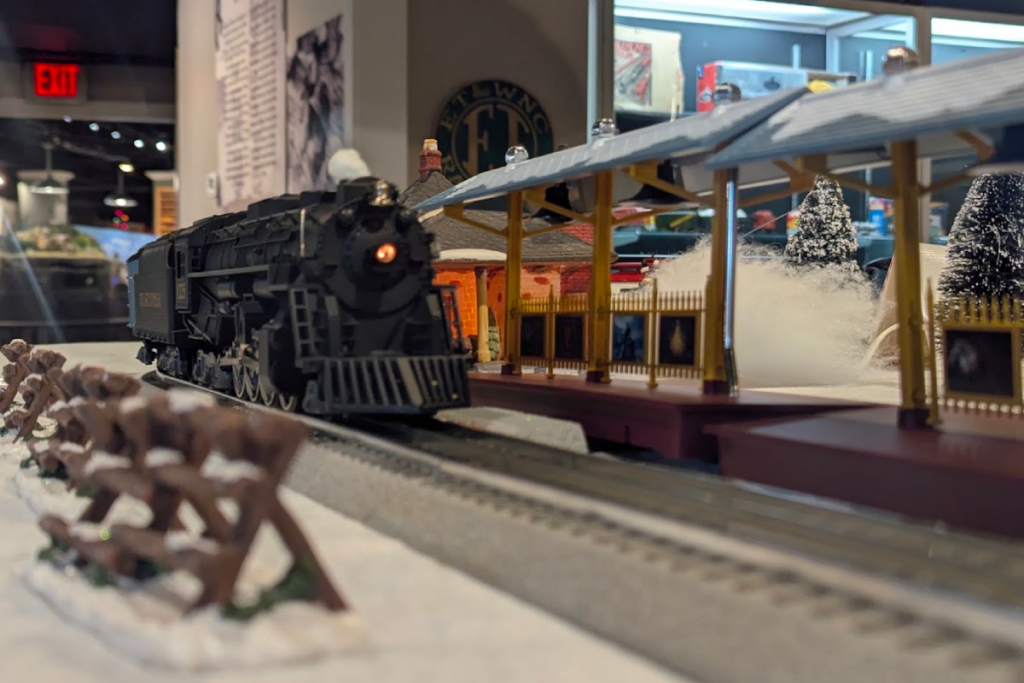
Tucked away in downtown Johnson City sits a museum where entire towns, mountains, and railways fit inside a single room. The Johnson City Railroad Experience brings the golden age of railroading to life through massive model train layouts that recreate the historic East Tennessee and Western North Carolina Railroad.
Whether you’re a train enthusiast or just looking for something unique to do with the family, this hidden gem offers an unexpectedly captivating journey through local history and incredible craftsmanship.
A Tiny Railroad World Is Waiting in Johnson City
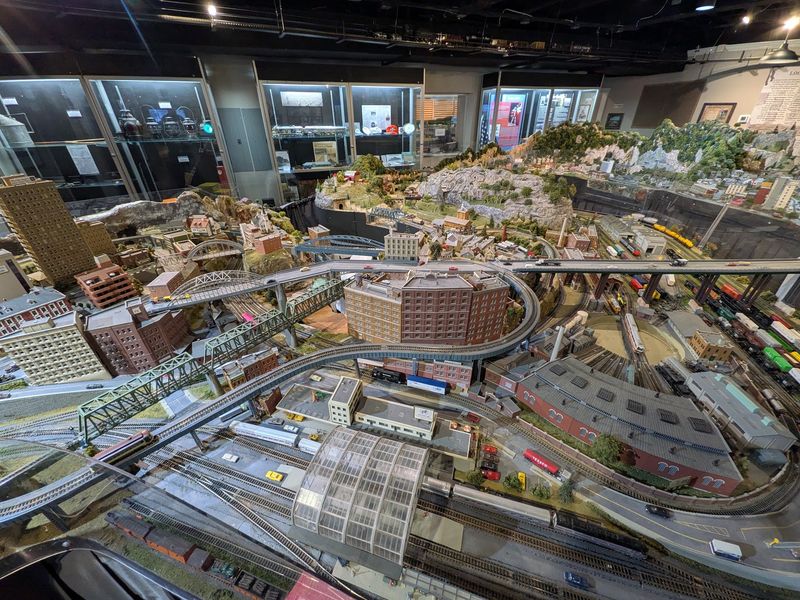
Walking into the Johnson City Railroad Experience feels a bit like stumbling through a portal. One minute you’re on North Boone Street, and the next you’re staring at an entire mountain range, complete with winding tracks, tiny towns, and trains chugging along like it’s 1940.
The scale of these layouts is genuinely surprising for a museum tucked into downtown.
What sets this place apart is the authenticity. These aren’t just random train sets thrown together.
The displays recreate the actual ET&WNC Railroad that once connected Johnson City to Boone, North Carolina, using old photographs as references for everything from building colors to the people standing on street corners. Every detail matters here.
The museum houses both HO and N-scale layouts, giving you different perspectives on the same historical railroad. The N-scale layout is particularly jaw-dropping because of its sheer size, covering a massive replica of the entire Tri-Cities area.
You can spend an hour just following one train’s journey and still miss half the scenes tucked into corners.
Visitors consistently mention being surprised by how much there is to see. The museum might look modest from the outside, but once you’re inside, you realize you’ve got at least two hours of exploring ahead of you.
The staff clearly takes pride in the work, and their enthusiasm is contagious.
With a 4.9-star rating from over 140 reviews, this isn’t just a niche attraction for train buffs. Families, history lovers, and curious tourists all find something to appreciate in these meticulously crafted worlds.
What Makes the Johnson City Railroad Experience So Special?
Most model train displays are impressive, but the Johnson City Railroad Experience operates on a different level entirely. The secret is authenticity.
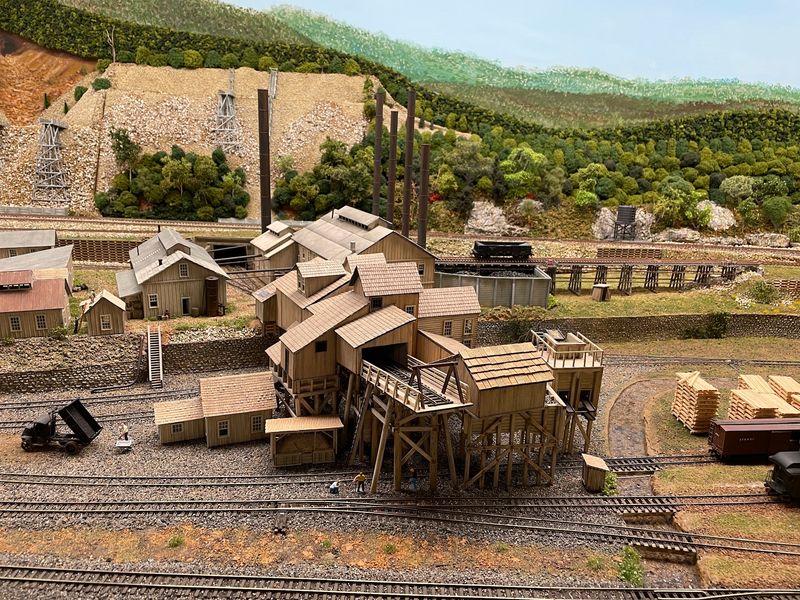
Every building, paint color, and tiny figure is modeled after real photographs from the ET&WNC Railroad’s heyday. This isn’t fantasy railroading. It’s history rebuilt in miniature.
Fred Alsop, one of the builders, is often found working on the layouts and loves sharing stories about the research behind each scene. Ask him about a specific building, and he’ll probably pull up the original photograph it was based on.
That level of dedication runs through the entire museum.
The craftsmanship is exquisite, as multiple visitors have noted. Trees are handmade, buildings are scratch-built, and the landscapes feel alive rather than static.
You’ll spot a farmer working his field, kids playing in a schoolyard, or a hobo camp tucked beside the tracks, each scene telling its own little story.
What really makes this museum special is how it balances education with entertainment. You’re learning about local railroad history without sitting through a boring lecture.
The trains move, buttons let you control certain elements, and the scavenger hunt turns passive observation into active exploration. Kids and adults both get pulled in.
The museum also features historical exhibits, a short film about the railroad’s history, and even a train simulator where you can try your hand at running a locomotive. It’s not just about looking at trains.
It’s about understanding why they mattered to this region and appreciating the incredible skill required to recreate them.
Watch Miniature Trains Roll Through Remarkably Detailed Landscapes
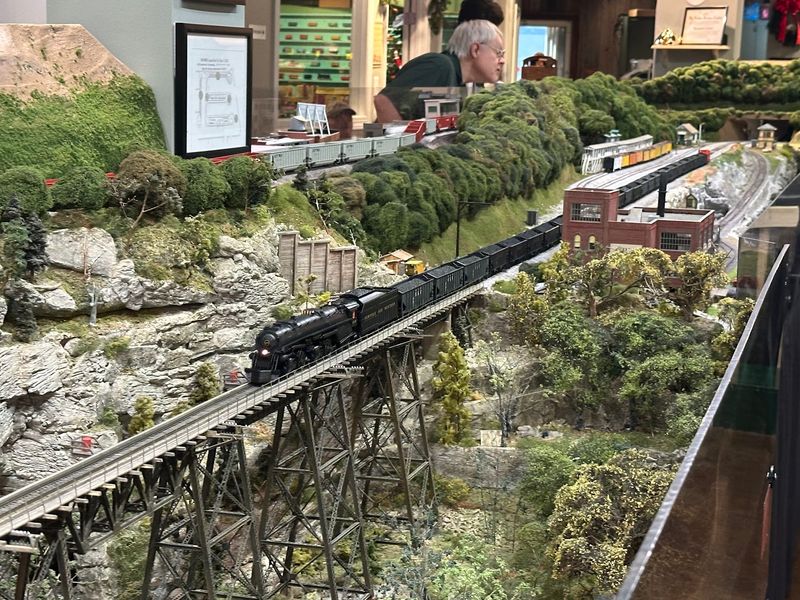
The moment a train starts moving through one of these layouts, something magical happens. Suddenly all those tiny buildings and trees aren’t just scenery anymore.
They’re part of a living, breathing world. The trains wind through mountain passes, cross trestle bridges, and pull into stations where miniature passengers wait on platforms.
The attention to detail in these landscapes is almost overwhelming. Look closely and you’ll find a wedding happening at a church, a circus setting up in a field, or a moonshine still hidden in the woods.
The builders included these little Easter eggs throughout the displays, rewarding careful observation with delightful discoveries.
Both the HO and N-scale layouts offer different experiences. The HO scale gives you larger, more detailed scenes that are easier to appreciate up close. The N-scale layout trades individual detail for epic scope, letting you see entire counties recreated with multiple towns and miles of track.
Visitors can push buttons to start certain trains, adding an interactive element that kids especially love. Watching a locomotive pull out of a station because you made it happen creates a connection to the display that passive viewing can’t match.
Parents report their children staying engaged for two hours or more, which is impressive for any museum.
The landscapes change as you move around the displays. You’ll go from farmland to industrial areas to mountain wilderness, just like the real railroad did.
Seasons are represented too, with some sections showing autumn colors while others are dusted with snow, adding even more visual variety to the experience.
Explore the Railroad History That Helped Shape Johnson City
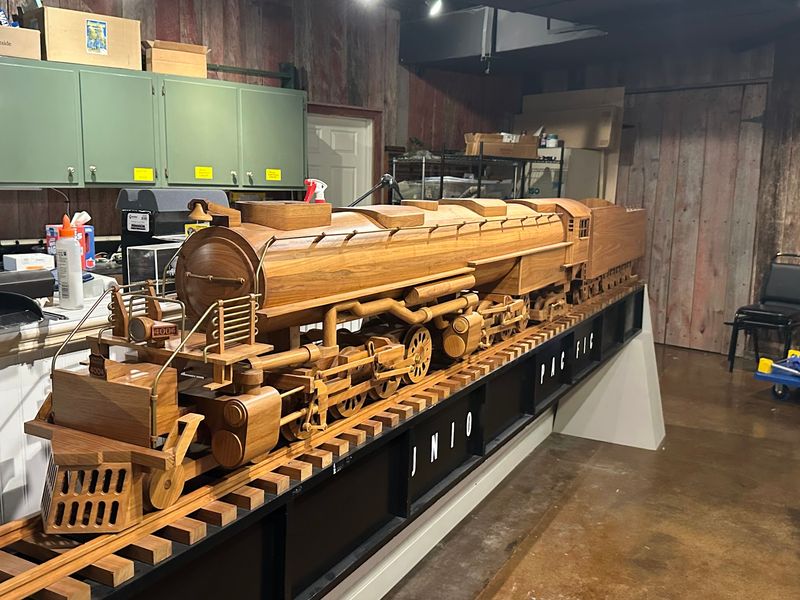
Johnson City didn’t become a regional hub by accident. The railroad made it happen.
The ET&WNC Railroad, nicknamed “Tweetsie,” connected Johnson City to Boone, North Carolina, hauling lumber, passengers, and commerce through the Appalachian Mountains from the 1880s until operations ceased in the early 1950s. This museum tells that story.
The historical exhibits provide context for the model layouts. You’ll see original photographs showing what these towns actually looked like during the railroad’s peak.
Comparing the photos to the miniature recreations reveals just how accurate the builders were. It’s like time-traveling, but with better lighting.
One particularly fascinating exhibit explains hobo culture and the secret symbols they used to communicate. Hobos would mark buildings with chalk signs indicating whether a homeowner was friendly, had a mean dog, or would trade food for work.
The museum scatters these symbols throughout the displays, and kids love deciphering them during their visit.
The short film about railroad history is worth watching before you explore the layouts. It gives you the background story that makes everything else more meaningful.
You’ll understand why certain towns appear on the displays and what role the railroad played in their development.
Staff members and club members are incredibly knowledgeable about local railroad history. They’re not just there to watch the displays.
They’re passionate historians who love answering questions and sharing stories. Multiple reviewers specifically mention how helpful and engaging the staff were, turning a good visit into a great one.
Why Kids and Grown-Ups Can Both Get Lost in the Displays
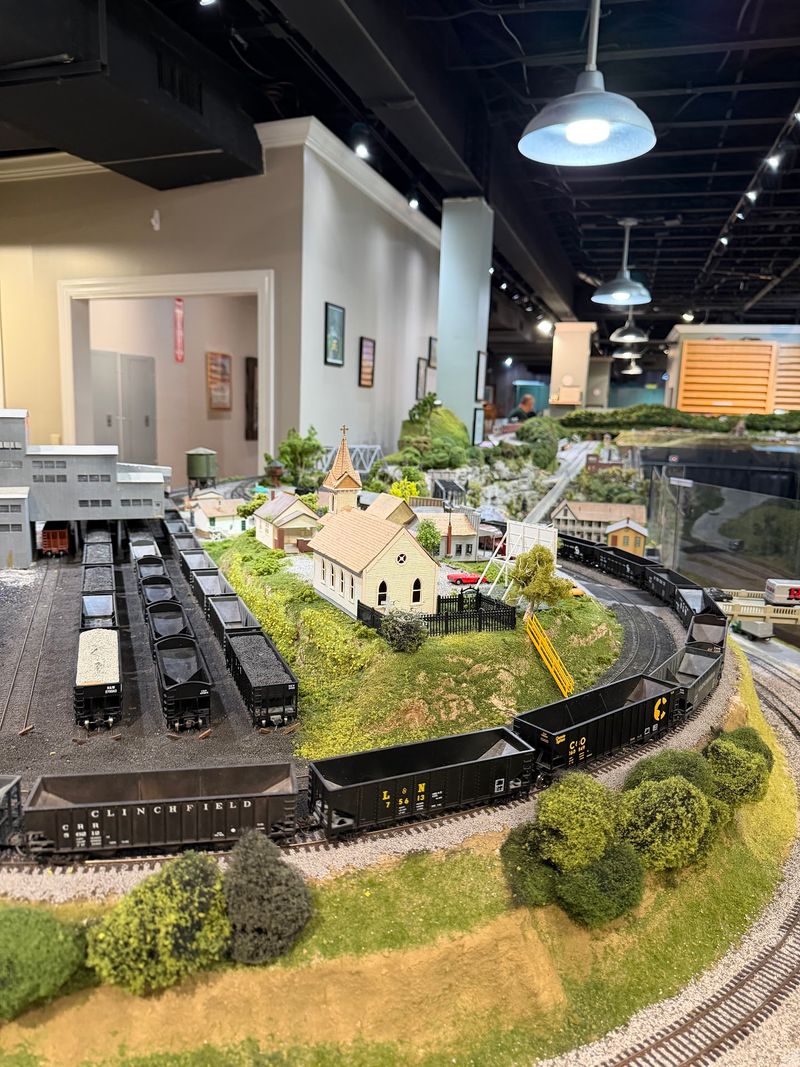
Finding activities that genuinely engage both seven-year-olds and seventy-year-olds is rare. The Johnson City Railroad Experience somehow pulls it off.
Kids get excited about the moving trains and the scavenger hunt. Adults appreciate the craftsmanship and historical accuracy. Everyone finds something that speaks to them.
The scavenger hunt is brilliantly designed. It challenges visitors to find specific scenes hidden throughout the massive layouts, forcing you to really look at the details rather than just glancing at the trains.
For younger children, there’s a dedicated play room stocked with Thomas and Friends toys and tracks. While older siblings or parents explore the main displays, little ones can build their own train worlds.
This thoughtful addition means families with mixed-age kids don’t have to cut their visit short because someone got bored.
The train simulator attracts visitors of all ages. Getting to operate a virtual locomotive adds a hands-on element that breaks up the observation-focused experience.
Even people who aren’t particularly interested in trains find themselves drawn in by the interactive elements.
Adults without kids report being just as captivated as families. Train enthusiasts come for the accuracy and scale. History buffs come for the local stories. Photography lovers come for the incredible scenes.
More Than Model Trains: The Stories Behind the Rails
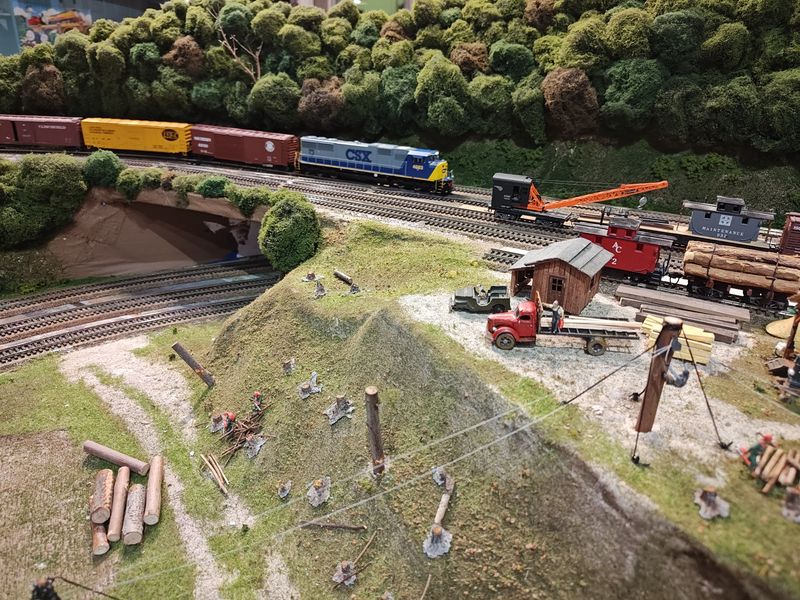
The trains are spectacular, but they’re really just the vehicle for telling human stories. Behind every miniature building is a real structure that housed real people.
Behind every track is the story of workers who carved routes through mountains. The museum doesn’t let you forget that.
Throughout the displays, you’ll find scenes depicting everyday life along the railroad. A farmer brings his harvest to the station for shipping. Kids wave at passing trains. Workers load lumber onto freight cars.
These aren’t just decorative elements. They’re reminders of how deeply the railroad was woven into community life.
The hobo exhibits add unexpected depth to the experience. Rather than dismissing hobos as mere drifters, the museum explores their culture, communication systems, and survival strategies during hard economic times.
It’s a side of railroad history that often gets overlooked, and it humanizes a group of people who were part of the railroad ecosystem.
Staff members share stories that bring the displays to life. They’ll tell you about specific buildings, explain why certain industries developed in particular towns, or describe what passenger travel was like on the Tweetsie line.
These oral histories transform the museum from a visual experience into a narrative one.
Even the layout design tells a story. The progression from Johnson City through the mountains to Boone mirrors the actual railroad route, complete with the engineering challenges builders faced.
You’re not just watching trains run in circles. You’re following a historical journey that shaped the economic and cultural development of the region.
Plan Your Visit to the Johnson City Railroad Experience
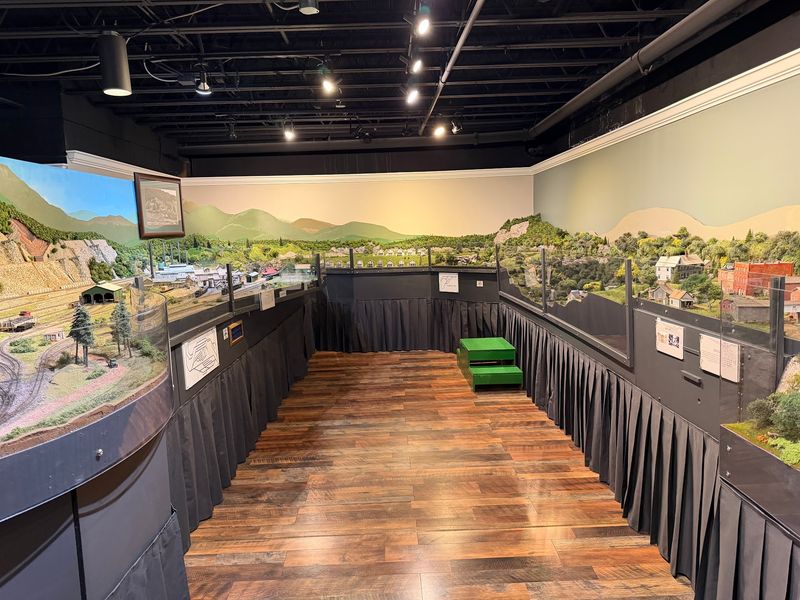
The museum is located at 207 N Boone St in downtown Johnson City, making it easy to combine with other downtown activities. Parking in the area is generally manageable, though weekends can get busier.
The location puts you within walking distance of restaurants and shops for before or after your visit.
Hours are Tuesday through Saturday, 10 AM to 4:30 PM, with the museum closed Sunday and Monday. Admission is reasonably priced, and most visitors feel they get excellent value for what they pay.
Budget at least two hours for your visit, though train enthusiasts could easily spend longer.
Call ahead if you have specific questions or want to ensure a particular display will be running. While most layouts operate during open hours, occasional maintenance happens.
The staff is happy to provide information and can tell you about any special events or demonstrations scheduled.
Don’t skip the scavenger hunt. Pick up the list when you arrive and use it to guide your exploration. It transforms the experience from passive viewing into active discovery, especially for kids who might otherwise lose interest.
Stepping stools are available for shorter visitors who need a boost to see everything.
The museum is kid-friendly but also appeals to adults visiting without children. Some visitors bring elderly parents who grew up during the railroad’s heyday and love seeing their memories recreated.
Others come alone just to appreciate the artistry. There’s no wrong way to enjoy the Johnson City Railroad Experience.
Check their website at johnsoncityrailroadexperience.org for current information about special events, new displays, or temporary closures. The museum continues to expand and improve, so return visits often reveal new details or completed sections.