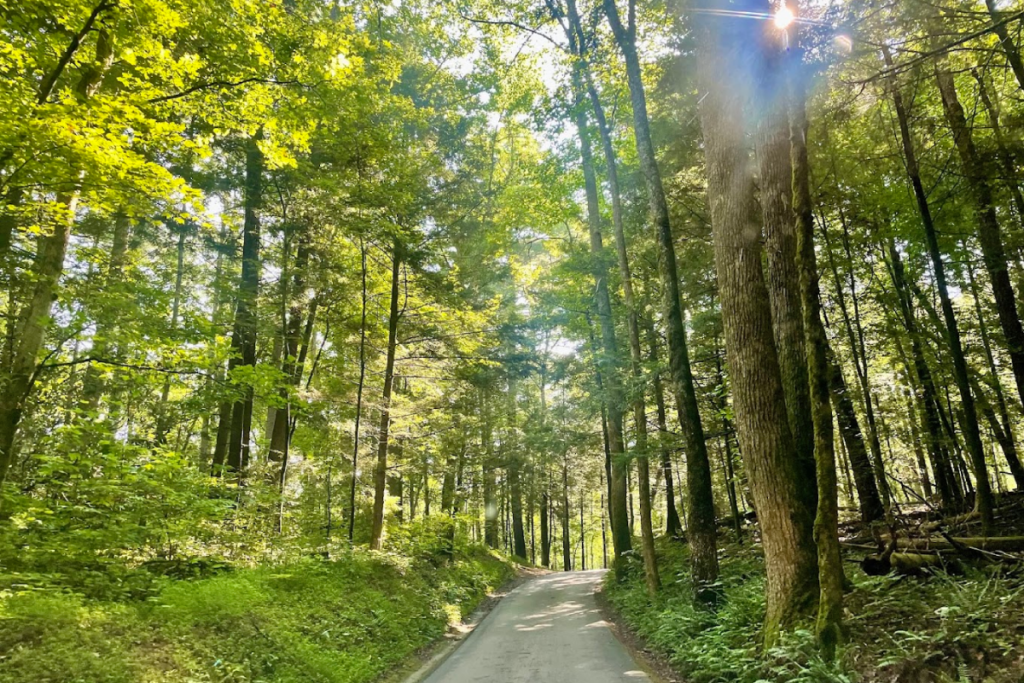
Tennessee packs some of the country’s most beautiful scenery, fascinating history, and vibrant culture into one state, but not every attraction requires you to hike miles or climb stairs to enjoy it. Whether you’re looking for stunning mountain views from the comfort of your car, indoor museums with plenty of seating, or scenic boat rides that let you relax while the landscape unfolds around you, the Volunteer State delivers options that work for travelers who prefer to take it easy.
These destinations prove you can experience the best of Tennessee without wearing yourself out, making them ideal for seniors, anyone with mobility challenges, or visitors who simply want to see more while walking less.
1. Reelfoot Lake State Park, Tiptonville
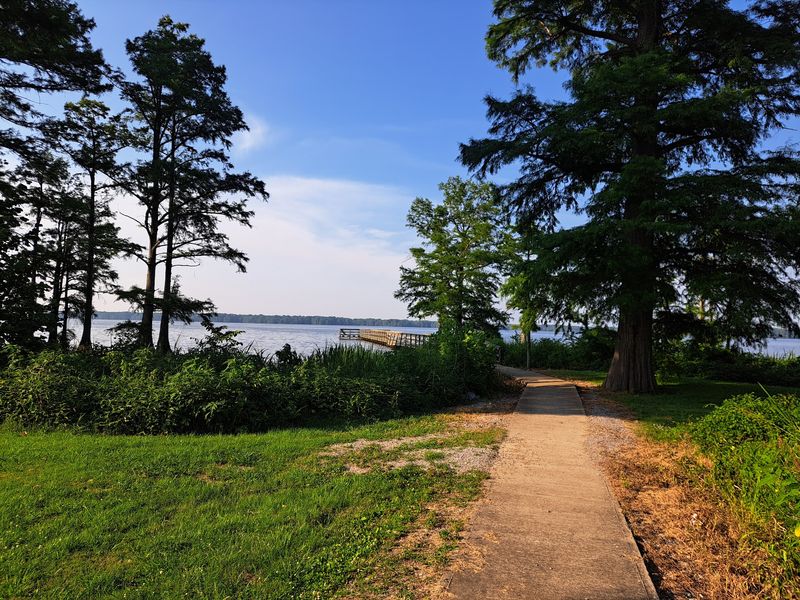
Northwest Tennessee holds a geological oddity that turned into one of the state’s most accessible natural wonders. Reelfoot Lake formed during the New Madrid earthquakes of 1811-1812, when the ground literally sank and the Mississippi River flowed backward to fill the depression.
Today, those same forces that created the lake left behind a landscape perfectly suited for visitors who want big nature experiences without the physical demands.
The park’s signature feature is the Cypress Point boardwalk, a wheelchair-accessible pathway that winds through stands of ancient bald cypress trees draped in Spanish moss. You can roll or stroll right out over the water, watching turtles sunbathe on logs and herons stalk the shallows, all without navigating uneven terrain or steep slopes.
The boardwalk puts you at eye level with the ecosystem rather than making you work to see it.
Inside the visitor center, you’ll find exhibits explaining the lake’s earthquake origins, the region’s wildlife, and the commercial fishing heritage that still shapes local culture. Rangers staff the desk and can point you toward the best viewing spots for whatever season you’re visiting.
The adjacent nature center houses live animals and a small museum, both fully accessible.
Don’t miss the on-site aviary, which provides an up-close look at eagles and other raptors. Reelfoot serves as winter home to one of the largest gatherings of bald eagles in the lower 48 states, and even if you visit outside eagle season, the captive birds give you a sense of these magnificent creatures.
Benches dot the grounds near the aviary and along the boardwalk, so you can pause and soak in the atmosphere whenever you need a rest.
Parking sits close to all major features, and the boat dock offers fishing access for anyone who wants to cast a line without hiking to a remote bank. The whole setup feels designed for maximum nature exposure with minimum physical output, which is exactly what makes it special.
2. Discovery Park of America, Union City
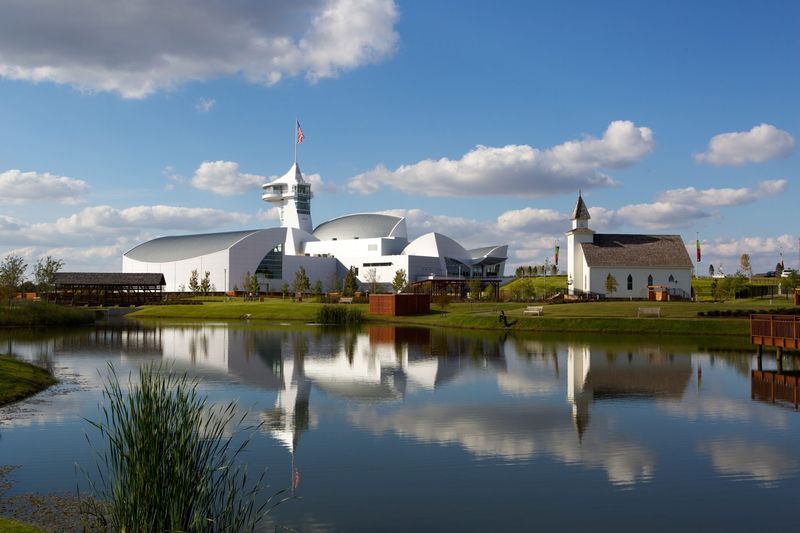
About 30 minutes south of Reelfoot Lake sits a museum complex that feels more like a theme park for curious minds. Discovery Park of America sprawls across 50 acres, but the beauty of this place is that you can cover enormous intellectual ground without covering much physical distance.
Elevators connect all three floors of the main building, and wheelchairs plus motorized scooters are available at no charge if you need one.
The sheer variety here keeps things interesting without requiring you to drive all over West Tennessee. One gallery might immerse you in the story of local music legends, while the next transports you to prehistoric times with full-scale dinosaur skeletons.
Military history buffs will find themselves absorbed by the collection of tanks, jeeps, and aircraft, all displayed indoors where climate control keeps everyone comfortable. The regional history sections dig into everything from Native American heritage to the New Madrid earthquakes that shaped the landscape.
Benches appear throughout the museum, strategically placed so you can sit and absorb what you’re seeing rather than rushing through. The designers clearly understood that learning happens better when you’re not exhausted.
Video presentations offer additional chances to rest your feet while still engaging your mind, and many of the interactive exhibits work just as well from a seated position.
Outside, the heritage village recreates period buildings from different eras of Tennessee history, but you can see most of it from paved pathways that accommodate wheelchairs and walkers. The gardens provide a pleasant outdoor option when you need fresh air, though the bulk of the experience happens indoors where weather never interferes with your plans.
Plan to spend at least half a day here, maybe more if you’re a slow browser who likes to read every placard. The on-site cafe serves lunch, so you don’t need to leave the property when hunger strikes.
Parking sits immediately adjacent to the entrance, eliminating long walks across massive lots. For the price of one admission, you get access to more knowledge and entertainment than most people can absorb in a single visit.
3. Memphis Rock ‘n’ Soul Museum, Memphis
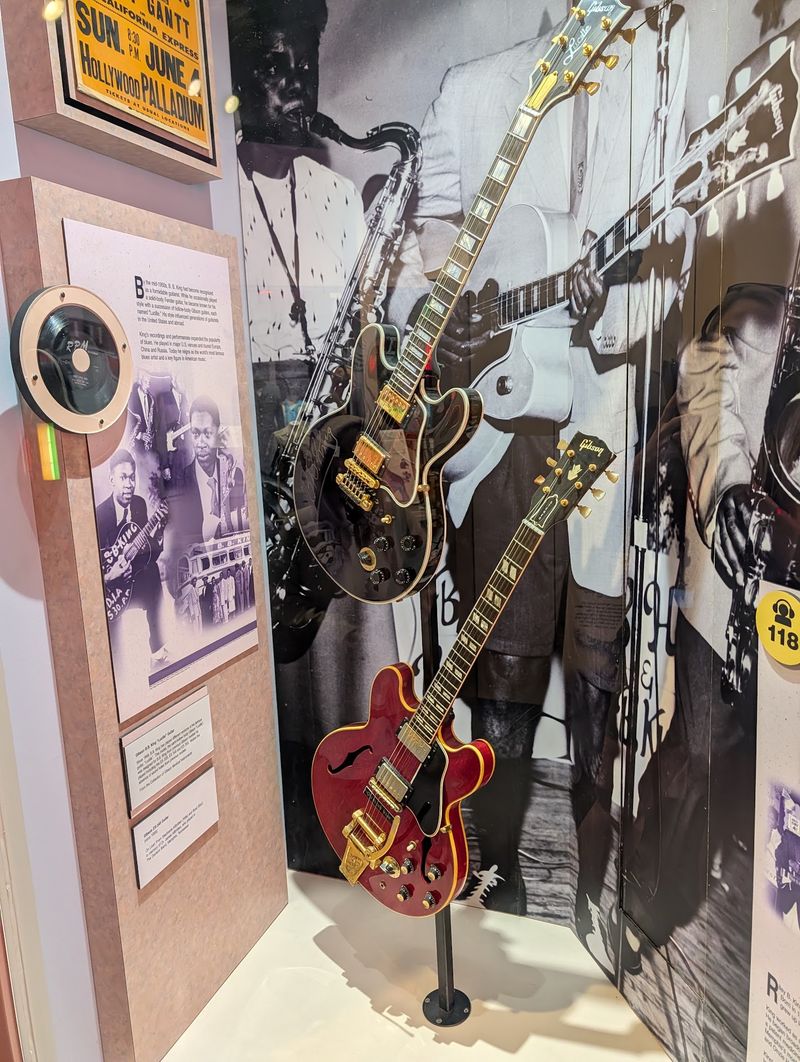
Memphis birthed some of American music’s most influential sounds, and this Smithsonian-affiliated museum tells that story without requiring you to bar-hop down Beale Street or climb stairs to second-floor clubs. Located right on the plaza near FedExForum, the Rock ‘n’ Soul Museum focuses on the musical and cultural forces that created the Memphis sound, from rural field recordings to Stax Records’ urban soul revolution.
The self-guided audio tour is the star of the show here. You receive headphones at the entrance, then move through seven galleries at whatever pace suits you, listening to the narration and music clips that bring each era to life.
This format works beautifully for visitors who need to take their time, because there’s no group to keep up with and no tour guide rushing you along. Pause whenever you want, replay sections that interest you, and skip past anything that doesn’t grab your attention.
Exhibits blend photographs, artifacts, video footage, and interactive listening stations that let you compare different versions of the same song or hear how various artists influenced each other. The chronological layout traces the journey from rural blues and gospel through rockabilly, soul, and R&B, showing how Black and white musical traditions mixed in Memphis to create something entirely new.
Even if you’re not a music scholar, the stories pull you in because they’re really about people, culture, and the way art reflects its time.
Seating appears throughout the museum, and the entire facility is fully wheelchair accessible with smooth floors and wide aisles. The lighting stays comfortable rather than harsh, and the temperature control keeps the space pleasant year-round.
Most visitors spend about 90 minutes here, though music fanatics can easily stretch that to two hours or more.
The gift shop sells CDs, books, and Memphis music memorabilia if you want to take some of that sound home with you. Parking is available in nearby lots and garages, with some handicapped spaces quite close to the entrance.
For anyone who loves American music history but doesn’t love crowds or physical exertion, this museum hits the sweet spot.
4. Natchez Trace Parkway
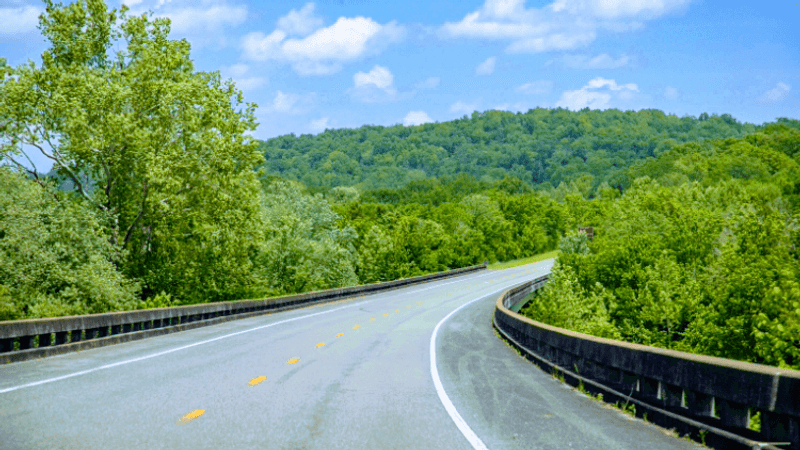
This 444-mile scenic road stretches from Natchez, Mississippi, to just south of Nashville, following an ancient path once used by Native Americans, early settlers, and traders. The Tennessee section offers something rare: a major tourist attraction where the car does almost all the work.
You can experience forests, historic sites, and natural beauty while barely leaving your seat, making it ideal for anyone who wants maximum scenery with minimal steps.
The parkway itself is the attraction rather than a route to somewhere else. Commercial traffic is banned, so you won’t share the road with semi-trucks or billboards.
The speed limit tops out at 50 mph in most sections, encouraging a leisurely pace that lets you actually see the landscape rolling past your windows. Fall brings brilliant foliage, spring delivers wildflowers and dogwoods, and summer wraps you in green tunnels of overhanging trees.
Pull-offs and parking areas appear every few miles, each one marking something worth a brief stop. Some highlight Civil War sites or Native American mounds, while others feature short nature trails or scenic overlooks.
The key is that you choose your level of engagement at each stop. Want to stretch your legs for five minutes? Fine. Prefer to stay in the car and just enjoy the view? Also fine. Nobody’s grading your performance.
Fall Hollow is a perfect example of how the parkway accommodates different mobility levels. A short, paved path leads from the parking area to a viewing platform where you can see a waterfall tumbling over the rocks.
The platform itself is wheelchair accessible, and the whole experience takes maybe ten minutes if you’re moving slowly. That’s the parkway’s genius: it offers dozens of these quick-hit experiences rather than demanding you commit to a major hike.
Pack snacks and water since services are limited along the route. The parkway has no gas stations or restaurants, though you can exit to nearby towns when you need facilities or food.
Most people drive a section rather than the whole length, treating it as a scenic connection between other destinations or as a peaceful afternoon drive that feels like a mini-vacation from modern life’s noise.
5. Tennessee State Museum, Nashville
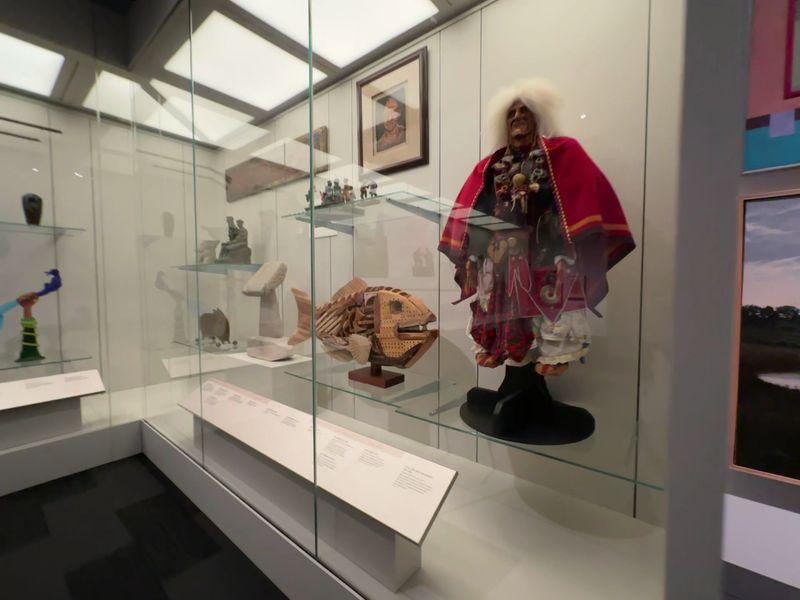
Nashville’s gleaming new state museum opened in 2018 with accessibility baked into its DNA rather than tacked on as an afterthought. Spread across three floors in a purpose-built facility near the Capitol, this place tells Tennessee’s story from pre-contact Native American civilizations through the present day, and it does so with enough seating, elevators, and thoughtful design that you can absorb it all without wearing yourself out.
The permanent collection covers an impressive timeline. Ground-floor galleries explore Tennessee’s earliest inhabitants, the arrival of Europeans, frontier settlement, and statehood.
Move up to the second floor and you’re into the antebellum period, the Civil War, Reconstruction, and the rise of industry. The top level brings you through the 20th century, including Tennessee’s contributions to music, sports, and civil rights.
Each era gets enough space to tell its story properly without overwhelming you with information overload.
Benches appear in every gallery, positioned so you can sit and study exhibits rather than just rushing past them. Many displays include video components that let you rest while still learning, and the audio guide provides additional context without requiring you to read every single placard.
The museum’s designers clearly understood that older visitors often have the time and interest to really engage with history rather than treating museums as speed-run checkboxes.
Elevators serve all floors and are centrally located so you never have to search for them. The main level includes a small theater that screens documentary films about Tennessee history, offering another chance to sit comfortably while absorbing information.
Restrooms are plentiful and modern, and a cafe on the ground floor serves light meals and coffee if you need a break.
Admission is free, which is almost unbelievable given the quality and scope of the collection. You could easily spend three hours here if you’re a history buff, or breeze through in 90 minutes if you’re more selective.
Parking is available in nearby garages, and the museum offers a limited number of free wheelchairs on a first-come basis. The whole experience feels designed for thoughtful exploration rather than exhausting marathon viewing.
6. General Jackson Showboat, Nashville
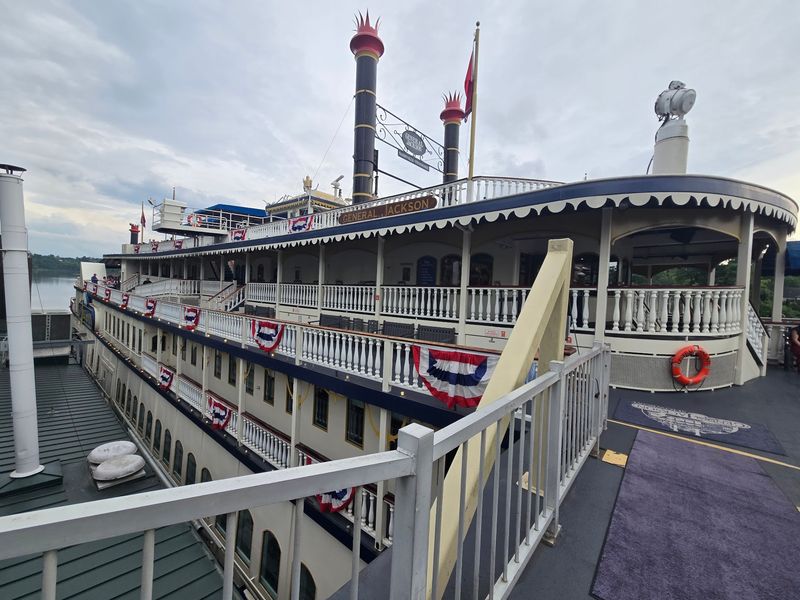
Some attractions work perfectly for the low-mobility crowd because the whole point is sitting down. The General Jackson takes that concept and adds a river, a meal, live entertainment, and views of the Cumberland River valley, all while you stay comfortably parked in your seat.
This four-deck paddlewheel boat operates year-round, offering midday and evening cruises that last about two and a half hours each.
The Victorian-era showboat design gives the whole experience a nostalgic feel, even though the vessel itself is modern and climate-controlled. You board via a gangway that accommodates wheelchairs and walkers, then find your assigned table in one of the dining rooms.
From that point forward, you’re basically done walking unless you choose to explore the boat. The scenery comes to you as the paddlewheel churns upriver and back, passing wooded bluffs, riverside homes, and the occasional barge or pleasure craft.
Meals are included in most cruises, with servers bringing the food to your table so you don’t navigate buffet lines. The menu varies by cruise type, but expect Southern-influenced American fare rather than experimental cuisine.
It’s comfort food designed to please a broad audience, and while it won’t win culinary awards, it’s perfectly adequate for what you’re there to do, which is relax and enjoy the outing.
Entertainment is the other big draw. The evening show cruises feature live musicians performing country, gospel, and classic hits in the two-story Victorian Theater. Matinee cruises might offer different themes or seasonal programming.
Either way, you watch from your seat rather than standing in a crowded venue, and the performers work hard to engage the audience with humor and audience participation.
The outdoor decks provide fresh air and photo opportunities if you feel like moving around, but there’s zero pressure to leave your seat. Restrooms are accessible on multiple decks, and staff members are attentive to guests who need assistance.
The boarding area in Opryland offers free parking and is easy to find. For the price, you get a meal, entertainment, and a scenic river journey without walking more than the distance from your car to the boat and back again.
7. Cumberland Mountain State Park, Crossville
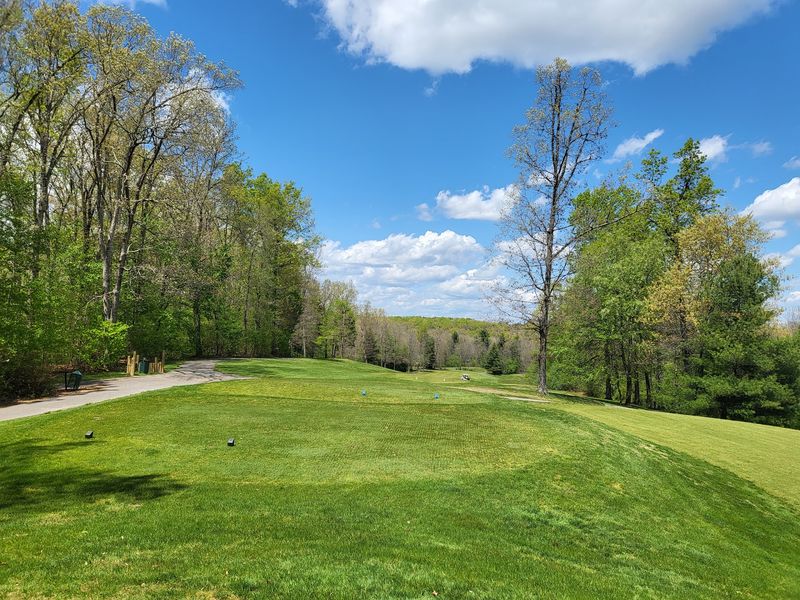
Cumberland County sits on Tennessee’s Cumberland Plateau, where elevation brings cooler temperatures and a different kind of forest than you’ll find in the valleys below. Cumberland Mountain State Park takes full advantage of that geography, but unlike many mountain parks that require serious hiking to see anything worthwhile, this one offers a wheelchair-accessible overlook that delivers the payoff without the pain.
The overlook sits right behind the park restaurant, which means you can combine a meal with your scenic viewing in one efficient stop. From this vantage point, you look out over Byrd Lake as it stretches away through the hills, surrounded by hardwood forest that explodes with color each October.
The platform itself is paved and level, with railings for anyone who needs extra stability. Benches let you sit and soak in the view rather than snapping a quick photo and moving on.
The restaurant adds another layer of convenience. It serves three meals a day during peak season, offering Southern comfort food with large windows that frame the same lake views you just admired from the overlook.
You can eat indoors or on the patio when weather permits, and the prices won’t shock you like some tourist-trap eateries. Parking sits immediately adjacent, so you’re never far from your car.
The park also maintains Byrd Lake itself, which you can view from multiple angles via a network of paved roads. You don’t need to hike the shoreline to appreciate the water; just drive the loop and stop wherever something catches your eye.
Fishing is popular here, and several spots offer accessible bank fishing if you want to wet a line without scrambling over rocks or down steep banks.
The park’s cabins provide another reason to consider an overnight stay. Several are ADA-compliant with roll-in showers and grab bars, letting you base yourself here and explore the surrounding plateau at your own pace.
The town of Crossville sits just a few miles away if you need supplies or additional dining options. For anyone who loves mountain scenery but doesn’t love mountain climbing, Cumberland Mountain State Park proves you can have one without the other.
8. Fall Creek Falls State Park Overlooks, Spencer
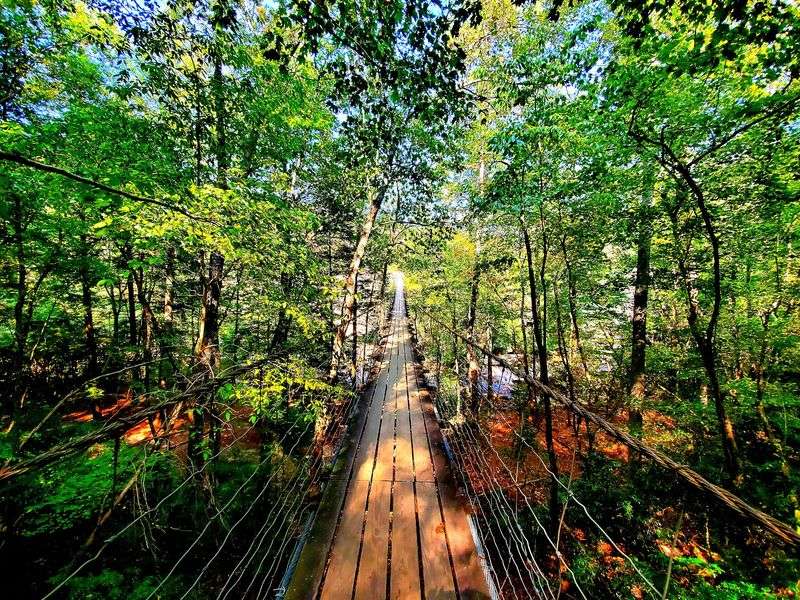
Fall Creek Falls drops 256 feet into a gorge, making it one of the highest waterfalls east of the Mississippi River. That statistic impresses visitors, but here’s what matters more for anyone concerned about accessibility: you don’t have to descend into that gorge to see the waterfall.
The park maintains wheelchair-accessible overlooks that put you right at the rim, letting you experience the drama and power of the falls without navigating steep trails or hundreds of stairs.
The main Fall Creek Falls overlook is the star attraction. A paved pathway leads from the parking area to a viewing platform that juts out over the gorge, giving you an unobstructed view of the water as it plunges over the ledge and crashes into the pool below.
The sound alone is worth the visit, a constant roar that reminds you of nature’s raw power. Mist rises from the base on humid days, and rainbows sometimes appear in the spray when sunlight hits at the right angle.
But Fall Creek Falls isn’t the only accessible waterfall in the park. Millikan’s Overlook provides views of another impressive cascade, and this one is less crowded because fewer visitors make the trip to that section of the park.
The Cane Creek overlooks add yet another option, giving you a third waterfall to check off your list without ever tackling a challenging hike. Each overlook has its own parking area nearby, so you drive from one to the next rather than walking miles between viewpoints.
The park spans more than 26,000 acres, and yes, there are plenty of hiking trails for anyone who wants them. But the genius of Fall Creek Falls is that it accommodates both the hardcore hikers and the folks who prefer to see nature’s highlights without the physical demands.
You can visit on the same day as twenty-somethings who backpacked to the bottom of the gorge, and you’ll see essentially the same waterfalls they do, just from a different angle.
Plan your visit for spring when rainfall swells the creeks, or after heavy rains any time of year. The waterfalls are always there, but they’re far more impressive when there’s actual water flowing over them rather than just a trickle.
The visitor center near the park entrance provides maps and can update you on current conditions.
9. Tennessee Valley Railroad Museum, Chattanooga
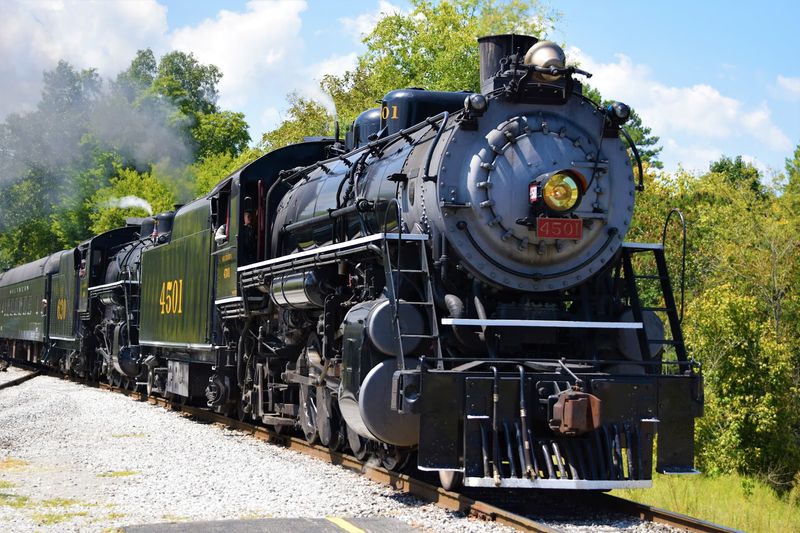
Chattanooga’s railroad heritage runs deep, and this museum keeps that history alive with actual working trains rather than just static displays. The Missionary Ridge Local is the perfect introduction: a roughly hour-long excursion that requires nothing more strenuous than boarding the train and settling into your seat.
From there, the train does all the work while you enjoy the ride, the scenery, and the running narration about Chattanooga’s railroad history.
The journey begins at the Grand Junction station, a restored depot that sets the nostalgic mood before you even board. Depending on the day and season, you might ride behind a diesel locomotive or a steam engine, the latter belching smoke and making all the classic chuffing sounds that defined American railroading’s golden age.
Either way, the coaches are historic, with some dating back nearly a century, though they’ve been maintained and updated for comfort and safety.
Once underway, the train crosses a tall trestle over a wooded ravine, giving you a brief thrill as you look down through the gaps in the bridge. Then comes the highlight: the 1858 Missionary Ridge Tunnel, where the train plunges into darkness for a quarter-mile journey through the mountain.
Kids love this part, but adults appreciate it too, especially when you consider the engineering feat of carving that tunnel with 19th-century tools and methods.
At the turnaround point, everyone gets to watch the locomotive uncouple, move to the turntable, and rotate 180 degrees so it can lead the train back to the station. This working demonstration shows how railroads managed their equipment before modern technology simplified the process.
The whole operation takes about ten minutes, giving passengers time to step off the train if they want, though you’re also welcome to stay in your seat and watch from there.
The museum offers different excursions throughout the year, including dinner trains, themed rides, and longer trips to other destinations. But the Missionary Ridge Local is the core offering, running most days from spring through fall and on weekends in winter.
Boarding requires navigating a few steps up into the train car, though staff members are available to assist if needed.
10. Cades Cove Loop Road, Great Smoky Mountains
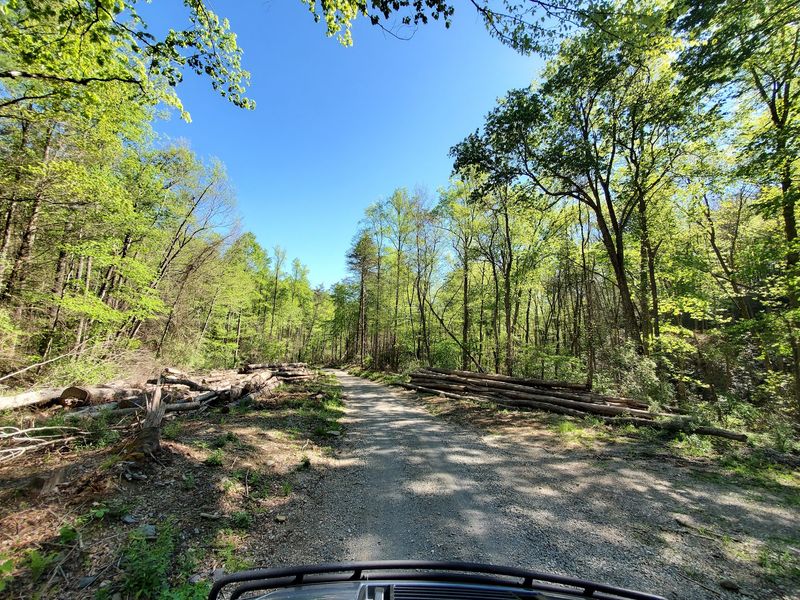
Cades Cove might be the single best answer to the question “How do I experience the Smokies without hiking?” This 11-mile one-way loop road circles a broad valley that was once home to a thriving mountain community, and today it preserves that settlement’s churches, cabins, barns, and cemeteries while also serving as one of the park’s premier wildlife viewing areas. The beauty of it all is that you can see most of it from your car, stopping only when something specific grabs your attention.
The valley’s open fields create perfect habitat for white-tailed deer, wild turkeys, and the park’s famous black bears. Early morning and late afternoon are prime times for wildlife watching, when animals venture into the meadows to feed.
Bears especially love Cades Cove, and it’s not unusual to see them grazing on grass or berries while tourists snap photos from the safety of their vehicles. The park’s rules are clear: stay in your car when bears are present, and never approach wildlife on foot.
Historic structures dot the loop at regular intervals. Some, like the primitive Baptist church and the Methodist church, sit right beside the road where you can view them through your windshield.
Others require a short walk of maybe 50 to 100 yards if you want to explore them up close, but even those are optional. The Cable Mill area is the exception, offering a small visitor center, a working grist mill, and a cluster of historic buildings that deserve a stop if you have the energy.
But again, it’s your choice how much you want to engage.
Traffic can be brutally slow during peak season, especially on summer weekends when the loop turns into a parking lot of cars creeping along at five miles per hour. Some visitors find this frustrating, but others argue it’s perfect for sightseeing since you’re not rushing past anything.
Wednesday and Saturday mornings before 10 a.m., the loop is closed to motor vehicles and open only to bicycles and pedestrians, which doesn’t help if you’re trying to drive it but does thin out the crowds on other days.
Pack patience, snacks, and a full tank of gas before you enter the loop. There are no facilities or services once you commit to the one-way road, and it can take two to four hours to complete depending on traffic and how often you stop.
11. Cherohala Skyway, Tellico Plains
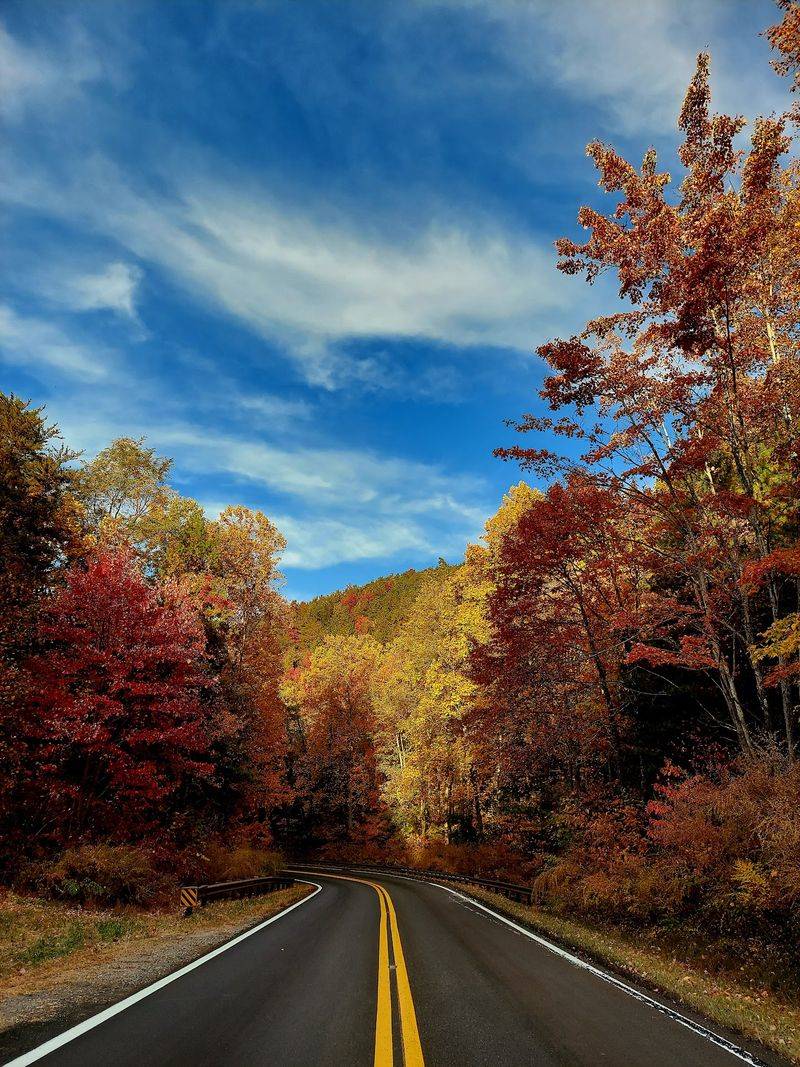
Tennessee and North Carolina collaborated on this 43-mile scenic byway, which climbs through the Cherokee and Nantahala national forests to elevations above 5,000 feet. The name combines pieces of both forest names, and the route delivers exactly what you’d hope for from a mountain skyway: sweeping views, minimal development, and the sense that you’ve left civilization behind without actually going anywhere too remote.
Best of all for anyone watching their step count, the scenery comes to you through the windshield, with overlooks providing optional stops rather than required hikes.
The Tennessee side begins in Tellico Plains and immediately starts climbing, winding through hardwood forests that transition to spruce-fir ecosystems at higher elevations. The road itself is beautifully engineered, with gentle curves and good pavement that make the drive pleasant rather than nerve-wracking.
There’s no commercial development along the route, no billboards or gift shops, just you and the mountains and the occasional other car.
Multiple overlooks punctuate the skyway, each one offering parking and viewpoints where you can stop and absorb the scenery. Some of these overlooks feature color-enhancing viewfinders, clever optical devices that intensify the hues you’re seeing and make the mountains pop even more vividly.
These viewfinders are especially popular during fall foliage season when the hillsides explode in red, orange, and gold. Even without the viewfinders, the overlooks provide stunning panoramas across multiple mountain ridges fading into the distance.
The highest point on the skyway tops out around 5,400 feet, which means cooler temperatures even in summer. Pack a light jacket if you’re visiting between late September and early May, because the elevation makes a real difference.
Snow can close the road in winter, so check conditions before you make the drive during cold months.
Plan about two hours for the complete drive if you stop at several overlooks, longer if you’re a photographer or just someone who likes to sit and stare at mountains. Gas up in Tellico Plains before you start, because there’s nothing along the route.
The skyway makes an excellent day trip from Chattanooga or Knoxville, or you can combine it with other nearby attractions for a fuller itinerary.