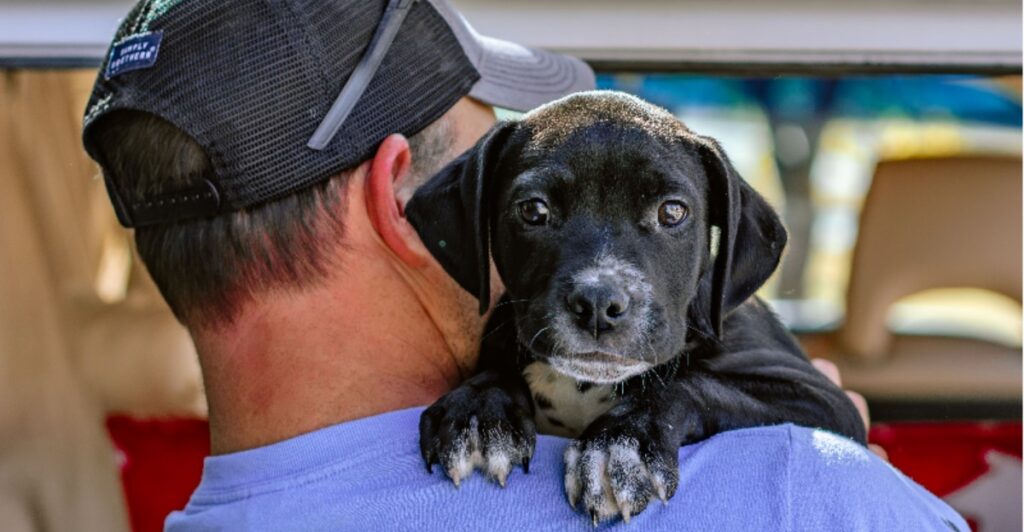
Tennessee’s animal shelters and sanctuaries are always looking for volunteers who want to make a real difference in the lives of creatures big and small. From cuddling kittens in Nashville to helping retired racehorses in Knoxville, there are countless ways to get involved across the state. Whether you have a few hours a week or want to commit to a regular schedule, these organizations welcome animal lovers of all ages and experience levels.
Roll up your sleeves and discover how rewarding it feels to help Tennessee’s furry, feathered, and four-legged friends find safety, care, and forever homes.
1. Nashville Humane Association – Nashville
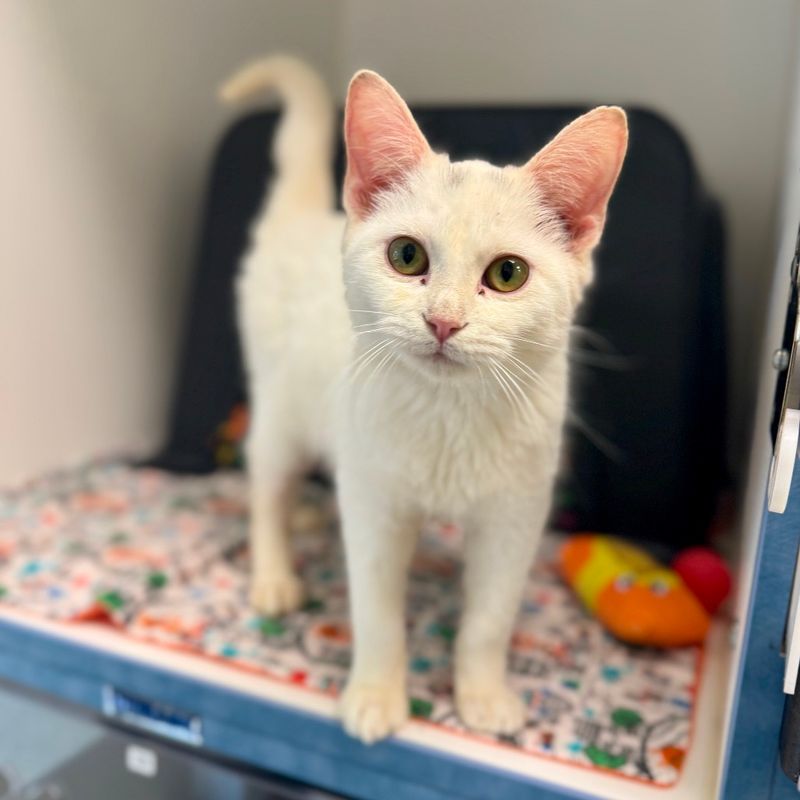
Walking through the doors at Nashville Humane Association means stepping into a world where second chances happen every single day. Founded in 1946, this organization has been a cornerstone of animal welfare in Music City for decades. Volunteers here do everything from walking dogs and socializing cats to helping with adoption events and fundraising campaigns.
The shelter takes in thousands of animals each year, many of them strays or surrendered pets who need a safe place to land. Staff members work tirelessly, but they rely heavily on volunteer support to give each animal the individual attention they deserve. You might spend your morning playing fetch with a bouncy Labrador mix or your afternoon gently brushing a nervous tabby cat who’s learning to trust people again.
Training is provided for all volunteers, so you don’t need prior experience with animals to get started. The organization offers flexible scheduling, making it easy to fit volunteering around school, work, or family commitments. Many volunteers say the hardest part is leaving at the end of their shift because the animals are so lovable.
Beyond hands-on animal care, there are opportunities to help with administrative tasks, photography for adoption listings, and community outreach. Every role matters, whether you’re cleaning kennels or updating social media posts. The Nashville Humane Association proves that when a community comes together, homeless animals get the love and care they need while waiting for their perfect match.
2. Young-Williams Animal Center – Knoxville
Knoxville’s largest pet adoption center sits ready to welcome anyone who wants to help animals in need. Young-Williams Animal Center serves Knox County and surrounding areas, taking in more than 5,000 animals annually. The facility buzzes with activity as volunteers, staff, and visitors work together to find homes for dogs, cats, rabbits, and sometimes even guinea pigs or birds.
Volunteer opportunities here range from cuddling newborn kittens to training adult dogs in basic commands. The center runs a robust foster program where volunteers can temporarily care for animals in their own homes, which is especially helpful for pregnant cats, nursing moms, or pets recovering from medical procedures. Fostering saves lives by freeing up shelter space and giving vulnerable animals a quieter environment to heal or grow.
If you prefer working behind the scenes, Young-Williams needs help with laundry, dishes, and kennel cleaning tasks that keep the facility running smoothly. These jobs might not seem glamorous, but they’re absolutely essential to maintaining a healthy, comfortable environment for the animals. Clean bedding and sanitized bowls prevent disease and help stressed pets feel more at home.
The center also hosts regular adoption events at local pet stores and community festivals, and volunteers are the backbone of these outings. You’ll help set up kennels, answer questions from potential adopters, and watch as animals meet their new families. It’s impossible not to smile when you see a dog’s tail wagging as they leave with their forever person.
3. Humane Educational Society – Chattanooga
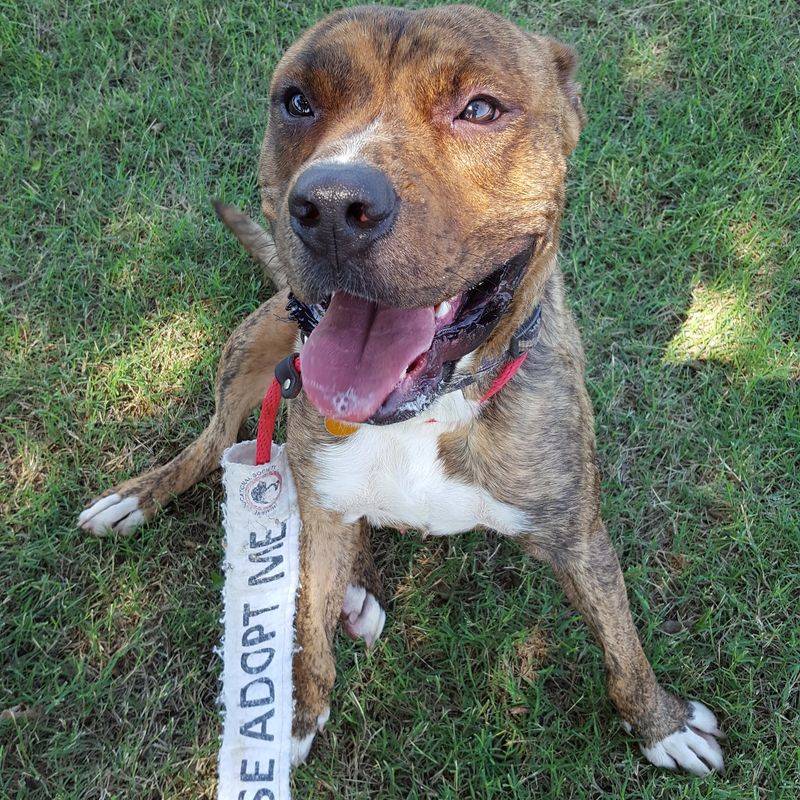
Chattanooga’s Humane Educational Society has been protecting animals since 1893, making it one of the oldest animal welfare organizations in the entire state. The name tells you something important about their mission: education sits at the heart of everything they do. Volunteers here don’t just care for animals; they also help teach the community about responsible pet ownership, spay and neuter programs, and animal welfare issues.
The shelter welcomes volunteers aged 16 and up, though younger animal lovers can participate in special family volunteer days with a parent or guardian. Tasks include walking dogs through the surrounding neighborhood, which gives the pups exercise and helps them practice leash manners. Cats need attention too, and volunteers spend time in the cat rooms playing, grooming, and simply providing companionship to felines who might be feeling stressed or lonely.
One unique aspect of this organization is its focus on keeping pets with their families whenever possible. Volunteers sometimes help with the pet food pantry, which provides free food to families facing financial hardship. This program prevents people from having to surrender beloved pets just because they hit a rough patch.
It’s community support at its finest.
The Humane Educational Society also runs humane education programs in local schools, and volunteers can assist with these classroom visits. Bringing the message of kindness to animals directly to kids helps create a more compassionate next generation. Whether you’re reading to shy shelter dogs or helping at a vaccination clinic, your time here creates ripples of positive change throughout the Chattanooga area.
4. Williamson County Animal Center – Franklin
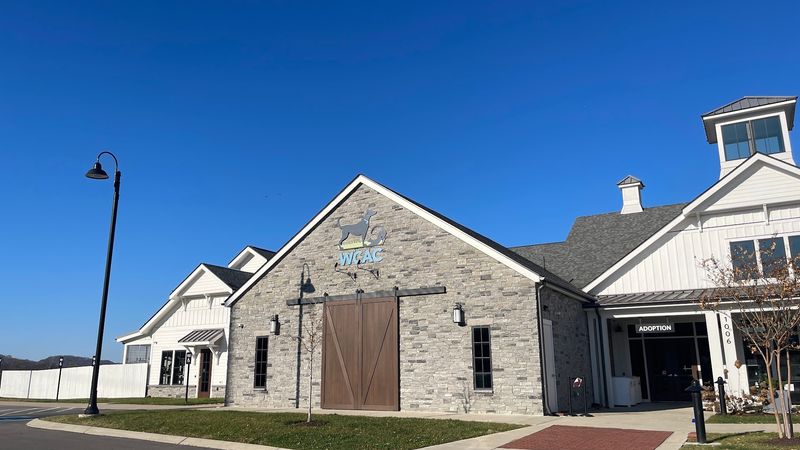
Just south of Nashville in the charming town of Franklin, Williamson County Animal Center operates as both a shelter and an adoption facility serving one of Tennessee’s fastest-growing counties. The center handles everything from lost pet reunions to cruelty investigations, and volunteers play a critical role in helping animals transition from scared strays to confident, adoptable companions.
Dog walkers are always needed here, especially during weekday mornings and afternoons when staff members are busy with intake, medical care, and adoption counseling. Taking a shelter dog for a stroll around the facility’s walking paths gives them much-needed exercise and mental stimulation. Many dogs arrive at the shelter with limited training, so these walks also provide valuable practice with basic skills like not pulling on the leash.
Cat volunteers work in the feline areas, where they clean litter boxes, refresh water bowls, and spend quality time with cats who need extra socialization. Some cats come from hoarding situations or outdoor colonies and aren’t used to human interaction. Patient volunteers help these kitties learn that people can be kind and trustworthy, dramatically improving their chances of finding homes.
The center also needs volunteers for special events like adoption promotions, microchip clinics, and community outreach programs. These events connect the shelter with the broader Franklin community and help spread awareness about the importance of spaying and neutering pets. Volunteers at these events often say it’s incredibly rewarding to see community members step up to adopt, foster, or donate supplies.
5. Crossroads Campus – Nashville

Crossroads Campus represents a groundbreaking approach to animal welfare in Nashville, bringing together Metro Animal Care and Control services with the nonprofit Nashville Humane Association under one roof. This collaboration creates a comprehensive resource center where lost pets, seized animals, and owner surrenders all receive care while volunteers and staff work to reunite them with families or find them new homes.
The campus handles a staggering volume of animals each year, which means volunteer help is absolutely essential. Morning shifts often involve preparing breakfast for dozens of dogs and cats, while afternoon volunteers focus on enrichment activities like puzzle toys, training sessions, and play groups. These activities keep shelter animals mentally and physically healthy, reducing stress and behavioral issues that can develop when pets spend too long in kennels.
One of the most impactful volunteer roles involves working with the behavior team to assess and train dogs who might have some challenges. Maybe a dog is overly excited and jumps on people, or perhaps they’re nervous around other dogs. Volunteers help these animals practice better behaviors through positive reinforcement training, making them much more adoptable.
It’s amazing to watch a shy dog gain confidence or a rowdy pup learn to sit politely for treats.
Crossroads Campus also needs volunteers for their low-cost veterinary clinic, which serves pet owners who might not otherwise be able to afford care. Volunteers check in clients, help with paperwork, and provide comfort to nervous pets in the waiting area. This clinic keeps pets healthy and prevents medical issues from becoming reasons for surrender.
6. Old Friends Senior Dog Sanctuary – Mount Juliet

Not every dog gets adopted as a puppy, and some senior dogs find themselves without homes through no fault of their own. Old Friends Senior Dog Sanctuary exists specifically for these golden oldies, providing a safe haven where dogs aged six and up can live out their remaining years in comfort and dignity. Located in Mount Juliet, just east of Nashville, this unique sanctuary operates more like a retirement home than a traditional shelter.
Volunteers here do things a bit differently than at typical animal shelters. Since the dogs aren’t waiting for adoption but instead living permanently at the sanctuary, the focus shifts to quality of life and daily enrichment. You might help prepare special meals for dogs with dietary restrictions, assist with gentle exercise routines for arthritic pups, or simply sit and provide companionship to dogs who love human contact.
Many of the senior residents have health conditions that require medication or monitoring, and volunteers can help by learning to give pills hidden in treats or watching for any changes in behavior that might signal a problem. The sanctuary’s veterinary team provides excellent care, but having extra eyes on the dogs throughout the day helps catch issues early. Some volunteers become particularly attached to certain dogs and request to work with the same ones each week, building beautiful bonds.
The sanctuary also welcomes volunteers who want to help with grounds maintenance, laundry, or administrative tasks. Keeping dozens of senior dogs comfortable generates mountains of blankets to wash and plenty of yard work to maintain safe, clean outdoor spaces. Every contribution matters when you’re caring for Tennessee’s most dignified canine citizens.
7. Horse Haven of Tennessee – Knoxville
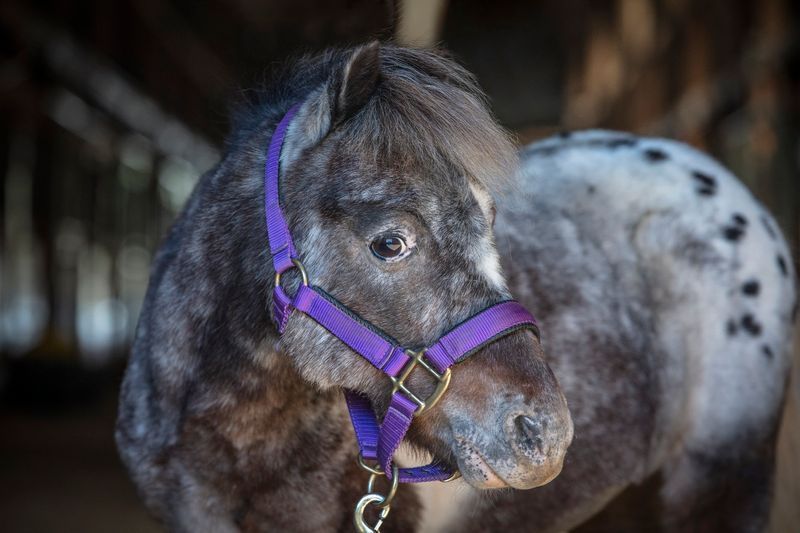
Horses captured the American imagination for centuries, but when these magnificent animals face neglect, abuse, or abandonment, they need advocates just like any other creature. Horse Haven of Tennessee rescues, rehabilitates, and rehomes horses from across the state, operating a peaceful sanctuary in the Knoxville area where equines receive medical care, proper nutrition, and training to help them trust humans again.
Volunteering with horses requires a different skill set than working with cats and dogs, but the sanctuary provides thorough training for newcomers. You’ll learn basic horse safety, how to approach and handle horses properly, and the fundamentals of grooming and barn maintenance. Even if you’ve never been around horses before, the experienced staff will teach you everything you need to know to work confidently and safely.
Daily barn chores form the foundation of horse care, and volunteers help with feeding, mucking stalls, and turning horses out to pasture. These tasks might sound simple, but they’re crucial for keeping horses healthy and comfortable. Horses are surprisingly sensitive animals who thrive on routine, and volunteers help maintain the consistent schedule these rescued horses need to feel secure.
More experienced volunteers can work with the training team, helping horses learn ground manners, trailer loading, and other skills that make them more adoptable. Some horses arrive at the sanctuary terrified of people after experiencing abuse, and watching them gradually relax and begin to trust again is incredibly moving. The sanctuary also hosts educational events where volunteers help teach the public about proper horse care and the realities of horse rescue work.
8. Walden’s Puddle Wildlife Center – Joelton
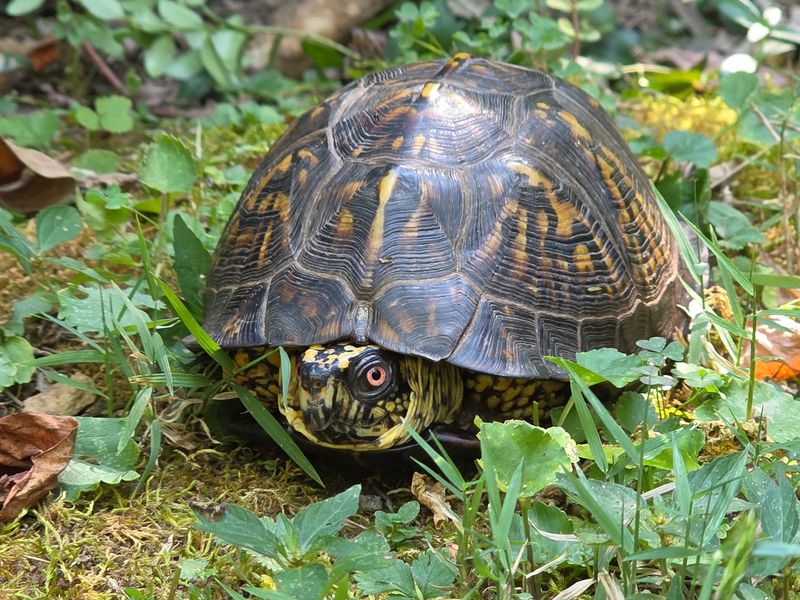
When a baby raccoon falls from a tree, an owl gets hit by a car, or a fawn loses its mother, Walden’s Puddle Wildlife Center stands ready to help. Located in Joelton, north of Nashville, this licensed wildlife rehabilitation facility treats injured, sick, and orphaned native Tennessee wildlife with the goal of returning healthy animals to their natural habitats. It’s one of the few places in Middle Tennessee equipped to handle everything from songbirds to opossums.
Wildlife rehabilitation requires specialized knowledge and permits, so volunteers here undergo more extensive training than at typical animal shelters. You’ll learn about different species’ dietary needs, proper handling techniques to minimize stress, and how to recognize signs of illness or injury. The center treats thousands of animals each year, and volunteers assist with preparing specialized diets, cleaning enclosures, and monitoring patients for changes in condition.
One of the most rewarding volunteer experiences involves helping with animal releases. After weeks or months of care, watching a rehabilitated hawk soar back into the sky or a family of raccoons scamper into the woods brings incredible satisfaction. You played a part in giving that animal a second chance at life in the wild, which is the ultimate goal of all wildlife rehabilitation work.
Walden’s Puddle also focuses heavily on education, teaching the public how to coexist peacefully with Tennessee’s wildlife. Volunteers help staff educational booths at community events, assist with school programs, and answer the wildlife hotline where concerned citizens call about animals they’ve found. Sometimes the best help you can provide is advising someone to leave a healthy baby animal alone because its mother is likely nearby.
9. The Gentle Barn – Christiana
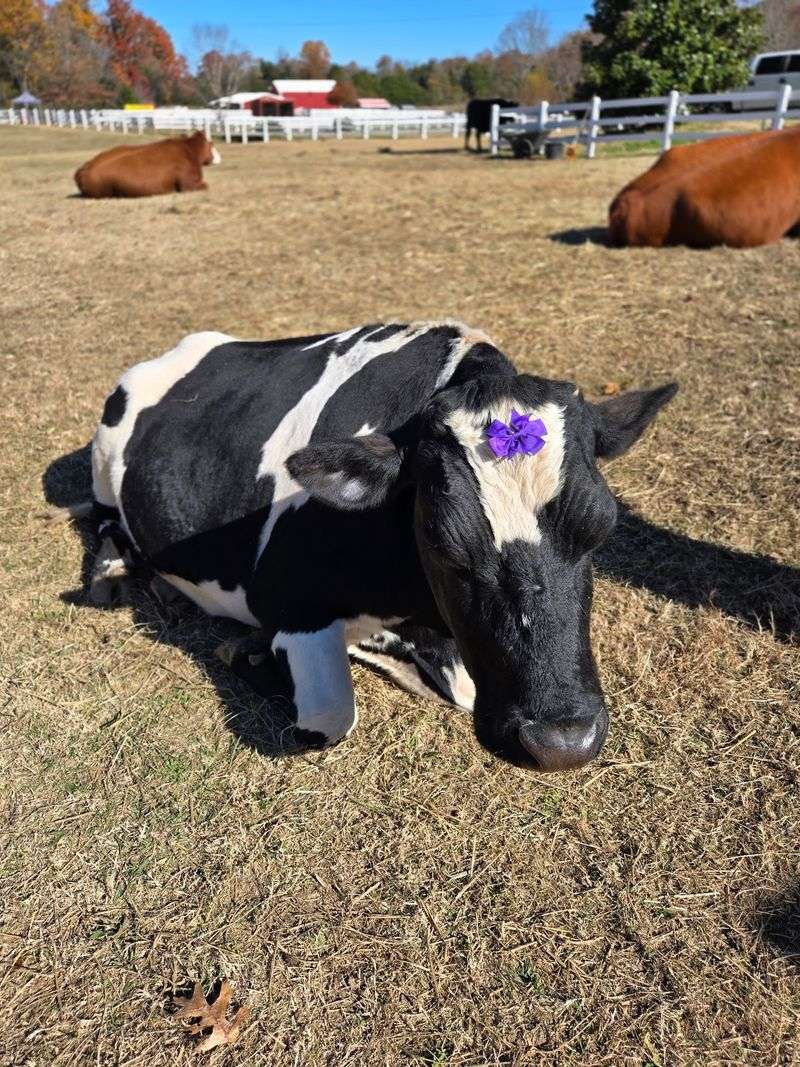
Farm animals rarely get the same attention as dogs and cats in rescue work, but they need help just as much. The Gentle Barn in Christiana specializes in rescuing severely abused and neglected farm animals, providing them with medical care, rehabilitation, and a permanent sanctuary home. What makes this organization truly special is its dual mission: while caring for animals, they also run programs that bring at-risk and special-needs children to the barn to connect with the rescued residents.
Volunteers at The Gentle Barn work with an incredible variety of animals including cows, pigs, horses, chickens, turkeys, goats, and sheep. Each species has unique care requirements, and volunteers learn the specifics of feeding, grooming, and providing enrichment for different types of farm animals. You might find yourself scratching a pig’s belly one minute and brushing a rescued horse the next, with a chicken perched nearby hoping for treats.
Many of the animals here arrived in terrible condition after being seized from hoarding situations or rescued from slaughter. They’ve experienced trauma that makes them fearful or aggressive at first, but with patient, consistent care from volunteers and staff, these animals transform. Watching a cow who once cowered from humans eventually approach for gentle pats demonstrates the healing power of kindness and time.
The programs for children add another dimension to volunteer work here. Volunteers help facilitate sessions where kids learn about compassion, empathy, and second chances by interacting with animals who have overcome their own difficult pasts. These connections benefit both the children and the animals, creating a beautiful cycle of healing that makes The Gentle Barn unlike any other sanctuary in Tennessee.
10. The Elephant Sanctuary in Tennessee – Elephant Discovery Center – Hohenwald

Elephants rank among the most intelligent and emotionally complex animals on Earth, and those who spent decades performing in circuses or living in inadequate zoo conditions deserve retirement in peace. The Elephant Sanctuary in Tennessee provides exactly that, offering a private, natural-habitat refuge where elephants can live out their lives with dignity. The sanctuary itself is closed to the public to minimize stress on the elephants, but the Elephant Discovery Center in Hohenwald serves as the public education facility where visitors can learn about these remarkable residents.
Volunteers at the Discovery Center don’t work directly with the elephants, which helps maintain the quiet, low-stress environment the animals need. Instead, you’ll help educate visitors about elephant behavior, biology, and conservation issues facing elephants worldwide. The center features interactive exhibits, videos of the sanctuary residents, and educational programs designed to inspire compassion and conservation action.
Volunteers serve as docents, guiding tours and answering questions from curious visitors of all ages.
Behind the scenes, volunteers assist with administrative tasks, gift shop operations, and special event planning. The sanctuary relies heavily on donations and visitor support to continue its work, so volunteers who help with fundraising events or membership drives play a crucial role in sustaining operations. Even tasks like maintaining the grounds or updating educational displays contribute to the sanctuary’s mission of providing excellent care for its elephant residents.
Working here connects you to a global conservation effort while supporting elephants who have given so much during their working years. The stories of individual elephants and their journeys to the sanctuary are deeply moving, and sharing those stories with visitors helps build awareness about why elephants need protection both in captivity and in the wild.