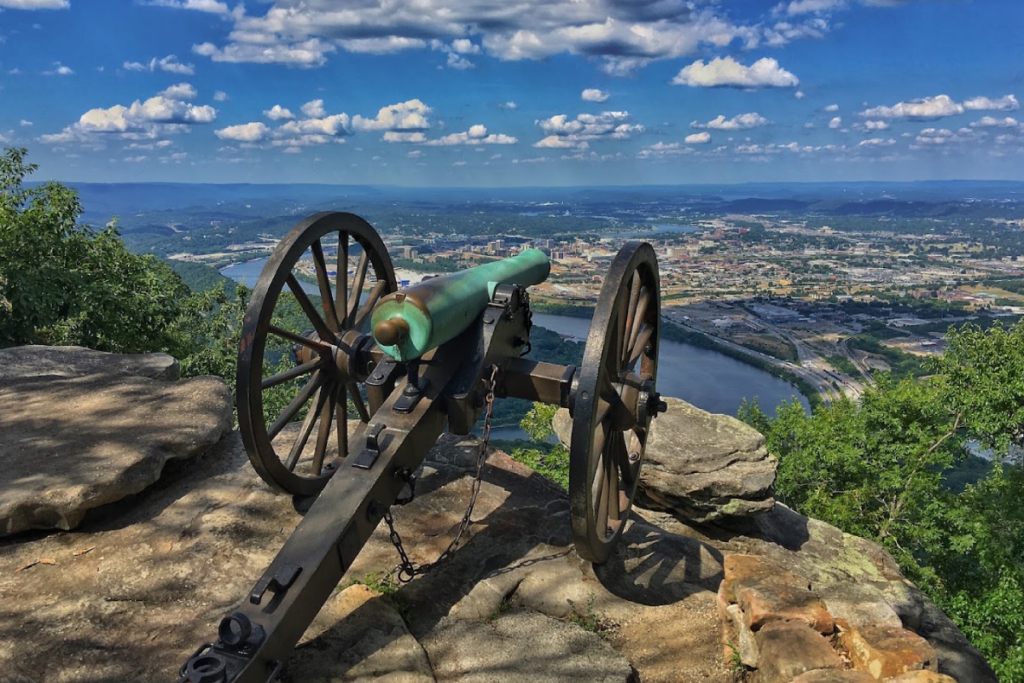
Just a short drive from downtown Chattanooga lies a place where American history took a dramatic turn during the Civil War. Chickamauga & Chattanooga National Military Park became the first national military park in the United States, preserving battlefields where thousands of soldiers fought in some of the war’s most intense conflicts.
Today, visitors can walk the same ground where history unfolded, explore mountaintop views that once served as strategic vantage points, and discover why these battles mattered so much to the outcome of the war.
Why America’s First National Military Park Was Created Here
Back in 1890, Congress made a decision that would change how America remembers its past. They established Chickamauga & Chattanooga National Military Park as the nation’s very first military park, setting a precedent for preserving battlefields across the country.
The choice wasn’t random.
These battlefields witnessed some of the Civil War’s bloodiest and most strategically important fighting. Veterans from both sides recognized that future generations needed to understand what happened here.
They pushed for preservation while memories were still fresh and survivors could help mark the exact locations where regiments clashed.
The park’s creation represented something bigger than just saving land. It became a way for a divided nation to begin healing by honoring the courage of soldiers on both sides.
Walking through the park today, you’ll find monuments erected by states from across the country, each commemorating their soldiers’ sacrifices.
What makes this park special is how well it tells the complete story. The terrain itself explains military decisions that might seem confusing on paper. Ridges, valleys, and creek beds all played crucial roles in how battles unfolded.
The National Park Service maintains over 1,400 historical monuments, markers, and tablets throughout the park. These aren’t just decorative. They mark specific positions where units fought, creating an outdoor classroom where history comes alive.
Veterans worked alongside surveyors to ensure accuracy when placing these markers. Their firsthand accounts shaped how we understand these battles today.
This careful attention to detail makes Chickamauga & Chattanooga more than a park. It’s a three-dimensional history book where you can literally stand where history happened and see the landscape exactly as soldiers saw it over 160 years ago.
The Battle of Chickamauga Changed the Course of the Civil War
September 1863 brought two days of fighting so fierce that Chickamauga earned the grim title of the second-bloodiest battle of the entire Civil War. Nearly 35,000 soldiers were killed, wounded, or went missing during those September days.
The scale of casualties shocked both sides.
Confederate forces under General Braxton Bragg faced Union troops commanded by General William Rosecrans in dense woods and open fields. The fighting was chaotic, with units sometimes firing on their own men through the thick forest smoke.
Soldiers later described the confusion and terror of battling an enemy they could barely see.
The Union army held strong on the first day, but a critical mistake on September 20th changed everything. A misunderstood order created a gap in the Union line.
Confederate General James Longstreet’s forces punched through that opening like a battering ram, splitting the Union army and sending much of it into retreat toward Chattanooga.
Only General George Thomas and his troops held their ground on Snodgrass Hill, earning Thomas the nickname “Rock of Chickamauga.” His stubborn defense allowed the rest of the Union army to escape complete destruction. Without his stand, the entire Union force might have been captured or annihilated.
The Confederate victory at Chickamauga gave the South one of its last major wins of the war. However, they failed to capitalize on their success.
The Union army regrouped in Chattanooga, setting the stage for battles that would eventually break Confederate control of Tennessee.
Walking the Chickamauga battlefield today, you can trace the fighting through monuments and preserved landscapes. The visitor center’s exhibits and film help make sense of the complex two-day battle, showing how small decisions created massive consequences.
Chickamauga Battlefield Is the Best Place to Start Exploring
Starting your visit at the Chickamauga Battlefield Visitor Center makes everything else fall into place. The center sits right in the heart of the battlefield, offering a perfect introduction to what you’re about to explore.
A 26-minute orientation film walks you through the battle’s timeline, helping you understand the chaos that unfolded across these fields and forests.
The exhibits inside deserve your full attention. Maps, artifacts, and detailed explanations show how the battle developed over two days.
You’ll see actual weapons, uniforms, and personal items carried by soldiers, making the human cost of war tangible and real.
Rangers frequently give presentations that bring the battlefield to life. They explain tactical decisions, point out how terrain influenced fighting, and answer questions you didn’t even know you had.
These talks transform your understanding from reading about history to actually grasping why events unfolded as they did.
After exploring the visitor center, the seven-mile auto tour route lets you visit key battle sites at your own pace. You can download an audio tour that syncs with numbered stops, providing detailed commentary as you drive.
Each stop features monuments and markers showing where specific regiments fought.
The battlefield itself feels surprisingly peaceful now. Forests have reclaimed areas that were once open fields, though park managers maintain clearings where fighting was heaviest.
Walking trails let you leave your car and experience the terrain as soldiers did, though hopefully with less urgency.
Early morning visits offer the best experience. Fewer crowds mean you can absorb the somber atmosphere without distraction.
The soft morning light filtering through trees creates an almost reverent mood, appropriate for a place where so many gave everything they had.
Lookout Mountain Delivers History With a View
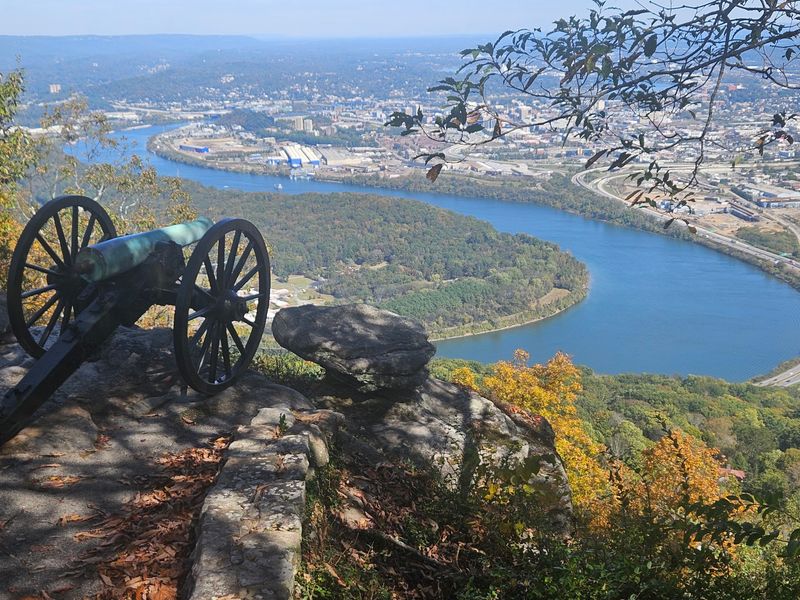
Rising 2,000 feet above Chattanooga, Lookout Mountain offers something most battlefields can’t match. You get sweeping panoramic views that stretch for miles while standing on ground where soldiers fought for control of this strategic high point.
The combination of natural beauty and historical significance creates an experience that sticks with you.
The mountain’s geography explains why both armies wanted it so badly. Whoever controlled this height controlled the valley below.
Artillery placed here could rain destruction on enemy positions with devastating accuracy.
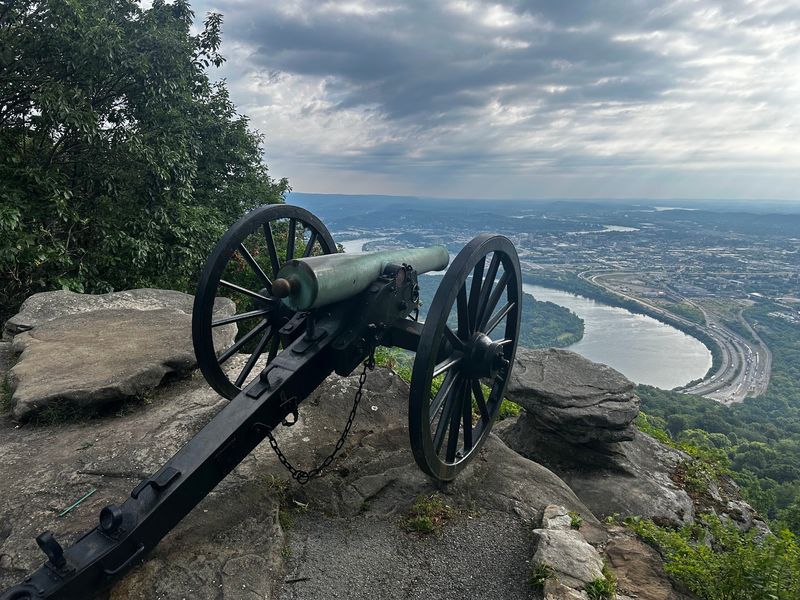
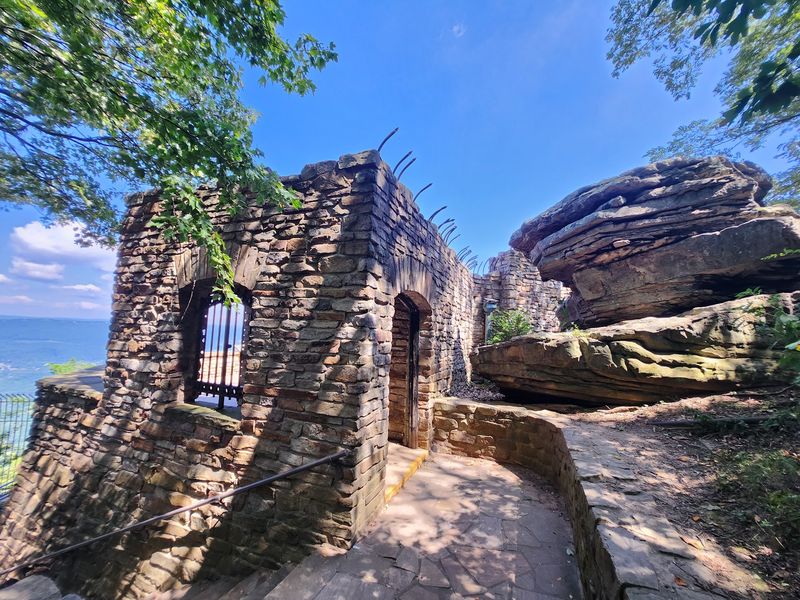
Point Park sits at the mountain’s summit, preserving the area where the heaviest fighting occurred. Walking through the park, you’ll encounter monuments, cannons positioned as they were during battle, and interpretive signs explaining what happened at each location.
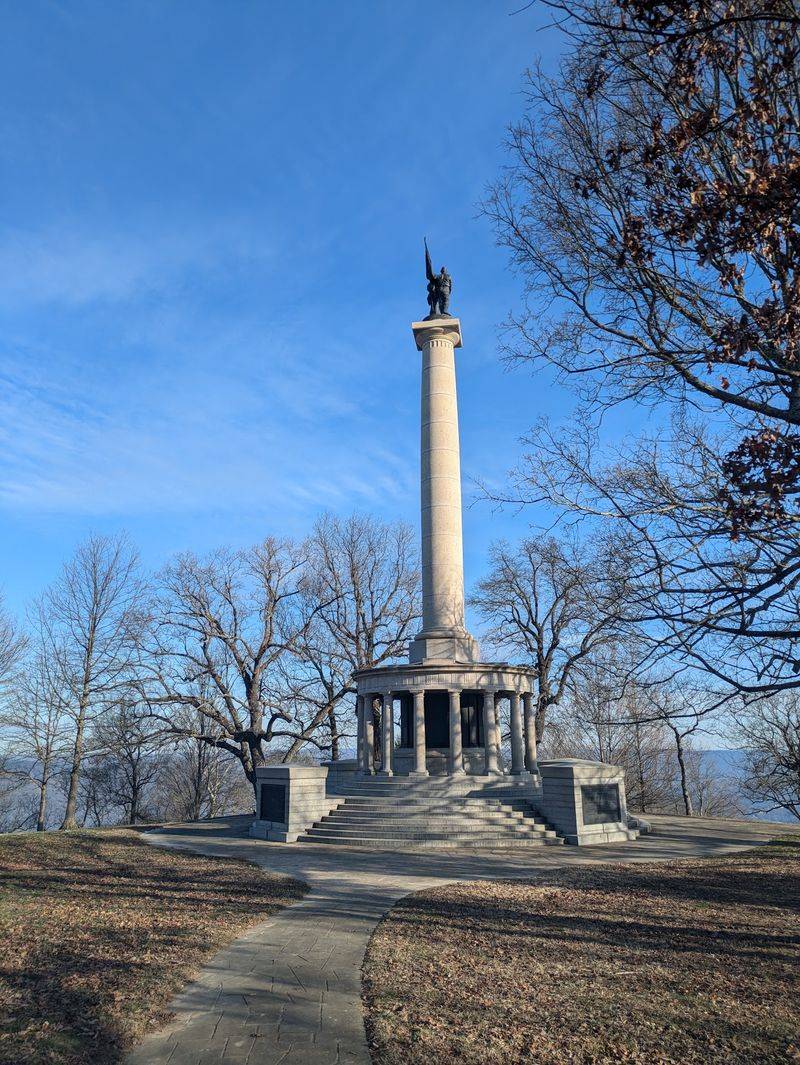
The New York Peace Memorial stands as a striking reminder of reconciliation between former enemies.
The view from Point Park isn’t just pretty. It’s educational.
Looking down at Chattanooga and the Tennessee River winding through the valley, you immediately understand the tactical importance. Moccasin Bend curves below like a horseshoe, and you can trace troop movements across the landscape.
A small entrance fee grants access to Point Park, though military members and those with National Park passes enter free. The fee supports park maintenance and preservation efforts. Once inside, trails wind through the park, offering different vantage points and photo opportunities.
The Lookout Mountain Visitor Center provides context before you explore. Exhibits explain the battles fought here and how they fit into the larger Chattanooga Campaign.
Rangers can point you toward the best viewpoints depending on weather and time of day.
Sunset visits create magical moments when the city lights begin twinkling below. The changing light transforms the landscape, offering photographers and casual visitors alike something special to remember.
The “Battle Above the Clouds” Made Lookout Mountain Famous
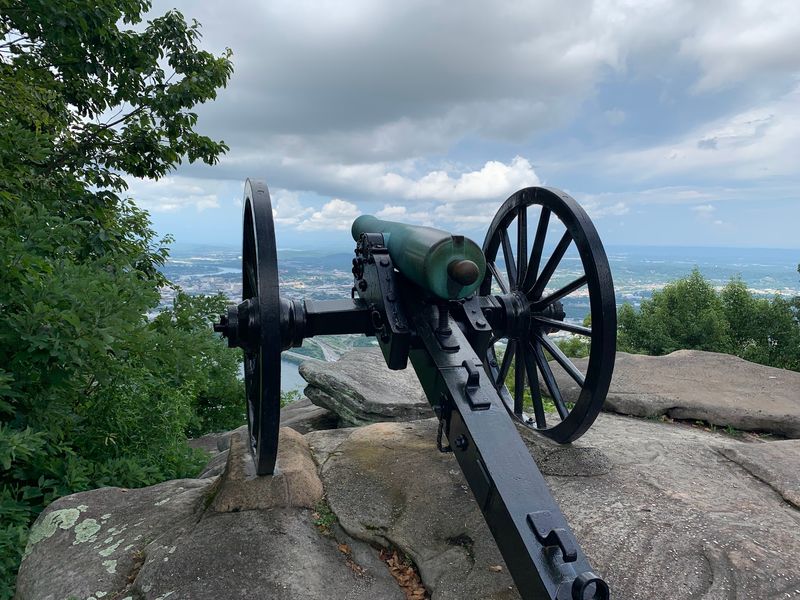
November 24, 1863, brought weather that would give this battle its legendary name. Thick clouds and fog shrouded Lookout Mountain as Union forces under General Joseph Hooker attacked Confederate positions partway up the slope.
Observers watching from Chattanooga could only see occasional flashes of gunfire piercing the clouds, creating an almost supernatural scene.
The battle wasn’t actually fought at the mountain’s summit. Most fighting occurred on the slopes and at the base, where Confederate troops had entrenched themselves.
The fog made coordination difficult for both sides, turning what should have been a coordinated assault into smaller, confused skirmishes.
Despite the challenges, Union forces pushed steadily upward throughout the day. Confederate defenders fought hard but found themselves outflanked and overwhelmed.
By nightfall, they withdrew from the mountain entirely, retreating to Missionary Ridge.
The next morning, Union soldiers planted their flag on Lookout Mountain’s peak. Troops and citizens in Chattanooga could finally see it waving above the clouds that had obscured the previous day’s fighting.
That image cemented the battle’s romantic nickname, even though the actual combat was as brutal and unglamorous as any other.
The “Battle Above the Clouds” wasn’t the war’s largest or bloodiest engagement. Its significance lay in breaking the Confederate siege of Chattanooga.
Union forces bottled up in the city desperately needed supply lines reopened, and controlling Lookout Mountain was essential to that goal.
Today, you can walk trails where soldiers climbed under fire. Interpretive signs explain troop movements and point out defensive positions.
The terrain itself tells the story, with steep slopes and rocky outcroppings showing why defenders thought they could hold this position indefinitely.
The combination of dramatic setting, evocative name, and strategic importance made this battle a favorite subject for artists and writers. Paintings depicting the battle helped shape how Americans remembered the Civil War for generations.
What to See and Do at Chickamauga & Chattanooga National Military Park
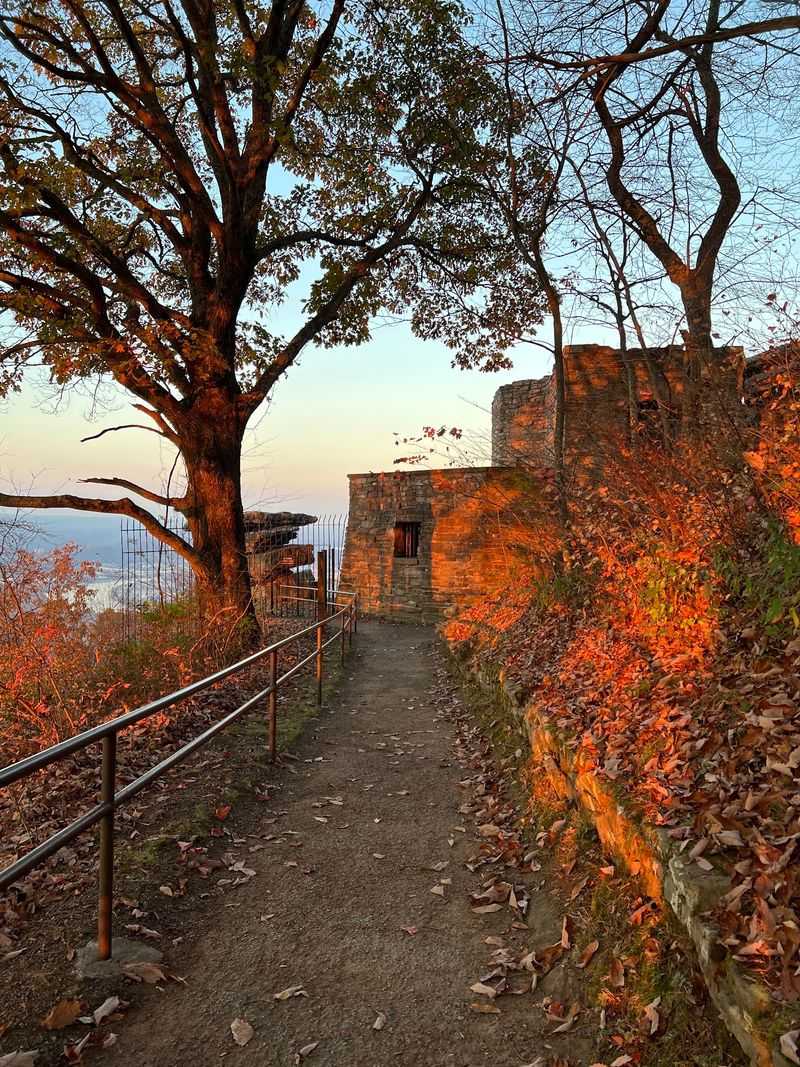
This park offers way more than you can experience in a single visit. Spanning over 9,000 acres across multiple sites, you could easily spend several days exploring and still not see everything.
Planning ahead helps you make the most of your time.
Start with the auto tours at both Chickamauga Battlefield and Lookout Mountain. These driving routes hit the major sites while providing context through audio guides or ranger-led tours.
You can pause at any stop that catches your interest, making the experience as detailed or brief as you prefer.
Hiking trails range from easy half-mile walks to challenging multi-mile treks. The Bluff Trail on Lookout Mountain offers spectacular views with moderate difficulty.
Chickamauga’s trails wind through forests and across fields where regiments once clashed, providing a more immersive experience than driving alone.
Photography enthusiasts will find endless subjects. Monument details, landscape vistas, atmospheric fog in valleys, and golden-hour light filtering through trees all create compelling images. Early morning and late afternoon offer the best natural lighting.
History buffs should time their visits to catch ranger programs. These presentations happen regularly at both major sites, offering insights you won’t get from signs or brochures alone.
Rangers share stories about individual soldiers, explain tactical decisions, and answer questions about everything from weapons to medical care.
The archeological site at Chickamauga reveals ongoing research into battlefield preservation. Researchers continue uncovering artifacts and learning new details about the battle more than 160 years later.
Watching archaeologists work connects visitors to living history rather than static displays.
Picnic areas throughout the park let you make a full day of your visit. Bringing lunch means you can explore at a relaxed pace without rushing back to town.
The peaceful setting makes for memorable outdoor meals surrounded by history.
How to Plan a Visit From Chattanooga
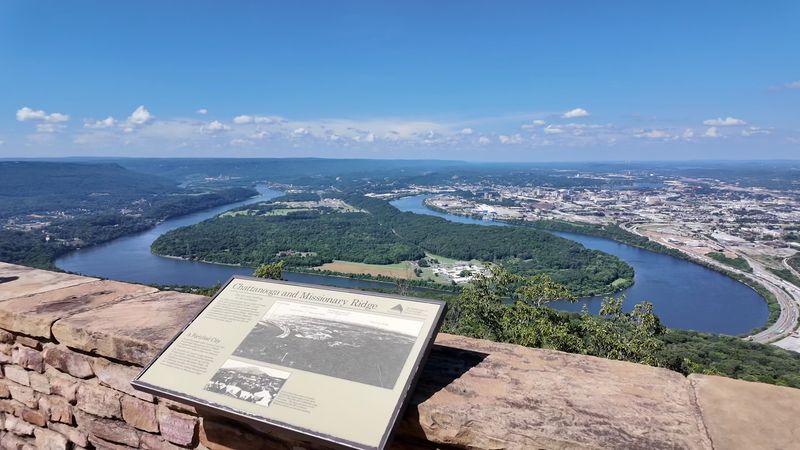
Getting to the park from downtown Chattanooga takes less than 30 minutes, making it an easy day trip or half-day adventure. The Chickamauga Battlefield sits about 12 miles south of the city, while Lookout Mountain rises just west of downtown.
You can visit both in one day or dedicate separate trips to each.
The park opens at 8:30 AM daily and stays open until 7:30 PM during warmer months. Arriving early beats the crowds and gives you cooler temperatures for walking trails.
Summer afternoons can get hot and humid, so morning visits offer more comfortable exploring.
Admission to Chickamauga Battlefield is free. Point Park on Lookout Mountain charges $10 per vehicle, valid for seven days. If you have an America the Beautiful pass, you’ll get in free at both locations.
Plan at least three to four hours for a thorough visit to either major site. Trying to rush through in an hour means you’ll miss the depth and detail that make this park special.
If you want to see both Chickamauga and Lookout Mountain in one day, budget six to eight hours total.
The drive up Lookout Mountain winds through a beautiful residential area with stunning homes. Take your time on the approach, both to enjoy the scenery and because the roads can be narrow and winding.
Parking at Point Park is limited, so arriving early secures a spot during busy weekends.
Wear comfortable walking shoes regardless of which site you visit. Even if you stick to paved areas, you’ll do plenty of walking. Trails can be uneven, and some monuments sit off the main paths.
Bring water and snacks, especially during warmer months. While visitor centers have water fountains, you’ll want your own supply for trail walks.
The park has limited food options, so pack lunch if you plan an all-day visit.