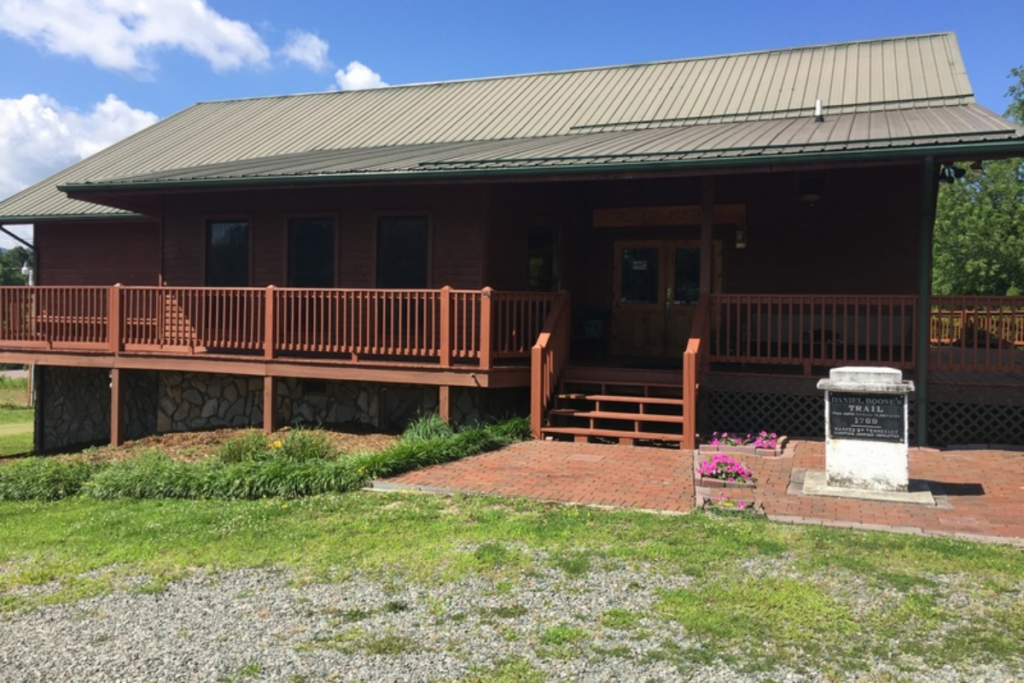
Tucked away in the mountains of East Tennessee sits a small museum that preserves something most people never even knew existed. The original town of Butler was deliberately flooded in the 1940s to create Watauga Lake, forcing hundreds of families to leave their homes forever.
Today, the Museum of Butler keeps the memory of that vanished community alive through photographs, artifacts, and stories told by people who actually lived there.
The Tennessee Town That Disappeared Beneath the Water
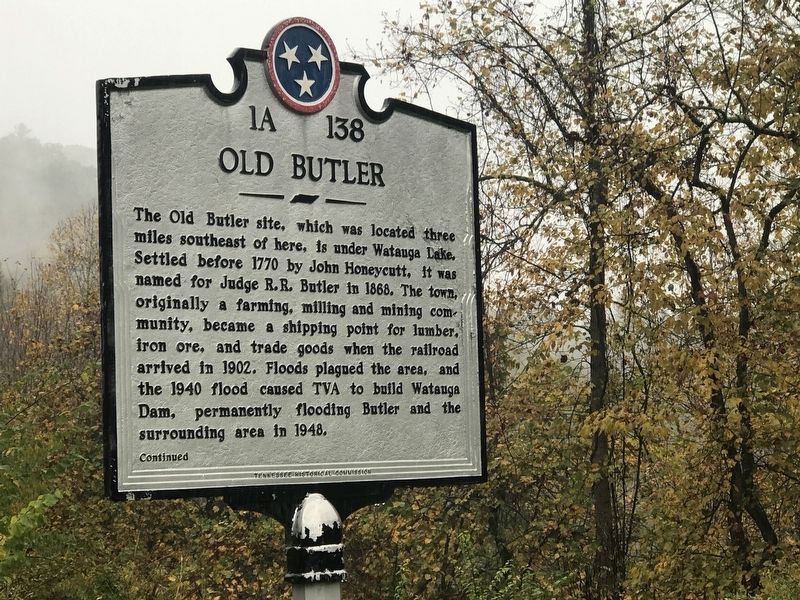
Butler wasn’t just any town. For generations, it served as the county seat of Johnson County, a bustling mountain community where families built businesses, raised children, and created a tight-knit society in the shadow of the Appalachian peaks.
The original town had everything a proper county seat needed: a courthouse, schools, churches, stores, and homes that stretched along Iron Mountain.
When the Tennessee Valley Authority decided to build a dam on the Watauga River in the late 1930s, Butler’s fate was sealed. The project would create a massive reservoir for hydroelectric power and flood control, but it meant the entire town would end up underwater.
Families who had lived there for generations suddenly faced an impossible choice: watch their hometown disappear or fight a battle they couldn’t win.
By 1948, the dam was complete and the waters began to rise. Streets where children had played, buildings where people had worked, and homes filled with memories slowly vanished beneath the surface of what became Watauga Lake.
The courthouse bell rang one final time before the town was abandoned. Some structures were moved to higher ground, but most were simply left behind.
What makes this story especially haunting is how quickly a thriving community can be erased. Within months, Butler transformed from a living town into a submerged ghost settlement.
Today, when the lake level drops during droughts, remnants of the old town occasionally peek through the water, offering brief glimpses of foundations, roads, and other traces of the community that once thrived there.
Why Butler Had to Be Abandoned
The Tennessee Valley Authority had a mission that sounded noble on paper: bring electricity and economic development to rural Appalachia. After the devastating floods that plagued the region throughout the early 20th century, the federal government decided that controlling the rivers through a series of dams was the answer.
Butler just happened to sit in the perfect spot for one of those dams, right in the path of progress.
Nobody asked the residents if they wanted to sacrifice their town. The TVA had the power of eminent domain, which meant they could legally take private property for public use.
Families received compensation for their land and homes, but money couldn’t replace generations of history or the emotional ties people had to their community. Many residents felt betrayed by their own government.
The economic argument was straightforward: one town’s sacrifice would benefit thousands of people across the region with electricity and flood protection. Engineers calculated that the Watauga Dam would generate power for homes and industries while preventing the kind of destructive floods that had claimed lives and property for decades.
The math made sense to bureaucrats in Washington, but it felt like cold comfort to people packing up their lives.
Relocation happened in stages throughout the 1940s. Some families moved to the new Butler, built on higher ground about a mile away from the original site. Others scattered to different towns and states, unable to stomach staying near the place where their hometown used to be.
The process was messy, painful, and left deep scars that some families still carry today.
How Watauga Lake Changed the Town Forever
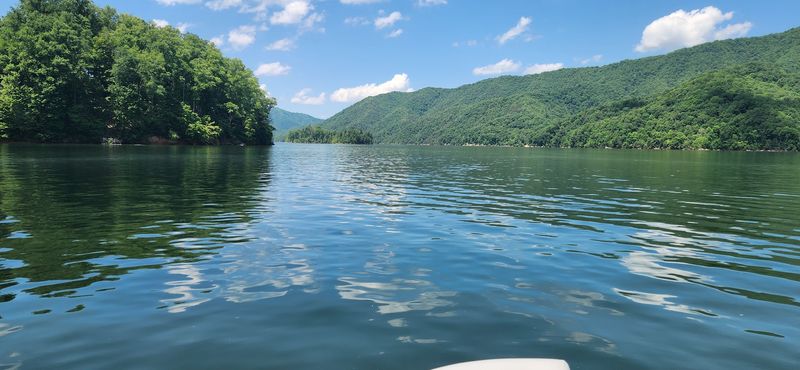
Watauga Lake stretches for miles now, a beautiful body of water that draws tourists, boaters, and anglers who have no idea they’re floating over a former town. The reservoir covers more than 6,400 acres and boasts a shoreline that winds for over 100 miles through the mountains.
It’s gorgeous, peaceful, and completely transformed the landscape where Butler once stood.
The new Butler never quite recovered the spirit of the original. While it technically kept the name and remained the county seat, the relocated town felt different to those who remembered the old days.
Buildings were newer but lacked the character and history of the structures they replaced. The community that had been forged over generations couldn’t simply be reassembled on a different patch of ground.
For many former residents, the lake became a source of complicated emotions. Some refused to go near it, unable to bear looking at the water that covered their childhood homes. Others found a strange peace in visiting the shores, feeling close to memories even though the physical places were gone. A few even took up boating, navigating the surface above streets they used to walk.
The economic impact was mixed. Tourism brought new opportunities, with the lake attracting visitors who spent money in local businesses. But the jobs and commerce that came with being a thriving county seat were harder to replace.
The character of the area shifted from a self-sufficient mountain community to a place more dependent on seasonal tourism and recreation.
The Museum Keeping Old Butler’s Story Alive
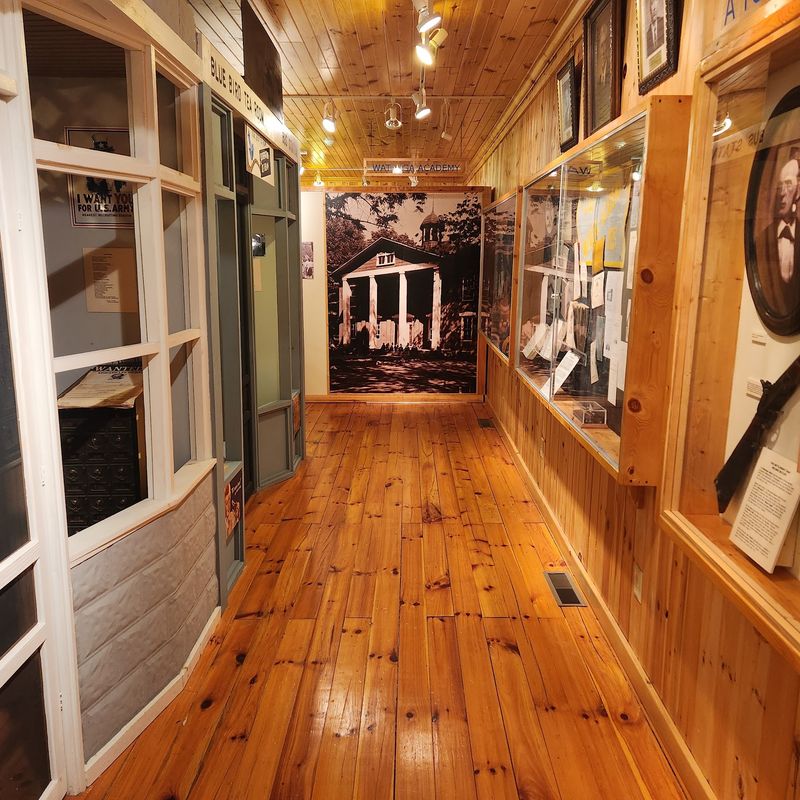
The Museum of Butler opened its doors because a group of former residents refused to let their town be forgotten. They gathered artifacts, photographs, and stories, determined to create a place where future generations could learn what was lost beneath Watauga Lake.
Located at 123 Selma Curtis Road, the museum operates mainly on weekends with passionate volunteers who have personal connections to Old Butler.
Walking through the front door feels like stepping into someone’s carefully preserved attic. The space isn’t fancy or high-tech, but that’s exactly what makes it special.
Every item on display was owned by real people who lived in the original town. The volunteers running the place often lived through the flooding themselves or heard firsthand accounts from parents and grandparents.
At just five dollars for admission, the museum offers incredible value. But the real treasure isn’t the low price tag.
It’s the guided tours led by docents who don’t just recite facts from a script. They share personal memories, point out items that belonged to their own families, and answer questions with the kind of detail you can only get from someone who was actually there.
The museum operates on limited hours, open Saturdays from 11 AM to 4 PM and Sundays from 1 PM to 4 PM during the season. That narrow window makes planning a visit essential.
Special group tours can be arranged during off-hours for those who can’t make the regular schedule. The dedication of these volunteers is remarkable considering they’re preserving history on a shoestring budget.
What You’ll Find Inside the Museum of Butler, Tennessee
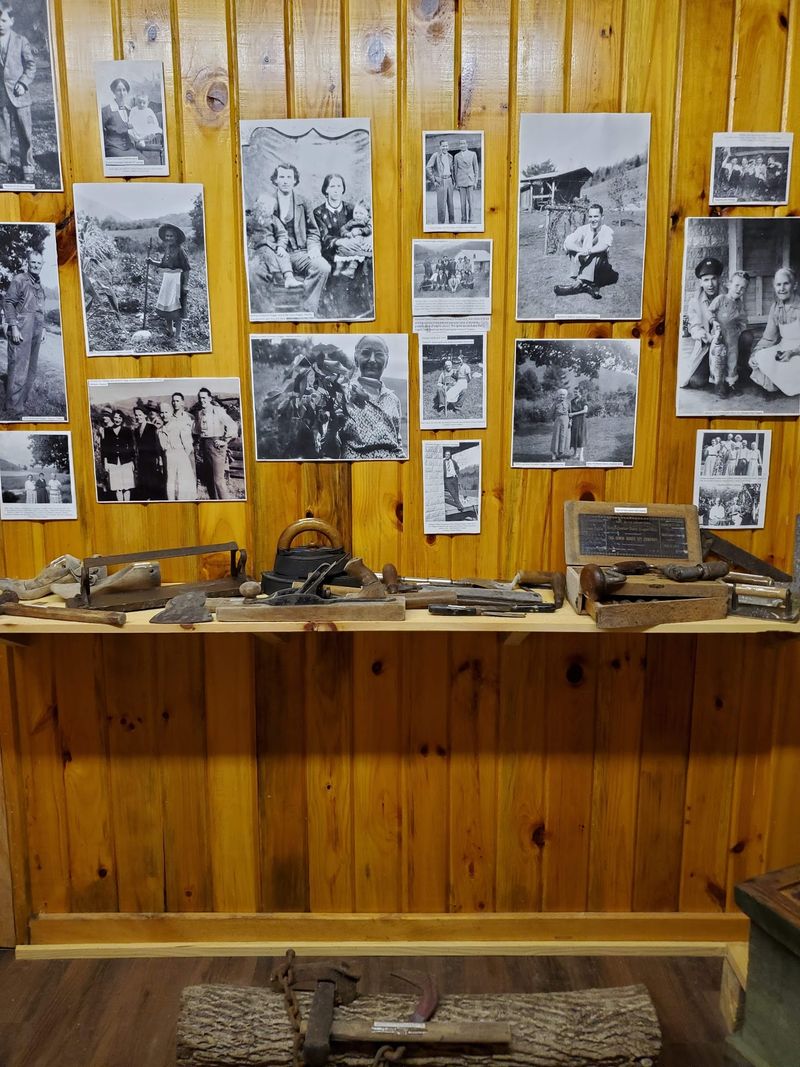
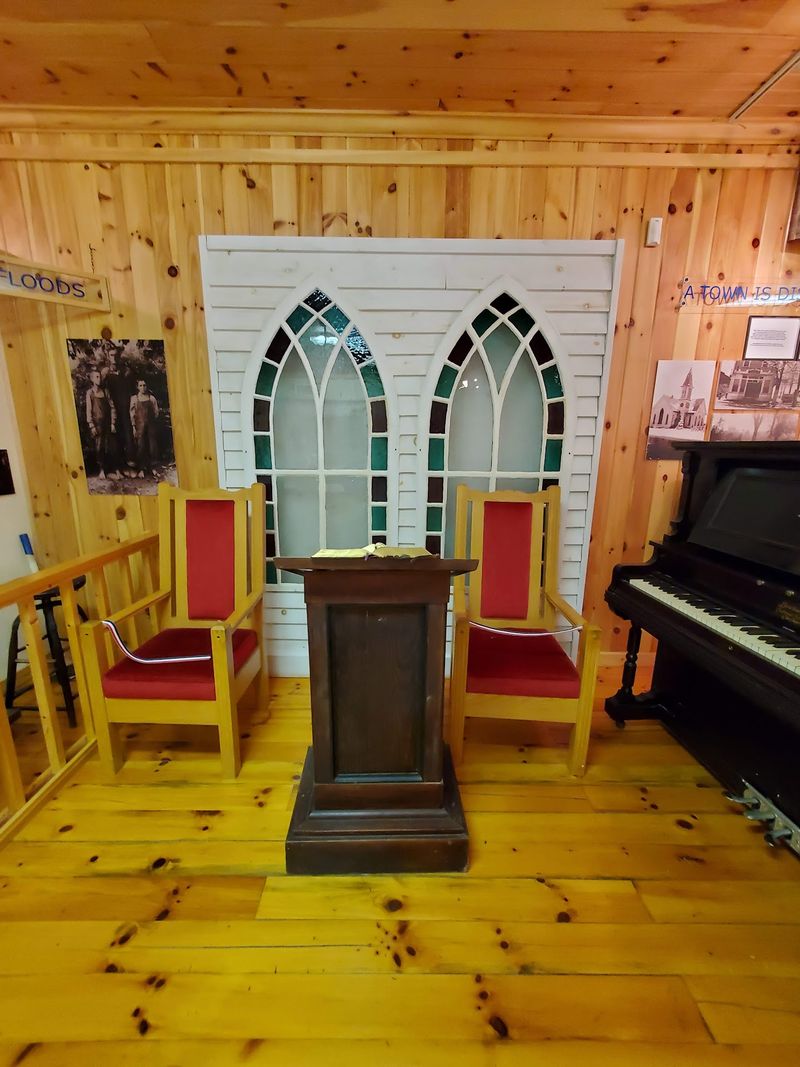
The collection inside spans everyday life in Old Butler from multiple generations. Kitchen tools, furniture, clothing, and household items fill the space, each piece representing how families lived before modern conveniences became standard.
You’ll see butter churns, oil lamps, washboards, and other objects that younger visitors might not even recognize. These weren’t museum pieces back then, just the ordinary stuff of daily life.
Military memorabilia occupies a significant section, honoring Butler residents who served their country. Uniforms, medals, letters, and photographs document the sacrifices made by local families during various conflicts.
The American Veterans Memorial Garden outside continues this tribute. Some displays become especially moving when docents explain which items belonged to specific soldiers and share their stories.
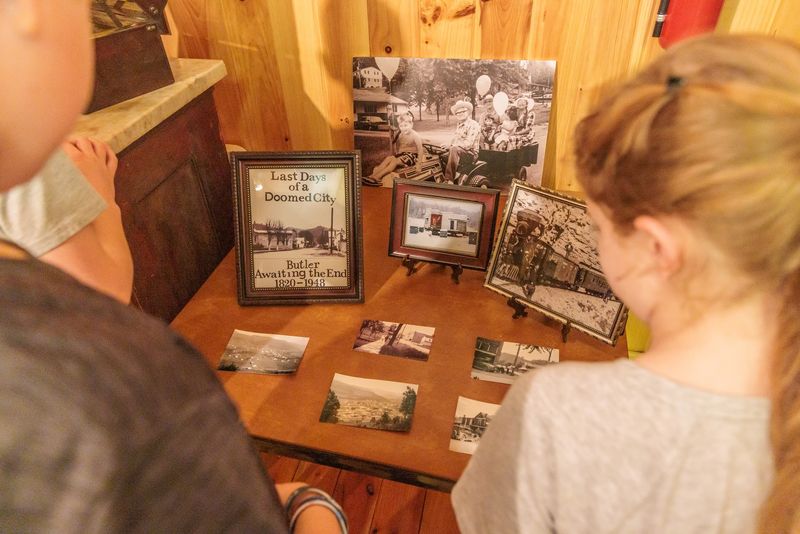
Photographs line the walls, offering the most powerful connection to the lost town. Black and white images show Main Street bustling with activity, the old courthouse standing proud, schools filled with children, and families posed in their Sunday best.
These aren’t professional historical photos, they’re personal snapshots that former residents donated from their own albums. Seeing the faces of real people who called Butler home makes the loss feel immediate and personal.
Native American artifacts represent the region’s deeper history, predating Butler itself. Tools, pottery, and other items remind visitors that the land beneath Watauga Lake held human stories long before the town was built.
The preservation efforts extend beyond just the 20th century community to honor all the people who lived in that valley throughout time.
The Stories, Photos, and Artifacts That Bring the Lost Town Back to Life
One visitor got lucky enough to tour the museum on a day when a 75-year-old former Butler resident was there sharing his own memories. Hearing firsthand accounts from someone who actually lived in the town before it flooded adds a dimension no written description can match.
These spontaneous encounters happen fairly often because former residents and their descendants regularly visit to reconnect with their past.
The docents themselves often have direct family ties to Old Butler. Some were children when the town was evacuated, while others heard detailed stories from parents who never quite got over losing their home.
Their tours go far beyond pointing at objects and reading placards. They’ll tell you whose house that chair came from, which store sold those tools, or which family wore that dress to church.
Visitors frequently mention being surprised by how emotional the experience becomes. What starts as casual historical curiosity often transforms into something more profound when you’re standing in front of someone’s wedding photo, knowing their house is now 50 feet underwater.
The museum doesn’t sensationalize the tragedy, but it doesn’t shy away from the pain either. The stories are told with honesty and heart.
Reviews consistently praise the depth of knowledge the guides possess. They can answer obscure questions about specific buildings, remember where certain families lived, and explain the relationships between different community members.
This isn’t history learned from books, it’s living memory being shared while the people who carry it are still around to tell it.
Why This Tiny Tennessee Museum Is Worth the Detour
Most people driving through East Tennessee have never heard of Butler or its museum. The place doesn’t advertise heavily, doesn’t have flashy billboards, and operates on a volunteer budget that probably wouldn’t cover a week of marketing for bigger attractions.
But those who stumble across it or make the intentional detour consistently call it one of the most memorable stops of their trip.
The museum offers something rare in our age of digital everything: genuine human connection to the past. Instead of reading information off screens or listening to recorded audio guides, you’re talking with real people who have skin in the game.
Their passion for preserving Butler’s memory is obvious in every word they speak. That authenticity can’t be manufactured or replicated.
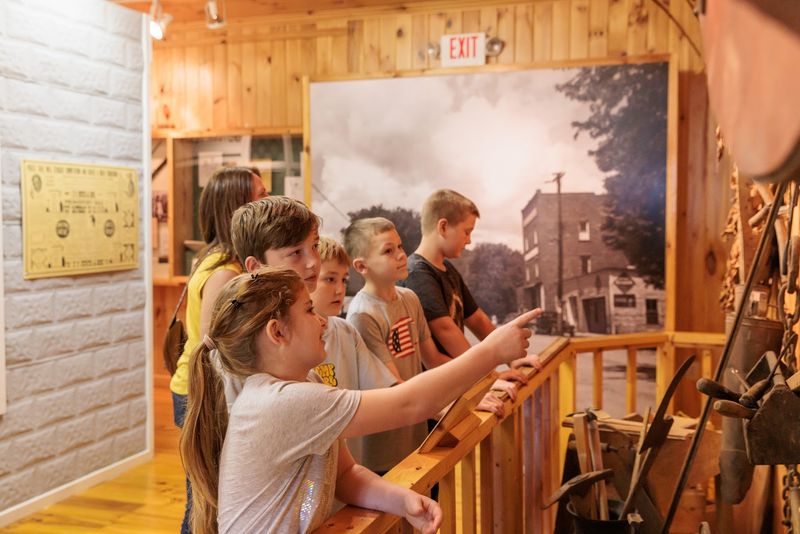
For families homeschooling or just wanting to teach kids about history in a meaningful way, the museum provides an ideal field trip. Children can see and sometimes touch objects from the past while hearing stories that make history feel real rather than abstract.
Understanding that an entire town was deliberately flooded teaches lessons about progress, sacrifice, and the human cost of development that textbooks struggle to convey.
The location itself adds to the experience. After touring the museum, visitors can drive to Watauga Lake and see the beautiful water that now covers Old Butler.
Standing on the shore and imagining streets, buildings, and lives beneath the surface creates a powerful moment of reflection. The juxtaposition of beauty and loss, progress and sacrifice, makes you think differently about the landscapes we take for granted.