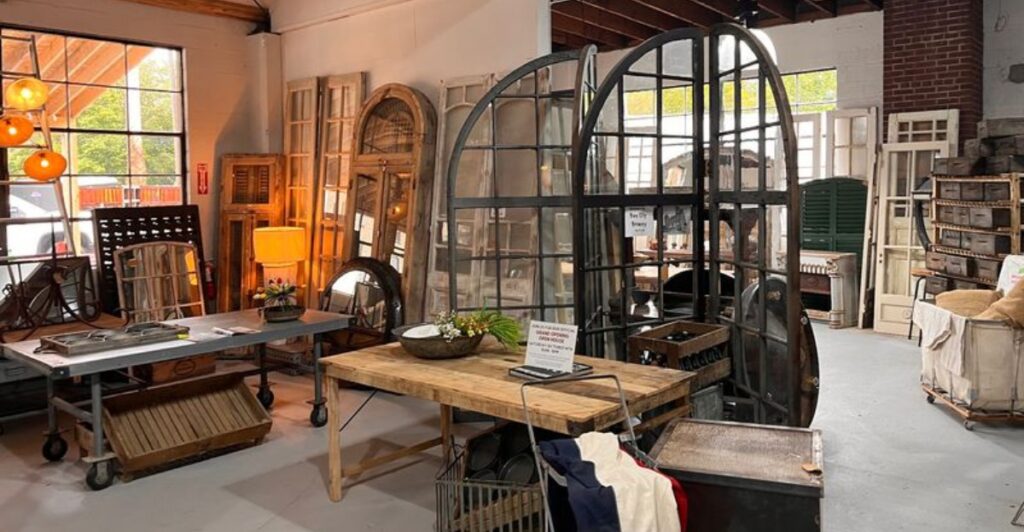
Home projects get a lot more interesting when the pieces already come with character. In Traverse City, Michigan, Antiquities Warehouse of Grand Traverse fills its West Front Street space with old doors, industrial lighting, oversized furniture, architectural finds, and smaller vintage pieces that can spark an idea before you know what you are looking for.
The appeal comes from the variety, because one visit might help solve a renovation problem while the next simply turns into an afternoon of browsing. Bringing measurements can help if you have a project in mind, but curiosity works just as well.
For anyone who enjoys vintage design and unexpected finds, this Traverse City shop is easy to lose time in.
A Warehouse Built for Big Ideas
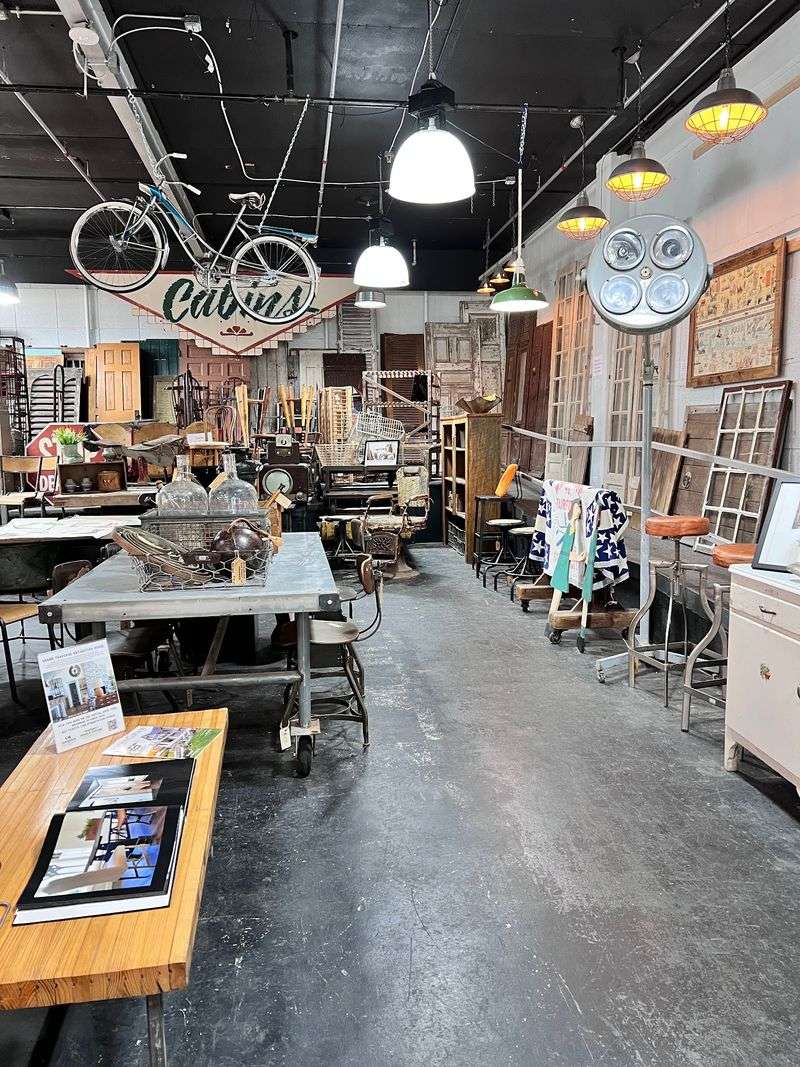
A tiny antique shop might fit in one quick glance. Antiquities Warehouse of Grand Traverse asks you to slow down and look across a much larger range of pieces.
Doors, tables, lights, and decorative objects occupy the same showroom, so you can picture how they might work together in a home.
The larger items set the pace. A tall door needs more than a narrow shelf for display, and a long table makes you think about the space around it.
Give yourself time to walk around each piece instead of judging it from the aisle. Details such as worn edges, old hardware, and the shape of a table base are easier to notice up close.
That wide view is helpful even if you came for just one thing. A light hanging near a wooden table may show you how metal and wood look side by side.
A mirror can suggest a way to brighten a room without changing its walls. Treat the displays as examples, not as a plan you must copy.
Start with a loose lap of the store before taking a closer look at anything. On your second pass, stop at pieces that match the size, color, or purpose you have in mind.
If you are shopping for a large item, bring room measurements and note where doors, windows, and walkways sit at home.
Keep an eye on how a piece would reach its new spot, too. A table that suits a dining room still has to fit through the doorway.
The warehouse makes big ideas easy to see; a few practical numbers help turn one into a workable purchase.
Industrial Lights With Room to Shine
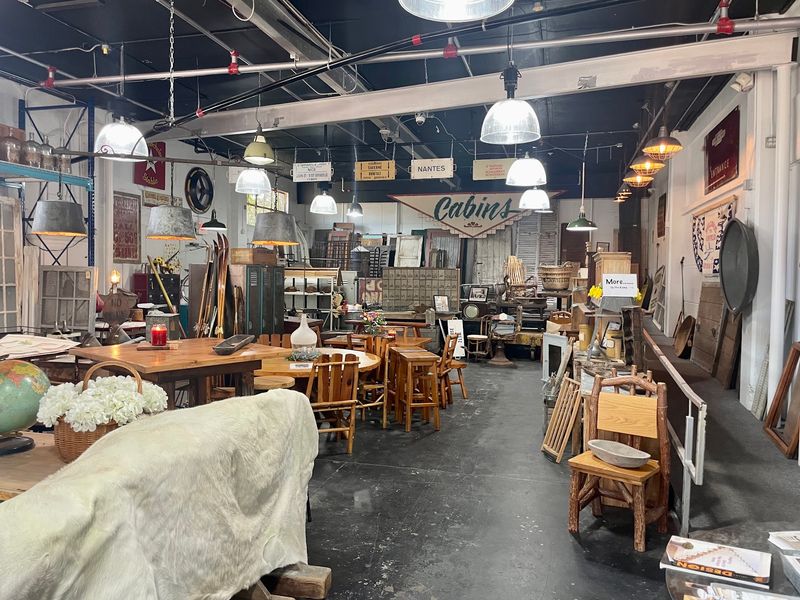
Look up while you browse. Lighting is one of the warehouse’s strongest draws, and a fixture can claim your attention before you reach the furniture below it.
Industrial shapes bring metal, glass, and strong outlines into a room, making the light itself part of the design.
Choosing a fixture takes more than picking your favorite shape. Think about where it will hang and what you need it to do.
A dining table needs light over the eating surface, while an entry light has to clear the heads of anyone walking through. Take a photo of the space at home and measure the ceiling height before you shop.
Up close, check the parts that affect daily use. Look at the shade, socket, chain or mounting hardware, and any glass.
Ask staff what they know about a fixture’s condition and whether it has been checked for use. Older lighting can have character without being ready for your ceiling as it stands.
A licensed electrician can help you decide what installation or wiring work is needed. That step is especially useful if you are buying a vintage fixture for a busy kitchen or another room where you will turn it on often.
Include that possible cost in your budget before committing to a piece.
Try viewing a light from several angles in the showroom. The view from directly beneath a shade may differ from the view across a room.
Notice whether its finish works with the wood, paint, and other metal pieces you already own. A striking lamp can lead the room, but it should still light the space where you need it.
Michigan Door Hunting, With a Tape Measure
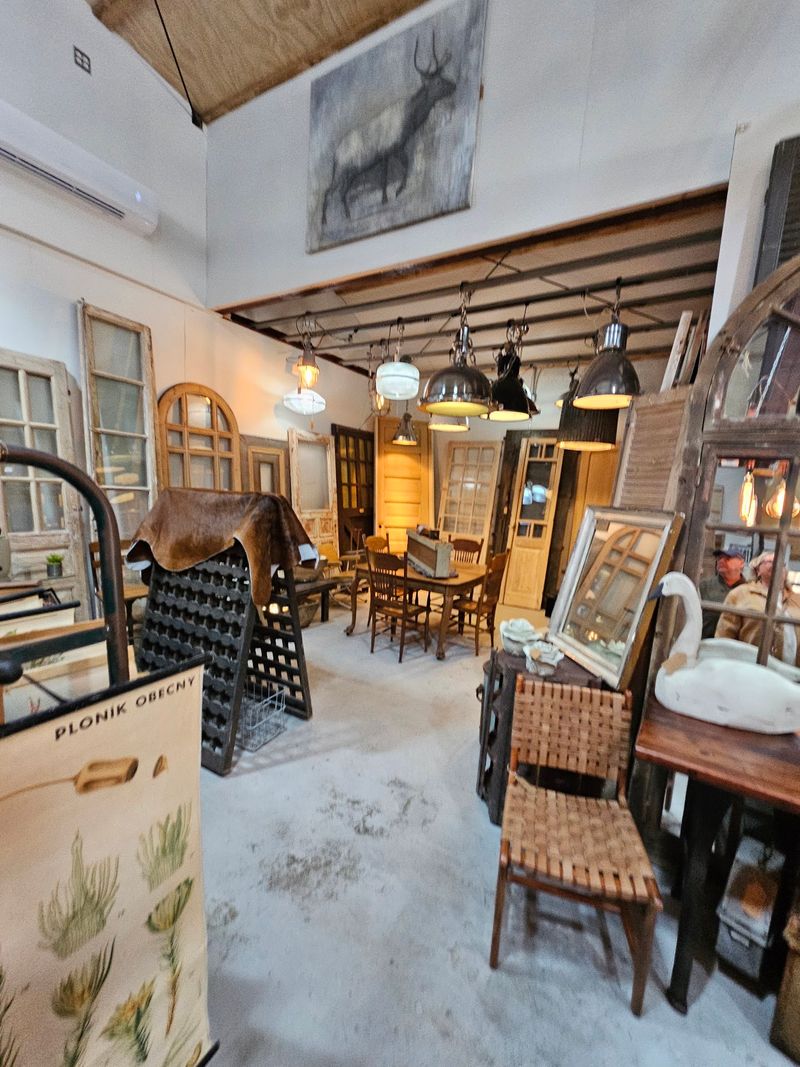
A salvaged door has a way of turning an ordinary doorway into a project. At Antiquities Warehouse of Grand Traverse, doors are a major reason to browse.
You may find yourself studying the panels, glass, grain, or hardware long before deciding where a door could go.
Begin with measurements, not guesses. Record the height and width of your opening, then check the thickness of the door you like.
Note which way it needs to swing and where the hinges and handle must sit. Even a small difference can mean extra work, so write the numbers down rather than trusting your memory.
Next, consider the job you want the door to do. A door between rooms has different needs from one used as a decorative wall feature.
If it will close every day, check its edges and ask about any repairs or missing parts. If it will serve mainly as an accent, its unusual marks may be the very reason you choose it.
Older doors can also be heavy. Before buying, think through how you will move yours from the store into a vehicle and through your home.
Measure stairs and tight turns as well as the final opening. Ask staff about the piece’s details if you are unsure what you are seeing.
Do not assume every old-looking door has the same history or construction. Find out what the store knows about its origin, and inspect the actual door in front of you.
Whether you want glass panels or a solid wood surface, the best match is one that suits both your room and the work you are ready to take on.
The Small Hardware That Finishes the Job
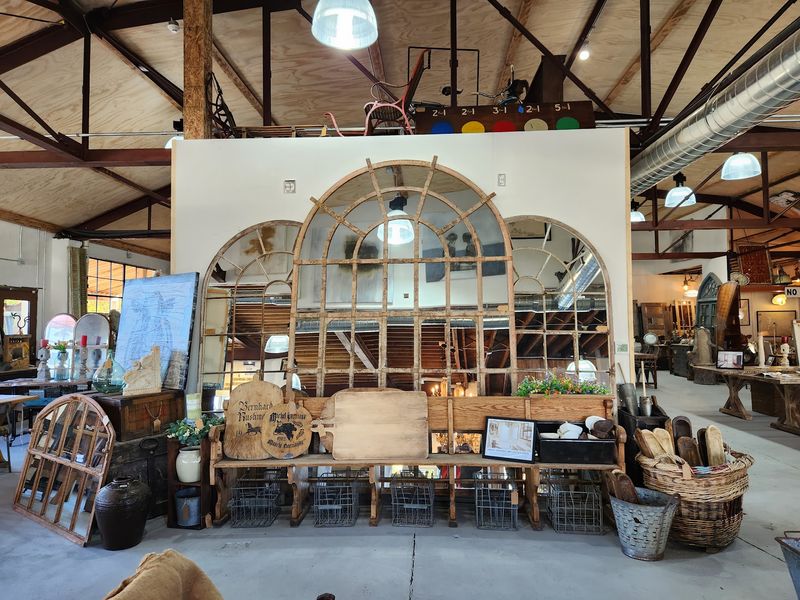
The door might catch your eye first, but its handle is the part you will touch. Antique door hardware gives you a closer look at the practical side of architectural salvage.
A knob, latch, or plate may carry a design detail that would be easy to miss from across the showroom.
Bring the size of your current hardware if you hope to replace it. Measure the distance between holes and take clear photos of the door’s edge and both faces.
Those small records can save you from taking home a beautiful part that will not fit. If you are pairing hardware with a door from the store, ask to examine them together.
Condition counts here. Turn a knob if you can, look for loose parts, and ask what comes with the item.
A single plate is not the same as a complete working set. You may need screws, a latch, or help from someone who can fit older hardware to your door.
There is also room to shop just for looks. Metal with age on its surface can add contrast to a plain wooden piece.
A decorative handle can give a cabinet or interior door more personality without changing the whole room. Decide whether you want the hardware to work hard every day or simply provide a finishing touch.
Keep your project photos handy as you browse the smaller pieces. Colors and shapes are easier to compare when the rest of the room is right there on your screen.
This part of the hunt rewards patience: the difference between nearly right and truly useful can be the position of one tiny hole.
Tables and Furniture That Set the Scale
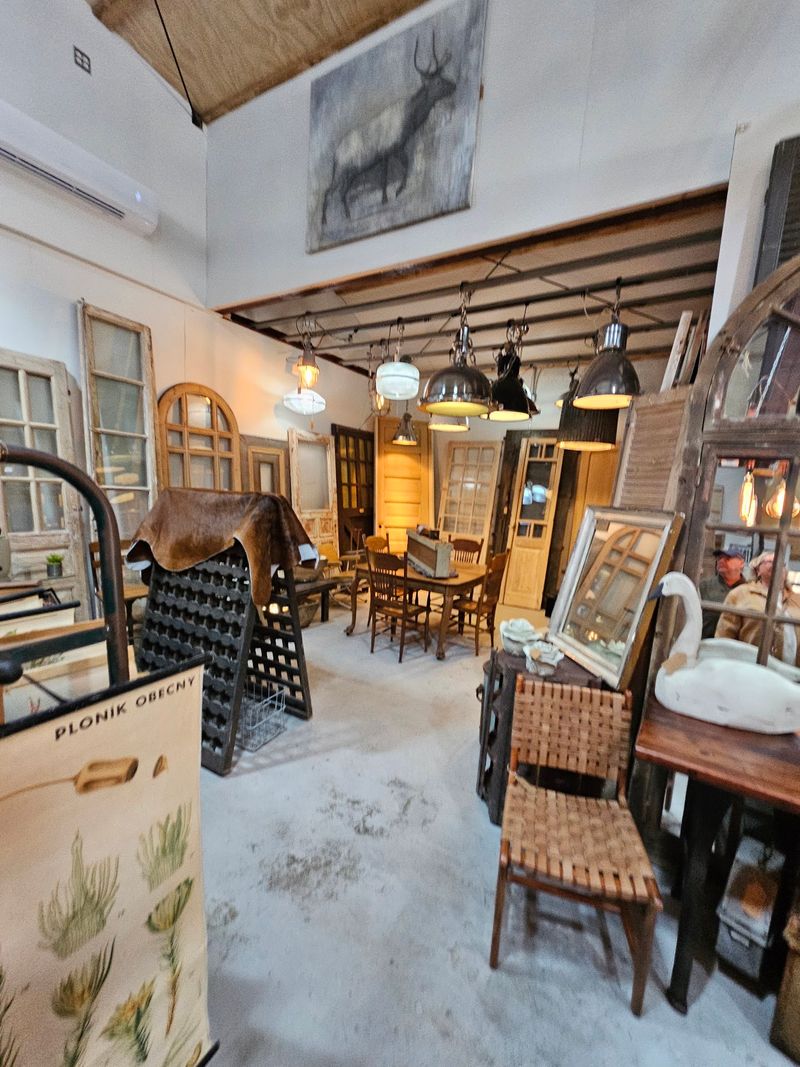
A long table can stop a browsing trip in its tracks. The warehouse carries furniture that asks for real floor space, including tables and other substantial pieces.
That scale is exciting, but it also makes careful planning more useful than a quick decision.
Before visiting, measure the area where your furniture would sit. Leave space to pull out chairs, open nearby doors, and walk past without squeezing sideways.
If you are considering a sideboard, measure its depth as well as its length. Painter’s tape on your floor at home can show how much room a proposed piece will take.
In the store, look below the tabletop. Check how the legs or base are arranged, since they affect where chairs can fit.
Run a careful eye along the surface for marks and uneven spots, then decide whether those features suit your plans. A table for homework and weeknight meals faces different demands from one used only on special occasions.
Furniture made with older materials may have a different story from an antique kept in its original form. If age or origin affects your decision, ask what is known about the specific piece.
Concentrate on construction, condition, and usefulness rather than assuming that weathered wood tells the whole story.
Think about delivery before you fall for an oversized find. Measure your vehicle, doorway, hallway, and stairwell.
Ask staff what help may be available for moving the item, and get clear details before paying. A piece that fills the showroom with character should also fit the life waiting for it at home, from dinner plates to the path around the table.
Mirrors, Windows, and the Clever Second Look
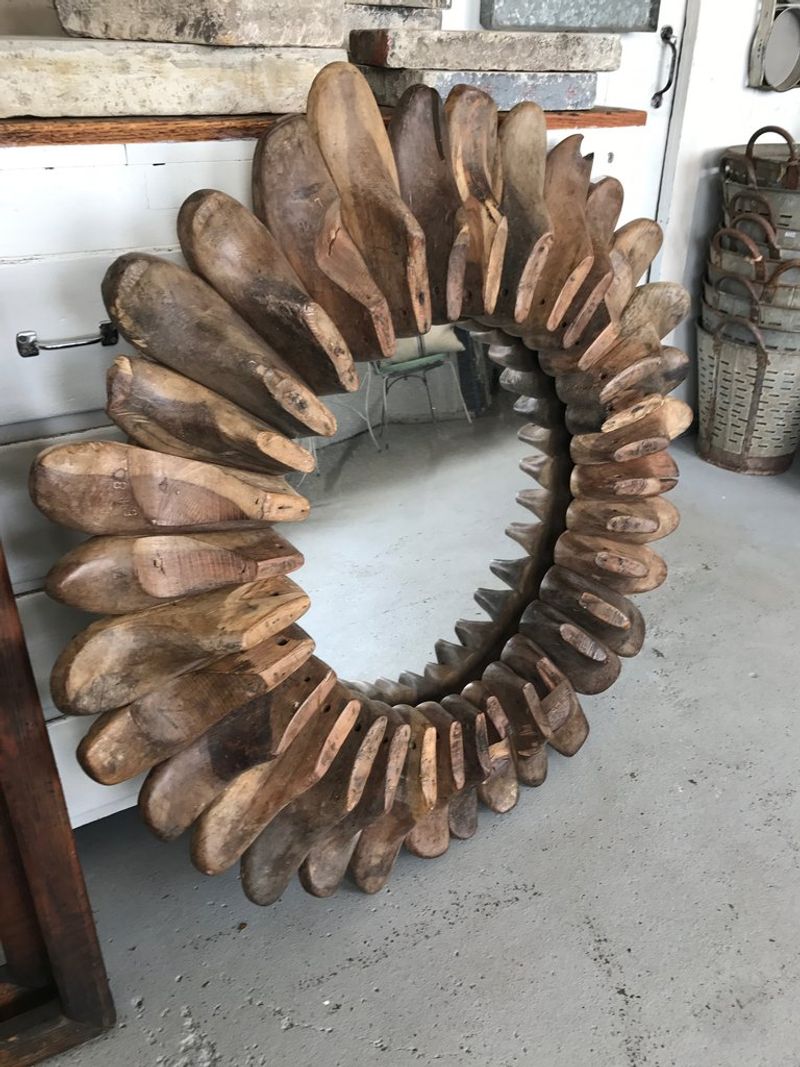
Not every useful find has to fill a wall. Mirrors, windows, and smaller decorative pieces give you another way to explore the warehouse after you have seen the big doors and tables.
Here, a frame or reflective surface may offer an idea for a room you were not planning to change.
A large mirror can help you see how a frame would look against paint, wood, or brick. Before buying, measure both the mirror and its intended wall.
Check where you would hang it, what it would reflect, and whether the wall can support its weight. The reflected view matters as much as the frame itself.
Salvaged windows deserve a different kind of check. Look closely at the glass, joints, and edges, and ask about the condition of the piece you want.
If you plan to display an old window rather than install it, consider how you will keep it secure. Handle any loose or damaged glass with care.
Smaller objects are useful for testing a look without rebuilding a room. You might compare a planter, board, or stool with a photo of the space you have at home.
Choose a place for the item before you buy it. That simple step keeps an interesting object from becoming one more thing without a purpose.
Take a second lap with your attention set lower and higher than it was on the first. Check shelves, walls, and spaces beside the furniture.
The warehouse’s range rewards a change in focus: after the tall doors have had their turn, a modest frame may be the piece that solves your room’s empty corner.
Make Your West Front Street Visit Count
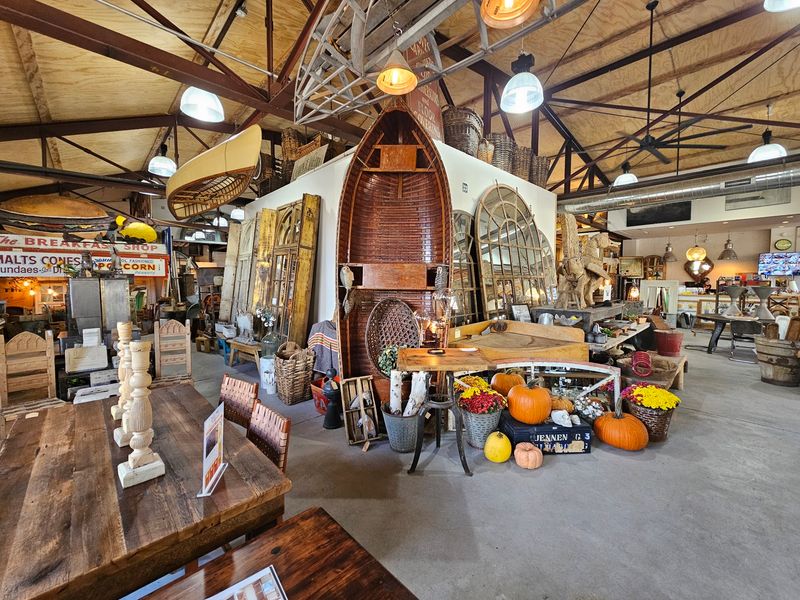
Put 421 W Front St into your plans, then give the stop more time than a quick errand. Antiquities Warehouse of Grand Traverse sells pieces that call for measuring, comparing, and a little imagination.
If you arrive with only a few minutes, you may spend them looking at the first large door.
The listed hours are 10 AM to 5 PM Tuesday through Saturday, with the store closed Sunday and Monday. Hours can change, so confirm them before making a special trip.
An earlier visit during open hours gives you room to ask questions and look closely without rushing toward closing time.
Bring a tape measure, your room dimensions, and photos showing the spot you want to fill. Write down the width of nearby doors and hallways if you hope to buy furniture or architectural salvage.
Set a budget that allows for possible transport, repairs, wiring, or installation. The price on an item may be only one part of a home project.
Once inside, separate browsing from buying. Enjoy the unusual shapes first, then return to any serious choice with your measurements.
Ask what staff know about its materials, condition, and any work it may need. If its history matters to you, seek details about that individual item rather than guessing from its appearance.
There is no need to force a purchase. A visit can help you learn whether you prefer a solid door, a window-style mirror, or a metal light against wood.
When one piece does meet your needs, check the details and plan how to get it home. That is the real strength of this warehouse: it lets a design idea become a practical, measured choice.