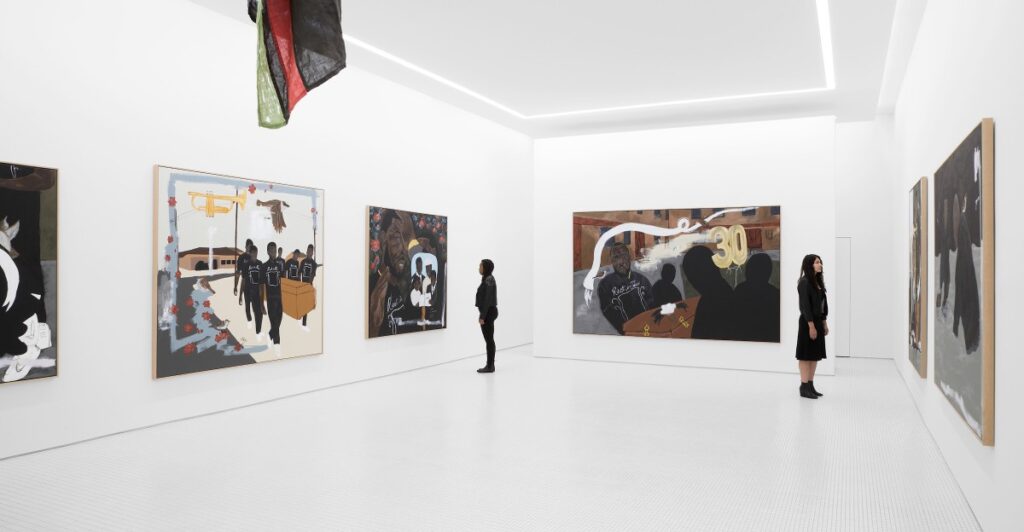
Art feels a lot more approachable when the experience keeps changing as you move through it. In downtown Detroit, Library Street Collective showcases contemporary work from established and emerging artists, then extends the visit outside through The Belt, where murals and large-scale pieces transform the surrounding alley.
The contrast between polished gallery spaces and colorful public art gives the stop extra energy without making it feel intimidating. You can linger over smaller details indoors, then step outside and take in something completely different.
For anyone curious about Detroit’s creative side, this is an easy place to see how contemporary art can shape both a room and a city block.
A Bright Room With Big Ideas
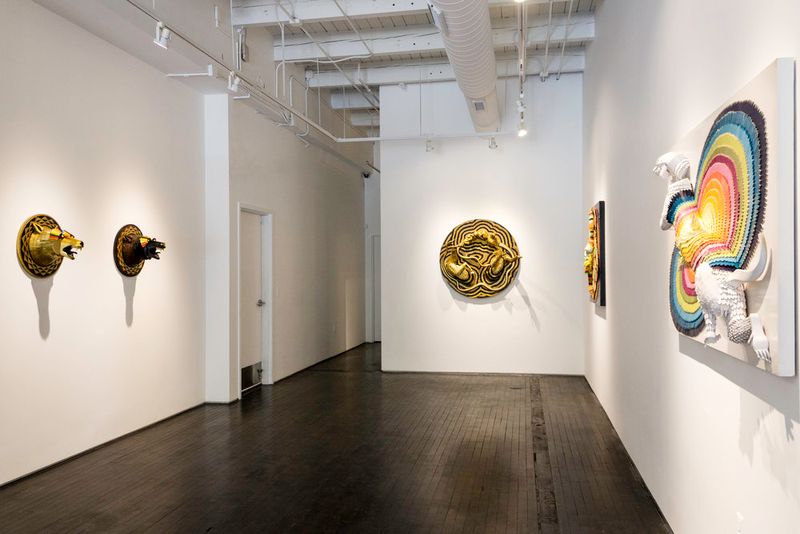
Downtown Detroit can move at a brisk pace, but the view changes when you step into Library Street Collective. Its light-filled exhibition space gives contemporary art room to breathe.
Instead of trying to take in everything at once, you can pause in front of one work and notice how its colors, materials, or shapes hold your attention.
The open setting is useful for more than a pleasant view. Space between works helps you see each one on its own terms before comparing it with the next.
If you have ever felt lost in a crowded museum, start here with a simple question: what detail did you notice first? That small choice gives you a way into the art without needing special training.
Light also changes how you look. A pale surface may show marks that disappear at a distance, while a bold piece can shift as you move across the room.
Walk toward a work, step back, then look from the side if there is enough room. You are not searching for one correct answer.
You are giving your eyes time to catch what a quick glance misses.
Because exhibitions change, the room does not offer a fixed checklist of famous pieces. Check the current show before your trip if a particular artist interests you.
Otherwise, let the display set your route. You might spend most of your visit with a single work, or find that two pieces seem to speak to each other across the space.
Save the widest view for the end. After looking closely, turn around and see how the works share the room.
Their size, spacing, and colors become part of the experience. Then, when you head back toward the busy street, you have a clearer picture of how much careful looking a calm gallery can make possible.
The Belt Takes Art Outdoors
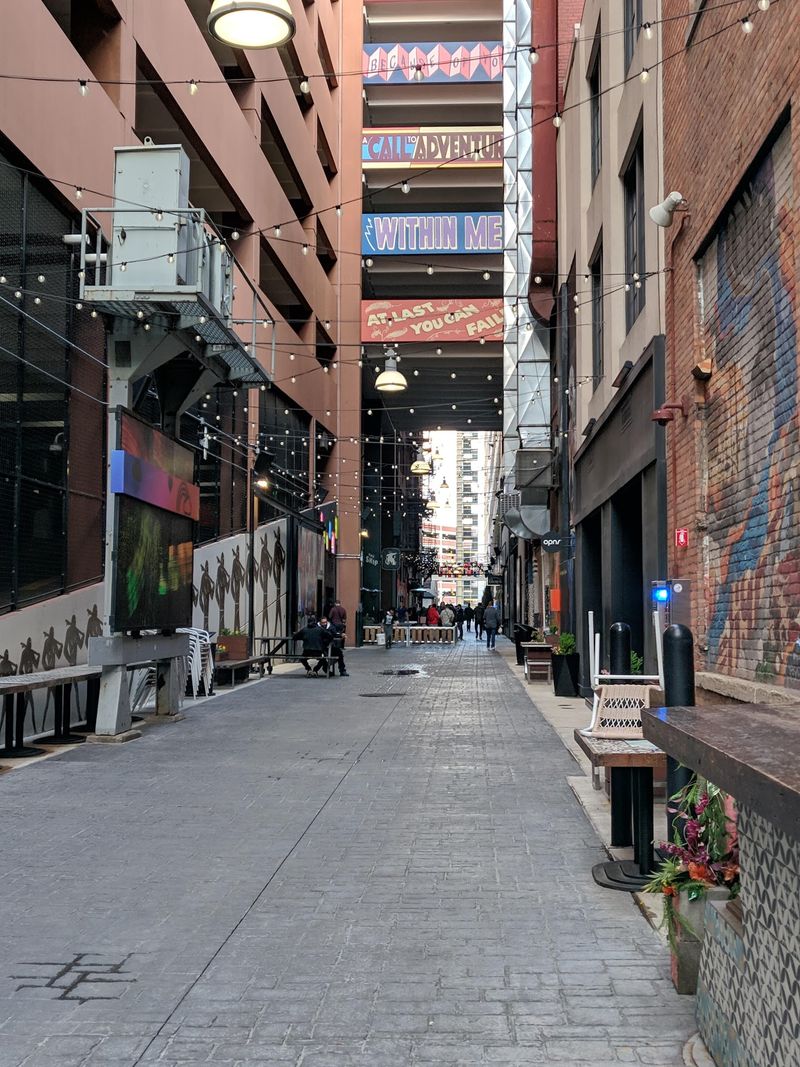
Just when you think the art visit ends at the gallery door, The Belt offers a change of scale. This downtown alley is closely connected with Library Street Collective and its public art work.
Painted walls turn a passage between buildings into a place where you can look, walk, and discover details without standing behind a museum rope.
Start by looking down the length of the alley before choosing a wall. A large piece may use the building itself as a frame, while smaller marks ask you to get closer.
Brick, doors, and pavement affect what you see. Outdoors, art shares space with the working city, so a wide view can reveal as much as a close one.
Move slowly and keep the path open for others. You can take a photograph from one end, then walk toward the surface to see how the image changes.
If you are photographing murals, include part of the surrounding alley in a few shots. That context explains their size and setting better than a tightly cropped picture.
Public art can change over time. Do not count on finding one exact image you saw online, and avoid treating a painted wall as a permanent exhibit.
The pleasure here is seeing what is present during your own visit. Looking without a fixed checklist also leaves room for small discoveries, such as a patch of color you missed from farther away.
Try visiting the gallery and The Belt back to back. Indoors, you can study a work in a quiet, controlled room; outside, its neighbors are walls, footsteps, and daylight.
Neither setting replaces the other. Together they show how Library Street Collective connects carefully presented art with the visual life of downtown Detroit.
Michigan Artists Share a Wider Stage
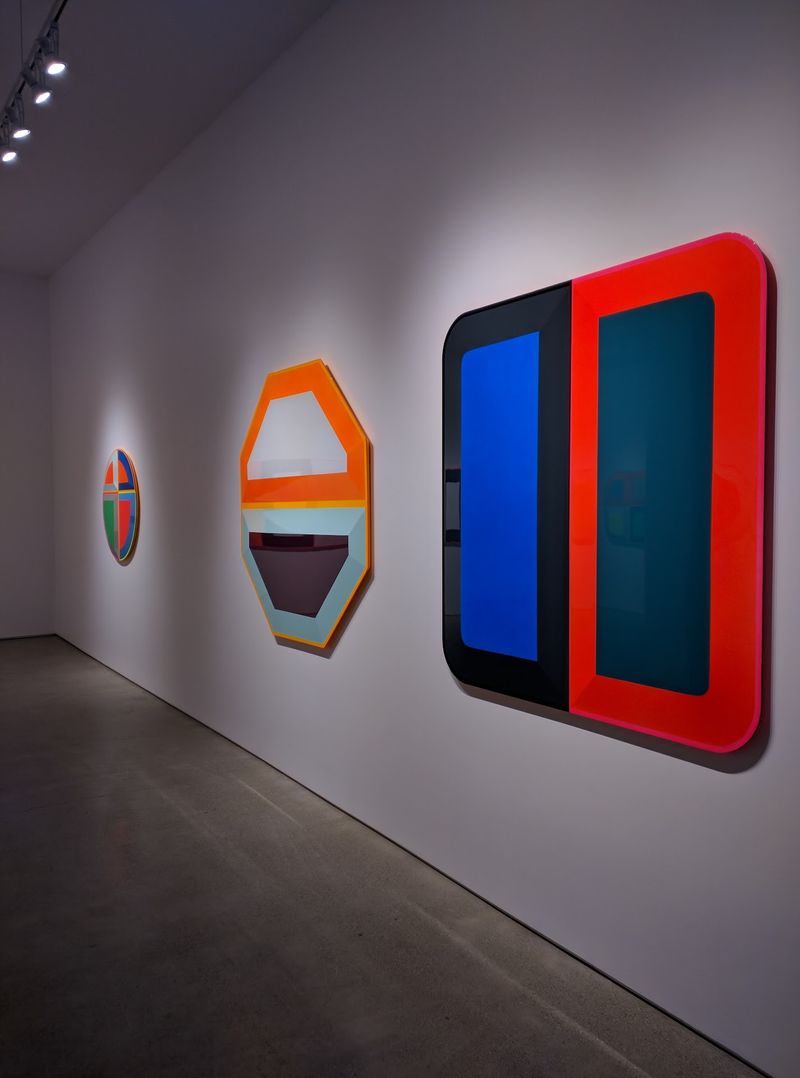
A familiar name might draw you through the door, but an unfamiliar one can change the whole visit. Library Street Collective presents contemporary work by both renowned and emerging artists.
That range lets you see different careers and ideas in the same gallery, without assuming that the best-known artist must have the most interesting piece.
Detroit, Michigan, has a strong visual culture inside and outside formal art spaces. At this gallery, the mix of artists offers a useful starting point for thinking about that culture.
Rather than guessing where every artist is from, read the exhibition information on display. It can tell you who made a work and help you separate what you know from what you first imagined.
Try picking two works that seem to have little in common. Perhaps one uses strong color while another asks you to notice texture or shape.
Give each a full minute before deciding which you prefer. Then ask what each artist chose to leave out.
Those choices can be as revealing as the details that first caught your eye.
If a label uses a term you do not understand, you can still begin with what is visible. Look at the materials, the scale, and the distance between parts.
Gallery staff may be able to help with a question about the exhibition, but you do not need a long explanation to form your own response. A clear question is better than pretending you understood every line.
Exhibitions rotate, so no single description can stand in for the current show. Check what is on view before visiting if you are following an artist.
If not, arrive ready to meet someone new. The changing lineup gives the same room fresh subjects, and it makes a return visit a chance to look at the space differently.
Look Close, Then Look Again
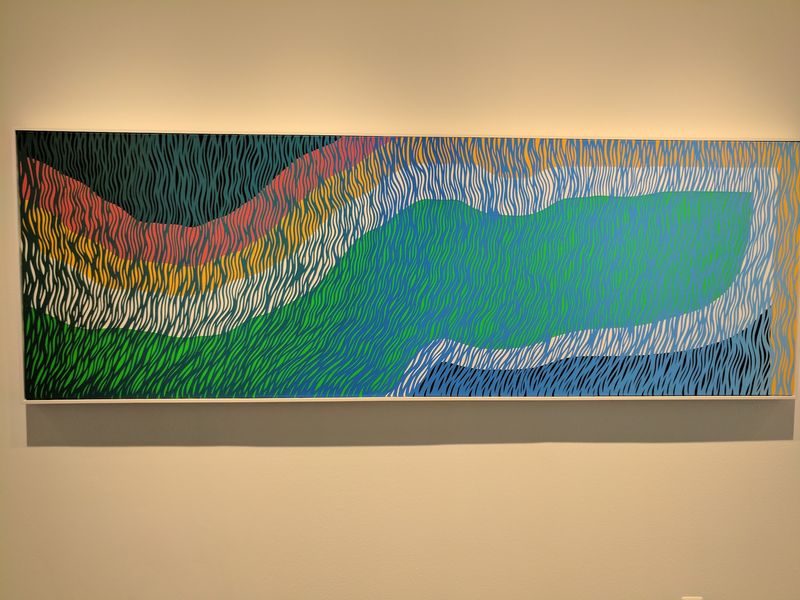
One good artwork can slow your steps without making a sound. At Library Street Collective, the quiet indoor setting gives you a chance to notice things that a fast walk would hide.
A change in surface, a carefully placed shape, or an unexpected gap can shift how a piece reads. You do not have to identify its meaning right away.
Begin at a comfortable distance and describe the work in plain words. Is it flat or built out from the wall?
Does your eye move across it in a straight line, or jump between separate parts? Questions like these are easier to answer than asking whether the work is good.
They also give you something useful to compare when you reach the next piece.
Then take three steps closer, as long as the gallery allows it. Notice edges, marks, and materials without touching anything.
Step back once more to see whether those details change the whole image. This near-and-far routine works especially well with contemporary art because the way a piece is made can be part of what it communicates.
If you are visiting with a friend, compare observations before reading a label. One of you may notice a color first; the other may spot a pattern.
Neither person needs to win the discussion. Afterward, read any available information and see whether it adds context or raises a new question.
Keep your voices low so other guests can do the same.
A short visit can still be rewarding if you give it a shape. Choose three works, spend a few minutes with each, and save the rest for a final walk around the room.
You will leave with more than a blur of images. You will have practiced a simple skill you can use at the next gallery, mural, or museum wall.
A Short Stop That Fits a Downtown Walk
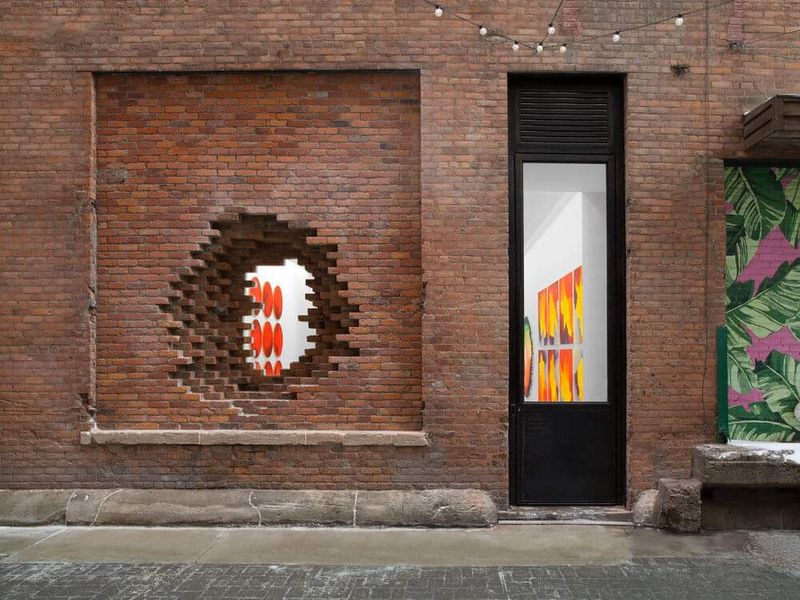
You do not need to clear an entire afternoon to enjoy Library Street Collective. Its gallery setting makes it possible to build a focused stop into a downtown walk.
That is helpful if you want time for the art without turning the day into a race through several places. Give yourself room to linger, even if your schedule is tight.
Before you go, decide whether the exhibition or the outdoor art interests you more. If the gallery is your priority, head inside first while you have the most energy to look closely.
Then use The Belt as a change of scene. If painted walls are what brought you downtown, begin outdoors and let the indoor show offer a quieter second chapter.
Walking works better when you pay attention to the setting. The gallery and alley are in a busy downtown area, so watch for other pedestrians and allow clear access to doorways.
Stop for photos where you are not blocking someone else’s route. On a bright day, the light outside may make mural colors easier to see, though shade can change their look from one hour to the next.
A phone camera can be handy, but try putting it away for your first pass. Without a screen between you and the work, you can notice scale and placement more easily.
Take pictures afterward if photography is permitted inside, and follow any posted rules. Outside, look around before stepping backward to fit a whole wall into a frame.
The stop can be brief or unhurried; the current exhibition will help set the pace. You might need extra time for a work that invites close study.
Leave some space in your plan for that possibility. Downtown has a way of pulling you onward, but a few minutes of attention can give this small stretch of Library Street a clear place in your day.
Plan Around the Open Doors

A great art plan can fail at a locked door. Library Street Collective’s listed public hours are Thursday, Friday, and Saturday from noon to 6 p.m.
It is listed as closed on Sunday through Wednesday. Because gallery schedules can shift for exhibitions or events, confirm the current hours before traveling across town, especially if your visit depends on a specific day.
Arriving just after noon gives you more flexibility than coming near closing time. You can see the show without watching the clock, ask a question if staff are available, and still step outside to see The Belt.
If your schedule only allows a late stop, choose a few works to study rather than trying to inspect every wall at once.
Check the current exhibition information before setting expectations. A gallery with rotating shows will not always have the same artists or pieces that appear in older photographs.
If one work inspired your trip, make sure it is still on view. Otherwise, keep an open mind and treat the show you find as the subject of your visit.
Travel light if you can. It is easier to move carefully around art when you are not managing large bags or swinging a backpack as you turn.
Keep a respectful distance from the work and follow any instructions at the entrance. For photos indoors, check the posted policy or ask before taking out your camera; different exhibitions may have different needs.
Weather matters more once you add the alley to your plan. A dry day makes it easier to pause outside, while rain may push you toward a longer indoor visit.
Either way, bring shoes suited to downtown walking. With the hours checked and a little time left open, you can focus on the art instead of sorting out your schedule at the door.
Two Ways to See the Same City
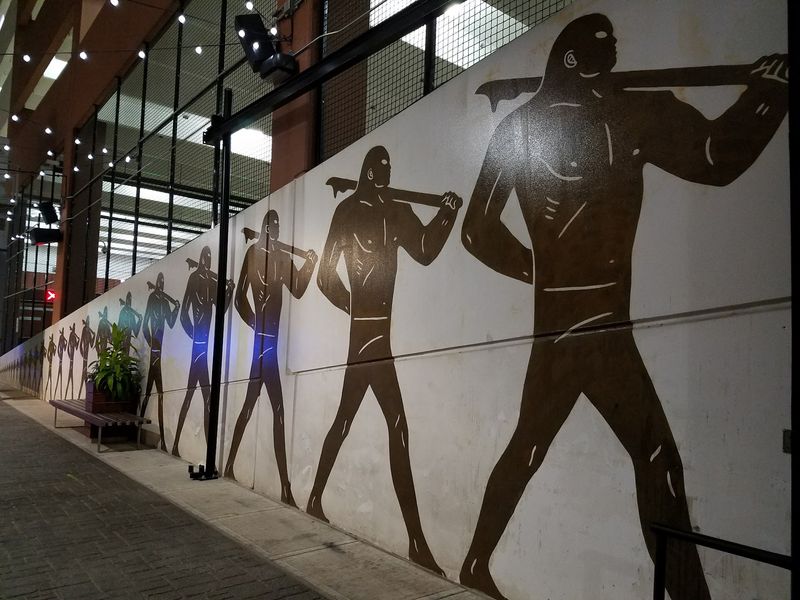
The strongest reason to visit Library Street Collective is the shift between its indoor and outdoor art settings. Inside, contemporary work gets space, light, and a quiet place to study it.
Nearby, The Belt puts visual art on city walls where scale and surroundings become part of the view. You can experience both without treating one as an opening act for the other.
Imagine following a line with your eyes across a gallery wall. You can control your distance and take another look without much interruption.
In the alley, a painted shape may stretch past a doorway or rise above your usual sightline. Your body has to move to take it in.
That physical difference is a useful way to understand why art changes with its setting.
The contrast also opens an easy conversation if you are visiting with someone else. Ask which work needed more space, which one rewarded a close look, or how the surrounding wall changed what you saw.
Those questions are more interesting than trying to pick a winner. An indoor piece and a public mural are doing different jobs.
Keep in mind that exhibitions and outdoor walls can change. A photograph from an earlier visit may not show what is there today.
Rather than searching only for a familiar image, look for connections you can see for yourself: repeated colors, a shared sense of motion, or opposite approaches to filling space. Even a strong contrast can teach you something.
Before leaving, give each setting one final glance. From the gallery, notice how carefully the work is placed.
In The Belt, notice what the city adds around the art. Library Street Collective stands out because it gives you both views in one downtown stop, then lets you decide which details deserve another look.