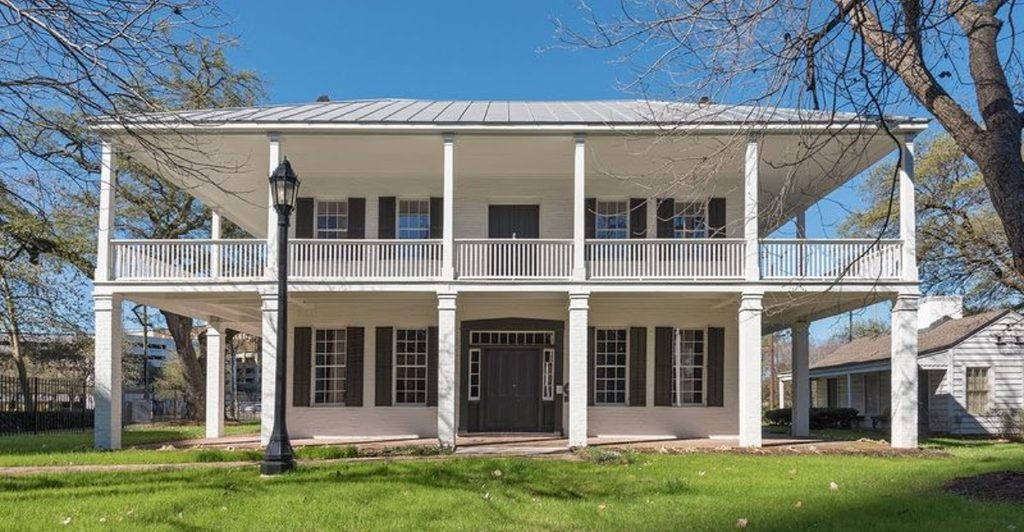
Right in the heart of downtown Houston sits a house that’s been standing since 1847, making it the oldest surviving structure in the city still on its original foundation. The Kellum-Noble House has witnessed everything from the city’s earliest days as a Republic of Texas settlement to its transformation into a sprawling modern metropolis. But this historic brick home holds more than just old-timey charm, it’s packed with fascinating stories about early settlers, pioneering educators, and even Houston’s first zoo, plus some darker tales that give the place its eerie reputation.
1. Built From Bayou Mud By A Frontier Entrepreneur
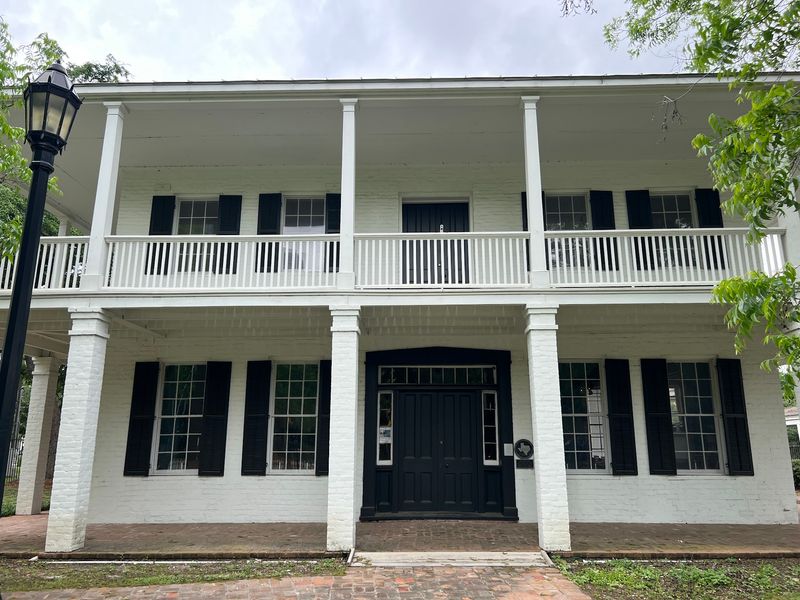
Nathaniel Kellum arrived in Houston back in 1839 when the city was barely more than a muddy frontier town in the Republic of Texas. He set up a brickyard right on the banks of Buffalo Bayou, using the rich mud from the waterway to create building materials for the growing settlement. When he built his own home in 1847, every single brick came from that same bayou clay, giving the structure a direct physical connection to Houston’s landscape.
The house still stands on that exact same spot today, which is pretty remarkable considering how much the city has changed around it. Those original brick walls have survived floods, storms, wars, and nearly two centuries of urban development. Walking up to the Kellum-Noble House feels like stepping into a time capsule, especially when you realize the foundation under your feet is the same one Kellum laid down before Texas was even a state.
Kellum designed the structure in a simple Greek Revival style that was popular during that era, with thick walls to keep the Texas heat at bay. The bricks themselves tell a story about early Houston industry and the resourcefulness of frontier settlers who used whatever materials the land provided. You can still see the texture and color variations in those handmade bricks, each one shaped and fired using 1840s technology that’s completely different from modern construction methods.
2. A Schoolhouse Run By Pioneering Women Educators
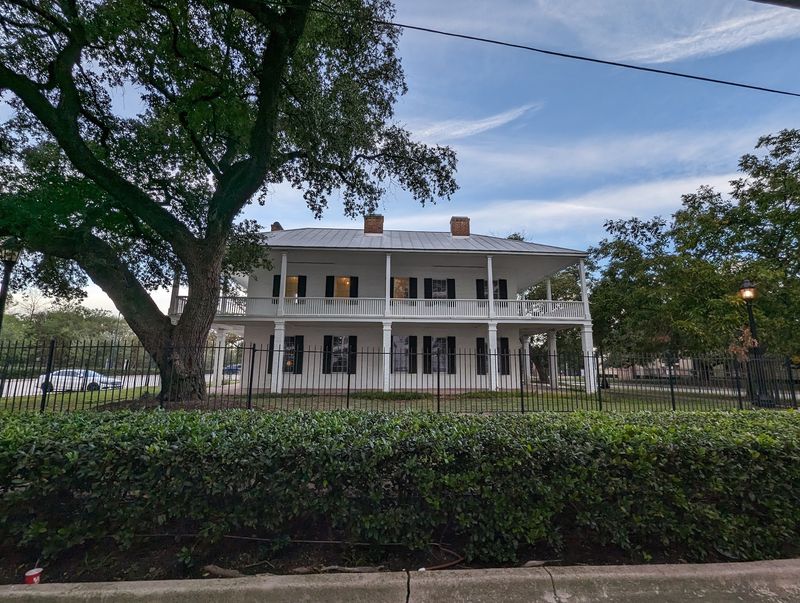
After the Kellum family, the house became home to the Noble family, and that’s when something pretty special happened for Houston education. Zerviah Noble and her daughter Catherine turned part of the residence into one of the area’s earliest schools, teaching children right there in those brick-walled rooms. This was during a time when formal education wasn’t guaranteed, especially on the frontier, so having dedicated teachers willing to open their home made a real difference.
Running a school as women in the 1800s took serious guts and determination. Education wasn’t considered women’s work in the traditional sense, yet the Noble women carved out this important role in the community. They taught reading, writing, arithmetic, and probably some of the social graces expected during that Victorian era, all while managing a household in what was still a pretty rough-and-tumble city.
Imagine being a kid walking to school in a house that already felt old even back then, learning your lessons in rooms that doubled as someone’s living space. The school operated for years, shaping young minds who would go on to build Houston into something bigger. Today, when you tour the Kellum-Noble House, you’re walking through spaces where generations of Houston children first learned to read and write, making it not just a home but a genuine educational landmark.
3. Houston’s First Municipal Park Saved The Structure
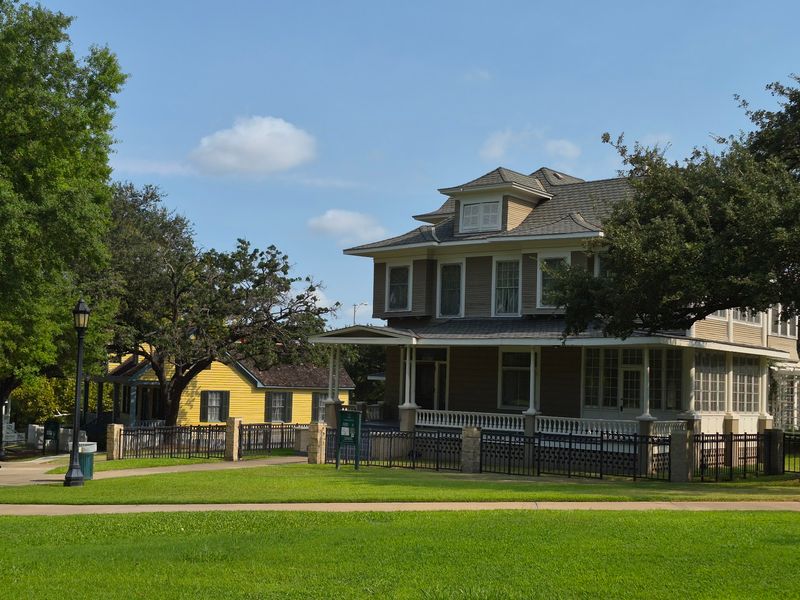
By 1899, Houston had grown enough that city leaders started thinking about public spaces where regular folks could relax and enjoy some greenery. The city purchased the Kellum-Noble House and the surrounding property to create Houston’s very first municipal park, which was a pretty big deal for urban development. Instead of tearing down the old brick house, they decided to keep it as a showpiece and residence for the park keeper.
This decision literally saved the building from demolition, which was the fate of most other structures from that early era. Houston wasn’t exactly known for historic preservation back then, so the fact that city officials saw value in maintaining this connection to the past shows some real foresight. The park keeper got free housing in exchange for maintaining the grounds, creating a living history situation decades before that became a popular museum concept.
The park itself became a gathering spot for Houstonians who wanted to escape the increasingly busy downtown streets. Families would stroll the grounds, kids would play, and the old brick house stood as a reminder of where the city came from. That municipal park decision in 1899 set the stage for the house’s survival into the modern era, proving that sometimes the best way to preserve history is to give it a practical purpose that serves the community.
4. When Wild Animals Roamed The Front Yard
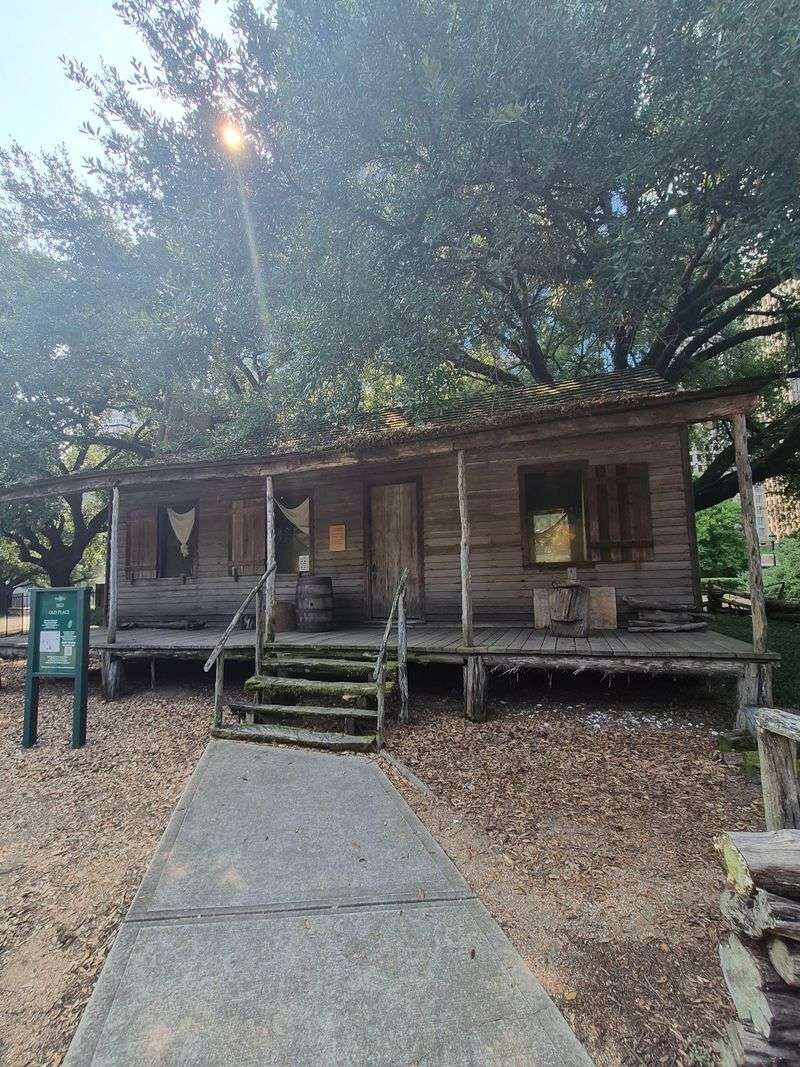
Here’s a weird bit of Houston history that most people don’t know: the grounds around the Kellum-Noble House briefly served as the location for Houston’s very first zoo. Picture exotic animals in cages and enclosures right there in what’s now the middle of downtown, with the old brick house watching over the whole operation. It didn’t last long, but for a short period, Houstonians could visit both historic architecture and live animals in the same trip.
The early 1900s zoo was pretty basic compared to what we think of today, probably featuring more common farm animals and a few exotic specimens that traders brought through the port. Still, it represented Houston’s growing sophistication as a city, the kind of cultural amenity that separated a real urban center from a frontier town. Families would visit the park to see the animals, turning the area into an early entertainment destination.
Eventually, the zoo concept outgrew the limited space and moved to a larger location that would eventually become the Houston Zoo we know today. But for those few years, the Kellum-Noble House had the strangest neighbors imaginable, from peacocks to who knows what else wandering around those historic grounds. It’s one of those quirky historical footnotes that makes the house’s story even more interesting than just another preserved building.
5. The Heritage Society Rescue Mission Of 1954
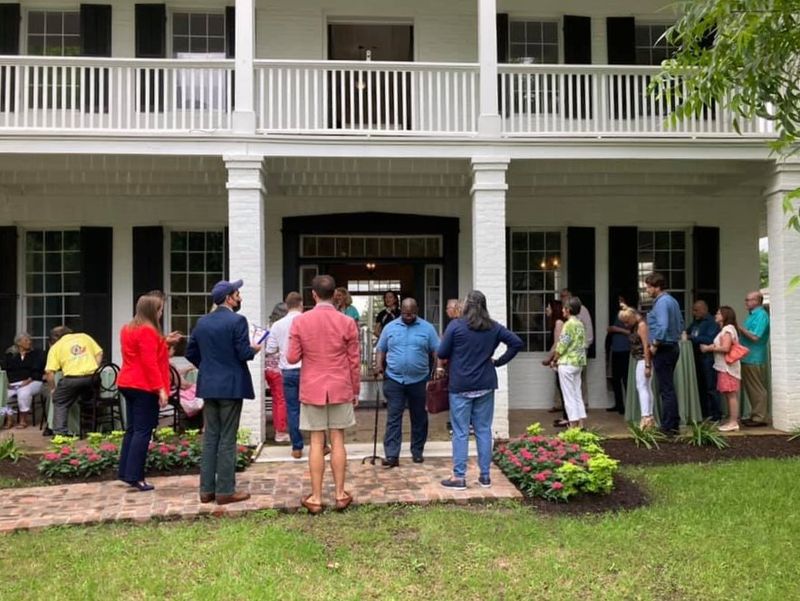
Fast forward to 1954, and the Kellum-Noble House faced its biggest threat yet: potential demolition as downtown Houston exploded with modern development. The post-war building boom had zero patience for old structures taking up valuable real estate, and the city’s oldest house looked like it might finally meet the wrecking ball. That’s when a group of concerned citizens decided enough history had already been lost.
The Heritage Society formed specifically to save this building and preserve its place in Houston’s story for future generations. These weren’t professional preservationists or wealthy philanthropists at first, just regular Houstonians who understood that once you tear down history, it’s gone forever. They fought city hall, raised funds, gathered public support, and ultimately succeeded in protecting the house from destruction.
This grassroots preservation effort set a precedent for historic conservation in Houston that continues today. The Heritage Society didn’t stop with just saving the building, they turned it into a proper museum and educational resource where people could learn about Houston’s earliest days. Their 1954 intervention created the opportunity for modern visitors to actually step inside the city’s oldest surviving structure, touching the same brick walls and walking the same floors that pioneers used nearly two centuries ago.
Without that determined group of history lovers, this entire piece of Houston’s past would exist only in old photographs and records.
6. Ghost Stories And Unexplained Phenomena
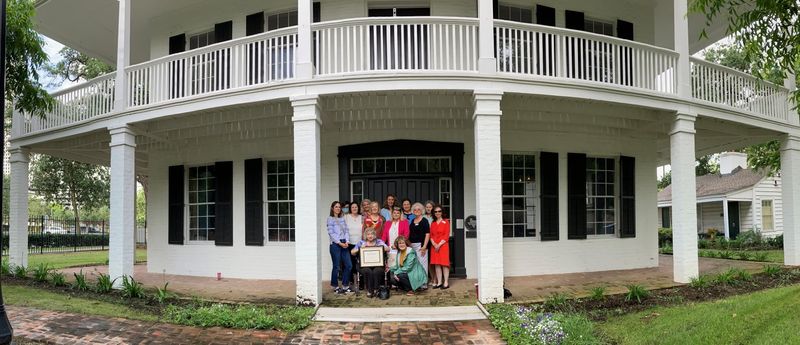
Any building that’s stood for 177 years is bound to collect some ghost stories, and the Kellum-Noble House has its share of unexplained occurrences that give visitors the creeps. Tour guides and staff members have reported strange sounds, footsteps when no one’s there, and the occasional feeling of being watched by unseen eyes. Some visitors claim to sense presences in certain rooms, particularly in the areas where the Noble family ran their school.
The chilling history part isn’t just about ghosts, though. The house witnessed some genuinely dark periods in Houston’s past, from disease outbreaks that killed early settlers to the violence and hardship of frontier life. People died in and around this building during eras when medical care was primitive and life was cheap.
The Civil War years brought their own tragedies, and the house stood silent witness to all of it.
Whether you believe in paranormal activity or not, there’s something undeniably eerie about standing in rooms where so much human drama unfolded over nearly two centuries. The creaky floors, the thick brick walls that seem to hold secrets, the knowledge that countless people lived their entire lives within these spaces creates an atmosphere that’s both fascinating and slightly unsettling. Some visitors come specifically hoping for a ghostly encounter, while others just appreciate the spooky ambiance that naturally comes with genuinely old buildings.
7. Original Foundation Still Holds Strong
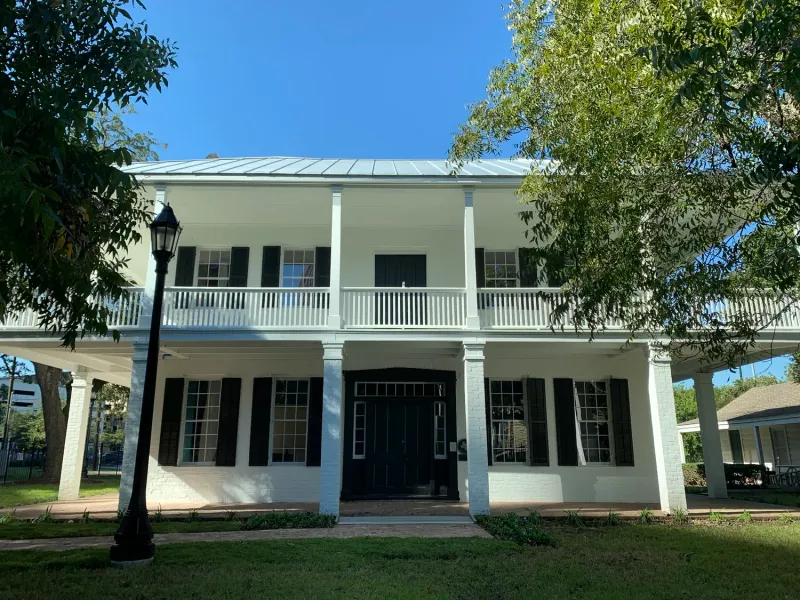
Most historic buildings get moved, renovated, or rebuilt on different foundations over the years, but the Kellum-Noble House stands exactly where Nathaniel Kellum placed it in 1847. That original foundation, laid down when Houston was barely a decade old, still supports the entire structure today. Engineers and preservationists marvel at how well those early builders did their work, creating a base strong enough to last through nearly two centuries of settling, flooding, and urban vibration.
The foundation represents more than just good construction, it’s a literal anchor connecting modern Houston to its earliest days. Every other building from that era has either vanished or been relocated, making this the only direct physical link to the city’s original footprint. Standing inside the house, you’re occupying the exact same space that frontier families occupied when Texas was still finding its identity.
Preservation work over the decades has focused heavily on maintaining that foundation’s integrity without compromising its historic character. Modern techniques help reinforce weak spots while keeping the original materials in place wherever possible. The fact that the house hasn’t needed to be moved or completely rebuilt speaks to both the quality of 1840s craftsmanship and the dedication of preservationists who understood the importance of authenticity.
When tour guides mention the original foundation, they’re not just sharing a technical detail, they’re highlighting what makes this house genuinely unique among Houston’s historic sites.
8. Visit Today And Touch Living History
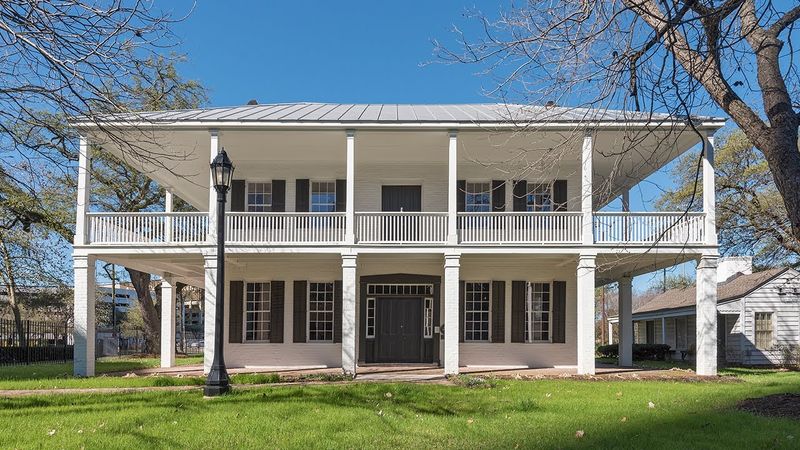
The Kellum-Noble House operates as a museum Tuesday through Saturday from 10 AM to 4 PM, offering tours that bring all this history to life. Located at 212 Dallas Street right in downtown Houston, it’s surrounded by modern skyscrapers that make the contrast between past and present even more dramatic. The Heritage Society staff provides guided tours that cover everything from construction techniques to family stories to the building’s role in Houston’s development.
Walking through the rooms gives you a genuine sense of how people lived in the 1800s, with period furnishings and artifacts that illustrate daily life during different eras. The tour guides know their stuff and can answer questions about architecture, social history, or those ghost stories if you’re curious. It’s not a huge time commitment, most visits last about an hour, but you’ll leave with a completely different perspective on Houston’s history.
The house sits within Sam Houston Park, which itself contains several other historic structures that were moved there for preservation. But the Kellum-Noble House remains the crown jewel because of that original foundation and its status as Houston’s oldest. Admission is reasonable, and the experience beats reading about history in a book because you’re actually standing in the spaces where it all happened.
Whether you’re a Houston native who’s never bothered to visit or a tourist looking for something beyond the typical attractions, this place delivers genuine historical substance in a compact, accessible package.