Tennessee offers countless ways to spend a day without breaking the bank or wearing yourself out. Whether you’re drawn to quiet gardens, fascinating history, or scenic drives through the mountains, the state has options that let you set your own pace and stick to a modest budget.
These dozen destinations prove that a memorable outing doesn’t require long hikes, crowded attractions, or spending a fortune, just a little curiosity and a tank of gas.
1. Memphis Botanic Garden, Memphis
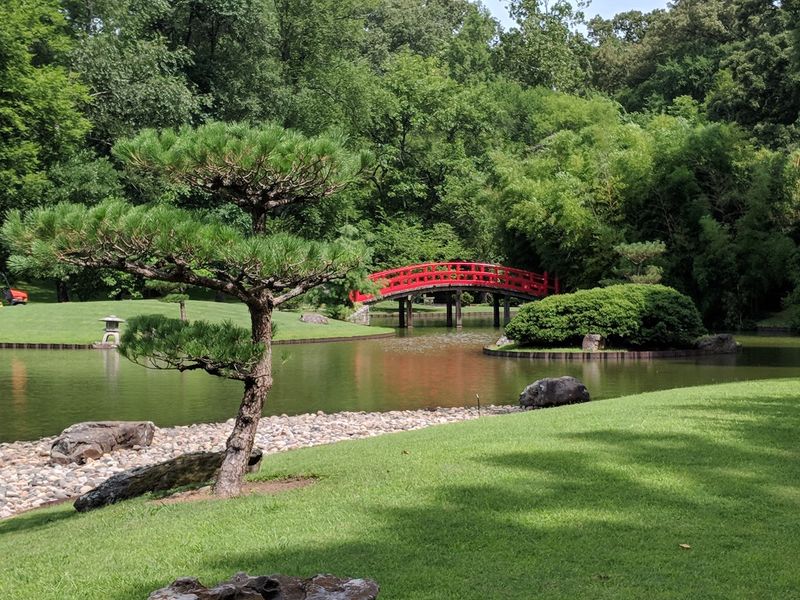
Thirty specialty gardens spread across 96 acres give you plenty of room to wander without feeling rushed or crowded. Some visitors spend an hour, others make it a half-day visit, and both approaches work beautifully because the layout encourages exploration at whatever speed feels right.
You can focus on the Japanese Garden if you want tranquility, check out the rose collection when it’s in bloom, or simply find a bench and watch the butterflies.
Regular admission runs $12 for adults, dropping to $10 if you’re 62 or older. Parking is free, and the paths are wide and well-maintained, which makes a real difference when you’re moving slowly or using a cane.
The garden also has wheelchairs available at no charge if you need one for the day.
One of the nicest things about this spot is how little pressure there is to see everything. You won’t find a suggested route or a timed tour pushing you along.
Pick a few gardens that catch your eye, take your time, and skip the rest if you’d rather sit and enjoy the shade.
Spring and fall bring the most dramatic color, but even summer mornings offer plenty to see before the heat sets in. Winter can be surprisingly lovely too, especially in the sections with evergreens and winter-blooming plants.
The garden hosts occasional events and classes, but on most weekdays it stays quiet enough that you might have whole sections nearly to yourself.
If you want to extend the outing, the garden sits close to Audubon Park, and there are a handful of casual lunch spots nearby. But the garden itself has enough variety that it can easily fill a morning or afternoon on its own, giving you a low-key outing that feels like a real escape without requiring much planning or expense.
2. Memphis Rock ‘n’ Soul Museum, Memphis

Music history comes alive here without demanding that you spend hours on your feet outdoors. The museum sits right on Beale Street but offers a completely different experience from the crowded bars and live venues.
You get an audio tour included with admission, which means you can move through the exhibits at your own speed and take breaks whenever you need them.
General admission costs $16, though AARP and AAA members can snag discounts that bring the price down a bit. The museum covers the birth of rock and soul music in Memphis, tracing the story from rural field recordings through the explosion of Sun Studio and Stax Records.
You’ll see instruments, costumes, photographs, and hear the actual songs that changed American music.
What makes this particularly senior-friendly is the pacing. The audio tour lets you pause, rewind, or skip ahead as you like.
There are benches throughout the space, and the climate control stays consistent year-round, which matters when Memphis summers hit triple digits or winter rain keeps you indoors.
The museum does an excellent job of connecting the dots between different musical traditions without getting too academic or dry. You’ll hear stories about the artists, the recording sessions, and the social changes happening alongside the music.
Even if you’re not a huge music buff, the human stories behind the songs tend to pull people in.
Plan on spending about 90 minutes to two hours if you want to see everything, though you could easily do a quicker visit and focus on the eras or artists that interest you most. The gift shop has reasonably priced books and CDs if you want to take something home.
Parking can be tricky on Beale, but the museum validates for a nearby garage, which takes some of the stress out of finding a spot.
3. Casey Jones Home & Railroad Museum, Jackson
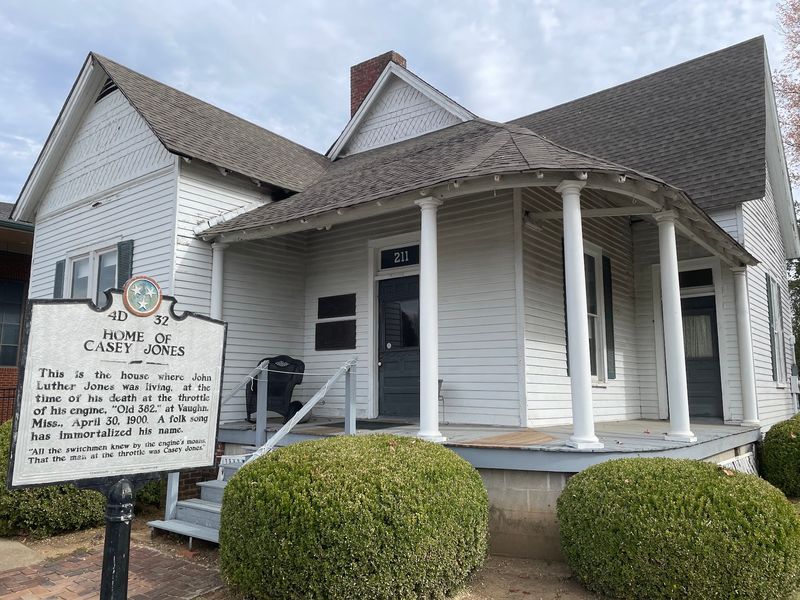
Railroad history and small-town nostalgia blend together at this West Tennessee stop that celebrates one of America’s most famous train engineers. Casey Jones became a legend after his 1900 death in a train collision, and this museum preserves both his home and a collection of railroad artifacts that transport you straight back to the golden age of steam.
The property includes the restored Victorian house where Jones lived, several vintage rail cars, and an old-fashioned country store that sells everything from penny candy to cast-iron cookware.
Admission runs $12 for adults and drops to $11 if you’re 60 or older, which makes it one of the more affordable heritage attractions in the state. The self-guided audio tour lets you explore at your own pace, and the property is compact enough that you won’t wear yourself out trying to see everything.
Most visitors spend about an hour and a half on the grounds, though you could stretch it to two hours if you want to browse the store or sit on the porch for a while.
The museum doesn’t require much walking, and the paths between buildings are flat and easy to navigate. Inside the home, you’ll see period furnishings and personal items that belonged to the Jones family, giving you a glimpse into everyday life at the turn of the century.
The railroad exhibits include photographs, equipment, and detailed explanations of how the trains operated and what life was like for the crews.
Jackson sits about halfway between Memphis and Nashville, making this a convenient stop if you’re already traveling across the state. The museum complex also includes a cafe and ice cream parlor if you want to grab lunch or a snack.
It’s the kind of place that appeals to anyone who grew up with trains or enjoys a slower, more personal approach to history than you’d find at a big-city museum.
4. Reelfoot Lake State Park, Tiptonville
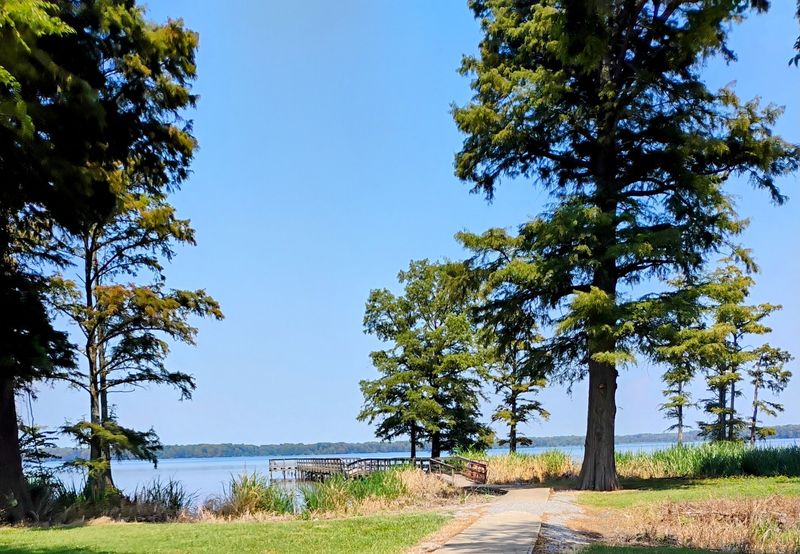
Northwest Tennessee holds one of the state’s most unusual natural features, a shallow lake created by a series of earthquakes in the early 1800s. Reelfoot Lake spreads across nearly 15,000 acres, filled with bald cypress trees that rise straight out of the water and create an otherworldly landscape unlike anything else in the region.
The park surrounding the lake offers several ways to enjoy the scenery without committing to strenuous activity, making it ideal for a relaxed day trip focused on views and wildlife rather than hiking miles of trail.
The lake is famous for bald eagles in winter and a huge variety of waterfowl year-round. You can drive the scenic routes that circle portions of the lake, stopping at overlooks and boardwalks whenever something catches your eye.
The visitor center provides background on the lake’s geology and ecology, and several short boardwalk trails extend out over the water, giving you close-up views of the cypress forest without requiring you to navigate uneven ground.
There’s no entrance fee for the park, which keeps costs minimal. If you want to get out on the water, the park offers boat tours during certain seasons, though these do add to the total cost and aren’t necessary to enjoy the area.
Simply driving the loop roads and stopping at the various access points can fill a peaceful morning or afternoon.
Spring and fall bring the most dramatic bird activity, but summer mornings offer good viewing too, especially if you arrive early before the heat builds. Winter is eagle season, drawing birders from across the region to watch the raptors fish and roost. The landscape has a haunting, timeless quality that photographs beautifully and leaves a strong impression even if you’re not particularly interested in birds.
Tiptonville has a few local restaurants if you want to grab lunch, and the drive itself through rural northwest Tennessee offers a glimpse of a part of the state that many visitors never see.
5. Pinson Mounds State Archaeological Park, Pinson
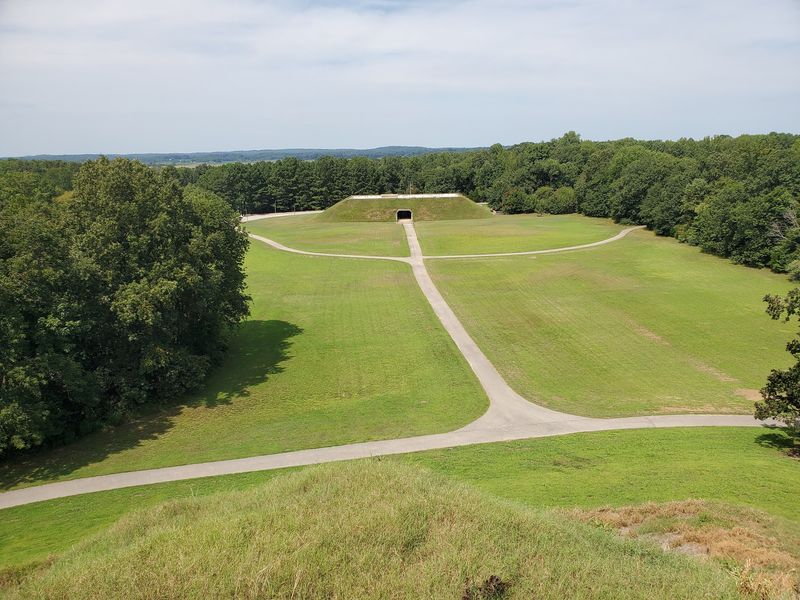
West Tennessee preserves one of the most significant Middle Woodland period archaeological sites in the entire country, a landscape of ceremonial mounds built by Native Americans more than 2,000 years ago. Pinson Mounds covers over 1,200 acres and includes at least 17 mounds, some rising more than 70 feet above the surrounding terrain.
The site offers a rare chance to connect with ancient history in a quiet, uncrowded setting that emphasizes contemplation over entertainment.
The museum serves as the best starting point, providing context about the people who built the mounds and the archaeological work that has uncovered their story. Admission to the park and museum is free, making this one of the most budget-friendly entries on the list.
The museum building is modern and accessible, with exhibits that explain the mound-building cultures without overwhelming you with academic jargon.
Outside, you can choose how much walking you want to do. The largest mound sits close to the museum and requires only a short, flat walk to reach.
If you’re comfortable with a bit more distance, a network of trails connects several of the mounds, but you’re under no obligation to hike the entire system. Many visitors simply drive to a few of the parking areas, walk to the nearest mound, and spend time absorbing the scale and age of the earthworks.
The park remains remarkably peaceful even on weekends. You might encounter a few other visitors, but it never feels crowded.
The landscape itself, a mix of open fields and hardwood forest, adds to the contemplative atmosphere. Interpretive signs along the trails provide information without being intrusive, and benches at key points let you rest and take in the surroundings.
Spring and fall offer the most comfortable weather for walking, though the park stays open year-round. The combination of free admission, flexible activity levels, and genuine historical significance makes Pinson Mounds a standout option for anyone interested in Tennessee’s deeper past.
6. Tennessee State Museum and Bicentennial Capitol Mall, Nashville
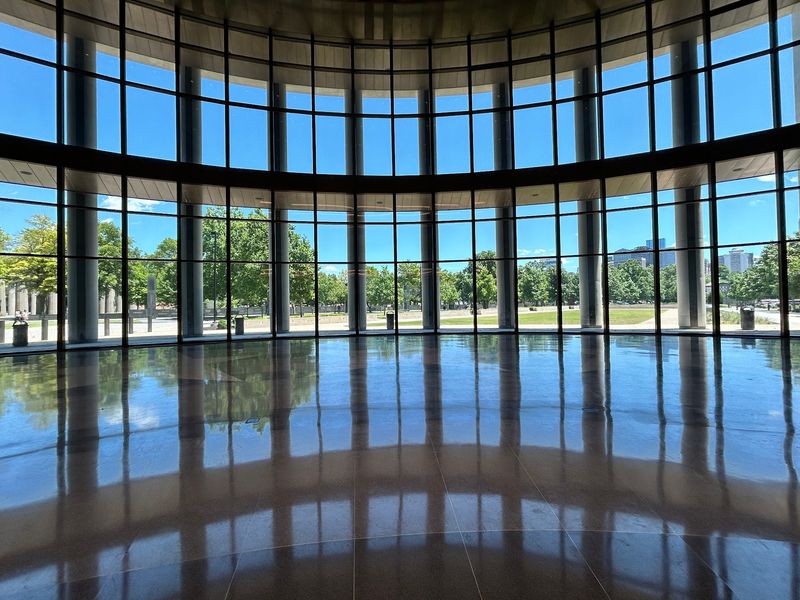
Nashville offers one of the best museum bargains in the entire state, a massive, modern facility that charges absolutely nothing for admission and shares a parking lot with the Nashville Farmers’ Market. The Tennessee State Museum moved to its current location in 2018, giving it spacious galleries, excellent accessibility, and a collection that spans from prehistoric times through the 20th century.
You can easily spend two or three hours inside without feeling rushed, and when you’re ready for fresh air, Bicentennial Capitol Mall sits right next door.
The museum covers Tennessee history in chronological order, starting with the earliest inhabitants and moving through European settlement, the Civil War, Reconstruction, and into the modern era. Exhibits include everything from ancient pottery and frontier rifles to Civil War uniforms and early recording equipment from Nashville’s music industry.
The displays are well-designed and easy to follow, with enough detail to satisfy history enthusiasts but not so much that casual visitors feel overwhelmed.
Accessibility is excellent throughout the building. Elevators connect all floors, seating areas are scattered through the galleries, and the climate control stays consistent.
The museum also has a cafe if you need a break or want to grab lunch without leaving the building. Free parking in the shared lot eliminates one of the usual Nashville headaches, though the lot can fill up during farmers’ market hours on weekends.
Bicentennial Capitol Mall functions as an outdoor extension of the museum experience. The plaza includes a 200-foot granite map of Tennessee, a World War II memorial, fountains, and a pathway lined with bells from each of the state’s 95 counties.
It’s designed for strolling rather than strenuous activity, with plenty of benches and shade.
Combining the museum and the mall makes for a full, satisfying day in Nashville without spending a dime on admission. You’ll get a comprehensive look at Tennessee’s story in a comfortable, accessible setting that respects both your time and your budget.
7. Stones River National Battlefield, Murfreesboro
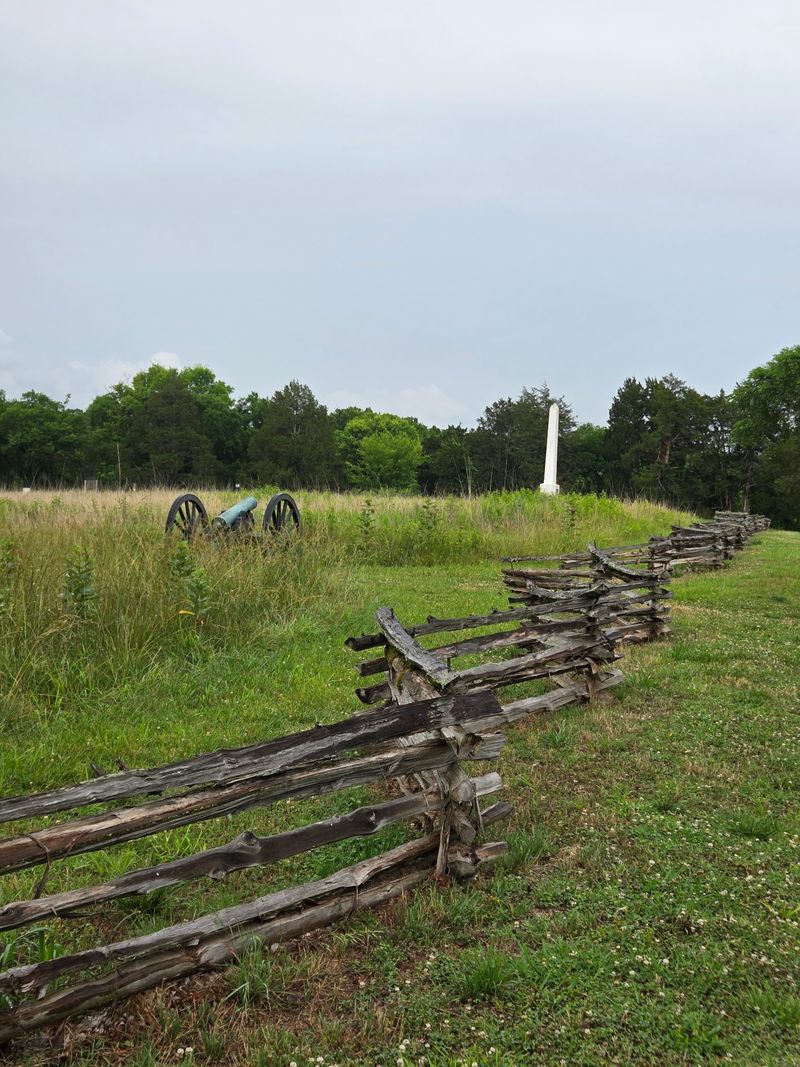
One of the Civil War’s bloodiest winter battles unfolded here over New Year’s 1862-63, and the National Park Service has preserved the landscape and story with the kind of care that makes history feel immediate and real. Stones River National Battlefield charges no entrance fee, giving you access to a well-maintained site that balances outdoor exploration with indoor exhibits.
You can tailor the visit to your energy level, spending as much or as little time walking the grounds as feels comfortable.
The visitor center provides a solid introduction to the battle, with a film, maps, and artifacts that explain what happened and why it mattered. From there, you can drive a self-guided tour route that stops at key points across the battlefield.
Each stop has interpretive signs and often a short walk to a monument or historic position, but you’re never required to leave your car if you’d rather not.
The battlefield itself covers over 600 acres of fields, woods, and the Stones River corridor. Spring brings wildflowers, fall offers beautiful foliage, and winter has a stark, somber quality that seems appropriate given the battle’s timing. Summer can be hot, but the visitor center provides a cool refuge, and several of the stops have shade trees.
What makes this particularly appealing for a low-cost day trip is the combination of free admission, easy driving access to most of the site, and the option to go deeper if you want. Some visitors spend an hour at the visitor center and drive the loop.
Others bring a picnic, spend time reading the markers, and make a half-day of it. Both approaches work fine.
Murfreesboro sits about 30 miles southeast of Nashville, close enough for an easy drive but far enough to feel like you’ve left the city behind. The battlefield also includes a national cemetery, which is worth a quiet walk if you’re interested in the period or want to pay respects to the soldiers buried there.
8. Cumberland Mountain State Park, Crossville
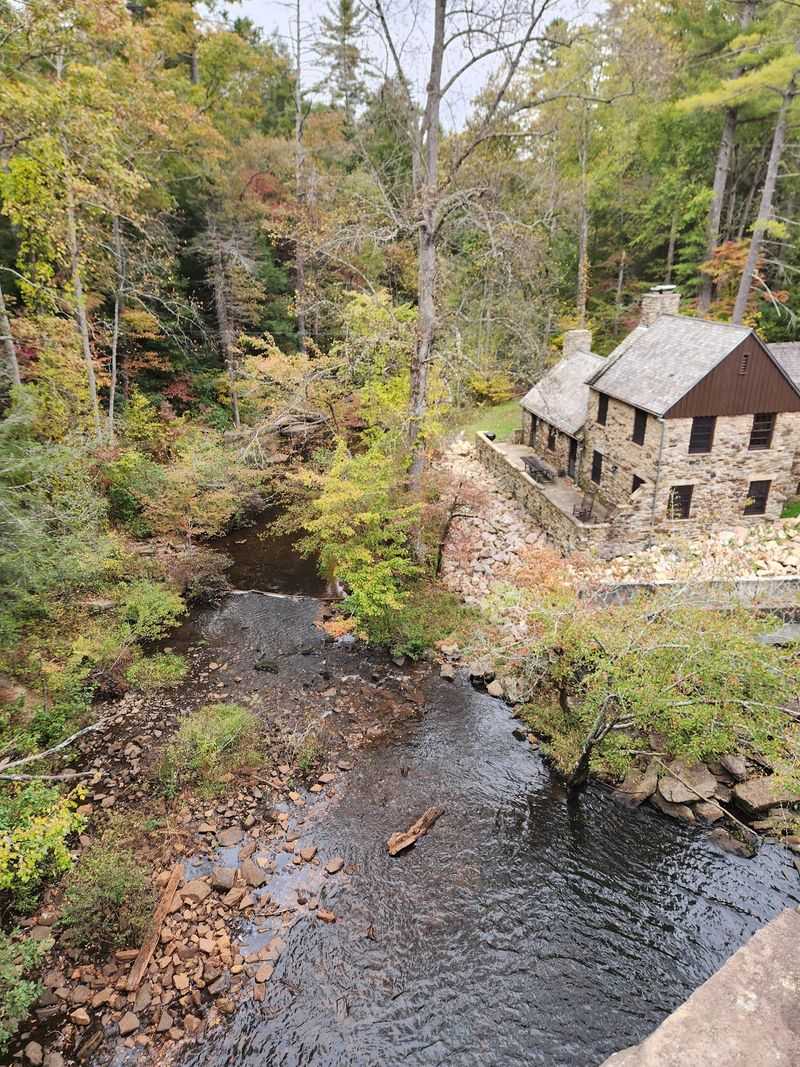
The Cumberland Plateau rises east of Nashville, offering cooler temperatures, dense forests, and a landscape that feels worlds away from the state’s urban centers. Cumberland Mountain State Park sits near Crossville and gives you a chance to enjoy mountain scenery without committing to serious hiking or backcountry adventure.
The park centers on a 50-acre lake surrounded by trails, picnic areas, and a historic stone lodge built by the Civilian Conservation Corps in the 1930s.
There’s no entrance fee for Tennessee state parks, which keeps this trip firmly in budget territory. You can drive through the park, stop at overlooks, and spend time around the lake without spending anything beyond gas.
If you want lunch, the park restaurant serves reasonably priced meals in a dining room with lake views, adding to the outing without breaking the bank.
The park’s design makes it easy to enjoy the outdoors at your own pace. Paved roads connect the main areas, and several picnic spots sit right next to parking areas, so you can set up a lunch or just sit and watch the water without walking far.
If you do want to stretch your legs, short trails lead to viewpoints and along the lakeshore, but none of them are required to have a good visit.
Fall brings spectacular color to the plateau, drawing visitors from across the region. Spring offers wildflowers and comfortable temperatures, while summer stays noticeably cooler than lower elevations, making this a good escape when Nashville or Knoxville get too hot.
Winter can be quiet and beautiful, though ice occasionally closes some of the higher roads.
Crossville itself has grown into a decent-sized town with plenty of services, so you can easily combine the park visit with errands or a meal out. But the park alone offers enough scenery and peaceful atmosphere to justify the drive, giving you a taste of Tennessee’s mountain country without the crowds or costs of more famous destinations.
9. Hunter Museum of American Art, Chattanooga
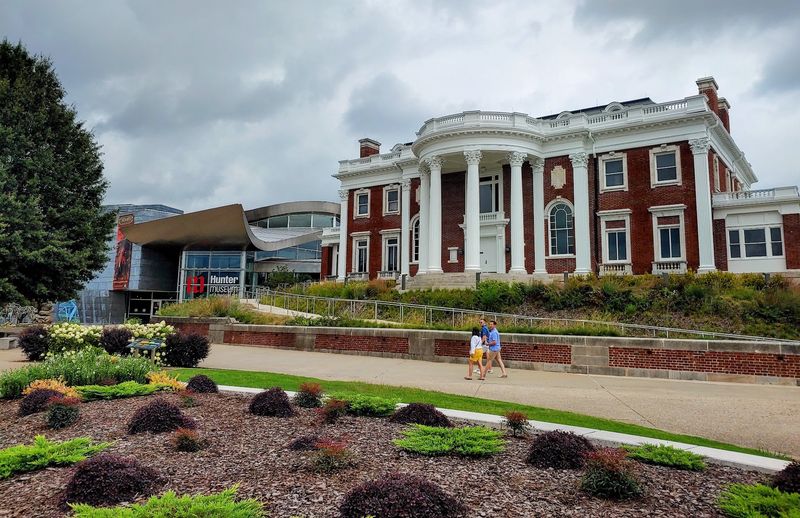
Perched on a bluff above the Tennessee River, this museum combines a historic mansion with striking modern additions to create one of the Southeast’s premier collections of American art. The Hunter holds paintings, sculptures, and decorative arts spanning from the colonial period to contemporary works, all displayed in galleries that take advantage of the dramatic riverside setting.
It’s an excellent choice when weather keeps you indoors or when you simply want a few hours surrounded by beautiful things in a comfortable environment.
Admission runs $20 for adults and $18 for seniors 65 and older, putting it at the higher end of this list but still under the $25 threshold. The museum notes that accessible parking sits about 500 feet from the entrance, and elevators connect all levels of the building.
Once inside, you can move through the galleries at whatever pace suits you, with plenty of seating areas where you can rest and contemplate the art.
The collection is strong across multiple periods, so whether you’re drawn to 19th-century landscapes, early modernist experiments, or cutting-edge contemporary pieces, you’ll find work worth your time. The museum rotates special exhibitions regularly, giving repeat visitors new things to see.
The building itself deserves attention, particularly where the modern glass-and-steel wing meets the original 1904 mansion.
One of the nicest features is the outdoor sculpture terrace, which offers sweeping views of the river, Lookout Mountain, and downtown Chattanooga. You can step outside for fresh air without leaving the museum, and the terrace has benches where you can sit and watch the river traffic.
On pleasant days, this becomes one of the best spots in the city.
The museum cafe serves light meals and coffee if you want to extend your visit. Downtown Chattanooga has plenty of other attractions within a short drive, but the Hunter alone can fill a satisfying afternoon, especially if you’re looking for a quieter, more contemplative outing than the city’s more touristy destinations typically offer.
10. Ijams Nature Center, Knoxville
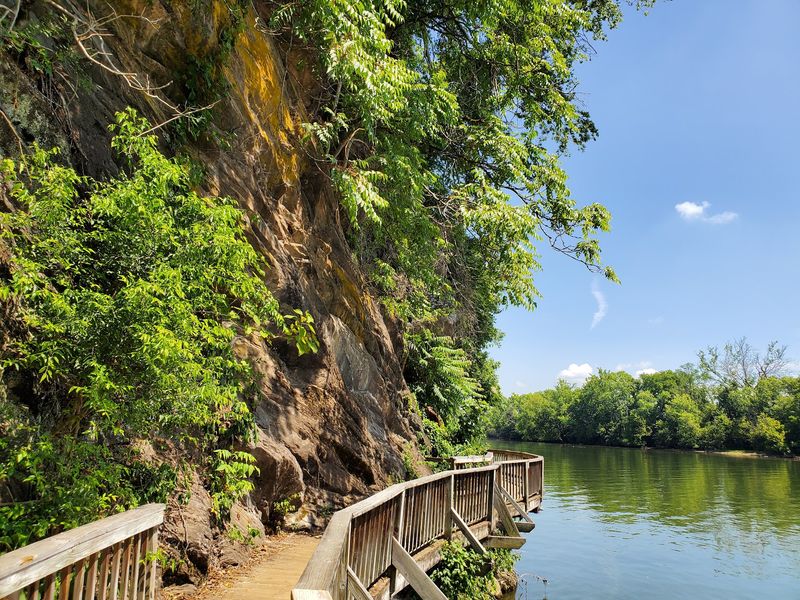
Knoxville’s urban wilderness sits just minutes from downtown but feels completely removed from city life. Ijams Nature Center protects 315 acres of forest, wetlands, and rocky outcrops along the Tennessee River, offering a network of trails and natural areas that visitors can explore at whatever level of intensity they choose.
The beauty of Ijams for a senior-friendly outing is that you can make it as easy or as ambitious as you like, spending time around the visitor center and nearby accessible areas or venturing farther if you’re up for it.
The center doesn’t charge regular admission, though parking runs $5 per vehicle, keeping costs minimal. The visitor center provides trail maps, restrooms, and information about what you might see during your visit.
From there, several short trails lead through different habitats, and you can turn around whenever you’ve had enough. The paved Riverwalk offers the easiest option, following the river with minimal elevation change.
Ijams is known for its diverse wildlife, particularly birds. Depending on the season, you might spot herons, hawks, woodpeckers, and dozens of songbird species.
The wetland areas attract waterfowl, and the forested sections host everything from deer to the occasional fox. Even if you’re not a serious birder, the variety of life adds interest to a simple walk.
The center also maintains several historic buildings and a native plant garden near the visitor area, giving you things to see without committing to trail time. Benches and picnic tables are scattered throughout the accessible areas, and the staff can suggest routes based on your mobility and interests.
Special programs and guided walks happen regularly, though they’re not necessary to enjoy a visit.
Spring brings wildflowers and migrating birds, fall offers color and comfortable temperatures, and even winter has its appeal when the crowds thin out and the bare trees open up views of the river. Ijams gives you a genuine nature experience without requiring you to drive to a remote location or spend hours on rugged trails, making it one of East Tennessee’s most accessible outdoor destinations.
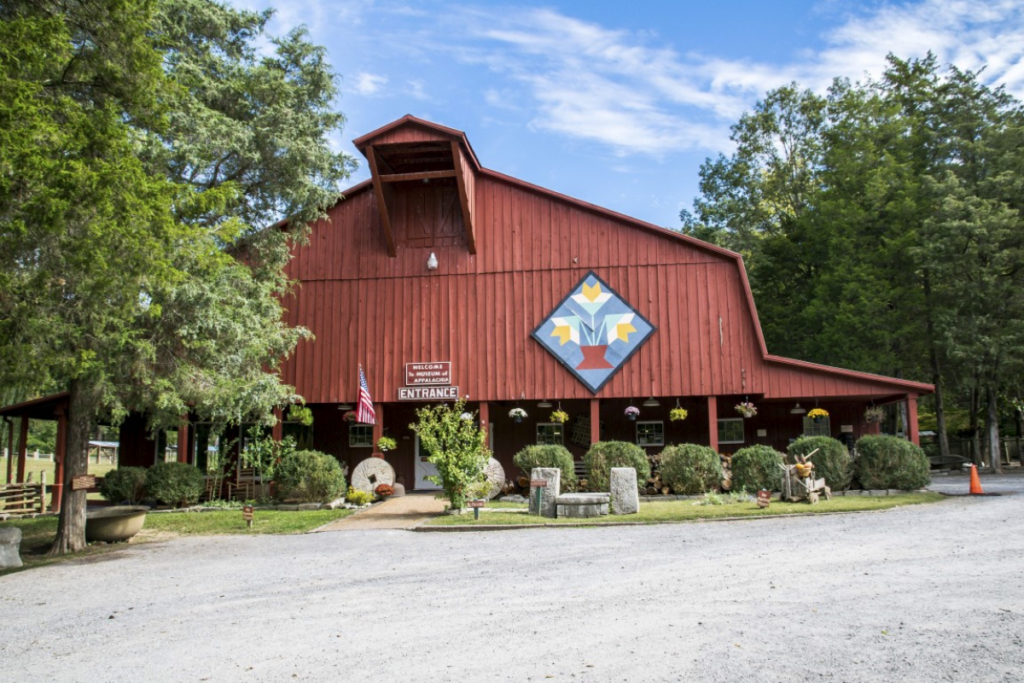
11. Museum of Appalachia, Clinton
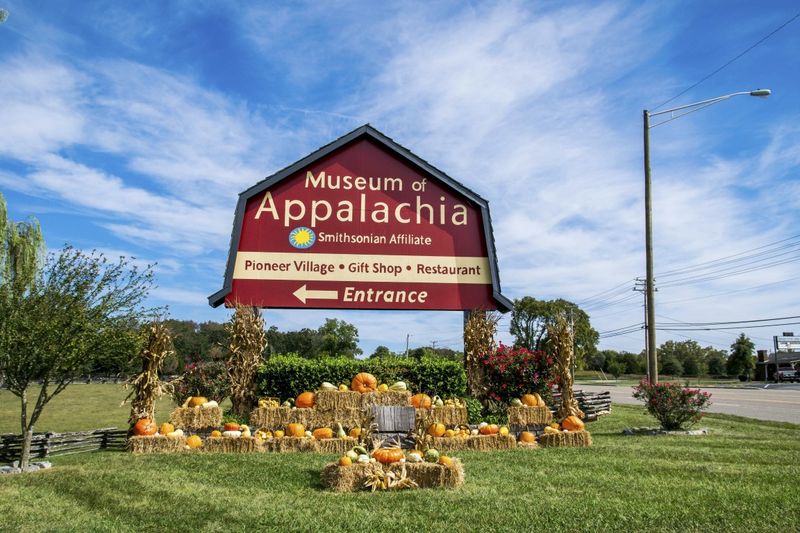
About 20 miles north of Knoxville, a remarkable collection of historic buildings, artifacts, and Appalachian culture has been assembled into one of the region’s most authentic heritage sites. The Museum of Appalachia preserves more than 30 log structures moved from locations across the mountains, along with tens of thousands of tools, household items, and personal belongings that tell the story of mountain life from settlement through the mid-20th century.
Walking through the village feels less like visiting a museum and more like stepping into a living snapshot of how people actually lived and worked.
Admission costs $20 for adults and $18 for seniors 65 and older. The site covers 65 acres, but the buildings are clustered together in a way that doesn’t require marathon walking.
You can move from cabin to barn to workshop at your own speed, ducking inside to see how each space was furnished and used. Many of the structures include interpretive signs or recordings that explain their history and the families who lived in them.
What sets this museum apart is the sheer volume and authenticity of the collection. These aren’t reproduction buildings or sanitized displays.
They’re actual homes, schoolhouses, and workplaces filled with the objects people used daily. The level of detail can be overwhelming in the best way, with every shelf, wall, and corner holding something worth examining.
You could visit multiple times and still notice new things.
The museum also includes livestock, heritage gardens, and occasional demonstrations of traditional crafts, though these aren’t always running. The focus stays firmly on preservation and education rather than entertainment, which gives the place a serious, respectful atmosphere.
It appeals particularly to anyone with mountain roots or an interest in how earlier generations managed without modern conveniences.
Fall is especially popular here, with the museum hosting an annual homecoming festival that draws huge crowds. Most of the year, though, it stays relatively quiet, letting you explore at a contemplative pace.
The combination of history, craftsmanship, and genuine Appalachian character makes this one of East Tennessee’s most rewarding cultural stops.
12. Cades Cove, Great Smoky Mountains National Park
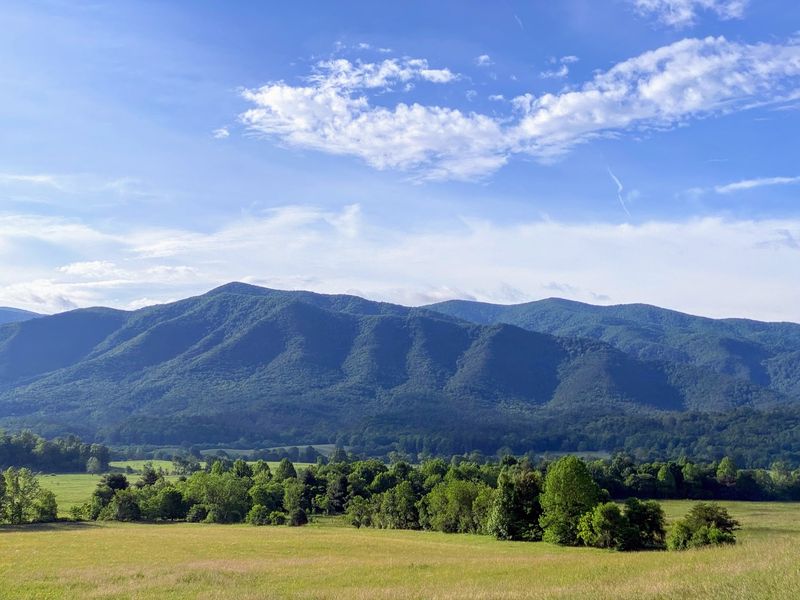
The Smokies’ most famous valley offers an 11-mile one-way loop that lets you experience mountain scenery, historic buildings, and possible wildlife encounters largely from the comfort of your car. Cades Cove sits on the Tennessee side of Great Smoky Mountains National Park and has been attracting visitors for generations with its combination of natural beauty and preserved 19th-century structures.
The National Park Service suggests allowing two to four hours for the loop, though you could easily spend more if you stop frequently or less if you’re just driving through.
The Smokies charge no entrance fee, though parking for more than 15 minutes requires a $5 daily parking tag, keeping this trip well within budget. The loop road is paved and well-maintained, with numerous pullouts where you can stop to photograph the scenery or watch for wildlife.
White-tailed deer are nearly guaranteed, black bears are common in certain seasons, and turkeys, coyotes, and other animals show up regularly enough that most visitors see something memorable.
The historic buildings scattered around the cove include log cabins, barns, churches, and a working grist mill. You can pull over and walk to most of them, though you’re not required to leave your car if you’d rather not.
The structures tell the story of the mountain families who farmed this valley before the park was established, and interpretive signs provide context without being intrusive.
Early morning and late afternoon bring the best wildlife viewing and the most dramatic light. Midday can get crowded, especially in summer and fall, with traffic sometimes slowing to a crawl.
Visiting on a weekday or in winter reduces crowds significantly. The loop is one-way with no shortcuts, so once you start, you’re committed to finishing, though the scenery makes that no hardship.
Cades Cove works beautifully as the finale to a list of Tennessee day trips because it combines so many elements: history, nature, accessibility, and the kind of mountain views that stay with you long after you’ve driven home.