Tennessee offers way more than most people realize when it comes to seeing animals up close. From drive-through safaris where zebras walk right up to your car to quiet wetlands filled with bald eagles, the state is packed with spots that go beyond the typical zoo experience.
Whether you want to hand-feed a giraffe, watch river otters play, or explore gardens filled with colorful parrots, these places deliver more excitement, education, and unforgettable moments than you might imagine.
1. Tennessee Safari Park – Alamo
Most zoo visits keep you on one side of a fence while animals stay safely on the other. At Tennessee Safari Park, that barrier practically disappears.
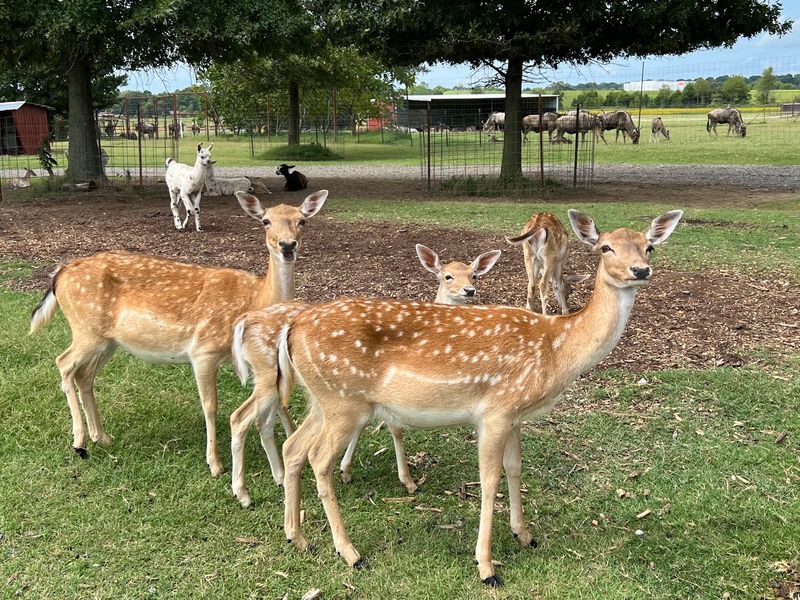
You drive your own car through wide-open areas where zebras, giraffes, bison, and dozens of other exotic species roam freely, and many of them have zero hesitation about walking right up to your window.
The drive covers about 7.5 miles, winding through different habitats that house more than 60 species from six continents. You can buy feed buckets before entering, and once you do, animals quickly figure out which cars have snacks.
Giraffes bend their long necks down to peer inside, zebras nudge your mirrors, and bison lumber past close enough to make you double-check your door locks.
After the drive-through portion, a walk-through section lets you stretch your legs and see smaller animals, birds, and primates up close. Kids especially love this part because it feels like stepping into a completely different world after being in the car.
The whole experience takes a couple of hours if you go slowly and let the animals set the pace.
What makes this place better than expected is how interactive it feels without being chaotic. The animals are used to people, but they still act like animals, not performers.
You leave with photos of a giraffe licking your windshield and stories about the emu that tried to steal your entire bucket of feed.
Pack patience, bring a camera, and maybe skip the car wash right before your visit. This is one of those attractions where the mess is half the fun, and the memories stick around long after you vacuum out the hay.
2. Memphis Zoo – Memphis
Walking through Memphis Zoo feels less like checking off exhibits and more like stumbling into different corners of the world. The layout pulls you from bamboo forests where pandas once lived to African savannas where elephants wade through water, then over to tropical zones filled with sloths and colorful birds.
Every turn offers something new, and the variety keeps even easily distracted kids engaged.
What really sets this zoo apart is the range of hands-on animal experiences available. You can book behind-the-scenes encounters with elephants, sloths, capybaras, porcupines, aardvarks, and okapis, depending on the season and availability.
These aren’t just quick photo ops either. Many include time with keepers who explain animal behavior, diets, and conservation efforts in ways that make you see these creatures completely differently.
The zoo also does a solid job with education without making it feel like homework. Keeper talks happen throughout the day, and they’re genuinely interesting rather than scripted.
You learn why elephants throw dirt on their backs, how capybaras stay cool, and what an okapi’s tongue can do. The information sticks because you’re watching the animals do exactly what the keeper is describing.
Families can easily spend a full day here, especially if you factor in the carousel, splash pad, and playground areas scattered around the grounds. The zoo covers 70 acres, so comfortable shoes matter. There are shaded spots and places to rest, but you’ll still rack up some serious steps.
Memphis Zoo surprises people who expect a standard city zoo experience. The depth of the animal collection, the quality of the habitats, and the chance to get closer to wildlife than usual make it worth more time than you might initially plan.
3. Reelfoot Lake State Park – Tiptonville
Reelfoot Lake looks nothing like a typical Tennessee landscape. The shallow, flooded forest was created by earthquakes in the early 1800s, and today it serves as one of the best places in the state to see wildlife in truly natural settings.
Bald cypress trees rise straight out of the water, their roots submerged and their branches filled with birds, creating an eerie, beautiful backdrop that feels more like Louisiana than West Tennessee.
The state park offers seasonal naturalist-led excursions that change depending on what’s happening in the ecosystem. Winter brings bald eagle tours, where guides take small groups out on boats to watch dozens of eagles hunting and roosting in the bare trees.
Spring offers swamp canoe trips through narrow channels where you might spot herons, egrets, turtles, and occasionally an alligator snapping turtle. Summer pontoon tours focus on the lake’s role as a stopover for migratory birds and a home for fish, frogs, and other wetland creatures.
What makes these tours better than expected is the knowledge and enthusiasm of the naturalists leading them. They know the lake intimately and can point out wildlife you’d never notice on your own.
They also explain the ecological importance of wetlands in ways that make you appreciate what you’re seeing rather than just snapping photos and moving on.
The visitor center provides background on the lake’s unusual formation and the species that depend on it. Short trails near the center let you explore on your own if you prefer, though the guided excursions offer far richer experiences.
Dress for weather and bugs, especially in warmer months. The mosquitoes here don’t mess around.
Reelfoot gives you a completely different kind of animal attraction, one focused on wild ecosystems rather than enclosures. If you want to see Tennessee wildlife doing exactly what it would do without humans around, this is the place.
4. Tennessee National Wildlife Refuge Visitor Center – Springville
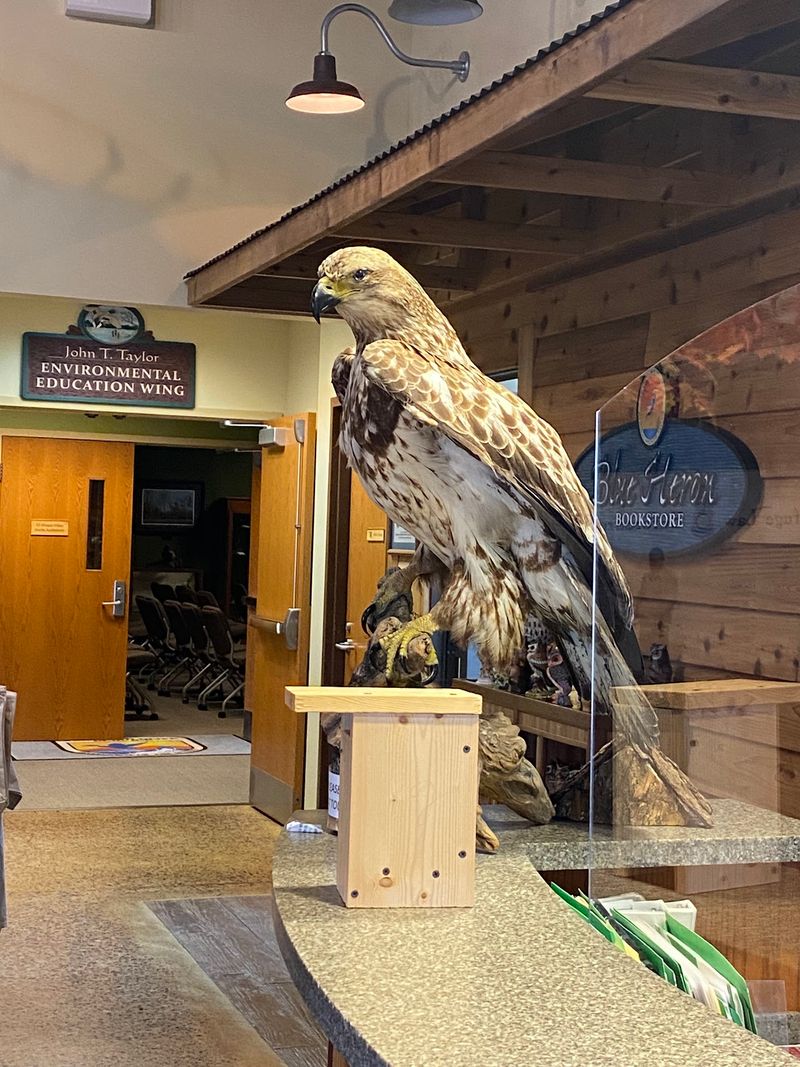
Most people driving through rural western Tennessee have no idea that one of the state’s most important wildlife refuges sits right alongside Kentucky Lake. The Tennessee National Wildlife Refuge protects more than 51,000 acres of forests, grasslands, farmland, and wetlands that serve as critical habitat for migratory birds traveling the Mississippi Flyway.
The Springville visitor center acts as the gateway to understanding just how much is happening in this landscape.
Inside the center, exhibits explain the refuge’s role in conservation and the species that depend on it throughout the year. The displays are well done without being overly technical, and they give context to what you see outside.
Large windows overlook wetlands where you can often spot waterfowl, wading birds, and other species right from the building.
Outside, a short trail leads to an observation deck that provides elevated views of Kentucky Lake’s wildlife habitat. Depending on the season, you might see Canada geese, wood ducks, great blue herons, or bald eagles.
Spring and fall migration periods bring the most variety, with thousands of birds stopping to rest and feed. Binoculars help, but even without them, the sheer number of birds can be impressive.
What surprises visitors is how engaging this place is despite being relatively low-key. There are no flashy exhibits or gift shops packed with souvenirs.
Instead, the focus stays on the wildlife and the habitat, which makes the experience feel more authentic. Rangers and volunteers are usually around to answer questions and point out what’s currently active in the area.
The refuge also offers additional trails and access points beyond Springville, though the visitor center provides the best starting point for first-time visitors. Comfortable walking shoes, a water bottle, and a camera with a decent zoom will serve you well.
This is one of those places where slowing down and paying attention rewards you with sights most people miss entirely.
5. The Elephant Sanctuary in Tennessee – Elephant Discovery Center – Hohenwald
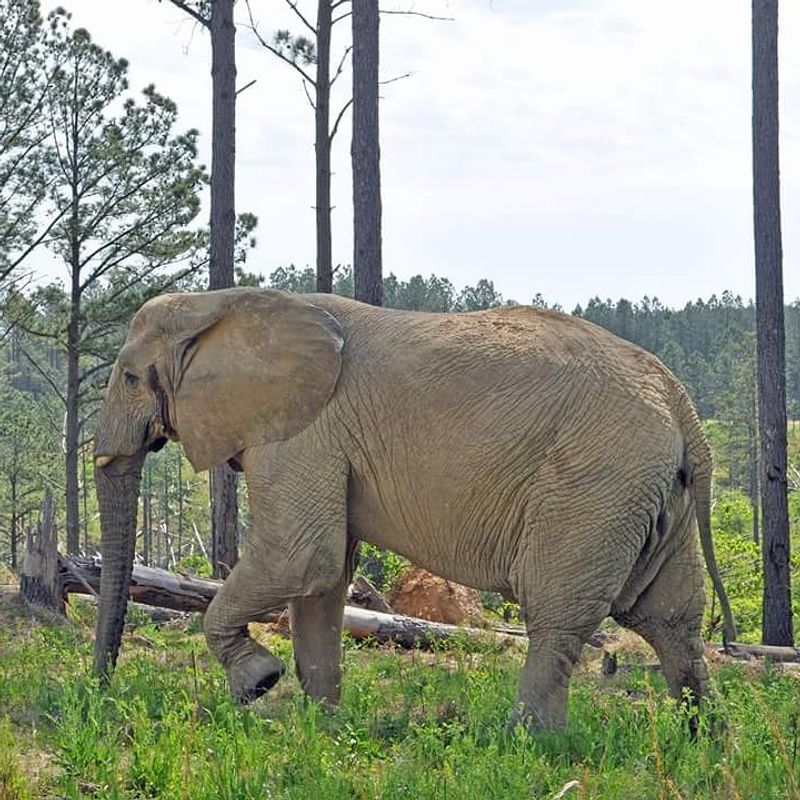
You cannot tour the elephants’ actual sanctuary habitat, and that’s precisely what makes the Elephant Discovery Center in downtown Hohenwald so interesting. The sanctuary itself spans 2,700 acres of protected land where retired elephants from zoos and circuses live out their lives in peace, away from crowds and cameras.
The public center exists to educate visitors about these incredible animals and the sanctuary’s mission without disturbing the elephants themselves.
The Discovery Center features interactive exhibits that cover elephant biology, behavior, intelligence, and the challenges they face in captivity and the wild. You learn about the differences between African and Asian elephants, how their social structures work, and why sanctuaries like this one matter.
The exhibits include life-size models, video footage from the sanctuary’s remote cameras, and information about each resident elephant’s story and personality.
What makes this experience better than expected is how much you walk away understanding. Instead of watching elephants pace in an enclosure, you gain insight into their emotional lives, their need for space and companionship, and the complex reasons why some elephants can never return to the wild.
The center’s staff clearly cares deeply about the animals and conservation, and that passion shows in every exhibit and presentation.
The center also includes a gift shop where proceeds support the sanctuary’s work, along with educational programs and special events throughout the year. Kids especially respond well to the hands-on elements and the chance to see real elephant artifacts like bones, teeth, and footprint casts.
The whole visit takes about an hour, though you can linger longer if you’re particularly interested.
Hohenwald itself is a small town, so plan accordingly if you need food or other amenities. The Discovery Center offers something genuinely different from a typical zoo visit, focusing on respect and education rather than entertainment.
You leave with a deeper appreciation for elephants and a better understanding of what true sanctuary means.
6. Nashville Zoo at Grassmere – Nashville
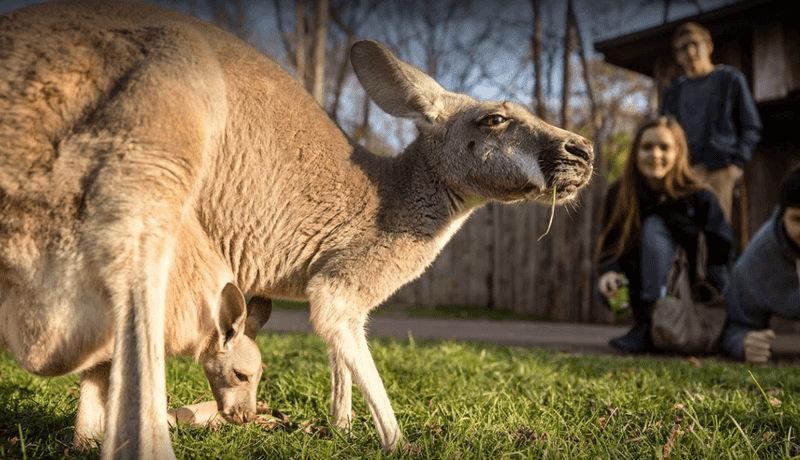
Nashville Zoo sits on historic Grassmere estate grounds, blending natural beauty with well-designed animal habitats that feel more like landscapes than cages. You can wander from giraffes stretching their necks over viewing platforms to tapirs wading through water, then over to kangaroos lounging in open yards and red pandas napping in trees.
The variety keeps things interesting without overwhelming you with too much at once.
Interactive experiences elevate this zoo beyond simple observation. Kangaroo encounters let you walk into their habitat and get surprisingly close to these animals as they hop around or relax in the grass.
Lorikeet feeding stations put you in the middle of a colorful, noisy flock of birds that land on your arms and shoulders, eager for nectar. These moments create the kind of memories kids talk about for weeks afterward.
The zoo also includes a solid collection of birds, reptiles, and smaller mammals that often get overlooked at larger facilities. The aviary walk-through immerses you in a tropical environment where birds fly freely overhead and around you.
Reptile exhibits showcase snakes, lizards, and other cold-blooded creatures with clear signage explaining their roles in ecosystems. Even the smaller exhibits feel thoughtfully designed rather than like afterthoughts.
Grassmere Historic Home and gardens add a unique element to the property. You can tour the old farmhouse and see what life looked like in the area a century ago, providing a nice break from animal viewing.
The grounds also include playgrounds, a carousel, and plenty of shaded spots to rest between exhibits.
Plan for at least half a day here, more if you want to do multiple encounters or take your time at each habitat. The zoo covers 188 acres, so comfortable shoes and a refillable water bottle make a difference.
Nashville Zoo surprises people who expect just another city zoo. The quality of the habitats, the range of animals, and the interactive opportunities make it worth visiting even if you’ve been to plenty of other zoos before.
7. Lucky Ladd Farms – Farm Park & Zoo – Eagleville
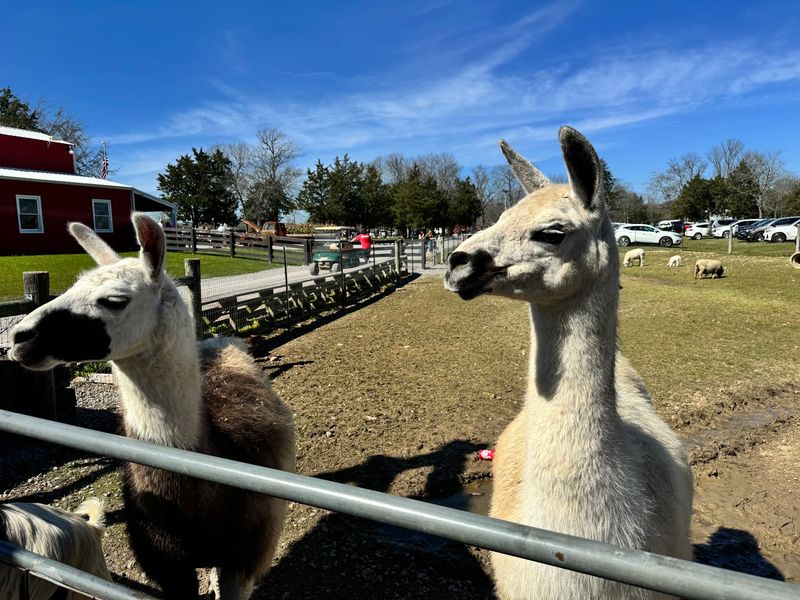
Lucky Ladd Farms packs way more into its 60 acres than most people expect from a farm attraction. What starts as a simple petting zoo visit quickly expands into pony rides, nature trails, massive playgrounds, wagon rides, and seasonal events that can fill an entire day.
The working farm setting gives everything an authentic feel, and the variety means different age groups all find something that holds their attention.
The petting farm alone features goats, sheep, pigs, chickens, rabbits, and other domestic animals that kids can touch and feed. Unlike some petting zoos where animals hide in corners, these creatures are used to visitors and actively approach for attention.
Pony rides circle a shaded track, giving younger kids their first experience on horseback in a safe, controlled environment. The farm also includes more exotic animals like zebras, camels, and kangaroos, though these stay in their own enclosures.
Nature trails wind through wooded areas and open fields, offering a break from the more active attractions. These paths work well for families with toddlers who need to burn energy or older kids interested in spotting birds and insects.
The trails aren’t long or challenging, but they add another dimension to the visit and give you a chance to slow down.
Playgrounds scattered around the property range from traditional swing sets to elaborate climbing structures, giant slides, and even a jump pillow that kids bounce on for hours. Wagon rides take you around the farm, providing a relaxing tour while giving your feet a rest.
Seasonal attractions like pumpkin patches, corn mazes, and Christmas light displays bring people back multiple times a year.
The farm provides picnic areas, snack stands, and shaded seating, so you can easily pack a lunch and make a full day of it. Admission includes most activities, though some special experiences cost extra.
Lucky Ladd Farms surprises visitors with its scale and variety, delivering far more than the typical farm visit most people envision.
8. Tennessee Aquarium – Chattanooga
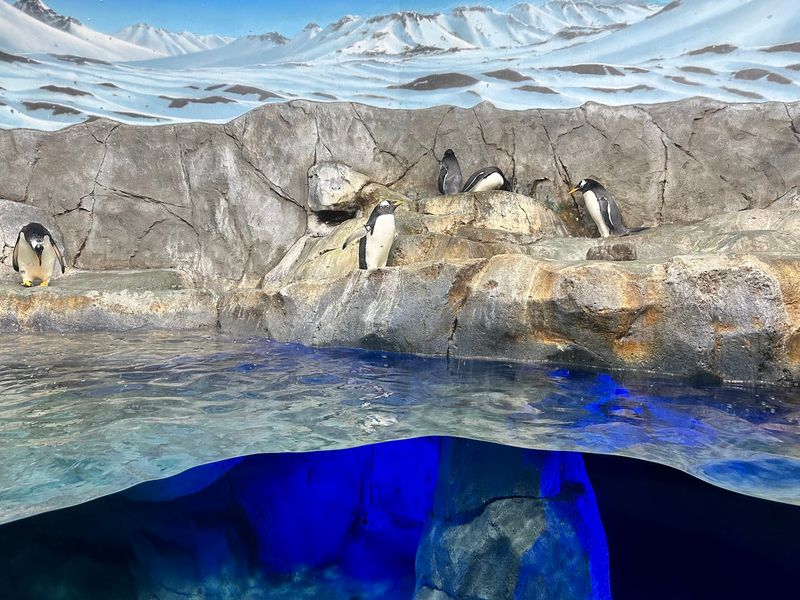
Tennessee Aquarium splits its massive collection between two buildings connected by a plaza, each focusing on different aquatic environments. River Journey takes you through freshwater ecosystems from Appalachian streams down to the Gulf of Mexico, while Ocean Journey explores saltwater habitats from coral reefs to open ocean.
The setup means you experience a huge range of environments and species without the exhibits blending together into a blur of fish tanks.
River Journey starts at the top floor and spirals downward, following the path water takes from mountain springs to the sea. You see river otters playing in rushing streams, alligators lurking in swamp habitats, and countless fish species that call Tennessee’s rivers home.
The giant river tank near the end holds massive catfish, sturgeon, and other species that make you rethink what lives in local waterways. Diver presentations happen throughout the day, with staff entering the tanks to feed animals and answer questions from visitors watching through the glass.
Ocean Journey brings tropical and marine environments to landlocked Tennessee. Sharks glide through a massive tank that you can view from multiple levels, penguins waddle and swim in a carefully climate-controlled habitat, and a giant Pacific octopus occasionally emerges from its den to show off its intelligence and flexibility.
Butterfly exhibits add color and movement, with dozens of species fluttering around a warm, humid room filled with flowering plants.
Keeper talks and feeding demonstrations happen on a schedule posted throughout the aquarium, and they’re worth timing your visit around. Staff members clearly love what they do, and their enthusiasm makes even common species interesting.
You learn about conservation efforts, animal behavior, and the challenges of maintaining such diverse habitats all in one facility.
The aquarium easily takes three to four hours to see properly, more if you catch multiple presentations or revisit favorite exhibits. Chattanooga’s riverfront location means you can combine this with other downtown attractions, making it part of a longer visit to the city.
9. Creature Features Zoo – Athens
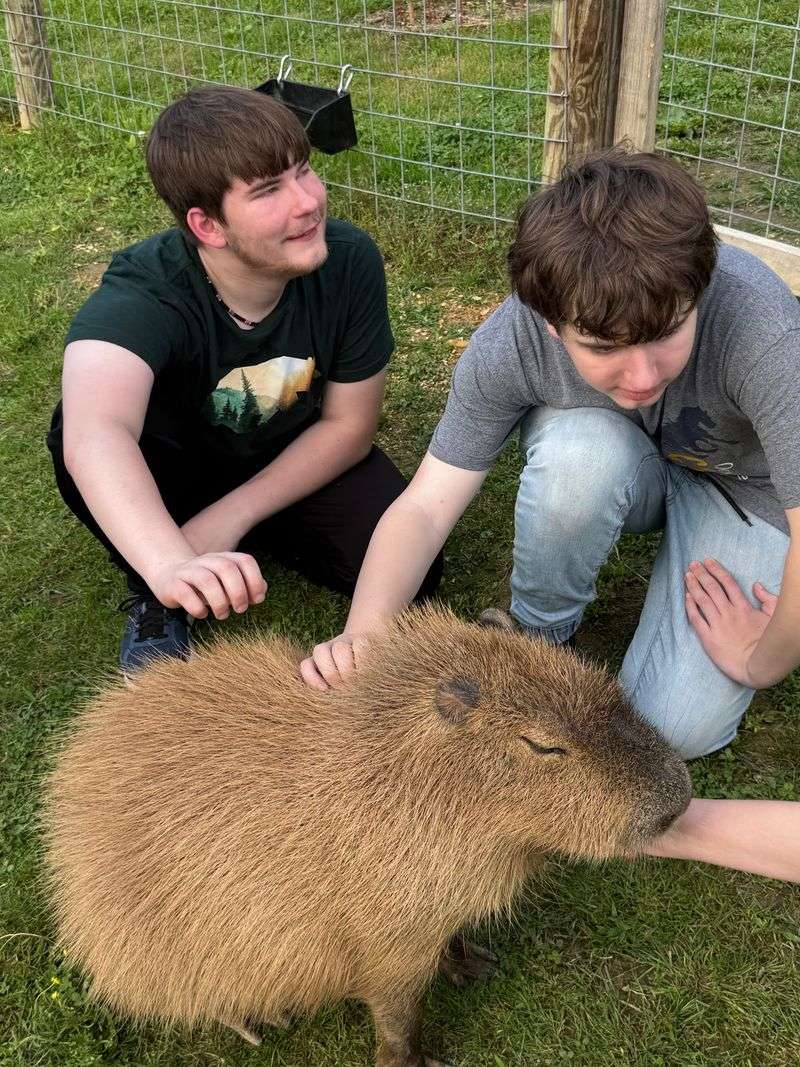
Creature Features Zoo operates on a smaller scale than Tennessee’s major zoos, and that’s exactly what makes it worth visiting. Located in Athens, this lesser-known attraction gives southeast Tennessee a solid animal option without requiring a trip to Chattanooga or Knoxville.
The intimate size means you see everything without feeling rushed, and the variety of species packed into the space surprises most first-time visitors.
The zoo houses a mix of mammals, birds, reptiles, and other animals in habitats designed to mimic natural environments. You might see monkeys, big cats, bears, exotic birds, and various reptiles, depending on the current residents.
The collection changes somewhat over time, but the focus stays on providing good care and educational opportunities rather than simply displaying as many species as possible.
What sets smaller zoos like this apart is the personal attention you often receive. Staff members are usually available to answer questions, share stories about individual animals, and explain conservation challenges facing different species.
You don’t get lost in crowds, and kids can take their time at each exhibit without feeling pressured to move along. The experience feels more like visiting someone’s impressive private collection than touring a massive institution.
Educational signage throughout the zoo provides information about each species, their natural habitats, diets, and conservation status. The signs are clear and accessible, written for general audiences rather than specialists.
This approach works well for families trying to teach kids about wildlife without overwhelming them with technical details.
The zoo covers a manageable area that you can tour in an hour or two, making it a good addition to a day exploring the Athens area or traveling between Chattanooga and Knoxville. Admission prices are reasonable, and the facility includes basic amenities like restrooms and shaded areas.
Creature Features Zoo proves that bigger isn’t always better, offering a quality animal experience in a format that works particularly well for younger children or anyone who finds massive zoos exhausting.
10. Little Ponderosa Zoo and Rescue – Clinton
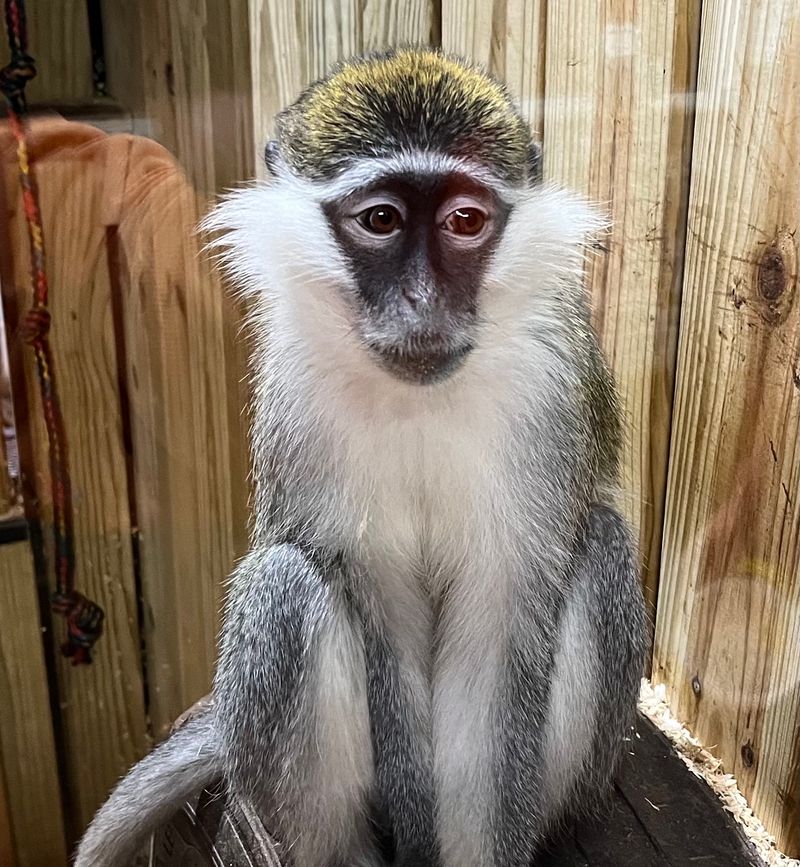
Little Ponderosa Zoo and Rescue brings a different mission to the typical zoo visit. Many of the animals here came from situations where they could no longer be properly cared for, whether from other facilities closing, private owners unable to keep exotic pets, or animals retired from entertainment work.
The rescue angle adds depth to the experience, turning each animal you see into a story about second chances and responsible wildlife care.
The zoo houses a surprising variety of species considering its size and rescue focus. You might encounter big cats, primates, bears, reptiles, birds, and various hoofed animals, all living in enclosures designed to meet their specific needs.
The facility prioritizes animal welfare over flashy presentations, so habitats emphasize safety, enrichment, and comfort rather than maximum visibility. That said, you still get good views of most residents, and the proximity creates memorable encounters.
Staff and volunteers at Little Ponderosa clearly care about the animals and the facility’s mission. They’re often available to talk about individual residents, explain why certain animals ended up at the rescue, and discuss the challenges of providing lifetime care for exotic species.
These conversations add context that makes you think differently about exotic pet ownership and the responsibilities that come with keeping wild animals.
The zoo also serves an educational role, teaching visitors about conservation, proper animal care, and the problems created when people buy exotic pets without understanding the commitment involved. Signs throughout the facility reinforce these messages without feeling preachy, using the animals themselves as examples of what happens when good intentions meet inadequate preparation.
A visit here takes about an hour, depending on how much time you spend at each enclosure and whether you chat with staff. The facility is located in Clinton, making it accessible from Knoxville and other East Tennessee communities.
Little Ponderosa surprises people who expect a standard zoo. The rescue focus, the staff’s dedication, and the variety of animals create an experience that sticks with you long after you leave.
11. Zoo Knoxville – Knoxville
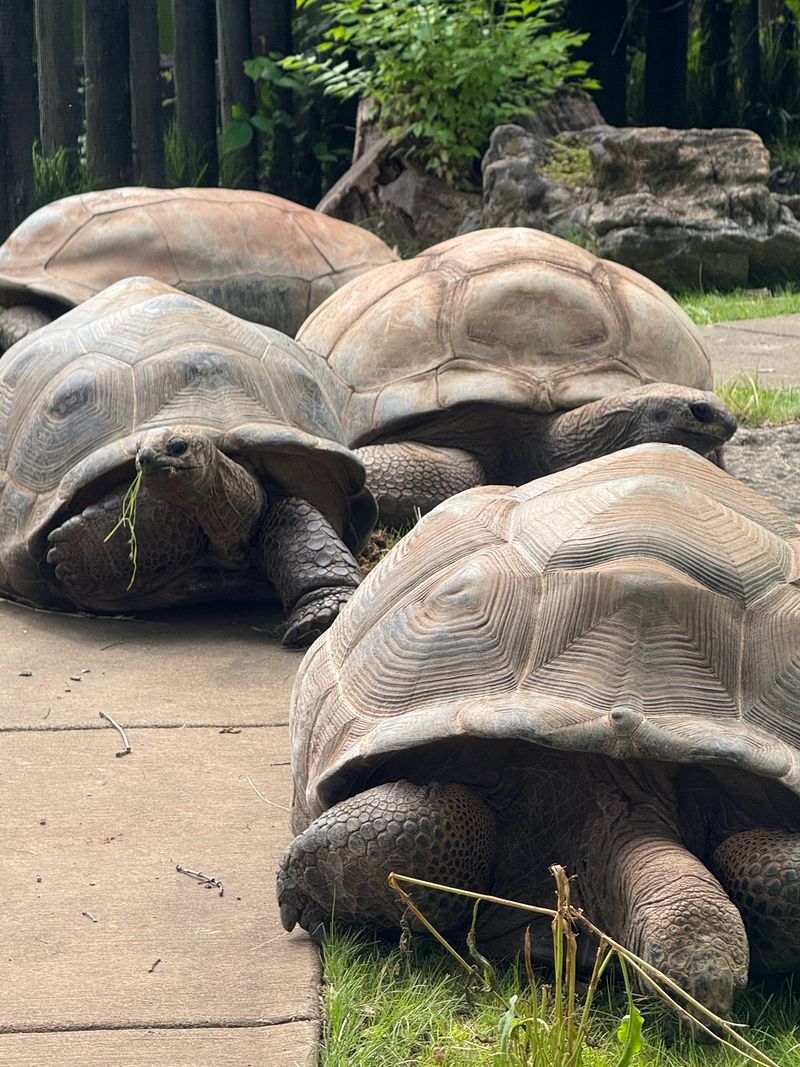
Zoo Knoxville has been part of East Tennessee’s landscape for over a century, but recent renovations and expansions have transformed it into something far beyond what many locals remember from childhood visits. The zoo now features modern habitats that prioritize animal welfare and visitor engagement, with exhibits designed to educate while providing excellent viewing opportunities.
You see everything from red pandas and elephants to giraffes and reptiles, all in settings that feel thoughtfully planned rather than just functional.
The African elephant habitat stands out as one of the zoo’s signature exhibits. Multiple elephants share a large space with pools, mud wallows, and varied terrain that lets them express natural behaviors.
Viewing areas include both ground-level and elevated perspectives, giving you different angles to watch these massive animals interact, bathe, and explore. Keeper talks provide insight into elephant intelligence, social structures, and conservation challenges facing wild populations.
Red pandas have become unofficial mascots for the zoo, and their exhibit delivers on the hype. These adorable, tree-dwelling mammals climb, nap, and eat bamboo in a habitat that mimics their native Himalayan forest environment.
The exhibit design brings you close enough to appreciate their rust-colored fur and expressive faces without disturbing them. Educational signage explains their endangered status and the efforts to protect them in the wild.
Giraffe feeding experiences let you hand-feed these towering animals from an elevated platform, bringing you eye-to-eye with creatures that normally tower overhead. The experience costs extra but provides one of those unforgettable moments kids and adults talk about for years.
Watching a giraffe’s long tongue wrap around lettuce leaves while its huge eyes study you creates a connection photos alone can’t capture.
The zoo covers 53 acres with exhibits spread across varied terrain, including some hills that require decent mobility to navigate. Comfortable shoes matter here. Plan for at least half a day to see everything without rushing, more if you want to catch multiple keeper talks or revisit favorite areas.
Zoo Knoxville proves that established zoos can evolve and improve, delivering experiences that exceed what longtime visitors remember.
12. Parrot Mountain and Gardens – Pigeon Forge
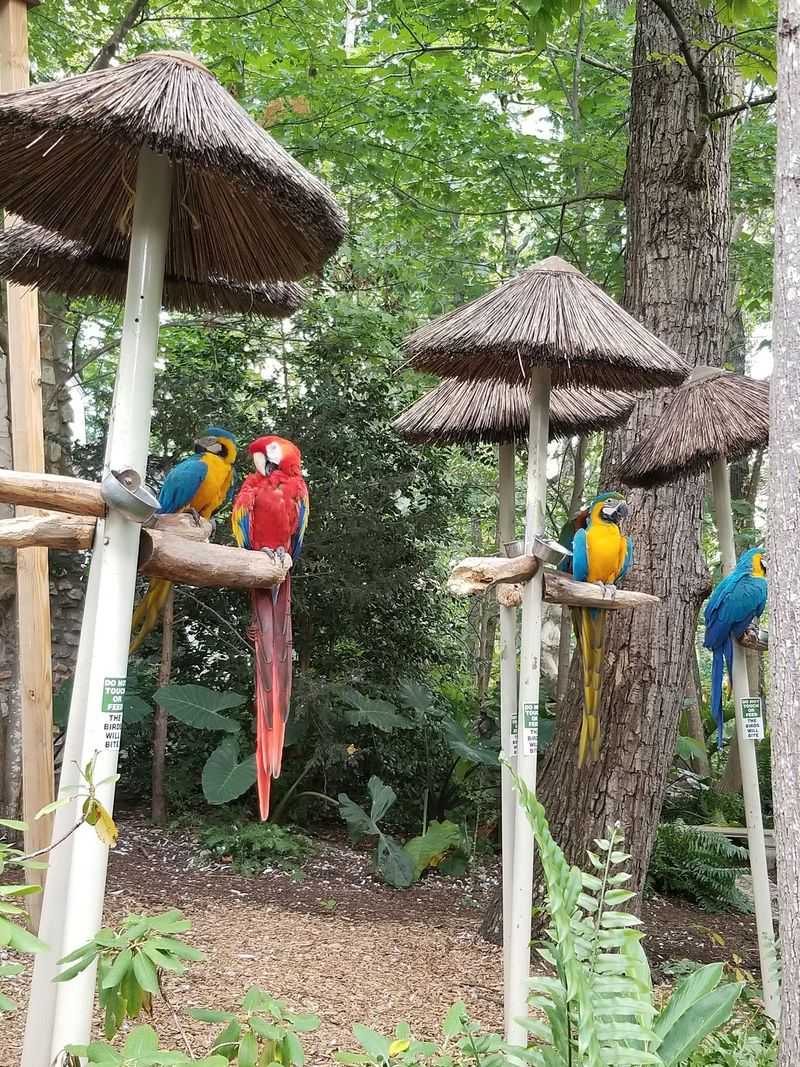
Parrot Mountain and Gardens flips the typical zoo layout on its head by turning the entire attraction into a walk-through garden filled with hundreds of tropical birds. Instead of moving from cage to cage, you wander landscaped paths where parrots, macaws, cockatoos, and other colorful species perch on branches, posts, and structures all around you.
The immersive setup creates an experience somewhere between a botanical garden, an aviary, and an interactive animal encounter.
The gardens themselves deserve attention even without the birds. Flowering plants, water features, and carefully designed landscapes create a tropical atmosphere that feels completely out of place in the Smoky Mountains.
Paths wind upward along the mountainside, offering views of the surrounding area between bird encounters. The combination of natural beauty and exotic wildlife makes this place visually stunning in ways most animal attractions aren’t.
Birds are the main attraction, and they don’t disappoint. Brilliant blue-and-gold macaws, bright red scarlet macaws, white cockatoos with yellow crests, and dozens of other species create an explosion of color and sound throughout the gardens.
Many of the birds are remarkably comfortable around people, posing for photos and occasionally interacting with visitors. Staff members stationed throughout the property answer questions and share information about different species, their personalities, and their care requirements.
The Parrot Mountain Garden of Eden section features a large enclosed area where you can walk among even more birds in a jungle-like setting. Waterfalls, tropical plants, and free-flying parrots create an environment that feels like stepping into a rainforest.
This section alone makes the visit worthwhile, especially for photography enthusiasts or anyone who loves birds.
A visit typically takes one to two hours, depending on how much time you spend photographing birds and exploring the gardens. The attraction sits just outside Pigeon Forge, making it easy to combine with other Smoky Mountain activities.
Parrot Mountain surprises people expecting a standard bird exhibit. The garden setting, the variety of species, and the immersive design create something genuinely unique among Tennessee’s animal attractions.
13. Brights Zoo – Limestone
Brights Zoo operates in far northeastern Tennessee near Limestone, putting it well off the beaten path compared to the state’s more famous animal attractions. That remote location is part of what makes it a fitting final entry on this list.
Getting here requires some intentional travel, and the fact that it exists at all in this rural corner of Tennessee surprises most people who stumble across it or make the deliberate trip.
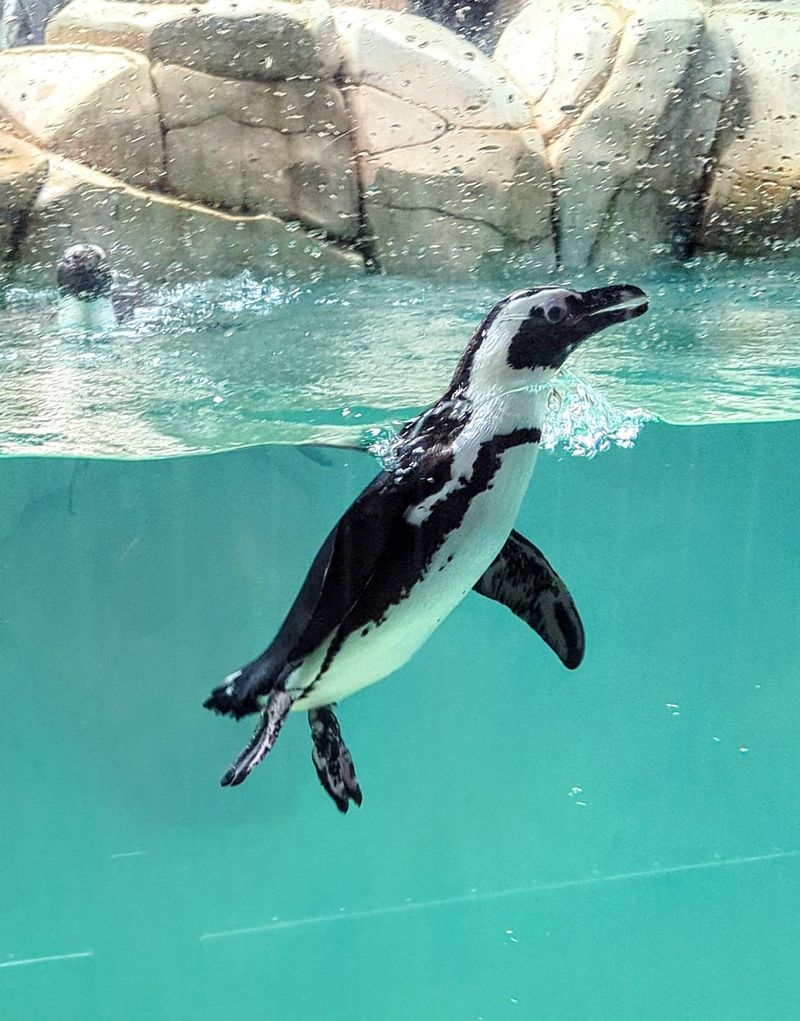
The privately owned zoo houses an impressive collection of exotic animals considering its location and size. You might see big cats like lions and tigers, various primate species, bears, reptiles, birds, and hoofed animals from different continents.
The collection rivals some larger zoos in variety, even if the overall footprint is smaller. Habitats are designed to provide adequate space and enrichment for residents while still allowing good viewing opportunities for visitors.
What stands out about Brights Zoo is the dedication required to maintain such a facility in a relatively isolated area. Running a zoo anywhere involves enormous expense, regulatory compliance, and daily care requirements, but doing it outside a major population center adds extra challenges.
The fact that the zoo continues operating and maintaining its collection speaks to the owner’s commitment to the animals and the attraction itself.
Visitors often comment on the personal feel of the experience. You’re not navigating massive crowds or fighting for viewing space at popular exhibits. Instead, you can take your time at each enclosure, watch animal behaviors unfold naturally, and absorb the experience without constant distractions.
The smaller scale works in the zoo’s favor, creating a more intimate encounter with the animals.
The zoo covers enough ground to occupy an hour or two, making it a worthy destination if you’re exploring the Tri-Cities area or traveling through northeastern Tennessee. Admission prices are reasonable, and the facility includes basic visitor amenities.
Brights Zoo proves that quality animal attractions can exist outside major tourist corridors. The variety of species, the care evident in the facility, and the unexpected location all contribute to that “better than expected” feeling this list celebrates.