Texas stretches wider than most states and packs more personality into every mile. From quirky art installations in the middle of nowhere to historic landmarks that shaped America, a road trip here delivers surprises around every bend. Whether you crave cowboy culture, space exploration, or just a really good photo op, the Lone Star State has you covered in the most unforgettable ways.
1. Cadillac Ranch (Amarillo)
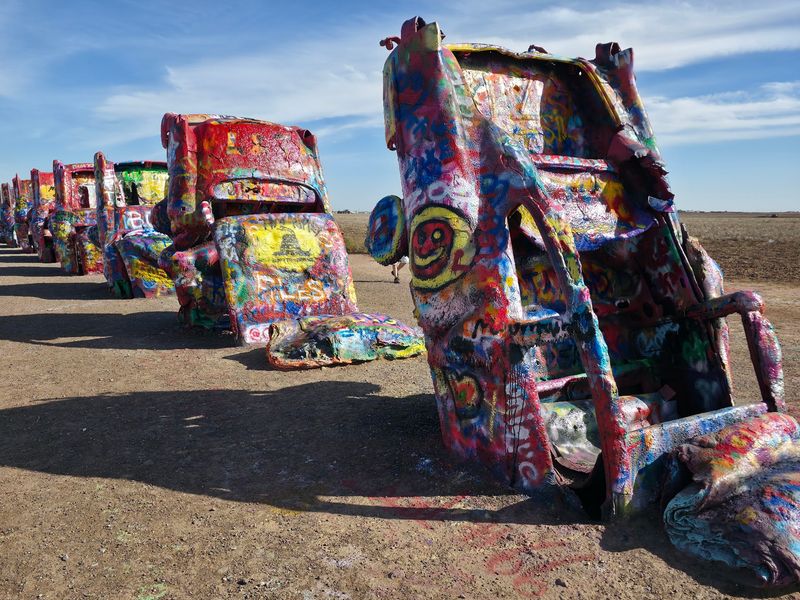
Half-buried Cadillacs sticking out of a wheat field might sound like a fever dream, but it’s one of the most photographed roadside attractions in America. Ten classic cars stand nose-down in the dirt, angled perfectly to match the slope of the Great Pyramid of Giza. Visitors from every corner of the globe show up with spray paint cans to leave their mark on these automotive relics.
The installation went up in 1974, courtesy of an art collective called Ant Farm and a local eccentric millionaire. Over the decades, layers upon layers of paint have transformed the cars into a constantly evolving canvas. You’ll see everything from marriage proposals to band logos to random doodles covering every inch of metal.
Bring your own spray paint if you want to participate. There are no rules about what you can write or draw, which makes the experience feel refreshingly lawless. Just don’t forget to wear clothes you don’t mind ruining, because paint mist gets everywhere.
The site sits about ten miles west of downtown Amarillo, right off Interstate 40. There’s no admission fee, no gate, and no set hours. You can roll up at sunrise or midnight and find the same chaotic beauty waiting for you.
Locals treat it like a living art project, and the vibe stays welcoming no matter how crowded it gets. Kids run around with neon paint while their parents snap selfies against the graffiti-covered chrome. It’s messy, weird, and completely Texan in the best possible way.
Plan for at least thirty minutes if you want decent photos and time to add your own contribution. The surrounding landscape offers big skies and wide-open views that make the whole scene feel even more surreal. This stop delivers exactly the kind of oddball charm that makes road trips memorable.
2. The Alamo (San Antonio)
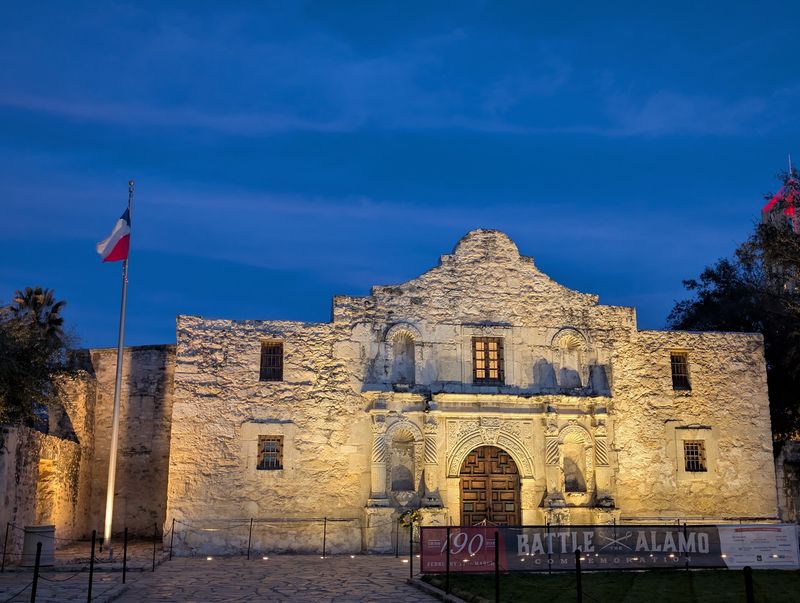
Standing in front of this 18th-century mission, you’re looking at the site where 200 defenders held off thousands of Mexican troops for thirteen days in 1836. The battle became a rallying cry that helped Texas win independence. Today, the modest stone building sits tucked between modern high-rises in downtown San Antonio, a quiet reminder of a loud chapter in history.
Most visitors expect something grander, but the real Alamo measures smaller than a typical suburban house. The famous facade with its curved parapet only tells part of the story. Walk through the interior rooms and you’ll find artifacts, weapons, and personal items that belonged to the men who fought here.
The grounds include a peaceful courtyard with shaded walkways and interpretive displays. Rangers and docents answer questions and share details that textbooks skip over. You’ll learn about Davy Crockett, Jim Bowie, and William B.
Travis, but also about the Tejano fighters whose contributions often get overlooked.
Admission stays free, though donations help with preservation. Lines can stretch long during peak tourist season, especially around spring break and summer vacation. Arriving early in the morning or late afternoon usually means shorter waits and better light for photos.
The surrounding area offers plenty of dining and shopping options along the River Walk, just a few blocks away. You can easily spend a full day exploring San Antonio’s historic missions trail if you want the complete story. The Alamo itself takes about an hour to tour properly, longer if you read every placard.
Respect runs deep here. Visitors are asked to remove hats inside the chapel and keep voices low. It’s not just a tourist attraction but a shrine to people who died for a cause they believed in, and that reverence shapes the entire experience.
3. Space Center Houston (Houston)
Astronaut training simulators, moon rocks you can actually touch, and the original Mission Control room where Apollo 11 made history all wait under one massive roof. This place serves as the official visitor center for NASA’s Johnson Space Center, where every American astronaut has trained since the 1960s. Walking through feels like stepping into the future and the past at the same time.
The tram tour takes you behind the scenes to see where astronauts practice spacewalks in giant pools and where engineers build the next generation of spacecraft. You’ll ride past Building 9, a warehouse-sized facility packed with full-scale mockups of the International Space Station. Guides share stories about real missions, close calls, and the everyday challenges of living in zero gravity.
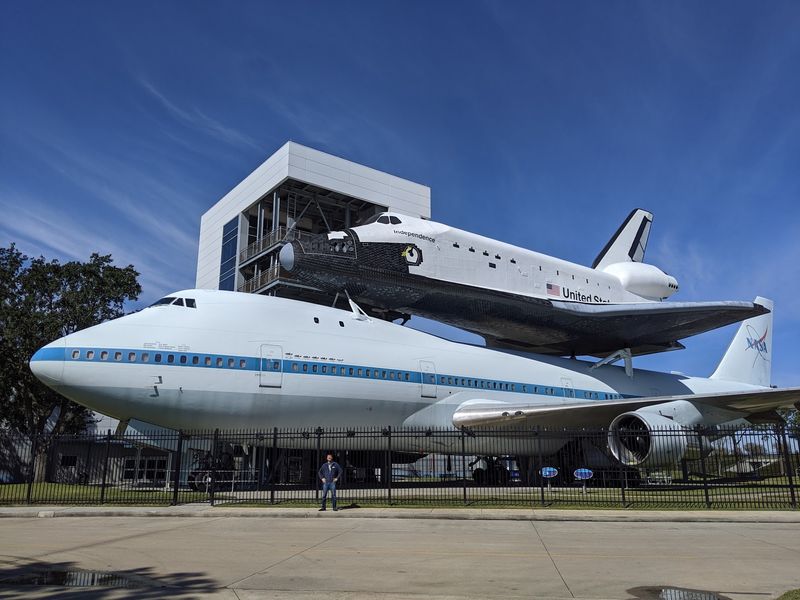
Independence Plaza houses a shuttle replica mounted on top of the original NASA 905 shuttle carrier aircraft. You can climb inside both and imagine what it felt like to ride a controlled explosion into orbit. The scale alone makes your jaw drop, especially when you realize people actually flew these machines.
Interactive exhibits let kids (and adults) try landing a shuttle, docking with the space station, or driving a Mars rover. The Starship Gallery displays actual spacecraft that flew in space, including a Gemini capsule and an Apollo command module. Seeing the tiny, cramped quarters where astronauts spent weeks makes their bravery even more impressive.
Plan for at least four hours, longer if you’re a serious space nerd. The center opens daily except Christmas, with tram tours running every fifteen to twenty minutes. Tickets cost around thirty dollars for adults, less for kids, and you can add special experiences like astronaut encounters for an extra fee.
The gift shop sells everything from freeze-dried ice cream to flight suits, perfect for aspiring astronauts back home.
4. Prada Marfa (Valentine)
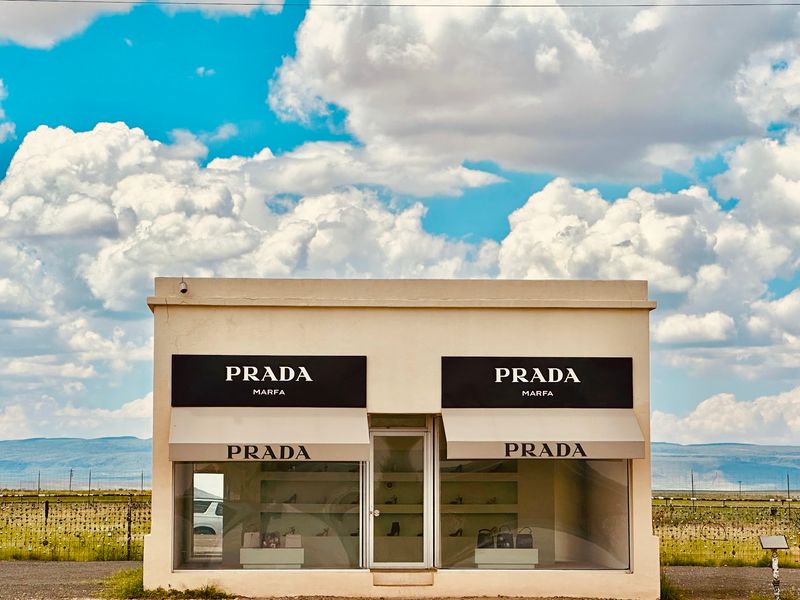
A luxury boutique stands alone in the Chihuahuan Desert, miles from the nearest town, stocked with real Prada handbags and shoes that nobody can buy. The door doesn’t open, the merchandise never changes, and the whole setup exists purely as a commentary on consumerism and isolation. Artists Elmgreen and Dragset created this surreal installation in 2005, and it’s been confusing and delighting road-trippers ever since.
The building sits about a mile and a half northwest of Valentine, a tiny railroad stop with more tumbleweeds than people. You’ll spot it from Highway 90, gleaming white against the tan desert scrub. Pull over on the shoulder and you can walk right up to the windows, where six handbags and fourteen shoes sit eternally on display.
Vandals have broken in multiple times over the years, stealing merchandise and spray-painting the exterior. Each time, the artists restore it to its original pristine state, maintaining the illusion of a functioning high-end store in the middle of absolute nowhere. The persistence makes the whole thing even more absurd and fascinating.
Photographers love the stark contrast between luxury fashion and desolate landscape. The light hits differently out here, especially around golden hour when the shadows stretch long across the desert floor. You’ll see people posing with shopping bags, pretending to browse, or just standing there trying to make sense of it all.
There’s no admission, no parking lot, and no facilities. Just you, the art, and about a hundred miles of empty horizon in every direction. The nearest gas station and restrooms are back in Marfa, about forty minutes west, so plan accordingly.
The installation has become so iconic that it’s spawned imitators and inspired countless Instagram posts. But nothing beats seeing the original in person, standing in that vast silence and wondering what the artists were really trying to say.
5. Fort Worth Stockyards (Fort Worth)
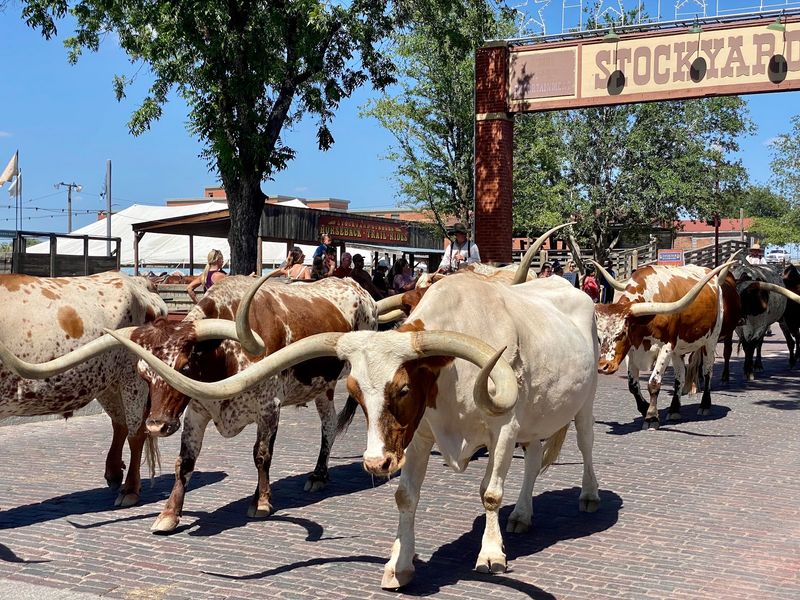
Twice daily, a herd of longhorns marches down Exchange Avenue like they own the place, which historically speaking, they kind of did. Cowboys on horseback guide the cattle along the brick streets while tourists scramble for photos and kids press against the barriers. This isn’t a theme park recreation but a living connection to the days when Fort Worth served as the last major stop on the Chisholm Trail.
The Stockyards National Historic District preserves the old cattle pens, livestock exchange buildings, and saloons that made this neighborhood the heart of the Texas beef industry. Wooden boardwalks line the streets, and every building seems to house either a Western wear shop, a honky-tonk, or a steakhouse. The smell of barbecue smoke hangs in the air constantly.
Billy Bob’s Texas claims the title of world’s largest honky-tonk, and the numbers back it up. The place covers three acres under one roof, with multiple bars, a dance floor big enough for hundreds of two-steppers, and live bull riding on weekends. Big-name country acts perform here regularly, and the walls display autographed photos from decades of musical legends.
The Texas Cowboy Hall of Fame shares stories of real ranch hands, rodeo champions, and cattle barons who shaped the industry. Exhibits include antique saddles, branding irons, and photographs that show what life actually looked like on the range. It’s grittier and more authentic than Hollywood’s version of the Old West.
Shops sell everything from custom boots to ten-gallon hats, and many offer fitting services to make sure you leave with the right size. Restaurants serve chicken-fried steak, brisket, and other Texas classics, often with live music as a side dish.
The cattle drive happens at 11:30 a.m. and 4 p.m. daily, rain or shine, and it’s worth timing your visit around. Parking fills up fast on weekends, but several lots surround the district.
6. Dr Pepper Museum (Waco)
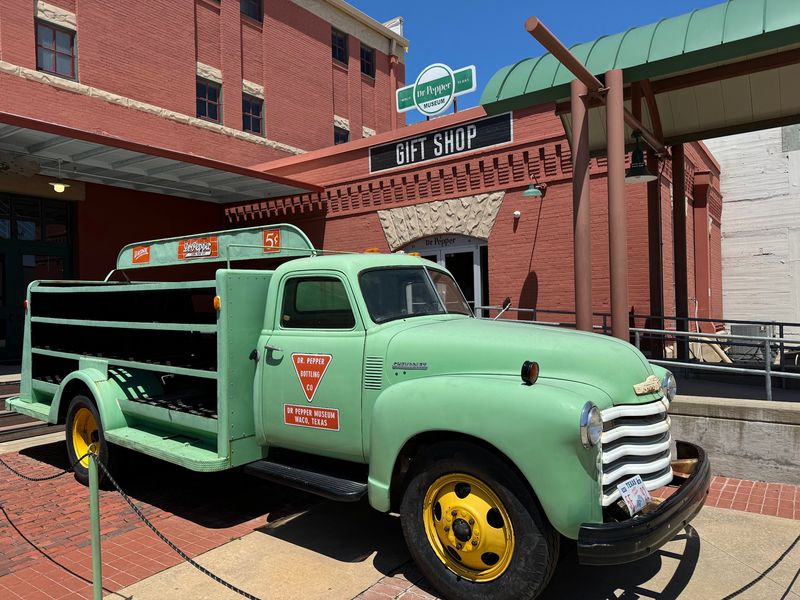
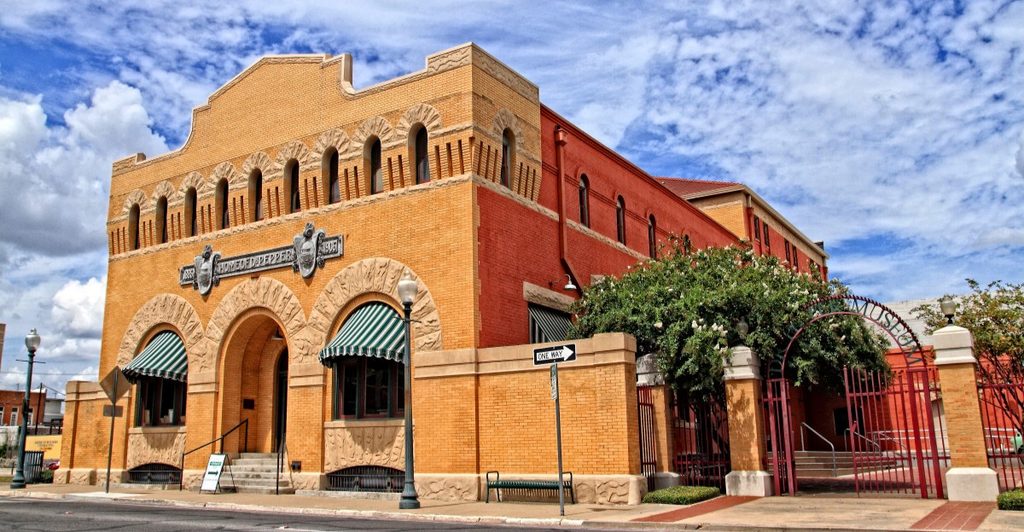
The world’s oldest major soft drink was invented right here in Waco back in 1885, and this three-story museum tells the whole fizzy story. Housed in the original bottling plant, the building itself qualifies as a piece of history. Brick walls, vintage machinery, and the smell of old wood create an atmosphere that feels more like a time capsule than a corporate showcase.
Exhibits walk you through the evolution of soda production, from hand-mixed batches to modern automated bottling lines. You’ll see antique delivery trucks, vintage vending machines, and advertising memorabilia that spans more than a century. The collection includes rare bottles, promotional items, and even the original syrup recipe locked away in a vault.
The working soda fountain on the first floor serves up floats, phosphates, and other old-fashioned concoctions you can’t find at regular restaurants. Soda jerks in period costumes mix drinks using authentic techniques and ingredients. Try a Dublin Dr Pepper made with real cane sugar, or experiment with flavor combinations that were popular a hundred years ago.
Interactive displays let you design your own bottle label, test your knowledge of soda trivia, and learn about the chemistry behind carbonation. Kids especially love the hands-on sections where they can operate miniature bottling equipment and create their own marketing campaigns.
The gift shop stocks every Dr Pepper variant currently in production, plus plenty that aren’t available in regular stores. You’ll find clothing, collectibles, and specialty items that make perfect souvenirs for soda enthusiasts back home.
Admission runs about twelve dollars for adults, less for kids and seniors. The museum opens Tuesday through Sunday, with extended hours during summer. Plan for about ninety minutes to see everything properly, longer if you linger at the soda fountain.
Waco offers several other attractions nearby, including Magnolia Market and the Texas Ranger Hall of Fame, making it easy to fill a full day of exploring.
7. USS Lexington Museum (Corpus Christi)
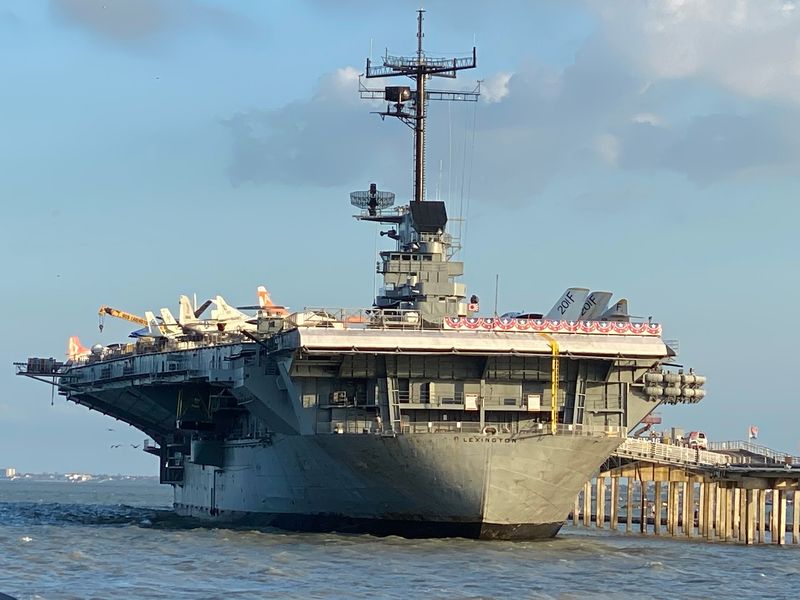
A 910-foot aircraft carrier floats permanently in Corpus Christi Bay, offering civilians a rare chance to explore a vessel that served from World War II through Vietnam. The USS Lexington earned the nickname “Blue Ghost” because Tokyo Rose kept claiming she’d been sunk, yet she kept showing up for more battles. Walking her decks feels like boarding a small floating city designed entirely for war.
The flight deck stretches three football fields long, lined with vintage aircraft that actually flew combat missions. You can climb into cockpits, examine weapons systems, and imagine what it took to land a jet on a moving ship in rough seas. The collection includes fighters, bombers, and helicopters from multiple eras of naval aviation.
Below deck, the ship opens up into a maze of narrow passageways, steep ladders, and cramped compartments. You’ll visit the engine room, the galley, crew quarters, and the captain’s cabin. Everything remains authentic, down to the bunks where sailors slept stacked three high.
The bridge offers panoramic views of the bay and lets you stand where commanders directed operations during actual combat. Flight simulators give you a chance to experience carrier landings firsthand, complete with the terrifying perspective of approaching a tiny moving runway surrounded by ocean.
Pearl Harbor survivors and Lexington veterans sometimes volunteer as docents, sharing firsthand accounts that bring the exhibits to life. Their stories about kamikaze attacks, typhoons, and daily life at sea add depth that plaques and videos can’t match.
The museum hosts overnight camping programs for youth groups, letting kids sleep in actual crew quarters and experience a taste of military life. Special events include flight deck concerts, vintage aircraft flyovers, and commemorative ceremonies.
Admission costs around twenty dollars for adults, with discounts for military, seniors, and children. The ship stays open daily except Thanksgiving and Christmas. Wear comfortable shoes because you’ll climb a lot of stairs and walk several miles of passageways.
8. Texas Capitol (Austin)
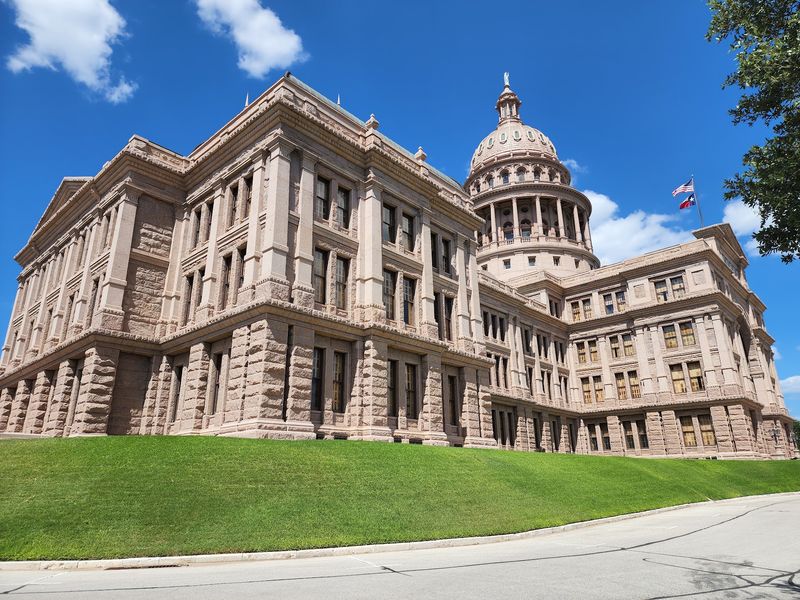
Taller than the U.S. Capitol in Washington and built entirely from Texas pink granite, this statehouse dominates the Austin skyline like a beacon of Lone Star pride. Construction finished in 1888, and the building remains one of the most distinctive capitol structures in America.
The dome rises 308 feet high, topped with a Goddess of Liberty statue holding a gilded star.
Free guided tours run throughout the day, led by knowledgeable volunteers who share architectural details and political history with equal enthusiasm. You’ll walk through the rotunda, visit legislative chambers, and see portraits of every Texas governor dating back to the Republic era. The interior features terrazzo floors, hand-carved woodwork, and enough marble to make your footsteps echo.
The grounds cover forty-six acres of carefully maintained lawns, monuments, and heritage oak trees. Seventeen monuments dot the landscape, honoring everyone from Confederate soldiers to Texas Rangers to firefighters. Each tells a different chapter of state history, sometimes controversial, always interesting.
The Capitol Extension, completed in 1993, burrows four stories underground and connects to the original building through tunnels. This massive addition doubled the working space without disrupting the historic facade. Skylights and atriums keep the underground levels from feeling claustrophobic.
The visitor center occupies the old General Land Office building across the street, where exhibits explain Texas government and showcase artifacts from the building’s construction. You can see the original blueprints, tools used by stonecutters, and photographs documenting every phase of the project.
Security screening happens at every entrance, similar to airport procedures, so leave plenty of time if you’re on a schedule. The building stays open to the public whenever the legislature isn’t in session, though some areas close during meetings.
Parking can be tricky downtown, but several garages sit within walking distance. The Capitol sits right on Congress Avenue, making it easy to combine with other Austin attractions like Sixth Street or the University of Texas campus.
9. Gruene Hall (New Braunfels)
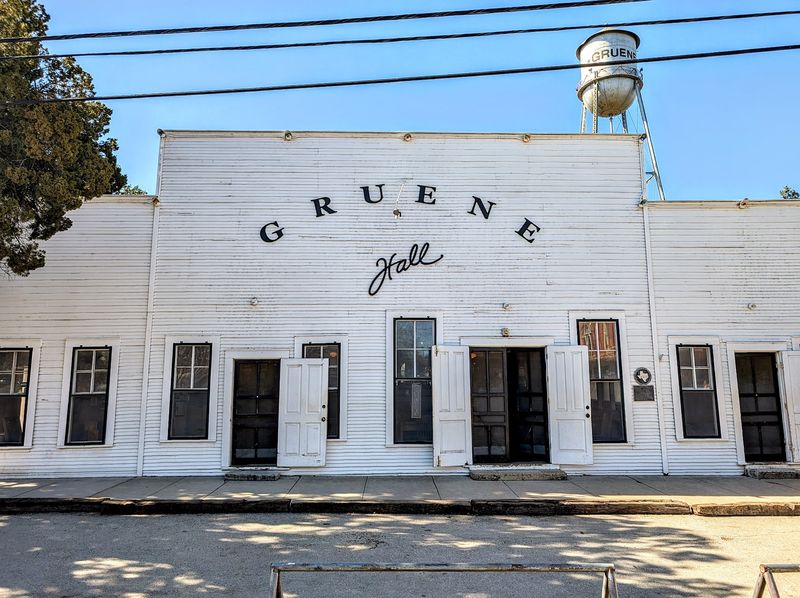
Built in 1878, this weathered wooden dance hall holds the title of oldest continuously operating honky-tonk in Texas. The floorboards sag from more than a century of boot-scootin’, the walls lean slightly, and the whole place smells like beer and history. Big-name acts still play here regularly, from Willie Nelson to George Strait, treating it like a pilgrimage site for authentic Texas music.
The interior hasn’t changed much since the 1800s. Chicken wire covers the windows, beer ads from defunct brands paper the walls, and the stage sits barely raised above the dance floor. No air conditioning cools the space, just ceiling fans and screened windows that let the Hill Country breeze blow through.
Summer shows get sweltering, but that’s part of the charm.
The acoustics work surprisingly well for such a simple structure. Wood absorbs sound differently than modern materials, giving performances a warm, intimate quality even when the room packs tight with dancers. You can stand right up front near the stage or claim a spot at one of the long wooden tables that line the perimeter.
The bar serves cold beer and not much else. This isn’t a place for craft cocktails or fancy wine lists. People come for the music and the atmosphere, and the drinks just keep you hydrated between songs.
Cash works better than cards, and the bartenders move fast during busy shows.
The historic town of Gruene surrounds the hall, offering antique shops, restaurants, and access to the Guadalupe River. The whole district preserves a slice of 19th-century Texas, with buildings that actually date from that era rather than recreations. You can easily spend a full day exploring, especially if you add river tubing or wine tasting to the agenda.
Check the schedule before you visit because the hall doesn’t host shows every night. When a big act comes through, tickets sell out fast and parking becomes a challenge throughout the small town.
10. Dealey Plaza (Dallas)
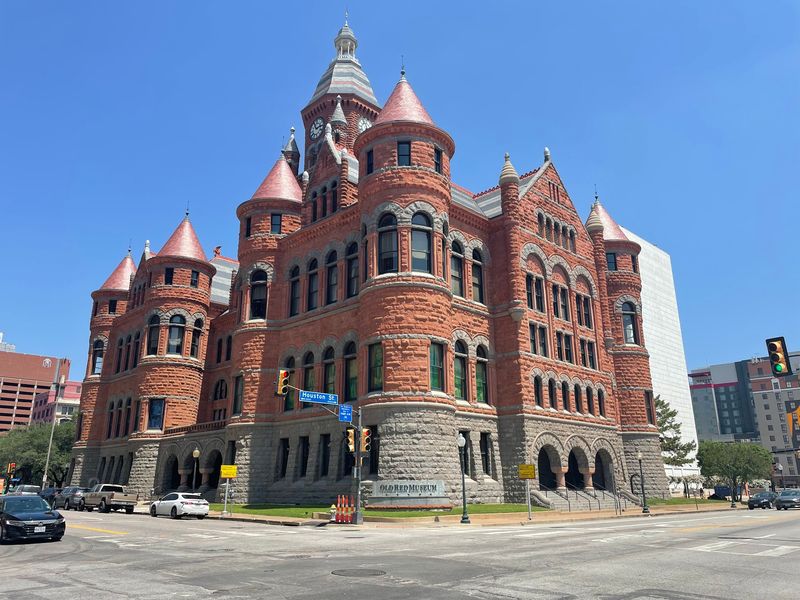
On November 22, 1963, President John F. Kennedy’s motorcade turned onto Elm Street and passed through this plaza, where shots rang out that changed American history. The site remains remarkably unchanged, with the same buildings, the same street layout, and the same grassy knoll that became central to decades of investigation and speculation.
Standing here feels heavy, knowing exactly what happened on this ordinary-looking corner.
White X marks on Elm Street show where the bullets struck the presidential limousine. Cars drive over them constantly, and visitors risk traffic to stand on those spots and look back toward the Texas School Book Depository. The sixth floor of that building now houses a museum dedicated to Kennedy’s life, death, and legacy.
The Sixth Floor Museum displays photographs, artifacts, and film footage that document both the assassination and the broader context of Kennedy’s presidency. The sniper’s perch remains preserved behind glass, boxes stacked exactly as they were found. Looking out that window toward the X marks below creates a chilling perspective on how the attack unfolded.
Exhibits explore the investigation, the arrest of Lee Harvey Oswald, and the conspiracy theories that emerged almost immediately. The museum presents facts without pushing particular conclusions, letting visitors draw their own interpretations from the evidence. Audio guides add firsthand accounts from witnesses, journalists, and investigators who were there.
The grassy knoll rises gently to the north of Elm Street, site of endless speculation about additional shooters. You can walk the area freely, though the constant stream of tourists means you’re rarely alone. The pergola where Abraham Zapruder filmed his famous footage still stands, offering the same vantage point he had that day.
Admission to the museum runs about eighteen dollars for adults. The plaza itself remains public space, accessible anytime. Parking downtown costs money at meters or garages, and walking from other Dallas attractions takes fifteen to twenty minutes depending on where you start.
Share this story